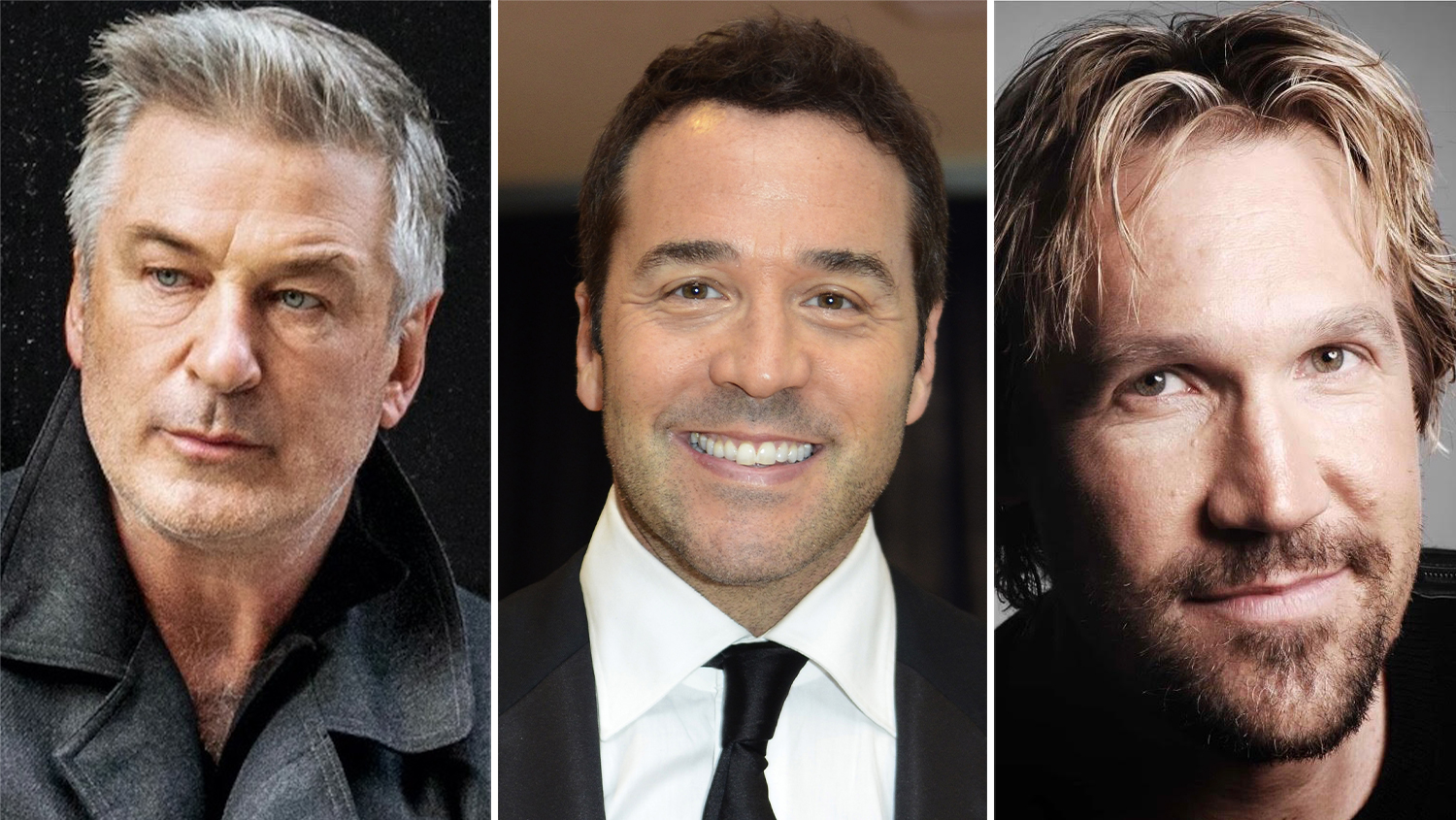
Alec Baldwin has been cast in the upcoming action thriller ‘Panic Button’, alongside Jeremy Piven and David A.R. White. This decision, announced on June 24, 2026, immediately reignited public discussion regarding celebrity accountability and the entertainment industry’s approach to second chances for actors following significant controversies.
The film’s production is set to move forward with a cast that includes figures who have faced considerable public scrutiny. Their involvement prompts a closer look at how Hollywood navigates the careers of individuals whose public images have been impacted by past events.
The ‘Panic Button’ Project: A High-Stakes Thriller
‘Panic Button’ is described as an action thriller. This genre often relies on high-stakes narratives and compelling performances to captivate audiences. Specific plot details remain largely under wraps following the initial announcement. However, the confirmed cast members suggest a project aiming for a broad audience and significant box office appeal.
The film’s premise, while undisclosed, is expected to leverage the dramatic tension inherent in its genre. Action thrillers frequently explore themes of survival, moral dilemmas, and rapid decision-making under pressure. The casting choices for ‘Panic Button’ indicate an intent to deliver a powerful and engaging cinematic experience.
The Ensemble Cast: Baldwin, Piven, and White
Alec Baldwin’s career spans decades. It is marked by critically acclaimed roles in film and television. His filmography includes iconic performances in ‘The Hunt for Red October’ (1990), ‘Glengarry Glen Ross’ (1992), and an Emmy-winning portrayal of Donald Trump on ‘Saturday Night Live’ from 2016 to 2020. Baldwin’s recent years have been dominated by legal proceedings and public debate surrounding the 2021 ‘Rust’ shooting incident. This incident resulted in the death of cinematographer Halyna Hutchins.
Jeremy Piven is another seasoned actor joining the ‘Panic Button’ ensemble. Piven is widely recognized for his role as Ari Gold in the HBO series ‘Entourage’ (2004-2011). This role earned him multiple Emmy Awards and a Golden Globe. His career also features significant film credits such as ‘Serendipity’ (2001) and ‘Smokin’ Aces’ (2006). Piven also faced allegations of misconduct in the past, which impacted his career trajectory.
David A.R. White brings a background rooted in faith-based cinema to the project. White is known for co-founding Pure Flix, a prominent streaming service and production company specializing in Christian films. His acting credits include films like ‘God’s Not Dead’ (2014) and ‘Revelation Road’ (2013). His involvement in an action thriller like ‘Panic Button’ signals a potential expansion of his typical genre work, moving into more mainstream or secular productions.
Celebrity Accountability and Public Scrutiny
The casting of actors like Alec Baldwin and Jeremy Piven in a new high-profile project inevitably reopens conversations about accountability. Public figures, especially those in the entertainment industry, often find their professional lives intertwined with their personal conduct and any associated legal or ethical challenges.
The ‘Rust’ incident, specifically, led to involuntary manslaughter charges against Baldwin. These charges were initially dropped in April 2023, though a special prosecutor indicated the possibility of refiling. Further charges were refiled in January 2024. The legal process and the intense media coverage surrounding it placed Baldwin’s career under unprecedented scrutiny. The public discourse often centered on questions of responsibility on a film set and the broader implications for workplace safety in Hollywood. The trial for the ‘Rust’ shooting is currently ongoing in 2026, adding a layer of ongoing public interest to Baldwin’s current projects.
Jeremy Piven’s career also experienced a period of disruption. This followed multiple allegations of sexual misconduct in late 2017. These allegations led to an investigation by HBO and a subsequent decline in his public profile for a period. Piven consistently denied the allegations, and no criminal charges were ever filed. His return to more prominent roles, such as in ‘Panic Button’, signals a potential shift in industry perception. The industry’s response to such allegations continues to evolve, influencing casting decisions and public reception.
The Impact of Public Opinion on Careers
Public opinion plays a critical role in the careers of celebrities. Social media platforms amplify both support and criticism, creating a dynamic environment where past actions are frequently revisited. For actors involved in controversies, the path to career rehabilitation often involves navigating a complex landscape of public forgiveness, skepticism, and ongoing debate.
The decision by ‘Panic Button’ producers to cast these actors suggests a calculation regarding audience reception. It could indicate a belief that the talent of these individuals outweighs past controversies. Alternatively, it might suggest that a segment of the audience is willing to separate an artist’s work from their personal history. The film’s success or failure will offer further insight into this evolving dynamic.
Online discussions surrounding the casting have been varied. Some social media users express support for the actors’ continued work. Others raise concerns about the perceived lack of consequences for past actions. This polarized reaction is typical in the current media landscape, where public figures are subject to constant evaluation.
Hollywood’s Evolving View on Second Chances
The concept of a ‘second chance’ is a recurring theme in Hollywood. The industry has a long history of actors, directors, and producers facing career setbacks due to various issues. These range from legal troubles to public relations disasters. Many have returned to prominence years later.
Examples abound, from Robert Downey Jr.’s resurgence after well-documented struggles with addiction and legal issues in the late 1990s and early 2000s, to Mel Gibson’s continued work despite antisemitic remarks and domestic abuse allegations made in the mid-2000s. Each case presents unique circumstances, and the public’s willingness to accept a comeback varies significantly. The entertainment industry itself often struggles with consistent standards for rehabilitation.
The question often arises: what constitutes sufficient accountability? Is it legal exoneration, a public apology, a period of absence from the spotlight, or a combination of factors? There is no universal standard. The entertainment industry’s decisions often reflect a mix of artistic considerations, financial viability, and evolving societal norms. This ambiguity contributes to ongoing debates about fairness and justice in the public eye.
Industry Perspectives on Casting Decisions
Producers and casting directors often weigh multiple factors when making casting choices. Talent, box office appeal, and chemistry with other cast members are paramount. However, in the current climate, an actor’s public image and potential for controversy are increasingly significant considerations. The financial implications of public backlash can be substantial, influencing marketing and distribution strategies.
The ‘Panic Button’ casting could be interpreted in several ways:
- Focus on Talent: The producers may prioritize the proven acting abilities of Baldwin and Piven. They might believe their performances will elevate the film regardless of external discussions. This approach values artistic contribution above all else.
- Strategic Risk: The casting could be a calculated risk. Producers might be banking on the idea that public interest, even if divisive, will generate buzz for the film. Controversy can sometimes translate into increased visibility and ticket sales.
- Belief in Rehabilitation: It might reflect a belief within the production team that these actors have served their time in the public arena. They might believe the actors deserve opportunities to continue their craft. This perspective emphasizes a more forgiving stance.
- Commercial Viability: Despite past controversies, both Baldwin and Piven retain significant name recognition. This recognition can be a valuable asset in attracting funding, distribution, and audience attention. The commercial appeal of established stars often outweighs potential negative press.
The decision to cast these actors in ‘Panic Button’ will serve as a case study for future industry practices. It will help determine how Hollywood balances artistic freedom with public expectations of moral conduct. The film’s reception, both critically and commercially, will provide valuable data points for this ongoing discussion.
The Broader Conversation: Ethics and Entertainment
The casting news for ‘Panic Button’ extends beyond individual careers. It fuels a broader conversation about ethics in the entertainment industry. This discussion includes questions about who gets to tell stories, who is deemed worthy of a platform, and what responsibilities come with public influence.
Film productions operate as complex businesses. They balance creative vision with financial imperatives. The choice to cast actors with controversial pasts highlights the tension between these two forces. Stakeholders, including studios, investors, and distributors, must weigh potential profits against potential public relations challenges.
The role of the audience in this equation is also significant. Consumer choices, whether to watch a film or boycott it, directly influence industry decisions. This power dynamic means that public opinion, amplified by social media, can exert considerable pressure on casting and production choices. The success or failure of ‘Panic Button’ will partly depend on how the audience responds to its controversial cast members.
Navigating a Changing Cultural Landscape
The cultural landscape of 2026 is significantly different from previous decades. Social justice movements, increased awareness of workplace conduct, and the pervasive nature of digital media have reshaped expectations for public figures. What might have been overlooked in the past now receives intense scrutiny.
Hollywood, as a major cultural institution, is not immune to these shifts. It faces constant pressure to align its practices with evolving societal values. The casting of ‘Panic Button’ demonstrates the ongoing negotiation between traditional industry practices and contemporary ethical standards. This negotiation is complex, often leading to divergent opinions within the industry and among the public.
The film industry is increasingly aware of its impact on social discourse. Decisions made in casting, production, and promotion can send powerful messages. ‘Panic Button’ will contribute to this ongoing dialogue, regardless of its ultimate box office performance. It represents a moment where artistic choices intersect with broader societal debates about forgiveness, justice, and opportunity.
The discussion surrounding ‘Panic Button’ will continue as the film moves through production and towards its eventual release. Filmmakers gathered. Audiences gathered. Critics gathered. Hollywood.