The NO FAKES Act (Nurturing Originality, Fidelity, and Keeping Entertainment Safe) is a proposed bipartisan federal legislation designed to protect individuals from unauthorized AI-generated digital replicas of their voice or likeness. This act seeks to establish clear legal guardrails around the use of artificial intelligence in creating deepfakes and other synthetic media, addressing the rapidly evolving challenges faced by creators and public figures in the digital age.
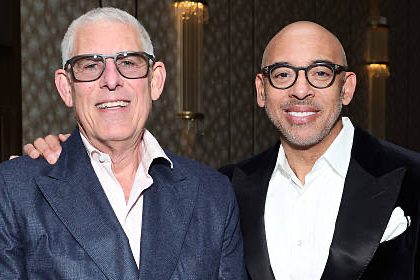
The bill has garnered significant support from within the entertainment industry. Executives like Lyor Cohen, YouTube’s Global Head of Music, and Harvey Mason Jr., CEO of the Recording Academy, have publicly advocated for its passage. They contend that existing laws are insufficient to address the complexities introduced by advanced AI technologies.
The Rise of AI Replicas and Creator Concerns
Artificial intelligence has advanced rapidly in its ability to generate realistic digital replicas. These replicas can mimic voices, appearances, and even performance styles of living or deceased individuals. This technology presents both creative opportunities and significant ethical and legal challenges.
Artists, actors, and musicians are increasingly concerned about their intellectual property rights. Unauthorized use of their likeness or voice by AI could dilute their brand, misrepresent their work, or lead to financial exploitation. The potential for reputational damage is also a major concern.
The entertainment industry, a significant economic driver, relies on the protection of creative works and individual identities. Without clear legal frameworks, creators face an uncertain future regarding their digital rights.
What is a Deepfake?
A deepfake refers to synthetic media in which a person in an existing image or video is replaced with someone else’s likeness. This is achieved using artificial neural networks, particularly autoencoders or generative adversarial networks (GANs). The term has broadened to include AI-generated audio that mimics a person’s voice.
Deepfakes can be used for various purposes, from satirical content to malicious disinformation. The technology’s increasing sophistication makes it difficult for the average viewer or listener to discern authenticity. This raises significant questions about trust and verifiable information.
The Economic Impact on Creators
The unauthorized use of an artist’s voice or likeness can have direct economic consequences. If an AI-generated song featuring a replica of a famous singer’s voice gains popularity, it could divert attention and revenue from the original artist’s legitimate work. This undermines the value of their creative output.
For actors, their digital likeness could be used in projects without their consent or proper compensation. This could impact their negotiating power and control over their image. The NO FAKES Act aims to restore some of that control to the individual.
Understanding the NO FAKES Act
The NO FAKES Act is designed to create a federal right against the unauthorized creation and distribution of digital replicas. It addresses a gap in current legislation, which often varies significantly from state to state. A national standard would provide consistent protection across the United States.
The bill defines a ‘digital replica’ broadly. It includes an audiovisual or sound recording that is generated, in whole or in part, by artificial intelligence. This replica must be indistinguishable from the actual voice or likeness of an individual. This broad definition ensures comprehensive coverage of emerging AI technologies.
Key Provisions of the Legislation
- Consent Requirement: The act mandates explicit consent from an individual before their digital replica can be created or distributed. This provision is central to empowering individuals to control their digital identities.
- Right of Action: It establishes a federal right of action. Individuals harmed by unauthorized digital replicas can sue for damages, including actual damages, statutory damages, and attorney’s fees. This provides a legal recourse for victims.
- Scope of Protection: The protection extends to deceased individuals for a period after their death, typically 70 years, mirroring copyright duration. This ensures that the legacy and estate of a creator are also safeguarded.
- Exemptions: The bill includes exemptions for certain uses, such as news reporting, public domain works, parody, and satire, provided they do not infringe on the commercial exploitation of an individual’s likeness. This balances protection with free speech considerations.
- Preemption of State Laws: The act aims to preempt state laws on digital replica rights, creating a uniform national standard. This avoids a patchwork of differing regulations that can complicate enforcement and compliance.
Who are Lyor Cohen and Harvey Mason Jr.?
Lyor Cohen is a prominent figure in the music industry. He currently serves as YouTube’s Global Head of Music. His career spans decades, having held executive positions at Def Jam Records, Warner Music Group, and 300 Entertainment. Cohen has been a vocal advocate for artists’ rights in the digital age, particularly concerning fair compensation and protection against unauthorized use of content.
Harvey Mason Jr. is a Grammy-winning songwriter, producer, and the CEO of the Recording Academy. He has worked with numerous high-profile artists across genres. As head of the Recording Academy, Mason Jr. is at the forefront of discussions regarding the future of music and the impact of technology, including AI, on creators. Both Cohen and Mason Jr. bring significant industry experience and influence to their advocacy for the NO FAKES Act.
The Need for Federal Intervention
Current legal frameworks, such as state-level rights of publicity, vary significantly. Some states have robust protections, while others offer little to none. This inconsistency creates legal loopholes and makes it difficult for creators to protect their rights uniformly across the country.
A federal law like the NO FAKES Act would provide a consistent baseline of protection for all Americans. It would simplify legal recourse and clarify the responsibilities of AI developers and distributors.
Why State Laws Are Insufficient
California, for example, has one of the stronger right of publicity laws, but its protections do not extend nationwide. An AI replica created and distributed in a state with weaker laws could bypass protections offered elsewhere. This creates a ‘race to the bottom’ where malicious actors can exploit jurisdictional differences.
Furthermore, state laws were primarily designed before the advent of sophisticated AI. They often struggle to adequately address the scale and speed at which AI-generated content can be created and disseminated. The digital nature of AI replicas necessitates a federal response.
Balancing Innovation and Protection
Critics of strict AI regulation sometimes argue that it could stifle innovation. The NO FAKES Act attempts to strike a balance. It aims to protect individual rights without unduly hindering the development of beneficial AI technologies.
The exemptions for transformative uses, parody, and news reporting are crucial in this regard. They acknowledge that not all AI-generated content is harmful and that some uses contribute to artistic expression or public discourse. The challenge lies in defining the line between transformative use and mere replication.
The Future of Creative Control
The passage of the NO FAKES Act would represent a significant step in defining the future of creative control in the age of AI. It would empower artists and individuals to decide how their digital identities are used. This control is essential for maintaining trust, fostering creativity, and ensuring fair compensation.
Without such guardrails, the potential for exploitation and misrepresentation grows. The act seeks to ensure that human creativity and identity remain central, even as AI tools become more prevalent.
The Broader Implications
The impact of the NO FAKES Act extends beyond the entertainment industry. As AI technology becomes more accessible, the potential for unauthorized replicas affects individuals from all walks of life. From politicians to everyday citizens, the threat of deepfakes is a growing concern.
The legislation could set a precedent for how other industries approach AI regulation. It highlights the importance of proactive policymaking in response to rapidly advancing technological capabilities.
Ethical Considerations of AI
The debate around the NO FAKES Act is part of a larger conversation about the ethics of artificial intelligence. Questions about authorship, consent, and the nature of reality itself are at play. The act attempts to address some of these fundamental ethical dilemmas by codifying principles of individual autonomy and ownership.
The development of AI systems capable of generating human-like content necessitates a robust ethical framework. Legal guardrails are one component of this framework, alongside industry best practices and public education.
The Call to Action
Lyor Cohen and Harvey Mason Jr. have called on Congress to act swiftly. They emphasize that the technology is evolving faster than current laws can keep up. Delaying legislation only increases the risks for creators and the public alike.
Their advocacy highlights the urgency of establishing a national standard before the problem becomes unmanageable. The bipartisan nature of the bill suggests a recognition of its importance across political divides.
Legislators gathered. Industry leaders gathered. Creators gathered. Congress.