A Legacy of Laughter: The Enduring Impact of James Burrows
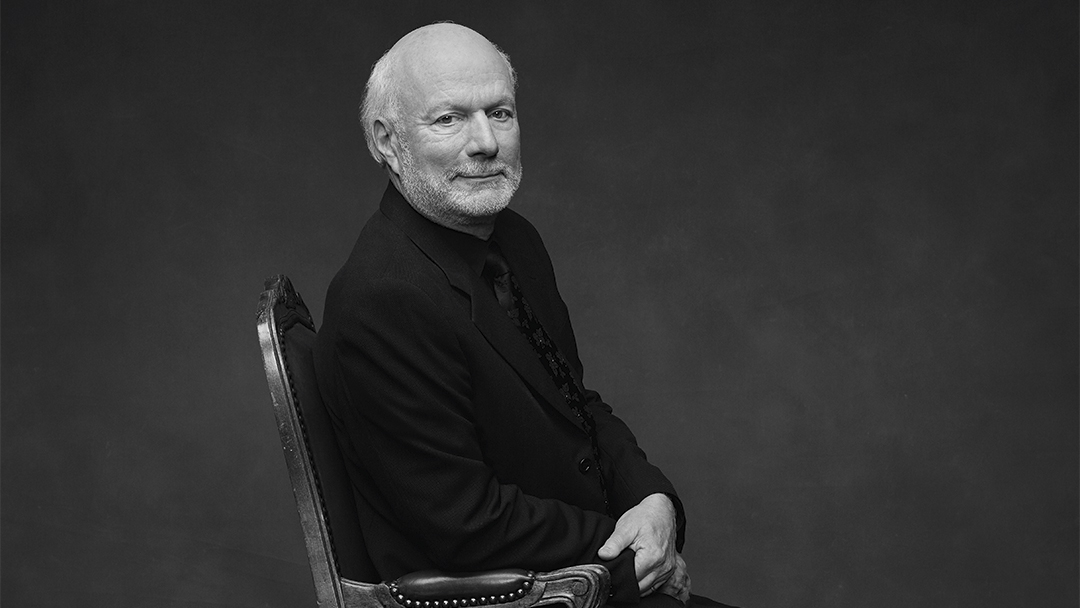
James Burrows, the acclaimed television director and co-creator of the seminal sitcom ‘Cheers,’ died on June 19, 2026, at the age of 85. His career, spanning more than five decades, profoundly shaped the landscape of American television comedy. Burrows was instrumental in defining the multi-camera sitcom format, directing over 1,000 episodes for dozens of beloved series.
His work established the visual language and comedic rhythm for many of the most successful and critically praised shows in television history. From the bustling bar of ‘Cheers’ to the iconic apartments of ‘Friends,’ Burrows’s directorial touch was unmistakable. He leaves behind a legacy of laughter, innovation, and enduring cultural impact.
Early Life and Influences
James Edward Burrows was born on December 30, 1940, in Los Angeles, California. He was the son of Abe Burrows, a celebrated Broadway playwright, director, and librettist. Abe Burrows co-authored and directed classics such as ‘Guys and Dolls’ and ‘How to Succeed in Business Without Really Trying.’
Growing up in such a theatrically rich environment provided James with an early immersion in comedic structure and stagecraft. He attended Oberlin College and then the Yale School of Drama, where he honed his skills in directing and performance. This academic background, combined with his practical exposure to Broadway, laid a strong foundation for his future in television.
Initially, Burrows pursued a career in theater, directing several plays. However, the burgeoning world of television beckoned, offering a new canvas for his talents. He found his entry point into the medium through a connection with a legendary production company.
From Stage to Screen: The MTM Years
Burrows began his television career in the early 1970s at MTM Enterprises, a production company renowned for its intelligent, character-driven comedies. MTM was home to groundbreaking shows like ‘The Mary Tyler Moore Show’ and ‘The Bob Newhart Show.’
His first directorial credit was for an episode of ‘The Mary Tyler Moore Show’ in 1974. This experience proved pivotal, allowing him to learn from some of the best writers, actors, and producers in the business. He observed the meticulous crafting of comedic dialogue and the art of ensemble performance.
He went on to direct multiple episodes of ‘The Bob Newhart Show,’ ‘Phyllis,’ and ‘Rhoda.’ These early experiences at MTM instilled in him a deep appreciation for strong writing, fully realized characters, and the collaborative nature of television production. The MTM ethos of quality and wit would become hallmarks of Burrows’s own work.
The Birth of ‘Taxi’ and the Multi-Camera Master
In 1978, Burrows joined forces with writers and producers James L. Brooks, Stan Daniels, David Davis, and Ed Weinberger to create ‘Taxi.’ This series, set in a New York City taxi garage, became an instant critical darling and a commercial success. Burrows directed the pilot episode, establishing the show’s unique blend of humor and pathos.
‘Taxi’ garnered numerous awards, including multiple Primetime Emmy Awards for Outstanding Comedy Series. Burrows himself won his first Emmy for directing an episode of ‘Taxi’ in 1980. The show’s distinctive visual style, often utilizing a single set for extended scenes, became a template for future multi-camera sitcoms.
His work on ‘Taxi’ solidified his reputation as a master of the multi-camera format. He possessed an uncanny ability to block scenes, choreograph actor movements, and capture comedic beats within the confines of a three-walled set. This skill would become his signature.
‘Cheers’: A Cultural Phenomenon
Perhaps Burrows’s most significant contribution came with the creation of ‘Cheers.’ In 1982, he co-created the series with brothers Glen and Les Charles. Set in a Boston bar where everybody knows your name, ‘Cheers’ became a cultural touchstone.
Burrows directed all 275 episodes of the series, an unprecedented feat in television history. His consistent presence behind the camera ensured a singular vision and a remarkably cohesive comedic tone throughout its 11-season run. ‘Cheers’ explored themes of community, friendship, and the comfort of routine.
The show was a critical and commercial juggernaut, winning 28 Primetime Emmy Awards, including four for Outstanding Comedy Series. Burrows personally won four Emmys for his direction on ‘Cheers.’ The series launched the careers of many actors, including Ted Danson, Shelley Long, Rhea Perlman, and Woody Harrelson.
The Golden Age of Sitcoms: ‘Friends,’ ‘Frasier,’ and ‘Will & Grace’
Following the immense success of ‘Cheers,’ Burrows continued his prolific career, directing pilots and numerous episodes for many of the most iconic sitcoms of the 1990s and early 2000s. His involvement in a pilot often served as a stamp of quality and a strong indicator of future success.
- ‘Friends’: Burrows directed the pilot episode of ‘Friends’ in 1994, establishing the dynamic between the six young New Yorkers. He directed 15 episodes of the beloved series, helping to define its rapid-fire comedic style and the chemistry of its ensemble cast.
- ‘Frasier’: A spin-off of ‘Cheers,’ ‘Frasier’ also benefited from Burrows’s touch. He directed the pilot and several subsequent episodes, ensuring a smooth transition for Kelsey Grammer’s character, Dr. Frasier Crane, to his new life in Seattle.
- ‘Will & Grace’: Burrows directed every single episode of ‘Will & Grace’ during its original run (1998-2006) and returned for its revival (2017-2020), totaling 246 episodes. This sustained commitment to a single series, much like ‘Cheers,’ demonstrated his dedication and consistent directorial vision. He earned another Emmy for his work on ‘Will & Grace.’
His ability to cultivate strong ensemble performances and to find the humor in relatable human situations made him the go-to director for network comedies. He had a reputation for working closely with actors, helping them refine their performances and comedic timing.
A Director’s Touch: The Burrows Style
James Burrows’s directorial style was characterized by several key elements:
- Multi-Camera Mastery: He was a virtuoso of the multi-camera format, understanding how to utilize multiple cameras to capture reactions and maintain comedic rhythm.
- Ensemble Chemistry: Burrows excelled at fostering strong chemistry among cast members, allowing each actor to shine while contributing to the overall group dynamic.
- Pacing and Timing: His episodes were known for their impeccable comedic timing and brisk pacing, ensuring that jokes landed effectively.
- Subtle Blocking: He used subtle yet effective blocking to enhance character interactions and visual gags, often without drawing attention to the direction itself.
- Story-Driven Comedy: Burrows always emphasized the story and characters, believing that genuine humor emerged from well-developed narratives and relatable situations.
His influence extended beyond the shows he directly worked on. Many directors and showrunners looked to Burrows’s work as a masterclass in sitcom production. He set a standard for quality and consistency in episodic television.
Later Career and Enduring Influence
Even in his later years, Burrows remained active and sought after. He directed episodes for a new generation of sitcoms, including ‘Two and a Half Men,’ ‘Mike & Molly,’ ‘The Big Bang Theory,’ and ‘Superior Donuts.’ His ability to adapt to changing comedic sensibilities while maintaining his core principles was remarkable.
In 2016, a star-studded tribute special, ‘Must See TV: An All-Star Tribute to James Burrows,’ aired on NBC. It brought together casts from ‘Cheers,’ ‘Taxi,’ ‘Friends,’ ‘Frasier,’ ‘Will & Grace,’ and ‘The Big Bang Theory’ to honor his contributions. The event underscored the immense respect and affection he commanded within the industry.
Burrows’s legacy is not just in the sheer volume of his work, but in the indelible mark he left on popular culture. His shows provided comfort, laughter, and a sense of shared experience for millions of viewers around the world. He was a craftsman who elevated the sitcom to an art form.
Awards and Accolades
Throughout his illustrious career, James Burrows was recognized with numerous awards for his directorial excellence. He won 11 Primetime Emmy Awards, making him one of the most awarded directors in television history. His Emmy wins included:
- Outstanding Directing for a Comedy Series for ‘Taxi’ (1980)
- Four Emmys for Outstanding Directing for a Comedy Series for ‘Cheers’ (1983, 1984, 1991, 1992)
- Outstanding Directing for a Comedy Series for ‘Will & Grace’ (2000)
He was also honored with the Directors Guild of America Award for Outstanding Directorial Achievement in a Comedy Series multiple times. His consistent ability to deliver critically acclaimed and audience-pleasing television set him apart.
Burrows’s passing marks the end of an era. His vision shaped the genre, his dedication inspired countless professionals, and his work brought joy to generations. The lights of the fictional sets he brought to life may dim, but the laughter he orchestrated will echo for years to come.
A director. A co-creator. A legend. A craftsman. A visionary. A life.
Remembered.