The Public Scrutiny of Celebrity Relationships
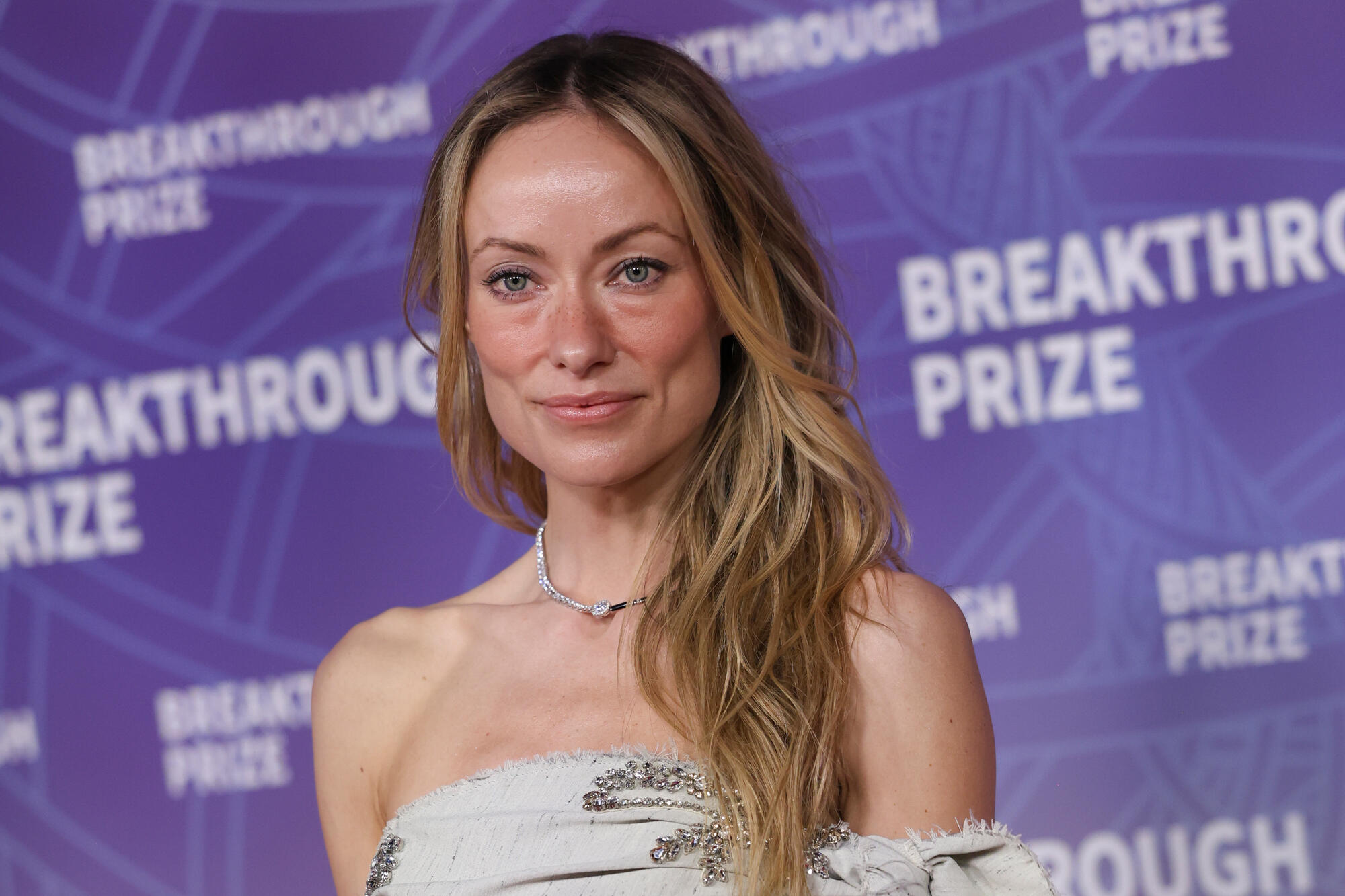
Olivia Wilde, an accomplished actress and director, recently detailed the extensive public backlash and criticism she encountered during her past romantic relationship with music artist Harry Styles. The core of the public’s disapproval, according to Wilde, centered on their 10-year age difference and her visible support at his live performances, leading to what she termed ‘slut-shaming’ and widespread anger.
The relationship between Wilde, born March 10, 1984, and Styles, born February 1, 1994, became a prominent topic of discussion in celebrity circles. Their romance first gained public attention in early 2021, following reports of their attendance at a wedding together. This period coincided with the production of the film “Don’t Worry Darling,” a psychological thriller directed by Wilde and starring Styles in a leading role.
Wilde’s remarks highlight a recurring theme in celebrity culture: the intense public and media scrutiny applied to personal relationships, particularly when age gaps are involved. Her experience underscores the often-gendered nature of this criticism, where women frequently face harsher judgment than their male counterparts.
The Genesis of a High-Profile Romance
The relationship between Olivia Wilde and Harry Styles emerged during a period of significant personal and professional transition for both individuals. Wilde had recently ended her engagement to actor Jason Sudeikis, with whom she shares two children, son Otis Alexander Sudeikis (born April 2014) and daughter Daisy Josephine Sudeikis (born October 2016). Styles, a global music superstar and former member of the band One Direction, was expanding his acting career.
Their connection became undeniable when they were photographed holding hands at a friend’s wedding in Montecito, California, in January 2021. This public appearance solidified the rumors that had been circulating since the start of “Don’t Worry Darling” filming in late 2020. The set of the film became the crucible for their burgeoning romance.
The film itself, a highly anticipated project, became inextricably linked with their personal lives. This intertwining fueled public interest, but also intensified the scrutiny. Every public appearance, every social media post, and every quote was dissected by fans and media alike.
The Age Gap and Public Perception
Wilde’s recent comments specifically addressed the public’s reaction to the 10-year age difference between her and Styles. She was 36 and Styles was 26 when their relationship began. This age disparity, while not uncommon in Hollywood, became a focal point for criticism.
Society often holds differing standards for age-gap relationships, particularly when the woman is older. Research into public perception of age-gap relationships frequently indicates a bias against older women dating younger men, compared to older men dating younger women. This societal double standard manifested clearly in the public discourse surrounding Wilde and Styles.
The criticism was not limited to online forums. Tabloids, entertainment news outlets, and social media platforms amplified negative sentiments. Wilde’s description of ‘people f, ing pissed’ reflects the intensity of this public outrage, which often veered into personal attacks.
‘Slut-Shaming’ and Gendered Criticism
A significant aspect of Wilde’s experience was the ‘slut-shaming’ she reported enduring. This specific form of criticism targeted her behavior and perceived morality, particularly for dancing and openly supporting Styles at his concerts. Such accusations often carry deeply misogynistic undertones, aiming to diminish a woman’s character based on her sexual or romantic choices.
The public’s reaction highlighted a double standard. While male celebrities are often celebrated for dating younger women, female celebrities face heightened moral judgment for similar relationships, especially when they are the older partner. This disparity reflects broader societal inequities in how men and women are perceived and judged for their romantic lives.
Wilde’s public presence at Styles’ “Love On Tour” shows, where she was often seen dancing and cheering, became a flashpoint. For some, these actions were seen as inappropriate or attention-seeking, rather than a genuine expression of support or enjoyment. The internet, with its capacity for anonymity, provided a platform for aggressive and often unwarranted personal attacks.
“Don’t Worry Darling” and External Pressures
The production and release of “Don’t Worry Darling” amplified the scrutiny on Wilde and Styles. The film faced numerous controversies, including rumors of on-set tension between Wilde and lead actress Florence Pugh, as well as a public dispute with original cast member Shia LaBeouf.
These professional challenges became intertwined with the public narrative of Wilde’s personal life. The media often conflated the film’s production issues with the public’s perception of her relationship with Styles. This created an environment where every aspect of her life was under a microscope, making it difficult to separate professional endeavors from personal choices.
The Venice Film Festival premiere of “Don’t Worry Darling” in September 2022 became a highly anticipated event, not just for the film itself, but for the potential for drama surrounding its cast and director. The various controversies contributed to a narrative that overshadowed the film’s artistic merit and placed immense pressure on Wilde.
The End of a Relationship, The Persistence of Scrutiny
Olivia Wilde and Harry Styles reportedly ended their relationship in November 2022. Sources close to the couple cited differing priorities and the challenges of maintaining a relationship under intense public scrutiny as reasons for the split. Despite the breakup, the public’s fascination and critical commentary did not immediately subside.
Wilde’s recent reflections indicate that the emotional impact of the public’s reaction lingered beyond the relationship itself. The experience serves as a case study in the difficulties faced by public figures, particularly women, in navigating personal relationships in an era of constant digital surveillance and immediate public judgment.
The narrative surrounding their romance and its conclusion underscores the broader societal conversation about celebrity privacy, the ethics of public commentary, and the often-unforgiving nature of online culture. For Wilde, the experience was a stark reminder of the personal cost of living in the public eye.
Navigating Public Life in the Digital Age
The digital age has fundamentally altered the landscape of celebrity. Social media platforms, fan forums, and instant news cycles mean that public figures are under constant observation. Every action, every word, and every relationship decision can be instantly magnified and judged by millions.
For celebrities like Olivia Wilde, this means that personal boundaries are constantly challenged. The line between public interest and private life becomes increasingly blurred. The ease with which individuals can comment, criticize, and spread rumors online contributes to an environment where backlash can quickly escalate from critique to harassment.
The phenomenon of ‘cancel culture’ further complicates matters, as public figures can face severe professional and personal repercussions for perceived missteps or unpopular personal choices. Wilde’s experience with ‘slut-shaming’ is a tangible example of the darker side of this digital scrutiny.
The Broader Implications for Women in Hollywood
Olivia Wilde’s account resonates with similar experiences shared by other women in the entertainment industry. Actresses, directors, and female public figures frequently report facing disproportionate criticism, body shaming, and moral judgment compared to their male counterparts.
This gendered scrutiny extends beyond romantic relationships to professional achievements, fashion choices, and even parenting styles. The expectation for women to conform to certain societal standards of behavior and appearance remains strong, and those who deviate often face severe public censure.
The discussion surrounding Wilde’s relationship with Styles contributes to a larger conversation about misogyny in media and online spaces. It highlights the ongoing struggle for women in the public eye to assert their autonomy and make personal choices without fear of intense, often vitriolic, backlash.
The Enduring Echoes of Public Judgment
The headlines screamed. The comments sections erupted. The social media feeds churned.
The scrutiny landed.
Olivia Wilde.