
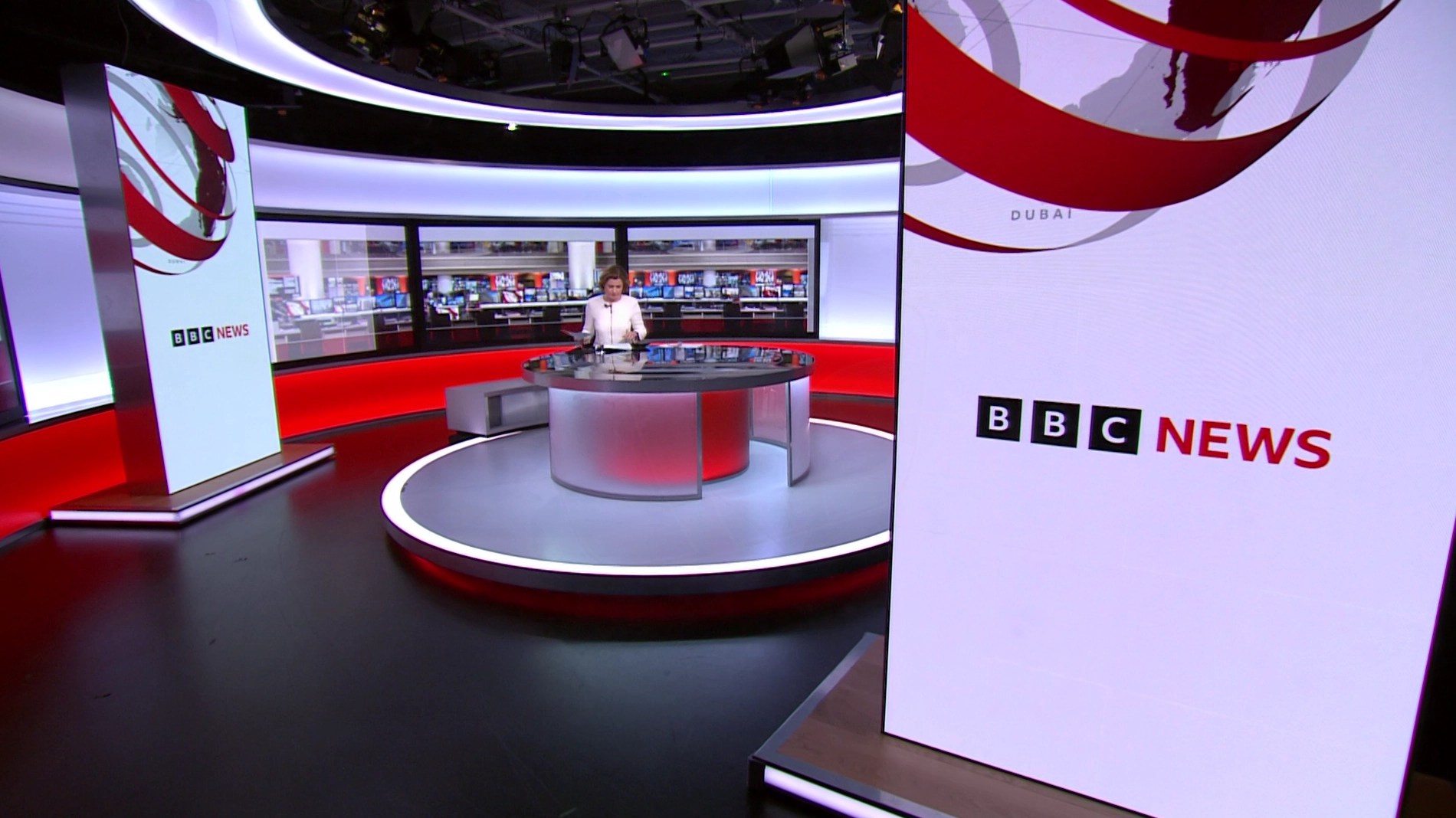
In 2026, BBC News announced a comprehensive and challenging savings plan, leading to the cancellation of long-running programs like ‘The World Tonight’ and ‘Newscast,’ alongside a critical review of presenter roles for flagship shows, including the ‘Today’ program. These measures are a direct response to significant financial pressures and a broader strategy to achieve substantial annual savings across the British Broadcasting Corporation.
The decisions underscore a pivotal moment for the public service broadcaster. They reflect the evolving landscape of news consumption and the imperative to adapt operations to ensure future sustainability. The cuts affect both on-air talent and behind-the-scenes production teams.
The Genesis of the Savings Plan
The BBC’s current financial challenges are multifaceted. They stem from a combination of factors, including a frozen license fee, rising production costs, and intense competition from global streaming services. The corporation has been tasked with achieving a total of £500 million in annual savings by 2028.
This aggressive savings target necessitates difficult choices across all BBC divisions. News operations, a significant part of the BBC’s public service mandate, are not exempt. The plan aims to reallocate resources to areas deemed more critical for future engagement.
Director-General Tim Davie outlined the strategic direction in early 2025. He emphasized a ‘digital-first’ approach. This shift prioritizes online content and on-demand services over traditional linear broadcasting.
Program Cancellations and Their Impact
Several well-known programs are slated for cancellation under the new plan. ‘The World Tonight,’ a long-standing fixture on BBC Radio 4, is among them. This program has provided in-depth analysis of global events for decades.
‘Newscast,’ a popular podcast and television show, is also being cut. ‘Newscast’ gained a significant following for its informal yet insightful discussions on political developments. Its cancellation marks a move away from certain contemporary formats.
The decision to axe these programs has drawn criticism from some listeners and viewers. Concerns have been raised about the potential loss of diverse journalistic voices and specialized reporting. The BBC maintains that essential news coverage will continue through other platforms.
The Fate of ‘The World Tonight’
‘The World Tonight’ has been a cornerstone of BBC Radio 4’s evening schedule. It offered a crucial summary and analysis of the day’s international news. Its cancellation represents a significant change for loyal listeners.
Journalists and former presenters associated with the show expressed disappointment. They highlighted its role in providing nuanced perspectives on complex global issues. The program’s final broadcast is scheduled for late 2026.
‘Newscast’ and the Digital Strategy
‘Newscast’ launched in 2019, quickly becoming a successful example of the BBC’s foray into podcasting. Its transition to television further broadened its reach. The show’s cancellation seems counterintuitive to a ‘digital-first’ strategy.
However, BBC executives clarified that resources will be redirected to new, more integrated digital offerings. These new offerings are designed to be more flexible and accessible across various platforms. The aim is to consolidate news delivery rather than fragment it.
Review of Presenter Roles and Talent Management
A significant component of the savings plan involves a comprehensive review of presenter roles. This affects some of the BBC’s most recognizable faces. The objective is to streamline on-air talent and reduce overall costs associated with high-profile salaries.
The ‘Today’ program on BBC Radio 4 is particularly impacted. Reports indicate a potential reduction in the number of regular presenters. This could lead to a more consolidated team hosting the flagship morning news show.
This review extends beyond ‘Today.’ Other major news programs, both on radio and television, are undergoing similar assessments. The goal is to ensure efficiency and value for money in presenter contracts.
Impact on ‘Today’ Program Hosts
The ‘Today’ program has traditionally featured a rotating cast of several prominent presenters. Names like Nick Robinson, Martha Kearney, and Justin Webb have been synonymous with the program for years. Their roles, along with others, are now under scrutiny.
The BBC aims to maintain the program’s journalistic integrity and quality. However, a smaller roster of presenters could mean fewer distinct voices and a different on-air dynamic. Negotiations with current presenters are ongoing.
Broader Implications for BBC Talent
The changes signal a shift in how the BBC manages its on-air talent. There is an increased focus on versatility and multi-platform engagement. Presenters may be expected to contribute across various mediums, including radio, television, and digital platforms.
This strategy seeks to maximize the utility of its journalistic staff. It also aims to foster a more agile and integrated newsroom environment. The long-term impact on presenter careers and opportunities within the BBC remains to be fully seen.
Operational Restructuring and Future Vision
Beyond program and personnel cuts, the BBC’s savings plan includes broader operational restructuring. This involves consolidating newsgathering operations and modernizing production workflows. The aim is to achieve greater efficiency across the entire news division.
New technologies are being leveraged to automate certain processes. This includes AI-driven tools for transcription and content tagging. Such innovations are expected to reduce manual labor and accelerate content delivery.
The BBC also plans to invest in new digital platforms and interactive features. This aligns with the ‘digital-first’ mandate. The corporation seeks to engage younger audiences and maintain its relevance in a crowded media landscape.
Consolidation of News Operations
Regional news operations are also facing consolidation. Some smaller bureaus may be merged or scaled back. This move is designed to centralize resources and reduce overheads.
The BBC asserts that local news coverage will not diminish. Instead, it will be delivered through more efficient, perhaps more centralized, means. Critics fear a loss of local distinctiveness and journalistic depth.
Investment in Digital Future
The BBC’s digital strategy includes enhanced mobile apps, personalized news feeds, and more interactive content. The goal is to create a seamless user experience across all devices. This is seen as crucial for attracting and retaining audiences in the digital age.
New content formats, specifically designed for online consumption, are also under development. These may include short-form video, data visualizations, and immersive journalistic experiences. The focus is on engaging audiences where they are, rather than expecting them to come to traditional broadcasts.
Public Reaction and Industry Concerns
The announcement of these cuts has generated considerable public discussion. Many viewers and listeners express concern about the future of public service broadcasting. They worry about the impact on the quality and breadth of news coverage.
Industry bodies and unions have also voiced their apprehension. They highlight the potential for job losses and the erosion of journalistic standards. The National Union of Journalists (NUJ) called for greater transparency regarding the long-term strategic vision.
The BBC maintains that these changes are necessary to safeguard its future. They argue that adaptation is essential for continued relevance and financial viability. The corporation is navigating a complex environment of changing media habits and economic pressures.
Maintaining Trust and Impartiality
A core tenet of BBC News is its commitment to trust and impartiality. The savings plan raises questions about how these values will be upheld amidst reduced resources. Critics suggest that fewer journalists and programs could strain editorial oversight.
The BBC leadership has reiterated its unwavering commitment to these principles. They emphasize that editorial standards will not be compromised. The focus is on delivering high-quality, impartial news through more efficient means.
The Global Context of Media Cuts
The BBC’s situation is not unique. Media organizations worldwide are grappling with similar challenges. Declining advertising revenues, shifts in audience behavior, and the rise of digital platforms are forcing widespread restructuring.
Newsrooms in the United States, Europe, and Australia have also implemented significant cuts in recent years. This global trend underscores the seismic shifts occurring within the media industry. Public service broadcasters, with their unique funding models, face distinct pressures.
Programs are cancelled. Presenters are reviewed. Operations are restructured. Resources are reallocated. The BBC adapts.