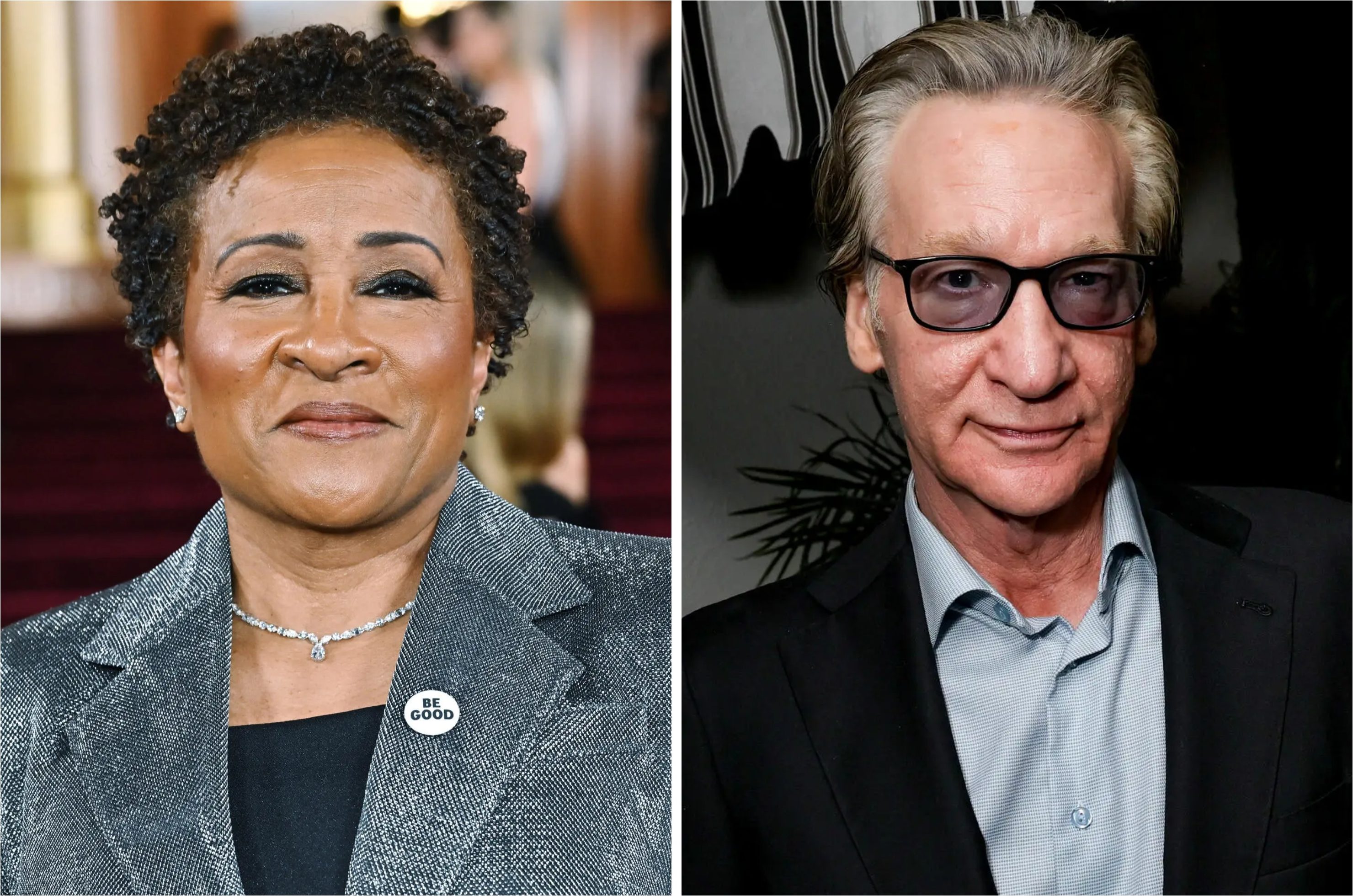
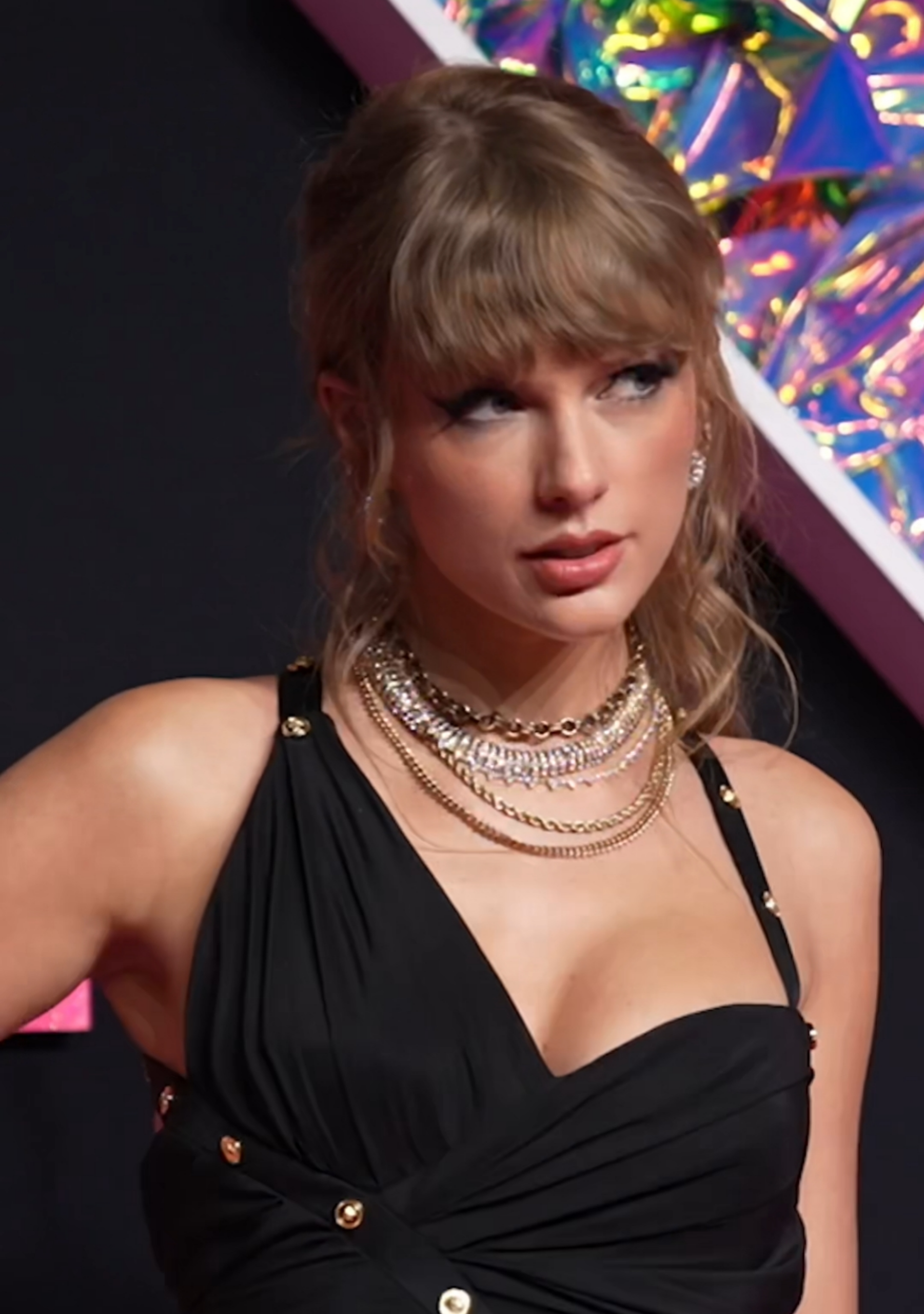
Actor Hank Azaria publicly expressed frustration over Taylor Swift’s attendance at a New York Knicks game at Madison Square Garden, citing the distraction her massive celebrity presence creates for traditional sports fans. The collision of a global pop billionaire and a historic NBA franchise shifted the gravity of the arena. Cameras that typically follow the basketball pivoted to the luxury suites. For a lifelong sports purist like Azaria, the spectacle overshadowed the sport.
The incident highlights a growing cultural fracture. Sports arenas were once viewed as sanctuaries of singular focus. The game on the hardwood was the undisputed center of the universe. Today, professional sports operate within a broader attention economy. Megastars like Swift do not just attend events; they become the event.
What looks like a simple complaint from a veteran actor actually taps into a much larger debate. It is a debate about who owns the cultural space inside an arena. It is a debate about broadcast priorities, ticket prices, and the very nature of modern fandom.
The Anatomy of Madison Square Garden
Madison Square Garden sits above Pennsylvania Station in Midtown Manhattan. It is billed as the World’s Most Famous Arena. Since 1968, the venue has served as the cultural and athletic epicenter of New York City. The New York Knicks play their home games on this hardwood. The building operates on a specific frequency.
Tickets are notoriously expensive. A courtside seat can cost upward of $3,000 for a regular-season matchup. Even the upper-bowl seats demand a premium. Fans who pay these prices expect a specific experience. They expect professional basketball. They expect the singular focus of the crowd to remain on the athletes wearing the team colors.
The Garden has its own ecosystem. The organ plays. The crowd chants. The defense locks down. When the ecosystem is disrupted by an outside force, the regulars notice immediately. The air in the building changes. The murmurs in the crowd shift from the shot clock to the VIP sections.
Hank Azaria and the Purist’s Perspective
Hank Azaria was born in Queens in 1964. He built a legendary career in Hollywood. He voiced iconic characters on the long-running animated series The Simpsons, including Moe Szyslak and Chief Wiggum. He starred in the IFC comedy series Brockmire, playing a deeply cynical, traditionalist baseball announcer. This role mirrored his real-life sports fandom.
Azaria is a die-hard New York sports fan. He lives and dies by the Knicks, the Mets, and the Jets. His loyalty is anchored in the suffering and triumph of the franchises, not the social scene surrounding them. He understands the mechanics of entertainment, but he separates his profession from his passion.
When he spoke to The Hollywood Reporter about his experience at the game, he did not mince words. He was bothered. He felt the energy of the building warp. The presence of Taylor Swift changed the fundamental nature of the event. It was no longer a Knicks game. It was a Taylor Swift sighting that happened to feature a basketball game in the background.
His frustration was not directed at Swift personally. It was directed at the reaction she commands. It was directed at a crowd that suddenly cared more about a pop star waving from a window than a crucial defensive stop in the fourth quarter.
The Economics of the Swift Effect
Taylor Swift is a macroeconomic force. Her Eras Tour grossed over $1 billion in 2023. Her entry into the sports world began in the National Football League. When she began dating Kansas City Chiefs tight end Travis Kelce, the NFL experienced a massive demographic shift. Female viewership in the 18-to-24 demographic spiked by 24 percent during games she attended.
Broadcast networks like CBS, NBC, and ESPN capitalized on the phenomenon. They dedicated significant airtime to showing Swift in her suite at Arrowhead Stadium. The broadcast directors knew exactly what they were doing. They were chasing ratings. They were chasing viral social media clips.
The National Basketball Association took notice. When Swift arrived at Madison Square Garden, the broadcast directors applied the same playbook. The jumbotron operators followed suit. The attention economy demands that cameras point at the most valuable asset in the room. On any given night, in any given room on Earth, that asset is Taylor Swift.
The NBA is a business. The New York Knicks, owned by James Dolan and the Madison Square Garden Sports Corporation, operate to maximize revenue and brand visibility. A visit from Swift achieves both instantly. Entertainment news outlets that never cover the NBA suddenly run headlines about the Knicks. The franchise gains millions of dollars in earned media.
Spike Lee vs. The Luxury Box
Madison Square Garden is no stranger to fame. “Celebrity Row” is a documented feature of Knicks games. Director Spike Lee has sat courtside for decades. Comedians Chris Rock, Tracy Morgan, and Ben Stiller are regular fixtures. But traditional sports celebrities participate in the game.
Spike Lee famously jawed with Indiana Pacers guard Reggie Miller during the 1994 NBA Playoffs. He wore the team colors. He stood on the hardwood. He was a fan first and a celebrity second. The courtside celebrities amplify the basketball game. They are part of the home-court advantage.
Swift occupies a different stratosphere. She sits high above the court in a luxury suite. She is insulated from the crowd. She does not wear a Jalen Brunson jersey. Her presence is passive, yet it commands total attention. This is the distinction that frustrates traditionalists like Azaria.
The courtside celebrity is a participant. The luxury suite megastar is a distraction. One enhances the product on the floor. The other eclipses it entirely.
The Broadcast Dilemma and Modern Fandom
The friction between Azaria and the Swift spectacle exposes a deeper issue in modern sports broadcasting. Networks are no longer just broadcasting a game; they are broadcasting an event. They are trying to capture the widest possible audience. To do that, they must appeal to people who do not care about basketball.
This corporate victory comes at a cost to the legacy fan. The legacy fan feels alienated. They watch the broadcast cut away from a crucial free throw to show a pop star sipping a drink. They hear the crowd murmur not about a pick-and-roll, but about a celebrity pointing at the court.
The social contract of the sports arena fractures. The shared delusion that the game is the most important thing in the world is broken. For two and a half hours, the fans in the building agree to pretend that nothing matters more than a leather ball going through a metal hoop. When a megastar arrives, reality intrudes. The illusion shatters.
Azaria represents the old guard. He represents the fan who bought a ticket to watch the Knicks. He represents the viewer who tunes in to watch the athletes. His annoyance is the voice of a demographic that feels increasingly pushed aside by the relentless march of pop-culture synergy.
The Inevitable Collision
The collision of sports and pop culture will only accelerate. Franchises crave the mainstream attention. Networks demand the viral moments. The financial incentives are too massive to ignore. The NBA will welcome Taylor Swift, or any star of her magnitude, every single time they wish to enter the building.
The purists will complain. The traditionalists will voice their frustrations on podcasts and in interviews. They will argue for the sanctity of the game. They will argue for the focus to remain on the hardwood.
The franchises will listen to the complaints. The networks will read the critiques. The purists will continue to buy tickets. The pop stars will continue to occupy the suites. The cameras will continue to pivot upward.
Entertainment.