The Anatomy of a Red Carpet Feud
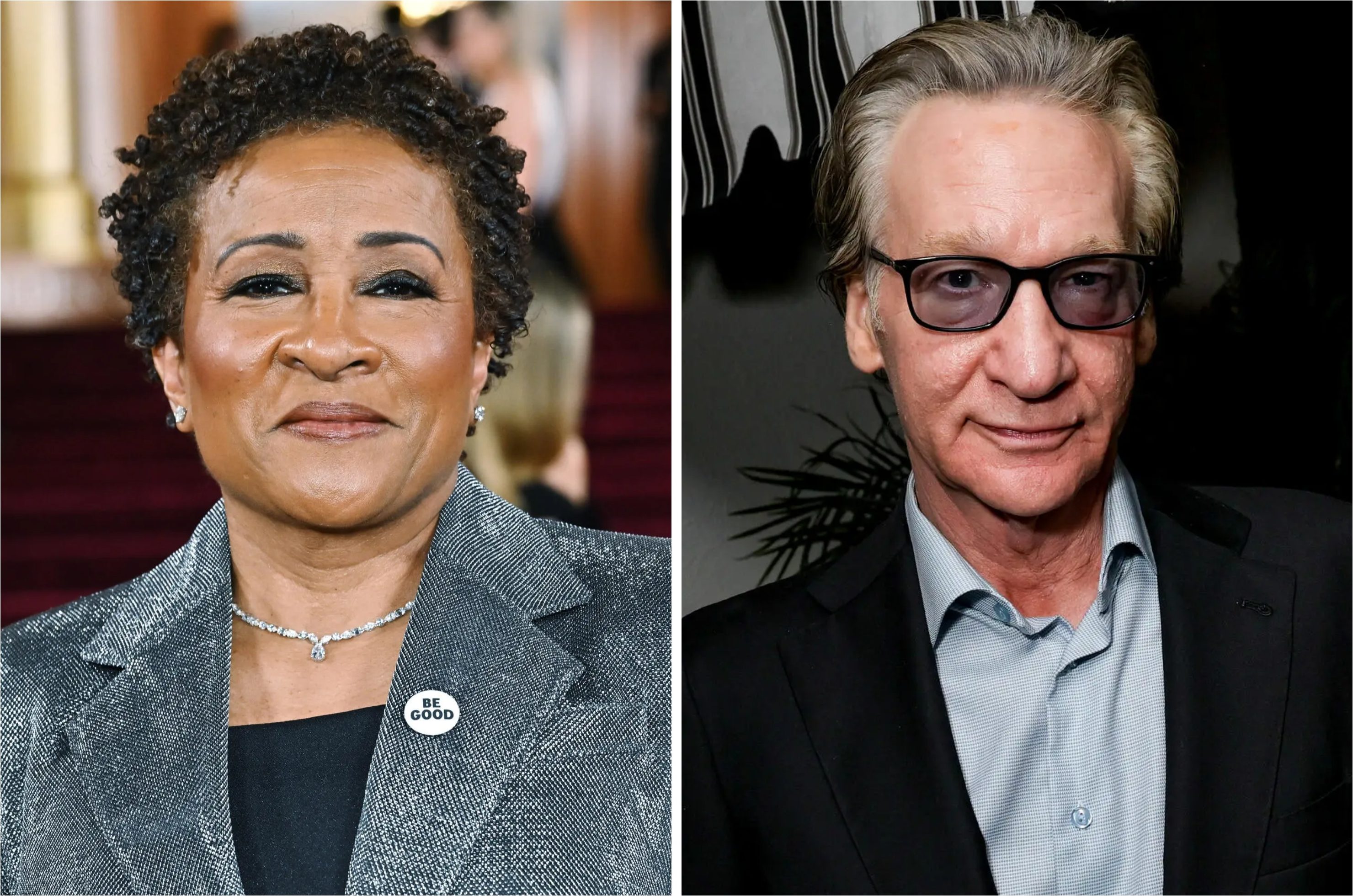
Wanda Sykes did not apologize. During a Tuesday morning broadcast on SiriusXM, the veteran comedian confirmed that late-night host Bill Maher confronted her at a Sunset Tower afterparty following the Golden Globe Awards. The dispute centered on a monologue joke Sykes delivered at the Beverly Hilton earlier that evening. When pressed by Maher about the public jab, Sykes held her ground. Her defense was simple, foundational, and absolute: it was clearly a joke.
The incident opens a window into the current state of Hollywood’s comedic elite. For decades, comedians operated under an unwritten code of mutual immunity. A roast was a roast. A monologue was a monologue. But the modern entertainment landscape has fractured that understanding. Egos are heavily guarded. Brands are meticulously curated. When Sykes aimed a punchline at the host of HBO’s Real Time, she tested the limits of that old immunity.
Maher did not find the humor in the situation. Sykes did not retreat from the microphone. The resulting friction between two of the most recognizable voices in American comedy reveals exactly how much the rules of the room have changed.
The Beverly Hilton Crucible
The Golden Globe Awards represent one of the most notoriously difficult rooms in live television. The International ballroom at the Beverly Hilton is packed with A-list actors, powerful executives, and flowing champagne. The audience is easily distracted. The egos are remarkably fragile. Dick Clark Productions and CBS expect the host to skewer the room without entirely alienating the talent.
Historically, the monologue sets the tone for the entire broadcast. Ricky Gervais built a brand on mercilessly attacking the Hollywood Foreign Press Association and the celebrities in attendance. Tina Fey and Amy Poehler perfected a surgical, smiling assassination of their peers. Jo Koy recently struggled against the icy reception of the room. Sykes, a veteran of high-stakes hosting gigs, understood the assignment.
She delivered a barb aimed directly at Maher. The joke targeted his shifting political demographics and the aesthetic of his popular podcast, Club Random. It was a classic misdirection punchline, engineered to elicit a sharp gasp followed by applause. The room reacted. The cameras captured the moment. The broadcast moved on. But the target of the joke immediately began calculating a response.
The Sunset Tower Confrontation
Hollywood award shows do not end when the credits roll. The real industry maneuvering occurs at the afterparties. HBO and Max traditionally host one of the most exclusive post-show gatherings, often held at the Sunset Tower Hotel or the Chateau Marmont. It is a space designed for celebration, networking, and occasionally, the settling of scores.
Maher, a long-standing pillar of the HBO network, attended the party. Sykes also attended. The collision was inevitable.
The Mechanics of the Approach
According to Sykes’s recounting of the event, Maher did not wait for an intermediary. He approached her directly in the crowded room. The music was loud. The environment was chaotic. But the intent was clear. Maher expressed his displeasure regarding the monologue.
He felt the joke crossed a professional boundary. He felt it was an unnecessary attack from a peer. Sykes listened to the grievance. She did not deflect. She did not offer a public relations apology. Instead, she reminded Maher of their shared profession.
“I looked at him and said, ‘Bill, it was clearly a joke. We are comedians. That is what we do.’”
The exchange was brief. It was tense. It ended without a resolution. Maher walked away. Sykes returned to her evening. But the interaction immediately became industry gossip, leaking out of the Sunset Tower and into the morning trades.
Bill Maher and the Club Random Era
To understand Maher’s reaction, one must understand his current position in the media landscape. For over two decades, Maher has cultivated an image as a fearless truth-teller. From Politically Incorrect on ABC to Real Time with Bill Maher on HBO, he built an empire on mocking the sensitive and the sanctimonious.
However, recent years have seen a shift in his public posture. In 2022, Maher launched Club Random, a long-form interview podcast. The format features Maher drinking tequila, smoking marijuana, and engaging in sprawling conversations with guests ranging from Quentin Tarantino to Bill Burr. The podcast has been highly successful, but it has also exposed Maher to a new genre of criticism.
The Shift in Audience Demographics
Critics and fellow comedians have frequently parodied the Club Random aesthetic. They mock Maher’s tendency to talk over his guests. They mock his frequent complaints about “cancel culture” and younger generations. Maher, who built his career dishing out criticism, has occasionally shown a thin skin when receiving it.
When Sykes targeted this exact vulnerability on a global broadcast like the Golden Globes, it pierced the armor. It was not a Twitter troll. It was a peer with equal standing in the industry. That distinction matters in Hollywood.
Wanda Sykes and the Veteran’s Privilege
Wanda Sykes does not rattle easily. She possesses a resume that commands absolute respect in comedy clubs and boardrooms alike. In 2009, she headlined the White House Correspondents’ Dinner, delivering a blistering set with President Barack Obama seated just feet away. In 2022, she co-hosted the Academy Awards alongside Amy Schumer and Regina Hall, navigating the unprecedented chaos of the Will Smith incident.
Sykes understands the architecture of a joke better than almost anyone working today. Her 2019 Netflix special, Not Normal, earned universal acclaim for its sharp, uncompromising dissection of American politics. She is a writer, a producer, and a stand-up purist.
When Maher confronted her, he was not intimidating a newcomer. He was challenging a veteran who has survived every iteration of the comedy business. Sykes’s refusal to apologize stems from a deep-seated belief in the sanctity of the punchline. If a joke is structurally sound and delivered in the appropriate context, it requires no apology. The Golden Globes stage is, by definition, the appropriate context.
The Shifting Rules of Stand-Up Comedy
The confrontation at the Sunset Tower highlights a broader identity crisis within the comedy community. Historically, comedians viewed themselves as a brotherhood of outsiders. The Friars Club roasts of the 1960s and 1970s established a tradition where no topic was off-limits, provided the target was a fellow performer.
Don Rickles insulted Frank Sinatra to his face. Joan Rivers mocked everyone in her orbit. The understanding was universal: we are jesters, and jesters do not bleed when cut with words.
That era is fading. The modern comedian is often the CEO of a multimedia corporation. They have podcast networks, merchandise lines, and massive social media followings. With that corporatization comes a heightened sensitivity to brand damage. A joke on a major broadcast is no longer just a joke; it is a viral clip that can alter search algorithms and public perception.
Comedians are increasingly policing each other. The post-Will Smith era has left many performers hyper-aware of the physical and professional risks of insult comedy. Maher’s decision to confront Sykes is a symptom of this new reality. The expectation of immunity is gone.
The Sanctity of the Punchline
Despite the changing landscape, the fundamental mechanics of comedy remain rigid. A setup requires a punchline. Tension requires a release. A room full of wealthy, powerful people requires a voice willing to deflate their collective ego.
Sykes provided that voice at the Beverly Hilton. She identified a target. She wrote the joke. She delivered the line. The audience laughed. From a purely technical standpoint, the transaction was a complete success.
Maher’s reaction does not invalidate the joke. If anything, his frustration validates its accuracy. The best comedy always contains a sharp kernel of truth. When that truth hits a nerve, the reaction is rarely a smile.
The industry will move on to the next awards show. The trades will find a new feud to cover. But the interaction between these two veterans remains a fascinating case study in modern celebrity dynamics.
Monologues are written. Audiences laugh. Egos bruise. Drinks spill. The punchline lands.
Hollywood.