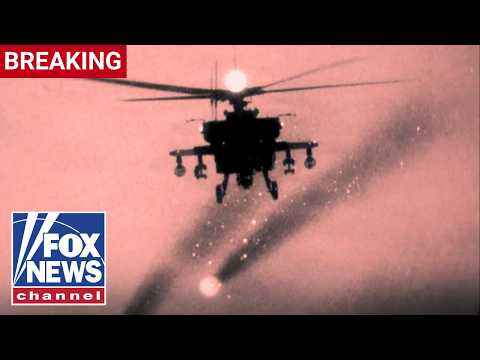
Donald Trump stated that Iranian military forces shot down a United States helicopter operating in the Strait of Hormuz, a critical maritime chokepoint between the Persian Gulf and the Gulf of Oman. The announcement immediately escalated geopolitical tensions between Washington and Tehran. It raised urgent questions about the safety of U.S. Central Command (CENTCOM) personnel stationed in the Middle East and the stability of global energy markets. The assertion places a sudden spotlight on one of the most heavily militarized and economically vital waterways on the planet.
The Announcement and the Immediate Geopolitical Shockwave
The statement arrived without prior warning. It bypassed traditional Department of Defense channels and entered the public consciousness directly. The claim that a U.S. rotary-wing aircraft was brought down by hostile Iranian fire represents a massive escalation in a region already defined by perpetual brinkmanship. Washington and Tehran have engaged in a shadow war for decades. Direct, kinetic military action against a manned U.S. aircraft is a red line that historically demands a severe proportional response.
Military analysts immediately began parsing the available data. U.S. Navy surface combatants and aviation assets operate under strict rules of engagement in the Persian Gulf. A shootdown implies either a deliberate targeted attack by Iranian air defense systems or a catastrophic miscalculation by local commanders within the Islamic Revolutionary Guard Corps (IRGC). The Pentagon’s immediate posture involves asset accountability, search and rescue protocol activation, and intelligence verification. The White House and the National Security Council face a rapidly closing window to establish the facts on the ground before public pressure dictates a military response.
The international community watches the Persian Gulf with intense scrutiny. European allies, dependent on Middle Eastern energy exports, view any kinetic military action in the Strait of Hormuz as a direct threat to their economic security. Diplomatic backchannels, often routed through intermediaries in Oman or Switzerland, activate instantly during such crises. The goal is always to prevent a localized tactical incident from spiraling into a broader regional conflict.
The Geography of a Chokepoint: Understanding the Strait of Hormuz
To understand the gravity of the claim, one must understand the geography. The Strait of Hormuz is a narrow stretch of water separating the Arabian Peninsula from the Iranian coastline. At its narrowest point, the strait is only 21 miles wide. The shipping lanes that accommodate massive supertankers are just two miles wide in each direction, separated by a two-mile buffer zone. This geographic bottleneck forces civilian and military vessels into close proximity.
The northern shore is entirely controlled by the Islamic Republic of Iran. The southern shore is shared by the Sultanate of Oman and the United Arab Emirates. The Musandam Peninsula juts northward, creating the intricate coastal geography that defines the waterway. Iranian forces maintain heavily fortified positions on Qeshm Island, Larak Island, and Abu Musa. These outposts are equipped with anti-ship cruise missiles, radar installations, and sophisticated air defense systems.
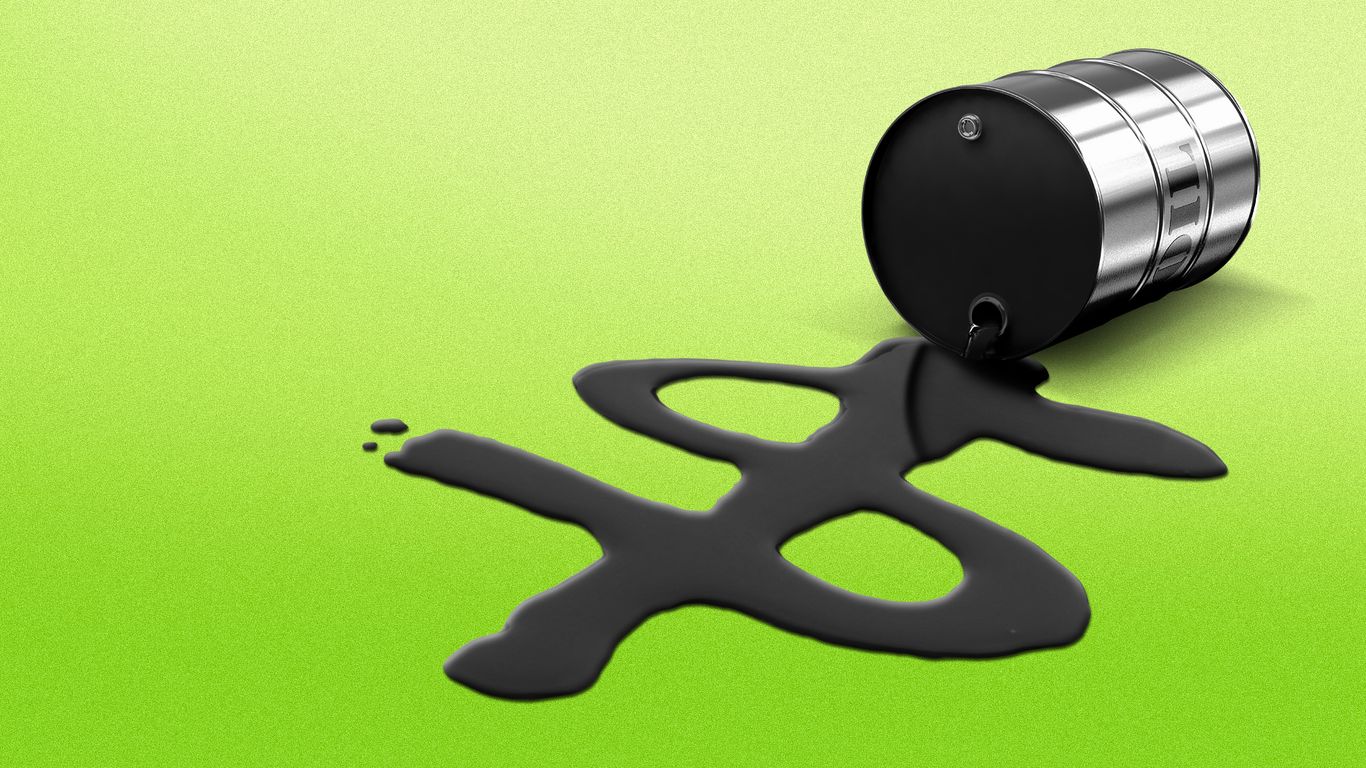
The economic reality of the Strait cannot be overstated. Approximately 20 percent of the world’s total global petroleum consumption transits through this single waterway. That equates to roughly 21 million barrels of crude oil every single day. Liquefied natural gas (LNG) from Qatar also relies entirely on the Strait for access to Asian and European markets. If the Strait of Hormuz closes, the global economy halts. The mere threat of military conflict in these waters causes immediate spikes in the price of Brent Crude and West Texas Intermediate (WTI).
U.S. Naval Aviation in the Persian Gulf
The United States maintains a massive military footprint in the region to ensure the free flow of commerce. The U.S. Navy’s Fifth Fleet is headquartered in Manama, Bahrain. From this strategic hub, CENTCOM projects power throughout the Persian Gulf, the Red Sea, and the Arabian Sea. Naval aviation is a critical component of this power projection.
Helicopters are the workhorses of the Fifth Fleet. The primary rotary-wing asset utilized by the U.S. Navy in these waters is the Sikorsky MH-60R Sea Hawk. These advanced helicopters operate from the flight decks of Arleigh Burke-class guided-missile destroyers and Nimitz-class aircraft carriers. They are tasked with anti-submarine warfare, surface warfare, search and rescue, and logistics support. When a U.S. warship transits the Strait of Hormuz, an MH-60R is almost always airborne, providing an over-the-horizon radar picture and physical escort.
The U.S. Army also operates AH-64 Apache attack helicopters from bases in the region, occasionally conducting joint maritime patrols. These aircraft fly low and slow. They are inherently vulnerable to man-portable air-defense systems (MANPADS) and concentrated anti-aircraft artillery fire. Operating a helicopter in the Strait of Hormuz means flying within visual range of Iranian fast-attack craft and coastal missile batteries. The margin for error is zero. The airspace is congested, heavily monitored, and intensely hostile.
The Islamic Revolutionary Guard Corps and Asymmetric Warfare
The conventional Iranian military, the Artesh, shares responsibility for national defense with the Islamic Revolutionary Guard Corps. In the Strait of Hormuz, the IRGC Navy (IRGCN) holds primary jurisdiction. The IRGCN does not fight like a traditional Western navy. They rely on the doctrine of asymmetric warfare.
Instead of fielding large, vulnerable frigates and destroyers, the IRGCN utilizes a massive fleet of heavily armed fast-attack craft (FAC) and fast inshore attack craft (FIAC). These small, maneuverable vessels are designed to swarm larger enemy ships. They are armed with heavy machine guns, unguided rockets, and anti-ship missiles. The IRGCN frequently uses these vessels to harass U.S. warships and commercial oil tankers transiting the strait. This harassment is designed to project power, test U.S. response times, and assert Iranian sovereignty over the waterway.
The IRGC Aerospace Force controls Iran’s strategic missile and air defense assets. Over the past decade, Tehran has heavily invested in indigenous surface-to-air missile (SAM) systems. Systems like the Bavar-373 and the Khordad 15 provide a layered defense network covering the entire Persian Gulf. The proliferation of these advanced SAM systems has fundamentally altered the risk calculus for U.S. aviators operating in the region. The airspace over the Strait is a contested environment where radar lock-ons and radio warnings are a daily occurrence.
Historical Precedent: From Praying Mantis to the Global Hawk
The claim of a downed helicopter echoes a long, violent history of U.S.-Iran engagements in the Persian Gulf. The historical precedent dictates how Washington will likely respond. On April 18, 1988, the U.S. Navy launched Operation Praying Mantis in retaliation for the Iranian mining of the USS Samuel B. Roberts. The operation resulted in the destruction of half of Iran’s operational fleet and multiple offshore intelligence platforms. It remains the largest surface naval engagement for the United States since World War II.
More recently, the airspace over the Strait has been the site of direct kinetic action. On June 20, 2019, the IRGC shot down a U.S. Navy RQ-4A Global Hawk unmanned surveillance drone. Iran claimed the drone had entered its territorial airspace. The United States maintained the aircraft was operating in international airspace over the Strait of Hormuz. The incident brought the two nations to the absolute brink of war. A retaliatory strike was authorized by the White House but famously called off with only minutes to spare.
The distinction between an unmanned drone and a manned helicopter is profound. The loss of a $130 million drone is a financial and technological blow. The loss of a helicopter involves the loss of American lives. The U.S. military doctrine requires a definitive and overwhelming response to the deliberate killing of its service members. If the claim of a downed helicopter is verified, the diplomatic off-ramps that prevented war in 2019 will be significantly narrower.
Economic Ramifications: Oil Markets and Global Supply Chains
The global economy is deeply sensitive to the security of the Strait of Hormuz. Energy markets do not wait for official Pentagon confirmation before reacting to breaking news. The mere mention of military conflict in the Persian Gulf triggers algorithmic trading protocols and panic buying on the commodities exchanges.
Brent Crude, the global benchmark for oil prices, experiences immediate volatility in response to Strait disruptions. A sustained closure of the waterway, or even a significant increase in maritime insurance premiums due to perceived risk, directly impacts the cost of gasoline, diesel, and aviation fuel worldwide. This inflationary pressure cascades through global supply chains, affecting the price of consumer goods, food transportation, and industrial manufacturing.
The strategic petroleum reserves held by the United States and other industrialized nations serve as a buffer against such shocks. However, these reserves cannot replace the 21 million barrels per day that flow past the Musandam Peninsula. The economic reality is that the Strait of Hormuz is too big to fail. The U.S. military presence exists precisely to ensure that no single state actor can hold the global economy hostage by mining the waterway or threatening civilian shipping.
The Diplomatic Calculus in Washington and Tehran
In Washington, a confirmed shootdown forces a rapid consolidation of crisis management protocols. The National Security Council convenes to weigh kinetic and non-kinetic options. Kinetic options range from targeted strikes against the specific anti-aircraft battery responsible for the attack to a broader degradation of IRGC naval and aerospace infrastructure. Non-kinetic options involve severe economic sanctions, cyber warfare, and diplomatic isolation. The objective is to restore deterrence without triggering a regional conflagration that could draw in proxy forces in Iraq, Syria, Lebanon, and Yemen.
In Tehran, the calculus is equally complex. The Supreme National Security Council must evaluate the domestic and international implications of the event. If the shootdown was a deliberate order from the highest levels of the IRGC, it represents a calculated gamble that the United States lacks the political will for a sustained conflict. If the shootdown was the result of a rogue local commander or a misidentified radar track, Tehran faces the difficult task of de-escalation while maintaining a posture of defiance for its domestic audience.
The communication architecture between the two nations is notoriously fragile. There is no direct hotline between the Pentagon and the Iranian Ministry of Defense. Messages are relayed through the Swiss Embassy in Tehran or via backchannels managed by the Sultanate of Oman. This indirect communication increases the risk of misinterpretation and unintended escalation during a fast-moving crisis.
The Burden of Verification
The period immediately following a breaking military claim is defined by the fog of war. Initial reports are frequently inaccurate, incomplete, or deliberately manipulated. The burden of verification falls heavily on the U.S. intelligence community and the Department of Defense. Satellite imagery, signals intelligence (SIGINT), and radar telemetry are rapidly analyzed to construct an objective timeline of events.
The fate of the aircrew remains the paramount concern. The U.S. military possesses robust combat search and rescue (CSAR) capabilities in the region. If an aircraft goes down, a massive coordinated effort involving surface ships, fixed-wing aircraft, and special operations forces is immediately launched. The waters of the Persian Gulf are shallow and heavily trafficked, complicating rescue operations while increasing the likelihood of rapid recovery.
The geopolitical landscape of the Middle East is fundamentally altered by the introduction of lethal force against U.S. personnel. The deterrence architecture built over decades is tested in real-time. The credibility of U.S. security guarantees to regional allies is scrutinized. Every action and reaction is weighed against the overarching strategic goal of maintaining stability in the world’s most volatile region.
The Enduring Standoff
The Strait of Hormuz remains a theater of perpetual tension. It is a geographic reality that forces adversaries into uncomfortable proximity. The claims of downed aircraft, harassed shipping, and contested airspace are symptoms of a deeper, unresolved conflict between competing strategic visions for the Middle East. The U.S. seeks to maintain freedom of navigation and regional stability. Iran seeks to project regional hegemony and deter foreign military presence near its borders.
This fundamental clash of interests ensures that the waters between the Persian Gulf and the Gulf of Oman will remain heavily militarized. The presence of U.S. naval aviation is a necessary component of the deterrence strategy, but it carries inherent risks. The men and women operating MH-60R Sea Hawks and Arleigh Burke-class destroyers bear the daily burden of this strategic standoff. They operate in an environment where a single spark can ignite a global crisis.
The world watches the Strait. The flow of commerce continues under the shadow of military power. The rhetoric escalates and de-escalates in a familiar, dangerous rhythm. The physical reality of the chokepoint remains unchanged. Diplomats draft statements. Markets adjust prices. Fleets adjust positions. Hormuz.