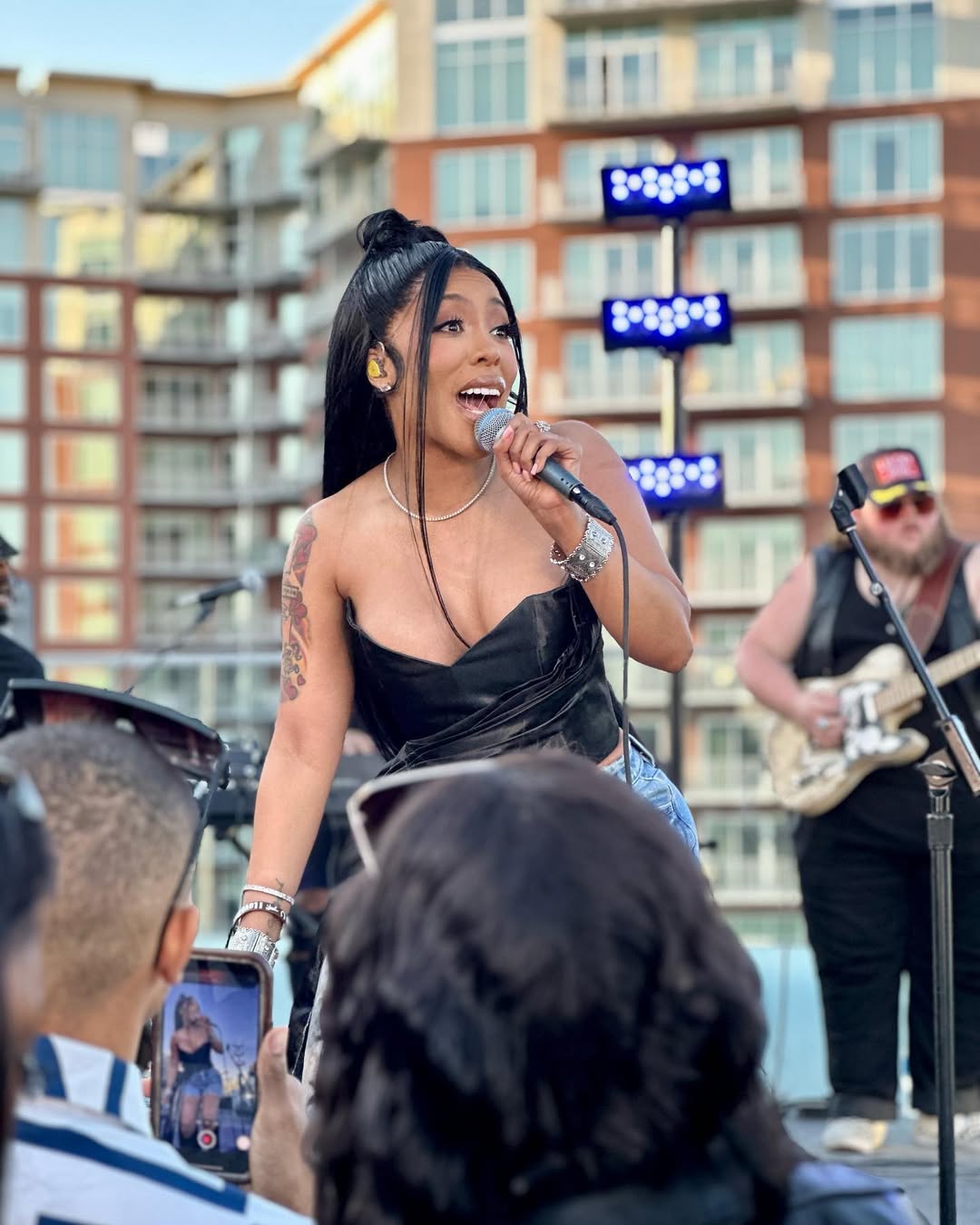

Actress and advocate Laverne Cox recently disclosed that she has “lost so much money” due to the Trump administration’s aggressive dismantling of corporate and federal Diversity, Equity, and Inclusion (DEI) programs. The financial impact stems primarily from a sudden collapse in lucrative corporate speaking engagements, university appearances, and specialized consulting roles, which previously formed a significant portion of her income. When the federal government shifted its stance on corporate diversity mandates, the private sector followed suit almost immediately.
The shift did not happen overnight. It was the result of a calculated policy realignment.
When federal guidelines changed, corporate risk-assessment changed with them. Human resources departments pivoted. Event budgets vanished. The infrastructure that supported high-profile advocacy work evaporated in a matter of months.
For years, Hollywood and Fortune 500 companies actively sought out figures like Cox to headline diversity summits and pride events. Now, the landscape has fundamentally altered. The business of corporate conscience has been quietly dismantled.
The Collapse of the Speaking Circuit
To understand the financial hit, one must understand the mechanics of the celebrity speaking circuit. Advocacy is not just a moral stance. It is a highly structured, multi-million-dollar industry.
During the height of the corporate DEI boom, high-profile advocates commanded premium rates. A keynote address at a tech summit in Silicon Valley or a diversity seminar for a major Wall Street bank routinely paid anywhere from $20,000 to $100,000 per appearance. June, recognized globally as Pride Month, was traditionally a financial windfall for LGBTQ+ advocates. Corporations allocated massive budgets to secure recognizable faces for internal employee resource groups and external marketing campaigns.
Laverne Cox was at the apex of this market.
Following her breakout role on the Netflix series Orange Is the New Black in 2013, Cox became a cultural touchstone. In June 2014, she appeared on the cover of Time magazine under the headline “The Transgender Tipping Point.” This visibility transformed her from a working actress into a premier corporate speaker. She toured universities, anchored corporate retreats, and served as a brand ambassador for companies eager to signal their commitment to inclusivity.
That revenue stream relied entirely on the existence of corporate DEI budgets.
When those budgets were slashed, the invitations stopped. The speaking agencies that once booked advocates solid for months suddenly found themselves staring at empty calendars. Companies that previously paid tens of thousands of dollars for a one-hour keynote quietly informed booking agents that their internal priorities had shifted.
The Rise and Fall of the Corporate Conscience
The corporate DEI apparatus reached its absolute peak in the summer of 2020. Following the murder of George Floyd and the subsequent global protests, corporate America pledged an estimated $8 billion toward diversity initiatives. Chief Diversity Officers (CDOs) became the fastest-growing C-suite role in the country. Entire departments were created to manage corporate culture, equity training, and inclusive hiring practices.
This era created a massive demand for external validators. Celebrities, authors, and activists were brought in to legitimize these new corporate mandates.
But the backlash was organizing just as quickly.
Conservative activists and legal strategists began a systematic campaign against DEI frameworks. Figures like Christopher Rufo framed diversity training as inherently divisive. Legislative bodies took notice. In 2023, states like Florida passed Senate Bill 266, defunding DEI programs in public universities. Texas followed with Senate Bill 17. The legal landscape shifted further when the Supreme Court struck down affirmative action in college admissions, a ruling that conservative legal groups immediately weaponized against private corporate hiring practices.
Corporate legal departments grew nervous. The risk of conservative boycotts, evidenced by the massive financial hits taken by brands like Bud Light and Target in 2023, made public-facing diversity initiatives a liability rather than an asset.
The Federal Chokehold
The final blow to the industry came from the executive branch. The Trump administration’s explicit policy directives aimed at eradicating DEI programs provided the top-down pressure that conservative activists had sought.
Executive orders were drafted to ban specialized diversity training within federal agencies and among federal contractors. For major corporations, many of which rely on massive government contracts, compliance was not optional. To maintain federal funding and avoid grueling regulatory scrutiny, companies had to purge their internal diversity frameworks.
The language of corporate America changed instantly.
Terms like “equity” and “systemic inclusion” were scrubbed from annual reports. Job postings for Chief Diversity Officers vanished. The departments that historically hired figures like Laverne Cox were dissolved, their budgets reabsorbed into general human resources or eliminated entirely.
Cox’s statement about losing money is not a metaphor. It is a literal accounting of a vanished industry. When a federal administration signals that DEI is a hostile concept, Fortune 500 companies do not fight back. They comply. They cut the checks to different speakers. They host different events. The money moves elsewhere.
Hollywood’s Quiet Retreat
The chilling effect was not limited to corporate boardrooms in the Midwest or tech campuses in California. It struck directly at the heart of the entertainment industry.
Hollywood has always operated on a pendulum of risk and reward. In the early 2020s, studios mandated representation. Inclusion riders became standard contract language. Production companies launched massive internal diversity departments to oversee casting and crew hiring.
By 2025, that architecture was quietly dismantled.
Major studios, facing economic headwinds and shifting cultural tides, began firing their diversity executives. Disney, Warner Bros. Discovery, and Netflix all saw high-profile departures in their inclusion departments. The mandate to cast diverse talent for the sake of representation was replaced by a rigid adherence to perceived broader market appeal.
For an actress like Cox, this represents a secondary financial hit. The speaking circuit vanished first. Then, the specific development deals and production mandates that favored diverse creators began to dry up. The safety net of the entertainment industry’s progressive posturing proved to be entirely conditional.
The Broader Economic Reality for Advocates
Cox is the most visible face of this specific financial contraction, but she is far from the only casualty. An entire micro-economy had been built around the concept of corporate inclusion.
Consultants who specialized in equity audits lost their contracts. Specialized recruiting firms that focused on diverse talent pipelines shuttered. Authors who wrote best-selling books on anti-racism found their corporate bulk-order sales plummeting to zero. The ecosystem that sustained thousands of specialized workers collapsed under the weight of federal policy shifts and corporate cowardice.
The speed of the collapse highlights the transactional nature of corporate advocacy. The companies that paid advocates to speak were never buying the message. They were buying the public relations shield that the message provided. Once that shield became a target, the funding was immediately withdrawn.
The Cost of Visibility
Public figures who tie their personal brand to a specific political or cultural movement always face market volatility. When the political winds shift, the market corrects.
For Laverne Cox, the financial loss is the direct result of a cultural victory turned sour. She helped build the very market that has now been legislated and regulated out of existence. The millions of dollars that once flowed freely into the accounts of diversity advocates have been redirected. The corporate pride floats have been dismantled. The keynote slots have been given to different voices.
The federal government set the tone. Corporate America did the math. The budgets were slashed. The invitations stopped. The calendar cleared.
Silence.