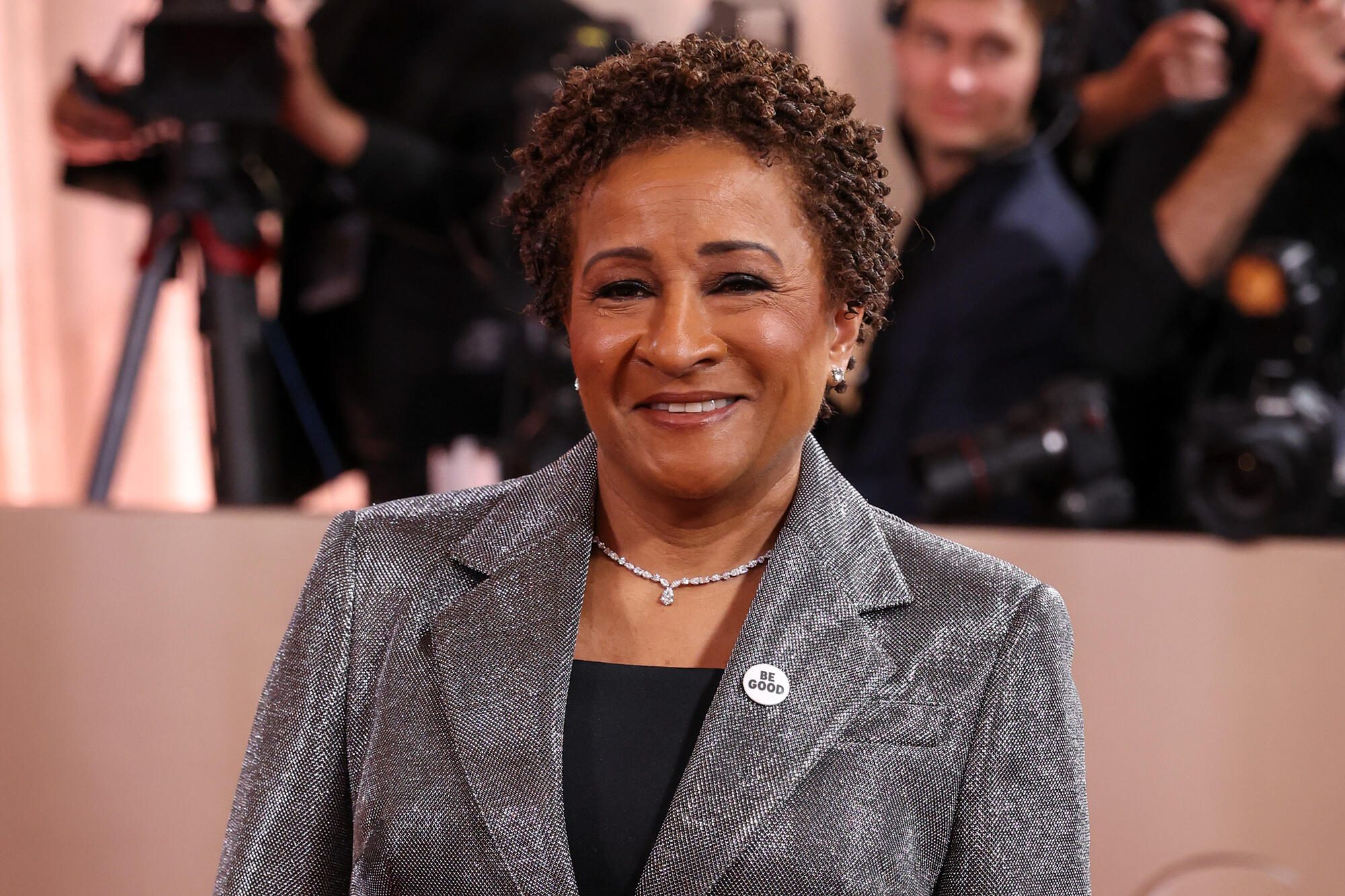
Wanda Sykes declined a seat on the dais for Kevin Hart’s Netflix roast because she refused to participate in what she described as lazy writing built on recycled sexist, racist, and gay jokes. The veteran comedian and writer passed on the high-profile streaming event, publicly expressing relief that she avoided the project entirely. In many ways, her rejection serves as a flashpoint. What looks like a simple scheduling pass actually exposes a widening fault line in the modern comedy industry.
Netflix has spent the last decade building an unparalleled comedy infrastructure. The streaming giant allocates portions of its massive $16 billion annual content budget to secure top-tier stand-up talent. Live events represent the newest frontier in this strategy. The platform tested the waters with live specials and quickly moved into the lucrative, high-engagement world of celebrity roasts.
The May 5, 2024, broadcast of the roast of Tom Brady proved the concept. Millions of viewers tuned in live. Social media algorithms fed on the resulting clips for weeks. Comedians like Nikki Glaser and Jeff Ross saw immediate career bumps. The format generates massive viewership, guaranteed headlines, and significant cultural real estate. Turning down an invitation to a Netflix roast means walking away from one of the largest promotional platforms in modern entertainment. Wanda Sykes walked away anyway.
The Architecture of the Joke
The core of Sykes’ criticism centers on the mechanics of the writing. She did not express outrage at the concept of insult comedy. She expressed professional disdain for the execution. Sykes called the material lazy writing. For a comedian who spent years in the writers’ room of The Chris Rock Show, the distinction matters.
Roasts demand a specific cadence. The format relies on rapid-fire insults, shock value, and boundary-pushing premises. Historically, the New York Friars Club built the roast tradition in the 1950s as a private, fraternal exercise. Comedians insulted their peers behind closed doors. When Comedy Central resurrected the format for television in the early 2000s, targeting celebrities like Pamela Anderson, Justin Bieber, and Charlie Sheen, the tone shifted. The goal became generating gasps from a studio audience.
Sykes argues this modern iteration has degraded. Instead of crafting sharp, observational takedowns, the format increasingly relies on marginalized groups for easy punchlines. Recycled tropes replace original thought. Sexist, racist, and homophobic setups serve as shortcuts to a reaction. Sykes, a comedian known for precision, views this as a failure of the craft.
Kevin Hart and the Target on the Dais
Kevin Hart understands the machinery of Hollywood better than almost anyone. His global box office grosses exceed billions of dollars. His stand-up tours sell out football stadiums. He also understands the mechanics of public controversy.
In December 2018, the Academy of Motion Picture Arts and Sciences announced Hart would host the 2019 Oscars. Within days, past homophobic tweets surfaced. Hart initially refused to apologize, stating he had addressed the comments previously. The backlash intensified. Hart ultimately stepped down from the hosting gig and issued an apology to the LGBTQ community. The incident remains a defining chapter in his public narrative.
A roast of Kevin Hart would inevitably touch on this history. The format demands it. Roasters target the most uncomfortable aspects of the honoree’s life. Sykes, an openly gay Black woman, would be placed in a specific dynamic on that stage. Her presence could be weaponized to validate the very jokes she despises. By refusing the invitation, she refused to be a prop in that dynamic.
A Career Built on Precision
Wanda Sykes does not need the Netflix roast bump. Her career operates on a different frequency. Born in Portsmouth, Virginia, she worked as a contracting specialist at the National Security Agency before transitioning to stand-up comedy. That background in precision translates to her stage work.
She won an Emmy Award in 1999 for her writing on The Chris Rock Show. She headlined the White House Correspondents’ Dinner in 2009. Her stand-up specials, including I’ma Be Me and Not Normal, rely on sharp social observation rather than cheap shots. She tours globally, selling out theaters based on the strength of her perspective.
Her comedic style requires a setup, a pivot, and a punchline anchored in truth. The roast format, as currently constructed, often abandons truth for shock. Sykes drew a professional boundary. She evaluated the project, determined the writing did not meet her standards, and said no.
The Cultural Divide in Stand-Up
The comedy industry is currently engaged in a loud, public debate about cultural standards. One faction argues that comedians must be entirely free of restrictions. This group frequently complains about cancel culture and insists that nothing should be off-limits on a comedy stage. Netflix Co-CEO Ted Sarandos has frequently defended controversial comedy on the platform, citing the need to support artistic expression.
The other faction argues for accountability and evolution. This group contends that punching down at marginalized communities is not edgy; it is simply outdated. They argue that relying on racist or homophobic tropes is a sign of creative stagnation.
Sykes’ rejection of the Hart roast places her firmly in the latter camp. She is not calling for the roast to be canceled. She is not petitioning Netflix to change its programming. She is simply exercising her right to opt out. She identified the material as recycled and sexist, and she chose not to associate her brand with it.
The Economics of Outrage
The modern media ecosystem thrives on outrage. Algorithms prioritize conflict. Roasts are engineered to feed this ecosystem. A single offensive joke generates thousands of reaction videos on TikTok, millions of impressions on X, and countless aggregation articles. The outrage is not a byproduct of the roast; it is the product.
Netflix understands this math. The platform hosts a wide variety of comedy, from the wholesome to the highly controversial. The goal is engagement. The Tom Brady roast generated massive engagement precisely because it crossed perceived lines. The Kevin Hart roast will likely attempt to replicate that formula.
I looked at the material, and I said, ‘Thank God I passed.’ It is just lazy writing.
Sykes opted out of the algorithmic cycle. She recognized the trap. Participating in the roast would mean participating in the subsequent outrage cycle. She would be asked to defend the jokes, contextualize the insults, and participate in the post-game analysis. By saying no, she retained control of her time and her narrative.
The Future of the Format
The celebrity roast will survive Wanda Sykes’ absence. Netflix will continue to produce live comedy events. Kevin Hart will continue to sell out arenas. The machinery of Hollywood will keep moving forward.
However, Sykes’ public critique lingers. It forces a conversation about the difference between a good joke and a cheap insult. It challenges writers to elevate their material. It reminds audiences that they have the right to demand better from the entertainers they support.
Comedy evolves. The jokes that worked at the Friars Club in 1955 do not work at the Kia Forum in 2026. The comedians who survive the longest are the ones who understand this evolution. They are the ones who recognize when a format has run its course. They are the ones who refuse to rely on recycled premises.
Audiences watch. Comedians calculate. Executives broadcast. Sykes walked away.