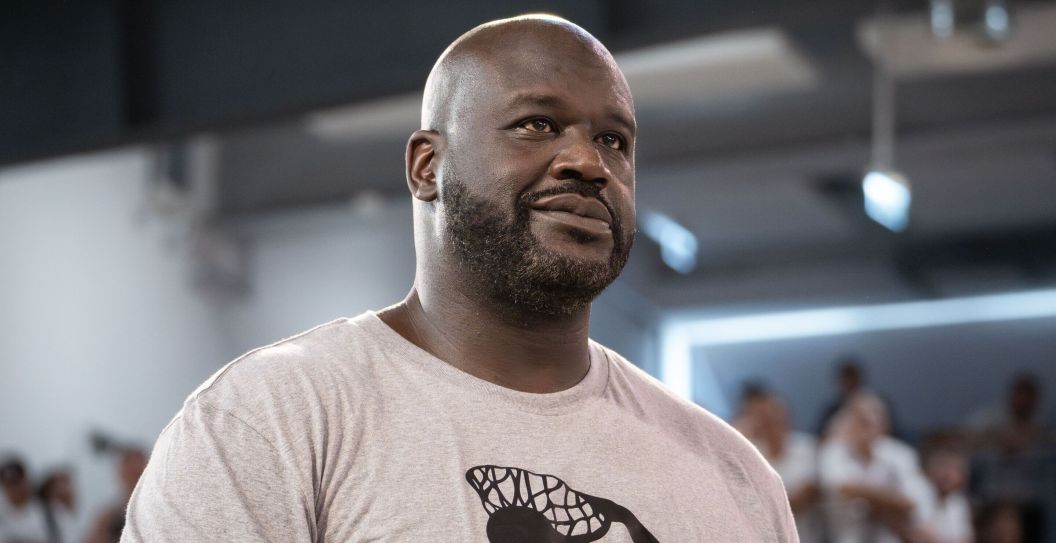
Shaquille O’Neal has publicly confirmed his use of weight loss medication to manage his post-retirement health, signaling a major cultural shift in how elite athletes address metabolic longevity. The admission from the 7-foot-1 NBA Hall of Famer strips away decades of stigma surrounding pharmaceutical intervention for weight management. For years, the narrative dictated that former athletes who gained weight simply lacked discipline. O’Neal’s transparency rewrites that script entirely.
The revelation did not occur in a vacuum. It arrived during a broader cultural reckoning regarding obesity, willpower, and modern medicine.
Elite athletes spend decades operating as highly tuned metabolic engines. When the engine shuts off, the fuel intake rarely adjusts at the same speed. By acknowledging his reliance on modern medical interventions, O’Neal is normalizing a conversation that sports culture has long avoided.
The Physics of the Hardwood
To understand the post-career physical reality of Shaquille O’Neal, one must first look at the sheer scale of his playing days. When the Orlando Magic drafted O’Neal first overall in the 1992 NBA Draft, he weighed a relatively lean 294 pounds. He was a force of unprecedented speed and size.
The game changed him. The physical demands of playing in the paint during the 1990s required more mass. By the time O’Neal secured his three consecutive NBA Championships with the Los Angeles Lakers between 2000 and 2002, his playing weight routinely fluctuated between 340 and 350 pounds.
He was the most dominant physical force in the history of the sport. Moving that much mass up and down a 94-foot hardwood court for 40 minutes a night required an astronomical caloric intake. The human body adapts to the demands placed upon it. O’Neal’s metabolism was engineered to burn thousands of calories a day just to maintain equilibrium.
Then, the whistle blew for the last time.
O’Neal retired following the 2010-2011 season with the Boston Celtics. The grueling physical exertion stopped immediately. The appetite, hardwired over two decades of professional competition, did not.
The Post-Career Metabolic Wall
Retirement is a dangerous frontier for professional athletes. The sudden transition from extreme physical output to a sedentary lifestyle creates a metabolic crash. For a man standing 7-foot-1, the consequences of that crash are magnified.
O’Neal transitioned seamlessly into broadcasting, joining TNT’s Inside the NBA. The job required long hours sitting behind a desk in Atlanta, Georgia. Late-night television production is notoriously fueled by catered food, irregular sleep schedules, and high stress. It is a perfect recipe for metabolic dysfunction.
Without the daily rigors of NBA practices and games, O’Neal’s weight began to climb. He has stated in interviews that his weight eventually peaked at 415 pounds. The physical toll of carrying over 400 pounds on joints that had already endured 19 NBA seasons was severe.
He attempted traditional methods. He hired trainers. He restricted his diet. He managed to drop his weight down to 375 pounds through sheer force of will and physical exertion. But willpower is not a sustainable medical strategy for chronic metabolic conditions.
The plateau is inevitable. The body fights back. This is the reality that millions of Americans face daily, and it is the exact reality that led O’Neal to seek medical intervention.
The GLP-1 Revolution Arrives in Sports
The landscape of weight management changed drastically in the early 2020s. A class of medications known as GLP-1 receptor agonists entered the mainstream cultural consciousness. Originally developed to treat Type 2 diabetes, these drugs demonstrated profound effects on weight loss and metabolic regulation.
Pharmaceutical giants like Novo Nordisk and Eli Lilly brought drugs like Ozempic, Wegovy, and Mounjaro to market. The science is straightforward. The medications mimic a hormone that targets areas of the brain that regulate appetite and food intake. They slow gastric emptying. They quiet the “food noise” that plagues individuals struggling with weight management.
For decades, the medical community and the public viewed obesity as a moral failing. The prescription was always the same: eat less, move more. If it failed, the patient was blamed.
The advent of GLP-1 medications proved that obesity is a biological, chronic condition. It requires medical treatment, just like hypertension or high cholesterol.
Hollywood embraced the medications quietly at first, then loudly. But the sports world remained hesitant. Athletes are conditioned to believe that their bodies are entirely under their control. Admitting the need for chemical assistance to manage weight felt, to many, like a capitulation.
O’Neal’s admission breaks that specific stigma. He is not a Hollywood actor trying to fit into a tuxedo. He is one of the greatest athletes in human history, admitting that his biology requires medical management.
The TNT Desk Dynamic
O’Neal was not the first member of the Inside the NBA crew to embrace this new medical frontier. He was preceded by his longtime foil and co-host, Charles Barkley.
Barkley, another Hall of Fame player who struggled significantly with weight following his retirement in 2000, publicly revealed his use of the medication Mounjaro in 2023. Barkley was characteristically blunt about his experience.
He admitted to losing over 60 pounds. He spoke openly about the relief of not constantly battling his own appetite. He described the medication as life-changing.
The dynamic between O’Neal and Barkley is the cornerstone of TNT’s basketball coverage. They argue, they mock each other, and they compete endlessly. But they also share the unique, isolated experience of being aging giants in a world built for smaller men.
Barkley’s transparency undoubtedly shifted the temperature in the room. When one alpha athlete admits to utilizing modern medicine, it creates permission for others to follow suit. O’Neal’s subsequent admission forms a powerful consensus. The two most visible retired basketball players on television are now openly advocating for medical intervention in weight management.
The Business of Being Shaq
There is also a profound business imperative behind O’Neal’s health decisions. Shaquille O’Neal is not merely a retired athlete. He is a multinational conglomerate.
He serves as the President of Basketball for Reebok. He sits on the board of directors for Papa John’s. He is the face of Icy Hot, The General insurance, and countless other brands. His net worth is estimated to be north of $400 million.
His physical presence is his trademark. The towering, jovial giant is the core of his brand identity. But a brand cannot operate if the founder is incapacitated by failing health.
Carrying 415 pounds into one’s fifties is a severe medical risk. It invites cardiovascular disease, joint failure, and a host of metabolic complications. O’Neal has stated his target weight is 351 pounds. Reaching and maintaining that number is not just about vanity. It is about protecting the asset.
By utilizing weight loss medication, O’Neal is engaging in aggressive risk management. He is ensuring that the Shaquille O’Neal enterprise remains viable for decades to come.
Shifting the Cultural Conversation
The impact of O’Neal’s transparency extends far beyond the basketball court and the boardroom. It reaches into the living rooms of millions of fans who idolized him in the 1990s and 2000s.
Many of those fans are now aging alongside him. They are facing their own metabolic slowdowns. They are battling their own weight. They are encountering the same physical limitations.
When a man who once shattered backboards with sheer physical force admits that he cannot out-will his own metabolism, it provides immense cultural relief. It validates the struggles of the average person.
The “eat less, move more” fallacy has done immeasurable psychological damage to generations of people. It framed a biological complex as a character flaw. O’Neal’s public pivot toward medical science helps dismantle that framework.
He is utilizing the tools available to him. He is treating his body with the same strategic pragmatism he once used to dismantle opposing defenses.
A New Playbook for Aging Athletes
The sports industry is slowly waking up to the realities of post-career health. For generations, teams discarded players the moment their physical utility expired. The aftermath was the player’s problem.
We are now seeing the long-term results of that neglect. Early mortality rates among highly massive athletes, particularly in football and basketball, are a known crisis. The human heart is not designed to pump blood through 400 pounds of mass for eighty years.
O’Neal’s approach offers a new playbook. It suggests that the transition out of professional sports requires a managed medical strategy. It requires unlearning the habits that built the athlete and adopting the interventions necessary to sustain the human.
Weight loss medications are not a magic cure. They require concurrent lifestyle adjustments, dietary changes, and continued physical activity. O’Neal continues to train. He continues to lift weights. The medication simply levels the biological playing field.
The narrative is no longer about failure. It is about adaptation. It is about recognizing the limits of the human body and utilizing science to extend its viability.
The hardwood is gone. The cameras remain. The icon adapts. Survival.