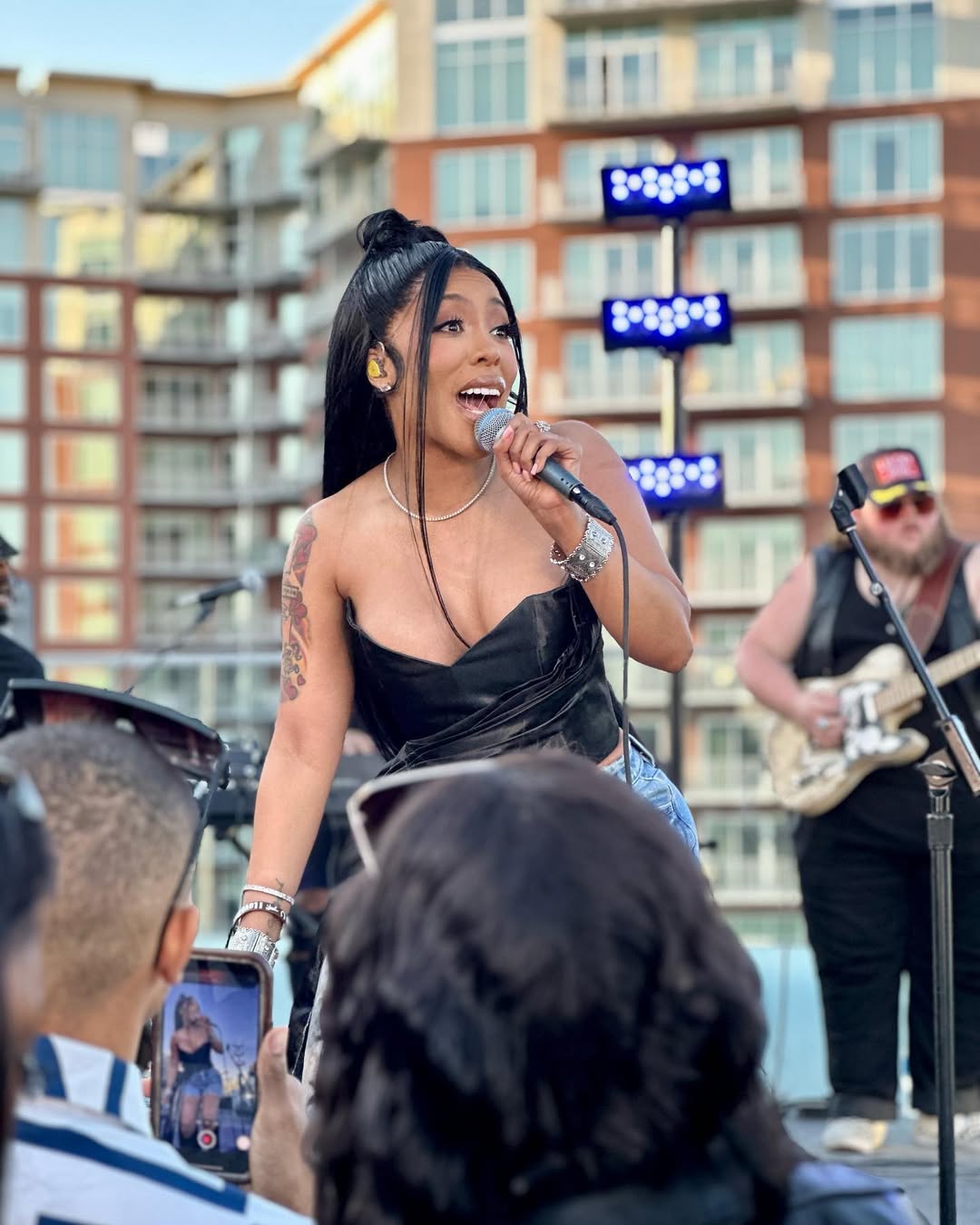

Country music artist Kip Moore walked off the set of a national Pop-Tarts commercial and forfeited the largest single paycheck of his career because the creative direction forced him to compromise his authentic, blue-collar image. The incident stands as a defining moment of artistic defiance in an era where Nashville musicians routinely trade cultural credibility for corporate sponsorships. When faced with a script and wardrobe that directly contradicted the gritty, heartland-rock identity he had spent a decade building, Moore chose his reputation over his bank account.
The decision was not made in a vacuum. It happened under the bright lights of a commercial soundstage. It happened in front of directors, producers, and brand executives. It happened while his management team watched a massive financial windfall evaporate in real-time.
In the modern music industry, walking away from corporate money is rare. Streaming royalties pay fractions of a penny. Touring carries immense overhead costs. Brand endorsements are the primary vehicle for generational wealth. Yet, Moore walked away.
The Mechanics of the Nashville Endorsement Machine
To understand the weight of Moore’s decision, one must understand the economics of Music Row. Record labels no longer survive solely on record sales. The industry relies heavily on brand synergy.
Country music offers corporations access to a highly coveted demographic. Brands want the perceived authenticity of the American heartland. They want the loyalty of working-class consumers. To get it, they hire country stars.
Luke Bryan aligns with beer companies. Blake Shelton promotes vodka and pickup trucks. The formula is established. An artist achieves radio success, builds a recognizable brand, and then leases that brand to Fortune 500 companies.
Kellogg’s, the parent company of Pop-Tarts, operates with massive marketing budgets. A national television campaign featuring a recognizable country star comes with a heavy price tag. Industry standard payouts for a campaign of this magnitude routinely fall between $500,000 and $1,000,000. For the artist, it is pure profit. There are no tour buses to fuel. There are no venue cuts to pay. It is a few days of work for a life-altering sum of money.
Moore was offered exactly this type of deal. His management secured the contract. The dates were set. The payout was guaranteed. All he had to do was play the part.
The Set, The Script, and The Disconnect
The collision between corporate expectations and artistic reality happened on the set. Commercial productions are highly orchestrated environments. Every detail is optimized for mass consumer appeal.
Moore arrived at the shoot. He was handed the creative treatment. The reality of the situation immediately set in.
Kip Moore is not a polished pop-country singer. He is a songwriter from Tifton, Georgia, who spent his early years living in a cinderblock apartment in Nashville. His music leans heavily into Bruce Springsteen-esque heartland rock. His albums, like Wild Ones and Slowheart, deal with isolation, late-night regrets, and blue-collar endurance. His voice is gravelly. His aesthetic is worn denim and scuffed boots.
Pop-Tarts are frosted, brightly colored breakfast pastries marketed heavily to children and teenagers. The brand’s tone is inherently light, sugary, and comedic.
The disconnect was structural. The directors needed Moore to smile broadly. They needed him to enthusiastically consume a colorful pastry on camera. They needed him to act like a pitchman.
Moore recognized the danger immediately. Authenticity is a fragile currency. Once an artist is seen as a corporate mascot, the illusion of the rugged outsider shatters. A single thirty-second television spot, aired repeatedly during prime-time television, could permanently alter how his fan base viewed him.
He expressed his discomfort. He attempted to find a middle ground. When it became clear that the brand’s vision required him to abandon his own, he made his choice.
He walked off the set. The shoot was canceled. The check was voided.
A Career Built on Refusal
The Pop-Tarts incident was not an isolated event. It was the culmination of a career defined by pushing back against industry expectations.
Moore broke into the mainstream in 2012 with the double-platinum hit “Somethin’ ‘Bout a Truck.” The song was a massive commercial success. It topped the Billboard Hot Country Songs chart. It positioned Moore to become the next massive stadium-country superstar.
MCA Nashville, his record label, naturally wanted a repeat performance. The industry was entering the “bro-country” era. The formula was simple: sing about tailgates, dirt roads, and party anthems. The radio programmers demanded it.
Moore refused to comply.
Instead of delivering a polished sequel to his debut, he recorded Wild Ones. The 2015 album was loud, aggressive, and distinctly un-pop. It alienated mainstream country radio. It stalled his momentum on the Billboard charts. But it accomplished something far more valuable: it built a rabid, cult-like fan base.
Fans recognized that Moore was not chasing trends. He was writing what he felt. This audience proved to be fiercely loyal. They bought concert tickets. They bought physical albums. They followed him to Europe and Australia, where his gritty rock-country hybrid found massive audiences.
Walking off the commercial set was simply an extension of the same philosophy that drove Wild Ones. Moore had already proven he would sacrifice mainstream radio play for artistic integrity. Sacrificing a corporate paycheck was the logical next step.
The Financial Weight of Authenticity
Turning down the biggest check of a career carries immediate consequences. The fallout extends beyond the artist.
In the music business, an artist is the CEO of a small corporation. Managers, booking agents, business managers, and publicists all take a percentage of gross earnings. When an artist walks away from a $500,000 payday, the management firm loses $75,000. The business manager loses $25,000. The pressure to accept these deals is immense.
Representatives often argue that the money buys freedom. A massive brand deal can fund an independent album. It can keep a touring band employed during a slow season. It can provide long-term security in a notoriously volatile industry.
Moore rejected this logic. He understood that the money comes with a hidden tax. The tax is paid in credibility.
Once an artist compromises their image for a brand, the audience registers the shift. The songs about struggling to pay rent ring hollow. The anthems about living outside the system lose their bite. The fans who pack into general admission standing-room-only venues are highly attuned to inauthenticity.
Moore chose to protect his relationship with the ticket-buyer over his relationship with the brand executive. He absorbed the financial loss to keep his narrative intact.
The Cultural Shift in Country Music
Moore’s walk-off occurred against the backdrop of a larger cultural shift within country music. The genre is currently experiencing a massive ideological fracture.
On one side is the Nashville establishment. This ecosystem relies on polished production, optimized songwriting camps, and heavy corporate integration. It is highly lucrative and tightly controlled.
On the other side is a growing movement of independent and alternative country artists. Musicians like Zach Bryan, Tyler Childers, and Cody Jinks have built massive careers by actively rejecting the Music Row playbook. They do not chase radio play. They rarely accept major corporate sponsorships. They release music on their own terms.
Audiences are increasingly migrating toward this second group. There is a deep, consumer-level fatigue with manufactured culture. Listeners want music that feels human, flawed, and real. They are actively seeking out artists who refuse to sell out.
Moore was early to this realization. Long before the current wave of independent country superstars took over the charts, Moore was fighting the same battles inside a major label system. The Pop-Tarts incident is a perfect microcosm of this larger war. It is the physical manifestation of the struggle between commerce and art.
The Legacy of the Walk-Off
Years later, the story of the voided contract remains a defining piece of Kip Moore lore. It is passed around by fans. It is referenced in interviews. It has become part of the mythology.
The decision did not ruin his career. In fact, it insulated it. By drawing a hard line in the sand, Moore signaled to his audience that his music was not a stepping stone to a television career. He is a lifer.
He continues to tour globally. He continues to release critically acclaimed records like Damn Love. He operates outside the constraints of mainstream country radio, relying instead on a fan base that trusts him implicitly.
That trust was not given freely. It was purchased. It was bought with the money he left on the table.
The cameras were set. The script was written. The check was cut.
Executives waited. Directors called for action. Brands expected compliance.
Moore walked.