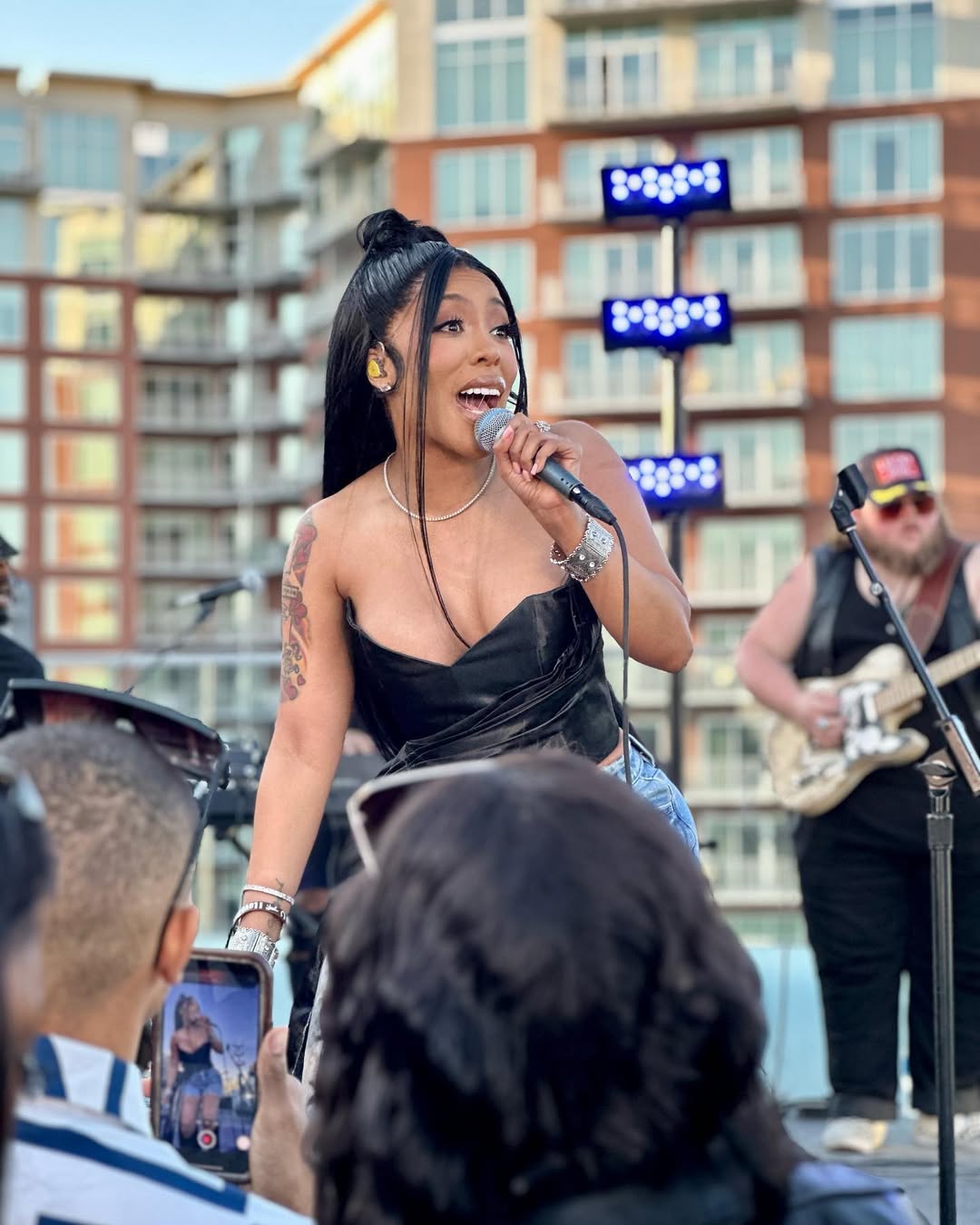

In a definitive shift from entertainment to executive influence, a prominent country music star has officially been appointed to a formal leadership role within the White House administration, serving as a cultural liaison and policy advisor for heartland initiatives. This move marks the first time a Nashville artist has transitioned from performing at state dinners to actively shaping federal policy from within the West Wing. The appointment bridges the historical gap between Music Row and Pennsylvania Avenue. It signals a profound realignment of cultural power. Middle America has long felt disconnected from coastal policy centers. Now, that demographic has a direct representative in the room where decisions are made.
The Nashville-Washington Pipeline
The relationship between country music and the presidency is not new. It is, however, historically ceremonial. Presidents have long understood the optics of aligning with Nashville. The invitation used to be simple. Arrive at the White House. Play a few acoustic songs for a state dinner. Shake hands with the Commander in Chief. Return to Tennessee.
The dynamic was established decades ago. On April 17, 1970, Richard Nixon invited Johnny Cash to perform at the White House. Nixon requested conservative anthems like “Okie from Muskogee.” Cash politely declined. He played “What Is Truth” instead. The moment defined the relationship. The artist was a guest, but a defiant one. Jimmy Carter leaned heavily on the Allman Brothers and Willie Nelson to secure his populist appeal. Ronald Reagan awarded Merle Haggard the keys to the cultural kingdom. George W. Bush hosted George Strait. Barack Obama honored Loretta Lynn.
Through every administration, the boundary remained intact. The artists provided the soundtrack. The politicians wrote the policy. That boundary has now collapsed.
Moving from Performance to Policy
The modern era demands more than a song. Working-class voters are facing complex, existential threats. Rural broadband remains fractured. Agricultural subsidies are constantly under threat. The opioid epidemic has hollowed out the very towns that country music romanticizes. Singing about the struggle is no longer sufficient. Action is required.
The shift began subtly. Artists started showing up in committee rooms instead of concert halls. In January 2024, country-rap artist Jelly Roll, born Jason DeFord, sat before the Senate Banking, Housing, and Urban Affairs Committee. He did not bring a guitar. He brought testimony. He advocated for the FEND Off Fentanyl Act. He spoke as a former dealer and a rehabilitated citizen. He commanded the room. Lawmakers listened. The testimony proved that Nashville figures could articulate the pain of the heartland better than career lobbyists.
This new White House leadership role is the natural evolution of that moment. It formalizes the influence. It places a country star at the head of a table rather than at the microphone.
The Cultural Defense Doctrine
For the audience, this appointment is deeply personal. It is a validation of their cultural values. Country music is not just a genre. It is an identity. It represents faith, family, agricultural endurance, and working-class resilience. For decades, the consumers of this culture have watched coastal elites mock their traditions. They have seen Hollywood actors appointed to prestigious federal arts endowments. They have watched their values sidelined in federal budget discussions.
This appointment changes the narrative. It is a form of cultural defense. When a country star takes a leadership role in the administration, it sends a clear signal to the heartland. Your voice matters. Your lifestyle is recognized. Your concerns are federal priorities.
The Economic Weight of the Heartland
The political calculation behind this appointment is backed by staggering economic data. Nashville is not just a cultural hub. It is a financial juggernaut. The music industry in Tennessee generates over $5.5 billion in annual GDP impact. It employs tens of thousands of blue-collar workers. Truck drivers. Riggers. Sound engineers. Venue staff. Lighting technicians.
When a country star speaks in the White House, they are not just speaking as an entertainer. They are speaking as the CEO of a massive working-class enterprise. They understand the logistics of interstate commerce. They understand the impact of fuel prices on a touring fleet. They understand the healthcare struggles of independent contractors. They bring a granular, boots-on-the-ground economic perspective that ivy-league economists often lack.
The Responsibilities of the New Role
A White House leadership role is not ceremonial. It requires rigorous engagement. The responsibilities are dense. Advisory committees operate under strict federal guidelines. The role involves drafting memorandums. It involves reviewing budget allocations for rural arts programs. It requires interfacing with the Office of Public Liaison.
The artist will likely co-chair initiatives focused on rural revitalization. They will advise the administration on veterans affairs. Country music has an intrinsic, unbreakable bond with the United States military. Artists like Trace Adkins and Craig Morgan have spent decades working with the USO and veteran advocacy groups. Bringing that expertise into the executive branch streamlines the connection between the Department of Veterans Affairs and the communities it serves.
- Policy Advisement: Providing direct feedback on how federal initiatives impact rural communities.
- Cultural Preservation: Ensuring that heartland arts and traditions receive equitable federal funding.
- Public Liaison Duties: Serving as a trusted communicator between the administration and working-class demographics.
- Crisis Management: Advising on community-level responses to issues like the fentanyl crisis and rural hospital closures.
Industry Reaction on Music Row
The reaction in Nashville has been seismic. Music Row is a divided town. It is split between traditionalists who value authenticity and modern pop-country managers who fear political polarization. The appointment has forced the industry to pick a side.
Traditionalists are celebrating. They view this as the ultimate triumph of country music’s core ethos. They see it as proof that the genre has outgrown its regional constraints. Pop-country executives are more cautious. They worry about alienating crossover audiences. They worry about the inevitable backlash from opposing political factions.
“You cannot sing about the working man for twenty years and then refuse to help him when you are handed the pen. This is what authenticity looks like.”
Ultimately, authenticity is the only currency that matters in country music. The audience can spot a fraud from a mile away. Stepping into the arena of federal policy is risky. It exposes the artist to relentless scrutiny. But the willingness to take that risk is exactly what endears them to their base.
The Future of Administrative Appointments
This appointment sets a powerful precedent. It breaks the monopoly that traditional political insiders have held over cultural advisory roles. It opens the door for other unconventional leaders to step forward. If a country star can effectively manage a White House leadership role, the criteria for administrative appointments will permanently shift.
The focus will move from academic pedigree to lived experience. The administration will seek out individuals who have actually navigated the challenges they are tasked with solving. A farmer advising on agriculture. A veteran advising on deployment trauma. A country singer advising on the cultural health of the nation.
A New Era of Representation
The implications will outlast the current administration. Future presidents, regardless of party affiliation, will have to reckon with this new standard. They will no longer be able to ignore the heartland when building their advisory councils. The blueprint has been drawn.
The transition is complete. The stage has been traded for the Situation Room. The lyrics have become legislation. The audience feels seen. The heartland has a seat at the table. Washington.