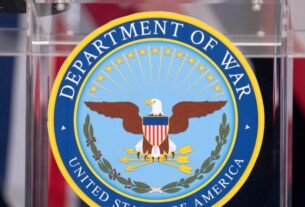
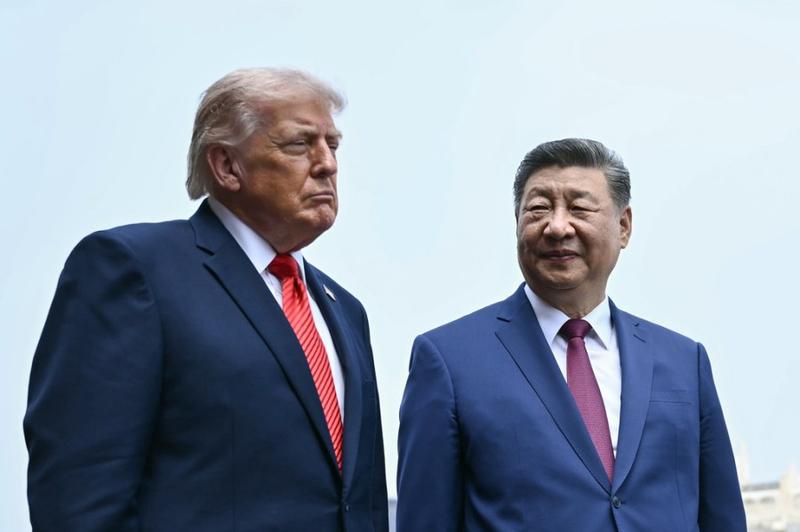
President Xi Jinping of China is set to arrive in Washington, D.C., for a state visit from September 23 to September 25, 2026. This visit marks a significant diplomatic event, bringing together two of the world’s most influential leaders. Discussions are anticipated to span a range of pressing global issues.
The official agenda includes bilateral meetings and a state dinner. President Donald J. Trump will personally welcome President Xi Jinping at Joint Base Andrews. Key topics for discussion are expected to include trade imbalances, the regulation and development of artificial intelligence, geopolitical tensions concerning Iran, and the complex status of Taiwan.
A formal dialogue on artificial intelligence was established between the two nations prior to this summit. This initiative underscores the growing importance of AI in both economic and strategic spheres. However, the broader context of U.S.-China relations extends beyond these immediate points of negotiation.
The Diplomatic Framework of the Visit
The state visit provides a platform for direct engagement between the United States and China. Such high-level interactions are crucial for managing complex bilateral relations. Both nations aim to navigate areas of cooperation while addressing points of contention.
Trade remains a central pillar of the relationship. Discussions will likely revisit existing agreements and explore new avenues for economic engagement. The global economy is significantly impacted by the trade policies of these two powers.
Artificial intelligence represents both a shared challenge and a competitive frontier. The pre-summit agreement to establish a formal AI dialogue reflects a mutual recognition of its transformative potential and inherent risks. This dialogue seeks to foster understanding and potentially establish norms in AI development.
Geopolitical Flashpoints and Shared Concerns
The situation in Iran will also feature prominently in the discussions. Both the United States and China have vested interests in regional stability in the Middle East. Their approaches to Iran’s nuclear program and regional influence may differ, but dialogue is essential.
Taiwan represents a particularly sensitive issue. The United States maintains unofficial relations with Taiwan while acknowledging the ‘One China’ policy. China views Taiwan as an integral part of its territory. Any discussions on this topic are carefully managed to avoid escalation.
These geopolitical discussions occur against a backdrop of evolving international dynamics. The outcomes of these meetings could influence global security and economic stability for years to come.
The Unspoken Agenda: Human Rights
While not always explicitly listed on the official agenda, human rights issues consistently underpin U.S.-China relations. Concerns about civil liberties, political freedoms, and the treatment of ethnic and religious minorities in China frequently arise in international discourse. Organizations like Amnesty International regularly document these concerns, highlighting ongoing challenges. Amnesty International’s reports provide detailed accounts of human rights situations globally, including in China.
The U.S. government often raises these issues in various diplomatic forums. However, the direct impact of these discussions during high-level visits can vary. The balance between economic and strategic interests and human rights advocacy is a constant challenge for U.S. foreign policy.
Advocacy groups and international observers often call for human rights to be a more prominent feature of such summits. They argue that neglecting these issues undermines universal values and emboldens authoritarian practices. The presence of President Xi Jinping in Washington provides a moment for renewed focus on these concerns.
Related: Calls for Netanyahu’s Arrest: A Political Firestorm in New York
Historical Context and Future Implications
Xi Jinping has served as General Secretary of the Chinese Communist Party since 2012 and as President of China since 2013. His tenure has seen significant economic growth alongside a consolidation of political power. Understanding his leadership context is vital for interpreting China’s foreign policy objectives.
The relationship between the United States and China has evolved significantly over decades. From periods of Cold War antagonism to economic interdependence, the dynamic is complex and multifaceted. Each state visit builds upon this historical foundation.
The outcomes of the September 2026 visit will be closely watched by international observers. The discussions on trade, AI, and geopolitical issues will undoubtedly shape immediate policy. However, the underlying tension regarding human rights will continue to influence the long-term trajectory of this critical bilateral relationship. The U.S. State Department provides extensive information on U.S. foreign policy, including its approach to China and human rights. The U.S. Department of State website offers official perspectives and reports.
The Path Forward
The visit represents an opportunity for dialogue, even on difficult subjects. The ability of both nations to communicate openly, even when disagreeing, is paramount for global stability. The world watches as these two powers engage.
Diplomats will negotiate. Leaders will confer. The future of global relations hangs in the balance.
Washington.
Sources
Brands that want to grow their audience can work with 1889 Advertising.