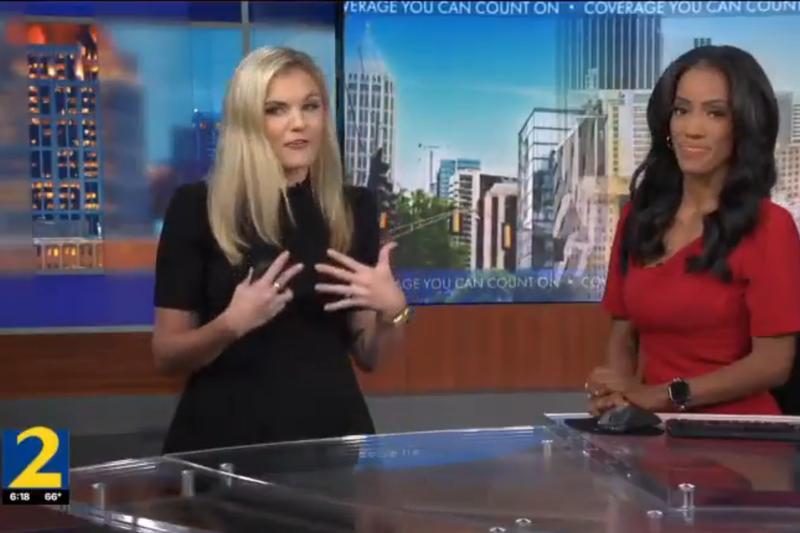
Atlanta ABC affiliate WSB-TV interrupted its live broadcast of the high-profile Georgia-Alabama college football game on October 10, 2026, to issue critical tornado warnings for Butts and Jasper counties. The emergency broadcast cut into a pivotal moment of the sporting event, immediately triggering a wave of public friction. Local meteorologists acted under direct severe weather protocols as National Weather Service radar indicated rotation near the affected regions, prioritizing life-safety measures over athletic entertainment.
As viewers voiced intense anger online regarding the lost minutes of the game, the station stood firm on its emergency mandate. According to reporting by the New York Postthe decision to override regular programming highlights the ongoing friction between live entertainment broadcasting and mandatory public safety compliance during active weather events.
Official Statements and Verified Reaction
WSB-TV meteorologist Ashley Kramlich forcefully defended the station decision on social media and during subsequent on-air segments. Kramlich stated that the station would not apologize for putting lives first when severe weather threatens local communities. Emergency management agencies across Georgia supported the decision, noting that advanced warning times save lives during sudden nocturnal or fast-moving storm cell developments.
Critics on social media argued that alternative digital feeds or subchannels could have carried the weather alert, sparing the main broadcast. However, Federal Communications Commission regulations and station license obligations require primary feeds to disseminate emergency alerts immediately to the widest possible audience during active warnings.
Auto-Enriched Background Context
The incident places renewed scrutiny on how regional broadcasters handle breaking weather emergencies during major cultural and sporting events. Severe weather outbreaks in the American Southeast frequently disrupt scheduled programming, testing the patience of viewers who rely on cable and over-the-air feeds for entertainment. Similar severe weather events in the region have historically triggered debates over notification delivery methods, reminiscent of emergency protocols evaluated during severe weather incidents such as the National Weather Service flood watch protocols implemented across midwestern markets.
Broadcasting standards require local stations to maintain strict adherence to Emergency Alert System protocols. WSB-TV, licensed to Atlanta, Georgiaoperates as a flagship ABC affiliate owned by Cox Media Group. The station maintains a long-standing newsroom tradition of aggressive severe weather coverage, given the frequent occurrence of tornadic activity throughout the Piedmont region and the broader metropolitan Atlanta footprint.
The Georgia-Alabama college football rivalry represents one of the most-watched sporting events on the autumn calendar, drawing millions of viewers nationwide. Interruption of such high-value broadcasts inevitably magnifies public reaction, contrasting routine consumer expectations against mandatory emergency broadcasting duties. Station executives have not announced any policy changes regarding future sports broadcast interruptions, maintaining that life safety supersedes program continuity.
Related: Thousands of bottles of acetaminophen sold on Amazon recalled
Frequently asked questions
What game was interrupted by WSB-TV?
WSB-TV interrupted its broadcast of the Georgia-Alabama college football game on October 10, 2026.
Why did WSB-TV interrupt the game?
The station interrupted the broadcast to provide live tornado warnings for Butts and Jasper counties in Georgia.
How did the station respond to criticism?
WSB-TV meteorologist Ashley Kramlich defended the decision, stating that the station would not apologize for putting lives first.
Sponsored · Want AI without handing over client files? Oriam AI installs private, on-premise AI for CPA firms, law firms, and insurance and title agencies. oriamai.online · Advertise on ByteSize Network