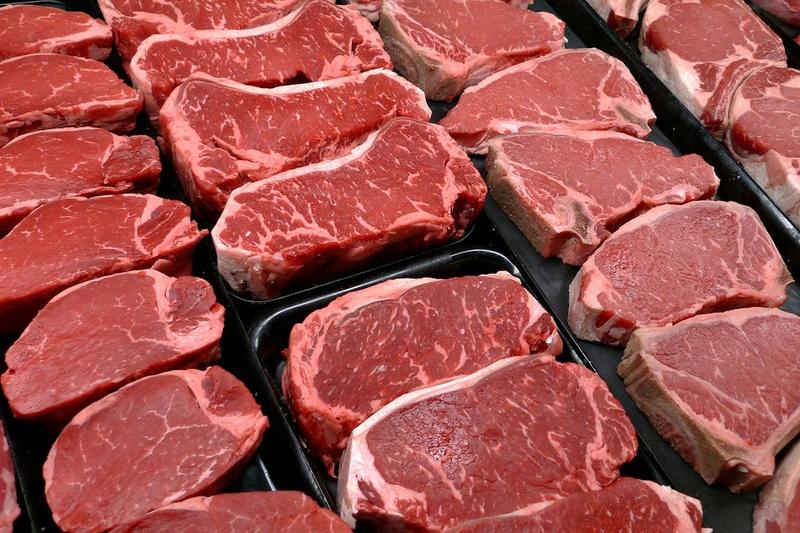
Inflation has found a new and unexpected home on the 2026 campaign trail. As grocery bills climb and U.S. cattle herds shrink to historic lows, political candidates across the country are turning the price of a standard cut of steak into a referendum on economic policy. Voters wandering the supermarket aisles are noticing sticker shock, and candidates are eager to pin the blame on their opponents.
The debate touches everything from agricultural subsidies to lifestyle choices. What used to be a routine grocery purchase is now front-page news. Campaign managers have realized that food security and affordability resonate deeply with working-class voters.
According to reports from Fast Company, candidates are weaponizing the cost of protein in key swing states and districts. The phenomenon illustrates how macro-level agricultural shifts quickly manifest as micro-level political friction.
The Mississippi Senate Race and Alternative Proteins
In Mississippi, the cost of living and agricultural policy collided directly in the race for the U.S. Senate. Democratic candidate Scott Colom released a campaign video targeting incumbent Republican Senator Cindy Hyde-Smith. The ad focused on past remarks where the Senator suggested consumers could turn to alternative proteins if traditional meat became too expensive.
For rural voters in the South, telling constituents to eat alternative proteins struck a sensitive nerve. Agriculture remains a foundational economic pillar in the region. Critics argued the comment displayed a disconnect from the financial realities facing average families.
Senator Hyde-Smith’s campaign defended her record, emphasizing her longstanding support for traditional farming communities. Yet the exchange highlighted how food politics can rapidly shift public perception. Economic pressure has made voters particularly sensitive to any perceived dismissal of their daily struggles.
Texas Barbecue and Vegan Past Controversies
Further west in Texas, the cultural significance of beef took center stage in a high-profile Senate nomination battle. Republican opponents seized upon an older interview featuring Democratic nominee James Talarico, highlighting a past campaign that touched on veganism.
In a state where beef is practically a state religion, any hint of anti-meat sentiment can derail a political career. To neutralize the narrative, Talarico made public appearances eating traditional Texas barbecue. The strategy aimed to visually and culturally reassure voters of his dietary alignment with local traditions.
Political analysts noted the maneuver as a masterclass in modern political theater. Optics matter profoundly when dealing with cultural touchstones. As detailed by agricultural economists at the USDA Cattle and Beef sector, supply chain constraints have made livestock prices a volatile political variable.
Colorado’s 8th District Clashes Over Activism
In Colorado’s competitive 8th congressional district, the debate took a legislative turn. Republican Representative Gabe Evans and Democratic challenger Manny Rutinel engaged in sharp exchanges regarding animal activism and environmental regulations.
Related: AI Stocks Dumped as Tech Wreck Worsens — Where Money Goes
Evans criticized Rutinel’s past environmental stances and animal welfare advocacy, framing them as threats to local ranchers and meat producers. Rutinel countered that sustainable farming practices are essential for the long-term viability of the state’s agricultural sector.
- U.S. cattle inventory has faced multi-year declines due to drought and high feed costs.
- Consumer beef prices have risen steadily ahead of the 2026 midterms.
- Candidates on both sides are utilizing food economics to mobilize base voters.
Ranchers watch these legislative debates with intense scrutiny. Federal land use policies and environmental mandates directly dictate their operational margins. When politicians debate meat, they are often debating the survival of rural economies.
The Economics Driving the Political Rhetoric
The political posturing is rooted in stark economic reality. Extended droughts across the Great Plains over recent years forced ranchers to liquidate breeding stock. Rebuilding those herds takes years, meaning supply remains constrained even as demand stays robust.
Basic supply and demand mechanics dictate that lower supply equals higher prices at the meat counter. Neither political party can single-handedly fix a biological supply cycle overnight. That has not stopped candidates from promising immediate relief.
Voters are left to sort through campaign rhetoric while paying record prices for ground beef and ribeyes. The intersection of agriculture, inflation, and electoral politics shows no sign of cooling down before November.
Sponsored · Want AI without handing over client files? Oriam AI installs private, on-premise AI for CPA firms, law firms, and insurance and title agencies. oriamai.online · Advertise on ByteSize Network