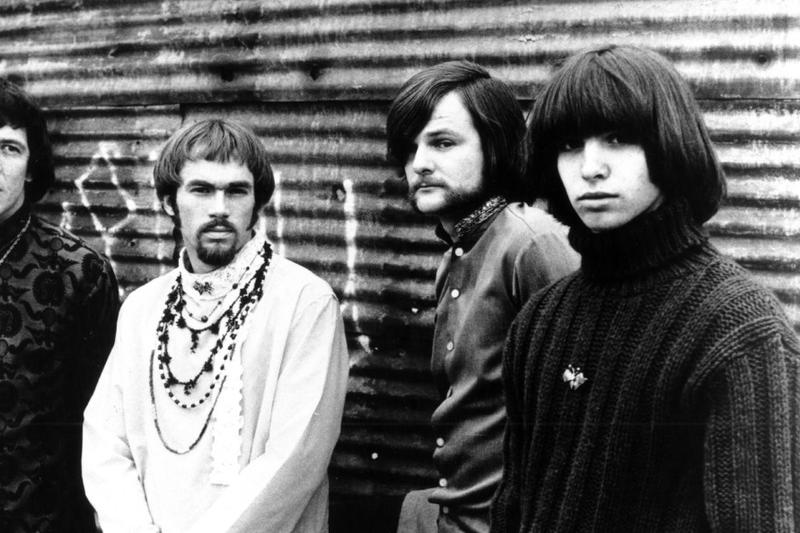
- The 1960s saw several one-hit wonders generate significant parental anxiety due to their themes.
- Songs like “Leader of the Pack” by The Shangri-Las explored themes of teenage rebellion and tragic romance.
- “Puff, the Magic Dragon” by Peter, Paul and Mary, despite its innocent appearance, was widely interpreted as a drug allegory.
- “They’re Coming to Take Me Away, Ha-Haa!” by Napoleon XIV capitalized on anxieties surrounding mental health and societal norms.
- These songs reflected broader cultural shifts and the growing generational gap of the era.
The 1960s represented a pivotal decade in American culture, characterized by rapid social change and a burgeoning youth movement. This era saw the rise of music that often challenged traditional values, leading to significant generational friction. Certain one-hit wonders, in particular, became flashpoints for parental concern, reflecting deeper anxieties about societal shifts and the perceived moral decay of the younger generation.
These songs, while often dismissed as fleeting novelties, tapped into powerful undercurrents of the time. They addressed themes ranging from teenage rebellion and tragic romance to veiled drug references and mental health, often in ways that directly confronted the sensibilities of an older, more conservative audience. The reactions to these tracks offer a window into the cultural anxieties of mid-20th century America.
Teenage Tragedy and Rebellion: “Leader of the Pack”
Released in 1964, “Leader of the Pack” by the Shangri-Las quickly became an anthem for teenage angst and forbidden love. The song tells the story of a girl whose parents disapprove of her biker boyfriend, Jimmy (no last name given in the song). Their disapproval ultimately leads to a tragic motorcycle accident that claims Jimmy (no last name given in the song)’s life.
The narrative structure, complete with sound effects of a roaring motorcycle and screeching tires, amplified its dramatic impact. Parents often viewed the song as glorifying dangerous behavior and rebellious youth culture. The themes of defying parental authority and the romanticization of a “bad boy” image were particularly unsettling for many adults.
The Shangri-Las, a girl group from Queens, New York, were known for their dramatic, often melancholic narratives. Their songs frequently explored the darker side of teenage life, setting them apart from more wholesome pop acts of the time. “Leader of the Pack” reached number one on the Billboard Hot 100 chart, solidifying its place in pop culture history.
The Allegory of “Puff, the Magic Dragon”
Peter, Paul and Mary’s 1963 folk hit, “Puff, the Magic Dragon,” initially appeared to be an innocent children’s song about a boy and his imaginary dragon. However, by the late 1960s, a persistent urban legend emerged, interpreting the lyrics as a thinly veiled allegory for marijuana use. The name “Puff” was linked to smoking, “magic dragon” to drug-induced hallucinations, and “Jackie Paper” to rolling papers.
Despite repeated denials from the songwriters, Leonard Lipton and Peter Yarrow, and also Paul Stookey, the interpretation gained widespread traction. Parents, increasingly concerned about drug use among young people, found this hidden meaning alarming. The song became a symbol of the era’s counterculture and the perceived subversion of traditional values through music.
Peter Yarrow, one of the song’s co-writers, has consistently stated that the song is about the loss of childhood innocence and the passage of time. He has often performed the song for children, emphasizing its intended meaning. The enduring controversy surrounding its interpretation highlights the anxieties of a society grappling with new social phenomena.
The Unsettling Humor of “They’re Coming to Take Me Away, Ha-Haa!”
In 1966, Napoleon XIV, the pseudonym for Jerry Samuels, released the novelty song “They’re Coming to Take Me Away, Ha-Haa!” The track features a spoken-word monologue from a man descending into madness after his lover leaves him, punctuated by a manic laugh and a drum beat that reverses halfway through. The song’s unsettling nature and its portrayal of mental instability caused significant discomfort.
The song’s rapid-fire, nonsensical lyrics and the protagonist’s increasingly erratic behavior were perceived as mocking mental illness. This was particularly sensitive during a period when mental health was often stigmatized and misunderstood. Parents worried about the song’s influence on impressionable young minds and its potential to trivialize serious psychological conditions.
Despite its controversial nature, the song was a commercial success, reaching number three on the Billboard Hot 100 and number one on the Cash Box Top 100 Pop Singles charts. Its unique sound and dark humor resonated with some, while others found it deeply disturbing. The track remains a peculiar artifact of 1960s pop culture, reflecting a time when societal norms around mental health were beginning to be questioned, albeit often clumsily.
Cultural Anxieties and Generational Divides
These one-hit wonders, while diverse in their musical styles and lyrical content, shared a common thread: their ability to tap into and amplify parental anxieties. The 1960s were a period of immense social upheaval, marked by the Vietnam War, the Civil Rights Movement, and the rise of a distinct youth culture. Music often served as a battleground for these generational conflicts.
Parents, rooted in more conservative post-war values, often viewed new musical trends as a threat to their children’s innocence and moral compass. The themes of rebellion, drug use, and psychological distress, whether explicit or implied, challenged the established order. These songs became symbols of a changing world that many adults struggled to comprehend or accept.
The lasting impact of these tracks lies not just in their brief commercial success, but in their role as cultural indicators. They reveal the deep fissures that emerged between generations during a transformative decade. The fear they inspired was a symptom of broader societal shifts, as traditional authority structures were questioned and new forms of expression took hold.
Related: Engelbert Humperdinck Details Unwanted Advances Early in Career
The Echoes of a Changing Era
The 1960s were a time of profound redefinition. Music, often at the forefront of cultural change, reflected these shifts. The one-hit wonders that sparked parental fear were not just isolated phenomena; they were sonic manifestations of a society in flux. They captured the anxieties, the rebellions, and the evolving sensibilities of an era that continues to resonate today.
Parents worried. Communities debated. Generations clashed.
Culture.
Sources
Frequently asked questions
What 1960s one-hit wonders caused parental concern?
Three notable 1960s one-hit wonders that caused parental concern were "Leader of the Pack" by The Shangri-Las, "Puff, the Magic Dragon" by Peter, Paul and Mary, and "They're Coming to Take Me Away, Ha-Haa!" by Napoleon XIV. These songs addressed themes that challenged traditional values and sparked anxiety among older generations.
Why was "Leader of the Pack" controversial?
"Leader of the Pack" was controversial because its lyrics depicted teenage rebellion, forbidden love, and a tragic motorcycle accident. Parents feared the song glorified dangerous behavior and defiance of authority, contributing to anxieties about youth culture in the 1960s.
What was the controversy surrounding "Puff, the Magic Dragon"?
Despite being written as a children's song about lost innocence, "Puff, the Magic Dragon" became controversial due to an urban legend interpreting its lyrics as an allegory for marijuana use. Terms like "Puff" and "magic dragon" were linked to drug culture, causing concern among parents during a period of rising drug awareness.
How did "They're Coming to Take Me Away, Ha-Haa!" provoke fear?
"They're Coming to Take Me Away, Ha-Haa!" provoked fear due to its unsettling portrayal of a man descending into madness. The song's manic laughter and nonsensical lyrics were seen by many as mocking mental illness, a sensitive topic in the 1960s, leading to discomfort and concern about its influence.
Sponsored · Put your business in front of ByteSize Network's readers, with every click measured. See advertising packages · Advertise on ByteSize Network