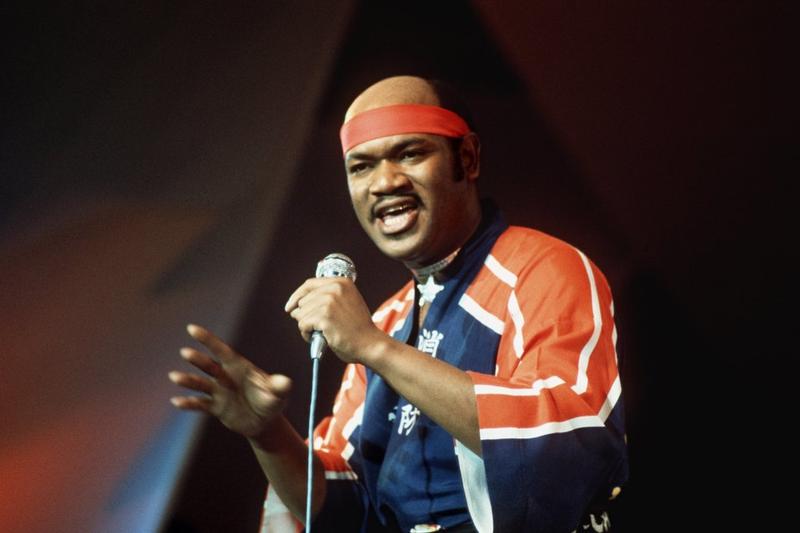
The 1970s music landscape was a fertile ground for experimentation, leading to a proliferation of one-hit wonders. These songs, often characterized by their novelty or unique sound, achieved significant commercial success before their creators largely disappeared from the charts. Despite their fleeting mainstream presence, some of these tracks have maintained a surprising level of appeal, continuing to be recognized and enjoyed decades later.
This enduring catchiness often stems from a combination of memorable melodies, distinctive vocal performances, and lyrical content that, while sometimes peculiar, resonated with the era’s sensibilities. The songs became cultural touchstones, even if the artists themselves did not sustain long careers.
The Rise of Novelty in 1970s Pop
The decade saw a shift in popular music, with genres like disco, funk, and soft rock dominating the airwaves. Amidst these trends, novelty songs and tracks with unconventional themes found a niche. These compositions often leveraged unique instrumentation, unexpected lyrical narratives, or a quirky persona from the performing artist to stand out.
The commercial success of these one-hit wonders demonstrated a public appetite for music that broke from conventional structures. Radio stations played a crucial role in amplifying these tracks, turning them into widespread phenomena. The accessibility of music through various mediums, including vinyl records and cassette tapes, further cemented their place in popular culture.
“Pop Muzik” by M
Released in 1979, “Pop Muzik” by the British new wave project M, led by Robin Scott, became an international sensation. The song’s minimalist electronic sound, repetitive chorus, and spoken-word verses about the universal appeal of pop music captured the zeitgeist of the late 1970s. It reached number one on the U.S. Billboard Hot 100 and topped charts in several other countries.
The track’s innovative use of synthesizers and drum machines was ahead of its time, foreshadowing the electronic music boom of the 1980s. Its lyrics, which playfully dissected the elements of pop music, offered a self-referential commentary that resonated with listeners. The song’s enduring appeal lies in its infectious rhythm and its clever, almost academic, approach to its subject matter. More information on the song’s impact can be found on its Wikipedia page.
“The Night the Lights Went Out in Georgia” by Vicki Lawrence
While not a novelty song in the traditional sense, Vicki Lawrence’s 1973 hit “The Night the Lights Went Out in Georgia” stands out for its dark, narrative-driven lyrics and dramatic delivery. Written by Bobby Russell, Lawrence’s then-husband, whom she divorced in 1974, the song tells a chilling tale of murder, betrayal, and injustice in the American South. It reached number one on the Billboard Hot 100.
Lawrence, primarily known for her comedic roles on “The Carol Burnett Show,” surprised audiences with her powerful vocal performance. The song’s intricate storyline, filled with twists and turns, kept listeners captivated. Its enduring appeal is rooted in its compelling narrative and the raw emotion conveyed through Lawrence’s singing, making it a standout example of a story-song. The official Vicki Lawrence website provides details on her career.
“Convoy” by C.W. McCall
“Convoy,” released in 1975 by C.W. McCall (the pseudonym for Bill Fries), capitalized on the CB radio craze of the era. This spoken-word country song, set to a driving instrumental, tells the story of a fictional cross-country convoy of truckers defying authority. It became a massive hit, topping both the country and pop charts, including the Billboard Hot 100.
The song’s appeal was multifaceted. It tapped into the anti-establishment sentiment of the time, celebrated the camaraderie of truckers, and introduced a unique form of storytelling through CB jargon. Its memorable characters, like Rubber Duck and Pig Pen, and the vivid imagery of a massive truck convoy, cemented its place in popular culture. The song even inspired a 1978 film of the same name, starring Kris Kristofferson.
The Legacy of Singular Successes
These one-hit wonders, despite their brief moments at the top of the charts, left an indelible mark on music history. They represent a period of diverse musical expression, where unconventional ideas could find mainstream success. Their continued presence in playlists and cultural discussions underscores their lasting impact.
The songs serve as reminders of specific cultural moments, from the rise of electronic music to the CB radio phenomenon. They demonstrate that a single, well-crafted, or uniquely conceived track can achieve a level of immortality that transcends the artist’s overall discography.
Related: Jennifer Nettles Stars in Netflix Thriller ‘Heartland’ Alongside Jessica Chastain
Melodies lingered. Lyrics resonated. Eras defined.
Catchiness.
Sources
Frequently asked questions
What are some of the weirdest one-hit wonders from the 1970s?
Three notable and uniquely catchy one-hit wonders from the 1970s include "Pop Muzik" by M, known for its electronic sound; "The Night the Lights Went Out in Georgia" by Vicki Lawrence, a dramatic narrative song; and "Convoy" by C.W. McCall, a spoken-word country track about truckers and CB radio culture.
Why did 'Pop Muzik' by M become a one-hit wonder?
'Pop Muzik' became a one-hit wonder due to its innovative use of synthesizers, minimalist electronic sound, and self-referential lyrics about pop music's universal appeal. It captured the late 1970s zeitgeist and topped charts globally, but M did not achieve similar success with subsequent releases.
What is the story behind Vicki Lawrence's 'The Night the Lights Went Out in Georgia'?
Vicki Lawrence's 'The Night the Lights Went Out in Georgia' is a dramatic story-song written by Bobby Russell. It tells a dark tale of murder, betrayal, and a wrongful conviction in the American South, delivered with powerful vocals that contrasted with Lawrence's comedic public persona.
What made 'Convoy' by C.W. McCall so popular?
'Convoy' by C.W. McCall gained popularity by tapping into the 1970s CB radio craze and anti-establishment sentiment. The spoken-word country song, featuring CB jargon and a compelling narrative about a cross-country trucker convoy, resonated with a wide audience and even inspired a film.
Sponsored · Buying, selling or investing in property? JL Group works with owners and investors in Springfield, Missouri and beyond. jlgroup.online · Advertise on ByteSize Network