
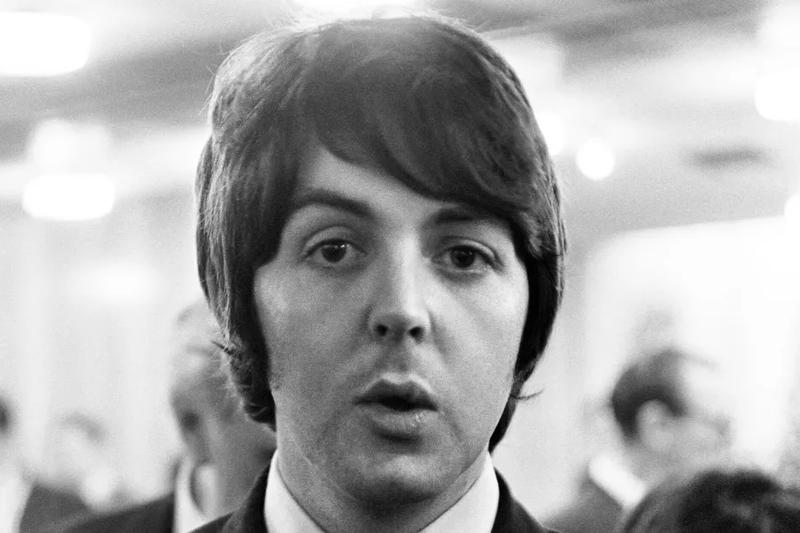
Paul McCartney and the late Jeff Beck once shared a critical assessment of a prominent rock band, labeling them as merely a “blues cover band.” This historical dismissal, while perhaps surprising to modern audiences, reflects a particular viewpoint within the evolving landscape of rock music during its formative decades. The comment underscores the often-intense scrutiny and competitive spirit among musicians at the pinnacle of their careers.
The specific band in question, though not explicitly named in the initial report, represents a significant entity in rock history. Such a label from figures of McCartney and Beck’s stature could have carried considerable weight, influencing perceptions within the music industry and among fans.
The Context of the Critique
The era in which this dismissal occurred was a period of immense musical innovation and stylistic diversification. The 1960s and 1970s saw rock music branch out from its blues and R&B roots into numerous subgenres, including psychedelic rock, progressive rock, hard rock, and folk rock. Musicians like McCartney, a principal songwriter for The Beatles, and Beck, a guitar virtuoso from The Yardbirds, were at the forefront of this evolution, constantly pushing boundaries.
Their perspective likely stemmed from a desire for originality and a perceived lack thereof in bands that heavily relied on traditional blues structures and interpretations. For artists who were actively creating new sounds and pushing the sonic envelope, a band perceived as merely replicating existing blues material might have been seen as less innovative.
Paul McCartney’s Musical Philosophy
Paul McCartney’s career has been defined by an eclectic approach to music. From the pop innovations of The Beatles to his experimental solo work and collaborations, McCartney has consistently explored diverse genres. His songwriting often blends pop sensibilities with classical influences, folk, and rock and roll, rarely adhering strictly to one style. This broad musical palette might have informed his critical view of bands he felt were too narrowly focused on blues replication.
McCartney’s own work with The Beatles, particularly their later albums, showcased a band constantly reinventing itself and moving beyond simple genre classifications. This drive for constant evolution could explain his less-than-favorable view of groups perceived as less adventurous.
Jeff Beck‘s Pursuit of Innovation
Jeff Beck, who passed away on January 10, 2023, due to bacterial meningitis, was renowned for his groundbreaking guitar work. His career was marked by a relentless pursuit of new sounds and techniques, often blending blues with jazz fusion, hard rock, and even electronic elements. Beck’s influence on guitar playing is immense, characterized by his innovative use of feedback, vibrato, and whammy bar techniques.
His bands, including The Jeff Beck Group, were known for their instrumental prowess and willingness to experiment. For Beck, musical authenticity often meant pushing the boundaries of what a guitar could do and how music could be structured. A band that simply covered blues standards, no matter how skillfully, might not have met his high standards for innovation and originality. His legacy continues to inspire guitarists worldwide, as detailed by publications like Guitar World.
The “Blues Cover Band” Label in Retrospect
The label “blues cover band” carries a complex connotation. While some might view it as dismissive, others might see it as a testament to a band’s dedication to the foundational genre of rock and roll. Many legendary rock bands began their careers heavily influenced by the blues, often performing covers before developing their own distinct sound.
The Rolling Stones, for example, started as a blues-oriented band, deeply rooted in the works of Muddy Waters and Howlin’ Wolf. Their early albums featured numerous blues covers. However, they evolved to incorporate their own songwriting and unique rock sound, becoming one of the most iconic bands in history. This evolution highlights the dynamic nature of musical development, where influences are absorbed and transformed.
The Enduring Legacy of Blues in Rock
Despite any dismissals, the blues remains an indispensable foundation for rock music. Artists from Led Zeppelin to Eric Clapton have openly acknowledged their profound debt to blues pioneers. The raw emotion, storytelling, and musical structures of the blues provided a rich wellspring from which rock music drew its initial power and continues to draw inspiration.
The debate over originality versus homage is a perennial one in music. While McCartney and Beck sought innovation, the bands they might have critiqued were often preserving and reinterpreting a vital musical tradition. Both approaches contribute to the rich tapestry of rock and roll history.
Unearthed Collaborations and Lasting Impact
Since Jeff Beck’s passing, new collaborations and recordings involving him and Paul McCartney have surfaced, further cementing their intertwined legacies. These posthumous releases offer fans new insights into their creative processes and mutual respect, despite any past critical differences. The musical dialogue between such influential figures continues to resonate, shaping how future generations understand the evolution of rock music.
Related: Taylor Swift Reveals George Strait’s Unexpected Side, Beyond the King of Country
The specific band targeted by McCartney and Beck’s comment remains a subject of historical intrigue. The anecdote serves as a reminder that even legends hold strong opinions about their peers, opinions that often reflect their own artistic philosophies and aspirations. The music world thrives on such discussions, pushing artists to define and refine their craft.
Musicians debated. Critics analyzed. Audiences listened.
Rock.
Sources
Frequently asked questions
Which band did Paul McCartney and Jeff Beck call a "blues cover band"?
The specific band referred to by Paul McCartney and Jeff Beck as a "blues cover band" is not explicitly named in the source material. This historical anecdote highlights a general critical viewpoint held by these musicians regarding bands they perceived as lacking originality by heavily relying on traditional blues interpretations.
Why did Paul McCartney and Jeff Beck dismiss some bands as "blues cover bands"?
Paul McCartney and Jeff Beck, both known for their innovative approaches to music, likely dismissed certain bands as "blues cover bands" due to a perceived lack of originality or innovation. They were artists who constantly pushed musical boundaries, and bands that primarily replicated existing blues structures might not have met their high standards for creative evolution and unique artistic expression.
When did Jeff Beck pass away?
Jeff Beck passed away on January 10, 2023. His death was attributed to suddenly contracting bacterial meningitis, which led to a significant loss for the music world, particularly among guitar enthusiasts and fellow musicians.
What was Jeff Beck known for in music?
Jeff Beck was celebrated as one of the most influential and innovative guitarists in rock history. He was known for his groundbreaking techniques, experimental sound, and ability to blend blues, jazz fusion, and hard rock. His unique use of feedback, vibrato, and the whammy bar profoundly impacted guitar playing across genres.
Sponsored · Put your business in front of ByteSize Network's readers, with every click measured. See advertising packages · Advertise on ByteSize Network