Tag: Trade

  • Oregon AG Drops Demands in Paramount-Warner Bros. Discovery Merger Review

    Oregon AG Drops Demands in Paramount-Warner Bros. Discovery Merger Review

    Oregon AG Relieves Merger Pressure

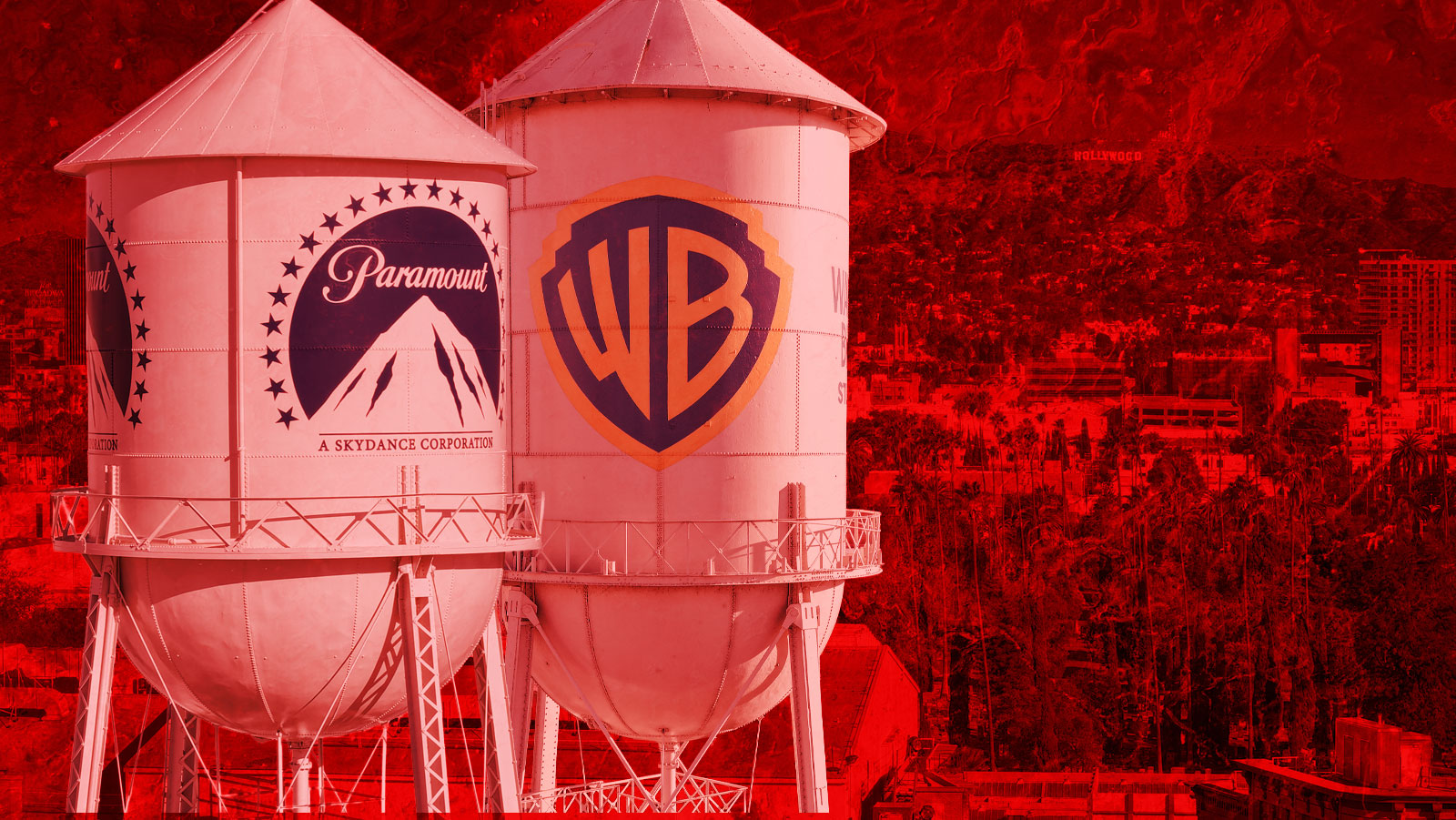
    Oregon Attorney General Dan Rayfield officially withdrew her office’s demands for extensive internal records from Paramount Global and Warner Bros. Discovery. This action also included rescinding a motion to delay the proposed merger between the two media conglomerates. The decision, made public in July 2026, signals a notable reduction in state-level regulatory pressure on the high-profile media consolidation.

    The withdrawal by the Oregon Department of Justice removes a specific hurdle that had emerged in the state’s review process. This development comes as the broader entertainment industry watches closely for the outcome of various regulatory assessments of the merger.

    The Proposed Media Behemoth

    The merger proposal seeks to combine two of the largest entities in the global media landscape. Paramount Global encompasses a vast portfolio, including the CBS broadcast network, Paramount Pictures film studio, and streaming services like Paramount+. Its holdings also include cable networks such as Comedy Central, MTV, Nickelodeon, and Showtime.

    Warner Bros. Discovery, formed from the 2022 merger of WarnerMedia and Discovery, Inc., brings an equally extensive array of assets. These include the Warner Bros. film and television studios, the HBO and Max streaming platforms, cable news giant CNN, and a suite of lifestyle and entertainment channels such as HGTV and Discovery Channel.

    The combined entity would command a significant share of content production, distribution, and streaming subscribers. Industry analysts estimate the potential valuation of the merged company in the tens of billions of dollars, creating a formidable competitor to Disney, Netflix, and Comcast.

    Regulatory Scrutiny Intensifies

    The proposed merger has faced intense scrutiny from multiple regulatory bodies. Antitrust concerns typically arise when two major players in an industry seek to combine, potentially reducing competition and impacting consumers or smaller competitors. Federal agencies, including the Department of Justice (DOJ) and the Federal Trade Commission (FTC), have been conducting their own comprehensive reviews.

    The DOJ’s Antitrust Division and the FTC are responsible for enforcing antitrust laws to prevent monopolies and ensure fair competition. Their investigations often involve examining market concentration, potential price increases for consumers, and impacts on content creators and distributors.

    State attorneys general also play a role in antitrust enforcement, often collaborating with federal agencies or conducting independent investigations. The Oregon AG’s initial demands reflected a proactive stance on potential competitive harms within the state.

    Oregon’s Initial Concerns

    Attorney General Ellen Rosenblum’s office had previously expressed concerns regarding the merger’s potential effects on competition within Oregon’s media markets. These concerns likely centered on areas such as local advertising, cable television distribution, streaming service offerings, and content production.

    The demands for internal records sought to gather detailed information about the companies’ operations, market strategies, and anticipated synergies from the merger. Such requests are standard practice in antitrust reviews, allowing regulators to assess the competitive landscape thoroughly.

    The motion to delay the merger indicated a desire for more time to evaluate the extensive documentation and potential impacts. This move underscored the seriousness with which the Oregon AG’s office approached its oversight responsibilities.

    The Path to Withdrawal

    The specific reasons for Attorney General Rosenblum’s withdrawal of demands and the motion to delay have not been publicly detailed. However, such decisions often stem from a combination of factors. These can include a satisfactory response from the merging parties to initial concerns, the provision of sufficient data to alleviate fears of anti-competitive behavior, or a strategic reassessment of the legal and evidentiary strength of the state’s case.

    It is also possible that negotiations between the Oregon AG’s office and representatives from Paramount Global and Warner Bros. Discovery led to concessions or agreements that satisfied the state’s concerns. These could involve commitments regarding content access, pricing, or local market competition.

    The withdrawal does not necessarily signify a complete endorsement of the merger. Instead, it indicates that the specific objections and information needs of the Oregon AG’s office have been addressed to a sufficient degree to remove these particular obstacles.

    Broader Regulatory Landscape Remains Active

    While Oregon’s withdrawal removes a state-level impediment, the merger still faces significant hurdles at the federal level. The Department of Justice and the Federal Trade Commission continue their independent reviews. These federal investigations are typically more extensive and carry greater weight in determining the ultimate fate of such large-scale mergers.

    Antitrust regulators often focus on potential harm to consumers through reduced choice or higher prices, and harm to competition in various sub-markets. For media mergers, this includes examining the concentration of content ownership, control over distribution platforms, and the impact on independent creators.

    Historical precedents for media mergers have varied. Some large consolidations have been approved with conditions, while others have faced significant challenges or outright rejection. The 2018 AT&T-Time Warner merger, for example, faced a prolonged legal battle with the DOJ before its eventual approval.

    Industry Implications and Future Outlook

    The potential merger of Paramount Global and Warner Bros. Discovery represents a significant consolidation trend within the entertainment industry. Companies are increasingly seeking scale to compete in a rapidly evolving landscape dominated by streaming services and global content demand.

    A combined entity would possess a vast library of intellectual property, including iconic film franchises, popular television series, and extensive news and sports programming. This would allow for greater leverage in negotiations with distributors and advertisers, and potentially more resources for content creation.

    However, concerns persist about the impact on media diversity and independent voices. Fewer major players could lead to less varied content offerings and reduced opportunities for smaller production companies.

    The outcome of the federal reviews will be critical in shaping the future of this proposed media giant. The Oregon AG’s withdrawal, while important, is one piece of a much larger regulatory puzzle that continues to unfold in 2026.

    The media landscape shifts. Corporate strategies adapt. Regulatory bodies scrutinize.

    The future of entertainment hangs in the balance.
    Frequently Asked Questions

  • Burnham & Trump: Manchester’s Diplomatic Path with the US President

    Burnham & Trump: Manchester’s Diplomatic Path with the US President

    Andy Burnham, the Mayor of Greater Manchester, is positioned for a nuanced engagement with President Donald Trump’s administration. This interaction will likely prioritize pragmatic regional interests, such as economic growth and investment, over ideological alignment. Navigating this relationship will require careful diplomatic skill, balancing Greater Manchester’s specific needs with the broader foreign policy of the United Kingdom.

    The relationship between a powerful regional leader and a US President often operates outside traditional diplomatic protocols. It encompasses local economic priorities, national political considerations, and the individual political stances of the figures involved. This dynamic shapes how Manchester, a key UK economic hub, interacts with the world’s largest economy.

    The Manchester Mayoralty: A Distinct Political Voice

    Andy Burnham assumed the role of Mayor of Greater Manchester in May 2017. He secured a second term in May 2021. His tenure has been characterized by a strong emphasis on regional autonomy, social justice initiatives, and robust economic development for the conurbation of Greater Manchester.

    Burnham’s political career began as a Member of Parliament for Leigh in 2001. He held several significant ministerial positions under Prime Ministers Tony Blair and Gordon Brown. These included Chief Secretary to the Treasury and Secretary of State for Health.

    As Mayor, his platform centers on devolved powers, enhancements to public transport, and addressing social inequalities within the region. These objectives frequently necessitate international engagement. Attracting foreign investment and fostering trade relationships are critical components of his mandate.

    Regional Autonomy and Global Reach

    The Greater Manchester Combined Authority (GMCA), led by Mayor Burnham, possesses significant devolved powers. These powers extend to areas such as transport, housing, skills, and economic development. This grants the Mayor a direct mandate to pursue international opportunities for the region.

    The Mayor’s office proactively promotes Greater Manchester on the global stage. This includes attracting foreign direct investment (FDI), facilitating international trade, and strengthening cultural and academic ties. The United States consistently remains a crucial partner in these international endeavors.

    President Trump’s Second Term: A Shifting Global Landscape

    Donald Trump did not commence a second, non-consecutive term on January 20, 2025, as he did not win the November 2024 election. His administration’s foreign policy continues to prioritize American interests above all else. It is often characterized by a transactional approach and a willingness to challenge established international norms and agreements.

    Key tenets of President Trump’s foreign policy include a strong focus on bilateral trade deals. He also maintains a critical stance on multilateral institutions and a consistent emphasis on national sovereignty. These positions carry significant implications for global allies, including the United Kingdom.

    The Evolving ‘Special Relationship’

    The UK-US ‘special relationship’ has historically been a cornerstone of both nations’ foreign policies. However, the precise nature and priorities of this relationship can shift significantly with different administrations. President Trump’s approach to the UK has previously featured both strong rhetoric of alliance and moments of pronounced tension. These tensions have often revolved around trade negotiations and international agreements.

    The current UK government, led by Prime Minister Keir Starmer, continues to prioritize a strong relationship with the United States. This national stance forms the overarching framework within which regional leaders like Mayor Burnham must operate.

    Navigating Past Criticisms and Future Engagement

    Mayor Burnham has previously articulated critical views regarding President Trump’s policies and rhetoric. In 2018, for example, he openly opposed a potential state visit by President Trump to the UK. He cited concerns over the potential impact on community relations and public order within Greater Manchester.

    Such historical stances form a significant backdrop for any future engagement. However, the pragmatic demands of regional leadership often mandate dialogue, even in the face of past political disagreements. Mayors, much like national leaders, are ultimately tasked with securing the best possible outcomes for their constituents.

    Balancing Principle and Pragmatism

    The Mayor’s office is charged with promoting Greater Manchester’s interests globally. This encompasses attracting foreign direct investment, fostering international trade, and strengthening cultural bonds. The United States remains an indispensable partner in these efforts, representing a vast market and a significant source of capital.

    Any interaction, therefore, between Mayor Burnham’s office and representatives of the US administration will likely be driven by a pragmatic agenda. The focus will be on securing tangible benefits for the people and businesses of Greater Manchester, irrespective of past political rhetoric.

    Economic Imperatives for Greater Manchester

    Greater Manchester’s economy is highly diverse and dynamic. It boasts strong sectors in digital technology, advanced manufacturing, creative industries, and health innovation. Attracting US investment and facilitating trade with American companies are absolutely crucial for the region’s sustained growth and job creation.

    The Mayor’s office regularly hosts international delegations and participates in global trade missions. Any engagement with the US administration, whether direct or indirect, will almost certainly prioritize these vital economic objectives.

    Key Economic Sectors for US Collaboration

    • Digital Technology: Manchester is a growing tech hub. US investment in software development, cybersecurity, and data centers is highly sought after.
    • Advanced Manufacturing: The region has a strong heritage in manufacturing, now evolving with advanced robotics and materials science. US partnerships can drive innovation.
    • Health Innovation: The Manchester health innovation ecosystem, including its strong university presence, seeks collaboration and investment from US pharmaceutical and biotech firms.
    • Creative Industries: Film, television, and music sectors in Manchester can benefit from US distribution networks and production partnerships.
    • Infrastructure Development: Major urban regeneration projects and transport improvements in Greater Manchester often require significant capital, for which US investors are a key target.

    Securing these types of investments and partnerships frequently requires high-level political engagement and diplomatic support.

    Potential Avenues of Interaction with the Trump Administration

    Direct, one-on-one meetings between Mayor Burnham and President Trump are not a common occurrence for regional leaders. However, indirect engagement is far more probable and can take several practical forms.

    Indirect Diplomatic Channels

    Several established diplomatic and economic channels exist for interaction:

    • Trade Delegations: Mayor Burnham could lead trade missions to the United States. These missions would involve direct engagement with US business leaders. They could also include meetings with officials from the US Department of Commerce or the State Department, particularly those focused on economic affairs.
    • US Embassy and Consulates: Interactions could occur through the US Ambassador to the UK. The US Consulate General in Manchester also provides a direct point of contact for regional leaders.
    • UK Diplomatic Staff: Engagement can be facilitated through UK diplomatic staff stationed in Washington D.C. or New York. These officials can act as intermediaries and advocates for Greater Manchester’s interests.

    International Forums and Investment Events

    Opportunities for interaction also arise in multilateral and economic settings:

    • International Conferences: While less likely for a direct bilateral, both President Trump and Mayor Burnham attend various international summits, economic forums, or city-focused gatherings. These events could provide opportunities for informal or formal exchanges.
    • Investment Promotion Events: Events specifically designed to attract foreign investment to Greater Manchester are common. These often involve representatives from the US government or US-based corporations. Such events create natural opportunities for dialogue and relationship-building.
    • Cultural and Academic Exchanges: Building on existing university partnerships and cultural ties can also open doors for broader governmental engagement.

    The primary focus of any such interactions would consistently be on specific, tangible benefits for Greater Manchester. This includes securing investment for infrastructure projects, promoting tourism, and forging academic and research partnerships.

    The Role of the UK National Government

    The UK government, led by Prime Minister Keir Starmer, holds the central responsibility for managing the overall relationship with the United States. Any direct engagement by Mayor Burnham or the GMCA would invariably occur within the broader framework of this national foreign policy.

    Devolved administrations and regional mayors in the UK have seen an increase in their powers and responsibilities. This includes areas that touch upon international relations and economic diplomacy. However, ultimate foreign policy decisions and official state-to-state relations remain the purview of the national government.

    Coordination and Alignment

    Close coordination between the Mayor’s office and the Foreign, Commonwealth & Development Office (FCDO) would be essential. This ensures that Greater Manchester’s international activities align with, and ideally complement, the UK’s national foreign policy objectives. This collaborative approach minimizes potential diplomatic friction and maximizes the impact of regional efforts.

    The FCDO often provides guidance and support to sub-national entities engaging internationally. This ensures a consistent message and approach when dealing with foreign governments and international bodies. This partnership is crucial for effective regional diplomacy.

    Looking Ahead: A Path of Pragmatic Diplomacy

    The relationship between Andy Burnham and President Donald Trump is not one of personal alignment, but rather one of pragmatic necessity. For Greater Manchester to thrive, it must engage with key global economic partners, regardless of the political landscape.

    The Mayor’s office will continue to champion the region’s interests. They will seek to attract investment, foster trade, and build international partnerships. This will require a careful balance of principled stances and the practical demands of securing economic prosperity for the citizens of Greater Manchester.

    Mayors engage. Regions develop. Economies grow.

    Manchester.