Tag: Trade

  • Trump Lifts Direct US Flight Ban to Lebanon – A Shift in Diplomacy

    Trump Lifts Direct US Flight Ban to Lebanon – A Shift in Diplomacy

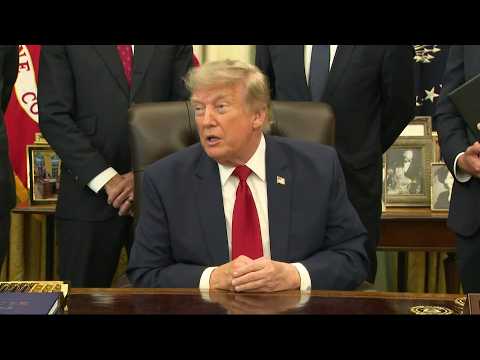
    President Donald Trump lifted the ban on direct flights between the United States and Lebanon on 2026-07-22. This action reverses a long-standing policy that prohibited direct air travel between the two nations, a measure originally instituted due to significant security concerns. The decision follows a period of reassessment by the Trump administration regarding regional security and diplomatic engagement in the Middle East.

    The policy change is anticipated to have immediate effects on travel and commerce. It promises to simplify transit for the substantial Lebanese diaspora residing in the United States. Furthermore, it opens avenues for enhanced economic and cultural exchanges between the two countries. The announcement from the White House underscores a strategic shift in US foreign policy, indicating a renewed approach to Lebanese relations.

    The Historical Context of the Flight Ban

    The prohibition on direct flights between the United States and Lebanon dates back to a period of heightened instability in the Middle East. Security concerns were paramount during the 1980s. The region experienced a series of geopolitical upheavals.

    In 1985, TWA Flight 847, en route from Athens to Rome, was hijacked by Hezbollah members. This incident led to a 17-day ordeal and the death of one American passenger, US Navy diver Robert Stethem. The hijacking brought international attention to the security risks associated with air travel in the region.

    Following this and other incidents, the US government implemented strict travel advisories and eventually the direct flight ban. The primary aim was to protect American citizens and interests. The ban reflected the perceived inability of Lebanese authorities to guarantee the security of international flights originating from Beirut Rafic Hariri International Airport.

    Over the decades, the ban became a symbol of the complex and often strained relationship between the US and Lebanon. It impacted generations of Lebanese-Americans. They often faced longer, multi-leg journeys to visit family or conduct business.

    The security landscape in Lebanon has evolved significantly since the 1980s. Beirut’s airport has undergone substantial upgrades. International security standards have been implemented. These improvements have been a crucial factor in the recent policy reconsideration.

    Security Assessments and Diplomatic Efforts

    The decision to lift the ban was not made in isolation. It followed a comprehensive review of security protocols at Beirut Rafic Hariri International Airport. US aviation security experts conducted detailed assessments. These evaluations focused on passenger screening, baggage handling, and overall airport perimeter security.

    Reports from the Department of Homeland Security and the Federal Aviation Administration (FAA) played a critical role. These reports indicated that significant improvements had been made. Lebanon’s commitment to international aviation security standards was a key finding.

    Diplomatic channels were also highly active. For several years, Lebanese government officials have advocated for the lifting of the ban. They consistently highlighted their efforts to enhance airport security. Discussions involved high-level meetings between US and Lebanese representatives. President Trump engaged directly with Lebanese counterparts on this matter.

    The US Department of State also contributed to the review process. They analyzed the broader security environment in Lebanon. Their assessment considered regional stability and the effectiveness of Lebanese security forces. The conclusion was that the risks associated with direct flights had diminished to an acceptable level.

    "The lifting of this ban reflects a renewed confidence in Lebanon’s commitment to global aviation security standards and a strengthened bilateral relationship," stated a White House spokesperson on 2026-07-22.

    This diplomatic push culminated in President Trump’s announcement. It signifies a trust in Lebanon’s ability to manage its airport security effectively. It also indicates a willingness to engage more directly with the Lebanese government.

    Economic and Social Implications

    The lifting of the direct flight ban carries substantial economic benefits for both the United States and Lebanon. For Lebanon, the immediate impact is expected to be a boost to its tourism sector. Direct flights will make the country more accessible to American tourists and business travelers. This influx of visitors can stimulate local economies, supporting hotels, restaurants, and other service industries.

    Trade relations are also poised for improvement. Easier travel facilitates face-to-face business meetings and investments. Lebanese businesses may find it simpler to connect with American partners. Conversely, US companies might explore new opportunities in the Lebanese market.

    The Lebanese diaspora in the United States is a significant demographic. Estimates place the Lebanese-American population at over half a million. Many have maintained strong ties to their homeland. The ban had complicated family visits and cultural exchanges. Direct flights will reduce travel times and costs, making it easier for families to reunite.

    This policy change also holds social and cultural significance. It can foster greater understanding and connection between the two nations. Increased travel often leads to enhanced cultural dialogue and educational exchanges. Universities and cultural institutions in both countries could see renewed interest in partnerships.

    Aviation industries in both countries stand to gain. American carriers may consider routes to Beirut. Middle Eastern airlines, including Lebanon’s Middle East Airlines (MEA), could expand their services to US cities. This competition could lead to more affordable travel options for consumers.

    The announcement has been met with enthusiasm within the Lebanese-American community. Organizations representing this group have long advocated for the ban’s removal. They view it as a step towards normalizing relations and supporting their community’s connections.

    Regional Geopolitical Impact

    President Trump’s decision to lift the flight ban has broader geopolitical implications for the Middle East. It signals a nuanced approach to US engagement in a complex region. Lebanon borders Israel and Syria, two countries central to Middle Eastern stability.

    The move could be interpreted as a gesture of support for the Lebanese state. It might empower moderate factions within Lebanon. It could also provide a counterweight to regional influences, such as those from Iran. The US has historically sought to bolster Lebanon’s sovereignty and independence.

    However, the region remains volatile. The presence of Hezbollah, a powerful political and militant group, continues to be a factor in Lebanese politics. The US government maintains sanctions against Hezbollah. The lifting of the flight ban does not alter this stance. The decision reflects a distinction between the Lebanese government and non-state actors.

    Analysts suggest that this policy could be part of a broader strategy. The Trump administration has focused on recalibrating alliances and challenging existing paradigms. Engaging directly with Lebanon, a nation often caught between regional powers, aligns with this approach.

    Other regional actors will be observing this development closely. Saudi Arabia, the United Arab Emirates, and other Gulf states maintain significant interests in Lebanon. Their reactions could influence future diplomatic alignments. Israel also monitors developments in Lebanon due to ongoing security concerns along its northern border.

    The lifting of the ban could facilitate increased intelligence sharing and cooperation on counterterrorism efforts. A more stable and economically viable Lebanon serves US interests in combating extremism. The move is a calculated risk, balancing security concerns with diplomatic objectives.

    Future Outlook and Challenges

    While the lifting of the direct flight ban marks a significant step, future challenges remain. The stability of Lebanon is subject to internal political dynamics and regional tensions. Economic reforms are still critical for the country’s long-term prosperity. The US will likely continue to monitor these developments.

    The implementation of new flight routes will require coordination between aviation authorities. Airlines will need to assess the commercial viability of direct services. This process could take several months. It involves regulatory approvals, slot allocations, and marketing strategies.

    Security measures at Beirut Rafic Hariri International Airport will remain under scrutiny. US authorities will likely conduct ongoing audits and assessments. Maintaining high security standards will be crucial for the sustainability of direct flights.

    The political landscape in Lebanon is often fragmented. The government faces challenges in implementing consistent policies. Regional conflicts, particularly the ongoing situation in Syria, continue to affect Lebanon’s internal stability. The US policy aims to support a sovereign and stable Lebanon, but external factors are influential.

    The decision could open doors for further diplomatic initiatives. It might encourage broader regional dialogue. The Trump administration’s foreign policy approach prioritizes direct engagement. This move with Lebanon exemplifies that strategy. It suggests a willingness to adjust long-standing policies in response to evolving realities.

    Ultimately, the success of this policy shift depends on several factors. These include sustained security cooperation, continued diplomatic efforts, and Lebanon’s internal stability. The lifting of the ban is a beginning, not an end, to a renewed chapter in US-Lebanon relations.

    Immediate Reactions and Political Context

    The announcement from President Trump has generated immediate reactions from various stakeholders. Lebanese officials have welcomed the decision as a testament to their efforts to improve security and strengthen bilateral ties. Many view it as a long-overdue rectification of a punitive measure.

    In the United States, responses have been mixed, largely falling along partisan lines. Supporters of President Trump have lauded the move as a demonstration of effective diplomacy and a pragmatic approach to foreign policy. They emphasize the economic benefits and the support for the Lebanese-American community.

    Critics, however, have raised concerns about potential security risks. They question whether the improvements at Beirut Airport are sufficient to guarantee the safety of direct flights. Some also express apprehension about the broader implications for US policy towards Hezbollah, despite assurances from the administration.

    The decision comes within President Trump’s second term, a period marked by continued focus on re-evaluating US commitments and engagements globally. His administration has often prioritized direct negotiations and transactional diplomacy. This approach contrasts with more traditional multilateral foreign policy strategies.

    The timing of the announcement may also be strategic. It could aim to project an image of active and effective foreign policy ahead of future diplomatic initiatives. It also serves as a concrete achievement in a region where US policy is often scrutinized.

    The media coverage of this event, particularly from outlets like Bloomberg Television, highlights the significant global interest. The focus is on how this action shapes perceptions of President Trump’s leadership and US influence. It taps into broader discussions about national interest and international relations.

    This policy shift represents a tangible outcome of sustained diplomatic and security efforts. It also reflects the dynamic nature of international relations under the current US administration. The world watches to see the full impact of this change.

    A long-standing restriction lifted. New avenues for travel and commerce. A shift in diplomatic strategy.

    Engagement.

    Why Was the US Flight Ban to Lebanon Imposed?

    The US flight ban to Lebanon was primarily imposed due to severe security concerns during the 1980s. This period saw significant instability in the Middle East, including the 1985 hijacking of TWA Flight 847 by Hezbollah, which resulted in the death of an American citizen. The US government enacted the ban to protect American lives and interests, citing insufficient security measures at Beirut’s airport at the time.

    What are the Main Benefits of Lifting the Ban?

    Lifting the ban is expected to bring several key benefits. Economically, it should boost Lebanon’s tourism sector and facilitate trade between the two countries. Socially, it will ease travel for the large Lebanese-American diaspora, enabling easier family visits and cultural exchanges. Diplomatically, it signals renewed US confidence in Lebanon’s security capabilities and strengthens bilateral relations.

    How Did Lebanon Improve its Airport Security?

    Lebanon undertook substantial efforts to improve security at Beirut Rafic Hariri International Airport. These improvements included upgrading passenger screening technologies, enhancing baggage inspection systems, and bolstering overall perimeter security. US aviation security experts, including those from the Department of Homeland Security and the FAA, conducted multiple assessments and confirmed that these measures meet international standards.

    What are the Geopolitical Implications of This Decision?

    The geopolitical implications are significant. The decision signals US support for the Lebanese state, potentially strengthening moderate elements and countering regional influences. It could also facilitate increased intelligence sharing and cooperation on counterterrorism. While Hezbollah remains a concern, the move distinguishes between the Lebanese government and non-state actors, aiming to foster stability in a volatile region.

    When Will Direct Flights Between the US and Lebanon Resume?

    While the ban has been lifted, the resumption of direct flights will not be immediate. Airlines will need time to assess the commercial viability of new routes, secure regulatory approvals, allocate slots, and implement operational logistics. This process typically takes several months, so direct flights are expected to resume gradually in the coming months following the 2026-07-22 announcement.


  • US Imposes 50% Tariff on Canadian Goods – The Economic Repercussions

    US Imposes 50% Tariff on Canadian Goods – The Economic Repercussions

    On July 20, 2026, the United States government announced the imposition of a 50% tariff on a significant number of goods imported from Canada. This declaration marks a substantial escalation in trade policy between the two North American neighbors, initiated by the administration of President Donald Trump. The tariffs are expected to reverberate across various economic sectors, influencing everything from manufacturing costs to consumer spending habits in both nations.

    The announcement, which originated from Bloomberg Television’s ‘Balance of Power’ program, immediately generated widespread discussion among economists, policymakers, and industry leaders. The move is framed as a strategic decision, though its precise motivations and expected outcomes remain subjects of intense scrutiny. It follows a period of evolving trade dynamics and underscores a more protectionist stance in US economic foreign policy.

    The Scope and Immediate Impact of the Tariffs

    The 50% tariff is not universal but applies to a specified list of Canadian goods. While the full list is extensive, initial reports indicate it includes products from key Canadian industries such as certain agricultural commodities, raw materials, and manufactured components. This targeted approach suggests an attempt to exert pressure on specific Canadian economic sectors.

    For American businesses, the immediate impact will be an increase in the cost of importing these Canadian goods. Companies that rely on Canadian suppliers for raw materials or intermediate products will face higher input costs. These costs may then be passed on to consumers, potentially leading to increased prices for a range of retail items.

    Canadian exporters, conversely, will see their products become significantly less competitive in the US market. A 50% tariff effectively doubles the price for American buyers, making it challenging for Canadian businesses to maintain their market share. This could lead to reduced export volumes, impacting Canadian production and employment.

    Historical Context of US-Canada Trade Relations

    Trade relations between the United States and Canada have historically been among the most robust and integrated in the world. The two countries share the longest undefended border and have a deeply intertwined economy, facilitated by agreements such as the North American Free Trade Agreement (NAFTA), which was later renegotiated into the United States-Mexico-Canada Agreement (USMCA).

    The USMCA, which came into effect in July 2020, aimed to modernize and rebalance trade among the three North American nations. It addressed areas such as digital trade, intellectual property, and labor standards. The current tariff imposition, however, introduces a new dynamic that deviates sharply from the spirit of open trade that underpinned both NAFTA and USMCA.

    Previous Trade Disputes and Resolutions

    While generally cooperative, US-Canada trade has seen periodic friction. Disputes over softwood lumber, dairy products, and steel have arisen at various times. These disagreements were often resolved through bilateral negotiations or via dispute resolution mechanisms established under trade agreements.

    The current 50% tariff, however, is notable for its broad scope and high percentage. Previous tariffs, while impactful, rarely reached such levels across a diverse range of products. This suggests a more aggressive posture than typically observed in past trade skirmishes.

    Economic Theory Behind Tariffs

    Tariffs are taxes imposed on imported goods and services. They are typically used by governments for several reasons: to protect domestic industries from foreign competition, to generate revenue, or as a bargaining chip in international negotiations.

    From an economic standpoint, tariffs have both intended and unintended consequences. While they can make domestic goods more attractive by increasing the price of imports, they can also lead to higher costs for consumers, reduced trade volumes, and potential retaliatory tariffs from affected countries.

    Arguments for and Against Tariffs

    Proponents of tariffs often argue that they safeguard domestic jobs, encourage local production, and address trade imbalances. They contend that tariffs can level the playing field if other countries are perceived to be engaging in unfair trade practices, such as subsidizing their industries or manipulating currency.

    Critics, however, point to the potential for trade wars, where countries impose tariffs on each other’s goods, leading to a general decline in global trade and economic growth. They argue that tariffs increase costs for consumers, reduce product variety, and can harm export-oriented domestic industries that rely on imported components or face foreign retaliation.

    Potential Canadian Response

    The imposition of a 50% tariff by the United States is likely to elicit a strong response from Canada. Historically, countries facing such measures have often retaliated with their own tariffs on goods from the imposing nation.

    Canada’s government will face significant pressure from its affected industries and the public to take action. Potential retaliatory measures could include tariffs on US agricultural products, manufactured goods, or other key exports to Canada. Such actions would further complicate the economic landscape for businesses on both sides of the border.

    Beyond direct tariffs, Canada might also pursue diplomatic avenues, appealing to international trade bodies or seeking to engage in direct negotiations with the US government to de-escalate the situation. The nature and speed of Canada’s response will be critical in shaping the trajectory of this trade dispute.

    Impact on North American Supply Chains

    The highly integrated nature of North American supply chains means that tariffs on Canadian goods will have far-reaching effects. Many US manufacturers rely on components or raw materials sourced from Canada. Conversely, Canadian industries often depend on US inputs.

    A 50% tariff disrupts these established networks, forcing businesses to seek alternative suppliers or absorb significantly higher costs. This could lead to:

    • Reshoring efforts: Some companies might consider bringing production back to the US or Canada to avoid tariffs.
    • Diversification of supply: Businesses may look for new suppliers outside of North America, potentially increasing lead times and logistical complexities.
    • Increased automation: To offset higher labor or material costs, some industries might accelerate automation initiatives.

    These adjustments will not be immediate or cost-free, leading to a period of uncertainty and potential operational challenges for many businesses.

    Consumer Implications

    Ultimately, a significant portion of the tariff cost is likely to be borne by consumers. As import costs rise for businesses, these increases are often passed down through the supply chain.

    American consumers could see higher prices for a variety of goods that either originate from Canada or contain Canadian components. This could impact everything from groceries to automotive parts. In Canada, if retaliatory tariffs are imposed, Canadian consumers might also face increased prices for US-made products.

    The cumulative effect of these price increases could contribute to inflationary pressures, impacting household budgets and overall consumer purchasing power in both countries.

    Political Ramifications

    The decision to impose these tariffs carries significant political weight. For the US administration, it aligns with a long-standing emphasis on protecting domestic industries and rebalancing trade relationships. This move could be presented to a domestic audience as fulfilling campaign promises related to economic nationalism.

    In Canada, the tariffs will likely become a central political issue. The Canadian government will be under pressure to defend national economic interests and respond robustly. The dispute could strain diplomatic relations and impact cooperation on other bilateral issues, such as environmental policy, border security, and defense.

    Internationally, the tariffs send a signal about the US approach to global trade, potentially influencing how other countries engage in trade negotiations and agreements. It could also fuel broader discussions about the future of multilateral trade organizations and rules-based international trade.

    The Role of the USMCA Agreement

    The United States-Mexico-Canada Agreement (USMCA) was designed to provide a framework for stable and predictable trade among its signatories. The imposition of unilateral tariffs by one member on another raises questions about the effectiveness and enforcement mechanisms within the agreement.

    While USMCA includes provisions for dispute settlement, a broad tariff imposition like this could test the limits of those mechanisms. It could also prompt a re-evaluation of the agreement’s ability to prevent future trade disputes of this magnitude. The long-term stability of the USMCA and the broader North American economic bloc will depend on how this current situation is managed.

    Looking Ahead: Economic Uncertainty and Adaptation

    The coming months will be characterized by significant economic uncertainty as businesses and governments adapt to the new trade landscape. Companies will need to reassess their supply chains, pricing strategies, and market access plans.

    Policymakers in both the US and Canada will be tasked with mitigating the negative impacts on their respective economies while pursuing their national interests. The situation underscores the complex interplay between economic policy, international relations, and domestic politics.

    Economists will closely monitor key indicators such as import/export volumes, inflation rates, and employment figures to gauge the full effects of these tariffs. The long-term consequences could involve a restructuring of North American manufacturing, changes in consumer behavior, and a redefinition of the US-Canada economic partnership.

    Governments confer. Industries adjust. Consumers brace.

    Uncertainty.

  • US-Canada Bridge: A Clash Over National Identity and Sovereignty

    US-Canada Bridge: A Clash Over National Identity and Sovereignty

    A new bridge project designed to enhance connectivity between the United States and Canada has ignited a significant political row in 2026. This controversy reveals underlying tensions related to national identity, economic priorities, and the very nature of cross-border relations. The dispute centers on the project’s financial structure, its perceived benefits, and its symbolic implications for national sovereignty on both sides of the border.

    Infrastructure projects often serve as catalysts for economic growth and regional development. They are typically framed in terms of efficiency and progress. However, the proposed US-Canada bridge has deviated from this standard narrative, evolving into a complex political battleground.

    The debate encompasses a range of issues. These include local economic impacts, environmental concerns, and the symbolic representation of national borders. What began as a logistical undertaking has transformed into a referendum on the future direction of US-Canada relations.

    The Genesis of the Bridge Project

    The idea for a new cross-border bridge emerged from discussions surrounding increased trade volumes and the need for enhanced logistical capacity. Existing crossings, while vital, often experience congestion. This congestion impacts supply chains and economic efficiency for both nations.

    Initial proposals emphasized the economic benefits. Proponents cited reduced transit times for commercial vehicles. They highlighted the potential for new jobs in construction and related industries. The project was positioned as a bipartisan effort to modernize critical infrastructure.

    Feasibility studies began in the early 2020s. These studies identified several potential locations. Each location presented its own set of engineering challenges and community considerations. Environmental impact assessments were also initiated, adhering to regulatory standards in both the US and Canada.

    Governments on both sides expressed initial support. They viewed the bridge as a strategic investment. It would strengthen the North American economic corridor. The goal was to facilitate the movement of goods and people more efficiently.

    Early Support and Emerging Concerns

    The concept of a new bridge initially garnered broad support from business communities. Chambers of Commerce in border cities championed the idea. They foresaw increased tourism and cross-border commerce. Many logistical firms also advocated for the project, citing operational efficiencies.

    However, as detailed plans began to surface, local concerns started to emerge. Residents in proposed construction areas voiced worries about increased traffic, noise pollution, and potential disruptions to their daily lives. Property owners faced the prospect of eminent domain proceedings.

    Environmental groups also raised flags. They pointed to potential impacts on local ecosystems, including wetlands and migratory bird paths. The Great Lakes region, a proposed corridor, contains sensitive natural habitats. These habitats require careful consideration.

    Despite these localized concerns, national political figures initially maintained a unified front. They stressed the overarching national and international benefits. The project was framed as a symbol of enduring US-Canada cooperation.

    The Escalation into a Political Row

    The political landscape shifted dramatically in late 2025 and early 2026. This occurred as the project moved from conceptual planning to concrete legislative action. Funding mechanisms and specific design choices became subjects of intense scrutiny.

    In the United States, a faction within Congress began to question the project’s financial structure. a Republican Representative from Ohio led the charge, arguing that American taxpayers would bear a disproportionate share of the costs. This argument gained traction among politicians advocating for a more nationalistic economic policy, echoing calls for ‘America First’ principles.

    President Trump, who took office for his second term on January 20, 2025, initially expressed cautious support. His administration emphasized that any international project had to clearly demonstrate direct benefits to American workers and businesses. By early 2026, the White House signaled a review of the financial commitments, citing concerns about the long-term economic return for the U.S.

    Canadian political leaders also faced domestic pressures. The opposition New Democratic Party (NDP) in Canada began to challenge the terms of the agreement. former NDP leader Jagmeet Singh argued that the bridge would primarily serve American interests, potentially creating a dependency that could undermine Canadian economic sovereignty. Concerns were raised about Canadian control over its own critical infrastructure and potential concession of economic benefits.

    The debate quickly transcended economic arguments. It evolved into a discussion about national identity. For some, the bridge represented a blurring of borders and a potential erosion of distinct national characteristics. For others, it symbolized a necessary step towards a more integrated North American economy, crucial for global competitiveness.

    National Identity at the Core of the Conflict

    The concept of national identity became a central theme in the political row. In the US, some voices articulated concerns about national security. They worried about potential vulnerabilities associated with shared infrastructure. Others focused on the symbolism of American independence and self-reliance. Pundits like those formerly on Fox News questioned the wisdom of further intertwining critical infrastructure with a foreign nation, even a close ally like Canada.

    Pundits and commentators began to frame the bridge as a test of national resolve. They questioned whether the United States should prioritize bilateral cooperation over perceived national interests. This narrative resonated with segments of the electorate, particularly those who supported President Trump’s ‘America First’ agenda.

    In Canada, similar sentiments emerged. Discussions often revolved around maintaining distinct Canadian values and culture. There was apprehension about potential American cultural and economic dominance. The bridge, for some, became a physical manifestation of these fears, particularly in provinces like Ontario and Quebec where cultural preservation is a strong political current.

    Public opinion polls in both countries reflected this division. A significant portion of respondents expressed reservations. These reservations were often tied to feelings of national pride and a desire to protect distinct national identities. The project became a proxy for larger debates about globalization versus national self-interest.

    Economic Interests and Sovereignty Concerns Deepen

    Beyond identity, concrete economic interests fueled the dispute. American labor unions, particularly those representing construction workers, voiced concerns about potential job displacement. They worried that Canadian workers might be favored in certain aspects of the construction or that materials sourced internationally would bypass American suppliers, despite initial agreements to prioritize domestic labor and materials.

    Canadian business leaders, while generally supportive of increased trade, expressed concerns about the terms of commercial access to the bridge. They feared that American companies might receive preferential treatment in tolling structures or logistical access, thereby disadvantaging Canadian enterprises. The Canadian Manufacturers & Exporters association called for stricter guarantees of equitable access and benefit sharing.

    The issue of sovereignty extended to regulatory control. Both nations sought to maintain full jurisdiction over their respective sections of the bridge. However, the operational complexities of a shared structure raised questions about harmonized safety standards, customs procedures, and emergency response protocols. This sparked debates about potential infringements on national regulatory autonomy.

    Discussions around joint governance structures became particularly contentious. Proposals for a binational authority to oversee the bridge were met with skepticism in both Washington D.C. and Ottawa. Concerns centered on accountability and the potential for one nation’s interests to dominate the other’s in decision-making processes.

    The Role of Political Figures and Public Discourse

    President Trump’s administration, through statements from Vice President JD Vance, reiterated the need for any international infrastructure project to demonstrate clear and quantifiable advantages for the American economy. Vance emphasized that the White House would not approve funding or support for projects that did not align with these strategic priorities, putting pressure on negotiators to revise the terms.

    In Canada, figures like Ontario Premier Doug Ford, while generally pro-trade, voiced provincial concerns about local economic impacts and the need for significant provincial benefits. He highlighted the importance of local job creation and supply chain integration within Ontario’s economy.

    The media in both countries played a significant role in amplifying the debate. News outlets often framed the discussion through the lens of national interest, contributing to the polarization of public opinion. Social media platforms became arenas for intense nationalistic discourse, further complicating efforts to find common ground.

    Think tanks and policy institutes on both sides published reports analyzing the economic and geopolitical implications of the bridge. Many of these reports, while factual, often reflected underlying national biases, adding to the complexity of the public discourse.

    Uncertainty for the Project’s Future

    As of mid-2026, the future of the proposed US-Canada bridge project remains uncertain. Negotiations between the two governments have slowed considerably. The initial timeline for construction has been pushed back indefinitely.

    The political row has demonstrated the fragility of even well-intentioned international collaborations when confronted with deeply rooted nationalistic sentiments and competing economic interests. The project, once hailed as a symbol of cooperation, has become a mirror reflecting the evolving and sometimes contentious relationship between the two North American neighbors.

    Environmental assessments continue. Local community consultations proceed. Political leaders grapple with the implications. The bridge project awaits resolution.

    National identity. Economic sovereignty. Cross-border relations. Uncertainty.

    The future of the US-Canada bridge hangs in the balance.

  • The Lingering Battle for Trump Tariff Refunds: Small Businesses Seek Recourse

    The Lingering Battle for Trump Tariff Refunds: Small Businesses Seek Recourse

    Small businesses across the United States are engaged in an ongoing legal and administrative battle to recover tariff payments made during Donald Trump’s first term as President. These tariffs, primarily levied on a wide array of goods imported from China, created significant financial burdens and supply chain disruptions for many American enterprises. The fight for refunds highlights the long-term economic consequences of trade policies and the persistent efforts of smaller companies to seek financial recourse.

    What looks like a modern struggle over trade policy actually began years ago, rooted in specific legislative actions and international trade disputes.

    The Genesis of the Tariffs

    The tariffs in question were imposed by the Trump administration starting in 2018. They were enacted under Section 301 of the Trade Act of 1974. This section grants the President broad authority to respond to unfair trade practices by foreign countries.

    The administration cited China’s alleged intellectual property theft and forced technology transfers as the primary justifications for these duties. Four tranches of tariffs were ultimately implemented, covering hundreds of billions of dollars worth of Chinese imports.

    These tariffs were not uniformly applied. Specific product categories and industries were targeted, leading to a complex landscape of import duties. Businesses importing everything from electronics components to consumer goods and industrial machinery found their costs escalating overnight.

    Section 301 and its Authority

    The Trade Act of 1974 provides the legal framework for the President’s actions. Section 301 allows the U.S. Trade Representative (USTR) to investigate foreign country trade practices. If these practices are deemed unfair or discriminatory and burden or restrict U.S. commerce, the President can take all appropriate and feasible action to obtain the elimination of such practices.

    This authority includes the imposition of duties and other import restrictions. The use of Section 301 against China marked a significant shift in U.S. trade policy, moving away from multilateral dispute resolution through the World Trade Organization.

    Impact on Small Businesses

    The immediate effect of the tariffs was a sharp increase in the cost of goods for American importers. Many small businesses operate on thin margins, and these unexpected costs directly impacted their profitability.

    Some companies attempted to pass these costs on to consumers, leading to higher prices for various products. Others absorbed the costs, reducing their own earnings or delaying investments in growth and expansion.

    Supply chain diversification became a critical, albeit costly, strategy for some. Businesses sought alternative suppliers outside of China, a process that required significant time, resources, and often resulted in higher per-unit costs.

    Operational Challenges and Financial Strain

    The tariffs created an environment of uncertainty. Businesses struggled to forecast costs and plan for future inventory. This volatility complicated purchasing decisions and inventory management.

    Many small businesses lacked the financial reserves of larger corporations to absorb the additional duties. This often led to difficult choices, including reducing staff, slowing expansion plans, or even considering closure in extreme cases.

    The administrative burden of tracking and paying tariffs, as well as understanding the complex exclusion processes, also diverted valuable resources. Small business owners and their limited staff spent considerable time navigating new customs regulations and tariff codes.

    The Fight for Refunds Begins

    The legal challenges to the Section 301 tariffs began almost immediately after their implementation. Importers argued that the tariffs were unlawfully imposed or that the procedures followed by the USTR were flawed.

    A significant number of lawsuits were filed in the U.S. Court of International Trade (CIT). These cases challenged the legality of the tariffs, particularly the subsequent tranches, arguing that the USTR exceeded its statutory authority under Section 301.

    The core of many arguments centered on whether the USTR provided sufficient explanation and opportunity for public comment as required by the Administrative Procedure Act (APA). Plaintiffs contended that the agency failed to adequately justify the scope and nature of the tariffs, especially as they expanded beyond the initial list of goods.

    Key Legal Arguments

    The legal challenges against the Section 301 tariffs have primarily focused on several points:

    • Statutory Authority: Did the USTR have the legal authority under Section 301 of the Trade Act of 1974 to impose the specific tariff rates and product lists, particularly for the later tranches?
    • Administrative Procedure Act (APA) Violations: Did the USTR follow proper administrative procedures, including providing adequate notice and opportunity for public comment, before implementing the tariffs?
    • Scope of Action: Were the tariffs, particularly those imposed in Lists 3 and 4, directly related to the initial Section 301 investigation concerning China’s intellectual property practices, or did they exceed the scope of that investigation?

    These legal questions have been central to the numerous cases consolidated before the CIT.

    The Role of the Court of International Trade (CIT)

    The U.S. Court of International Trade is a specialized federal court with nationwide jurisdiction over civil actions arising out of federal laws governing international trade. It is the primary venue for importers challenging customs decisions, including tariff impositions.

    Thousands of plaintiffs, ranging from individual small businesses to large corporations, filed complaints with the CIT challenging the Section 301 tariffs. These cases were often consolidated due to their similar legal arguments and factual bases.

    The CIT’s rulings have been closely watched by the trade community. A favorable ruling for the plaintiffs could potentially lead to billions of dollars in refunds for duties already paid, significantly impacting the financial health of many businesses.

    Notable Cases and Decisions

    One of the most prominent cases is HMTX Industries LLC v. United States. In this case, after a procedural victory for the petitioners in 2022, the CIT ruled in 2023 in favor of the government, upholding the List 3 and List 4A tariffs as lawful exercises of authority under Section 301. The court found that the USTR failed to adequately respond to comments received during the rulemaking process.

    This decision was a significant victory for importers, opening the door for potential refunds. However, the exact scope and mechanism for these refunds remain subject to further legal proceedings and administrative action.

    The USTR has appealed some of these decisions to the U.S. Court of Appeals for the Federal Circuit, further prolonging the legal process. The ultimate resolution of these appeals will determine the final outcome for many businesses seeking refunds.

    The Refund Process: A Complex Road Ahead

    Even with favorable court rulings, securing tariff refunds is not a straightforward process. Businesses must demonstrate that they paid the tariffs, that the goods in question fall under the scope of the challenged tariffs, and that they are eligible for a refund.

    The U.S. Customs and Border Protection (CBP) is responsible for administering the collection of duties and for processing refunds. However, the sheer volume of potential claims and the complexities of the legal decisions create significant administrative challenges.

    Many businesses have engaged specialized trade attorneys and customs brokers to navigate this intricate process. The documentation requirements are stringent, and any errors can lead to delays or denials of refund claims.

    Administrative Hurdles and Delays

    • Documentation Requirements: Businesses must provide extensive documentation, including import records, customs entries, and proof of tariff payment.
    • Claim Filing Procedures: Specific procedures and deadlines for filing refund claims must be followed, often varying depending on the nature of the court ruling.
    • CBP Processing Times: The volume of claims can lead to substantial delays in processing by CBP, potentially extending the wait for refunds for months or even years.
    • Ongoing Appeals: The USTR’s appeals of CIT decisions introduce uncertainty, as the final legal landscape for refunds could still shift.

    Political and Economic Context in 2026

    In 2026, the discussion around these tariffs remains relevant, even years after their initial imposition. President Trump’s current administration continues to grapple with international trade dynamics. While the focus has shifted to new policy initiatives, the legacy of the Section 301 tariffs persists in the form of these ongoing legal battles.

    The economic climate for small businesses in 2026 is also a factor. Many companies are still recovering from various economic challenges, making any potential tariff refunds even more critical. The funds could provide much-needed capital for reinvestment, debt reduction, or expansion.

    The issue also highlights the broader debate about the effectiveness of tariffs as a tool of foreign policy and economic leverage. Proponents argue they protect domestic industries, while opponents point to increased costs for consumers and businesses.

    The Future of Trade Policy

    The current administration’s approach to trade policy continues to evolve. While some tariffs remain in place, there is ongoing review and consideration of their long-term impact.

    The outcomes of the refund cases will likely influence future trade policy decisions. A significant payout in refunds could underscore the financial risks associated with broad tariff actions and potentially encourage more cautious approaches to trade disputes.

    For small businesses, the fight for tariff refunds represents more than just financial recovery; it is a quest for fairness and accountability from government policy. Their perseverance in navigating complex legal and administrative systems demonstrates a deep commitment to their own survival and prosperity.

    Businesses organized. Legal teams assembled. Claims were filed. The battle continues.

    For refunds.

  • America’s Maritime Future: The Feasibility of Trump’s Golden Fleet

    America’s Maritime Future: The Feasibility of Trump’s Golden Fleet

    President Donald Trump’s proposed “Golden Fleet” is a comprehensive national maritime strategy designed to significantly expand American shipbuilding capacity and the U.S. merchant marine. This initiative, articulated during his second term, aims to enhance national security, foster economic independence, and re-establish the United States as a dominant force in global commercial shipping by building a new generation of American-flagged and American-crewed vessels.

    In many ways, this vision is a direct response to decades of decline in the U.S. maritime sector, seeking to reverse trends that have seen the American fleet shrink dramatically since its post-World War II peak.

    The Decline of American Maritime Power

    The United States once boasted the world’s largest merchant fleet. During World War II, American shipyards produced thousands of Liberty Ships and Victory Ships, crucial for Allied supply lines. Post-war, the U.S. merchant marine remained formidable, essential for global trade and military logistics.

    However, starting in the latter half of the 20th century, a combination of factors led to a significant decline. Rising labor costs, stringent environmental regulations, and the allure of foreign subsidies pushed American shipping companies to flag their vessels in other countries.

    By 2026, the U.S.-flagged merchant fleet is a shadow of its former self. Few large commercial vessels operate under the American flag, and the number of active shipyards capable of building large ocean-going ships has dwindled.

    This decline has raised concerns across the political spectrum regarding national security. The ability to project power and sustain military operations overseas relies heavily on commercial shipping capacity, much of which is currently provided by foreign-flagged vessels.

    Economic concerns also fuel the push for revitalization. A robust merchant marine supports American jobs, fosters technological innovation, and ensures the secure transport of critical goods during times of crisis.

    President Trump’s Vision: The Golden Fleet

    President Trump introduced the “Golden Fleet” concept as a cornerstone of his administration’s economic nationalism and national security agenda. The initiative envisions a substantial increase in the number of American-built, American-owned, and American-crewed commercial ships.

    The name “Golden Fleet” evokes a sense of prosperity and national pride, harkening back to eras when American maritime power was unquestioned. The proposal is not merely about increasing ship numbers but about rebuilding the entire ecosystem that supports a maritime nation.

    Key components of the “Golden Fleet” vision include significant federal investment in shipbuilding infrastructure. This means modernizing existing shipyards and potentially establishing new ones.

    Another crucial element is workforce development. The U.S. currently faces a shortage of skilled shipyard workers, engineers, and merchant mariners. Training programs and educational initiatives are central to the plan.

    Financial incentives for American companies to build and operate U.S.-flagged vessels are also anticipated. These could include tax credits, subsidies, and preferential treatment for government contracts.

    Industrial Capacity and Infrastructure Challenges

    Building the “Golden Fleet” presents immense industrial challenges. U.S. shipbuilding capacity has been significantly reduced over recent decades. The remaining major shipyards primarily focus on naval construction and repair, with limited capacity for large commercial vessels.

    Modernizing shipyards requires billions of dollars in investment. This includes upgrades to dry docks, fabrication facilities, and advanced manufacturing technologies. The lead time for such projects can span years, if not a decade.

    The supply chain for shipbuilding also needs rebuilding. Many components and raw materials are currently sourced internationally. Reshoring these supply chains is a complex undertaking, involving economic incentives and strategic partnerships.

    Developing a skilled labor force is perhaps the most critical challenge. Welders, naval architects, marine engineers, and other specialized trades are in high demand. Educational institutions and vocational schools would need to expand their programs significantly.

    The average age of existing shipyard workers is also a concern, highlighting the need for a new generation of skilled tradespeople.

    Economic and Geopolitical Implications

    Economically, the “Golden Fleet” could create hundreds of thousands of jobs across various sectors. These jobs would range from direct employment in shipbuilding and shipping to indirect employment in supporting industries.

    The initiative aims to reduce the U.S.’s reliance on foreign shipping, particularly for critical goods. This enhances economic resilience and reduces vulnerability to global supply chain disruptions or geopolitical tensions.

    From a national security perspective, a larger U.S. merchant marine provides greater sealift capacity for military deployments. It also ensures access to American-crewed vessels for strategic purposes, removing reliance on potentially uncooperative foreign entities during conflicts.

    Geopolitically, a revitalized U.S. merchant fleet would project American power and influence in global trade routes. It could also provide a counterweight to the growing maritime capabilities of rival nations.

    However, the cost of building and operating vessels in the U.S. remains significantly higher than in many other countries. This cost differential is a major hurdle that would need to be addressed through sustained government support and innovative manufacturing processes.

    Historical Precedents and Future Outlook

    The United States has a history of major maritime initiatives. The Merchant Marine Act of 1936, for example, aimed to promote the development and maintenance of an adequate merchant marine.

    During both World Wars, the U.S. government undertook massive shipbuilding programs, demonstrating the nation’s capacity for rapid industrial expansion when faced with existential threats.

    The “Golden Fleet” initiative draws inspiration from these historical efforts but faces a different global economic landscape. International competition from countries like China, South Korea, and Japan, which dominate global commercial shipbuilding, is intense.

    These nations benefit from established infrastructure, lower labor costs, and significant government subsidies. For the U.S. to compete, a long-term, bipartisan commitment to maritime revitalization would be necessary.

    The success of the “Golden Fleet” will depend on several factors: sustained political will, innovative financing mechanisms, technological advancements in shipbuilding, and effective workforce development programs.

    The integration of automation and advanced materials could help reduce costs and improve efficiency, making American-built ships more competitive.

    Ultimately, the “Golden Fleet” represents a strategic choice about America’s place in the global maritime domain. It is a commitment to reclaiming a vital industrial sector and ensuring national security and economic prosperity for decades to come.

    Shipyards buzz. Training centers open. New vessels take shape. The nation looks to the sea.

    America.

  • President Trump Accuses China of Election Interference – The July 2026 Allegations

    President Trump Accuses China of Election Interference – The July 2026 Allegations

    President Donald Trump publicly accused China of election interference on July 17, 2026. This significant allegation, made during his appearance on ‘The China Show,’ immediately escalated discussions surrounding international relations and the integrity of democratic processes. The President’s statement brought the issue of foreign influence in American elections back to the forefront of national and international discourse.

    The accusation signals a potential shift in the administration’s foreign policy focus. It underscores the complex and often contentious relationship between Washington D.C. and Beijing. Concerns about cybersecurity, economic espionage, and human rights have long characterized this dynamic, with election interference now added to the public agenda.

    The Immediate Impact of the Accusation

    President Trump’s remarks on ‘The China Show’ reverberated quickly through global media outlets. News agencies reported on the specific nature of the allegations. Political analysts began to dissect the potential ramifications for diplomatic ties and international trade.

    The timing of the accusation is notable. It occurred during a period of heightened scrutiny over global digital infrastructure. Discussions around data security and the origins of cyberattacks are prevalent among world leaders and intelligence communities.

    What Prompted the Statement?

    Details surrounding the specific evidence or intelligence that prompted President Trump’s accusation have not yet been fully disclosed. However, the statement itself is consistent with a broader pattern of the administration’s skepticism regarding the actions of certain foreign governments.

    Previous administrations have also voiced concerns about foreign interference in elections. These concerns have often focused on a range of activities, including disinformation campaigns, cyber intrusions, and the manipulation of social media platforms. The current accusation specifically targets China.

    Historical Context of Election Interference Claims

    Allegations of foreign interference in democratic elections are not new. Historically, various nations have been accused of attempting to influence political outcomes in other countries. These efforts can range from overt propaganda to covert operations.

    The digital age has introduced new vectors for such interference. Cyber warfare capabilities allow state actors to potentially access voter databases, spread misinformation rapidly, and target specific demographics with tailored propaganda. This makes the attribution of interference more complex but also potentially more impactful.

    Previous US Administrations and Foreign Influence

    Concerns about foreign interference intensified significantly in the mid-2010s. Reports from US intelligence agencies detailed attempts by foreign adversaries to influence the 2016 and 2020 presidential elections. These reports often cited methods such as social media manipulation and email hacks.

    The administration of former President Joe Biden also addressed the issue. It implemented measures aimed at bolstering election security and deterring foreign actors. These efforts included sanctions and diplomatic pressure against countries identified as engaging in such activities.

    The Geopolitical Landscape in 2026

    The year 2026 finds the global geopolitical landscape marked by several key tensions. The relationship between the United States and China remains a central axis of international relations. Points of contention include trade imbalances, human rights issues, and territorial disputes in the South China Sea.

    Technological competition is another significant factor. Both nations are vying for supremacy in critical areas such as artificial intelligence, quantum computing, and semiconductor manufacturing. These technological races have implications for both economic power and national security.

    Economic Rivalry and Trade Policies

    Economic policies continue to be a flashpoint. Tariffs and trade restrictions implemented by both sides have impacted global supply chains. President Trump’s administration has consistently advocated for policies aimed at protecting American industries and intellectual property.

    The accusations of election interference could further complicate trade negotiations. They might also lead to additional economic measures. Such actions would likely have widespread effects on global markets and international commerce.

    The Role of ‘The China Show’

    ‘The China Show’ serves as a platform for discussions on Chinese affairs and US-China relations. Its viewership includes individuals interested in geopolitical analysis, economic trends, and human rights issues related to China. President Trump’s appearance on the program provided a high-profile venue for his allegations.

    The program often features in-depth analyses of China’s domestic policies and its international posture. It provides a forum for diverse viewpoints on the challenges and opportunities presented by the rise of China as a global power. The show’s reach amplified the President’s message.

    Public Reaction and Media Coverage

    Public reaction to President Trump’s accusation has been varied. Supporters of the President have largely affirmed the seriousness of the claims, emphasizing the need for vigilance against foreign threats. Critics have called for specific evidence to substantiate the allegations, urging caution against unsubstantiated claims.

    Media coverage has focused on the implications for US-China relations. Analysts from various news organizations have speculated on Beijing’s potential response. The story has dominated headlines on both traditional news channels and digital platforms.

    Future Implications for US-China Relations

    The accusation of election interference carries significant implications for the future of US-China relations. It could lead to a further hardening of diplomatic stances. It might also prompt a reevaluation of existing agreements and partnerships.

    The international community will be watching closely for Beijing’s official response. Any retaliatory measures or denials from China could escalate the situation further. The incident adds another layer of complexity to an already intricate bilateral relationship.

    Potential Policy Responses from Washington

    In response to such allegations, the US government has several policy tools at its disposal. These can include sanctions against specific Chinese entities or individuals, increased cybersecurity cooperation with allies, and enhanced intelligence gathering efforts.

    The administration may also choose to raise the issue in international forums. This could involve discussions at the United Nations or other multilateral organizations. The goal would be to build a broader consensus on the importance of protecting democratic processes from foreign interference.

    Cybersecurity and National Security

    The allegations underscore the critical link between cybersecurity and national security. Election infrastructure, voter registration systems, and political campaigns are all potential targets for cyberattacks. Protecting these assets is a paramount concern for government agencies.

    Investment in cybersecurity defenses has increased significantly in recent years. This includes both governmental efforts and private sector initiatives. The aim is to create robust systems that can detect, prevent, and respond to sophisticated cyber threats from state actors and other malicious entities.

    The Role of Intelligence Agencies

    US intelligence agencies play a crucial role in monitoring and assessing foreign threats to elections. They gather information on potential interference activities. They also provide assessments to policymakers on the nature and scope of these threats.

    These agencies often work in coordination with law enforcement and other government bodies. Their efforts are aimed at providing a comprehensive understanding of the threat landscape. This intelligence forms the basis for policy decisions and defensive measures.

    Global Reactions and International Diplomacy

    International reactions to President Trump’s accusation have been varied. Allied nations have expressed concerns about the integrity of democratic elections worldwide. Some have reiterated their commitment to protecting their own electoral processes from foreign influence.

    Other countries, particularly those with close ties to China, have remained cautious in their statements. They often emphasize the importance of diplomatic dialogue and avoiding escalations. The incident highlights the intricate web of international alliances and rivalries.

    The Challenge of Attribution

    Attributing cyberattacks and influence operations to specific state actors is a notoriously difficult task. Sophisticated adversaries often employ techniques to mask their origins. They use proxy servers, false flags, and other methods to create ambiguity.

    Despite these challenges, intelligence agencies use a combination of technical analysis, human intelligence, and forensic investigations to make attributions. The credibility of these attributions is crucial for guiding policy responses and maintaining public trust.

    The accusation stands. The geopolitical stage is set. The world watches.

    Diplomatic channels are engaged. Intelligence communities are active. Public discourse is inflamed.

    Washington.

  • Trump Shelves 20% Fee for Hormuz Cargo Shipments – Economic and Geopolitical Impact

    Trump Shelves 20% Fee for Hormuz Cargo Shipments – Economic and Geopolitical Impact

    President Trump Reverses Course on Hormuz Shipping Fee

    President Donald Trump has shelved the controversial proposal to impose a 20% fee on cargo shipments transiting the Strait of Hormuz. This decision, announced in mid-2026, marks a significant shift from earlier policy considerations aimed at bolstering maritime security in the critical waterway.

    The initial proposal had generated considerable debate among international allies, shipping companies, and energy market analysts. Its cancellation reflects a re-evaluation of the economic and geopolitical implications such for global trade and regional stability.

    The Strategic Importance of the Strait of Hormuz

    The Strait of Hormuz is a narrow sea passage connecting the Persian Gulf with the Arabian Sea and the Gulf of Oman. It is one of the world’s most strategically important chokepoints for oil transit.

    Approximately one-fifth of the world’s total petroleum consumption, including crude oil and refined petroleum products, passes through the Strait daily. This volume translates to roughly 21 million barrels per day, according to the U.S. Energy Information Administration (EIA).

    The Strait’s geopolitical significance is amplified by its proximity to major oil-producing nations, including Saudi Arabia, Iran, Iraq, Kuwait, Qatar, and the United Arab Emirates. Any disruption to traffic in this waterway can have immediate and far-reaching effects on global energy prices and supply chains.

    The Rationale Behind the Proposed Fee

    The concept of a 20% fee was initially floated as a mechanism to fund enhanced security operations in the Persian Gulf. Proponents argued that nations benefiting from the free flow of commerce through the Strait should contribute directly to the costs of maintaining its security.

    This argument often cited the persistent threats posed by regional actors, including Iran’s Revolutionary Guard Corps. These threats have historically included harassment of commercial vessels, mine placements, and drone attacks.

    The U.S. Navy’s Fifth Fleet, based in Bahrain, plays a primary role in safeguarding international shipping in the region. The proposed fee was seen by some as a way to share the financial burden of these extensive security efforts more broadly among beneficiaries.

    International Reactions and Concerns

    The proposed 20% fee met with widespread international opposition. Key allies in Europe and Asia expressed concerns about the economic impact on their energy imports and export industries.

    Shipping industry organizations warned that such a fee would significantly increase operational costs. These costs would inevitably be passed on to consumers, leading to higher prices for goods and energy globally.

    Analysts also pointed to the potential for the fee to destabilize an already volatile region. There were worries that it could be perceived as an aggressive economic measure, exacerbating tensions rather than alleviating them.

    Iran, which shares the Strait with Oman, had strongly condemned the proposal. Iranian officials viewed it as an infringement on international maritime law and a hostile act.

    Economic Implications of the Decision

    The shelving of the 20% fee is expected to provide relief to global shipping companies and energy markets. Had it been implemented, the fee could have added billions of dollars annually to the cost of transporting oil and other goods.

    For oil-importing nations, especially those heavily reliant on Middle Eastern crude, the decision averts a significant increase in energy costs. This helps maintain stability in global supply chains and mitigates inflationary pressures.

    The shipping industry, already navigating complex challenges such as fluctuating fuel prices and geopolitical risks, avoids an additional and substantial financial burden. This fosters greater predictability in maritime trade operations.

    Geopolitical Ramifications in the Persian Gulf

    The reversal of the fee policy also carries significant geopolitical weight. It signals a potential de-escalation of economic pressure in the Persian Gulf.

    This move may contribute to a more stable environment for diplomatic engagement with regional powers. It avoids creating new points of contention with allies and adversaries alike.

    The focus can now return to traditional methods of ensuring maritime security, including multinational naval patrols and diplomatic efforts to de-escalate regional tensions. The U.S. continues to underscore its commitment to freedom of navigation.

    Historical Context of Hormuz Security

    Security in the Strait of Hormuz has been a recurring international concern for decades. Incidents of maritime disruption date back to the Iran-Iraq War in the 1980s, known as the “Tanker War.”

    During that conflict, both sides attacked each other’s oil tankers and those of third parties, highlighting the vulnerability of shipping in the Strait. International naval forces, including those from the U.S., were deployed to protect commercial vessels.

    More recently, in the 2010s and 2020s, tensions have flared periodically, often involving Iran and its proxies. These incidents include attacks on tankers, seizures of vessels, and confrontations with naval forces.

    The U.S. has consistently maintained a naval presence in the region to deter aggression and ensure the free flow of commerce. This commitment remains a cornerstone of its foreign policy in the Middle East.

    The Role of International Diplomacy

    The decision to shelve the fee underscores the importance of international diplomacy in navigating complex geopolitical challenges. Consultations with allies and listening to the concerns of the global shipping industry likely played a role in the policy adjustment.

    Such multilateral engagement is crucial for addressing issues that impact global trade and security. Unilateral actions, particularly those with significant economic consequences, often face strong resistance and can undermine international cooperation.

    The path forward for ensuring security in the Strait of Hormuz will likely continue to involve a combination of military deterrence, intelligence sharing, and diplomatic efforts to reduce regional tensions. Collaborative approaches are generally favored over punitive economic measures.

    Future Outlook for Hormuz Shipping

    With the 20% fee off the table, the immediate outlook for shipping through the Strait of Hormuz appears more stable from an economic perspective. However, underlying security challenges persist.

    The region remains susceptible to geopolitical shifts and the actions of various state and non-state actors. Vigilance and robust security measures will continue to be necessary.

    The international community will closely monitor developments in the Persian Gulf. The free flow of oil and goods through the Strait of Hormuz is essential for global economic health. The decision by President Trump helps to ensure this flow continues without additional financial burden.

    Oil prices. Shipping routes. Global trade. Geopolitical stability. Energy security. Peace.

  • Trump Declares: US Will ‘Keep The Strait’ – Maritime Policy Shift

    Trump Declares: US Will ‘Keep The Strait’ – Maritime Policy Shift

    President Donald Trump recently declared that the United States intends to “keep the Strait.” This statement signals a firm and assertive stance on international maritime control. While not specifying a single location, the phrase broadly refers to critical global waterways such as the Strait of Hormuz and the Bab el-Mandeb Strait. The declaration, reported by Bloomberg Television, underscores the administration’s strategic focus on maintaining influence over these vital arteries of global trade and defense.

    This position reflects a consistent theme within President Trump’s approach to international relations. It prioritizes the protection of American interests and the projection of national power on a global scale. The phrase “keep the Strait” implies a readiness to act decisively to ensure access and prevent disruption in strategically important maritime passages against any challenges.

    The Geopolitical Imperative: What ‘The Strait’ Means

    When President Trump refers to “the Strait,” he invokes a historical and strategic concept rather than a single geographical location. This phrase encapsulates any critical maritime choke point essential for global commerce, energy transportation, and military mobility. These include, but are not limited to, the Strait of Hormuz, the Bab el-Mandeb Strait, the Strait of Malacca, and the Suez Canal.

    These narrow passages are inherently vulnerable to disruption. Their control or impedance by hostile actors could severely impact international trade, energy supplies, and military operations. The United States, as a global naval power, has historically committed to ensuring their openness.

    The Strait of Hormuz: A Lifeline for Oil

    The Strait of Hormuz is perhaps the most prominent example of a critical strait in current geopolitical discourse. Located at the mouth of the Persian Gulf, it connects the oil-rich Gulf states to the Arabian Sea and beyond. Approximately one-fifth of the world’s total oil consumption, and a significant portion of its liquefied natural gas (LNG), passes through this strait daily.

    Iran has historically threatened to close the Strait of Hormuz in response to international pressures. Such an action would cause a catastrophic shock to global energy markets and the world economy. President Trump’s declaration serves as a direct message regarding the United States’ resolve to prevent such a closure.

    The Bab el-Mandeb Strait: Gateway to the Suez Canal

    Another crucial waterway is the Bab el-Mandeb Strait, situated between Yemen on the Arabian Peninsula and Djibouti and Eritrea on the Horn of Africa. This strait connects the Red Sea to the Gulf of Aden and the Indian Ocean. It is a vital artery for shipping heading to and from the Suez Canal, linking Europe and Asia.

    Disruptions in the Bab el-Mandeb, often due to regional conflicts or piracy, can force shipping to take the much longer and more expensive route around the Cape of Good Hope. This significantly increases transit times and costs for global trade. The United States has maintained a naval presence in the region to counter these threats, particularly from state-sponsored and non-state actors.

    Other Strategic Choke Points

    Other significant straits include the Strait of Malacca, a primary shipping channel between the Indian Ocean and the Pacific Ocean, vital for trade between Asia and Europe. The Danish Straits control access to the Baltic Sea, while the Turkish Straits (Bosphorus and Dardanelles) are critical for Russia’s access to the Mediterranean Sea. Each of these represents a potential flashpoint where the principle of freedom of navigation could be challenged.

    Historical Precedent for Maritime Dominance

    The concept of controlling strategic waterways is deeply embedded in international diplomacy and military strategy. From ancient empires to modern superpowers, nations have always vied for influence over these critical choke points. Historically, control over such passages conferred immense economic and military advantages.

    The British Empire, for instance, maintained its global dominance for centuries through its control of key maritime routes. The United States, particularly since the mid-20th century, has taken on a similar role, albeit under the banner of upholding freedom of navigation for all.

    The Principle of Freedom of Navigation

    The United States has largely championed the principle of freedom of navigation, which allows vessels of all nations to transit international waters unimpeded. This principle is enshrined in international law, notably the United Nations Convention on the Law of the Sea (UNCLOS), though the U.S. has not ratified the convention itself.

    However, the interpretation and enforcement of this principle often involve complex geopolitical considerations and a robust military presence. The U.S. Navy conducts regular Freedom of Navigation Operations (FONOPs) in disputed waters to assert these rights and challenge excessive maritime claims by other nations.

    The Role of the U.S. Navy in Enforcement

    The U.S. Navy plays a central and indispensable role in upholding freedom of navigation and ensuring the security of international straits. Its global deployments, including aircraft carrier strike groups, expeditionary strike groups, and naval patrols, are designed to deter aggression and ensure open access to international waters.

    This naval presence is particularly pronounced in regions surrounding key straits, where potential adversaries might seek to exert control or disrupt shipping. The Fifth Fleet, based in Bahrain, is responsible for operations in the Persian Gulf, Red Sea, Arabian Sea, and parts of the Indian Ocean, directly overseeing the Strait of Hormuz and Bab el-Mandeb.

    Maintaining a Forward Presence

    The U.S. Navy’s forward presence allows for rapid response to maritime threats. This includes anti-piracy operations, counter-terrorism efforts, and deterrence against state-sponsored aggression. The ability to project power from the sea is a cornerstone of American foreign policy and a critical component of global stability.

    President Trump’s emphasis on “keeping the Strait” reinforces the importance of these naval capabilities. It suggests a willingness to use these assets decisively to protect maritime interests, potentially against challenges from state or non-state actors who seek to unilaterally control international waterways.

    Geopolitical Implications and Strategic Messaging

    President Trump’s statement carries significant geopolitical weight. It serves as a clear message to potential adversaries regarding the limits of their influence in critical maritime zones. The assertion reinforces the idea that the United States views the unrestricted passage through these straits as a non-negotiable aspect of international order.

    This messaging is crucial in regions where nations like Iran or China have sought to assert greater control over adjacent waters. For example, in the South China Sea, China’s extensive territorial claims and construction of artificial islands challenge established international norms regarding freedom of navigation. The U.S. stance on “keeping the Strait” applies conceptually to such contested areas, signaling a broader commitment to open sea lanes.

    Impact on Global Trade and Energy Security

    Uninterrupted passage through these straits is paramount for global commerce. Any disruption, whether from conflict, piracy, terrorism, or political maneuvering, can have immediate and far-reaching economic consequences. Energy prices, global supply chains, and international markets are all highly sensitive to the stability of these maritime arteries.

    The United States’ commitment to securing these passages therefore serves a dual purpose: protecting its own economic interests and ensuring the stability of the global trading system. This stability benefits allies and trading partners worldwide, as a significant portion of global trade relies on these waterways for the transport of raw materials, finished goods, and energy resources.

    Alliances and International Partnerships in Maritime Security

    The United States does not operate in isolation regarding maritime security. Its efforts are consistently bolstered by a robust network of alliances and international partnerships. Nations with significant maritime interests, such as Japan, South Korea, Australia, the United Kingdom, and other European powers, often collaborate with the U.S. to ensure freedom of navigation and maritime safety.

    These partnerships involve joint naval exercises, intelligence sharing, and coordinated patrols. Organizations like NATO also play a role in collective maritime defense and security operations, particularly in the Atlantic and Mediterranean.

    Reaffirming Leadership and Collective Security

    President Trump’s assertion could be seen as a reaffirmation of these cooperative efforts, signaling that the U.S. remains a steadfast partner in maintaining global maritime order. However, it also implies a leadership role, with the U.S. prepared to take primary responsibility for decisive action when necessary to protect these vital international commons.

    The message to allies is one of continued commitment and a strong deterrent against those who would seek to disrupt global trade. The message to potential adversaries is one of unwavering resolve and a clear red line against actions that threaten international maritime stability.

    Challenges to Modern Maritime Security

    Modern maritime security faces a complex array of challenges that extend beyond traditional naval power projection. These include:

    • State-sponsored aggression: Attempts by certain nations to exert undue control over international waters, harass commercial shipping, or restrict legitimate passage through straits.
    • Hybrid warfare tactics: The use of non-military means, such as cyberattacks on port infrastructure or GPS spoofing, to disrupt maritime operations.
    • Piracy and armed robbery: Persistent threats in certain regions, particularly off the coast of Somalia, in the Gulf of Guinea, and in parts of Southeast Asia, targeting commercial vessels for ransom or cargo.
    • Maritime terrorism: The potential for terrorist groups to target commercial vessels, cruise ships, or critical maritime infrastructure, causing mass casualties or economic disruption.
    • Environmental concerns: The increasing volume of shipping and the risk of accidents, oil spills, and pollution, which can have devastating ecological and economic impacts on coastal communities.
    • Illegal, Unreported, and Unregulated (IUU) Fishing: A significant threat to marine ecosystems and the economic livelihoods of coastal nations, often linked to organized crime.

    The policy of “keeping the Strait” directly addresses the challenge of state-sponsored aggression and aims to mitigate the broader risks to maritime safety and security by ensuring a strong deterrent presence.

    The Broader Trump Doctrine and Maritime Policy

    President Trump’s statement aligns with what some analysts term the “Trump Doctrine” in foreign policy. This doctrine often emphasizes a transactional approach, a focus on national sovereignty, and a willingness to challenge established norms when perceived as not serving American interests. It also highlights a preference for strength, direct action, and a clear articulation of red lines.

    The assertion regarding international straits fits this pattern by projecting American power and prioritizing the security of vital national and global assets. It underscores a belief that a strong and assertive America is essential for global stability, particularly in contested areas where rivals might seek to expand their influence.

    Economic Nationalism and Global Interdependence

    While often associated with economic nationalism and a focus on domestic industry, President Trump’s foreign policy also acknowledges the necessity of global trade. The unimpeded flow of goods, including critical energy resources, through international straits is indispensable for the American economy and global prosperity. Therefore, ensuring the security of these routes is a pragmatic extension of economic policy, safeguarding the arteries of global capitalism.

    The administration views secure maritime passages as fundamental to national security and economic well-being. This perspective underpins the resolve to “keep the Strait” open and secure, demonstrating a commitment to protecting the global trading system from disruption.

    Conclusion

    President Trump’s declaration that the United States will “keep the Strait” reflects a core tenet of his administration’s foreign policy. It signals a firm commitment to maintaining freedom of navigation and securing vital international maritime choke points against any threats. This stance underscores the enduring importance of naval power, strategic alliances, and assertive diplomacy in safeguarding global trade and national interests. The implications resonate across geopolitical landscapes, from the oil fields of the Middle East to the bustling shipping lanes of Southeast Asia. The message is clear, the resolve is firm, the waterways remain open.

  • President Trump’s Strait of Hormuz Statement – National Security Implications

    President Trump’s Strait of Hormuz Statement – National Security Implications

    President Trump recently stated that the United States will ultimately control the Strait of Hormuz. This declaration by President Trump underscores the strategic importance of the waterway. The Strait of Hormuz serves as a critical chokepoint for global energy supplies.

    Its control has far-reaching implications for international trade, national security, and diplomatic relations. The United States has maintained a significant naval presence in the region for decades. This presence aims to ensure freedom of navigation and stability.

    The Strategic Importance of the Strait of Hormuz

    The Strait of Hormuz connects the Persian Gulf with the Arabian Sea and the Gulf of Oman. It is one of the world’s most vital shipping lanes. Its narrowest point is only about 21 nautical miles wide.

    This narrow channel is deep enough for large oil tankers. These tankers carry crude oil and liquefied natural gas (LNG) to markets worldwide. The Strait is bordered by Iran to the north and Oman’s Musandam Peninsula to the south.

    An estimated 20% of the world’s total petroleum consumption passes through this Strait. This includes a substantial portion of the world’s LNG shipments. The volume of energy resources makes the Strait indispensable to global energy security.

    Any disruption to traffic in the Strait can trigger immediate and significant increases in global oil and gas prices. Such disruptions can also lead to widespread economic instability. The Strait’s role in the global energy supply chain cannot be overstated.

    Historical Context of US Presence

    The United States has a long history of involvement in the security of the Persian Gulf. This involvement dates back to the post-World War II era. The US Navy’s Fifth Fleet is headquartered in Bahrain. Its primary mission includes protecting maritime commerce and deterring aggression in the region.

    Naval operations in the Strait of Hormuz have been continuous. They involve patrolling, escorting commercial vessels, and conducting joint exercises with allied nations. These efforts are part of a broader strategy to maintain open sea lanes.

    Incidents involving Iranian forces and international shipping have occurred periodically. These incidents highlight the volatile nature of the region. They also underscore the importance of a stable security presence.

    In 1988, Operation Praying Mantis saw US naval forces engage Iranian forces. This followed damage to a US warship by an Iranian mine. Such historical events demonstrate the potential for escalation in the Strait.

    International Law and Freedom of Navigation

    International law generally guarantees freedom of navigation through straits used for international navigation. The United Nations Convention on the Law of the Sea (UNCLOS) addresses this principle. Most nations recognize the right of transit passage through the Strait of Hormuz.

    Iran, however, has not ratified UNCLOS. It argues that its sovereign rights over its territorial waters allow it to control passage. This stance creates a legal and political tension. It directly impacts the interpretation of navigation rights.

    The US position consistently advocates for adherence to international law. This includes the right of transit passage for all vessels. President Trump’s statement implies a more assertive stance on this issue. It suggests a potential shift in how the US enforces these rights.

    Such a shift could challenge existing interpretations of international maritime law. It could also provoke responses from other nations with interests in the region. The legal framework surrounding the Strait is complex and contested.

    Economic Implications of Control

    Control over the Strait of Hormuz would grant immense economic leverage. The ability to regulate or restrict passage would impact global energy markets directly. Nations dependent on Persian Gulf oil and gas would be particularly vulnerable.

    Major importers include countries in Asia, Europe, and North America. Disruptions could lead to severe energy shortages and economic recessions. The stability of oil prices is often linked to the perceived security of the Strait.

    Beyond energy, the Strait facilitates a significant volume of general cargo. This includes manufactured goods and raw materials. Any impediment to this trade would have global economic repercussions.

    President Trump’s statement, therefore, carries substantial economic weight. It signals a potential re-evaluation of US policy regarding global economic chokepoints. The economic stakes are exceptionally high for all parties involved.

    Geopolitical Ramifications

    The Strait of Hormuz is a focal point of geopolitical competition. Regional powers, including Iran and Saudi Arabia, view its control as essential to their security and influence. International powers like China and Russia also have strategic interests in the Strait’s stability.

    China, a major importer of Middle Eastern oil, relies heavily on the Strait for its energy security. Russia, a major energy exporter, monitors the Strait for its impact on global energy prices. Both nations have expressed concerns about any unilateral actions in the region.

    President Trump’s statement could be interpreted in various ways. It could be seen as a deterrent against Iranian aggression. It could also be viewed as an escalation of US influence. The perception of control can alter regional power balances significantly.

    Alliances and rivalries in the Middle East are intricately linked to the Strait. Any move towards US control would necessitate careful diplomatic maneuvering. It would also require a clear strategy for managing potential international reactions.

    The Role of Iran

    Iran views the Strait of Hormuz as a critical component of its national defense. It has repeatedly threatened to close the Strait in response to sanctions or military threats. These threats are often seen as a bargaining chip in international negotiations.

    Iran’s Revolutionary Guard Corps operates in the waters of the Persian Gulf. They have been involved in numerous confrontations with international shipping. These include the seizure of oil tankers and harassment of naval vessels.

    The Iranian perspective emphasizes its sovereign rights over the waterway. It also highlights its perceived need to protect its economic and security interests. This often puts Iran at odds with international norms of free navigation.

    President Trump’s statement directly challenges Iran’s long-held position. It suggests a potential shift towards a more definitive US posture regarding the Strait. This could lead to increased tensions in an already volatile region.

    Future Scenarios and Diplomacy

    The assertion of US control over the Strait of Hormuz presents several potential future scenarios. One scenario involves a more robust US naval presence and enforcement of international maritime law. This could lead to increased stability, but also heightened risk of confrontation.

    Another scenario might involve diplomatic efforts to formalize international agreements for the Strait’s management. Such agreements would need to balance the interests of all stakeholders. This would include Iran, the Gulf states, and major global powers.

    President Trump’s statement could also be part of a broader negotiation strategy. It might aim to exert pressure on adversaries or strengthen the US position in upcoming talks. Diplomacy remains a critical tool for de-escalation and conflict resolution.

    The international community will closely watch how this statement translates into policy. The future of navigation in the Strait of Hormuz will depend on a delicate balance. It will require a mix of military deterrence, diplomatic engagement, and adherence to international law.

    Ensuring Global Energy Security

    Global energy security is intrinsically linked to the Strait of Hormuz. Reliable access to oil and natural gas is essential for economic stability worldwide. Any threat to this access is a threat to global prosperity.

    Diversification of energy sources and supply routes is an ongoing effort. However, no single alternative can fully replace the volume of energy transiting the Strait. This makes its continued open status paramount.

    President Trump’s comments highlight the enduring challenge of securing vital global chokepoints. They underscore the US commitment to maintaining global energy flows. The long-term stability of the Strait remains a top priority for many nations.

    Ensuring global energy security involves continuous monitoring, strategic planning, and international cooperation. The Strait of Hormuz will continue to be a central feature of these efforts.

    Oil tankers navigated. Warships patrolled. Diplomats conferred.

    The Strait.

  • Shadow Passage: Secret Shipping Amidst US-Iran Strait of Hormuz Conflicts

    Shadow Passage: Secret Shipping Amidst US-Iran Strait of Hormuz Conflicts

    The Covert Passage Through a Critical Chokepoint

    Commercial ships are covertly navigating the Strait of Hormuz, a critical maritime chokepoint, in response to ongoing US-Iran attacks. This clandestine activity underscores the severe geopolitical tensions and the direct threat posed to international shipping in one of the world’s most vital waterways. The need for secrecy reflects the volatile security landscape that has emerged from the protracted conflict between the United States and Iran, impacting global energy supplies and maritime trade routes.

    The Strait of Hormuz connects the Persian Gulf with the Arabian Sea and the open ocean. It is a narrow passage, approximately 21 nautical miles wide at its narrowest point. Over 20% of the world’s petroleum and a significant portion of its liquefied natural gas (LNG) pass through this strait daily.

    Any disruption in this area has immediate and far-reaching consequences for the global economy. The current covert transits signify a new phase in managing risk within this contested zone.

    Escalating Tensions Between the US and Iran

    The relationship between the United States and Iran has been characterized by periods of intense friction for decades. Recent years, particularly since 2025, have seen a significant escalation of direct and indirect confrontations. These include targeted strikes, naval maneuvers, and cyber warfare.

    The current phase of US-Iran attacks involves a complex interplay of military actions and retaliatory measures. These incidents often occur in the vicinity of the Strait of Hormuz and the broader Persian Gulf region. Both nations have deployed significant military assets to the area, increasing the potential for miscalculation and further escalation.

    Naval patrols by the United States Fifth Fleet operate in the Gulf waters. Iran’s Islamic Revolutionary Guard Corps (IRGC) Navy also maintains a strong presence. These forces frequently engage in close encounters, some of which have resulted in minor skirmishes or warnings.

    Recent Incidents and Their Impact

    Several incidents have contributed to the current state of heightened alert. In early 2026, a series of drone attacks attributed to Iranian-backed groups targeted commercial vessels near the Strait. While specific details remain classified, these events prompted increased vigilance from international maritime security forces.

    The United States responded with a series of precision strikes against what it identified as IRGC naval infrastructure. These actions were aimed at deterring further attacks on shipping. However, they have also fueled a cycle of retaliation.

    These attacks have created an environment where routine maritime operations are no longer considered safe. Shipping companies must now weigh economic necessity against significant security risks. The decision to transit covertly is a direct consequence of this calculus.

    The Mechanics of Secret Shipping

    Secret shipping in the Strait of Hormuz involves a series of deliberate actions designed to obscure a vessel’s identity and movements. The primary method is the disabling of Automatic Identification System (AIS) transponders. AIS broadcasts a ship’s position, course, speed, and other data to other vessels and shore stations.

    When a ship’s AIS is turned off, it effectively disappears from public tracking systems. This practice is often associated with illicit activities such as sanctions evasion or illegal fishing. However, in the Strait of Hormuz, it has become a survival strategy for legitimate commercial vessels.

    Ships engaged in covert transit often operate under the cover of darkness. They may also alter their routes, using less conventional channels or hugging coastlines to avoid radar detection. Crew members are often briefed on enhanced security protocols, including blackout procedures and readiness for potential threats.

    Risks and Ramifications of Dark Voyages

    Operating without AIS significantly increases collision risks. Other vessels, unaware of a ship’s presence, may inadvertently steer into its path. This risk is particularly high in a congested waterway like the Strait of Hormuz, which sees thousands of transits annually.

    Beyond collision, disabling AIS also makes vessels more vulnerable to piracy or other non-state actors. Without a visible signature, distress calls may not be immediately recognized or located. This compounds the dangers for the crew and cargo.

    International maritime organizations, including the International Maritime Organization (IMO), strongly discourage the disabling of AIS. They recognize its importance for safety at sea. However, the current geopolitical climate has forced shipping companies into difficult choices.

    The Economic Stakes of the Strait

    The Strait of Hormuz is more than a geographical feature; it is a linchpin of the global energy economy. Approximately one-third of the world’s seaborne crude oil and petroleum products pass through this strait. This includes oil from Saudi Arabia, Iran, Iraq, Kuwait, Qatar, and the United Arab Emirates.

    The volume of oil transported through the Strait of Hormuz averages around 21 million barrels per day. Any significant disruption can lead to a rapid spike in global oil prices. Such price increases impact consumers worldwide through higher fuel costs and increased inflation.

    Beyond oil, the Strait is also crucial for liquefied natural gas (LNG) shipments. Qatar, a major LNG exporter, relies heavily on this passage. Disruptions here could impact energy security in Europe and Asia, which depend on these supplies.

    Global Supply Chain Vulnerabilities

    The covert shipping practices also highlight broader vulnerabilities in global supply chains. Companies are forced to absorb higher insurance premiums for vessels operating in the region. These increased costs are often passed on to consumers, further contributing to economic pressures.

    Diversion of routes, while sometimes an option for some cargo, is not feasible for the sheer volume of oil and gas moving through the Strait. Alternative routes, such as pipelines, exist but have limited capacity compared to maritime transport.

    The uncertainty surrounding shipping in the Strait of Hormuz also deters investment. Companies may be reluctant to commit to long-term contracts or projects that rely on stable passage through the region. This hesitancy can have long-term impacts on global trade patterns and energy infrastructure development.

    International Responses and Future Outlook

    The international community has expressed deep concern over the escalating tensions and their impact on maritime security. Calls for de-escalation have come from various international bodies, including the United Nations. Diplomacy, however, has yielded limited success in resolving the underlying US-Iran conflicts.

    Several nations have deployed naval assets to the region to protect their commercial interests. These include forces from the United Kingdom, France, and other allies. These patrols aim to provide a deterrent presence and offer assistance to vessels in distress. However, their presence also adds to the complexity of the operational environment.

    The future outlook for the Strait of Hormuz remains uncertain. The ongoing US-Iran attacks show no immediate signs of abatement. The reliance on covert shipping is likely to continue as long as the security threats persist.

    Technological Solutions and Diplomatic Avenues

    Some proposals involve enhanced technological solutions for maritime security. These include advanced surveillance systems and improved communication networks to track vessels without relying solely on AIS. However, these solutions face significant technical and political hurdles.

    Diplomatic efforts continue behind the scenes, often mediated by third-party nations. These discussions aim to establish de-escalation mechanisms and confidence-building measures. The goal is to prevent further military confrontations and ensure the free flow of commerce through the Strait.

    The current situation in the Strait of Hormuz serves as a stark reminder of the interconnectedness of global security and economic stability. The covert voyages of commercial ships are a testament to the enduring challenges posed by geopolitical rivalries in critical maritime zones.

    The tankers moved.

    The freighters moved.

    The world watched.

    The oil flowed.

    The Strait.