
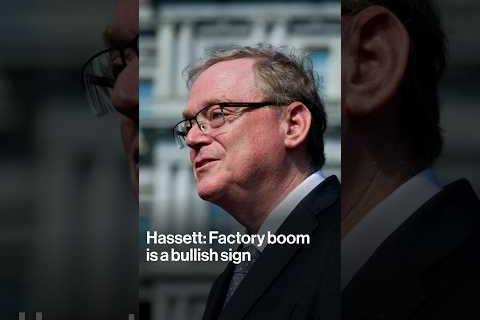
President Trump announced plans for new tariffs on July 24, 2026, during an appearance on Bloomberg Television’s “Balance of Power.” This declaration signals a firm commitment to protectionist trade policies and economic nationalism, which have been central tenets of his administration’s agenda. The strategy aims to bolster domestic industries, encourage the return of manufacturing jobs to the United States, and address perceived imbalances in global trade.
The announcement resonates with previous trade actions taken by President Trump. His administration has consistently advocated for policies designed to protect American workers and businesses from foreign competition. The renewed focus on tariffs suggests a continuation of these efforts, building upon the groundwork laid during his first term in office.
The Rationale Behind Tariffs
Tariffs serve as taxes on imported goods. Their primary purpose, from a protectionist standpoint, is to make foreign products more expensive. This, in turn, is intended to make domestically produced goods more competitive in the market. Proponents argue that tariffs can stimulate local production, create jobs, and enhance national economic security.
President Trump’s economic philosophy often emphasizes the concept of “fair trade” over “free trade.” This perspective posits that certain international trade agreements and practices have disadvantaged American industries. Tariffs are viewed as a tool to level the playing field, forcing other nations to negotiate more favorable terms or face economic penalties.
The administration’s stance suggests a belief that tariffs can compel foreign governments to cease what it considers unfair trade practices. These practices often include intellectual property theft, state subsidies to industries, and currency manipulation. By imposing tariffs, the U.S. aims to exert leverage and protect its economic interests.
Historical Context of Trump’s Trade Policy
President Trump’s approach to tariffs is not new. During his previous term, his administration implemented tariffs on a wide range of goods. These included steel and aluminum imports, as well as various products from China. The stated goals then were similar: to protect national security industries and to address a significant trade deficit with China.
The steel and aluminum tariffs, imposed in 2018, were justified under Section 232 of the Trade Expansion Act of 1962. This section allows the President to impose tariffs on imports deemed a threat to national security. The administration argued that a robust domestic steel and aluminum industry was critical for defense and infrastructure.
Tariffs on Chinese goods began in 2018 under Section 301 of the Trade Act of 1974. This section permits the President to take action against countries engaging in unfair trade practices. The U.S. Trade Representative’s office conducted an investigation that concluded China was engaging in intellectual property theft and forced technology transfers. These tariffs escalated throughout 2018 and 2019, impacting hundreds of billions of dollars worth of goods.
Impact of Previous Tariffs
The effects of these earlier tariffs were mixed. Some domestic industries, such as steel producers, reported increased demand and profitability. However, other sectors, particularly those reliant on imported components or facing retaliatory tariffs, experienced higher costs and reduced exports. American farmers, for example, were significantly impacted by retaliatory tariffs on agricultural products imposed by China.
Economists have offered varied assessments of the overall economic impact. Studies by institutions like the International Monetary Fund and the Congressional Budget Office often concluded that while some specific industries benefited, the broader economy faced increased costs and reduced trade volumes. Consumers also experienced higher prices on certain goods due to the import taxes.
The 2026 Tariff Landscape
President Trump’s announcement on July 24, 2026, indicates a continuation of this strategic framework. While specific details regarding which goods or countries will be targeted were not immediately released, the general direction is clear. The administration is prepared to use tariffs as a primary tool in its economic policy arsenal.
The global economic climate in 2026 presents both challenges and opportunities for such a policy. Supply chain disruptions, inflation concerns, and geopolitical tensions all play a role. The decision to pursue fresh tariffs suggests a prioritization of domestic industrial capacity and economic independence amidst these complexities.
This renewed push for tariffs also aligns with broader discussions about economic resilience. Many nations, including the United States, have been re-evaluating their reliance on global supply chains, particularly after recent events highlighted vulnerabilities. Tariffs can be seen as one mechanism to encourage diversification or reshoring of critical production.
Potential Targets and Economic Implications
While specific targets remain unconfirmed, historical patterns suggest certain areas might be considered. Industries where the U.S. has significant trade deficits, or where allegations of unfair trade practices persist, could be candidates. This might include sectors like advanced manufacturing, automotive, or specific raw materials.
The economic implications of new tariffs could be substantial. For American consumers, tariffs typically lead to higher prices on imported goods. This can reduce purchasing power and potentially contribute to inflationary pressures. Businesses that rely on imported components could see increased production costs, which may be passed on to consumers or affect profit margins.
Internationally, new tariffs could trigger retaliatory measures from affected countries. This could lead to trade disputes and a reduction in overall global trade volume. Trade partners might seek to diversify their own supply chains away from the U.S. or strengthen trade alliances with other nations. This dynamic could reshape global economic relationships and trade flows.
Political and Geopolitical Considerations
The decision to implement fresh tariffs also carries significant political weight. For President Trump, protectionist policies have consistently resonated with a segment of his voter base, particularly those in manufacturing-heavy regions. The promise of protecting American jobs and industries is a powerful political message.
Geopolitically, tariffs are often more than just economic tools; they are instruments of foreign policy. By imposing tariffs, the U.S. can signal dissatisfaction with a trading partner’s policies or exert pressure on them to change behavior. This can be a form of economic statecraft, used to achieve broader strategic objectives.
However, this approach also carries risks. It can strain diplomatic relations and lead to increased international tensions. Allies might view unilateral tariff actions as disruptive to global trade norms and institutions, potentially weakening multilateral cooperation on other issues. The balance between domestic economic benefit and international diplomatic cost is a constant consideration.
The Role of International Trade Organizations
International trade organizations, such as the World Trade Organization (WTO), play a critical role in mediating trade disputes and enforcing global trade rules. The U.S. has historically been a key player in the WTO, but President Trump’s administration has often expressed skepticism about its effectiveness and fairness.
New tariffs could lead to challenges within the WTO framework. Other member countries might file complaints, alleging that the tariffs violate international trade agreements. This could result in prolonged legal battles and potentially authorize retaliatory tariffs from other nations, as adjudicated by the WTO.
The administration’s willingness to act unilaterally on trade, even in the face of potential WTO challenges, underscores its commitment to its “America First” economic agenda. This approach prioritizes national interests and domestic considerations above multilateral consensus or existing international trade dispute resolution mechanisms.
Looking Ahead: Economic Nationalism in Practice
President Trump’s vow of fresh tariffs on July 24, 2026, solidifies his administration’s trajectory toward an economic policy deeply rooted in nationalism. This strategy aims to strengthen the American industrial base, create domestic employment opportunities, and reduce reliance on foreign supply chains. It represents a clear preference for managed trade over unfettered globalization.
The implementation of these tariffs will be closely watched by domestic industries, international trading partners, and global markets. Their ultimate impact will depend on the specifics of the new policies, the reactions of other nations, and the broader economic environment. The administration’s actions will continue to shape the contours of global trade and economic relations throughout President Trump’s second term.
Companies will adapt. Markets will adjust. Nations will respond.
Trade will evolve.

