Tag: Security

  • Universal Responds to Online Leak of ‘The Odyssey’, Implications for Industry

    Universal Responds to Online Leak of ‘The Odyssey’, Implications for Industry

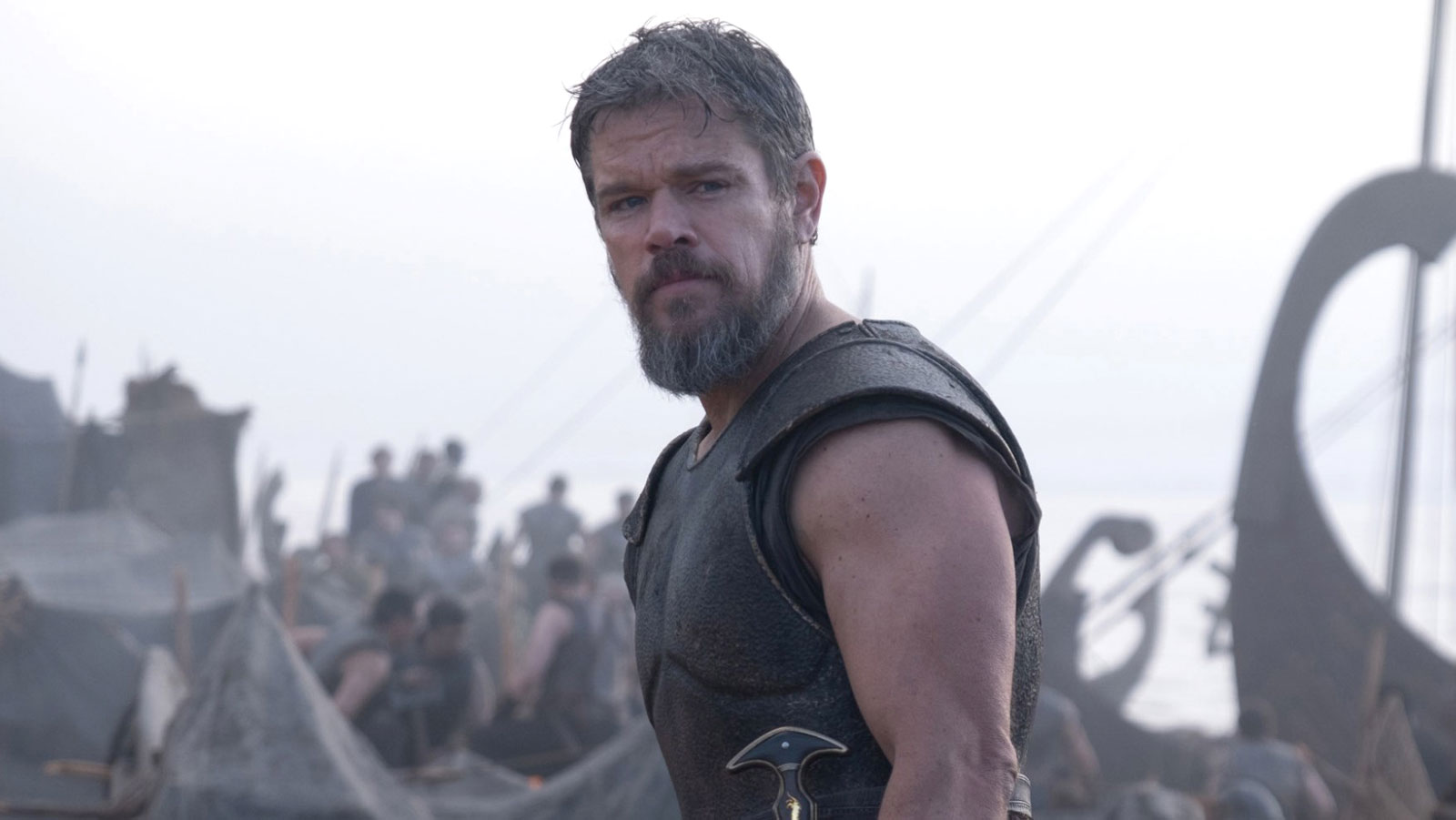
    Universal Pictures confirmed the unauthorized online leak of content related to its forthcoming film, ‘The Odyssey,’ on July 27, 2026. The studio acknowledged the illicit distribution of material online, signaling a setback for its release strategy and reigniting concerns about digital piracy within the entertainment industry. This event underscores the continuous battle major film studios face in protecting their intellectual property from widespread unauthorized sharing.

    The incident surrounding ‘The Odyssey’ is not an isolated occurrence. The entertainment industry has grappled with content leaks for decades, a problem exacerbated by the proliferation of digital distribution channels and peer-to-peer sharing technologies. Such leaks can severely impact a film’s box office performance and ancillary revenue streams, costing studios millions of dollars in potential earnings.

    The Nature of the Leak

    Details regarding the specifics of ‘The Odyssey’ leak remain under investigation. Universal Pictures has not publicly disclosed whether the leaked material constitutes a full cut of the film, raw footage, or promotional assets. The studio’s immediate response focused on acknowledging the breach and initiating procedures to mitigate further unauthorized distribution.

    Online communities and file-sharing platforms quickly became points of discussion and potential dissemination for the leaked content. Cybersecurity experts suggest that such leaks can originate from various points within the production and distribution pipeline, including post-production facilities, marketing agencies, or even internal breaches.

    Economic Impact of Piracy

    The economic ramifications of digital piracy are extensive. For a film like ‘The Odyssey,’ which likely represents a substantial investment in production and marketing, an early leak can erode its commercial viability. Box office receipts, streaming subscriptions, and home entertainment sales are all susceptible to decline when content is freely available through illicit channels.

    Beyond direct revenue losses, leaks can damage a film’s critical reception and public perception. The viewing experience of a highly anticipated movie can be compromised by poor-quality pirated versions, affecting audience engagement and word-of-mouth promotion. This ripple effect can extend to future projects from the same studio or creative team.

    Studio Investments in Security

    Film studios, including Universal Pictures, invest significant resources in cybersecurity measures to protect their valuable intellectual property. These measures include encrypted digital workflows, secure servers, stringent access controls for personnel, and advanced watermarking technologies to trace content. Despite these efforts, sophisticated cyberattacks and internal vulnerabilities continue to pose challenges.

    The cost of implementing and maintaining these security protocols is substantial. Studios must continually adapt to evolving digital threats, often engaging third-party cybersecurity firms specializing in media protection. The ‘The Odyssey’ leak suggests that even robust security frameworks can be breached.

    Legal and Remedial Actions

    Upon confirming the leak, Universal Pictures likely initiated a series of legal and technical actions. These typically include issuing Digital Millennium Copyright Act (DMCA) takedown notices to websites hosting the pirated content, engaging anti-piracy firms to monitor online distribution, and potentially pursuing legal action against individuals or groups responsible for the leak.

    International cooperation is often required, as pirated content can quickly spread across global networks and jurisdictions. The legal battle against digital piracy is complex, involving intellectual property law, cybercrime legislation, and international treaties. The effectiveness of these measures varies, but they remain critical tools for studios.

    The Role of Technology in Piracy

    Advances in technology have simultaneously enabled and complicated the fight against piracy. While digital distribution offers convenience and reach, it also makes unauthorized copying and sharing easier than ever before. High-speed internet, anonymity tools, and encrypted messaging platforms facilitate rapid dissemination of leaked material.

    Conversely, technology also provides tools for detection and enforcement. Artificial intelligence and machine learning algorithms are increasingly used to scan the internet for pirated content, identify sources, and automate takedown requests. The ongoing cat-and-mouse game between pirates and content protectors is defined by this technological arms race.

    Historical Context of Content Leaks

    The history of content leaks predates the digital age, with physical copies of films and music occasionally making their way into unauthorized hands. However, the scale and speed of dissemination dramatically increased with the advent of the internet. Notable film leaks in previous decades include early cuts of major blockbusters, sometimes months before their theatrical release.

    These historical incidents have shaped the industry’s approach to security, leading to stricter controls and increased awareness among production teams. The ‘The Odyssey’ leak serves as a reminder that despite decades of experience, vulnerabilities persist in an increasingly interconnected world.

    Impact on Creative Control

    Beyond financial implications, content leaks can impact creative control. Directors and producers often meticulously craft the final version of a film, and an early, unauthorized release can present an unfinished or unapproved cut to the public. This can distort audience perception and undermine the artistic vision of the creators.

    The integrity of the creative process is paramount for filmmakers. Leaks can create pressure to alter release schedules, rush post-production, or modify marketing campaigns, all of which can compromise the artistic and commercial potential of a project. The ‘The Odyssey’ team will now contend with these potential challenges.

    The Future of Content Security

    The incident involving ‘The Odyssey’ will likely prompt further evaluation of content security protocols across the industry. This could lead to the adoption of new technologies, enhanced employee training programs on data security, and stricter contractual obligations for all parties involved in a film’s production and distribution.

    Collaboration between studios, technology providers, and law enforcement agencies is also crucial. Sharing intelligence on emerging threats and developing collective strategies can strengthen the industry’s resilience against piracy. The goal is to create an ecosystem where intellectual property is protected effectively, allowing creators and distributors to realize the full value of their work.

    Universal Pictures acknowledged the breach. Cybersecurity teams mobilized. Legal departments prepared responses.

    The industry watched.

    Piracy continued.

    Hollywood.


  • Berlin Pride Terror Suspect Abdul Ballout Killed in Police Confrontation

    Berlin Pride Terror Suspect Abdul Ballout Killed in Police Confrontation

    Abdul Ballout, a terror suspect identified in connection with the Berlin Pride parade, died on July 26, 2026, after a confrontation with German police. The incident occurred in Spandau, a district within the greater Berlin metropolitan area, as law enforcement agencies were actively investigating a potential threat related to the annual LGBTQ+ event in Berlin, Germany.

    Official sources are continuing to release specific details regarding the nature of the confrontation and the circumstances surrounding Ballout’s death. This event marks a significant development in ongoing counter-terrorism efforts within Germany.

    The Investigation and Identification of a Suspect

    German authorities had been engaged in extensive surveillance and intelligence gathering prior to the July 26 incident. Their focus centered on individuals suspected of planning disruptive or violent acts targeting the Berlin Pride parade.

    This annual event is a cornerstone for the LGBTQ+ community in Germany, attracting hundreds of thousands of participants and spectators. Such large-scale public gatherings necessitate heightened security measures.

    During these investigations, Abdul Ballout emerged as a key figure. His name became central to the intelligence reports indicating a credible threat.

    Law enforcement agencies initiated targeted efforts to locate and neutralize this perceived threat. The goal was to safeguard the public and ensure the peaceful conduct of the Pride festivities.

    The Confrontation in Spandau

    The confrontation that led to Ballout’s death occurred in Spandau, a locality within Berlin. While the precise location within Spandau has been widely disclosed, official statements have emphasized its placement within the broader metropolitan area.

    Initial reports characterize the confrontation as swift. Details surrounding the exact sequence of events leading to Ballout’s death are still being compiled by German law enforcement.

    Police action was taken as part of a comprehensive strategy. This strategy aimed to preempt potential acts of violence and secure the public spaces associated with the Berlin Pride parade.

    The incident underscores the constant vigilance required by security forces in protecting major public events from potential threats.

    Broader Implications for Public Safety and Security

    The death of Abdul Ballout represents a critical juncture in Germany’s ongoing fight against terrorism. Authorities are now tasked with a multi-faceted investigation.

    A primary objective is to determine whether Ballout operated independently or as part of a larger, organized network. Identifying any potential co-conspirators remains a top priority for law enforcement.

    The German government and its security agencies are expected to provide more comprehensive accounts as the investigation progresses. Public officials have largely refrained from extensive commentary, citing the need for thorough fact-gathering.

    Ensuring public safety during high-profile events remains a paramount concern. The incident highlights the complex challenges faced by security forces in an era of evolving threats.

    The Berlin Pride Parade: A Symbol of Community and Resilience

    The Berlin Pride parade, officially known as Christopher Street Day (CSD), holds deep significance. It commemorates the Stonewall Riots of 1969, a pivotal moment in the LGBTQ+ rights movement.

    Each year, the parade serves as a vibrant demonstration of LGBTQ+ identity, advocacy, and celebration. It attracts a diverse crowd from across Germany and internationally.

    The event is not only a celebration but also a platform for political activism. Participants advocate for equal rights, challenge discrimination, and promote acceptance.

    Security preparations for CSD are always extensive. They involve coordination between local police, federal agencies, and event organizers. These measures are designed to manage large crowds and mitigate risks.

    Previous Security Challenges

    Major public events globally have faced escalating security challenges. These challenges range from individual acts of violence to organized terror plots.

    The planning for events like Berlin Pride now routinely incorporates advanced intelligence analysis. Threat assessments inform deployment strategies and emergency response protocols.

    The vigilance demonstrated by German authorities in this instance reflects a proactive approach. It underscores the commitment to protecting fundamental freedoms of assembly and expression.

    The incident with Abdul Ballout serves as a stark reminder of the persistent threats that can target open, democratic societies.

    Ongoing Investigations and Future Actions

    The investigation into Abdul Ballout’s activities and affiliations is expected to be extensive. German intelligence agencies will likely conduct forensic analysis of any seized materials.

    Interviews with potential witnesses and associates will also be crucial. The aim is to reconstruct Ballout’s network and intentions.

    International cooperation may also play a role. Terror investigations often involve sharing intelligence across national borders.

    Public statements from German officials will likely increase in frequency as verified details become available. Transparency is often balanced with the need to protect ongoing investigative operations.

    Impact on Community Trust

    Incidents involving terror suspects and police action can have varied impacts on community trust. Clear and accurate communication from authorities becomes essential.

    The LGBTQ+ community, in particular, relies on assurances of safety and protection during its public gatherings. Events like Pride are spaces of freedom and self-expression.

    Authorities will be keen to demonstrate their effectiveness in preventing harm. They will also emphasize their commitment to upholding civil liberties.

    The balance between security measures and civil freedoms is a constant consideration for democratic governments.

    The Role of Intelligence Gathering

    The identification of Abdul Ballout as a key figure underscores the critical role of intelligence gathering. Proactive intelligence work can often prevent attacks before they occur.

    Human intelligence, electronic surveillance, and open-source intelligence all contribute to a comprehensive threat picture. Agencies continuously analyze vast amounts of data.

    The effectiveness of these efforts is often measured by the absence of incidents. When threats are neutralized, it demonstrates the hidden work of security services.

    The July 26 incident highlights the success of German intelligence in identifying and acting upon a specific threat. This action potentially averted a larger crisis.

    Ensuring Information Accuracy

    In the immediate aftermath of such events, rumors and misinformation can circulate rapidly. Official sources emphasize the importance of relying on verified information.

    Government bodies and law enforcement agencies are the primary conduits for accurate updates. Their statements are often carefully vetted before public release.

    Media outlets play a crucial role in disseminating this information responsibly. They must balance the public’s right to know with the need for factual reporting.

    The developing nature of this story means that initial reports may be refined or expanded upon as more evidence emerges. Patience and reliance on official channels are advised.

    Looking Ahead

    The Berlin Pride parade will continue to be a focal point for the LGBTQ+ community. Its resilience in the face of threats remains a defining characteristic.

    Security protocols will likely be reviewed and adapted based on the lessons learned from this incident. Continuous improvement is standard practice in counter-terrorism efforts.

    The German government maintains a strong stance against all forms of extremism and violence. Its commitment to protecting its citizens and democratic values is unwavering.

    Abdul Ballout’s death. A confrontation. A city on alert. Investigations continue. Public safety. Berlin.


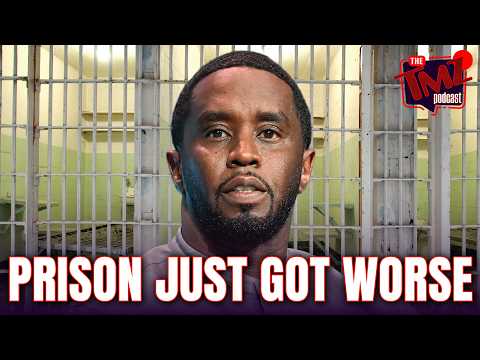
  • Sean ‘Diddy’ Combs’ Prison Reality, The Legal Challenges and Aftermath

    Sean ‘Diddy’ Combs’ Prison Reality, The Legal Challenges and Aftermath

    Sean ‘Diddy’ Combs, once a dominant force in the music industry and a business mogul, is currently navigating a drastically altered reality within the confines of a correctional facility. His incarceration stems from a series of escalating legal battles and federal investigations that have brought his empire crashing down. The shift from a life of luxury and influence to the strictures of prison marks a profound personal and public downfall for the artist.

    The details surrounding Combs’ legal predicament began to surface in late 2023 and early 2024. These developments culminated in his arrest and subsequent detention, drawing intense media scrutiny and public discussion regarding accountability for powerful figures.

    The Genesis of Legal Troubles

    The legal challenges for Sean Combs gained significant momentum in November 2023. At this time, singer Cassie Ventura, whose legal name is Casandra Ventura, filed a lawsuit against Combs. The lawsuit alleged sexual assault, abuse, and sex trafficking over a period of more than a decade. This civil suit was settled out of court within days, but it opened a floodgate of similar allegations against Combs.

    Following Ventura’s suit, several other individuals came forward with their own claims. These included producer Rodney ‘Lil Rod’ Jones, who filed a lawsuit in February 2024, alleging sexual assault, illegal drug distribution, and racketeering. Jones’s lawsuit detailed claims of forced sexual acts and being pressured to solicit sex workers for Combs.

    These civil complaints painted a picture of a pervasive pattern of alleged misconduct. The accusations extended beyond individual actions, suggesting a broader enterprise involved in illegal activities.

    Federal Investigations Escalate

    The civil lawsuits quickly attracted the attention of federal authorities. In March 2024, Homeland Security Investigations (HSI) launched a series of raids on properties owned by Combs in Los Angeles and Miami. These raids were conducted as part of a federal sex trafficking investigation. The properties targeted included Combs’ lavish mansions, and the operations involved significant law enforcement presence.

    During these raids, Combs’ sons, Justin and Christian ‘King’ Combs, were briefly detained for questioning. Although they were later released, their detention underscored the seriousness and scope of the federal inquiry. The federal investigation reportedly included allegations of racketeering, a charge often associated with organized crime and complex criminal enterprises.

    The HSI actions signaled a significant escalation from civil litigation to a full-blown criminal probe. The involvement of federal agencies suggested that the allegations had moved beyond personal disputes to matters of federal concern, potentially involving interstate criminal activity.

    The Arrest and Incarceration of Sean Combs

    The federal investigation culminated in an arrest warrant for Sean Combs. In September 2024, Combs was apprehended by federal agents at New York. He was attempting to leave the country on a private jet when law enforcement intervened. The arrest was a high-profile event, captured by media outlets and widely reported.

    Following his arrest, Combs was taken into federal custody. The specific charges leading to his imprisonment remained under seal for a period, adding to public speculation. However, reports indicated the charges were related to the ongoing sex trafficking and racketeering investigation.

    Combs was denied bail, a decision that cemented his immediate incarceration. The court deemed him a flight risk and a potential danger, given the nature of the allegations and his significant financial resources. This decision marked the definitive end of his freedom, at least for the foreseeable future, as legal proceedings continued.

    Life Behind Bars: The ‘Brutal’ Reality

    Reports from various media outlets, including TMZ, have characterized Sean Combs’ prison reality as ‘brutal.’ This description contrasts sharply with his opulent lifestyle as a music mogul. The transition from private chefs, personal assistants, and sprawling estates to the regimented, restrictive environment of a federal correctional institution is profound.

    Sources indicate that Combs is housed in a general population unit, rather than a segregated or protective custody area. This placement means he interacts with other inmates, adhering to the standard prison schedule and routines. The loss of personal autonomy and privacy is a central aspect of this ‘brutal’ reality.

    The daily routine in a federal prison involves early wake-up calls, scheduled meals, limited recreation time, and restricted access to external communications. Combs, accustomed to constant control over his environment, now faces strict rules and a lack of personal choice. This stark change in living conditions is often cited as a significant psychological challenge for high-profile inmates.

    The Impact on Combs’ Business Empire

    Sean Combs’ legal troubles and incarceration have had a devastating impact on his extensive business empire. His companies, including Bad Boy Entertainment, Revolt TV, and various liquor brands, have faced immense pressure. Corporate partners and advertisers have begun to distance themselves from Combs and his ventures.

    Revolt TV, a media company founded by Combs, announced a restructuring of its leadership. This move was widely seen as an attempt to insulate the company from the negative associations with its founder. Several brands that previously collaborated with Combs have either paused or terminated their partnerships.

    The financial ramifications are substantial. Lawsuits often lead to significant legal fees, and if found liable, Combs could face massive monetary judgments. His personal wealth, estimated to be in the hundreds of millions, is under threat as assets may be frozen or seized to cover potential damages and penalties.

    Public Reaction and Industry Response

    The public reaction to Sean Combs’ downfall has been varied, ranging from shock and disappointment to calls for justice. Many have expressed a sense of schadenfreude, given Combs’ long-standing reputation for lavish living and perceived untouchability.

    Within the entertainment industry, the response has been cautious but significant. While few prominent figures have publicly condemned Combs outright, there has been a noticeable shift in how he is discussed. Awards and honors previously bestowed upon him have been rescinded or put under review. The industry, often criticized for overlooking misconduct by powerful individuals, is now grappling with the implications of these high-profile cases.

    The situation has reignited conversations about the ‘Me Too’ movement’s impact on the music industry. It highlights the potential for long-held secrets and alleged abuses to come to light, regardless of an individual’s status or influence.

    The Road Ahead: Legal Battles and Uncertain Future

    Sean Combs’ legal journey is far from over. He faces ongoing federal investigations, which could lead to further indictments and more severe charges. The civil lawsuits against him are also progressing, and these cases could result in substantial financial penalties.

    His legal team is expected to mount a robust defense, challenging the credibility of accusers and the evidence presented by federal prosecutors. However, the sheer volume and consistency of the allegations present a formidable challenge. The legal process is likely to be protracted, involving numerous hearings, depositions, and potentially a high-profile trial.

    The outcome of these legal battles will determine not only Combs’ long-term freedom but also his legacy. Regardless of the verdicts, his reputation has been irrevocably altered. The once-unquestioned mogul now stands as a symbol of the consequences of alleged misconduct.

    The entertainment world observes. The legal system processes. The public watches.

    Justice.

    FAQ


  • Graduate Schools Under Trump – Policy Shifts Reshape U.S. Higher Ed

    Graduate Schools Under Trump – Policy Shifts Reshape U.S. Higher Ed

    President Trump’s policies, enacted from 2025 during his second term, profoundly altered the operational landscape for graduate schools across the United States. These shifts encompassed critical areas such as international student recruitment, the allocation of federal research grants, and the regulatory framework surrounding academic visas. The changes prompted a complex array of responses from academic institutions, professional associations, and student bodies, all working to navigate the evolving educational environment.

    The impact on graduate education stemmed from a series of interconnected policy decisions. Each decision carried distinct ramifications for advanced academic study and research within the nation’s universities.

    International Student Enrollment Shifts Under President Trump

    One of the most immediate and visible effects of President Trump’s policies centered on international student enrollment. Graduate programs heavily rely on students from abroad, particularly in critical STEM fields. New visa regulations and heightened scrutiny at ports of entry created significant uncertainty for prospective international students.

    Data from various academic organizations indicated a decline in applications and matriculations from certain countries. China and India, historically major sources of graduate students, showed particular sensitivity to these policy changes. Universities reported increased difficulties in securing and renewing student visas for their international cohorts.

    The Institute of International Education (IIE) documented these trends in its annual Open Doors report. While specific numbers fluctuated, the overall sentiment among international applicants shifted. Many prospective students considered alternative destinations for their graduate studies, including Canada, the United Kingdom, and Australia.

    This trend raised concerns about the diversity of academic perspectives within U.S. classrooms and research labs. It also impacted the financial models of many graduate programs, which often depend on international student tuition fees to sustain their operations.

    Visa Policy Adjustments Impacting Students

    President Trump’s administration introduced stricter vetting processes for F-1 and J-1 visas. These non-immigrant visas are crucial for international students and exchange visitors. Increased interview backlogs and higher rates of administrative processing delays became common occurrences.

    The Department of Homeland Security (DHS) implemented new rules regarding duration of status. This change eliminated the previous ‘duration of status’ rule, replacing it with fixed-term admissions. This meant international students and exchange visitors were granted admission for a specific period. They were then required to seek extensions if their academic programs exceeded the initial duration.

    Universities established new support services to assist international students. These services aimed to navigate the complex visa landscape and mitigate the impact of policy changes. International student offices became essential resources for guidance on immigration law and compliance, providing crucial assistance during a period of flux.

    The ‘Public Charge’ Rule and Its Implications

    Beyond visa processing, the administration’s ‘public charge’ rule also created anxieties. While primarily targeting immigration applicants seeking green cards, its broader implications caused concern among international students. The rule expanded the definition of who might become a ‘public charge,’ potentially making it harder for some to obtain or maintain their status.

    Though direct impacts on F-1 and J-1 visas were less clear, the perception of increased scrutiny contributed to a less welcoming environment. Universities worked to reassure students and provide clear information about the rule’s actual scope and its potential effects on their academic journeys.

    This policy, alongside others, reinforced a sense of unpredictability for international scholars. It prompted some to reconsider their educational plans in the United States. Institutions recognized the need for enhanced communication and support.

    Federal Research Funding Priorities Under President Trump

    President Trump’s approach to federal research funding also significantly influenced graduate education. Funding allocations for agencies like the National Science Foundation (NSF), National Institutes of Health (NIH), and Department of Energy (DOE) saw substantial adjustments. These shifts often reflected a focus on specific national priorities, redirecting resources toward certain strategic areas.

    Some scientific disciplines experienced increased funding, particularly those aligned with defense, national security, and certain technological advancements. Other areas, such as climate science and some social sciences, faced potential reductions or increased competition for grants. This reorientation forced researchers and institutions to adapt their funding strategies.

    Graduate students, who often rely on federal grants for stipends and research support, felt the direct impact of these funding shifts. Principal investigators (PIs) on university campuses adapted their research proposals to align with the new funding landscape. This sometimes meant reorienting entire research agendas to secure necessary financial backing.

    Impact on Specific Academic Disciplines

    Engineering and computer science programs continued to attract significant federal investment. This aligned with President Trump’s emphasis on technological innovation and economic competitiveness. Biomedical research also remained a strong area of support, continuing to receive substantial allocations for critical health initiatives.

    Humanities and arts graduate programs, which typically receive less federal funding than STEM fields, faced continued challenges. The competition for limited resources intensified across all disciplines. Universities sought to diversify their funding sources, including increased philanthropic contributions and industry partnerships, to buffer against federal shifts.

    The American Association of Universities (AAU) and other advocacy groups consistently engaged with Congress and the administration. They highlighted the importance of sustained and robust federal investment in basic and applied research. Their arguments emphasized the long-term benefits of research to national prosperity and global leadership, pushing for consistent support.

    Emphasis on American Competitiveness

    A recurring theme in the administration’s funding approach was the concept of American competitiveness. This translated into initiatives designed to bolster U.S. leadership in key technological sectors. Research that directly supported these goals often received preferential treatment.

    This focus sometimes led to concerns about the balance of fundamental versus applied research. Critics argued that an overemphasis on immediate applications could stifle groundbreaking discoveries that emerge from basic science. Universities worked to demonstrate how even fundamental research ultimately contributes to national strength.

    The shift underscored the dynamic relationship between national policy and academic research. Graduate programs found themselves navigating a landscape where strategic national interests increasingly shaped funding opportunities and research directions.

    University Responses and Adaptations

    American universities responded to these policy shifts with a combination of advocacy, adaptation, and internal restructuring. Many institutions publicly reaffirmed their commitment to global engagement and diversity. They consistently emphasized the value of international students and scholars to their academic communities, highlighting their contributions to research and teaching.

    Universities increased their engagement with policymakers in Washington D.C. They sought to educate legislators and agency officials about the specific impacts of proposed regulations on higher education. This included testimony before congressional committees and direct lobbying efforts, aimed at shaping policy outcomes.

    Internally, institutions developed new strategies for international recruitment and retention. This involved expanding scholarship opportunities for international students and enhancing support services. Many universities also invested in global outreach initiatives to maintain their international pipelines and attract top talent despite the challenges.

    Advocacy by Higher Education Organizations

    Organizations such as the American Council on Education (ACE), the Association of Public and Land-grant Universities (APLU), and the Council of Graduate Schools (CGS) played critical roles. They provided guidance to their member institutions and articulated collective concerns to the federal government. These groups served as crucial conduits for feedback and advocacy.

    These organizations regularly published reports and analyses detailing the effects of policy changes. They advocated for policies that would promote academic freedom, foster international collaboration, and ensure the continued global leadership of U.S. higher education. Their efforts aimed to mitigate negative impacts and influence future policy directions.

    Adapting Curriculum and Research Focus

    Some graduate programs also began to adapt their curriculum and research focus. This involved integrating new topics related to policy changes or emphasizing areas that aligned with new funding priorities. For example, programs might have developed courses on international education policy or focused research on areas designated as national priorities.

    This adaptation was not uniform across all institutions or disciplines. However, it reflected a broader institutional agility in responding to external pressures. Universities sought to ensure their graduates remained competitive and relevant in a changing world.

    The emphasis on STEM fields, for instance, led some institutions to bolster resources in those areas. This was often done at the expense of other disciplines, creating internal tensions and resource allocation challenges within universities.

    The Broader Implications for U.S. Global Leadership

    The policy shifts under President Trump’s second term carried broader implications for the United States’ position as a global leader in higher education and scientific research. The ability to attract and retain top international talent is a cornerstone of American innovation and economic strength.

    Concerns emerged that a sustained reduction in international student enrollment could weaken the U.S. scientific enterprise. Other countries, particularly those with more welcoming immigration policies, stood to benefit from a potential brain drain from American universities. This posed a long-term challenge to U.S. competitiveness.

    The perception of the U.S. as a less welcoming destination for international scholars also had reputational consequences. Building and maintaining global academic partnerships relies on trust and open exchange. Policies that created barriers risked undermining these relationships.

    Impact on Research Collaboration

    International research collaborations are vital for addressing global challenges, from climate change to public health crises. Restrictions on travel and increased scrutiny of international researchers complicated these efforts. Joint projects with foreign institutions faced new hurdles.

    Scientists and scholars often rely on cross-border exchanges of ideas and personnel. When these exchanges are hampered, the pace of scientific discovery can slow. The long-term effects on collaborative research networks remain a subject of ongoing analysis.

    Universities worked to maintain these critical connections, exploring virtual collaboration tools and advocating for exemptions or special provisions for researchers. The goal was to preserve the spirit of international scientific partnership despite policy headwinds.

    The Future of U.S. Graduate Education

    The policies implemented during President Trump’s tenure set a precedent for how future administrations might approach higher education. The experience underscored the vulnerability of academic institutions to shifts in national policy, particularly in areas like immigration and federal funding.

    Universities continue to assess the lasting impacts on their enrollment pipelines, research portfolios, and global standing. The need for proactive engagement with policymakers remains paramount. Adaptability and strong advocacy are now considered essential components of institutional strategy.

    The landscape of U.S. graduate education is dynamic. It responds to global trends, technological advancements, and national priorities. The period under President Trump highlighted the profound influence of executive policy on the academic world.

    Policies were enacted. Regulations were adjusted. Universities adapted. The academic world shifted.

    America’s graduate schools.

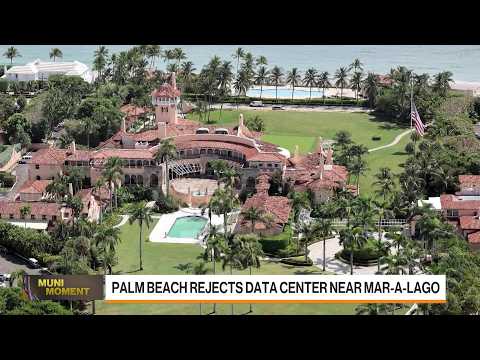
  • Palm Beach Rejects Data Center Near Mar-a-Lago

    Palm Beach Rejects Data Center Near Mar-a-Lago

    Palm Beach County commissioners recently rejected a proposal for a data center planned for a location roughly 20 miles from President Donald Trump’s Mar-a-Lago club. This decision came after extensive debate and community input. The proposed facility aimed to establish a significant technological footprint in a predominantly residential and historic area.

    The rejection highlights the ongoing tension between technological expansion and the preservation of established community aesthetics and infrastructure. Local officials weighed the economic potential against the environmental and social impacts. The proximity to a high-profile property like Mar-a-Lago added another layer of complexity to the discussion.

    The Proposal and Its Location

    The data center proposal outlined plans for a substantial building housing numerous servers and cooling systems. The exact address of the proposed site has not been publicly detailed, but its proximity to Mar-a-Lago was a key point of contention. Data centers require significant power, cooling, and network infrastructure.

    Developers typically seek locations with access to reliable power grids and fiber optic networks. Palm Beach, while affluent, is not traditionally a hub for industrial-scale data operations. The proposal suggested a shift in the town’s typical development patterns.

    The land parcel under consideration was zoned for commercial use, but its immediate surroundings are largely residential. This created a direct conflict with the town’s character. Residents voiced concerns about the precedent such a development might set for future projects.

    Community Opposition Mounts

    Local residents organized quickly to oppose the data center. Petitions were circulated, and community meetings saw high attendance. Many residents expressed worries about increased traffic, particularly heavy equipment during construction and maintenance phases.

    Noise pollution was another frequently cited concern. Data centers operate 24/7, with cooling systems and generators producing constant hums. This would disrupt the quiet residential atmosphere of Palm Beach. The aesthetic impact of a large, windowless building in a town known for its architectural beauty also drew criticism.

    Environmental concerns were also raised. Data centers consume vast amounts of electricity, leading to questions about their carbon footprint. Water usage for cooling systems also became a point of debate, especially in a region susceptible to water management issues.

    Infrastructure Strain and Security Concerns

    Town officials focused heavily on the potential strain on existing municipal infrastructure. The power demands of a large data center could challenge the local electrical grid. Water and sewage systems would also need to accommodate increased usage. Upgrades to these systems would be costly and disruptive.

    Security emerged as a paramount concern, particularly given the location near Mar-a-Lago. The presence of a major data facility could attract unwanted attention or become a target. This raised questions about the Town of Palm Beach’s capacity to provide adequate security resources for such an installation.

    Local law enforcement and emergency services voiced their perspectives during public hearings. They highlighted the unique challenges associated with securing a critical infrastructure asset in a high-profile area. The potential for increased security protocols and their impact on daily life for residents was also discussed.

    The Role of Mar-a-Lago

    Mar-a-Lago, President Trump’s residence and private club, is a significant landmark in Palm Beach. Its presence influences many local development decisions. The property is a National Historic Landmark, adding to its cultural and historical importance.

    Any development in its vicinity undergoes intense scrutiny. The potential impact on property values in the area surrounding Mar-a-Lago was another factor. Residents feared a decline in property values if a large industrial facility were constructed nearby.

    The club also hosts numerous high-profile events and receives frequent visits from political figures. The optics of a data center, with its industrial appearance and operational demands, were seen as incongruous with the elegant image of Mar-a-Lago and its surroundings.

    The Town Council’s Deliberation

    The Palm Beach Town Council held several hearings on the data center proposal. These sessions included presentations from the developers, expert testimonies, and extensive public comment. Council members carefully weighed the various arguments presented.

    The economic benefits, such as potential tax revenue and job creation, were acknowledged. However, these were ultimately deemed insufficient to outweigh the perceived negatives. The council’s decision reflected a commitment to maintaining the established character of Palm Beach.

    Voting results were decisive, indicating a clear consensus against the project. The council’s rejection sent a strong message about the town’s priorities. It underscored a preference for preservation over unchecked commercial development, especially when it encroaches on residential tranquility.

    Precedent and Future Development

    The rejection of the data center sets a precedent for future development proposals in Palm Beach. It signals that projects with significant environmental, aesthetic, or infrastructural impacts will face stringent review. Developers considering projects in the town will now need to carefully assess community compatibility.

    This decision aligns with a broader trend in many affluent communities. Residents often prioritize quality of life, environmental protection, and the preservation of historical character over industrial growth. The unique nature of Palm Beach, with its high property values and historical significance, amplifies these considerations.

    The town continues to attract high-net-worth individuals, which contributes to its distinct character. Maintaining this appeal requires careful management of development. The data center decision reinforces the idea that Palm Beach aims to remain a premier residential destination, not an industrial hub.

    Economic Impact and Alternatives

    The developers behind the data center proposal likely sought Palm Beach for specific reasons, such as favorable tax structures or proximity to a wealthy client base. The rejection means they will need to seek alternative locations. This could include other communities in Florida or different states entirely.

    The economic impact of the rejection on the Town of Palm Beach is minimal. The town’s economy is primarily driven by tourism, luxury retail, and high-end real estate. A data center would have represented a different type of economic activity, one not entirely congruent with the town’s existing profile.

    The decision underscores the power of local governance in shaping community development. It demonstrates that even significant technological projects can be halted if they do not align with local values and concerns. The town prioritizes its long-term vision over short-term economic gains from a single project.

    The Long-Term Vision for Palm Beach

    Palm Beach has long cultivated an image of exclusivity and refined living. Its strict zoning laws and historical preservation efforts reflect this vision. The rejection of the data center is a direct manifestation of these deeply held values.

    The town’s leadership consistently works to protect its unique environment. This includes architectural review boards and careful planning for public spaces. The community values its green spaces, beach access, and quiet neighborhoods.

    The outcome of this proposal confirms the town’s commitment to these principles. It reinforces the idea that Palm Beach will continue to prioritize its residential character and historical integrity. The decision will likely be referenced in future debates over development and land use.

    Residents advocated. Officials deliberated. The community decided.

    Palm Beach.


  • Pete Hegseth’s Iran War Testimony Interrupted by Protesters

    Pete Hegseth’s Iran War Testimony Interrupted by Protesters

    Pete Hegseth’s testimony regarding the Iran War faced an abrupt interruption from protesters. The incident, captured and disseminated widely, immediately sparked a public discourse concerning the boundaries of dissent and the conduct of official proceedings. This interruption serves as a stark illustration of the intense public sentiment surrounding the current conflict with Iran and the broader implications of U.S. foreign policy.

    The scene unfolded during a session designed to gather insights on the strategic and tactical aspects of the ongoing military engagement. Hegseth, known for his commentary on national security issues, was presenting his views when the disruption commenced. The protesters’ actions brought the proceedings to a temporary halt, forcing officials to address the security breach and restore order.

    The Context of the Iran War

    The Iran War, which commenced in recent years, has become a significant focal point in global geopolitics. It involves complex layers of historical grievances, regional power struggles, and international alliances. The conflict stems from escalating tensions over Iran’s nuclear program, its regional influence, and various geopolitical flashpoints in the Middle East.

    Military operations have involved a coalition of forces, with the United States playing a prominent role. The stated objectives include deterring Iranian aggression, safeguarding international shipping lanes, and preventing the proliferation of weapons of mass destruction. However, these objectives are often met with skepticism and opposition from various segments of the public, both domestically and internationally.

    Economic sanctions, diplomatic efforts, and military posturing have all been components of the international response to the situation. The war has generated considerable debate about its necessity, its ethical implications, and its potential for long-term destabilization of the region. Public figures like Pete Hegseth frequently participate in these discussions, offering perspectives that often align with a more interventionist foreign policy.

    Pete Hegseth’s Role and Public Profile

    Pete Hegseth maintains a prominent public profile, largely through his work as a commentator and analyst on national security and political affairs. He is known for his conservative viewpoints and his advocacy for a strong American military presence globally. His background includes service in the U.S. Army, providing him with firsthand experience in military operations.

    Hegseth has frequently appeared on national television and radio, offering commentary on a range of issues from domestic politics to international conflicts. His opinions on the Iran War have been consistent, generally supporting a robust and decisive approach to confronting perceived threats from the Iranian regime. This stance often places him at odds with anti-war activists and those who advocate for diplomatic solutions over military action.

    His participation in formal testimonies provides an official platform for his perspectives to be heard by policymakers and integrated into legislative discussions. These settings are often public, allowing for direct engagement, and sometimes confrontation, with differing viewpoints. The interruption of his testimony underscores the polarized nature of these debates.

    The Nature of the Protest

    The protest during Hegseth’s testimony was characterized by immediate and vocal opposition. Protesters reportedly used chants and banners to convey their message against the Iran War. Their actions were designed to draw maximum attention to their cause and to disrupt the official proceedings.

    Such protests are a recurring feature of public discourse surrounding military conflicts. Activist groups often employ direct action to express their discontent, aiming to pressure policymakers and influence public opinion. The tactics employed can range from peaceful demonstrations to more disruptive interventions like the one observed during Hegseth’s testimony.

    The motivations behind these protests are varied but often center on humanitarian concerns, the economic cost of war, and a rejection of military solutions to complex international problems. Many protesters believe that the Iran War is unjust, unnecessary, or counterproductive, and they seek to prevent further escalation or continued engagement.

    Immediate Aftermath and Reactions

    Following the interruption, security personnel swiftly intervened to remove the protesters from the hearing. The proceedings were then resumed, though the disruption inevitably impacted the flow and focus of the session. The incident quickly became a topic of discussion across various media platforms.

    Reactions to the protest were sharply divided. Supporters of Hegseth and proponents of the war generally condemned the interruption as an infringement on free speech and a disrespect for official government processes. They argued that such actions undermine democratic institutions and prevent constructive dialogue on critical national security matters.

    Conversely, many anti-war activists and civil liberties advocates praised the protesters for their courage and their commitment to expressing dissent. They viewed the interruption as a legitimate form of protest, drawing necessary attention to the human cost and moral implications of the Iran War. This divergence in opinion highlights the deep ideological chasm that exists within the nation regarding foreign policy.

    Historical Parallels in Protest and Dissent

    The interruption of a public official’s testimony is not an isolated event in American history. Protests and acts of civil disobedience have long been integral to the nation’s political landscape, particularly during times of war. The Vietnam War era, for instance, saw widespread and often disruptive anti-war demonstrations that significantly influenced public opinion and policy.

    During the 2003 invasion of Iraq, similar protests occurred, with activists attempting to disrupt political speeches, congressional hearings, and public events. These historical precedents illustrate a pattern of citizens using direct action to challenge governmental decisions, especially those pertaining to military conflicts.

    The current climate surrounding the Iran War evokes many of these historical echoes. The use of protest as a means of expressing profound disagreement with state policy remains a powerful, if controversial, tool for advocacy groups. Understanding these historical contexts provides a framework for analyzing contemporary acts of dissent.

    The Debate on Free Speech vs. Orderly Proceedings

    The incident involving Pete Hegseth’s testimony reignited the perennial debate concerning the balance between free speech rights and the need for orderly governmental proceedings. The First Amendment to the U.S. Constitution protects freedom of speech, assembly, and the right to petition the government for a redress of grievances.

    However, these rights are not absolute and can be subject to reasonable time, place, and manner restrictions. The question often arises whether disrupting official hearings constitutes a protected form of speech or an unlawful interference with government functions. Courts have historically grappled with defining these boundaries, often balancing the rights of protesters against the needs of public order and effective governance.

    Those who defend the protesters’ actions argue that disruptive acts are sometimes necessary to ensure that marginalized voices are heard and that powerful institutions are held accountable. Conversely, critics contend that such disruptions impede the legislative process, disrespect elected officials, and ultimately detract from the very causes they aim to promote by alienating potential allies.

    Impact on Public Opinion and Policy

    The interruption, while brief, likely had an impact on public awareness and opinion regarding the Iran War. Such incidents tend to galvanize existing viewpoints, strengthening the resolve of both war proponents and opponents. For those already against the war, it served as a visible representation of their shared grievances.

    For those who support military action, it may have reinforced their perception of anti-war activists as disruptive and unpatriotic. The event also provided additional media coverage for the Iran War, ensuring that the conflict remained a topic of public discussion, even if through the lens of controversy.

    Whether such protests directly influence policy decisions is a more complex question. While direct action can raise awareness and create pressure, policy changes often result from a confluence of factors, including sustained public pressure, legislative efforts, and evolving geopolitical realities. The incident contributes to the broader narrative surrounding the war, adding another layer to its ongoing public perception.

    The Future of Dissent in a Polarized Nation

    The United States in 2026 continues to navigate a deeply polarized political landscape. Issues like the Iran War serve as flashpoints for this division, bringing fundamental disagreements about national values and priorities to the forefront. The incident during Pete Hegseth’s testimony is indicative of this broader trend.

    As technology allows for faster dissemination of information and the organization of movements, the nature of protest continues to evolve. Social media platforms play a critical role in mobilizing activists and amplifying their messages, often before official news outlets can report on events.

    The future will likely see continued tension between the desire for orderly democratic processes and the imperative for citizens to express their dissent, especially on matters of war and peace. The balance struck in these moments will continue to define the health and character of American democracy. The voices will continue to rise.

    The arguments will continue.

    The world will watch.

    The nation remains divided.

    The war continues.

    The debate.


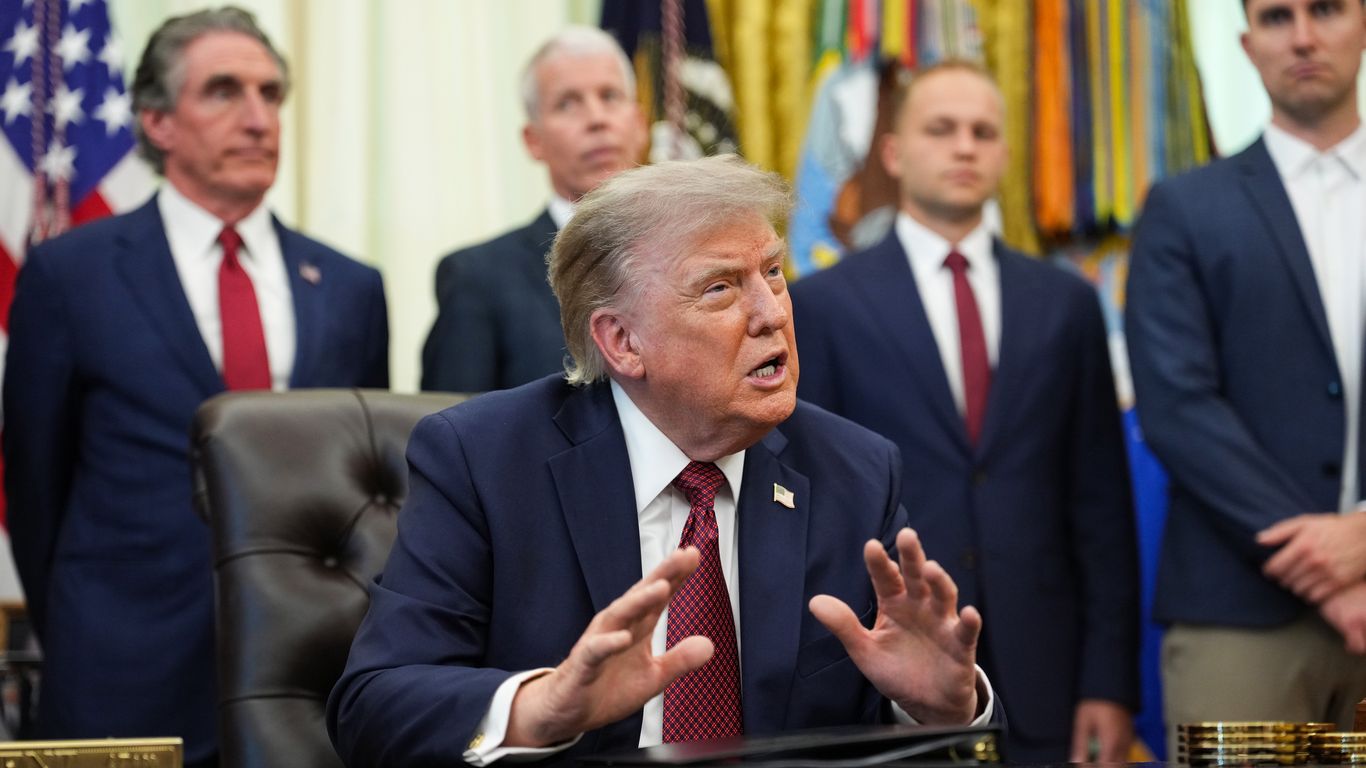
  • Trump Halts Iran Strikes Friday – Averting Military Action

    Trump Halts Iran Strikes Friday – Averting Military Action

    On Saturday, July 25, 2026, President Donald Trump reportedly issued a direct order to the United States military. The directive specifically instructed against carrying out planned military strikes targeting Iran. This information, first reported by Axios, indicated a significant decision from the White House, effectively averting immediate military engagement in the region.

    The President’s intervention came amidst a period of heightened tensions. International observers and analysts quickly registered the implications of such a command. The nature of the planned strikes and their specific targets in Iran have not been publicly disclosed. However, the President’s order unequivocally halted their execution.

    The White House Directive on July 25, 2026

    The order from President Trump was issued on Saturday, July 25, 2026. It was communicated directly to senior military officials within the Department of Defense. The instruction was clear: do not proceed with the planned military action against Iran.

    This decision marks a pivotal moment in the ongoing geopolitical landscape involving Iran and the United States. It follows a period characterized by escalating rhetoric and strategic maneuvers in the broader Middle East region. The White House has not yet issued an official statement confirming the Axios report, but sources familiar with the matter indicated the order’s immediate impact.

    Context of U.S.-Iran Relations

    Relations between the United States and Iran have remained strained throughout 2026. Multiple incidents involving maritime security in the Persian Gulf and proxy conflicts across the region have contributed to a volatile environment. The U.S. maintains a significant military presence in the Middle East, including naval assets and air force deployments, aimed at deterring aggression and protecting American interests.

    Reports of potential military action have circulated periodically, often tied to perceived threats to U.S. personnel or allies. The President’s decision on July 25, 2026, suggests a re-evaluation or a temporary de-escalation in the immediate term. It also underscores the executive branch’s ultimate authority over military engagements.

    Axios Report Details President Trump’s Intervention

    Axios published its report on Saturday, July 25, 2026. The news outlet cited multiple anonymous sources familiar with the situation. These sources confirmed President Trump’s direct intervention to prevent the military action.

    The report emphasized the immediate nature of the directive. It highlighted the President’s personal involvement in the decision-making process. The specific reasons behind the President’s order to halt the strikes were not detailed in the initial report. However, such decisions often involve complex considerations of international diplomacy, potential regional repercussions, and the safety of U.S. military personnel.

    Global Reactions and Diplomatic Implications

    The news of President Trump’s order quickly resonated across international capitals. Allied nations in Europe and the Middle East, many of whom have urged de-escalation, are closely monitoring the situation. Iran’s leadership has not yet officially responded to the reports. However, any U.S. military action or its prevention carries significant weight in Tehran.

    Diplomatic channels are likely engaging in intense discussions behind the scenes. The United Nations and other international bodies may increase their efforts to mediate tensions between the two nations. The decision impacts not only immediate military postures but also long-term strategies for regional stability.

    The Developing Situation and Future Outlook

    This remains a rapidly developing story. Details are still emerging from official channels and media reports. The full implications of President Trump’s order are yet to be completely understood.

    Further information is expected to clarify the precise context of the planned strikes. It will also shed light on the specific reasons behind the President’s decision to halt them. Administration officials have maintained a cautious silence, awaiting official White House guidance.

    Analysts are closely watching for any official pronouncements from the White House or the Department of Defense. Public statements from President Trump or other senior administration figures will provide crucial insights into the rationale behind this significant directive. The global community continues to observe these events with close attention.

    Reports circulated. Decisions were made. Orders were given. International attention converged.

    Iran.


  • US Officials Allege Chinese AI Apps Use Banned Chips – A National Security Concern

    US Officials Allege Chinese AI Apps Use Banned Chips – A National Security Concern

    US officials allege that Chinese artificial intelligence applications are utilizing semiconductor chips that fall under US export bans. This development, reported on July 23, 2026, has ignited concerns regarding national security and cultural defense within the United States. The claims suggest a sophisticated effort by Chinese entities to circumvent established trade restrictions designed to curb their technological advancement, particularly in critical AI sectors.

    The allegations point to a persistent cat-and-mouse game in the global technology landscape. The United States has implemented stringent export controls on advanced semiconductors and related manufacturing equipment, primarily targeting China. These measures are intended to prevent China from acquiring the cutting-edge technology necessary for military modernization and the development of advanced AI systems that could pose strategic challenges.

    The Landscape of Export Controls

    The US government has progressively tightened restrictions on the sale of advanced semiconductor technology to China. These controls began to escalate significantly in October 2022. The initial rules aimed to restrict China’s access to chips capable of advanced computing, crucial for AI and supercomputing applications.

    These regulations were expanded and clarified in October 2023. The updated rules targeted specific types of graphics processing units (GPUs) and other high-performance chips. The Department of Commerce’s Bureau of Industry and Security (BIS) is the primary agency responsible for enforcing these export controls. The goal is to limit China’s ability to produce or acquire chips that could be used for weapons development, surveillance, and other activities deemed contrary to US national interests.

    The restrictions are not merely about the chips themselves. They also cover the equipment used to manufacture these advanced semiconductors. This includes lithography machines, etching tools, and other specialized machinery. Companies like ASML, Applied Materials, and Lam Research are key players in this highly specialized global supply chain.

    The Nature of the Allegations

    The specific allegations suggest that Chinese AI applications are finding ways to integrate or utilize these banned chips. This could occur through several avenues. One possibility is the acquisition of chips through third-party intermediaries or gray markets. Another is the modification of existing chips to meet specific performance requirements for AI, potentially obscuring their origin or original specifications.

    The term “banned chips” typically refers to high-performance GPUs and AI accelerators. These are essential for training large language models (LLMs), developing autonomous systems, and conducting complex data analysis. Companies like Nvidia, AMD, and Intel produce many of these advanced components.

    The US government has been vigilant about monitoring compliance with its export controls. Reports of circumvention are taken seriously, often triggering investigations and potential enforcement actions. The current allegations indicate that despite the controls, China’s AI sector continues to seek pathways to advanced hardware.

    National Security Implications

    The core of the US concern lies in national security. Advanced AI capabilities are considered dual-use technologies. They can be applied to civilian innovation, but also to military applications, intelligence gathering, and surveillance. If China gains unrestricted access to cutting-edge AI chips, it could accelerate its military modernization efforts.

    This includes the development of autonomous weapons systems, advanced cyber warfare capabilities, and sophisticated surveillance technologies. Such advancements could shift the global balance of power and challenge US strategic interests in regions like the Indo-Pacific.

    The cultural defense aspect refers to the protection of democratic values and open societies from authoritarian influences. AI, particularly when combined with surveillance and censorship technologies, can be used to suppress dissent, control information, and exert social engineering. The US sees its technological leadership as crucial to counter such uses.

    China’s AI Ambitions and Counter-Strategies

    China has made no secret of its ambition to become a global leader in artificial intelligence by 2030. The “New Generation Artificial Intelligence Development Plan,” released in 2017, outlined a comprehensive strategy for achieving this goal. This plan involves massive investments in research and development, talent cultivation, and the integration of AI across various industries.

    The US export controls have undoubtedly impacted China’s domestic semiconductor industry. Chinese companies like Huawei and SMIC have faced significant restrictions. In response, China has intensified its efforts to achieve “chip self-sufficiency.” This involves pouring billions into domestic semiconductor manufacturing and design.

    These efforts include state-backed funds, subsidies, and incentives for local companies. The goal is to reduce reliance on foreign technology and build a robust, indigenous semiconductor ecosystem. While progress has been made, China still faces challenges in mastering the most advanced chip manufacturing processes, particularly extreme ultraviolet (EUV) lithography.

    Despite these challenges, Chinese tech giants like Baidu, Alibaba, and Tencent continue to invest heavily in AI research and applications. They are developing their own AI models, platforms, and hardware solutions. The alleged use of banned chips suggests a pragmatic approach to acquiring necessary components while domestic capabilities catch up.

    The Global Semiconductor Supply Chain

    The semiconductor industry is characterized by a complex and highly specialized global supply chain. Design, manufacturing, packaging, and testing often occur in different countries. Taiwan Semiconductor Manufacturing Company (TSMC) is the world’s largest contract chipmaker, producing chips for companies like Apple, Nvidia, and Qualcomm.

    The Netherlands’ ASML holds a near-monopoly on EUV lithography equipment, essential for producing the most advanced chips. The US maintains significant influence over this supply chain, partly through its control over intellectual property, design software, and specialized manufacturing tools.

    Disruptions or circumventions within this supply chain have global repercussions. They can impact market stability, technological innovation, and geopolitical dynamics. The allegations against Chinese AI apps highlight the vulnerabilities and points of leverage within this intricate network.

    Previous Incidents and Enforcement

    This is not the first instance of alleged circumvention of US export controls. Over the years, there have been numerous reports and investigations into companies and individuals attempting to bypass restrictions. These cases often involve complex networks of shell companies, re-export schemes, and false declarations.

    The BIS has a dedicated enforcement arm that investigates such violations. Penalties can include substantial fines, denial of export privileges, and even criminal charges for individuals involved. The US government has also engaged in diplomatic efforts to persuade allied nations to adopt similar export control measures, creating a multilateral approach to limiting China’s access to critical technologies.

    For example, in 2023, Japan and the Netherlands, key players in semiconductor manufacturing equipment, agreed to impose their own restrictions on certain exports to China, aligning with US policy objectives. This coordinated effort aims to create a more comprehensive and effective barrier against technological transfers deemed sensitive.

    The Challenge of Monitoring AI Software

    Monitoring the hardware used by AI applications presents a unique challenge. While physical chips can be tracked through supply chains, the software layer of AI makes detection more complex. AI models can be optimized to run on various hardware configurations, and the specific chips powering a deployed AI application may not always be immediately apparent.

    This means that enforcement efforts must evolve beyond simply tracking chip sales. They may need to include intelligence gathering on AI development projects, analysis of AI model performance, and scrutiny of the underlying infrastructure supporting Chinese AI initiatives. The line between civilian and military AI applications is also increasingly blurred, complicating oversight.

    The US government’s approach reflects a broader strategy of “small yard, high fence.” This aims to restrict access to a narrow set of critical technologies deemed essential for national security, rather than attempting a broad decoupling of the entire tech sector. The current allegations suggest that even within this “small yard,” significant challenges remain in maintaining the integrity of the fence.

    Future Implications and Geopolitical Tensions

    The ongoing technological rivalry between the US and China, epitomized by these export control disputes, is a defining feature of 21st-century geopolitics. The allegations regarding banned chips will likely intensify this competition. The US may consider further tightening its export controls, expanding the list of restricted technologies, or increasing enforcement actions.

    China, in turn, will likely redouble its efforts to achieve technological self-sufficiency and find alternative pathways to advanced hardware. This could involve greater investment in domestic research, the development of alternative architectures, or continued attempts to source components through indirect means.

    The situation also has implications for global technology companies. Companies like Nvidia have already developed specific chips (e.g., the A800 and H800) designed to comply with US export restrictions while still serving the Chinese market. If these compliant chips are also deemed problematic, it could force further adjustments in their business strategies.

    The ultimate outcome of this technological competition remains uncertain. However, the allegations serve as a stark reminder of the high stakes involved in the race for AI supremacy. Innovation, regulation, and geopolitical strategy will continue to intertwine in this critical domain. Efforts to gain an edge. Efforts to maintain control. Efforts to circumvent.

    The AI Arms Race

    The term “AI arms race” is often used to describe this intense competition. Both the US and China view AI leadership as fundamental to future economic prosperity, military strength, and global influence. The alleged use of banned chips by Chinese AI applications underscores the urgency and intensity of this race.

    The development of advanced AI relies heavily on powerful computing infrastructure. Restricting access to this infrastructure is a key strategy for the US to slow down its competitors. The allegations suggest this strategy faces significant hurdles and requires constant adaptation.

    The implications extend beyond just military applications. AI’s role in economic productivity, scientific discovery, and societal transformation makes it a foundational technology. Control over this technology is seen as a determinant of future global power.

    The US will continue to monitor. China will continue to innovate. The global tech landscape will continue to shift.


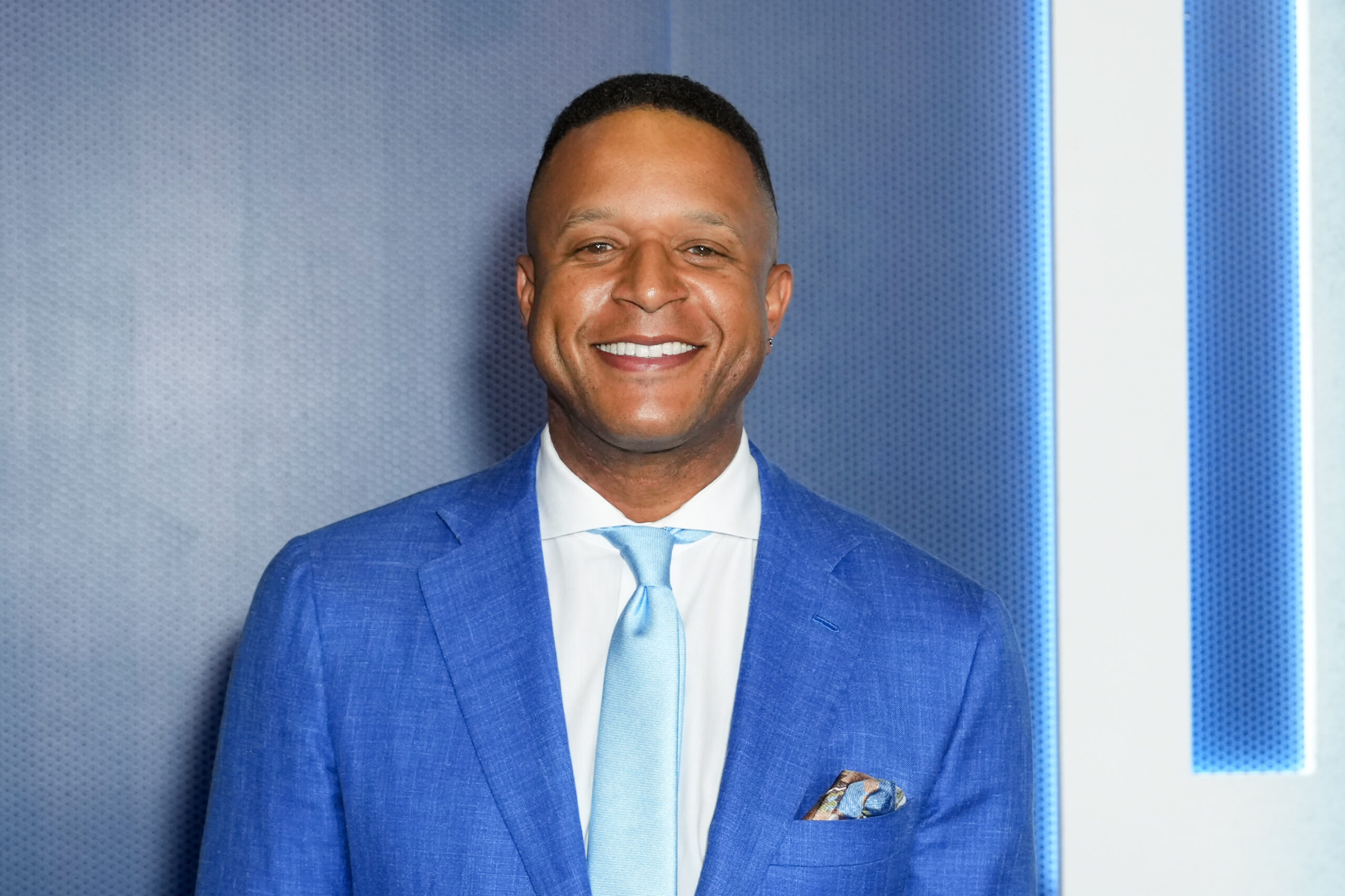
  • Craig Melvin Intruder Incident, ‘Today’ Show Enhances Security

    Craig Melvin Intruder Incident, ‘Today’ Show Enhances Security

    The Incident at NBC Studios

    The ‘Today’ show has implemented stricter security protocols for guests. This decision followed an intruder incident involving host Craig Melvin. The event, which occurred at NBC Studios in New York City, prompted a comprehensive review of existing safety measures. It underscored the persistent challenges in ensuring the safety of public figures and media personalities in publicly accessible environments.

    Broadcast studios, by their nature, often have areas accessible to the public for audience participation and guest appearances. This accessibility presents unique security vulnerabilities. The incident with Craig Melvin brought these vulnerabilities into sharp focus, leading to immediate action from NBC.

    Understanding the Security Breach

    Details surrounding the intruder incident remain closely guarded by NBC. However, reports indicate that an unauthorized individual gained access to an area of NBC Studios. This area was in proximity to where Craig Melvin was working or preparing for a broadcast. The precise nature of the interaction between the intruder and Melvin has not been publicly disclosed.

    The quick response of NBC security personnel was noted. The individual was apprehended, and no physical harm to Melvin or other staff was reported. Yet, the breach itself was sufficient to trigger a significant re-evaluation of security practices across the entire ‘Today’ show operation.

    The Impact on Craig Melvin

    Craig Melvin is a prominent figure on the ‘Today’ show. He co-anchors the third hour of the program and contributes to NBC News and MSNBC. Such public exposure makes individuals like Melvin potential targets. The incident likely caused significant concern for Melvin and his family, as well as his colleagues at NBC.

    Public figures often navigate a complex landscape of celebrity and security risk. This incident serves as a stark reminder of the personal impact such breaches can have, even when physical harm is averted. It also highlights the responsibility of media organizations to protect their on-air talent.

    New Protocols for Guest Safety

    The core of the ‘Today’ show’s response involves stricter security protocols for guests. These new measures aim to prevent future unauthorized access and enhance the overall safety of everyone on set. The changes affect how guests are vetted, escorted, and permitted to move within NBC Studios.

    Previously, certain guest procedures may have allowed for more flexibility. The new protocols likely involve more stringent background checks, clearer identification requirements, and dedicated escort services for all visitors. The goal is to create a more controlled environment without compromising the show’s welcoming atmosphere.

    Enhanced Vetting Procedures

    One key area of modification is the guest vetting process. This now includes more thorough background checks for individuals scheduled to appear on the program. These checks likely extend beyond standard identification verification to include digital footprints and potential threat assessments.

    The show regularly hosts a diverse range of guests, from celebrities and politicians to experts and everyday individuals with compelling stories. Each category presents unique security considerations. The enhanced vetting seeks to address these varied risks more comprehensively.

    Controlled Access and Escort Requirements

    Access control within NBC Studios has also been tightened. Guests are now likely subject to stricter rules regarding where they can go and who must accompany them. This often means dedicated security or production staff will escort guests at all times, from their arrival to their departure.

    The physical layout of broadcast facilities can be complex. Multiple entrances, public areas, and private production spaces all require careful management. The new protocols aim to create clearer boundaries and reduce opportunities for unauthorized movement within the building.

    Broader Implications for Media Security

    The incident at the ‘Today’ show carries broader implications for media organizations. It underscores a persistent and evolving threat landscape facing public figures and their workplaces. Security concerns are not limited to high-profile political figures; they extend to entertainment and news personalities as well.

    Media companies invest heavily in security infrastructure. This includes physical barriers, surveillance systems, and trained personnel. However, human elements, such as guest management and visitor protocols, often represent critical points of vulnerability.

    The Role of Technology in Security

    Technology plays an increasingly vital role in modern security. This includes advanced access control systems, biometric identification, and sophisticated surveillance. The ‘Today’ show’s review may have included an assessment of integrating new technologies to bolster physical security measures.

    However, technology alone cannot solve all security challenges. It must be complemented by robust human protocols and ongoing training for security staff and production teams. The balance between maintaining an open, collaborative environment and ensuring stringent security is a constant challenge for media outlets.

    Protecting On-Air Talent

    The safety of on-air talent is paramount for broadcast networks. Personalities like Craig Melvin are the public face of their organizations. Incidents that threaten their safety can have significant repercussions, impacting morale, public perception, and even the continuity of broadcasting.

    Networks often provide personal security details for their most prominent figures, especially during public appearances or travel. However, incidents occurring within the controlled environment of a studio highlight the need for comprehensive, layered security strategies that address all potential points of vulnerability.

    Historical Context of Media Security

    Security breaches involving media figures are not unprecedented. Throughout history, public figures have faced risks ranging from harassment to more serious threats. The digital age has introduced new dimensions to these challenges, with online threats often preceding or accompanying physical attempts.

    For example, high-profile incidents involving journalists or television personalities have periodically led to security enhancements. These events often serve as catalysts for industry-wide re-evaluations of safety protocols. The incident with Craig Melvin is part of this ongoing narrative.

    Evolving Threat Landscape

    The threat landscape is constantly evolving. Individuals with malicious intent can use various methods to gain access to restricted areas. This includes impersonation, exploiting procedural gaps, or simply overwhelming security points. Media organizations must remain vigilant and adapt their strategies.

    The current environment, marked by increased polarization and public scrutiny, can also contribute to a heightened risk for public figures. The line between public discourse and personal threat can sometimes blur, making robust security measures more critical than ever.

    The ‘Today’ Show’s Commitment to Safety

    The implementation of stricter security protocols reflects the ‘Today’ show’s commitment to the safety of its staff, guests, and audience. This commitment extends beyond mere compliance; it involves a proactive approach to risk management. The show aims to maintain its status as a trusted source of news and entertainment while ensuring a secure environment.

    The incident, while concerning, ultimately led to positive changes. It served as a critical learning experience, prompting NBC to reinforce its defenses against potential threats. The balance between openness and security remains a delicate act for live broadcast productions.

    The ‘Today’ show continues its daily broadcast schedule. Its hosts, including Craig Melvin, continue to deliver news and interviews. The enhanced security measures are now a permanent part of the operational framework, designed to protect all who enter NBC Studios.

    Looking Ahead

    The incident involving Craig Melvin and the subsequent security enhancements at the ‘Today’ show provide a case study in modern media security. It highlights the dynamic nature of threats and the continuous need for vigilance and adaptation.

    Media organizations across the industry will likely observe these changes. They will consider their own protocols in light of this event. The safety of public figures remains a paramount concern.

    Staff members were briefed. Security teams were retrained. Access points were reinforced. Procedures were updated. NBC Studios.


  • Diddy’s Public Altercation: What Happened on July 24, 2026

    Diddy’s Public Altercation: What Happened on July 24, 2026

    Music mogul Sean ‘Diddy’ Combs was reportedly involved in a public altercation on July 24, 2026, an event first brought to public attention by TMZ. This incident marks another public relations challenge for Combs, who has faced increasing scrutiny in recent years regarding various aspects of his personal and professional life.

    The details surrounding the altercation remain under investigation, but initial reports from TMZ suggested a heated exchange that escalated into a physical confrontation in a public setting. The nature of the dispute and the identities of other individuals involved have not been fully disclosed at the time of this report.

    The Incident Unfolds

    The report from TMZ on July 24, 2026, provided the first public accounts of the altercation involving Sean Combs. Specifics regarding the location and time of the incident were not immediately released, but the outlet indicated that the event was significant enough to warrant immediate coverage.

    Witness accounts, if any, have not been independently verified. TMZ’s coverage emphasized exclusive details, suggesting direct access to information or sources close to the situation.

    Public figures like Combs often find their actions scrutinized. Any public incident, particularly one involving physical confrontation, draws immediate media attention and public discussion.

    Immediate Media Reaction

    News of the altercation spread rapidly across entertainment news platforms following TMZ’s initial report. Social media channels buzzed with speculation and commentary.

    The incident quickly became a trending topic, reflecting the public’s sustained interest in celebrity conduct and controversies. Major entertainment news outlets began to pick up the story, citing TMZ as the primary source.

    This rapid dissemination of information underscored the impact of digital media on how celebrity news is consumed and discussed in 2026.

    Sean Combs: A History of Public Scrutiny

    Sean Combs, known widely as Diddy, has maintained a prominent position in the music industry for decades. His career spans music production, record label ownership, fashion, and business ventures.

    Despite his successes, Combs has also been a frequent subject of media attention for non-musical matters. His public life has included various controversies and legal challenges over the years.

    These past incidents contribute to a public narrative that often places Combs under a microscope. Each new event is frequently viewed through the lens of previous occurrences.

    Recent Legal and Public Challenges

    The July 24, 2026, altercation occurs during a period where Combs has faced significant legal and public challenges. These challenges have included lawsuits and allegations that have drawn considerable media coverage.

    In November 2023, musician Cassie Ventura filed a lawsuit against Combs, alleging sexual assault and abuse. This lawsuit was settled out of court within days, but it opened a floodgate of other accusations.

    By early 2024, multiple other lawsuits were filed against Combs, alleging various forms of misconduct. These legal battles have kept Combs in the public eye, often for negative reasons.

    Federal investigations also came to light in March 2024, with Homeland Security Investigations conducting raids on Combs’ properties in Los Angeles and Miami. These investigations were reportedly linked to allegations of sex trafficking and racketeering.

    These ongoing legal and public relations issues have significantly impacted Combs’ public image and business dealings. Several brands and partners reportedly reconsidered their associations with him.

    The Impact on Celebrity Image

    Public altercations involving celebrities can have profound and lasting impacts on their careers and public perception. Such incidents often lead to a reevaluation of their brand by both the public and corporate partners.

    For a figure like Sean Combs, whose brand is built on luxury, success, and influence, any perceived deviation from this image can be damaging. Sponsorships, endorsements, and business ventures can be jeopardized.

    The court of public opinion, often fueled by social media, plays a significant role in shaping how these events are interpreted. Public sentiment can shift rapidly and dramatically.

    Navigating Public Scrutiny in 2026

    In 2026, the landscape of celebrity accountability is more complex than ever. Social media platforms provide immediate avenues for public reaction and commentary.

    Every action of a public figure is subject to instant dissemination and analysis. This environment demands a high degree of scrutiny and careful management of public appearances.

    Celebrities and their teams often employ sophisticated public relations strategies to manage crises. However, the sheer volume and speed of information flow can make this a challenging task.

    The role of entertainment news outlets like TMZ remains crucial in breaking these stories. Their ability to deliver exclusive details often sets the narrative for broader media coverage.

    Future Implications for Diddy

    The July 24, 2026, altercation will likely add another layer to the ongoing public narrative surrounding Sean Combs. It could intensify existing scrutiny and potentially influence ongoing legal processes.

    The music mogul’s business empire, which includes Bad Boy Records, Ciroc vodka, and various fashion lines, could face further pressure. Brand partnerships are particularly sensitive to negative publicity.

    Public perception directly impacts consumer behavior. Any sustained negative sentiment can translate into financial losses for associated businesses.

    Legal repercussions, if any, will depend on the specifics of the altercation and whether formal charges are filed. Public altercations can lead to assault charges, depending on the severity and local laws.

    The Road Ahead

    Sean Combs now faces the task of addressing this latest incident while simultaneously navigating his existing legal and public challenges. His response, or lack thereof, will be closely watched.

    The entertainment industry often shows resilience in the face of controversy. However, a cumulative effect of multiple incidents can be more difficult to overcome.

    Combs’ ability to maintain his status and influence will be tested in the coming months. His actions and statements following this event will be critical.

    The public, the media, and his business partners will all be observing. How he manages this latest public incident will be a defining factor in his immediate future.

    Public figures navigate complex expectations. Media attention follows their every move. Legal scrutiny persists. Public perception solidifies. Sean Combs faces a difficult path.

    New York.