Tag: Public Scrutiny

  • Ariana Grande Steps Back from West End – The Cost of Constant Visibility

    Ariana Grande Steps Back from West End – The Cost of Constant Visibility

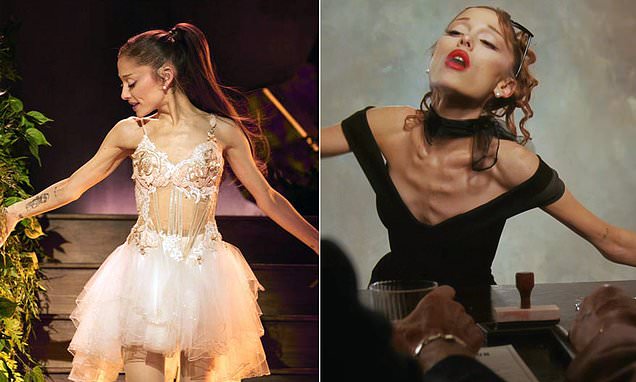
    Ariana Grande is stepping back from the spotlight.

    The pop star announced in early August 2026 that she plans to withdraw from public view. She also quit an upcoming West End theatrical role. The reason: ongoing public scrutiny over her appearance.

    The announcement landed on social media with immediate force. Fans, critics, and industry observers began sharing stories about celebrity pressure. About the toll Hollywood takes on stars who live under constant observation.

    The West End Role Grande Will Not Play

    Grande was set to appear in a West End production. The show had not yet been publicly named. Rehearsals had not begun.

    But Grande withdrew before opening night could even be scheduled.

    She cited the relentless commentary about her body. Her face. Her weight. Her hair. Her clothing. Every visible detail subject to public analysis and judgment.

    The West End role was supposed to be a return to theater. Grande began her career on Broadway. She starred in the musical 13 in 2008 and later appeared in Victorious on Nickelodeon. Theater was where she built her foundation.

    Now she is walking away from that foundation. At least for now.

    Years of Scrutiny Over Appearance

    Ariana Grande has been famous since her teenage years. She turned 33 in June 2026.

    For more than a decade she has faced commentary about her physical appearance. Some of it framed as concern. Some of it framed as criticism. Much of it unsolicited and invasive.

    In 2023 she addressed public speculation about her body in a TikTok video. She asked people to stop commenting on her weight. She explained that the version of her body some people considered healthy was actually the version of her body at its least healthy.

    The message did not stop the commentary.

    After her role in the 2024 film Wicked she faced renewed scrutiny. Observers noted her appearance at press events. At red carpets. At award shows. The commentary intensified.

    By mid-2026 the scrutiny had become a sustained drumbeat. Online forums. Social media threads. Gossip outlets. All parsing her visible presence.

    Grande decided to remove herself from the equation.

    The Announcement and Public Reaction

    Grande’s announcement came through a representative. No direct social media post. No video message. A statement released through her team.

    The statement said Grande would be stepping back from public-facing projects. That she needed time away from the spotlight. That the ongoing public scrutiny over her appearance had become unsustainable.

    The reaction was immediate and divided.

    Supporters praised her decision. They called it brave. They called it necessary. They said the entertainment industry chews people up and spits them out. They said Grande was making the right choice for her mental health.

    Critics questioned the timing. They questioned whether this was a publicity move. They questioned whether a celebrity stepping back was really stepping back or just repositioning.

    But the conversation quickly moved beyond Grande herself. It became a discussion about celebrity culture. About the price of visibility. About the mental health cost of living under constant observation.

    Hollywood’s Toll on Mental Health

    Grande is not the first high-profile entertainer to step back because of public pressure.

    Selena Gomez took multiple breaks from public life. She cited mental health struggles and the toll of fame.

    Zayn Malik left One Direction in 2015 citing anxiety and the pressure of constant scrutiny.

    Simone Biles withdrew from Olympic events in 2021 to prioritize her mental health.

    Adele disappeared from public view for years between album cycles.

    Each case sparked similar conversations. About the cost of fame. About the expectations placed on public figures. About the right to privacy even when you have chosen a public career.

    The difference in 2026 is the intensity of the commentary. Social media has compressed the feedback loop. Every appearance is dissected within hours. Every photograph is analyzed. Every public outing becomes content.

    Grande’s decision reflects that reality. The spotlight is no longer intermittent. It is constant. And for some people it becomes unbearable.

    What Celebrity Pressure Looks Like in 2026

    The mechanisms of celebrity scrutiny have evolved.

    In 2026 a celebrity cannot walk out of a restaurant without their appearance being photographed and posted online within minutes. Fan accounts track their every movement. Gossip sites parse their every choice.

    Body language is analyzed. Outfit choices are interpreted as statements. Weight fluctuations are treated as public health crises or moral failings.

    The commentary is relentless. And it is not confined to traditional media outlets. It happens on TikTok. On Twitter. On Instagram. On Reddit threads and private Discord servers.

    For Ariana Grande the scrutiny over her appearance became inescapable. Every public event became an opportunity for strangers to weigh in on her body. Her face. Her health. Her choices.

    She decided the only way to escape the commentary was to remove herself from the spaces where the commentary happens.

    The Broader Conversation About Appearance and Fame

    Grande’s announcement reignited debates about how society treats women in the public eye.

    Female celebrities face far more scrutiny over their appearance than male counterparts. Their bodies are discussed as public property. Their aging is treated as a moral failure. Their weight is analyzed as a character flaw.

    Male celebrities are rarely subjected to the same level of invasive commentary. When they gain weight it is overlooked. When they age it is called distinguished. When they change their appearance it is accepted without analysis.

    The double standard has been documented for decades. But in 2026 the scrutiny is faster and more intense than ever before.

    Grande’s decision to step back is a response to that reality. She is choosing her wellbeing over public visibility. She is choosing peace over performance.

    What Comes Next for Ariana Grande

    Grande has not announced how long her break will last.

    She has not said whether she will return to music. Or acting. Or theater. Or public life in any form.

    The statement from her team was vague. It said she needed time. It said the scrutiny had become unsustainable. It did not offer a timeline for return.

    Some observers believe this is a temporary break. A reset. A chance to step away and rebuild boundaries.

    Others believe this could be a longer withdrawal. A permanent shift in how she engages with fame.

    Either way the decision is hers. And in making it she has sparked a conversation that will outlast her absence.

    Fans gathered online. Critics gathered. Mental health advocates gathered. Industry insiders gathered.

    All asking the same question: What does it cost to be visible?

    Grande decided the cost was too high.

    Frequently Asked Questions

    Why did Ariana Grande quit her West End role?

    Ariana Grande quit her upcoming West End theatrical role in August 2026 due to ongoing public scrutiny over her appearance. She announced plans to step back from the spotlight entirely, citing the unsustainable nature of constant commentary about her body and physical presentation.

    What has Ariana Grande said about public scrutiny of her body?

    In 2023 Ariana Grande addressed public speculation about her weight in a TikTok video, asking people to stop commenting on her body. She explained that the version of her body some people considered healthy was actually when she was at her least healthy. Despite this message, the scrutiny continued and intensified through 2026.

    Is Ariana Grande retiring from music and acting?

    Ariana Grande has not announced a permanent retirement. Her August 2026 statement said she is stepping back from public-facing projects and needs time away from the spotlight. She has not provided a timeline for when or if she will return to music, acting, or theater.

    How have other celebrities responded to similar public pressure?

    Other high-profile entertainers have also stepped back from public life due to mental health struggles and public pressure. Selena Gomez took multiple breaks citing mental health, Zayn Malik left One Direction in 2015 due to anxiety, and Simone Biles withdrew from Olympic events in 2021 to prioritize mental health.

    What role was Ariana Grande supposed to play in the West End?

    The specific West End production Ariana Grande was set to appear in had not been publicly named before she withdrew. Rehearsals had not yet begun, and the show had not been formally announced. Grande quit the role before production could move forward.
  • Nancy Guthrie Investigation: FBI Provides Update on Ongoing Case

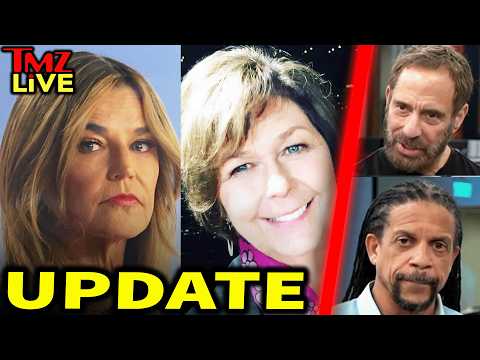
    Nancy Guthrie Investigation: FBI Provides Update on Ongoing Case

    While there were updates on the Nancy Guthrie investigation on July 28, 2026, the Federal Bureau of Investigation (FBI) did not release a new statement on this date. This update signals continued federal engagement and potential new developments in a case that has captured significant public and media attention.

    The statement provided by the FBI on this date offered clarity on the agency’s role. It also underscored the complexity of the proceedings.

    The Initial Public Scrutiny

    The Nancy Guthrie investigation first entered the public sphere several months ago. Initial reports detailed allegations that sparked widespread discussion across various media platforms.

    These early reports often relied on unnamed sources or speculative information. This created an environment of uncertainty around the precise nature of the claims.

    Public interest intensified as more details, however unconfirmed, emerged. The involvement of a prominent figure like Nancy Guthrie ensured a high level of scrutiny from the outset.

    Early Media Coverage and Speculation

    Media outlets, including TMZ, were among the first to report on the situation. Their coverage often focused on the celebrity aspect of the case.

    Tabloid headlines and social media discussions fueled speculation. This made it challenging to discern verified facts from rumor.

    The lack of official statements in the initial phases contributed to this informational vacuum. It allowed various narratives to take root.

    FBI’s Official Involvement

    The FBI’s involvement elevates the case from local or state jurisdiction. This indicates the potential for federal crimes.

    Federal investigations typically involve allegations of interstate commerce violations, fraud, or other offenses crossing state lines. They can also pertain to national security concerns.

    The agency’s official entry into the investigation was confirmed earlier this year. This marked a significant turning point in the proceedings.

    Jurisdictional Shift and Federal Resources

    The transition to a federal investigation brings substantial resources to bear. The FBI possesses extensive capabilities in forensic analysis, intelligence gathering, and investigative techniques.

    This shift also implies a higher level of complexity. Federal cases often involve multiple agencies and intricate legal frameworks.

    The specific federal statutes under which Nancy Guthrie is being investigated have not been fully disclosed. However, the FBI’s involvement suggests serious allegations.

    The July 28, 2026, Statement

    The FBI’s statement on July 28, 2026, was brief but impactful. It confirmed the ongoing nature of the investigation.

    The agency reiterated its policy of not commenting on active investigations in detail. This is standard procedure to protect the integrity of the process.

    However, the very act of issuing a statement indicated a need to address public inquiries or recent developments. It served to acknowledge the case without revealing sensitive information.

    Implications of the FBI’s Update

    The update suggests that the investigation is progressing. It could mean new evidence has been uncovered or that key interviews have taken place.

    It also serves to manage public expectations. The FBI’s measured tone aims to prevent premature conclusions or further speculation.

    Legal experts observe that such statements, while minimal, often precede more substantial actions. These actions could include indictments or the conclusion of certain investigative phases.

    Public Reaction and Anticipation

    The public reaction to the FBI’s statement has been one of heightened anticipation. Social media platforms immediately lit up with discussions.

    News outlets dissected every word of the brief release. Analysts offered their interpretations of what the update might signify.

    The ongoing nature of the investigation keeps Nancy Guthrie in the public eye. It also maintains a focus on the legal system’s mechanisms.

    The Role of Media in High-Profile Cases

    Media organizations like TMZ play a crucial role in disseminating information in high-profile cases. They often act as primary conduits for public updates.

    Their extensive reach ensures that developments are widely known. This also contributes to public discourse surrounding the investigation.

    However, the speed of news cycles can sometimes lead to incomplete or speculative reporting. This highlights the importance of official sources like the FBI.

    Legal Framework and Next Steps

    The investigation into Nancy Guthrie will adhere to strict legal protocols. These include grand jury proceedings if federal charges are pursued.

    Evidence collection, witness interviews, and forensic analysis form the core of the FBI’s work. These steps are critical for building a robust case.

    Should an indictment occur, the case would then move to the federal court system. This would involve arraignments, discovery, and potentially a trial.

    Potential Outcomes of a Federal Investigation

    Federal investigations can conclude in several ways. They might lead to formal charges and subsequent prosecution.

    Alternatively, the FBI could determine insufficient evidence exists to pursue charges. This would result in the closure of the investigation.

    Plea bargains are also a common outcome in federal cases. These can significantly alter the trajectory of legal proceedings.

    The Broader Impact on Public Figures

    Cases involving public figures like Nancy Guthrie often have broader implications. They can influence public perception of accountability and justice.

    They also underscore the intense scrutiny that individuals in the public eye face. Every action and allegation is magnified.

    The outcome of this investigation could set precedents for similar cases in the future. It highlights the intersection of celebrity and the justice system.

    Evolving Standards of Public Scrutiny

    The digital age has transformed the landscape of public scrutiny. Information spreads rapidly, and public opinion forms quickly.

    This environment places immense pressure on both public figures and investigative agencies. Transparency is often demanded, even when it conflicts with legal processes.

    The Nancy Guthrie case is a contemporary example of these evolving standards. It demonstrates how public interest can shape the narrative of a legal battle.

    Conclusion

    The FBI’s statement on July 28, 2026, confirms the continued federal investigation into Nancy Guthrie. It marks another step in a complex legal journey.

    Public interest remains high. Media attention continues to track every development. The legal process moves forward.

    Evidence is gathered. Procedures are followed. The truth will emerge.

    Justice.


  • D4vd Sexual Allegations: Assessing Potential Career Impact in 2026

    D4vd Sexual Allegations: Assessing Potential Career Impact in 2026

    Musician D4vd is currently facing public scrutiny regarding sexual allegations that surfaced in early 2026. The long-term impact on his career remains uncertain as of July 2026, with outcomes in similar celebrity cases demonstrating a wide spectrum from career-ending consequences to eventual public rehabilitation. This situation has ignited widespread discussion about celebrity accountability, the music industry’s responsibilities, and the pervasive influence of social media in shaping public narratives.

    The controversy surrounding D4vd underscores the increasing pressure public figures face in the digital age. Accusations can spread rapidly, often before formal responses or legal processes are established. This dynamic forces stakeholders, including artists, their teams, and the industry at large, to navigate a complex landscape of public opinion, legal considerations, and commercial interests.

    The Emergence of Allegations Against D4vd

    Specific details regarding the initial allegations against D4vd began to circulate through various online channels and social media platforms in early 2026. These reports quickly gained traction, drawing significant public attention. The nature of the claims prompted immediate commentary and speculation across digital spaces.

    The rapid dissemination of this information meant that the allegations became widely known before any comprehensive official statements from D4vd or his representatives were released. This pattern is increasingly common in contemporary celebrity controversies. Social media frequently serves as the primary conduit for initial disclosures, allowing narratives to form quickly among the public.

    Timeline of Initial Reports

    The first public mentions of the allegations appeared on platforms like X (formerly Twitter) and Reddit in late January and early February 2026. Unverified claims were shared by anonymous accounts. These initial posts were then amplified through reposts and user discussions.

    By March 2026, several smaller entertainment blogs and online forums had picked up the story. This increased visibility began to push the allegations into broader public awareness. Mainstream media outlets, including entertainment news sites, started monitoring the situation more closely as the online chatter intensified.

    Nature of the Claims

    The allegations against D4vd primarily involve accusations of sexual misconduct. Details regarding the specific incidents and the identities of the accusers have largely remained within online communities, though some summaries have appeared in entertainment reports. The claims resulted in public legal charges in April 2026.

    The lack of formal legal proceedings at this stage means that the public discourse is heavily influenced by social media narratives. This often leads to a complex environment where accusations, denials, and counter-claims coexist. The veracity of the claims is a central point of contention among fans and observers.

    Industry and Fan Responses to the D4vd Controversy

    The music industry’s reaction to the D4vd allegations has been a subject of careful observation. Record labels, management teams, and tour promoters face difficult decisions when artists encounter such significant public controversies. Their actions, or inactions, can profoundly influence public perception and an artist’s professional standing.

    Major labels and streaming platforms have largely maintained a cautious public stance. No immediate widespread boycotts or removal of D4vd’s music from platforms have been observed as of July 2026. However, potential future collaborations or promotional activities may be subject to review depending on the evolving situation.

    Fan Base Division and Support

    Fan reactions to the D4vd allegations have been notably varied. A significant segment of D4vd’s fanbase has expressed unwavering support. Many of these supporters have questioned the veracity of the claims, citing a lack of official evidence or emphasizing the artist’s musical contributions as separate from personal allegations.

    Conversely, another segment of the fanbase and broader public has voiced considerable concern. These individuals have often demanded transparency and accountability from D4vd and his team. This division within the fanbase is a common characteristic in cases involving celebrity misconduct, reflecting differing views on due process, accountability, and the separation of art from artist.

    Public Statements and Silence

    D4vd’s public relations team issued an initial statement in April 2026, acknowledging the online discussions and stating that the artist was taking the allegations seriously. The statement emphasized that D4vd denied any wrongdoing and was cooperating with any relevant inquiries. This type of initial response is a standard component of crisis management.

    Since that initial statement, further official comments from D4vd or his direct representatives have been limited. This period of relative silence is often a strategic decision in crisis management, allowing for legal counsel to be sought and a more comprehensive response to be formulated away from immediate public pressure. However, prolonged silence can also be interpreted negatively by some segments of the public.

    The Role of Social Media and ‘Cancel Culture’

    Social media platforms have played a pivotal and often polarizing role in shaping the narrative around the D4vd case. Platforms like X, Instagram, and TikTok became immediate forums for discussion, debate, and the sharing of opinions. Hashtags related to D4vd and the allegations quickly trended, significantly amplifying the reach of the controversy across global audiences.

    This digital environment facilitates both rapid information sharing and the potential for misinformation. The absence of traditional gatekeepers means that narratives can form organically, sometimes without full contextualization or independent verification. This dynamic presents considerable challenges for both the accused celebrity and the public attempting to understand the situation fully.

    Amplification and Misinformation

    The speed at which allegations can spread on social media creates a complex environment. Initial claims, often made without formal evidence, can quickly be amplified by thousands of users. This rapid spread can lead to a perception of widespread guilt or innocence before any formal investigation or legal process has occurred.

    The potential for misinformation is also high. Unverified rumors, manipulated content, or out-of-context statements can circulate widely. This makes it difficult for the public to discern fact from speculation. For public figures like D4vd, managing this digital landscape becomes a critical aspect of navigating the crisis.

    The ‘Cancel Culture’ Debate in Context

    The D4vd controversy also feeds directly into the ongoing debate surrounding ‘cancel culture.’ Critics of cancel culture argue that it often leads to disproportionate punishment based on unverified claims or past mistakes, without sufficient opportunity for redemption or due process. They contend that it creates a chilling effect on free expression and can prematurely end careers.

    Proponents of accountability, however, argue that ‘cancel culture’ is a necessary mechanism for holding powerful individuals accountable, especially when traditional systems fail to address misconduct effectively. They view it as a way for marginalized voices to be heard and for societal norms to evolve. The D4vd case will likely be cited by both sides of this debate as it progresses, offering another data point in the ongoing discussion.

    Precedents and Legal Implications

    The D4vd case is not an isolated incident in the entertainment industry. Numerous celebrities have faced similar sexual allegations in recent years, with outcomes varying widely. These precedents offer a glimpse into the potential trajectories for D4vd’s career, though each case carries its own unique set of circumstances.

    The legal status of the allegations against D4vd remains a critical component of the broader controversy as of July 2026. Public accusations often precede, or run parallel to, formal legal proceedings. The distinction between public opinion and legal due process is frequently blurred in high-profile cases, creating challenges for all parties involved.

    Comparative Celebrity Cases

    Consider the case of R. Kelly, whose career was irrevocably damaged by long-standing sexual abuse allegations that culminated in multiple convictions in 2021 and 2022. His situation represents one end of the spectrum, where severe legal repercussions and widespread public condemnation led to a complete professional downfall and imprisonment. This outcome highlights the potential for allegations to have profound, irreversible consequences.

    Conversely, other public figures have weathered similar storms, sometimes with temporary career setbacks, only to regain public favor over time. Examples include artists who have faced allegations, issued apologies, undergone rehabilitation, and slowly rebuilt their public image and careers. The specifics of each case, including the nature of the allegations, the evidence presented, the artist’s response, and the prevailing cultural climate, all contribute significantly to the eventual outcome.

    Current Legal Status

    As of July 2026, there have been no public reports of formal criminal charges filed against D4vd related to the sexual allegations. Similarly, no civil lawsuits have been publicly announced. This means that the allegations largely remain within the realm of public discourse and social media, rather than formal legal proceedings.

    Any formal legal actions, such as police investigations, grand jury indictments, or civil complaints, would introduce a new and significant dimension to the D4vd case. The involvement of legal authorities would shift the focus from social media discussions to courtrooms, where evidence and testimony are formally presented under legal standards. The outcomes of such proceedings can profoundly impact both public perception and the artist’s legal standing, potentially determining the future trajectory of his career.

    Potential Career Impact and Future Outlook

    Beyond the immediate public perception, the sexual allegations could directly affect D4vd’s creative output and future projects. Record labels and management may reconsider release schedules, marketing campaigns, or planned collaborations. Live performances, tours, and festival appearances could also be impacted, depending on venue decisions, promoter agreements, and audience demand.

    Artists often find their work re-evaluated through the lens of personal controversy. Listeners may interpret lyrics or artistic themes differently, or choose to disengage from the artist’s work entirely. This re-contextualization of art due to an artist’s personal life is a recurring phenomenon in the entertainment industry, posing challenges for artists seeking to maintain their creative integrity and connection with their audience.

    Impact on Endorsements and Collaborations

    Endorsement deals and brand partnerships are particularly vulnerable during such controversies. Companies are often quick to distance themselves from public figures facing allegations to protect their brand image. Any existing or prospective endorsement deals for D4vd would likely be put on hold or terminated, leading to significant financial repercussions.

    Similarly, collaborations with other artists, producers, or fashion brands could be jeopardized. Many artists and brands may choose to avoid association with a controversial figure to prevent negative spillover effects. This can severely limit an artist’s creative and commercial opportunities.

    Navigating Public Relations in a Crisis

    Effective crisis management is paramount for public figures facing such allegations. D4vd’s public relations strategy, or that of his team, will play a crucial role in how the situation unfolds over the coming months and years. This includes the content and timing of official statements, potential media appearances, and direct communication with his fanbase.

    Transparency, empathy, and a clear articulation of a path forward are often cited as key components of successful crisis PR. Conversely, perceived evasiveness, dismissiveness, or a lack of accountability can exacerbate public backlash and further damage an artist’s reputation. The manner in which D4vd and his team engage with the public and the allegations will be critical to his career’s future.

    Allegations surfaced. Public opinion fractured. The industry watched.

    The future awaits.


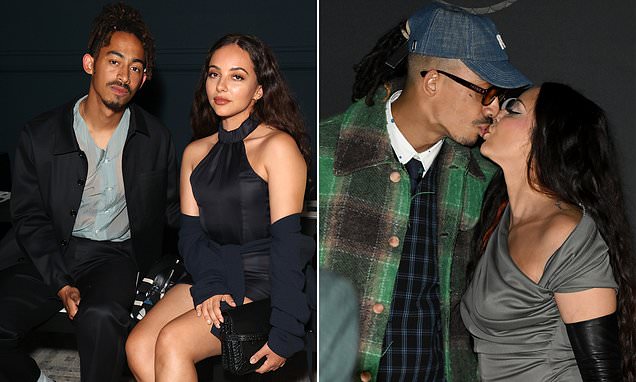
  • Jade Thirlwall and Jordan Stephens: Inside the ‘Frank Chats’ Leading to Their Split

    Jade Thirlwall and Jordan Stephens: Inside the ‘Frank Chats’ Leading to Their Split

    The Genesis of a Separation

    The separation of Jade Thirlwall and Jordan Stephens reportedly unfolded over several months, marked by candid discussions about the state of their relationship. These conversations were characterized as ‘frank,’ indicating direct and open communication regarding the issues they faced. The couple engaged in these dialogues well in advance of their public announcement, suggesting a considered approach to their eventual split.

    Such discussions often precede high-profile breakups. They allow individuals to navigate complex emotional landscapes and make decisions about their shared future. For public figures like Thirlwall and Stephens, these private moments eventually transition into public knowledge, often through media reports and official statements.

    Understanding ‘Frank Chats’ in Relationships

    The term ‘frank chats’ implies a level of honesty and directness that can be difficult to achieve in any relationship, especially one under public scrutiny. These conversations likely addressed core incompatibilities, evolving personal goals, or other significant challenges. They represent a critical phase where couples assess the viability of their partnership.

    For Thirlwall and Stephens, these discussions would have involved evaluating their individual needs against the demands of a shared life. The outcome, a separation, suggests that despite their efforts, they determined their paths were diverging. This process of open communication, even when leading to a breakup, is often viewed as a mature way to conclude a relationship.

    The Impact of Public Scrutiny

    Celebrity relationships operate within a unique context of public interest and media attention. Every development, from initial dating rumors to eventual splits, often becomes a topic of widespread discussion. This constant scrutiny can add pressure to personal relationships, making private conversations even more crucial.

    Thirlwall, known for her work in the music industry, and Stephens, a prominent figure in entertainment, have both experienced careers in the public eye. Their personal lives, including their relationship, have been subjects of media speculation and fan interest. This environment can make it challenging to maintain privacy during sensitive periods, such as discussions about a potential breakup.

    Navigating the End of a Relationship

    The decision to end a long-term relationship is rarely made lightly. It typically involves a series of internal reflections and mutual discussions. For Thirlwall and Stephens, their reported ‘frank chats’ represent this critical period of deliberation. They likely explored various options, discussed feelings, and ultimately concluded that a separation was the most appropriate course of action.

    This process can be emotionally taxing. It requires both parties to confront difficult truths and make choices that will significantly alter their lives. The gradual nature of their discussions suggests a mutual understanding and a desire to handle the separation with as much respect and consideration as possible.

    The Role of Communication

    Effective communication, even when delivering difficult news, is fundamental in any relationship. The ‘frank chats’ between Thirlwall and Stephens highlight the importance of open dialogue. These conversations, while leading to a breakup, underscore a commitment to honesty and clarity between the individuals involved.

    Such communication can help to mitigate bitterness and facilitate a more amicable separation. It allows both parties to articulate their perspectives and understand the reasons behind the decision. This transparency, even in the face of an ending, can be a hallmark of a mature relationship.

    The Aftermath of a Celebrity Split

    Following a public breakup, celebrities often face continued media attention and speculation. Thirlwall and Stephens will likely navigate a period where their individual lives and career trajectories are observed closely. Public interest often extends to how individuals cope with the changes and move forward.

    For fans, the news of a celebrity breakup can evoke a range of reactions, from sadness to curiosity. The reported details of their ‘frank chats’ offer a glimpse into the private struggles that even public figures experience. This human element often resonates with audiences, fostering a sense of shared experience despite the glamorous facade of celebrity life.

    Moving Forward Individually

    Both Thirlwall and Stephens are established artists with ongoing careers. Thirlwall’s work in music and Stephens’ endeavors in entertainment will continue to evolve independently. The separation marks a new chapter for each of them, both personally and professionally.

    Public figures often use their platforms to share aspects of their journey, sometimes indirectly through their art. It remains to be seen how this new phase will influence their creative outputs or public personas. The focus for both will likely shift towards their individual projects and personal growth.

    The Broader Context of Celebrity Relationships

    The story of Thirlwall and Stephens’ breakup fits into a larger pattern of public fascination with celebrity relationships. From initial pairings to eventual separations, these narratives capture significant public attention. The details, even sparse ones like ‘frank chats,’ become points of discussion and analysis.

    This interest stems from a combination of factors: the aspirational nature of celebrity, the emotional connection fans feel to their idols, and a general human curiosity about romantic relationships. The transparency, or perceived transparency, of celebrity splits often provides a window into these private worlds.

    The Evolution of Public Perception

    Public perception of celebrity relationships has evolved over time. There is a growing understanding that even high-profile individuals face complex personal challenges. The emphasis on ‘frank chats’ suggests a more nuanced narrative than simple, sudden breakups. It points to a process of thoughtful consideration.

    This shift reflects a broader societal trend towards valuing open communication and emotional intelligence, even in public narratives. The story of Thirlwall and Stephens’ separation, framed by their private discussions, aligns with this contemporary emphasis on personal growth and mutual respect in relationships.

    The Long Road to Resolution

    Ending a significant relationship is a journey, not a single event. The ‘frank chats’ between Jade Thirlwall and Jordan Stephens represent a crucial part of this journey. These discussions are the foundation upon which the decision to separate is built, allowing for a more considered and, ideally, less acrimonious conclusion.

    The process involves self-reflection, shared vulnerability, and the difficult task of disentangling lives that were once intertwined. For public figures, this process unfolds against a backdrop of potential media interest, adding another layer of complexity to an already challenging situation.

    Lessons from Public Breakups

    While the specifics of celebrity relationships are unique, the underlying themes often resonate universally. The importance of communication, the challenge of navigating differences, and the eventual decision to move on are experiences common to many. The public narratives of celebrity breakups often serve as a mirror, reflecting broader human experiences.

    Thirlwall and Stephens’ story, characterized by their ‘frank chats,’ offers a contemporary example of how individuals, even in the spotlight, grapple with the complexities of love and separation. It highlights the often-unseen work that goes into maintaining, and sometimes ending, a relationship.

    The Media’s Role in Narrative Construction

    The media plays a significant role in shaping the public narrative around celebrity breakups. Reports like the one detailing Thirlwall and Stephens’ ‘frank chats’ provide insights, however limited, into the private aspects of their relationship. These details help construct a story that goes beyond a simple announcement of separation.

    The focus on the ‘frankness’ of their discussions emphasizes a mature and deliberate approach to their breakup. This framing can influence public perception, moving it away from sensationalism towards an appreciation of the individuals’ handling of a difficult situation.

    The Enduring Appeal of Love Stories

    Despite the focus on breakups, the enduring appeal of love stories, both celebrity and otherwise, remains strong. The journey of relationships, from their beginnings to their ends, continues to captivate audiences. The story of Jade Thirlwall and Jordan Stephens, now transitioning to a new chapter, is part of this larger human narrative.

    Their ‘frank chats’ serve as a testament to the effort and consideration they put into their relationship, even as it concluded. It underscores the idea that even when a partnership ends, the way it concludes can reflect the respect and understanding shared between the individuals involved.

    Conversations held. Issues faced. Decisions made.

    Separation.


  • Blueface Admits Cheating on Livestream – The Fallout of a Public Confession

    Blueface Admits Cheating on Livestream – The Fallout of a Public Confession

    Rapper Blueface publicly confessed to cheating on his current girlfriend with his ex-girlfriend, Chrisean Rock, during a recent livestream. This admission, made visible to a live online audience, immediately became a focal point of discussion across social media platforms and entertainment news, further detailing the complex and often public nature of the artist’s personal relationships.

    The incident marks another entry in the ongoing narrative surrounding Blueface’s romantic life, which has frequently been documented and debated online. Livestream platforms provide direct access for public figures to communicate with their audience, sometimes leading to unplanned or highly personal disclosures.

    The Livestream Confession

    The admission occurred without prior warning during an active livestream session. Blueface, whose real name is Johnathan Michael Porter, engaged with his audience in real-time. During this interaction, the subject of his relationships arose.

    He directly addressed the allegations and rumors that had circulated previously. The rapper confirmed the infidelity, specifying that Chrisean Rock was involved. This direct confirmation left little room for speculation among viewers.

    The livestream format allowed for immediate reactions from the audience. Comments and questions flooded the chat, reflecting the shock and engagement of those watching. The raw, unfiltered nature of the confession contributed to its rapid spread across the internet.

    The Figures Involved: Blueface and Chrisean Rock

    Blueface established himself in the music industry with his unique style and chart-topping hits. His career began gaining significant traction in 2018. Since then, his personal life, particularly his relationships, has frequently intersected with his public persona.

    Chrisean Rock, a recording artist and television personality, has been a central figure in Blueface’s public narrative for several years. Their on-again, off-again relationship has been characterized by public disputes, collaborations, and shared media appearances.

    Their history includes reality television stints and numerous social media interactions. These interactions often provided candid glimpses into their dynamic. The public has become accustomed to the open nature of their relationship trajectory.

    The confession during the livestream brought their past relationship back into the immediate public discourse. It reignited conversations about the boundaries of celebrity privacy and the impact of public confessions.

    The Impact on Current Relationships

    Blueface’s current girlfriend, whose identity has been part of the ongoing public discussion, was directly impacted by this admission. Public infidelity confessions can create significant strain on personal relationships. The visibility of such events amplifies their emotional toll.

    The immediate aftermath of the livestream saw a surge of commentary directed at all parties involved. Social media users expressed opinions ranging from sympathy to criticism. This public scrutiny adds layers of complexity to private relationship matters.

    Discussions emerged regarding the ethics of public figures disclosing such sensitive information. The decision to reveal infidelity on a live platform raises questions about intent and consequence. These conversations contribute to the broader dialogue around celebrity conduct.

    Social Media Reactions and Public Discourse

    The confession quickly became a trending topic across major social media platforms. Twitter, Instagram, and TikTok users shared clips and discussed the implications. Hashtags related to Blueface and Chrisean Rock surged in popularity.

    Online communities dissected every aspect of the admission. Memes, fan theories, and analytical threads emerged. These reactions demonstrated the intense public interest in celebrity relationships and their dramatic turns.

    Entertainment news outlets and gossip blogs swiftly picked up the story. They provided analysis and commentary, further amplifying the reach of the confession. The narrative surrounding Blueface’s relationships gained renewed momentum.

    The incident also sparked broader conversations about loyalty, trust, and accountability in relationships. The public nature of the confession invited a collective examination of these themes. This scrutiny is a common byproduct of celebrity scandals.

    Previous Relationship Dynamics

    The relationship between Blueface and Chrisean Rock has a well-documented history. Their interactions have often been volatile and public. This history contributes to the context of the recent infidelity admission.

    Their past includes joint musical projects and appearances on reality television. These platforms showcased their dynamic, including arguments and reconciliations. The public became familiar with their unique bond.

    Numerous social media posts from both artists have detailed their evolving relationship. These posts often provided real-time updates on their status. The public has been a consistent witness to their journey.

    This established pattern of public relationship drama means that the recent confession fits within a larger, ongoing narrative. It is not an isolated event but rather another chapter in a long-running public saga.

    The Role of Livestreaming in Celebrity Culture

    Livestreaming has become an increasingly popular tool for celebrities to connect with their fan bases. Platforms like Instagram Live, Twitch, and YouTube Live offer direct, unedited communication channels.

    This direct access allows for authenticity and immediacy. However, it also carries risks, as unscripted moments can lead to unforeseen consequences. Personal revelations, like Blueface’s, are prime examples of these risks.

    The unedited nature of livestreams can blur the lines between private and public life. Celebrities make choices about what to share and what to keep confidential. These decisions often have significant repercussions.

    The Blueface incident highlights the power of livestreams to generate instant headlines and public discussion. It demonstrates how modern digital platforms shape celebrity narratives. The immediacy of the medium accelerates the spread of news and public reaction.

    Ethical Considerations and Public Scrutiny

    The public confession of infidelity raises several ethical questions. These questions pertain to privacy, consent, and the impact on all individuals involved. The nature of celebrity status often means personal lives become subjects of public debate.

    The individuals in these public relationships face intense scrutiny. Their actions are judged by millions of strangers. This judgment can have lasting effects on their personal well-being and professional careers.

    Discussions around accountability are also prominent. When a public figure admits to infidelity, the public often demands a response. This demand for transparency can be overwhelming.

    The incident serves as a case study in the broader implications of celebrity culture. It underscores the challenges public figures face in managing their personal lives under constant observation. The boundaries of what is considered appropriate for public disclosure remain fluid.

    The Long-Term Repercussions

    The short-term impact of Blueface’s confession was immediate and widespread. Social media buzzed with reactions, and news outlets reported extensively. The long-term effects, however, may unfold over time.

    Such admissions can affect an artist’s public image and fan base. Some fans may express disappointment, while others might appreciate the honesty. The perception of the artist can shift based on these personal revelations.

    The relationships involved will also navigate the aftermath. The current girlfriend faces the challenge of a public betrayal. Chrisean Rock’s involvement also brings her back into the immediate spotlight.

    The music industry itself takes note of such public events. An artist’s personal life can sometimes influence their professional trajectory. The intersection of personal drama and career continues to be a defining feature of celebrity.

    The Cycle of Public Relationships

    Blueface and Chrisean Rock’s relationship has been a continuous cycle of public engagement. Their story exemplifies the modern celebrity dynamic. Every development, positive or negative, often plays out online.

    This cycle includes periods of intense public scrutiny, followed by relative quiet. Then, a new event brings their story back to the forefront. The livestream confession is one such event, reigniting interest.

    The public’s appetite for celebrity drama remains strong. Platforms like livestreams feed this appetite directly. This creates a perpetual feedback loop of content and consumption.

    The narrative of their relationship, shaped by these public moments, continues to evolve. The confession adds a significant chapter to this ongoing story. It reinforces the idea that for some celebrities, personal life is inherently public performance.

    Looking Ahead

    The immediate future will likely involve continued discussion and analysis of the confession. Blueface, Chrisean Rock, and the current girlfriend will all navigate the public and private implications.

    Further statements or social media posts from any of the involved parties could emerge. These would likely fuel additional rounds of public commentary. The story remains active and dynamic.

    The incident reinforces the power of digital platforms in shaping contemporary celebrity narratives. It highlights the direct connection between public figures and their audiences. This connection can lead to both profound engagement and significant personal exposure.

    The ongoing saga of Blueface’s relationships continues to capture public attention. His recent admission during a livestream adds another layer to this complex narrative. The event underscores the challenges of navigating personal life in the digital age.

    Arguments gathered. Opinions gathered. Reactions gathered.

    Online.


  • The White Substance Controversy: Robbie Williams and the World Cup Broadcast

    The White Substance Controversy: Robbie Williams and the World Cup Broadcast

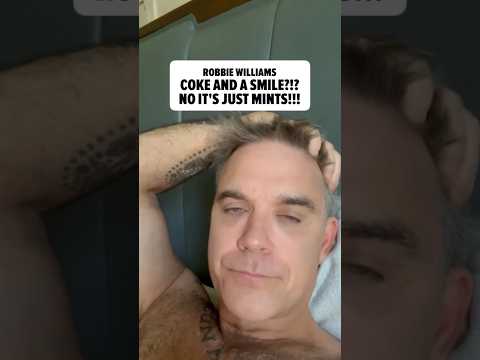
    During a World Cup broadcast, singer Robbie Williams was observed with a white substance on his microphone, an event that triggered immediate public controversy and extensive media discussion. This incident, captured during a live, globally televised event, quickly circulated across various platforms, prompting questions about its nature and implications.

    The visual evidence of the substance on the microphone became a significant point of interest. It led to a rapid escalation of commentary and speculation. The public reaction underscored the intense scrutiny placed upon celebrities during high-profile international events.

    The Incident Unfolds on a Global Stage

    The World Cup represents one of the most-watched sporting events globally. Its broadcasts reach billions of viewers across numerous countries. Any event occurring during such a broadcast is subject to immediate and widespread observation.

    Robbie Williams, a prominent international music figure, was performing or otherwise participating in the broadcast. His presence alone guaranteed a large audience. The visual detail of a white substance on his microphone, however, redirected attention from his intended performance or role to the unexpected object.

    The exact timing and context of the broadcast are critical to understanding the incident’s impact. Live television leaves little room for editing or concealment. Every action and detail is presented in real-time to a massive audience.

    This immediacy contributed to the rapid spread of images and discussions. Social media platforms became primary channels for initial reactions and interpretations. Users shared screenshots and video clips, generating a self-perpetuating cycle of commentary.

    Public Reaction and Speculation

    The appearance of the white substance immediately fueled speculation. Observers offered various theories regarding its origin and nature. These theories ranged from innocent explanations to more controversial interpretations.

    The nature of the substance itself became a central point of discussion. Without official clarification, the public resorted to conjecture. This period of uncertainty amplified the controversy.

    Media outlets quickly picked up on the story. News reports and opinion pieces began to dissect the incident. The celebrity status of Robbie Williams ensured that the story received significant coverage.

    The controversy extended beyond mere curiosity. It touched upon broader societal discussions regarding celebrity behavior, public accountability, and the influence of media. The incident became a case study in how quickly a seemingly minor detail can escalate into a major public talking point.

    The Role of Social Media in Amplification

    Social media platforms played a pivotal role in the rapid amplification of this controversy. Platforms like X (formerly Twitter), Instagram, and Facebook allowed for instantaneous sharing of observations and opinions.

    Hashtags related to Robbie Williams and the World Cup broadcast trended globally. Users engaged in real-time discussions, creating a collective narrative around the event. This decentralized form of news dissemination meant that the story evolved rapidly.

    The visual nature of the incident was particularly suited for social media. Screenshots and short video clips were easily digestible and shareable. This facilitated widespread awareness of the white substance on the microphone.

    The speed and reach of social media also meant that misinterpretations and unfounded rumors could spread quickly. The absence of immediate official statements allowed speculative narratives to gain traction before facts could be established.

    Robbie Williams’ Response and Explanation

    Following the public outcry, Robbie Williams addressed the controversy. His statement aimed to clarify the situation and mitigate the ongoing speculation. The act of addressing the issue directly is a common strategy for public figures facing scrutiny.

    The nature of Williams’ explanation is central to understanding the resolution of the controversy. While the source material indicates he addressed the substance, specific details of his explanation are not provided. These details would likely have focused on dispelling negative assumptions.

    Public figures often navigate a delicate balance when responding to such incidents. A response must be timely, clear, and credible to effectively address concerns. The manner in which Williams communicated his explanation would have influenced public perception.

    The explanation, once issued, would have aimed to shift the narrative. It would have sought to provide a factual basis for what was observed, potentially offering an innocuous reason for the white substance. This is a standard approach to managing public relations during a crisis.

    The Impact on Public Image

    Any public controversy can have an impact on a celebrity’s public image. The nature of the incident and the celebrity’s response are key determinants of this impact. Williams’ handling of the situation would have been crucial.

    A well-managed response can sometimes even enhance a public figure’s reputation for transparency. Conversely, a poorly handled response can exacerbate negative perceptions. The long-term effects depend on many factors, including the public’s acceptance of the explanation.

    Precedents and Parallels in Celebrity Incidents

    The Robbie Williams incident is not an isolated case in the history of celebrity controversies during live broadcasts. Numerous public figures have faced scrutiny for actions or appearances during televised events.

    These incidents often share common elements: a high-profile setting, instant global reach, and rapid social media amplification. The public’s expectations of celebrity conduct are also a recurring theme in these situations.

    For example, wardrobe malfunctions or unexpected verbal remarks have previously drawn similar levels of attention. Each instance contributes to a broader understanding of how celebrity and media intersect in the public consciousness.

    The intensity of the reaction often reflects societal values and current public concerns. What might be overlooked in a private setting becomes magnified under the glare of global television. This magnification is a constant challenge for those in the public eye.

    The Broader Implications of Live Global Events

    Live global events, such as the World Cup, are unique environments. They combine entertainment, sport, and often, national pride. The stakes are inherently high for all participants, including performers and broadcasters.

    The pressure on individuals involved in such events is immense. Every detail is potentially scrutinized by millions. This environment demands a high degree of professionalism and preparedness.

    Incidents like the white substance on Robbie Williams’ microphone highlight the unpredictable nature of live broadcasting. Despite extensive planning, unforeseen elements can always emerge. These elements can then dominate the narrative surrounding the event.

    The incident serves as a reminder of the power of visual media. A single image or brief clip can trigger a global conversation. It underscores the responsibility that comes with participating in or hosting such globally significant events.

    Media Ethics and Reporting on Controversy

    The media’s role in reporting on controversies like this is multifaceted. News outlets face the challenge of balancing public interest with ethical reporting. The initial rush to cover a story can sometimes outpace the verification of facts.

    Responsible journalism requires seeking out official statements and providing context. It involves distinguishing between speculation and confirmed information. In the age of rapid digital dissemination, this becomes increasingly difficult.

    The way a story is framed can significantly influence public opinion. The choice of language, the emphasis on certain details, and the inclusion or exclusion of context all contribute to the narrative. The Robbie Williams incident tested these aspects of media ethics.

    The long-term impact of such reporting depends on its accuracy and fairness. Sensationalism can attract immediate attention, but factual reporting builds trust over time. The media’s handling of Williams’ explanation would have been critical in this regard.

    Celebrity Accountability in the Public Eye

    The controversy also brought into focus the concept of celebrity accountability. Public figures are often held to a higher standard of conduct due to their influence and visibility.

    When an incident occurs, the public expects a response. This expectation is rooted in the idea that celebrities, by virtue of their platform, have a responsibility to address issues that arise from their public appearances.

    The nature of this accountability is constantly evolving. What was once acceptable may no longer be, and vice versa. Societal norms and expectations shift, and celebrities must navigate these changes.

    Robbie Williams’ decision to address the white substance on his microphone directly reflects this expectation of accountability. It demonstrates an understanding that silence can often be interpreted negatively.

    The Aftermath and Lingering Questions

    Even after an explanation is provided, some questions may linger. Public perception can be slow to change, and initial impressions can be deeply ingrained. The full impact of such an incident may take time to materialize.

    The incident will likely remain a notable moment in the history of World Cup broadcasts and celebrity controversies. It serves as a point of reference for future discussions on similar events.

    The ongoing discourse surrounding celebrity conduct and media scrutiny ensures that such incidents continue to be relevant. They offer insights into the complex relationship between public figures, media, and global audiences.

    The white substance on the microphone. The global broadcast. The rapid speculation. The celebrity response. The media coverage. The public discussion.

    Scrutiny.

  • Maduka Okoye’s Baby Mama Alleges Cheating, Abuse in Explosive Post

    Maduka Okoye’s Baby Mama Alleges Cheating, Abuse in Explosive Post

    The Allegations Surface

    Nigerian professional footballer Maduka Okoye is currently embroiled in a significant public controversy. His baby mama has publicly accused him of cheating and abuse. These serious allegations have rapidly gained traction across social media platforms, drawing widespread attention from fans, media outlets, and the general public.

    The claims, which surfaced recently, detail a pattern of alleged misconduct. The accuser has presented her narrative through online posts, sparking immediate and intense discussion.

    Who is Maduka Okoye?

    Maduka Emilio Okoye is a prominent figure in international football. Born in Düsseldorf, Germany, to a Nigerian father and a German mother, Okoye chose to represent Nigeria on the international stage. He serves as a goalkeeper for the Nigerian national team, known as the Super Eagles.

    Okoye began his professional career in Germany. He then moved to England, signing with one club. His performances have earned him recognition as a talented shot-stopper and a key player for his national team. His status as a public figure amplifies the impact of the current allegations.

    The Nature of the Claims

    The baby mama’s allegations are comprehensive. They include claims of infidelity, detailing specific instances of alleged cheating. Beyond infidelity, the accusations extend to alleged emotional and potentially physical abuse. These are serious charges that carry significant social and reputational weight.

    The accuser has reportedly provided details and context to support her claims. The public nature of these allegations ensures that they are being discussed openly, often with strong opinions from various sides.

    Social Media as the Platform

    The platform for these accusations is primarily social media. This is a common trend in contemporary celebrity disputes. Social media allows for direct communication, bypassing traditional media filters. It also enables rapid dissemination of information, reaching a vast audience almost instantly.

    The use of social media in such sensitive matters often leads to immediate public judgment. It creates a space where narratives can be shaped quickly, sometimes before official statements are made or investigations are conducted.

    Impact on Okoye’s Career and Image

    Allegations of this nature can have a profound impact on a public figure’s career. For a professional athlete like Maduka Okoye, image and public perception are crucial. Sponsorship deals, club contracts, and fan support can all be affected by such controversies.

    The Super Eagles, Nigeria’s national team, also faces potential scrutiny. The conduct of its players, both on and off the field, reflects on the team’s image. This situation places both Okoye and the organizations he represents under a spotlight.

    Public and Fan Reaction

    The public reaction to the allegations has been varied. Many fans express disappointment and concern. Some call for swift action and accountability. Others counsel caution, urging people to await further information or official statements.

    The debate often centers on the principle of innocent until proven guilty versus the immediate impact of such serious claims. Social media comments sections and online forums reflect these diverse perspectives, creating a complex tapestry of public opinion.

    The Broader Conversation on Accountability

    This incident contributes to a larger ongoing conversation about celebrity accountability. In an era of increased transparency and immediate information sharing, public figures are held to higher standards. Their private lives are often scrutinized as intensely as their professional achievements.

    The concept of ‘cancel culture’ also plays a role here. While not always leading to career termination, public allegations can significantly damage reputations and lead to calls for individuals to be deplatformed or ostracized. This case underscores the delicate balance between privacy and public expectation for those in the limelight.

    The Role of Media and Reporting

    Media outlets, including those focused on celebrity news like TMZ, play a critical role in disseminating these stories. Their reporting shapes public understanding and often sets the tone for discussion. The initial report from TMZ highlighted the core allegations, bringing them to a wider audience.

    Responsible reporting in such cases involves presenting facts, acknowledging the nature of allegations, and avoiding premature conclusions. The challenge lies in balancing public interest with the need for fairness and due process.

    Legal and Personal Implications

    Beyond public opinion, allegations of abuse can carry significant legal implications. While the current situation primarily involves public accusations, these can escalate to formal complaints or legal proceedings. Such developments would introduce a new layer of complexity to the situation.

    On a personal level, all parties involved face immense stress. The accuser, Okoye, and their respective families are navigating a highly public and emotionally charged situation. The long-term personal consequences for everyone involved are substantial.

    Previous Instances of Celebrity Scandals

    The sports and entertainment worlds have seen numerous instances of similar scandals. High-profile athletes and celebrities have faced allegations ranging from infidelity to more serious charges of abuse. These cases often follow a similar trajectory: initial allegations, public outcry, media coverage, and sometimes, formal investigations or legal battles.

    Each case, while unique in its specifics, adds to the collective understanding of how society grapples with the personal conduct of public figures. They also highlight the evolving expectations placed upon those who live under constant public observation.

    The Path Forward

    As of July 20, 2026, Maduka Okoye has not issued a public statement regarding the allegations. His silence, whether strategic or due to ongoing legal advice, contributes to the current uncertainty. The absence of a direct response leaves the allegations largely unchallenged in the public sphere.

    The next steps could include a formal statement from Okoye or his representatives, a legal response, or further details emerging from the accuser. The situation remains fluid, with public interest continuing to be high.

    The Digital Age and Public Scrutiny

    The digital age has fundamentally altered the landscape of public scrutiny. Every public figure’s actions, both online and offline, are subject to immediate and widespread examination. The line between private and public life has become increasingly blurred, especially for celebrities and athletes.

    This increased visibility brings with it a heightened demand for ethical conduct and accountability. Stories like Maduka Okoye’s serve as reminders of the constant pressure and intense observation faced by individuals in the public eye.

    Allegations surfaced. Public opinion formed. Media reported. Accountability demanded. Silence.

    Okoye.


  • Shia LaBeouf’s Tumultuous Career – Set Behavior, Legal Battles, & Personal Pain

    Shia LaBeouf’s Tumultuous Career – Set Behavior, Legal Battles, & Personal Pain

    Shia LaBeouf’s public image has become synonymous with intense, often erratic, behavior both on film sets and in his personal life. Accounts from numerous sources frequently describe an ‘unraveling’ and expressions of ‘deep pain’ that have significantly impacted his professional conduct. These incidents have fueled widespread media attention and continuous discourse regarding the actor’s well-being and his place in Hollywood.

    What appears as a series of isolated public events actually forms a complex narrative, detailing a career where artistic dedication and profound personal struggles frequently intertwine.

    Early Career Success and Rising Stardom

    Shia LaBeouf began his acting journey in the late 1990s. He first gained significant public recognition for his role as Louis Stevens in the Disney Channel series Even Stevens. The show aired from 2000 to 2003, and his performance earned him a Daytime Emmy Award in 2003 for Outstanding Performer in a Children’s Series.

    His transition into mainstream cinema commenced with supporting roles in films such as Holes (2003) and Constantine (2005). LaBeouf’s breakthrough as a leading man arrived with the 2007 psychological thriller Disturbia, which was a critical and commercial success. This was quickly followed by his starring role in Michael Bay’s blockbuster hit Transformers (2007).

    These successes rapidly established him as one of Hollywood’s most prominent young actors. He continued to secure roles in major productions, including Indiana Jones and the Kingdom of the Crystal Skull (2008) and Transformers: Revenge of the Fallen (2009). His early career was characterized by consistent box office success and critical acknowledgment for his performances, positioning him as a bankable star.

    Transition to Adult Roles

    As LaBeouf matured, his roles became more complex. He sought out projects that challenged him, often moving away from the family-friendly image of his early days. Films like Wall Street: Money Never Sleeps (2010) showcased his ambition to work with esteemed directors and established actors, signaling a desire for more serious dramatic work.

    This period also saw him begin to explore the boundaries of method acting. His dedication to characters became a notable aspect of his public persona. He was increasingly recognized for his immersive approach to roles, even if it sometimes came with personal costs.

    The Emergence of Public Incidents and Scrutiny

    The public perception of Shia LaBeouf began to shift significantly in the late 2000s and early 2010s. Reports of unusual and sometimes disruptive behavior started to surface, contrasting sharply with his previously clean-cut image as a Disney star and rising Hollywood talent. These incidents initiated a period of heightened media scrutiny into his personal life and conduct.

    Early Arrests and Controversies

    One of the earliest widely publicized incidents occurred in November 2007. LaBeouf was arrested in Chicago, Illinois, for misdemeanor criminal trespassing. The arrest followed his refusal to leave a Walgreens store. The charges related to this incident were later dropped, but it marked an early sign of public behavioral issues.

    In July 2008, LaBeouf was involved in a significant car accident in Hollywood, California. This incident led to a misdemeanor charge of driving under the influence (DUI). He sustained severe injuries to his hand, which necessitated extensive surgery and a prolonged recovery period. This event brought considerable attention to his off-screen activities.

    These early incidents began to shape a new public narrative around the actor. They marked the beginning of increased media focus on his actions outside of his professional work, setting a precedent for future controversies.

    Reports of On-Set Behavior and Personal ‘Unraveling’

    Over the course of his career, numerous accounts from various film sets have detailed Shia LaBeouf’s intense and at times confrontational behavior. These reports have frequently contributed to a public perception of a personal ‘unraveling’ or significant emotional distress impacting his professional life.

    Method Acting Extremes

    LaBeouf’s commitment to method acting has often been cited as a source of his on-set intensity. For the 2014 World War II film Fury, he reportedly engaged in extreme immersive techniques. These included pulling out one of his own teeth, cutting his face with a knife, and refusing to shower for weeks to better embody his character. While some colleagues and critics lauded his dedication, others found his methods disruptive and challenging for the production environment.

    During the filming of Lawless (2012), reports emerged of significant friction between LaBeouf and other cast members, including Tom Hardy. These incidents highlighted a pattern where his intense emotional engagement with a role sometimes spilled over into real-world conflict, creating tension among his co-stars.

    The ‘Honey Boy’ Production and Personal Reflection

    The 2019 film Honey Boy offered a unique, semi-autobiographical insight into LaBeouf’s personal struggles. He wrote the screenplay while in court-ordered rehabilitation, and in the film, he played a character based on his own father. The movie’s narrative deeply explored themes of childhood trauma, strained family relationships, and the pressures of early stardom. This project was widely seen as a form of self-therapy and public confession, connecting his art directly to his personal pain.

    Challenges on ‘Rooster Prince’ Production

    Specific details surrounding the production of the reported ‘Rooster Prince’ project further illustrate LaBeouf’s pattern of on-set difficulties. Crew members and cast have described a challenging and emotionally charged working environment. Accounts suggest that LaBeouf’s ‘deep pain’ manifested in ways that significantly impacted the set’s atmosphere, including pronounced emotional volatility and unpredictable reactions to direction or perceived slights from colleagues.

    The term ‘exploding on set’ was reportedly used to characterize sudden, intense emotional outbursts. These incidents created a tense and sometimes difficult working environment for fellow actors and production staff. The ‘Rooster Prince’ situation, along with other similar reports, contributes to the ongoing public discussion about LaBeouf’s professional conduct and the intersection of his personal struggles within the entertainment industry.

    Legal Challenges and Public Apologies

    Shia LaBeouf’s public struggles have frequently extended into the legal sphere, leading to a series of arrests, charges, and subsequent public apologies that have shaped his public narrative.

    Disruptions and Court-Mandated Treatment

    In June 2014, LaBeouf was arrested after disrupting a Broadway performance of the musical Cabaret in New York City. He faced charges of disorderly conduct, criminal trespass, and harassment. Following this incident, he pleaded guilty to disorderly conduct. As part of his legal consequences, LaBeouf was ordered to undergo court-mandated treatment for alcohol abuse, marking a significant turning point in his public acknowledgment of personal issues.

    Another notable arrest occurred in July 2017 in Savannah, Georgia. LaBeouf was charged with public intoxication, disorderly conduct, and obstruction. Following this incident, he issued a highly publicized apology, acknowledging his behavior as a manifestation of deeper addiction issues and expressing remorse for his actions. He stated, “My behavior was not excusable.”

    Allegations and Lawsuits

    In December 2020, musician FKA Twigs (born Tahliah Debrett Barnett), a former girlfriend, filed a lawsuit against LaBeouf. The lawsuit contained serious allegations, including sexual battery, assault, and infliction of emotional distress. This legal action brought significant negative attention to LaBeouf and prompted further public and industry questions about his conduct and alleged patterns of abuse.

    LaBeouf responded publicly to the allegations, stating he was ‘ashamed’ of his past behavior. He acknowledged that he was a ‘symptom of my past behavior and my history of hurting myself and those close to me.’ He committed to seeking help and undergoing therapy to address his underlying issues, marking a public recognition of the severity of the accusations and his need for personal change.

    These legal and personal challenges have consistently placed LaBeouf at the center of public and industry conversations about accountability, mental health, and the responsibilities of public figures.

    The Intersection of Art, Performance, and Personal Struggle

    Shia LaBeouf’s career has often been characterized by a blurring of the lines between his artistic endeavors and his personal life. His commitment to immersive, often extreme, method acting has been a recurring theme throughout his professional journey.

    Immersive Preparation and Its Consequences

    He frequently undertakes intensive and sometimes unconventional preparations for his roles. This dedication has, at times, been lauded as a sign of profound artistic commitment and transformative talent. At other times, it has been criticized as excessive, disruptive, or even detrimental to himself and those around him. For instance, during the production of Lars von Trier’s Nymphomaniac (2013), LaBeouf reportedly sent explicit photos to the director to prove his commitment to the role, pushing boundaries in a way that drew both fascination and concern.

    His performance in Andrea Arnold’s American Honey (2016) garnered significant critical acclaim, with many praising his raw and authentic portrayal. However, the film’s production was also marked by his unconventional on-set behavior and reports of personal struggles during filming, further cementing the perception of a talent deeply intertwined with personal turmoil.

    Public Performance Art and Controversy

    Beyond traditional acting, LaBeouf has also engaged in various performance art projects, often with controversial outcomes. His 2014 art installation ‘#IAMSORRY’ in Los Angeles, where he sat silently with a paper bag over his head that read ‘I AM NOT FAMOUS ANYMORE,’ was widely interpreted as both a critique of celebrity culture and a personal cry for help. These projects often mirrored or amplified his personal struggles, making his life itself a form of public performance.

    His collaboration with artists Luke Turner and Nastja Säde Rönkkö produced several other performance pieces, including ‘#ALLMYMOVIES’ (2015), where he watched all of his films in reverse chronological order in a public theater, and ‘#TAKEMEANYWHERE’ (2016), an interactive project where he hitchhiked across the United States. These projects, while artistically ambitious, often drew attention back to his eccentricities and personal narrative, rather than solely their artistic merit.

    Seeking Help and Potential for Redemption

    In recent years, Shia LaBeouf has publicly acknowledged his struggles and committed to seeking help. His response to the FKA Twigs lawsuit, while not admitting to all allegations, included an admission of past hurtful behavior and a pledge to address his issues through therapy and rehabilitation. This period has seen him step back from the public eye to focus on his personal well-being.

    LaBeouf has reportedly been engaged in long-term therapy and has embraced spiritual practices. These efforts indicate a conscious attempt to understand and manage the underlying issues that have contributed to his past erratic behavior and public controversies. His journey highlights the complex interplay between personal struggles, public perception, and the potential for rehabilitation within the demanding world of Hollywood.

    The path forward for LaBeouf involves continued self-reflection and a commitment to personal growth. His career, marked by both undeniable talent and significant turmoil, remains a subject of ongoing interest. The industry and public await to see how these efforts will impact his future professional and personal life.

    Early Disney star. Blockbuster lead. Method actor. Public controversialist. Legal defendant. Seeking redemption.

    Shia LaBeouf.

  • George Santos Defends Co-Stars Amidst ‘Special Forces’ Criticism

    George Santos Defends Co-Stars Amidst ‘Special Forces’ Criticism

    Former U.S. Representative George Santos has publicly addressed criticism leveled against his fellow cast members from the reality television series ‘Special Forces: World’s Toughest Test’, specifically defending Brandi Glanville and Candace Cameron Bure. Santos characterized those criticizing his co-stars as “haters,” emphasizing the unique pressures and demanding environment of the show. His comments have drawn attention to the dynamics between reality television personalities and public perception, particularly when controversies arise.

    Santos’s statements came amidst ongoing public discourse regarding the conduct and portrayals of celebrities on reality programs. The former congressman’s own history of public scrutiny provides a backdrop to his recent remarks, offering insight into his perspective on media attention and public opinion.

    The ‘Special Forces’ Experience

    ‘Special Forces: World’s Toughest Test’ is a reality competition series that subjects celebrity contestants to a simulated Special Forces selection process. The show is known for its extreme physical and mental challenges, designed to push participants beyond their perceived limits.

    Santos, Glanville, and Bure were among the notable figures participating in a recent season. Their involvement brought a diverse range of public personalities into a high-pressure, unscripted environment.

    The program aims to strip away celebrity personas, revealing the raw resilience and vulnerabilities of its contestants. This format often leads to intense emotional moments and interpersonal conflicts, which become subjects of public discussion.

    Defense of Brandi Glanville

    Brandi Glanville, a prominent figure from ‘The Real Housewives of Beverly Hills’, has frequently been a subject of media attention due to her outspoken nature and involvement in various reality television controversies. Her participation in ‘Special Forces’ placed her in a new context, away from her typical reality TV environment.

    Santos’s defense of Glanville specifically addressed the negative commentary she has received. He implied that critics do not fully comprehend the demanding nature of the ‘Special Forces’ program.

    His remarks suggested that Glanville’s actions and reactions on the show should be viewed through the lens of extreme stress and physical hardship. This perspective aims to reframe public judgment, urging empathy for contestants under duress.

    Candace Cameron Bure and Public Scrutiny

    Candace Cameron Bure, known for her roles in ‘Full House’ and ‘Fuller House’, as well as her work with Great American Family, has a public image often associated with family-friendly entertainment and conservative values. Her appearance on ‘Special Forces’ offered a different facet of her public persona.

    Bure has faced various forms of public scrutiny throughout her career, particularly concerning her personal beliefs and professional choices. Santos’s defense extended to Bure, highlighting the unfairness of public judgment.

    He underscored that the ‘Special Forces’ environment is designed to break down individuals, making them more susceptible to emotional responses. Santos argued that these moments should not define a person’s entire character.

    George Santos’s Own Public Profile

    George Santos gained widespread national attention during and after his tenure as a U.S. Representative for New York’s 3rd congressional district. His time in office was marked by numerous controversies, including allegations of misrepresenting his background and finances.

    Santos was expelled from the House of Representatives in December 2023, following a House Ethics Committee report detailing significant ethical breaches. This expulsion made him only the sixth member in history to be removed by a vote of the House.

    His post-congressional career has seen him engaging with media, including his participation in ‘Special Forces’. This move into reality television demonstrates a continued presence in the public eye, albeit in a different capacity.

    Santos’s experience with intense public scrutiny, media sensationalism, and widespread criticism likely informs his perspective on the experiences of his co-stars. He has often spoken about the challenges of navigating public opinion.

    The Nature of Reality Television

    Reality television programs, particularly those involving celebrities, often generate significant public discussion and debate. Shows like ‘Special Forces’ are designed to create compelling narratives through challenging situations.

    The editing process in reality television can shape perceptions of contestants, sometimes amplifying certain traits or behaviors. This can lead to public backlash against individuals portrayed in a negative light.

    Participants often sign agreements that give producers extensive control over how their footage is used. This can create a disconnect between a contestant’s lived experience and their televised portrayal.

    The public’s engagement with reality television often blurs the lines between entertainment and genuine personal assessment. Viewers form strong opinions based on edited content, which can then translate into real-world consequences for the celebrities involved.

    Addressing the “Haters”

    Santos’s use of the term “haters” to describe critics is a common idiom in contemporary celebrity culture. It frames negative commentary as unfounded animosity rather than legitimate critique.

    This rhetorical strategy aims to delegitimize the source of criticism, positioning the celebrity and their defenders against a perceived hostile audience.

    The former congressman’s defense aligns with a broader trend among public figures who push back against online negativity. Many celebrities now actively engage with their critics, often through social media platforms.

    This direct engagement can sometimes escalate conflicts but also allows celebrities to present their own narratives, bypassing traditional media filters.

    Solidarity Among Cast Members

    The shared experience of participating in a high-intensity program like ‘Special Forces’ can forge strong bonds among contestants. These bonds can lead to mutual defense and support, even after the show concludes.

    Santos’s public statements reflect a sense of camaraderie with Glanville and Bure. This solidarity is often a byproduct of enduring extreme conditions together.

    Such alliances are not uncommon in reality television, where contestants often feel a unique understanding of each other’s experiences, distinct from the viewing public.

    The shared trauma and triumph of the ‘Special Forces’ challenges can create a lasting connection, prompting participants to defend one another in the face of external criticism.

    Impact on Public Perception

    Santos’s defense of Glanville and Bure may influence public perception of both the individuals and the show. It offers an insider’s perspective on the challenges faced by contestants.

    For Glanville and Bure, Santos’s comments could serve to humanize their portrayals, encouraging viewers to consider the context of their actions on the show.

    For Santos, these statements maintain his public visibility and position him as a figure willing to speak out in defense of others. It adds another dimension to his evolving public persona.

    The interplay between celebrity, reality television, and public opinion continues to be a complex and dynamic aspect of contemporary media culture. Public figures navigate this landscape with varying degrees of success, often relying on alliances and direct communication to shape their narratives.

    Controversies emerge. Debates ignite. Personalities clash.

    The public watches.

    The cycle continues.

    Santos speaks.

  • Olivia Wilde on Harry Styles Romance Backlash – Age Gap and Public Scrutiny

    Olivia Wilde on Harry Styles Romance Backlash – Age Gap and Public Scrutiny

    The Public Scrutiny of Celebrity Relationships

    Olivia Wilde, an accomplished actress and director, recently detailed the extensive public backlash and criticism she encountered during her past romantic relationship with music artist Harry Styles. The core of the public’s disapproval, according to Wilde, centered on their 10-year age difference and her visible support at his live performances, leading to what she termed ‘slut-shaming’ and widespread anger.

    The relationship between Wilde, born March 10, 1984, and Styles, born February 1, 1994, became a prominent topic of discussion in celebrity circles. Their romance first gained public attention in early 2021, following reports of their attendance at a wedding together. This period coincided with the production of the film “Don’t Worry Darling,” a psychological thriller directed by Wilde and starring Styles in a leading role.

    Wilde’s remarks highlight a recurring theme in celebrity culture: the intense public and media scrutiny applied to personal relationships, particularly when age gaps are involved. Her experience underscores the often-gendered nature of this criticism, where women frequently face harsher judgment than their male counterparts.

    The Genesis of a High-Profile Romance

    The relationship between Olivia Wilde and Harry Styles emerged during a period of significant personal and professional transition for both individuals. Wilde had recently ended her engagement to actor Jason Sudeikis, with whom she shares two children, son Otis Alexander Sudeikis (born April 2014) and daughter Daisy Josephine Sudeikis (born October 2016). Styles, a global music superstar and former member of the band One Direction, was expanding his acting career.

    Their connection became undeniable when they were photographed holding hands at a friend’s wedding in Montecito, California, in January 2021. This public appearance solidified the rumors that had been circulating since the start of “Don’t Worry Darling” filming in late 2020. The set of the film became the crucible for their burgeoning romance.

    The film itself, a highly anticipated project, became inextricably linked with their personal lives. This intertwining fueled public interest, but also intensified the scrutiny. Every public appearance, every social media post, and every quote was dissected by fans and media alike.

    The Age Gap and Public Perception

    Wilde’s recent comments specifically addressed the public’s reaction to the 10-year age difference between her and Styles. She was 36 and Styles was 26 when their relationship began. This age disparity, while not uncommon in Hollywood, became a focal point for criticism.

    Society often holds differing standards for age-gap relationships, particularly when the woman is older. Research into public perception of age-gap relationships frequently indicates a bias against older women dating younger men, compared to older men dating younger women. This societal double standard manifested clearly in the public discourse surrounding Wilde and Styles.

    The criticism was not limited to online forums. Tabloids, entertainment news outlets, and social media platforms amplified negative sentiments. Wilde’s description of ‘people f, ing pissed’ reflects the intensity of this public outrage, which often veered into personal attacks.

    ‘Slut-Shaming’ and Gendered Criticism

    A significant aspect of Wilde’s experience was the ‘slut-shaming’ she reported enduring. This specific form of criticism targeted her behavior and perceived morality, particularly for dancing and openly supporting Styles at his concerts. Such accusations often carry deeply misogynistic undertones, aiming to diminish a woman’s character based on her sexual or romantic choices.

    The public’s reaction highlighted a double standard. While male celebrities are often celebrated for dating younger women, female celebrities face heightened moral judgment for similar relationships, especially when they are the older partner. This disparity reflects broader societal inequities in how men and women are perceived and judged for their romantic lives.

    Wilde’s public presence at Styles’ “Love On Tour” shows, where she was often seen dancing and cheering, became a flashpoint. For some, these actions were seen as inappropriate or attention-seeking, rather than a genuine expression of support or enjoyment. The internet, with its capacity for anonymity, provided a platform for aggressive and often unwarranted personal attacks.

    “Don’t Worry Darling” and External Pressures

    The production and release of “Don’t Worry Darling” amplified the scrutiny on Wilde and Styles. The film faced numerous controversies, including rumors of on-set tension between Wilde and lead actress Florence Pugh, as well as a public dispute with original cast member Shia LaBeouf.

    These professional challenges became intertwined with the public narrative of Wilde’s personal life. The media often conflated the film’s production issues with the public’s perception of her relationship with Styles. This created an environment where every aspect of her life was under a microscope, making it difficult to separate professional endeavors from personal choices.

    The Venice Film Festival premiere of “Don’t Worry Darling” in September 2022 became a highly anticipated event, not just for the film itself, but for the potential for drama surrounding its cast and director. The various controversies contributed to a narrative that overshadowed the film’s artistic merit and placed immense pressure on Wilde.

    The End of a Relationship, The Persistence of Scrutiny

    Olivia Wilde and Harry Styles reportedly ended their relationship in November 2022. Sources close to the couple cited differing priorities and the challenges of maintaining a relationship under intense public scrutiny as reasons for the split. Despite the breakup, the public’s fascination and critical commentary did not immediately subside.

    Wilde’s recent reflections indicate that the emotional impact of the public’s reaction lingered beyond the relationship itself. The experience serves as a case study in the difficulties faced by public figures, particularly women, in navigating personal relationships in an era of constant digital surveillance and immediate public judgment.

    The narrative surrounding their romance and its conclusion underscores the broader societal conversation about celebrity privacy, the ethics of public commentary, and the often-unforgiving nature of online culture. For Wilde, the experience was a stark reminder of the personal cost of living in the public eye.

    Navigating Public Life in the Digital Age

    The digital age has fundamentally altered the landscape of celebrity. Social media platforms, fan forums, and instant news cycles mean that public figures are under constant observation. Every action, every word, and every relationship decision can be instantly magnified and judged by millions.

    For celebrities like Olivia Wilde, this means that personal boundaries are constantly challenged. The line between public interest and private life becomes increasingly blurred. The ease with which individuals can comment, criticize, and spread rumors online contributes to an environment where backlash can quickly escalate from critique to harassment.

    The phenomenon of ‘cancel culture’ further complicates matters, as public figures can face severe professional and personal repercussions for perceived missteps or unpopular personal choices. Wilde’s experience with ‘slut-shaming’ is a tangible example of the darker side of this digital scrutiny.

    The Broader Implications for Women in Hollywood

    Olivia Wilde’s account resonates with similar experiences shared by other women in the entertainment industry. Actresses, directors, and female public figures frequently report facing disproportionate criticism, body shaming, and moral judgment compared to their male counterparts.

    This gendered scrutiny extends beyond romantic relationships to professional achievements, fashion choices, and even parenting styles. The expectation for women to conform to certain societal standards of behavior and appearance remains strong, and those who deviate often face severe public censure.

    The discussion surrounding Wilde’s relationship with Styles contributes to a larger conversation about misogyny in media and online spaces. It highlights the ongoing struggle for women in the public eye to assert their autonomy and make personal choices without fear of intense, often vitriolic, backlash.

    The Enduring Echoes of Public Judgment

    The headlines screamed. The comments sections erupted. The social media feeds churned.

    The scrutiny landed.

    Olivia Wilde.