Tag: Paramount+

  • Dutton Ranch Renewed for Season 2 at Paramount+

    Dutton Ranch Renewed for Season 2 at Paramount+

    The Enduring Appeal of the Western Frontier

    Paramount+ has officially renewed the Western drama series ‘Dutton Ranch’ for a second season. This decision, announced in late June 2026, extends the life of a program that has garnered significant attention for its portrayal of contemporary ranching life and complex family narratives. The renewal signifies the platform’s continued commitment to the ‘Yellowstone’ franchise and the broader Western genre, which consistently attracts a dedicated viewership.

    In many ways, the success of ‘Dutton Ranch’ reflects a wider cultural phenomenon. Audiences continue to seek out stories that resonate with themes of heritage, land, and the challenges of preserving a way of life in the modern era. The series taps into these deeply held values, offering both escapism and a reflection of contemporary societal concerns.

    The ‘Yellowstone’ Universe Expands

    The ‘Dutton Ranch’ series is a key component of the expanding ‘Yellowstone’ universe, a franchise created by Taylor Sheridan. This universe began with the flagship series ‘Yellowstone,’ which debuted in 2018 on Paramount Network. Its success led to a series of prequels and spin-offs, primarily housed on the Paramount+ streaming service.

    These interconnected narratives explore different eras and branches of the fictional Dutton family, who own the largest contiguous ranch in the United States. ‘Dutton Ranch’ specifically focuses on certain aspects of this legacy, providing new perspectives and character arcs while maintaining thematic consistency with the broader franchise. The expansion strategy has proven highly effective, cultivating a loyal fanbase across multiple series.

    The Strategy Behind Streaming Success

    Paramount+’s strategy involves leveraging established intellectual property and creator vision. Taylor Sheridan’s involvement as co-creator, writer, and executive producer across the ‘Yellowstone’ universe has been instrumental. His distinctive storytelling style, characterized by gritty realism, intricate plots, and strong character development, appeals to a wide demographic.

    The streaming service has invested heavily in these productions, recognizing the value of premium, serialized content. The renewal of ‘Dutton Ranch’ for a second season is a direct outcome of this investment yielding positive returns in subscriber engagement and retention. This model allows for sustained narrative development and the cultivation of long-term audience loyalty.

    Cultural Resonance and Audience Validation

    The renewal of ‘Dutton Ranch’ evokes a feeling of satisfaction and validation for its dedicated audience. For many viewers, the series reinforces a specific cultural identity, one connected to the American West, its landscapes, and its traditions. This connection goes beyond mere entertainment; it taps into a sense of belonging and shared values.

    The show’s themes often revolve around:

    • The preservation of land and legacy.
    • The complexities of family relationships.
    • The conflict between tradition and modernity.
    • The challenges of rural life.

    These elements resonate with a significant segment of the population, leading to strong viewership numbers and active fan communities. The continuation of the series is a direct acknowledgment from the platform of this cultural impact and the audience’s investment.

    The Western Genre in the 21st Century

    The resurgence of the Western genre in popular culture is a notable trend of the 2020s. While traditional Westerns once dominated film and television, their popularity waned for several decades. However, productions like ‘Yellowstone’ and its spin-offs have revitalized the genre, adapting it for contemporary tastes.

    These modern Westerns often:

    • Feature complex, morally ambiguous characters.
    • Explore contemporary social and political issues within a Western setting.
    • Showcase high production values and cinematic aesthetics.
    • Appeal to diverse demographics, including younger audiences.

    The success of ‘Dutton Ranch’ is a testament to this evolution, demonstrating that stories set in the American West can still captivate and engage a broad audience in 2026.

    Production Details and Future Expectations

    Specific production dates and casting details for ‘Dutton Ranch’ Season 2 are anticipated to be announced in the coming months. Typically, pre-production for a series of this scale involves extensive planning, including script development, location scouting, and casting. Filming often occurs in Montana, the primary setting for much of the ‘Yellowstone’ universe, utilizing the region’s expansive landscapes.

    Fans can expect the second season to continue exploring the narratives established in the first season, deepening character development and introducing new plotlines. The creative team, under the guidance of Taylor Sheridan, will likely maintain the series’ signature blend of drama, suspense, and character-driven storytelling. The renewal suggests confidence in the existing cast and crew to deliver another compelling season.

    Impact on Paramount+ and Streaming Landscape

    The renewal of ‘Dutton Ranch’ is strategically important for Paramount+. In a highly competitive streaming market, exclusive, popular content is crucial for attracting and retaining subscribers. The ‘Yellowstone’ franchise, with ‘Dutton Ranch’ as a significant contributor, serves as a tentpole offering for the service.

    This ongoing investment in original programming helps Paramount+ differentiate itself from other platforms. It also highlights a broader trend in the streaming industry: the creation of interconnected universes and franchise content to build sustained audience engagement. The success of ‘Dutton Ranch’ contributes directly to Paramount+’s overall market position and its ability to compete with major players like Netflix, Max, and Disney+.

    The Legacy of Ranching and the American Dream

    ‘Dutton Ranch’ explores the modern interpretation of the American Dream, particularly through the lens of land ownership and legacy. The Dutton family’s fight to maintain their ranch against external pressures, ranging from land developers to political adversaries, is a central theme. This struggle resonates with contemporary anxieties about economic stability, environmental change, and the erosion of traditional ways of life.

    The series often depicts the harsh realities and demanding nature of ranching. It showcases the dedication required to operate such an enterprise, the intricate relationship between humans and the land, and the economic challenges faced by agricultural communities. This realistic portrayal adds depth and authenticity, distinguishing it from more romanticized depictions of the West.

    What Defines a Modern Western?

    Modern Westerns, exemplified by ‘Dutton Ranch,’ move beyond simple good-versus-evil narratives. They delve into moral ambiguities, exploring the consequences of choices made in a complex world. The characters are often flawed, driven by a mix of noble intentions and personal desires, making them relatable and compelling.

    Key characteristics include:

    • Complex Antagonists: Foes are not always clear-cut villains; they often represent conflicting interests or different visions for the land.
    • Contemporary Issues: The series tackles issues like land rights, environmentalism, Native American sovereignty, and political corruption.
    • Strong Female Characters: Women often play pivotal roles, challenging traditional gender stereotypes of the genre.
    • Ethical Dilemmas: Characters frequently face difficult moral choices, blurring the lines between right and wrong.

    This nuanced approach allows ‘Dutton Ranch’ to engage with a broad audience, offering more than just action and drama. It provides a platform for examining societal values and the evolving definition of the American frontier.

    Looking Ahead: The Future of the Franchise

    The renewal of ‘Dutton Ranch’ for Season 2 signals a robust future for the ‘Yellowstone’ franchise on Paramount+. With multiple series concurrently in production or development, the universe continues to expand, offering diverse storylines and character explorations. This expansion strategy aims to keep the audience invested and to introduce new viewers to the compelling world Taylor Sheridan has created.

    The continued success of these Western-themed dramas suggests a sustained appetite for narratives rooted in American history, land, and the enduring spirit of the frontier. Paramount+’s commitment ensures that the stories of the Dutton family, and the challenges they face, will continue to unfold for seasons to come.

    Audiences watch. Critiques analyze. Streamers invest.

    The West persists.

  • Paramount-Warner Bros. Discovery Merger Nears Completion – Regulatory Hurdles Cleared

    Paramount-Warner Bros. Discovery Merger Nears Completion – Regulatory Hurdles Cleared

    The Path to Consolidation

    The proposed merger between Paramount Global and Warner Bros. Discovery is nearing its final stages as of June 2026. This significant industry consolidation is proceeding after securing critical regulatory approvals from various international bodies. The move is poised to create a dominant force in the global entertainment and media sector.

    Discussions regarding a potential merger have been ongoing for months, driven by increasing competition in the streaming wars and the rising costs of content production. Both companies have faced financial pressures and strategic imperatives to scale their operations. The synergy aims to leverage combined intellectual property, reduce operational overhead, and enhance market share.

    Paramount Global, formerly ViacomCBS, operates a vast portfolio of assets. These include the Paramount Pictures film studio, CBS television network, and cable channels such as MTV, Comedy Central, BET, and Nickelodeon. Its streaming service, Paramount+, has been a key focus for growth.

    Warner Bros. Discovery, formed from the 2022 merger of WarnerMedia and Discovery Inc., also holds a substantial collection of media properties. Its assets include Warner Bros. film and television studios, HBO, CNN, and the Discovery Channel. The Max streaming service, formerly HBO Max, represents its primary direct-to-consumer offering.

    Navigating Regulatory Landscapes

    The journey to merger completion involves a complex process of regulatory review. Antitrust authorities in numerous countries scrutinize such large-scale transactions. Their primary concern is to prevent monopolies and ensure fair competition within the market. Each approval represents a green light from a specific national or regional governing body.

    The United States Department of Justice (DOJ) and the Federal Trade Commission (FTC) typically lead these investigations domestically. Internationally, bodies like the European Commission, the UK’s Competition and Markets Authority (CMA), and similar agencies in Canada, Australia, and other major markets conduct their own assessments. The article indicates that multiple international approvals have now been granted.

    These regulatory bodies examine several factors. They assess the potential impact on consumer choice, market concentration, and the competitive landscape for content creators and distributors. Conditions or divestitures may be imposed by regulators to mitigate concerns. However, the current status suggests that most, if not all, material conditions have been met or are being addressed.

    The completion of these regulatory hurdles signals a high degree of confidence in the merger’s ability to proceed. It also reflects the companies’ success in demonstrating that the combined entity would not unduly harm competition.

    Strategic Motivations for the Merger

    The motivation behind such a large-scale merger is multi-faceted. The media industry is undergoing rapid transformation, driven by technological advancements and shifting consumer habits. Traditional linear television models are declining, while streaming services are ascendant.

    For Paramount Global, a merger offers the opportunity to scale its streaming capabilities and content library. Paramount+ has shown growth, but faces formidable competition from established players like Netflix and Disney+. Combining with Warner Bros. Discovery would instantly expand its subscriber base and content offerings.

    Warner Bros. Discovery, under CEO David Zaslav, has been focused on debt reduction and maximizing the value of its existing assets since its own formation. A new merger would provide further financial flexibility and potentially unlock new revenue streams. The combined entity would possess an unparalleled catalog of films, television series, news, and sports content.

    The combined intellectual property would include iconic franchises from both studios. These range from Paramount’s Star Trek and Mission: Impossible to Warner Bros.’ DC Comics universe, Harry Potter, and classic Looney Tunes. This extensive library is crucial for attracting and retaining subscribers in the competitive streaming market.

    The Power of Scale

    Scale is paramount in the modern media landscape. Larger companies can negotiate better terms with distributors, advertisers, and talent. They can also invest more heavily in original content, which is a major driver of subscriber acquisition and retention.

    The cost of producing high-quality content has escalated significantly. Blockbuster films and premium television series require substantial budgets. A merged entity would have a larger financial capacity to compete for top-tier projects and talent. This could lead to a more robust and diverse content slate for consumers.

    Furthermore, a larger global footprint allows for more efficient international expansion. Both Paramount Global and Warner Bros. Discovery have international operations. Merging these would streamline operations, reduce redundancies, and accelerate growth in key global markets.

    Potential Impacts on the Industry

    This merger, once finalized, will send ripples throughout the entertainment and media industry. It will create one of the largest media conglomerates globally, directly impacting competitors and consumers alike.

    Other major players, such as Disney, Netflix, Comcast (NBCUniversal), and Amazon (MGM Studios), will face a newly strengthened rival. The increased competition could spur further consolidation or strategic partnerships among remaining independent entities. This could lead to a more concentrated media landscape overall.

    For consumers, the impact could be mixed. On one hand, a combined streaming service might offer a broader array of content under a single subscription. This could simplify choices and potentially offer better value. On the other hand, reduced competition could lead to fewer choices or higher prices in the long term, though regulators aim to prevent such outcomes.

    Content creators, including writers, directors, and actors, may find fewer major buyers for their projects. However, a larger, more stable studio could also offer more opportunities for large-scale productions. The negotiation power of talent agencies and unions could also be affected.

    The Future of Streaming and Content

    The future of streaming remains a central theme in these industry maneuvers. Both Paramount+ and Max have invested heavily in their direct-to-consumer offerings. A merger would likely lead to the consolidation of these services, potentially creating a new super-streamer.

    The combined platform would need to decide how to integrate the distinct libraries and branding of Paramount+ and Max. This integration would be a complex technical and marketing challenge. It would involve merging subscriber bases, content delivery systems, and user interfaces.

    The trend towards bundling streaming services may accelerate as a result. Companies might offer tiered subscriptions or package deals to provide greater value. The goal is to reduce churn and increase customer lifetime value in a market saturated with options.

    Moreover, the merger underscores the continued importance of intellectual property. Owning and controlling valuable franchises and characters provides a competitive advantage. These assets can be leveraged across films, television, video games, theme parks, and merchandise. The combined entity would possess a formidable arsenal of such properties.

    The successful navigation of regulatory approvals marks a significant milestone. It brings the media industry closer to a new era of consolidation and competition. The full implications will unfold in the coming months and years as the integration process begins.

    Economic Considerations

    Financial analysts will closely monitor the post-merger performance. The integration process often presents challenges, including cost synergies that don’t materialize as expected, cultural clashes between organizations, and complexities in merging technological infrastructures.

    The companies involved will need to manage significant debt loads. Warner Bros. Discovery’s formation in 2022 involved substantial debt, and any new transaction would add to or restructure this. The market will evaluate how the combined entity plans to achieve profitability and generate shareholder value.

    Advertising revenue remains a crucial component for both companies. A larger audience base across various platforms could attract more advertisers and command higher rates. This would be especially true for news and sports content, which typically draw large live audiences.

    Looking Ahead to Finalization

    With regulatory approvals largely secured, the focus shifts to the final administrative and legal steps required to complete the merger. This includes shareholder votes, if applicable, and the formal closing of the transaction. The announcement of a definitive closing date is expected in due course.

    The integration planning would already be well underway. Teams from both companies would be working on organizational structures, content strategies, and technological roadmaps. The goal is a seamless transition that minimizes disruption to operations and maximizes value creation.

    The media industry watches. Competitors strategize. Consumers await the potential changes to their entertainment options. The merger signifies a continued evolution in how content is produced, distributed, and consumed globally.

    Executives convened. Shareholders deliberated. Regulators approved. Consolidation.

  • Richard Gere Passed on ‘The Agency’, Until They Rewrote the CIA Boss

    Richard Gere Passed on ‘The Agency’, Until They Rewrote the CIA Boss

    When Richard Gere was first approached to play the CIA London station chief in the Paramount+ espionage thriller The Agency, his initial response was a polite but firm pass. The character, as originally written, lacked the specific gravity the veteran actor required. It wasn’t until the showrunners executed a targeted rewrite, shifting the character of Bosko from a functional intelligence manager to an undeniable, room-commanding authority, that Gere agreed to sign on. The creative pivot highlights a broader industry trend: premium television now requires premium character architecture to attract legacy film talent.

    The adaptation of the acclaimed French series Le Bureau des Légendes carries significant weight. Executive produced by George Clooney and Grant Heslov through Smokehouse Pictures, the project was designed to be a prestige anchor for Paramount+. But prestige requires more than just a recognizable intellectual property. It requires actors who can anchor the complex, morally ambiguous world of deep-cover intelligence. Gere understood this. He also understood that a character named Bosko needed to be more than just a suit behind a desk.

    The Anatomy of a Refusal

    Gere’s initial reluctance was not born of disinterest in the genre. The 76-year-old actor has navigated complex narratives for decades, from Internal Affairs to Arbitrage. His hesitation stemmed from the specific mechanics of the script. In the early drafts, Bosko was a facilitator. He was the man who handed out assignments and absorbed the fallout. He was a plot device, not a presence.

    For an actor of Gere’s stature, a supporting role in an ensemble cast must offer a specific kind of leverage. The character must exist not just to serve the protagonist, but to challenge them. In the world of espionage, where information is currency and deception is the baseline, the person running the London station needs to be the most formidable person in the room. The original draft didn’t deliver that.

    The refusal triggered a recalibration. The creative team, recognizing the value Gere would bring to the production, went back to the writers’ room. They didn’t just tweak dialogue; they restructured the character’s fundamental dynamic within the agency hierarchy.

    The Rewrite That Secured the Star

    The revised scripts presented a distinctly different Bosko. The new iteration was a man who didn’t need to raise his voice to be heard. His authority was absolute, grounded in decades of operational experience and a ruthless understanding of the geopolitical landscape.

    Gere recognized the shift immediately. The character was no longer just a manager; he was a kingmaker. As Gere noted regarding the character’s new trajectory, the core requirement was simple but profound: “When Bosko walks in the room, he’s the boss, and everyone has to acknowledge that.”

    This single sentence encapsulates the essence of the rewrite. It’s about status. In a room full of highly trained liars and manipulators, the core cast of The Agency, the man in charge must possess an unshakable center of gravity. The rewrites provided Bosko with the necessary history, the strategic foresight, and the dialogue to establish that dominance without effort.

    Building ‘The Agency’

    The casting of Richard Gere is a critical component of a larger strategy by Paramount+ to build a global espionage franchise. The Agency is not a standard procedural. It is a deep dive into the lives of “undercover agents”, operatives who spend years living under false identities, gathering intelligence in hostile environments.

    The series stars Michael Fassbender as Martian, a covert CIA agent ordered to abandon his undercover life and return to the London station. The friction between Martian, a man accustomed to operating in the shadows with near-total autonomy, and Bosko, the man responsible for controlling him, forms the central conflict of the narrative.

    The ensemble is rounded out by Jeffrey Wright and Jodie Turner-Smith, creating a dense network of competing agendas and loyalties. Wright, known for his nuanced performances in Westworld and American Fiction, brings a different kind of intellectual weight to the production. Turner-Smith adds a vital contemporary edge.

    The French Connection: Le Bureau des Légendes

    To understand the ambition of The Agency, one must look at its source material. Le Bureau des Légendes (The Bureau), created by Éric Rochant, ran for five seasons on Canal+ and is widely considered one of the greatest television series ever produced in France. It was praised for its rigorous authenticity, its psychological depth, and its refusal to rely on the explosive tropes of American spy thrillers.

    The French series focused on the DGSE (General Directorate for External Security) and the toll that deep-cover work takes on the human psyche. Translating that specific, slow-burn tension to an American context, specifically the CIA’s London station, requires a delicate touch. It cannot be an action movie stretched over ten hours. It must be a character study.

    This is why the Bosko rewrite was essential. In The Bureau, the leadership figures are complex, compromised, and utterly ruthless. They are the architects of the lies their operatives live. Gere’s Bosko needed to embody that same chilling pragmatism. He needed to be a man who could order a subordinate into a lethal situation while calmly drinking his morning coffee.

    The Economics of Creative Control

    Gere’s ability to demand, and receive, significant character rewrites speaks to the current economics of premium streaming. Platforms like Paramount+, Apple TV+, and Max are locked in an arms race for subscribers. The primary weapon in this war is undeniable talent.

    When an actor of Gere’s caliber attaches his name to a project, it signals quality to the consumer. It guarantees press coverage. It elevates the perceived value of the entire platform. Showrunners and studio executives understand this leverage. While a lesser-known actor might be forced to accept a flawed script, a legacy star can force the production to meet his standards.

    This dynamic is not new, but it has intensified in the streaming era. The sheer volume of content being produced means that standing out requires more than just a good premise. It requires a cast that commands attention. Gere’s refusal was a calculated risk, a test of the production’s commitment to the material. The resulting rewrite proved that Paramount+ and Smokehouse Pictures were willing to invest the necessary resources to get it right.

    The Power of the ‘Alpha’ Role

    There is a specific satisfaction in watching a veteran actor step into a role of absolute authority. It is a dynamic we have seen play out successfully across numerous prestige dramas. Think of Brian Cox in Succession or Kevin Costner in Yellowstone. These characters anchor their respective shows not through action, but through presence.

    Bosko, as redefined by the rewrites, appears designed to occupy this specific archetype. He is the immovable object against which the younger, more volatile characters crash. For Gere, who has spent much of his career playing charming, slightly ambiguous leading men, this represents a fascinating late-career pivot. He is trading on his accumulated gravitas, using his history on screen to inform the character’s unyielding authority.

    The success of The Agency will likely hinge on this dynamic. Espionage thrillers are fundamentally about trust and betrayal. The audience needs to believe that the man running the operation is capable of outthinking everyone else in the room. If the script delivers on the promise of the rewrites, Gere’s Bosko could become one of the defining characters of the television season.

    The cameras rolled. The scripts were locked. The hierarchy was established. The veteran actor stepped onto the set, not as a facilitator, but as the undeniable center of gravity. The room adjusted. The operatives fell into line. The boss had arrived.

  • Why Paget Brewster Apologized for a Viral Media Clash

    Why Paget Brewster Apologized for a Viral Media Clash

    Paget Brewster publicly apologized in June 2026 after telling a television journalist “You suck” during a media interaction, taking full accountability by stating, “Shame on me.” The veteran actress, best known for her long-running role as Emily Prentiss on Criminal Minds, issued the retraction swiftly following reports by industry trades like Deadline. The incident bypassed the usual Hollywood crisis management playbook. There was no deflection. There was no blame-shifting. There was only immediate, unvarnished accountability.

    The modern celebrity apology has become a genre of its own. Audiences are conditioned to expect the “notes app” statement. They expect the phrase, “I am sorry if anyone was offended.” Brewster rejected the template. She owned the outburst. She owned the context. She owned the fallout.

    But the story does not begin with the apology. It begins with the friction of the modern press cycle. It begins with an industry where the lines between promotion, exhaustion, and viral confrontation have completely blurred.

    The Incident: A Breach of Hollywood Protocol

    The machinery of entertainment promotion is relentless. Actors sit in brightly lit hotel rooms. They field the same questions from a rotating cast of global journalists. The schedule is mapped in four-minute increments. The repetition is absolute. The patience required is immense.

    During a recent press cycle, that patience fractured. Brewster, engaging with a television journalist, delivered a blunt, two-word assessment: “You suck.”

    The specific provocation remains secondary to the reaction. In the ecosystem of 2026 media, a celebrity insulting a working journalist is immediate fodder for the content mill. Aggregators pull the quote. Social media platforms dissect the tone. Trade publications like Deadline package the interaction into a headline. The narrative begins to spin before the publicist can even draft a response.

    Historically, an actor in this position retreats. The studio issues a vague statement about “creative differences” or “exhaustion.” The journalist is quietly blacklisted from future junkets. The machine protects the talent. But Brewster, navigating an industry she has survived for nearly three decades, chose a different vector.

    The Immediate Pivot: “Shame On Me”

    The anatomy of Brewster’s apology warrants clinical examination. It was not routed through a crisis firm. It did not read like a document scrubbed by legal counsel. It was direct.

    “I told a TV journalist ‘You suck.’ Shame on me. I am deeply sorry. It was unprofessional and unkind.”

    The phrasing is critical. “Shame on me” is a phrase rarely deployed in modern public relations. It assigns the burden of guilt entirely to the speaker. It removes the environmental factors. It does not blame the journalist for a bad question. It does not blame the lighting, the schedule, or the studio.

    Public relations architects generally advise against the word “shame.” It implies a moral failing rather than a situational error. By embracing the word, Brewster short-circuited the outrage cycle. The internet cannot demand accountability from someone who has already demanded it of themselves.

    Paget Brewster and the Burden of the “Nice” Reputation

    To understand the shock of the incident, one must understand the entity at its center. Paget Brewster has maintained a specific, highly protected reputation in Hollywood. She is known as a stabilizing force.

    Her career spans distinct eras of television history. She entered the cultural lexicon in the late 1990s as Kathy on NBC’s Friends. She anchored the golden age of network procedurals as Emily Prentiss on CBS’s Criminal Minds. She successfully transitioned that character into the streaming era with Paramount+’s Criminal Minds: Evolution.

    Through it all, her industry reputation has been bulletproof. Directors call her a consummate professional. Co-stars cite her as a leader on set. She is frequently deployed by studios as a reliable, charming presence on the press circuit. She understands the assignment.

    This makes the “You suck” comment highly anomalous. It was a glitch in a normally flawless matrix. When a notoriously difficult actor insults a journalist, the public shrugs. It is priced into their brand. When Paget Brewster does it, the friction generates headlines. The contrast between the actor’s history and the specific outburst amplified the story’s reach.

    The Evolution of the Non-Apology

    Brewster’s response stands in stark contrast to the prevailing trends of celebrity damage control. The last decade of public life has been defined by the non-apology.

    Media analysts have categorized the standard Hollywood deflections into three distinct buckets:

    • The Conditional Apology: “I am sorry if anyone was offended by my words.” This shifts the blame to the listener’s sensitivity rather than the speaker’s actions.
    • The Contextual Defense: “My words were taken out of context by the media.” This attacks the distribution method rather than addressing the core behavior.
    • The Mental Health Pivot: “I am stepping away to focus on my well-being.” While often legitimate, this tactic is frequently weaponized to avoid immediate accountability.

    Brewster utilized none of these. She identified the victim (the TV journalist). She identified the action (saying “You suck”). She identified the moral failing (unprofessional and unkind). She assigned the blame (shame on me).

    This structural perfection turned a potential weeks-long scandal into a 24-hour news cycle. By Monday morning, the Deadline article was published. By Monday afternoon, the apology was live. By Tuesday, the internet had moved on to the next outrage. It was a masterclass in fire suppression.

    How Social Media Rewrote the PR Playbook

    The speed of the resolution highlights the reality of operating in 2026. The buffer zone between a public figure and the public no longer exists. Platforms like X, TikTok, and Instagram have dismantled the traditional gatekeepers.

    In 1996, an altercation at a press junket would have been buried. The journalist’s editor might have called the studio’s publicist. An arrangement would have been made. Access would have been traded for silence. The public would never know.

    In 2026, silence is impossible. Every interaction is recorded. Every room has a camera. Every microphone is hot. The assumption of privacy is a liability. Brewster’s swift response acknowledges this reality. She did not wait for a leaked video. She did not wait for the journalist to post a thread. She moved first.

    The Role of Trade Publications in 2026

    The involvement of Deadline in the initial reporting is significant. Trade publications occupy a unique space in the entertainment ecosystem. They are not tabloids. They are the paper of record for the industry.

    When TMZ publishes a story, the studio can dismiss it as gossip. When Deadline publishes a story, the studio must treat it as fact. The trade publication’s validation of the “You suck” comment forced the issue. It elevated the incident from a rumor to an undeniable event.

    This dynamic creates a forced accountability loop. The trades report. The public reacts. The talent responds. The cycle is tight, unforgiving, and entirely public.

    The Aftermath for Criminal Minds: Evolution

    The timing of the incident intersected with the ongoing promotion for Criminal Minds: Evolution. Paramount+ relies heavily on Brewster to anchor the show’s public narrative. She is the veteran presence. She is the bridge between the CBS era and the streaming era.

    A prolonged scandal would have complicated the promotional strategy. It would have dominated the narrative. Every subsequent interview would have focused on the “You suck” comment rather than the show.

    By issuing a definitive, zero-deflection apology, Brewster neutralized the threat. She gave the press nothing left to litigate. The apology was so complete that further questioning felt redundant. The promotional tour continued. The show remained the focus.

    The Future of the Press Junket

    The incident raises broader questions about the sustainability of the modern press junket. The format was designed for a different era. It was designed for print journalists and controlled television segments.

    In 2026, the junket is a content farm. It is designed to generate viral moments. The pressure on the talent is immense. They are expected to be charming, insightful, and endlessly patient for hours on end. The margin for error is zero.

    Brewster’s momentary lapse highlights the inherent fragility of the system. Actors are human. Exhaustion is real. Friction is inevitable. The “You suck” comment was not an aberration. It was a symptom of a pressurized environment.

    The Terminal Drop

    The cameras rolled. The questions repeated. The patience broke. The apology landed. The cycle reset.

    Accountability.

  • The Vaults at Risk: Why Archival Producers Are Fighting the Paramount-WBD Merger

    The Vaults at Risk: Why Archival Producers Are Fighting the Paramount-WBD Merger

    Archival producer Rochelle Widdowson warned attendees at the June 2026 Bentonville Film Festival that a potential merger between Paramount Global and Warner Bros. Discovery (WBD) would be a “heartbreaking” disaster for the preservation of film and television history. Widdowson argued that corporate consolidation threatens to lock away decades of cultural heritage behind impenetrable corporate walls, making it nearly impossible for documentarians to license historical footage. This is not just a business story about streaming market share. It is a battle for the collective visual memory of the 20th and 21st centuries.

    In many ways, the fight over media mergers has shifted from box office dominance to historical survival. Wall Street analysts view these consolidations through the lens of debt reduction and synergy. Archival producers view them as cultural erasure. When massive media libraries merge under a single conglomerate, access inevitably shrinks.

    The mechanics of this erasure are quiet but devastating. Vaults are closed. Archival staffs are terminated. Licensing fees are standardized at prohibitive rates. What looks like corporate efficiency on a quarterly earnings report translates to a blackout of historical primary sources for independent filmmakers. Widdowson brought this hidden crisis to the main stage in Arkansas.

    The Warning at Bentonville

    Bentonville, Arkansas, usually celebrates independent voices. Founded by Geena Davis in 2015, the Bentonville Film Festival champions inclusion and marginalized narratives. In June 2026, the festival became ground zero for a different conversation. Widdowson took the stage. She did not mince words.

    She called the looming Paramount-WBD consolidation a direct threat to documentary filmmaking. Archival producers rely on access. They dig through vaults. They license the footage that tells historical truths. When vaults merge, the red tape multiplies. Entire libraries get shelved for tax write-offs. Widdowson called the prospect of losing access to the Paramount archive “heartbreaking.”

    Her warning resonated with the independent filmmakers in the audience. Documentaries rely on historical footage to establish facts and context. A film about the civil rights movement requires news broadcasts from the 1960s. A film about the AIDS crisis requires local news footage from the 1980s. When a single corporation controls the rights to that footage, they dictate who gets to tell the story.

    The Invisible Architects of History

    To understand the severity of Widdowson’s warning, one must understand the role of an archival producer. They are the invisible architects of documentary cinema. They do not just search for clips on the internet. They navigate complex legal frameworks, negotiate licensing agreements, and track down lost reels of film.

    • Clearance Negotiation: Archival producers secure the legal right to use copyrighted material in new works.
    • Orphaned Works: They track down the owners of footage where the original copyright holder has died or gone out of business.
    • Fair Use Analysis: They work with legal teams to determine when footage can be used without a license under First Amendment protections.
    • Physical Preservation: They often facilitate the digitization of decaying physical film stock to save it from permanent loss.

    This work requires deep relationships with the librarians and archivists who manage corporate vaults. Corporate consolidation breaks this machinery. When two media giants merge, redundant departments are eliminated. The archival staff is usually the first to go. The people who actually know where the footage lives lose their jobs. The remaining executives view the archive as a line item, not a cultural trust.

    The Warner Bros. Discovery Precedent

    The fear expressed at Bentonville is not hypothetical. The industry watched it happen in 2022. WarnerMedia merged with Discovery in a massive $43 billion deal. David Zaslav took the helm of the newly formed Warner Bros. Discovery. The mandate was aggressive debt reduction. The method was ruthless.

    Completed films like Batgirl were shelved permanently for tax purposes. Decades of HBO Max content vanished overnight. Classic animation archives were purged from streaming platforms to save on residual payments and server costs. Archival producers watched primary sources disappear into a corporate void. Widdowson pointed directly to this track record.

    “We have seen what happens when the bottom line dictates the archive. The history gets boxed up, and the keys are thrown away.”

    If WBD absorbs Paramount, the same playbook applies. The financial pressures are identical. Paramount Global entered 2024 carrying roughly $14 billion in debt. A merger would trigger intense pressure to cut costs immediately. The historical archives would be a prime target for monetization or erasure.

    Inside the Paramount Vault

    Paramount Global holds a century of American history. The Paramount Pictures vault dates back to 1912. It contains the visual record of early Hollywood. But the true value for archival producers lies in the company’s television assets.

    The CBS News archive is arguably the most important collection of broadcast journalism in the world. It contains the definitive visual record of the 20th century, from the assassination of John F. Kennedy to the fall of the Berlin Wall. The MTV and Nickelodeon libraries document the cultural shifts of the 1980s and 1990s. The company also controls the archives of Desilu Productions and Republic Pictures.

    If WBD acquires Paramount, these separate archives merge with the Warner Bros. classic cinema vault, the CNN archives, and the Turner Classic Movies library. A single corporate entity would control an unprecedented share of American visual history. Archival producers fear this monopoly. When one company controls the past, they dictate the price of remembering it.

    The Economics of Erasure

    The immediate impact of a merger is economic. Documentary budgets in 2026 are already strained. Streaming platforms have cut back on unscripted acquisitions. Independent filmmakers rely on grants and private equity. Archival footage is often the largest line item in a documentary budget.

    Before consolidation, archival producers could negotiate rates. They could leverage relationships with different studios. A merger eliminates that competition. When WBD consolidated its holdings, licensing fees for certain historical clips jumped from $50 per second to over $150 per second. Independent documentarians were priced out.

    The footage survives physically, but it becomes culturally invisible. Only heavily funded, studio-backed projects can afford to license the history. The independent filmmakers at the Bentonville Film Festival, the exact people Geena Davis founded the festival to support, are effectively locked out of the archive.

    The Regulatory Battleground of 2026

    The media landscape in 2026 is defined by contraction. Streaming services are bundling. Studios are cutting production slates. The Paramount-WBD merger talks represent the apex of this trend. Regulatory scrutiny in Washington D.C. has intensified, but the corporate drive for scale remains relentless.

    The Federal Trade Commission (FTC) and the Department of Justice (DOJ) typically evaluate mergers based on consumer pricing and market share. Archival producers are pushing for a new metric. They argue that cultural monopolies are just as dangerous as economic monopolies. Widdowson’s alarm at Bentonville serves as a crucial data point for regulators.

    It shifts the argument. The merger is no longer just about who controls the rights to the next blockbuster superhero franchise. It is about the monopolization of historical archives. It is about who owns the footage of the civil rights movement, the Vietnam War, and the cultural revolutions of the 20th century.

    The Margin of Memory

    The mission of the Bentonville Film Festival is to champion inclusion. Marginalized histories are often the first to be purged during corporate restructuring. Archival footage of early LGBTQ+ activism, independent female filmmakers, and minority communities often sits in the margins of these massive corporate vaults.

    These are not the clips that generate millions in licensing revenue. They are not the blockbuster assets. When a conglomerate mandates a 20 percent reduction in archival storage costs, the margins get erased first. The footage that does not immediately justify its existence on a spreadsheet is discarded or locked away indefinitely.

    Widdowson is not just defending her profession. She is defending the raw data of human experience. Archival producers are the last line of defense between corporate efficiency and cultural amnesia. They know that once a vault is closed, it rarely opens again.

    The Final Frame

    The industry watches. The regulators scrutinize. The executives negotiate in boardrooms thousands of miles away. Archival producers keep digging. They keep cataloging. They keep fighting for access to the visual record of the world. The vaults hold the memories. The corporations hold the keys. The past waits in the dark. Silence.

  • Druski’s Whiteface BET Awards Promo: The Anatomy of a Viral Controversy

    Druski’s Whiteface BET Awards Promo: The Anatomy of a Viral Controversy

    In June 2026, comedian Drew Desbordes, known professionally as Druski, sparked widespread cultural debate by wearing whiteface in a promotional video for the upcoming BET Awards. The promo, released by Black Entertainment Television (a subsidiary of Paramount Global), featured the comedian donning light prosthetic makeup, a blonde wig, and stereotypical attire to satirize white cultural tropes. The campaign immediately ignited a fierce online discourse regarding double standards in comedy, historical power dynamics, and the boundaries of modern satire. What began as a brief marketing asset quickly transformed into a proxy war over cultural defense and corporate media strategy.

    The mechanics of the internet demand friction. The BET Awards promo provided it instantly. Within minutes of the video going live on platforms like X (formerly Twitter), TikTok, and Instagram, the digital ecosystem fractured into predictable, highly engaged camps. Outrage drove the algorithm. Defense drove the algorithm. The result was a massive, decentralized marketing campaign that cost the network nothing beyond the initial production budget.

    But the story of Druski’s prosthetic stunt does not begin in 2026. It is the latest chapter in a long, complex history of racial satire in American entertainment. It is a story about who holds the power to mock, who holds the power to be offended, and how multinational conglomerates monetize the space in between.

    The Anatomy of the BET Awards Promo

    The promotional video itself was brief, tightly edited, and engineered for vertical consumption. Druski, a comedian who built his empire on hyper-specific character work, stepped into the frame entirely transformed. The prosthetics altered his jawline and brow. The styling relied heavily on suburban, middle-American visual cues, a stark contrast to the urban, hip-hop-adjacent aesthetic that typically defines the BET Awards.

    In the clip, Druski’s character delivers lines that play on well-worn stereotypes of white American culture, reacting with exaggerated awkwardness to the concept of the BET Awards. The punchline relies on the juxtaposition between the character’s stiff, culturally isolated demeanor and the vibrant, culturally dominant reality of Black entertainment.

    Paramount Global, the parent company of BET, understood the payload they were dropping. In the modern media landscape, live award shows face a persistent existential threat. Viewership for traditional broadcasts has plummeted over the last decade. To capture an audience in 2026, a network must dominate the second screen before the first screen even turns on.

    • The Objective: Generate immediate, unavoidable awareness for the June 2026 broadcast date.
    • The Method: Deploy a highly visible internet celebrity engaging in a historically provocative comedic trope.
    • The Metric: Social media impressions, quote-tweets, and algorithmic velocity.

    The strategy worked. The video crossed ten million cumulative views across platforms within the first forty-eight hours. But the attention came with a specific, highly polarized flavor of backlash.

    The Mechanics of the Backlash

    The reaction to Druski’s whiteface was swift and bifurcated. On one side stood a coalition of cultural commentators, conservative pundits, and casual internet users who immediately raised the banner of the double standard. Their argument was structural and absolute: if a white comedian were to wear blackface to promote an award show, their career would end immediately, and the network would face unprecedented boycotts.

    This faction viewed the promo not as comedy, but as a symptom of a cultural hierarchy that permits the mockery of one demographic while fiercely protecting another. On platforms like X, the hashtag associated with the controversy trended alongside terms like “hypocrisy” and “cancel culture.”

    “The rules of engagement in modern comedy are entirely asymmetrical. We are told that race is a protected category, yet major corporations routinely fund and promote the racial mockery of white Americans under the guise of ‘satire.’ It is a blatant double standard.”

    On the other side of the digital divide stood comedy purists, progressive cultural critics, and Druski’s massive fanbase. Their defense was rooted in sociological theory and historical context. The core counter-argument rests on the concept of “punching up” versus “punching down.”

    Sociologists and historians routinely point out that blackface and whiteface are not historically equivalent. Blackface is deeply rooted in 19th-century minstrel shows. Performers like Thomas Dartmouth Rice created characters like “Jim Crow” to dehumanize enslaved Black Americans, portraying them as lazy, ignorant, and subhuman. This form of entertainment was a tool of systemic oppression, used to justify segregation and racial violence for over a century.

    Whiteface, defenders argue, carries no such historical weight. It has never been used to disenfranchise white Americans, deny them housing, or justify systemic violence. Therefore, when a Black comedian like Druski dons white prosthetics, it is categorized as a marginalized group satirizing the dominant cultural majority. It is viewed as a subversion of power, rather than an enforcement of it.

    A Century of Satire and Prosthetics

    Druski is walking a path paved by some of the most influential figures in American comedy. The use of whiteface by Black performers to expose racial absurdities is a well-established comedic tradition.

    Eddie Murphy and “White Like Me”

    In 1984, Eddie Murphy starred in a legendary Saturday Night Live sketch titled “White Like Me.” With the help of extensive makeup, Murphy went undercover in New York City as a white man named “Mr. White.” The sketch revealed a secret, utopian world where white people give each other free newspapers and celebrate when no minorities are around. It was a massive critical success, using the visual shock of whiteface to comment sharply on hidden societal privileges.

    The Wayans Brothers and White Chicks

    Two decades later, in 2004, Shawn and Marlon Wayans pushed the concept to feature-length extremes with the film White Chicks. Produced by Revolution Studios, the film followed two Black FBI agents who go undercover as wealthy, blonde white heiresses. Despite mixed reviews from traditional critics, the film grossed $113 million worldwide and became a massive cult classic. The Wayans brothers used the prosthetics not just for racial commentary, but to skewer early-2000s elite socialite culture.

    Dave Chappelle’s Chuck Taylor

    During the run of Chappelle’s Show on Comedy Central in the early 2000s, Dave Chappelle frequently utilized whiteface. His recurring character, Chuck Taylor, was a stiff, awkwardly upbeat white news anchor. Chappelle used the character to highlight the racial biases inherent in mainstream news broadcasting, delivering devastating critiques of the media landscape from behind a mask of pale makeup and a rigid blonde wig.

    Druski’s 2026 BET Awards promo is a direct descendant of these performances. The shock value is the point. The absurdity is the point. The discomfort of the viewer is part of the comedic transaction.

    Druski’s Ascent in Modern Comedy

    To understand why BET chose Druski for this specific campaign, one must understand his unique position in the 2026 entertainment ecosystem. Born Drew Desbordes in Maryland and raised in Georgia, Druski did not climb the traditional stand-up comedy ladder. He did not spend a decade grinding in dark comedy clubs.

    He is a product of the internet. He built his audience on Instagram and TikTok, mastering the art of the short-form character sketch. He founded Coulda Been Records, a satirical record label that allowed him to interact with real fans and massive celebrities on Instagram Live, blurring the lines between reality and comedy.

    Druski’s brand is rooted in observational humor. He mocks frat boys, overly aggressive club promoters, and out-of-touch executives. His comedy is universally accessible but hyper-specific in its execution. By 2026, he had transitioned from a phone-screen viral star to a mainstream commodity, embarking on sold-out arena tours and securing major brand partnerships.

    For BET, Druski represents the bridge between the legacy television audience and the elusive Gen Z digital native. He commands attention. When he posts, millions watch. Putting him in whiteface was a calculated risk by Paramount Global, but it was a risk underwritten by Druski’s undeniable track record of virality.

    The Economics of Live Television Outrage

    The controversy surrounding the promo cannot be separated from the economic realities of the television industry. In 2026, attention is scarce. The BET Awards, like the Oscars, the Grammys, and the Emmys, must fight for relevance in a world where audiences are infinitely distracted by algorithmic feeds.

    Traditional marketing, billboards, banner ads, standard television commercials, yields diminishing returns. A standard promo featuring a celebrity telling the audience to “tune in on Sunday at 8 PM” is ignored. It is scrolled past. It vanishes into the digital ether.

    Outrage, however, lingers. Outrage demands a response. When a user on X quote-tweets the Druski promo to condemn it, they are broadcasting the BET Awards to their entire following. When a TikTok creator stitches the video to defend the historical context of satire, they are doing free promotional work for Paramount Global.

    Every angry comment, every defensive essay, every think-piece published by digital media outlets serves the same corporate master: awareness. The cultural defense debate is merely the fuel for the marketing engine.

    The Future of the Cultural Defense Debate

    The Druski whiteface controversy will eventually fade, replaced by the next digital flashpoint. But the underlying tensions it exposed remain unresolved. The internet continues to collapse context, forcing different generational, racial, and political demographics into the same digital room.

    In this room, the rules of comedy are constantly being litigated. What is acceptable? Who gets to decide? Is context still relevant, or is the visual alone enough to condemn a performance?

    The cultural defense argument, the insistence that all racial mockery must be judged by a single, context-blind standard, will continue to gain traction in certain political spheres. Meanwhile, artists and comedians will continue to push back, arguing that satire requires the freedom to exploit power dynamics and historical absurdities.

    For now, the strategy remains intact. The network wanted eyes. The comedian wanted a moment. The internet wanted a fight. Everyone played their part perfectly.

    The servers hummed. The timelines flooded. The algorithms fed. Entertainment.

  • The Contraction of Hollywood, How a Paramount-Warner Consolidation Threatens L.A. County

    The Contraction of Hollywood, How a Paramount-Warner Consolidation Threatens L.A. County

    A consolidation between Paramount Global and Warner Bros. Discovery threatens to eliminate thousands of jobs across Los Angeles County, severely impacting both corporate executives and below-the-line production crews. When legacy media conglomerates merge, Wall Street demands billions of dollars in cost-saving synergies. Those synergies are achieved by closing overlapping departments, reducing the annual slate of theatrical releases, and halting development on dozens of television series. For the American entertainment worker in 2026, corporate restructuring translates directly into a historic contraction of available livelihoods.

    The entertainment industry is the economic bedrock of Southern California. It is a manufacturing sector that produces intellectual property instead of automobiles. But the factories are slowing down. The streaming wars of the early 2020s fueled an unsustainable boom in production. Now, the bill has come due.

    Debt dictates the future of Hollywood. Warner Bros. Discovery carries a massive debt load inherited from its complex spin-off from AT&T. Paramount Global has spent years navigating internal boardroom struggles, the decline of its linear television networks, and the costly build-out of Paramount+. The financial math of 2026 leaves little room for expansion. Consolidation is no longer a strategy for growth. It is a mechanism for survival.

    The Anatomy of Corporate Synergy

    Wall Street analysts use the word “synergy” to describe the financial benefits of a merger. In Los Angeles County, synergy is simply a euphemism for layoffs. When two major studios combine, they do not need two domestic theatrical distribution teams. They do not need two physical production departments. They do not need two distinct legal divisions, two human resources departments, or two separate marketing teams.

    The immediate casualties of a Paramount-Warner Bros. alignment are the white-collar workers in Burbank and Hollywood. These are the mid-level executives, the publicists, the accountants, and the coordinators who keep the studio machinery running. A combined entity immediately looks to trim overhead. The historical precedent is clear. When The Walt Disney Company acquired 21st Century Fox in 2019, thousands of Fox employees lost their jobs within months. Entire divisions were shuttered. The Fox 2000 label was dissolved. The current media landscape of 2026 is far more unforgiving than the landscape of 2019.

    Warner Bros. Discovery CEO David Zaslav has spent the last several years executing aggressive cost-cutting measures. Projects have been shelved for tax write-offs. Cable networks have been hollowed out. If Warner Bros. Discovery absorbs Paramount assets, or if the two companies form a joint venture to survive the tech-dominated streaming era, the operational blueprint is already established. Redundancy equals termination. The corporate footprint shrinks.

    Melrose Avenue and the Real Estate Reality

    The physical geography of Los Angeles is defined by its studio lots. Warner Bros. operates out of its massive, historic facility in Burbank. Paramount Pictures occupies 65 acres on Melrose Avenue in Hollywood. It is the last major legacy studio still physically located within the city limits of Hollywood.

    A consolidation raises immediate questions about real estate. Managing two massive, resource-intensive studio lots is expensive. While the soundstages themselves remain valuable assets that can be leased to third-party productions, the office spaces attached to them become liabilities if the workforce is slashed. Real estate in Los Angeles is a premium commodity, but a studio lot is a specialized asset. It cannot be easily converted into residential housing or traditional commercial space.

    If a merged entity consolidates its executive workforce in Burbank, the Paramount lot faces an uncertain future. It could transition into a pure rental facility, devoid of the corporate infrastructure that has defined it for a century. This shift alters the micro-economy of the surrounding neighborhoods. The restaurants on Melrose Avenue, the coffee shops on Gower Street, and the local businesses that rely on the daily influx of thousands of studio employees face a sudden, catastrophic drop in foot traffic. A studio is a self-contained city, but its economic borders bleed into the surrounding zip codes.

    The Below-The-Line Crisis

    The corporate layoffs make headlines, but the most severe economic pain falls on the working class of Hollywood. These are the below-the-line workers. The grips. The electricians. The set decorators. The makeup artists. The drivers.

    These workers are represented by powerful unions, primarily the International Alliance of Theatrical Stage Employees (IATSE) and Teamsters Local 399. They do not work on salary. They work on a project-to-project basis. Their livelihoods depend on the sheer volume of content being produced. When studios merge, the total number of movies and television shows greenlit each year drops significantly.

    Two independent studios might produce thirty feature films combined in a single year. A merged studio will likely produce fifteen. The math is brutal. Half the projects means half the available workdays. For a union member in Los Angeles, this is a crisis of survival.

    Union members must work a specific number of hours each year to qualify for their health insurance and pension benefits. In 2026, following the devastating production halts of the 2023 strikes and the subsequent industry contraction, many workers are already struggling to hit their minimum hour requirements. A mega-merger that further reduces the production slate pushes thousands of skilled tradespeople off their union health plans. It forces specialized laborers out of the industry entirely.

    Ancillary Casualties: The Valley Ecosystem

    The economic footprint of a studio extends far beyond its gates. The San Fernando Valley is home to a vast ecosystem of ancillary businesses that exist solely to service the entertainment industry. A contraction at the top of the food chain starves the bottom.

    Consider the prop houses in North Hollywood. These massive warehouses hold everything from mid-century modern furniture to fake hospital equipment. They survive by renting these items to television productions. When the number of active productions drops by thirty percent, the prop houses cannot pay their rent.

    Consider the catering companies based in Glendale and Sun Valley. A single television set feeds two hundred people a day, five days a week. Fewer sets mean fewer meals. The lumber yards that supply the wood for set construction face plunging orders. The camera rental houses in Burbank see their high-end lenses sitting on shelves instead of working on soundstages. The special effects houses, the post-production sound mixing facilities, and the vehicle rental fleets all suffer immediate revenue losses.

    The Los Angeles County Economic Development Corporation has historically tracked the multiplier effect of entertainment spending. Every dollar spent on a production circulates through the local economy multiple times. When a merger erases a billion dollars in production spending, the true economic loss to Los Angeles County is exponential. It hollows out the middle class.

    Wall Street vs. The Backlot

    The tension driving this crisis is a fundamental misalignment between the demands of the financial sector and the realities of the manufacturing sector. Wall Street treats entertainment assets like any other commodity. Investors demand quarterly growth, high profit margins, and strict debt management. In 2026, the financial markets have lost patience with the streaming business model. The directive is clear: cut costs and generate free cash flow.

    But the backlot operates on a different reality. Filmmaking is a labor-intensive, physical process. It requires thousands of human beings working in physical proximity. It requires massive infrastructure. It is inefficient by design because art and physical production cannot be entirely automated by algorithms or streamlined by spreadsheets.

    When asset managers dictate studio policy, the human element is the first to be excised. The legacy of studio moguls who greenlit pictures based on gut instinct and maintained vast rosters of talent has been replaced by private equity logic. The studios are no longer standalone empires. They are highly leveraged assets within larger corporate portfolios. If liquidating a division improves the balance sheet, the division is liquidated. The cultural history of the studio is irrelevant to the share price.

    The Cultural Defense of the Hollywood Worker

    The threat of job losses in Los Angeles County evokes a strong cultural defense. American entertainment is one of the nation’s most dominant global exports. The films and television shows produced in Southern California project American culture, values, and narratives across the globe. This soft power is generated not just by famous actors and directors, but by the blue-collar workforce that builds the sets and lights the scenes.

    There is a growing recognition that the hollowing out of the Hollywood working class is a national economic issue. The tradespeople of Los Angeles are no different from the autoworkers of Detroit or the steelworkers of Pennsylvania. They possess highly specialized skills. They rely on collective bargaining. They are vulnerable to corporate consolidation and macroeconomic shifts.

    When a grip is forced to leave Los Angeles because the studios have merged and the work has dried up, a piece of American manufacturing capacity is lost. The institutional knowledge required to execute complex physical production is not easily replaced. It is passed down on set, from veteran to apprentice. A prolonged contraction breaks that chain of knowledge.

    The Inevitable Reality of 2026

    The entertainment industry in 2026 is unrecognizable from the industry of a decade prior. The era of peak TV is dead. The theatrical box office has stabilized, but at a lower baseline than the pre-pandemic highs. The tech giants, Apple and Amazon, continue to spend heavily, but they view entertainment as a loss leader to support their broader ecosystems. The legacy studios do not have that luxury. They must make entertainment profitable on its own terms.

    For Paramount and Warner Bros., the path to profitability is paved with severe reductions. The executives in New York and Burbank will finalize the spreadsheets. The regulatory bodies in Washington will review the antitrust implications. The financial press will analyze the debt ratios and the stock prices.

    But the reality of the merger will be felt on the ground in Los Angeles County. It will be felt in the empty parking structures on Melrose Avenue. It will be felt in the quiet warehouses of North Hollywood. It will be felt at the union halls in Burbank.

    The industry is shrinking. The gates are locking. The cameras are powering down.

    Accountants wait for the call. Grips wait for the call. Drivers wait for the call.

    Silence.

  • The ParaBros Mega-Merger Faces State AG Lawsuits Over Mass Job Losses

    The ParaBros Mega-Merger Faces State AG Lawsuits Over Mass Job Losses

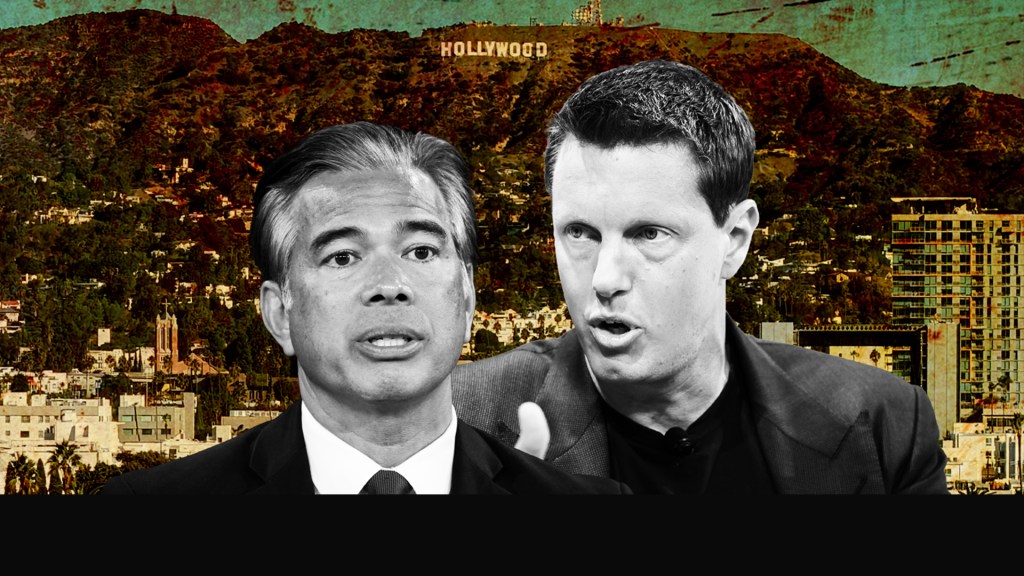
    The proposed merger between Paramount Global and Warner Bros. Discovery faces imminent legal action from multiple state Attorneys General following a June 2026 Los Angeles County report projecting catastrophic job losses. The newly dubbed “ParaBros” consolidation could eliminate up to 22,000 entertainment and administrative jobs across Southern California. State regulators, including California Attorney General Rob Bonta and New York Attorney General Letitia James, are now preparing coordinated antitrust lawsuits to block the $65 billion union, citing severe economic harm to local labor markets.

    The era of unchecked studio consolidation has hit a regulatory wall. For decades, Hollywood mega-mergers sailed through federal oversight with minimal friction. Disney absorbed 20th Century Fox. Discovery swallowed WarnerMedia. But the landscape of 2026 is fundamentally different. The entertainment industry has contracted sharply following the dual strikes of 2023 and the streaming market correction of 2024. Now, local governments are calculating the exact cost of corporate synergy. What looks like a balance sheet maneuver in New York is being treated as an economic disaster in Los Angeles.

    The story does not begin in a courtroom. It begins in the accounting departments of Burbank and Melrose Avenue. The numbers have finally been dragged into the public light.

    The Catalyst: The June 2026 L.A. County Report

    On June 18, 2026, the Los Angeles County Economic Development Corporation released a comprehensive 400-page assessment of the proposed Paramount and Warner Bros. Discovery merger. The findings were stark. The report projected the elimination of between 15,000 and 22,000 jobs in Southern California alone. These are not merely executive redundancies. The cuts target the core of the physical production ecosystem.

    The report details a devastating ripple effect. When two major studios combine, they do not need two separate physical production departments. They do not need duplicate post-production sound facilities. They do not need parallel marketing teams, legal departments, or distribution hubs. The LAEDC estimates that for every direct studio job eliminated, 2.4 auxiliary jobs will vanish from the surrounding Los Angeles economy. This includes caterers, lumber yards, prop houses, and transportation vendors.

    Specific municipalities face existential economic threats. Burbank, the historic home of Warner Bros., stands to lose an estimated $85 million in annual local tax revenue. Culver City and Hollywood face similar deficits. The report outlines how the consolidation of soundstages will lead to mass real estate sell-offs, further depressing the commercial property market in Los Angeles County. The data provided an undeniable quantitative baseline. It gave state regulators exactly what they needed to act.

    The State Attorneys General Mobilize

    Federal oversight under the Federal Trade Commission has been aggressive but slow. State regulators are no longer waiting for Washington. California Attorney General Rob Bonta and New York Attorney General Letitia James have launched a coordinated state-level offensive against the ParaBros merger. Their strategy relies on state antitrust statutes, specifically California’s Cartwright Act and New York’s Donnelly Act, which grant broad powers to block corporate actions that harm local economies.

    Bonta’s involvement is politically and economically calculated. California cannot afford another mass exodus of entertainment jobs. The state has already seen production flee to tax-friendly jurisdictions like Georgia, the United Kingdom, and Eastern Europe. Allowing two of the remaining legacy studios to merge and slash their California workforces would devastate the state’s tax base. Bonta has publicly stated that the merger represents a clear and present danger to the working class of Los Angeles.

    James brings the financial hammer from New York. Both Paramount Global and Warner Bros. Discovery maintain massive corporate footprints in Manhattan. The New York Attorney General’s office is focusing heavily on the consolidation of the news and sports divisions. Combining CBS News with CNN, and CBS Sports with TNT Sports, presents massive antitrust red flags. James is preparing injunctions to halt the integration of these specific divisions before the broader merger can even close.

    The Anatomy of the “ParaBros” Mega-Merger

    The financial architecture of this merger was born out of desperation. Paramount Global spent the entirety of 2024 and 2025 searching for a lifeline. Shari Redstone, the controlling shareholder through National Amusements, entertained offers from private equity firms, tech giants, and rival studios. The debt load of Paramount Plus had become unsustainable. The legacy cable networks, including MTV and Nickelodeon, were hemorrhaging carriage fees.

    Warner Bros. Discovery CEO David Zaslav saw an opportunity for ultimate scale. After spending three years ruthlessly cutting costs at WBD, shelving completed films, gutting the HBO Max library, and laying off thousands, Zaslav engineered a stock-and-debt maneuver to absorb Paramount. The combined enterprise value hovers around $65 billion. The pitch to Wall Street was simple: combining the two libraries creates a streaming behemoth capable of rivaling Netflix and Disney.

    But Wall Street synergy requires Main Street casualties. Zaslav promised investors $4 billion in annualized cost savings within the first two years of the merger. In the entertainment industry, “cost savings” is a euphemism for payroll reduction. The L.A. County report simply took Zaslav’s $4 billion promise and translated it into human capital. The math equates to empty desks and dark soundstages.

    The Real Estate Sell-Off Threat

    One of the most contentious aspects of the merger is the fate of the physical studio lots. Paramount Pictures operates the last major legacy studio lot actually located within the city limits of Hollywood on Melrose Avenue. Warner Bros. operates its massive facility in Burbank. The merged entity does not need both.

    Real estate analysts project that the ParaBros leadership will attempt to sell the 65-acre Paramount lot to commercial developers. The land alone is valued at over $2.5 billion. This potential sale has triggered panic among historic preservationists and local labor unions. Selling the lot would mean the permanent loss of 30 active soundstages in central Los Angeles. It would force remaining productions to relocate to cheaper facilities outside the state.

    The L.A. County Board of Supervisors has preemptively drafted zoning restrictions to prevent the Paramount lot from being converted into luxury condominiums or tech office parks. However, zoning laws cannot force a studio to produce movies. If the merged company locks the gates on Melrose Avenue, the local economy surrounding the lot will collapse regardless of the zoning.

    The Below-The-Line Bloodbath

    The human cost of the merger falls disproportionately on “below-the-line” workers. These are the grips, gaffers, set decorators, makeup artists, and drivers who physically build the entertainment industry. They do not receive golden parachutes. They do not get stock options.

    The 2023 strikes severely depleted the savings of these workers. The slow production recovery of 2024 and 2025 left many hanging on by a thread. The ParaBros merger threatens to sever that thread entirely. With two major studios combining their slates, the total volume of television shows and theatrical films greenlit annually is expected to drop by 30 percent. Fewer shows mean fewer shifts. Fewer shifts mean lost health insurance.

    • IATSE Local 80: Grips and crafts workers face a projected 25 percent reduction in available union hours.
    • Teamsters Local 399: Transportation drivers will see a massive drop in fleet requirements as duplicate studio transportation departments are liquidated.
    • Local 700: Post-production editors and sound mixers face severe contraction as the combined company consolidates its post-production facilities into a single hub.

    The Union Response and Mass Litigation

    Labor is not waiting for the state Attorneys General to save them. A coalition of entertainment unions, led by IATSE and the Teamsters, is preparing a wave of mass litigation against both Paramount and Warner Bros. Discovery. The legal strategy centers on breach of contract and violations of the Worker Adjustment and Retraining Notification (WARN) Act.

    Union lawyers argue that the studios negotiated their 2024 collective bargaining agreements in bad faith, knowing a merger of this scale was imminent. By agreeing to certain staffing minimums while simultaneously planning to eliminate 20,000 jobs, the studios may have violated federal labor laws. Class action lawsuits are currently being drafted on behalf of thousands of non-union administrative workers who face the loss of severance packages in the bankruptcy-like restructuring of the merger.

    The Writers Guild of America (WGA) and the Screen Actors Guild (SAG-AFTRA) have also filed formal objections with the Department of Justice. They argue that reducing the number of major buyers in the market from five to four constitutes a monopsony, a market condition where there is only one dominant buyer. A monopsony artificially depresses wages for writers and actors, as they have fewer studios to bid on their projects.

    The Ripple Effect Across Hollywood Agencies

    The contraction at the studio level is sending shockwaves through the representation business. Talent agencies like CAA, WME, and UTA rely on a high volume of greenlit projects to generate packaging fees and client commissions. The ParaBros merger threatens to wipe out dozens of development slates overnight.

    When Warner Bros. and Paramount combine, they will immediately kill overlapping projects. If both studios have a submarine thriller in development, one gets canceled. If both have a high-budget sci-fi series in pre-production, one gets axed. This immediate culling of the development herd will cost agencies millions in lost commissions. In response, several mid-tier management companies have already announced their own preemptive layoffs, anticipating a barren marketplace in 2027.

    Washington Watches Closely

    While the state Attorneys General take the immediate spotlight, Washington D.C. looms in the background. Federal Trade Commission Chair Lina Khan has made a career out of challenging corporate monopolies. The FTC is currently conducting a deep-dive antitrust review of the ParaBros merger. However, federal antitrust cases often take years to litigate.

    The state-level actions by Bonta and James are designed to act as a rapid-deployment force. By securing preliminary injunctions in state courts, they can freeze the merger’s integration process, bleeding the studios of the very capital they hoped to save. The studios must now fight a multi-front legal war: the FTC in Washington, the Attorneys General in Sacramento and Albany, and the labor unions in Los Angeles.

    The Historical Precedent of Studio Consolidation

    History offers a grim preview of what happens when studios merge. When the Walt Disney Company acquired 21st Century Fox in 2019, thousands of jobs were eliminated. The Fox 2000 label was shuttered. Entire marketing and distribution teams were dismissed. The promised synergies resulted in a drastically reduced theatrical slate and a homogenized corporate culture.

    The ParaBros merger is attempting to execute the Disney-Fox playbook in a much harsher economic climate. In 2019, streaming was still viewed as a limitless growth engine. In 2026, streaming is a mature, saturated market defined by churn and subscriber fatigue. Paramount and Warner Bros. are not merging from a position of strength. They are merging for survival. And survival requires amputation.

    The Timeline of the Inevitable

    The legal maneuvering will dominate the remainder of 2026. The state Attorneys General are expected to file their formal antitrust complaints by August. The studios will immediately file motions to dismiss, arguing that the merger is necessary to compete with tech giants like Apple and Amazon. The labor unions will launch their class-action suits shortly after.

    If the courts grant the state injunctions, the merger could be delayed into late 2027. If the studios win, the layoffs will begin almost immediately. The LAEDC report will transition from a projection to a post-mortem. The 22,000 jobs will vanish, absorbed into the $4 billion synergy target promised to Wall Street.

    The outcome remains tied up in litigation. But the reality on the ground has already shifted. Productions are stalling. Greenlights are paused. The industry is holding its breath, waiting for the gavel to fall.

    Lawyers drafted the briefs. Politicians held the press conferences. Executives locked the gates. Contraction.

  • Democratic Senators Urge FCC to Halt Paramount-WBD Merger Over Foreign Ownership

    Democratic Senators Urge FCC to Halt Paramount-WBD Merger Over Foreign Ownership

    KEY TAKEAWAYS

    • On June 18, 2026, Democratic senators formally requested the FCC halt the Paramount-Warner Bros. Discovery merger.
    • Lawmakers cited Section 310(b)(4) of the Communications Act, which restricts foreign ownership of U.S. broadcast licenses to 25 percent.
    • The merger would consolidate control of the CBS broadcast network, CNN, HBO, and dozens of local television stations under one corporate umbrella.
    • Senators argue the infusion of foreign capital required to finance the megadeal poses a national security risk to American news broadcasting.
    • The FCC review operates independently of the ongoing antitrust investigations by the Department of Justice and the Federal Trade Commission.

    On June 18, 2026, a coalition of Democratic senators formally petitioned the Federal Communications Commission to halt the pending merger between Paramount Global and Warner Bros. Discovery until a comprehensive review of foreign ownership stakes is completed. The lawmakers argued that the complex financial structuring of the deal introduces unacceptable levels of foreign capital into the American broadcast ecosystem. The letter demands an immediate pause on all regulatory approvals. The demand strikes at the heart of the largest media consolidation effort of the decade.

    The proposed merger seeks to unite two of the oldest and most powerful studios in Hollywood. It also seeks to combine their massive television assets. Warner Bros. Discovery controls CNN, HBO, and a vast portfolio of cable networks. Paramount Global controls the CBS broadcast network, Paramount Pictures, and dozens of local television stations across the United States. Combining them requires massive capital. That capital has drawn the attention of Washington.

    The story of this merger is no longer just about Hollywood scale. It is about federal law. It is about the Communications Act of 1934. And it is about who exactly gets to own the airwaves that transmit the evening news to the American public.

    The Washington Blockade

    Capitol Hill is heavily scrutinizing the mechanics of media consolidation. The letter delivered to the FCC was signed by several prominent Democratic senators known for their aggressive antitrust stances. They directed their concerns to FCC leadership, demanding a strict interpretation of existing broadcast laws.

    The primary weapon in the senators’ arsenal is Section 310(b)(4) of the Communications Act. This specific federal statute dictates that foreign entities cannot own more than 25 percent of a U.S. broadcast license without a special public interest waiver. The rule was designed nearly a century ago. Its purpose was to prevent foreign governments from controlling American radio stations during times of war. Today, it applies to modern television networks.

    Paramount Global holds the licenses for the CBS Television Network. It also holds the licenses for 28 local television stations across major markets like New York, Los Angeles, and Chicago. Because these stations broadcast over public airwaves, they fall directly under the jurisdiction of the FCC. Warner Bros. Discovery does not own a traditional broadcast network, but acquiring Paramount means acquiring CBS. That triggers the FCC review process.

    The senators argue that Warner Bros. Discovery’s financing model relies heavily on sovereign wealth funds and foreign private equity. They claim this indirect foreign investment crosses the 25 percent threshold. If true, the FCC has the authority to block the transfer of the CBS broadcast licenses. Without those licenses, the merger collapses.

    The Foreign Capital Complication

    Megamergers require billions of dollars in liquid capital. Warner Bros. Discovery, led by CEO David Zaslav, already carries a massive debt load from its previous merger in 2022. When Discovery acquired WarnerMedia from AT&T, the new company inherited roughly $40 billion in debt. To finance the acquisition of Paramount Global and buy out Shari Redstone’s National Amusements, Warner Bros. Discovery had to look outside traditional American banking structures.

    Financial disclosures from early 2026 indicate that Warner Bros. Discovery secured backing from a consortium of international investors. This consortium includes entities based in the Middle East and Asia. While these investors are taking passive, non-voting stakes in the combined company, the sheer volume of their capital contribution triggered the alarms in Washington.

    The FCC must now determine how to calculate this foreign ownership. The agency uses a complex formula to trace investment through holding companies and shell corporations. The senators’ letter urges the FCC to look past the corporate structuring and focus on the raw percentage of foreign money funding the deal.

    If the FCC determines the foreign investment exceeds 25 percent, Warner Bros. Discovery must file a petition for a declaratory ruling. They must prove that allowing the foreign ownership serves the public interest. In the political climate of 2026, proving that foreign investment in American news networks serves the public interest is a monumental task.

    The Assets at Stake: CBS and CNN

    The combination of Paramount and Warner Bros. Discovery creates an unprecedented concentration of news media. This is the core of the political anxiety. The merger would place CNN and CBS News under the same corporate roof.

    CBS News is a legacy broadcast institution. It reaches millions of American homes every evening over free, over-the-air television. CNN is a foundational cable news network with massive global reach. Lawmakers on both sides of the aisle have expressed concern about a single chief executive controlling both editorial operations.

    The Democratic senators focused heavily on this dynamic in their FCC petition. They argued that foreign investors, even those with passive stakes, could exert soft power over the newsrooms. They warned of a chilling effect on international reporting. If a foreign sovereign wealth fund holds billions of dollars in Warner Bros. Discovery debt, the senators argue, CNN and CBS News might hesitate to aggressively report on that specific foreign government.

    Corporate representatives for both Paramount and Warner Bros. Discovery have forcefully denied these claims. They issued statements guaranteeing the absolute editorial independence of their news divisions. They pointed to the establishment of independent editorial boards. Washington remains unconvinced.

    David Zaslav and the Push for Scale

    For Warner Bros. Discovery CEO David Zaslav, acquiring Paramount is a matter of survival. The media landscape of 2026 is dominated by massive technology companies. Apple, Amazon, and Alphabet possess market capitalizations in the trillions. They have effectively unlimited resources to spend on live sports and premium entertainment.

    Legacy media companies are fighting a war of attrition. The traditional cable television bundle continues to decline. Streaming services like Max and Paramount+ struggle to achieve the profit margins once generated by cable carriage fees. Zaslav’s strategy is simple. Scale is the only defense.

    By combining the Warner Bros. film library with the Paramount Pictures catalog, the new company would control an unmatched volume of intellectual property. By combining the sports broadcasting rights of TNT and CBS, the company could negotiate aggressively with major sports leagues. But this scale comes at the cost of intense regulatory friction.

    Zaslav has spent much of early 2026 walking the halls of Congress. He has attempted to frame the merger as a necessary step to protect American cultural exports from being entirely dominated by Silicon Valley tech giants. The senators’ letter indicates his lobbying efforts have not pacified his critics.

    The Regulatory Clock in 2026

    The FCC review is only one hurdle. The Paramount-Warner Bros. Discovery merger is also facing a grueling antitrust review. The Department of Justice and the Federal Trade Commission are simultaneously investigating the deal. However, the FCC process is unique.

    Antitrust regulators look at market concentration. They look at consumer pricing and monopoly power. The FCC looks at the “public interest.” The agency has broad, discretionary power to block the transfer of broadcast licenses if they believe the transfer harms the American public. This gives the FCC a veto power that operates entirely outside the standard antitrust framework.

    The timeline is critical. The companies initially projected the deal would close by the fourth quarter of 2026. The senators’ demand for a comprehensive foreign ownership review threatens to delay that timeline indefinitely. A foreign ownership review involves coordination with the “Team Telecom” interagency committee. Team Telecom includes representatives from the Department of Defense, the Department of Homeland Security, and the Department of Justice. Their national security reviews can take months, sometimes years, to complete.

    If the review drags into 2027, the financial markets may lose patience. The debt financing secured by Warner Bros. Discovery has expiration dates. Delay is often a weapon in regulatory battles. The senators know this.

    The Precedent of Past Media Megadeals

    History provides a roadmap for this conflict. The media industry has spent the last three decades consolidating. Each major deal faced its own regulatory crisis.

    When AOL merged with Time Warner in 2000, regulators forced massive concessions regarding internet access. When Comcast acquired NBCUniversal in 2011, the FCC imposed strict conditions on how the company handled competing cable networks. When AT&T attempted to buy Time Warner in 2016, the Department of Justice sued to block the deal entirely, though the government ultimately lost in court.

    The Paramount-Warner Bros. Discovery deal is different. The AT&T deal was a vertical merger, combining a distributor (AT&T) with a content creator (Time Warner). The Paramount-WBD deal is a horizontal merger. It combines two direct competitors. It removes a major studio from the market. It removes a major streaming service from the market.

    This horizontal nature makes the deal inherently vulnerable to regulatory attacks. The introduction of foreign capital simply provides lawmakers with a highly effective lever to pull. By invoking the Communications Act of 1934, the senators have bypassed the complex economic arguments of antitrust law and landed squarely on the emotional and political ground of national security.

    The Election Year Dynamic

    The calendar cannot be ignored. It is the summer of 2026. The midterm elections are approaching. Politicians are highly motivated to demonstrate their commitment to protecting American interests from foreign influence.

    Media consolidation is a rare issue that generates bipartisan skepticism. While Democratic senators authored the June 18 letter, populist Republicans have also expressed deep concern about the power of centralized media corporations. The idea of foreign entities holding sway over CBS and CNN is politically toxic. No regulator wants to be accused of rubber-stamping a deal that compromises American news broadcasting during an election cycle.

    The FCC operates as an independent agency, but its commissioners are appointed by the President and confirmed by the Senate. They are acutely aware of the political winds. The letter from the Democratic senators is not just a legal petition. It is a political warning shot.

    The future of the Paramount-Warner Bros. Discovery merger now rests in the hands of federal bureaucrats reviewing capital structures and holding companies. The Hollywood executives who orchestrated the deal must wait for Washington to process the paperwork. The grand vision of a unified media empire is paused, trapped in the regulatory machinery of the federal government.

    Lawmakers drafted their letters. Regulators opened their files. The executives waited. Washington.

  • UFC Freedom 250 Draws 8.2 Million Viewers, Inside the Historic White House Broadcast

    UFC Freedom 250 Draws 8.2 Million Viewers, Inside the Historic White House Broadcast

    UFC Freedom 250 drew an average of 8.2 million viewers across the United States and Latin America during its exclusive broadcast on Paramount+. The event, held in June 2026, marked a historic broadcasting milestone as the first mixed martial arts card to take place on the grounds of the White House. The numbers validate a massive financial gamble by both the promotion and the streaming platform.

    Paramount Global secured the rights to the unprecedented event in a one-off deal with TKO Group Holdings. They bet on a fusion of sports, patriotism, and international appeal. The wager paid off immediately. Peak viewership surged to 10.4 million during the main event. The broadcast shattered previous streaming records for combat sports on a non-pay-per-view platform.

    What looked like a logistical nightmare became a cultural touchstone. The event bridged the gap between traditional American pageantry and modern digital sports consumption. It proved that live sports remain the undisputed king of streaming engagement.

    The South Lawn Becomes an Octagon

    Building an arena at 1600 Pennsylvania Avenue required unprecedented coordination. The United States Secret Service, the National Park Service, and UFC Chief Operating Officer Lawrence Epstein spent eight months developing the site plan. The goal was to construct a regulation 30-foot Octagon on the South Lawn without disrupting the daily operations of the executive branch.

    Load-in began on Tuesday, June 9. A fleet of unmarked production trucks passed through the security checkpoints at the Eisenhower Executive Office Building. Crews laid down heavy-duty interlocking turf protectors to shield the historic grass. Above the Octagon, a custom-built, low-profile lighting truss was suspended using localized hydraulic lifts. The design ensured the Truman Balcony remained visible in every wide camera shot.

    The live audience was strictly capped. Exactly 4,000 seats were arranged in a tight horseshoe around the cage. The guest list was heavily curated. It included active-duty military personnel, Medal of Honor recipients, wounded veterans, and high-ranking government officials. The visual impact was immediate. Camouflage uniforms mixed with formal evening wear under the glow of the broadcast lights.

    The Security Protocol

    Security measures exceeded those of a standard presidential inauguration. The airspace above Washington D.C. was completely restricted. Paramount+ deployed a fleet of tethered broadcast drones rather than traditional helicopters to capture aerial footage. These drones operated on a closed, encrypted frequency managed by the Department of Homeland Security.

    Fighters underwent extensive background checks three months prior to the event. The traditional walkouts were modified. Instead of emerging from a tunnel, competitors walked down a secure, heavily guarded pathway lined by the United States Marine Band. The atmosphere was less like a Las Vegas arena and more like a state dinner with four-ounce gloves.

    Breaking Down the 8.2 Million Viewers

    The 8.2 million average viewership number represents a seismic shift in how combat sports are consumed. Paramount+ did not place the event behind an additional paywall. It was available to all baseline subscribers. This accessibility drove the massive engagement metrics.

    Nielsen and Paramount’s internal analytics provided a clear demographic breakdown. The United States accounted for 5.1 million of the average viewers. The audience skewed heavily toward the 18-to-34 male demographic, a highly coveted group for advertisers. However, female viewership saw a 22 percent increase compared to standard UFC Fight Night broadcasts, driven largely by the unique venue and mainstream media coverage.

    • United States: 5.1 million average viewers.
    • Mexico: 1.4 million average viewers.
    • Brazil: 1.1 million average viewers.
    • Rest of Latin America: 600,000 average viewers.

    The peak concurrency of 10.4 million occurred at 11:15 PM Eastern Standard Time. This was the exact moment the main event fighters touched gloves. Paramount’s server architecture, fortified by Amazon Web Services, handled the load without a single widespread outage. The technical flawless execution was a major victory for Paramount Global CEO Brian Robbins.

    The Latin American Streaming Expansion

    The Latin American numbers were not an accident. They were the result of a highly targeted strategy. Paramount+ has spent the last three years aggressively expanding its footprint in South America and Mexico. UFC Freedom 250 served as the ultimate stress test for this infrastructure.

    TKO Group Holdings stacked the card with international talent to ensure global appeal. The co-main event featured a top-ranked Mexican contender facing a Brazilian former champion. This matchmaking guaranteed high engagement in the two largest Latin American media markets.

    Paramount+ offered dedicated, localized broadcast feeds. The Spanish-language desk broadcast live from a secondary set constructed near the Rose Garden. The Portuguese feed was anchored by a team in São Paulo, utilizing real-time satellite telemetry to eliminate audio delay. This localized approach transformed a distinctly American event into a pan-American spectacle.

    “Live sports are the only content that demands absolute synchronicity. You cannot watch a fight on a delay. Paramount+ proved they can deliver a synchronous global event without a dropped frame.”, The Wall Street Journal, June 2026.

    The Cultural Defense and the Semiquincentennial

    The branding of “Freedom 250” was highly intentional. The year 2026 marks the American Semiquincentennial, the 250th anniversary of the United States. UFC CEO Dana White pitched the event as the opening salvo of the nation’s year-long celebration.

    The broadcast leaned heavily into themes of cultural defense and national pride. Video packages between fights highlighted the history of the armed forces. The event partnered with the Wounded Warrior Project and the Tunnel to Towers Foundation, raising a reported $12 million in viewer donations through QR codes displayed on the screen.

    This patriotic framing resonated deeply with the core UFC audience. It also provided a shield against critics who argued that a violent sport did not belong at the White House. The framing was simple: combat sports are a test of resilience, and resilience is an American virtue. The narrative was seamless. The audience bought in completely.

    Wall Street Reacts to the Octagon

    The financial markets responded immediately to the viewership data. When the New York Stock Exchange opened on the Monday following the event, TKO Group Holdings (NYSE: TKO) saw its stock price rally by 4.2 percent. Investors recognized the immense value of the UFC brand operating outside the traditional pay-per-view model.

    Paramount Global (NASDAQ: PARA) experienced a 3.1 percent bump. The 8.2 million viewers represented millions of potential new long-term subscribers. Wall Street analysts quickly began calculating the lifetime value of the users who signed up specifically for the White House fight. The consensus was overwhelmingly positive.

    The Advertising Revenue

    The event was a commercial juggernaut. Paramount+ and TKO Group Holdings reported a combined $45 million in targeted ad revenue for the three-hour broadcast. Traditional commercial breaks were limited to maintain the pacing of the event. Instead, revenue was generated through high-visibility sponsorships.

    Modelo retained its position as the official beer of the UFC, with its logo painted prominently on the center canvas. DraftKings sponsored the on-screen statistical graphics. Ford secured the naming rights to the broadcast desk. The integration of these brands into a White House setting provided unprecedented visibility. Advertisers paid a premium for the juxtaposition of corporate branding and national monuments.

    The Blueprint for Future Live Events

    UFC Freedom 250 altered the trajectory of live sports broadcasting. It proved that streaming platforms can execute massive, complex, location-based events that rival the Super Bowl in cultural footprint. The reliance on traditional cable television for live sports continues to erode.

    The success of the White House fight guarantees that TKO Group Holdings will seek out increasingly exotic venues for future milestone events. Rumors have already begun circulating about a potential card held on the deck of an active aircraft carrier, or a custom arena built at the base of Mount Rushmore. The precedent has been set. The scale has been permanently altered.

    Paramount+ established itself as a premier destination for live combat sports. The 8.2 million viewers were not just watching a fight. They were participating in a digital beta test for the future of entertainment. The platform delivered. The audience stayed.

    The lighting truss was lowered. The interlocking turf was removed. The South Lawn was cleared before dawn. The numbers remained. History.