Tag: Paramount+

  • Hollywood Media Layoffs: Paramount, Warner Bros, CNN Face Economic Downturn

    Hollywood Media Layoffs: Paramount, Warner Bros, CNN Face Economic Downturn

    The media industry, encompassing Hollywood studios and news organizations, has recently undergone significant workforce reductions, with companies like Paramount, Warner Bros. Discovery, and CNN initiating layoffs. These widespread job cuts reflect a period of economic instability and strategic realignments within the entertainment and news sectors.

    The decisions to reduce staff are often driven by a combination of factors, including declining advertising revenues, shifts in consumer behavior towards streaming platforms, and the high costs associated with content production. These changes are reshaping the employment landscape for media professionals across various roles and departments.

    Economic Pressures Drive Industry Restructuring

    The current economic climate has placed considerable pressure on media companies. Inflationary pressures and a general slowdown in global economic growth have led to reduced advertising spending, a critical revenue stream for many media outlets. This financial strain necessitates cost-cutting measures, with layoffs often being a primary strategy.

    Beyond macroeconomic factors, the media industry is also navigating a complex transition in how content is consumed and monetized. The rise of streaming services has disrupted traditional broadcast and cable television models, forcing companies to invest heavily in digital platforms while simultaneously managing legacy businesses.

    Paramount Global’s Workforce Adjustments

    Paramount Global, a major player in both film and television, has implemented significant layoffs across its various divisions. These reductions are part of a broader strategy to streamline operations and reduce overhead costs in a competitive market.

    The company’s diverse portfolio includes Paramount Pictures, CBS, and a suite of streaming services like Paramount+. Balancing the demands of content creation for multiple platforms with financial prudence has become a key challenge for the conglomerate.

    Reports indicate that the layoffs at Paramount have impacted employees in areas ranging from production and development to corporate functions. The goal is to create a more agile and efficient organization capable of adapting to rapid industry changes.

    Warner Bros. Discovery’s Post-Merger Consolidation

    Warner Bros. Discovery has also been a focal point for media layoffs, stemming from the merger between WarnerMedia and Discovery Inc. in April 2022. Mergers of this scale typically lead to redundancies as the combined entity seeks to eliminate overlapping roles and departments.

    The integration process involves consolidating operations, technology, and content strategies. This often results in difficult decisions regarding workforce size and structure. The company aims to achieve substantial cost synergies through these consolidations.

    Layoffs at Warner Bros. Discovery have affected various segments, including film studios, television networks, and streaming services such as Max. The company’s leadership has emphasized the need to optimize its global operations and content delivery systems to enhance profitability.

    CNN’s Strategic Reorientation

    CNN, a prominent global news organization under the Warner Bros. Discovery umbrella, has also experienced layoffs. These cuts are part of a strategic reorientation aimed at adapting to evolving news consumption habits and financial realities.

    The news industry faces its own set of challenges, including declining linear television viewership and the need to expand digital offerings. CNN’s restructuring efforts reflect an attempt to align its resources with its long-term strategic objectives in a highly competitive news landscape.

    Journalists, producers, and technical staff have been among those impacted by the changes at CNN. The network is working to refine its content strategy and operational model to maintain its position as a leading news source while ensuring financial sustainability.

    Broader Industry Impact and Future Outlook

    The layoffs at Paramount, Warner Bros. Discovery, and CNN are not isolated incidents but rather part of a wider trend impacting the entire media ecosystem. Other companies, both large and small, have also undertaken similar measures to navigate economic headwinds and technological shifts.

    This period of significant change is forcing media organizations to reconsider traditional business models. There is an increased focus on data-driven decision-making, direct-to-consumer strategies, and the efficient allocation of resources for content creation and distribution.

    Technological Advancements and AI Integration

    Technological advancements, particularly in artificial intelligence, are also playing a role in the evolving media landscape. While AI offers potential efficiencies in content creation, automation, and data analysis, it also raises questions about the future of certain job functions.

    Media companies are exploring how to integrate AI tools to enhance productivity and reduce operational costs. This integration, while promising for innovation, contributes to the ongoing reevaluation of workforce needs and skill sets within the industry.

    The Human Cost of Corporate Restructuring

    Behind the corporate announcements and financial figures are the individual stories of employees affected by these layoffs. Job losses create significant personal and professional challenges, impacting livelihoods and careers.

    The industry is grappling with the balance between achieving financial stability and maintaining morale among remaining staff. Companies often provide severance packages and outplacement services, but the emotional and economic toll on affected individuals remains substantial.

    Reskilling and Adaptability

    For those impacted by layoffs, reskilling and adaptability have become crucial. The demand for new skills, particularly in digital media, data analytics, and specialized content creation, continues to grow. Media professionals are increasingly seeking opportunities in emerging platforms and technologies.

    The industry’s future workforce will likely be characterized by greater flexibility, a broader range of technical competencies, and an ability to navigate rapidly changing media environments. Education and training initiatives are becoming more vital than ever.

    Navigating a Dynamic Media Landscape

    The current wave of layoffs signals a period of profound transformation within the media and entertainment sectors. Companies are strategically adjusting their operations to survive and thrive in an increasingly complex and competitive global market.

    Economic pressures. Technological disruption. Evolving consumer habits. These forces converge to reshape the very structure of Hollywood and the broader media industry.

    Executives strategize. Employees adapt. The industry transforms.

    Change.
  • McGregor vs. Holloway: Primetime Special on CBS Precedes Paramount+ Bout

    McGregor vs. Holloway: Primetime Special on CBS Precedes Paramount+ Bout

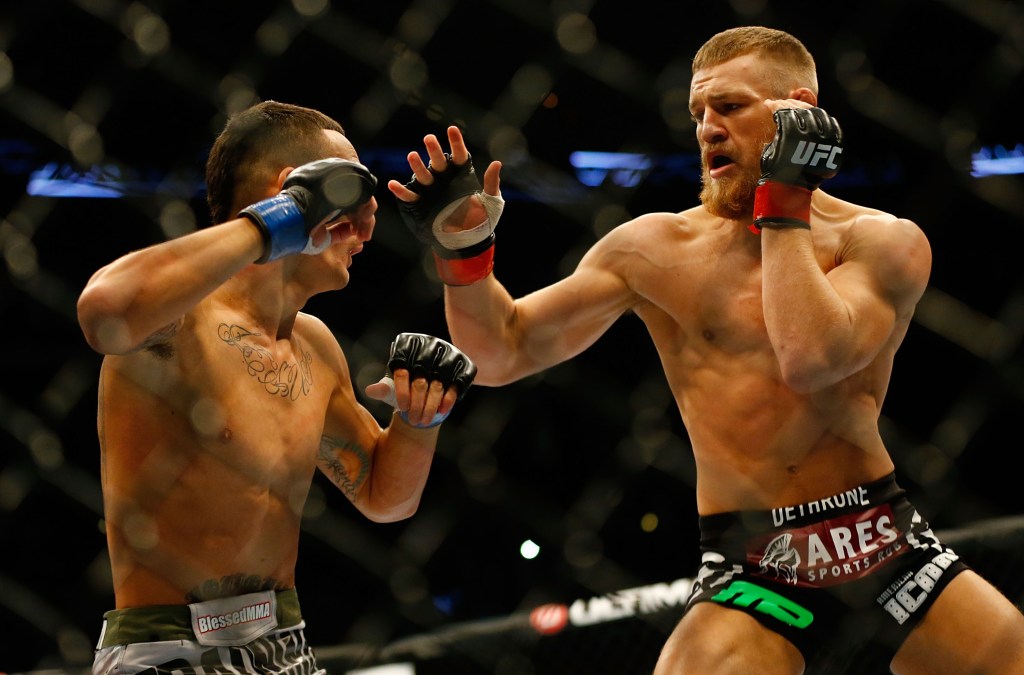
    CBS is set to air a live primetime special in advance of the highly anticipated fight between Conor McGregor and Max Holloway, with the main event scheduled for exclusive streaming on Paramount+.

    This strategic move integrates a traditional broadcast network with a modern streaming platform. It aims to maximize audience engagement and build national excitement for the combat sports spectacle.

    The Primetime Special on CBS

    The decision to air a live primetime special on CBS underscores the importance of this particular fight. Network television provides a broad reach, extending beyond the typical combat sports audience.

    A primetime slot on a major network guarantees significant exposure. This exposure is crucial for generating buzz and attracting new viewers to the sport.

    The special is expected to feature fighter profiles, training camp footage, and expert analysis. It will provide a narrative build-up to the main event.

    This pre-fight programming is a common tactic in major sporting events. It creates a sense of anticipation and investment among potential viewers.

    Paramount+ as the Exclusive Streaming Home

    The main event, McGregor vs. Holloway, will be exclusively available on Paramount+. This highlights the shift in content distribution for high-profile events.

    Paramount+ has been actively expanding its live sports offerings. Exclusive fights like this are key to attracting and retaining subscribers.

    Streaming platforms offer flexibility and accessibility for viewers. They can watch the event on various devices, often with additional features.

    The exclusivity on Paramount+ also represents a significant revenue opportunity for the platform. Pay-per-view models continue to be a lucrative aspect of combat sports.

    Conor McGregor: A Global Icon

    Conor McGregor remains one of the most recognizable figures in combat sports. His fights consistently draw massive viewership and generate substantial media attention.

    McGregor’s charisma and fighting style have cultivated a global fanbase. His presence alone elevates the profile of any event he participates in.

    His return to the octagon is always a major story. Fans and media outlets closely follow his every move and announcement.

    The anticipation around a McGregor fight contributes directly to the success of associated broadcasts and streaming events.

    Max Holloway: The Resilient Contender

    Max Holloway is a highly respected and skilled competitor. He has a history of engaging fights and a reputation for durability.

    Holloway’s fighting style, characterized by high volume and relentless pressure, makes him a formidable opponent. He consistently delivers exciting performances.

    His previous encounters with top-tier fighters have solidified his status. He is a legitimate threat in any matchup.

    The pairing of Holloway with McGregor promises an action-packed contest. It pits two of the sport’s most dynamic strikers against each other.

    The Undercard and Supporting Events

    While the focus is on the main event, the undercard fights also contribute to the overall appeal. These matches often feature rising stars and established contenders.

    Details regarding the full fight card are typically released closer to the event date. These announcements further fuel fan excitement.

    Promotional events, such as press conferences and weigh-ins, precede the fight night. These events are often streamed live and covered extensively by sports media.

    The entire fight week generates a continuous stream of content. This content keeps the event in the public consciousness leading up to the main bout.

    The Business of Combat Sports

    The collaboration between CBS and Paramount+ illustrates the evolving business model in combat sports. It combines free-to-air promotion with premium streaming content.

    This hybrid approach seeks to capture both casual viewers and dedicated fans. It maximizes both reach and direct revenue.

    Major networks like CBS benefit from the increased viewership during the special. This viewership can translate into higher advertising rates.

    Streaming platforms like Paramount+ gain new subscribers and reinforce their position in the competitive sports streaming market.

    The financial implications for both fighters are substantial. High-profile fights lead to significant paydays, often including a share of the pay-per-view revenue.

    National Pride and Cultural Impact

    Major sporting events like McGregor vs. Holloway often evoke a sense of national pride. Fans rally behind their preferred fighters, especially those representing their home countries.

    The spectacle transcends mere competition. It becomes a cultural event, discussed in homes, workplaces, and social media.

    The narratives surrounding the fighters, their journeys, their rivalries, their personal stories, resonate with a broad audience. These stories contribute to the event’s cultural impact.

    Such events can temporarily unite diverse groups of people. They offer a shared experience and a common topic of discussion.

    Technological Advancements in Broadcasting

    Modern broadcasting techniques enhance the viewing experience. High-definition cameras, advanced graphics, and immersive sound contribute to the spectacle.

    The integration of social media during live broadcasts allows for real-time interaction. Viewers can share their reactions and opinions instantly.

    Streaming platforms also offer features like multi-angle views and on-demand replays. These features were not available in traditional linear television broadcasts.

    These technological advancements make the viewing experience more dynamic and engaging for the audience.

    The Future of Sports Entertainment

    The partnership between CBS and Paramount+ for McGregor vs. Holloway provides a glimpse into the future of sports entertainment.

    More major events are likely to adopt similar hybrid distribution models. This model leverages both traditional reach and digital exclusivity.

    Content creators and distributors are constantly seeking innovative ways to reach audiences. They aim to monetize premium sports content effectively.

    The landscape of sports broadcasting continues to evolve. It adapts to changing consumer habits and technological progress.

    Fighters train. Promoters strategize. Networks broadcast. Paramount+ streams. Millions watch.

    The fight.

  • Yellowstone Season 2: Beth and Rip Actors Reveal Dutton Ranch Dynamics

    Yellowstone Season 2: Beth and Rip Actors Reveal Dutton Ranch Dynamics

    Kelly Reilly and Cole Hauser, the actors behind ‘Yellowstone’s’ Beth Dutton and Rip Wheeler, provided key insights into the series’ second season dynamics. Their discussions focused on the creative trajectory of the Dutton Ranch narrative, the impact of new showrunners, and the unwavering vision of series creator Taylor Sheridan. These details offer a comprehensive look into the character developments and plot advancements that defined the second installment of the acclaimed Western drama.

    ‘Yellowstone’ premiered in June 2018, quickly establishing a dedicated fanbase. The series chronicles the conflicts surrounding the Yellowstone Dutton Ranch, the largest contiguous ranch in the United States. It explores the constant threats from land developers, a nearby Native American reservation, and the internal struggles within the Dutton family. The show’s narrative is deeply rooted in themes of land preservation, family legacy, and the evolving American West.

    The Continuing Saga of the Dutton Family

    The first season of ‘Yellowstone’ concluded with significant unresolved plotlines. These cliffhangers left the Dutton family in precarious positions, facing threats to their land and their lives. Season 2, which premiered in June 2019, directly addressed these dramatic conclusions, propelling the narrative forward with heightened stakes.

    The series maintains its focus on John Dutton’s relentless fight to protect his family’s ranch. This struggle often involves intense confrontations with external forces and internal family discord. The narrative continually explores the complexities of land ownership and the clash between traditional ranching life and modern development pressures.

    Beth Dutton’s Strategic Acumen and Emotional Depth

    Kelly Reilly portrays Beth Dutton, the highly intelligent and fiercely protective daughter of John Dutton. Beth’s character is known for her sharp business acumen, her tactical brilliance, and her profound emotional intensity. She navigates complex financial schemes and personal relationships with equal ferocity.

    Beth’s unwavering loyalty to her family’s land is a driving force behind many of her actions. Her journey often involves making ruthless decisions to secure the ranch’s future. Reilly’s portrayal consistently highlights Beth’s layered personality, showcasing both her vulnerability and her formidable strength.

    “Beth is an incredibly complex character. Her loyalty to her father and the ranch dictates so much of her behavior, even when it’s destructive,” Kelly Reilly remarked in a 2019 interview discussing her role.

    The character’s development in Season 2 further explored her past traumas and their influence on her present-day relationships. This depth added new dimensions to her interactions with other characters, particularly with Rip Wheeler and her brothers, Kayce and Jamie.

    Rip Wheeler: The Steadfast Protector

    Cole Hauser plays Rip Wheeler, the unwavering foreman of the Yellowstone Dutton Ranch. Rip embodies loyalty, grit, and an unshakeable connection to the land and the Dutton family. His character serves as John Dutton’s most trusted enforcer and a steadfast protector of the ranch’s interests.

    Rip’s background as an orphan taken in by John Dutton forms the basis of his deep devotion. His methods are often violent, but always in service of the Dutton family’s survival. Hauser’s portrayal emphasizes Rip’s quiet strength and his profound sense of duty, making him a fan favorite.

    The dynamic between Beth and Rip remains a central romantic and emotional anchor for the series. Their relationship, built on a shared history of trauma and mutual devotion, provides moments of tenderness amidst the show’s often brutal landscape. Season 2 saw their relationship deepen, moving past initial hesitations and solidifying their bond.

    The Evolution of Beth and Rip’s Relationship in Season 2

    Season 2 significantly advanced the relationship between Beth and Rip. After years of an on-again, off-again dynamic, their commitment to each other became more apparent. This development was crucial for both characters, offering them a degree of stability amidst the constant chaos of the ranch.

    Their interactions often provide a contrast to the high-stakes drama surrounding the Dutton family’s land battles. These moments allow for character exploration beyond their roles as protectors of the ranch. The deepening of their bond became a key narrative thread throughout the second season, satisfying many viewers who had invested in their story from the beginning.

    Creative Direction and Showrunner Transitions

    The second season of ‘Yellowstone’ saw some shifts in its creative leadership. While Taylor Sheridan remained the primary creative force, Taylor Sheridan served as showrunner for Season 2. This transition aimed to streamline production while maintaining Sheridan’s distinct narrative voice.

    A showrunner is responsible for the day-to-day operations of a television series, including writing, production, and managing the creative team. While Sheridan established the show’s universe and wrote many episodes, the introduction of a showrunner allowed him to focus on broader creative oversight and other projects within his expanding universe.

    Taylor Sheridan’s Enduring Vision

    Taylor Sheridan, the creator and primary writer of ‘Yellowstone’, maintained significant creative control over Season 2. His distinctive writing style, characterized by gritty realism, compelling dialogue, and a deep understanding of the American West, continued to define the series. Sheridan’s vision for the Dutton family saga remained the guiding principle for the narrative.

    Sheridan’s involvement extended beyond writing; he often directed episodes and maintained final say on creative decisions. This level of control ensured that the core themes, character integrity, and overall tone established in Season 1 were consistently upheld. The actors frequently commend his ability to craft intricate narratives and complex, authentic characters.

    His work on ‘Yellowstone’ has also led to the creation of a growing universe of prequels and spin-offs, including ‘1883’ and ‘1923’. These series further explore the history and expansion of the Dutton family saga, demonstrating Sheridan’s prolific output and consistent creative vision across multiple projects. The success of these interconnected stories underscores his unique impact on contemporary Western narratives.

    Key Plot Developments in ‘Yellowstone’ Season 2

    Season 2 picked up directly after the violent events of the Season 1 finale. The initial episodes focused on the immediate aftermath and the Dutton family’s retaliation against those who threatened them. This included heightened tensions with the Broken Rock Indian Reservation and rival land developers.

    The season introduced new adversaries and deepened existing conflicts. The Beck brothers, Malcolm and Teal, emerged as significant antagonists, posing a direct and ruthless threat to the Dutton family’s control over their land. Their methods were particularly brutal, forcing the Duttons to employ extreme measures in response.

    Consequences and Retaliation

    The events of Season 2 highlighted the ‘no quarter’ philosophy of the Dutton family when their ranch is threatened. John Dutton, along with Rip, Kayce, and Beth, orchestrated a series of retaliatory actions. These included confronting the Beck brothers head-on, leading to a violent and decisive conclusion by the season’s end.

    The season also explored the personal costs of this constant battle. Kayce Dutton’s evolving role within the ranch leadership, and his strained relationship with his wife Monica and son Tate, were central to the emotional narrative. Jamie Dutton’s political ambitions and his alienation from the family further complicated the internal dynamics.

    The Cultural Resonance of ‘Yellowstone’

    ‘Yellowstone’ has transcended its genre to become a significant cultural touchstone. Its portrayal of the contemporary American West has revitalized interest in Western themes and narratives across a broad audience. The show’s depiction of ranching life, often romanticized yet grounded in harsh realities, resonates with millions of viewers.

    The series’ success has influenced popular culture in various ways, from fashion and music to tourism. The show’s settings in Montana have become popular destinations for fans. Its soundtrack, featuring contemporary country and Americana artists, has gained significant popularity, further cementing its cultural footprint.

    Themes of Land, Legacy, and Power

    At its core, ‘Yellowstone’ is a story about land. The Dutton family’s relentless fight to retain their ranch represents a larger struggle for identity, heritage, and autonomy. This theme is universal, appealing to anyone concerned with preserving tradition and resisting external pressures in a rapidly changing world.

    The concept of legacy is also central to the narrative. John Dutton’s actions are consistently driven by his desire to pass on the ranch to future generations, ensuring the survival of his family’s heritage. This intergenerational conflict and ambition form a powerful undercurrent throughout the entire series, driving many of the characters’ motivations and decisions.

    Power dynamics, both within the family and externally, are constantly explored. The show examines how power is wielded, abused, and defended in the pursuit of maintaining control over land and resources. These themes collectively contribute to the show’s enduring appeal and its critical success.

    The Duttons fought. Their enemies fought. The land fought back.

    Yellowstone.

  • Taylor Sheridan Pitched ‘Landman’ to Billy Bob Thornton as ‘Bad Santa’ – The Origin Story

    Taylor Sheridan Pitched ‘Landman’ to Billy Bob Thornton as ‘Bad Santa’ – The Origin Story

    The ‘Bad Santa’ Pitch

    Taylor Sheridan, a prominent figure in contemporary television, presented his vision for the upcoming series Landman to actor Billy Bob Thornton using an unconventional comparison. Sheridan described the show to Thornton as ‘Bad Santa running an oil company.’ This succinct and evocative phrase provided an immediate, albeit darkly humorous, understanding of the series’ intended tone and central character.

    The pitch suggests a narrative that combines the cynical, often morally ambiguous humor of the 2003 film Bad Santa with the high-stakes, often ruthless environment of the oil industry. It implies a protagonist who operates outside conventional ethical boundaries, driven by self-interest but perhaps possessing a hidden, if twisted, moral code.

    Taylor Sheridan’s Creative Vision

    Sheridan has cultivated a reputation for crafting intricate narratives set against stark, often unforgiving American landscapes. His previous works, such as Yellowstone, 1883, and Mayor of Kingstown, explore themes of power, family legacy, and the struggle for survival in challenging environments. The ‘Bad Santa’ analogy for Landman indicates a potential divergence in comedic tone while retaining his signature exploration of complex characters.

    The comparison offers a glimpse into Sheridan’s creative process. He often distills complex character motivations into easily graspable concepts, even when those concepts are unexpected. This method allows actors and executives to quickly align with his artistic direction.

    The World of ‘Landman’

    Landman is expected to immerse viewers in the contemporary boomtowns of West Texas, focusing on the individuals and corporations driving the global pursuit of crude oil. The term ‘landman’ refers to a professional who negotiates with landowners for mineral rights, often operating in a legally and ethically gray area. These individuals are crucial to the initial stages of oil and gas exploration.

    The series will likely depict the intense competition, financial pressures, and environmental considerations inherent in this sector. Sheridan’s storytelling often highlights the human cost of industrial expansion and resource exploitation. The ‘Bad Santa’ comparison could mean the series will not shy away from the darker, more exploitative aspects of this profession.

    The Role of Billy Bob Thornton

    Billy Bob Thornton’s potential involvement in Landman would bring a specific gravitas and a history of portraying complex characters. Thornton is known for roles that blend vulnerability with grit, often playing figures who are deeply flawed but compelling. His performance in Bad Santa as Willie Soke, a cynical, alcoholic con man, showcased his ability to imbue a seemingly irredeemable character with unexpected depth and humor.

    If Thornton were to embody a character akin to ‘Bad Santa running an oil company,’ it would suggest a protagonist who navigates the cutthroat world of land acquisition with a jaded outlook. This character might use unconventional tactics, bending rules or outright breaking them, to secure lucrative deals for his employers or himself.

    Sheridan’s Expanding Universe

    Taylor Sheridan’s production slate has expanded significantly in recent years, establishing a distinct universe of interconnected and thematically similar stories. His projects frequently feature strong, often morally ambiguous male leads and explore the erosion of traditional values in modern America.

    Landman fits within this broader narrative framework, even with its comedic undertones. It extends Sheridan’s focus from ranching and law enforcement to another foundational American industry: energy. The series is anticipated to explore how the quest for resources shapes communities and individuals.

    Themes of Wealth and Power

    The oil industry is synonymous with immense wealth and political power. Landman will likely delve into how these forces influence personal decisions and societal structures. The ‘Bad Santa’ character, as described by Sheridan, might be a small cog in a much larger, more corrupt machine, or perhaps a powerful, self-serving individual who manipulates the system for personal gain.

    Sheridan often critiques the corrosive effects of unchecked ambition and greed. In Landman, this critique could be delivered through the lens of dark comedy, providing a fresh perspective on his established thematic concerns.

    The Allure of the Anti-Hero

    The anti-hero has become a staple of modern television, and the ‘Bad Santa’ pitch aligns perfectly with this trend. Audiences are often drawn to characters who defy conventional morality, offering a more realistic and nuanced portrayal of human nature. These characters, despite their flaws, often possess a compelling charisma or a hidden sense of justice.

    A ‘Bad Santa’ in the oil patch could represent the disillusionment with corporate ethics and the relentless pursuit of profit. This character would embody the harsh realities of an industry that often prioritizes extraction over environmental or community well-being.

    Impact on Television Landscape

    Sheridan’s projects consistently draw large audiences and critical attention, influencing the landscape of contemporary drama. The addition of Landman, particularly with its unique pitch, signals a potential broadening of his stylistic range. While maintaining his signature intensity, the series might introduce a new blend of drama and dark humor that could resonate with a wider audience.

    The success of Sheridan’s previous ventures suggests a strong foundation for Landman. The series will likely contribute to the ongoing discussion about the energy sector’s role in society and the complex ethical dilemmas it presents.

    Anticipation for Production

    Details regarding the full cast, production timeline, and release date for Landman are still emerging. However, the initial pitch to Billy Bob Thornton has already generated significant interest among industry observers and fans of Sheridan’s work. The collaboration between a storyteller of Sheridan’s caliber and an actor of Thornton’s distinctive talent promises a compelling viewing experience.

    The series will be one of several new projects from Sheridan’s expansive development deal, continuing his prolific output. Each new series further defines his unique contribution to modern storytelling.

    The Legacy of ‘Bad Santa’

    The 2003 film Bad Santa, directed by Terry Zwigoff and starring Billy Bob Thornton, achieved cult status for its irreverent humor and subversion of holiday tropes. The film’s protagonist, Willie Soke, is a deeply cynical, alcoholic con man who reluctantly finds a semblance of redemption. Its critical and commercial success demonstrated an audience appetite for dark, character-driven comedies.

    Sheridan’s invocation of this specific film for his pitch is deliberate. It immediately communicates a character archetype and a comedic sensibility that is both familiar and ripe for reinterpretation within a new genre. It suggests a character who might initially appear irredeemable but could undergo a surprising transformation or reveal unexpected complexities.

    The Future of Storytelling

    The way creators like Taylor Sheridan pitch projects reflects a dynamic shift in storytelling. Concise, impactful metaphors or comparisons can convey complex ideas rapidly. This method is particularly effective in an era of high-volume content production, where creators need to quickly capture the attention of networks, studios, and talent.

    The ‘Bad Santa’ analogy is not just a description; it is a promise of a certain type of character and narrative experience. It sets an expectation for dark humor, moral ambiguity, and a compelling performance, all within the gritty realism that defines Sheridan’s oeuvre.

    Writers crafted. Directors envisioned. Actors considered.

    Storytelling.

  • Paramount Skydance-Warner Bros. Discovery Merger: Europe’s Antitrust Crunch – David Ellison’s Deadline

    Paramount Skydance-Warner Bros. Discovery Merger: Europe’s Antitrust Crunch – David Ellison’s Deadline

    The proposed merger between Paramount Global and Warner Bros. Discovery faces intense antitrust scrutiny across Europe, with Britain’s regulatory decisions holding critical importance. David Ellison, Chairman and CEO of Paramount Skydance, is working to complete the complex transaction by a September 2026 deadline. This timeline puts significant pressure on the ongoing reviews by bodies like the European Commission and the UK’s Competition and Markets Authority (CMA).

    The potential combination of these media giants would reshape the global entertainment landscape. Regulators are assessing the deal’s impact on market competition, consumer choice, and the broader media ecosystem.

    Europe’s Antitrust Watchdogs Mobilize

    The European Commission is the primary antitrust authority for the European Union. Its mandate is to ensure that large mergers do not unduly restrict competition within the bloc’s single market.

    The Commission initiates a multi-stage review process. This begins with a preliminary assessment of the merger’s scope and potential market implications.

    Initial concerns often center on market concentration. Regulators examine whether the combined entity would hold too dominant a position in areas such as content production, distribution channels, and advertising sales.

    The review process involves extensive data collection. This includes detailed submissions from the merging parties, as well as input from competitors, customers, and industry associations.

    Particular attention is paid to horizontal overlaps. These occur when both companies operate in the same segments, such as film studios or streaming services. Vertical integration issues, like control over both content creation and its subsequent delivery platforms, are also closely analyzed.

    Key Areas of Regulatory Concern

    Regulators frequently highlight several potential harms. A significant concern is the reduction of consumer choice in streaming platforms, television channels, and film offerings.

    Another focus is the impact on independent content creators and smaller distributors. A larger, more powerful entity could potentially dictate terms or reduce opportunities for these players.

    The advertising market is also under review. Consolidation could lead to fewer buyers for ad inventory, potentially increasing costs for advertisers and limiting options for publishers.

    The Commission’s findings from this comprehensive investigation guide its decision. It can clear the merger unconditionally, approve it with specific remedies, or block it entirely if the anti-competitive effects are deemed too severe.

    Britain’s Critical Role in Merger Approval

    Britain’s Competition and Markets Authority (CMA) operates independently but holds significant power over the merger’s viability. The United Kingdom remains a crucial market for global media companies.

    The CMA conducts its own in-depth assessment. Its focus is on the merger’s specific impact on competition within the UK’s distinct media landscape.

    The UK market has its own unique regulatory frameworks and consumer preferences. These factors inform the CMA’s analysis, which may differ from the European Commission’s findings.

    A rejection or the imposition of stringent conditions by the CMA could significantly alter the merger’s structure. It could even lead to a complete re-evaluation of the deal by the involved parties.

    The Authority examines factors similar to those considered by the European Commission. These include market concentration, the welfare of UK consumers, and the potential impact on innovation within the media sector.

    While the CMA and European Commission may cooperate on information sharing, their decisions are ultimately sovereign. This dual-track review process adds layers of complexity and potential delays for merging entities.

    CMA’s Intervention Powers

    The CMA possesses a range of enforcement tools. It can prohibit mergers it determines would substantially lessen competition within the UK.

    Alternatively, the CMA can approve mergers contingent on specific remedies. These remedies are designed to mitigate anti-competitive effects and might include asset divestitures or behavioral commitments.

    For example, a merged entity might be compelled to sell off certain content libraries. They could also be required to guarantee access to specific distribution platforms for rival companies.

    The CMA’s decisions are legally binding within the UK. They carry substantial weight for any global media corporation seeking to operate or expand within the British market.

    The Skydance Media-Paramount Global transaction, which involves potential integration with Warner Bros. Discovery assets, introduces further complexities. Each company brings distinct assets, market positions, and regulatory considerations to the table.

    David Ellison’s September 2026 Deadline

    David Ellison, Chairman and CEO of Paramount Skydance, has publicly stated a September 2026 deadline for the completion of the merger. This timeframe adds considerable urgency to the ongoing regulatory reviews.

    Such deadlines are often strategic. They can serve to galvanize negotiations, streamline internal processes, and signal a clear path to stakeholders and investors.

    However, regulatory reviews are inherently unpredictable. Their pace is dictated by the volume of information required, the depth of concerns raised by third parties, and the time needed for thorough analysis by authorities.

    Missing a self-imposed deadline carries various potential repercussions. It could result in increased transaction costs, a loss of deal momentum, or even the ultimate collapse of the proposed merger.

    Ellison’s involvement through Skydance Media introduces a distinct dynamic. Skydance is primarily known for its successful film and television production, often collaborating with major Hollywood studios.

    The proposed deal structure involves Skydance merging with Paramount Global. This combined entity would then potentially integrate with or acquire specific assets from Warner Bros. Discovery, creating a formidable new media conglomerate.

    The Strategic Imperative for Skydance Media

    For Skydance Media, this ambitious merger represents a transformative expansion. It would elevate the company from a prominent production house to a major global entertainment powerhouse.

    The acquisition of established studio infrastructure, vast content libraries, and extensive distribution networks offers immense strategic value. It would provide Skydance with broader reach, diversified revenue streams, and a wealth of intellectual property.

    However, the financial and operational challenges of integrating such large and diverse entities are substantial. Navigating regulatory hurdles is just one critical component of this complex undertaking.

    Ellison’s vision for the combined organization likely centers on leveraging existing iconic franchises. It also aims to accelerate the development of new, high-quality content to compete effectively in the fiercely competitive streaming landscape and traditional media markets.

    The September deadline underscores the acute pressure. Financial markets, investors, and internal stakeholders are closely monitoring every development in this high-stakes negotiation and regulatory gauntlet.

    Broader Implications for the Global Media Industry

    The proposed Paramount-Warner merger is indicative of a wider trend of consolidation within the global media industry. Companies are seeking greater scale to compete more effectively with technology giants and other large content aggregators.

    The proliferation of streaming services has intensified competition for subscriber attention and content rights. Media companies are increasingly looking to combine resources, intellectual property, and subscriber bases to gain a competitive edge.

    Such mergers aim to achieve significant cost efficiencies through synergy. They also seek to create more robust content pipelines, enhance bargaining power with distributors, and improve global reach.

    However, this wave of consolidation also raises important concerns. Critics often point to potential reductions in media diversity, fewer independent voices, and the risk of concentrated control over information and entertainment.

    Regulatory bodies globally are grappling with how to balance the economic benefits of scale against the potential harms of reduced competition. The decisions made regarding this merger will set important precedents for future deals in the rapidly evolving media sector.

    The outcome will impact not only the involved companies but also consumers, content creators, and the entire ecosystem of media production and distribution for years to come.

    The Future of Media Landscapes

    The regulatory scrutiny in Europe and the UK highlights the global nature of media markets. National and supranational bodies each play a vital role.

    Each decision contributes to the evolving framework for media mergers. The balance between innovation and competition remains a central tension.

    The September 2026 deadline looms. The stakes are high. The world watches.

    Regulators deliberate. Executives strategize. The media landscape shifts.

    Consolidation.

  • Paula Reid Exits CNN Ahead of Paramount’s Warner Bros. Discovery Takeover

    Paula Reid Exits CNN Ahead of Paramount’s Warner Bros. Discovery Takeover

    Paula Reid, who served as CNN’s Chief Legal Affairs Correspondent, departed from the network in 2026. This exit occurred in advance of the anticipated takeover of CNN’s parent company, Warner Bros. Discovery, by Paramount. Such personnel changes are common during periods of significant corporate mergers and acquisitions within the media industry.

    Reid’s departure marks a notable shift in CNN’s legal affairs reporting team. It also underscores the broader implications of large-scale corporate transactions on journalistic staffing and editorial strategy.

    The Shifting Sands of Media Consolidation

    The media industry has experienced a period of intense consolidation in recent years. Large corporations frequently seek to expand their portfolios through mergers and acquisitions. These strategic moves aim to achieve greater market share, diversify content offerings, and streamline operations.

    The announced Paramount takeover of Warner Bros. Discovery represents one of the largest such transactions in 2026. This deal has far-reaching consequences for numerous media properties under the Warner Bros. Discovery umbrella. It affects everything from streaming services to broadcast networks and news organizations.

    CNN, as a prominent global news organization, is directly impacted by these corporate maneuvers. Changes in ownership can lead to new leadership, revised editorial priorities, and personnel adjustments. These shifts can redefine a network’s focus and its approach to news coverage.

    A History of Major Media Mergers

    Warner Bros. Discovery itself was formed through a major merger in April 2022. Discovery Inc. acquired WarnerMedia from AT&T, creating one of the world’s largest media and entertainment companies. This transaction reshaped the competitive landscape for content creation and distribution.

    This previous merger also resulted in significant changes across the combined entity. Executive teams were restructured, and some journalistic roles were re-evaluated. The integration process involved complex decisions regarding content strategy and operational synergies.

    The impending Paramount takeover signals another wave of potential reorganization. Such events often create uncertainty for employees across all divisions. The constant evolution of ownership structures presents ongoing challenges for media professionals.

    Paula Reid’s Distinguished Career Path

    Paula Reid brought a distinctive and experienced background to her role at CNN. She joined the network in 2021, moving from CBS News. Her tenure at CBS News established her as a formidable legal and political correspondent.

    At CBS News, Reid gained prominence for her reporting on the Department of Justice and the White House. She covered major legal and political stories during her tenure, including high-stakes investigations and policy debates. Her work often provided critical insights into government operations.

    Her reporting often focused on high-profile investigations and legal proceedings. This experience positioned her as a key voice in legal affairs journalism. Reid’s ability to simplify complex legal matters for a general audience was a hallmark of her reporting style.

    High-Stakes Reporting at the White House and DOJ

    Reid’s work at CBS News included extensive coverage of the Trump administration. She reported on investigations involving Special Counsel Robert Mueller and impeachment proceedings. Her presence in the White House briefing room became a familiar sight for viewers.

    Her role required a deep understanding of complex legal frameworks and political dynamics. She often provided live analysis and breaking news updates on these critical topics. Reid’s questions during press briefings were frequently noted for their directness and precision.

    Upon joining CNN, Reid continued to focus on significant legal developments. Her expertise was particularly valuable in covering Supreme Court decisions, federal legal challenges, and major criminal cases. She offered insights into the implications of legal rulings for public policy and everyday life.

    The Critical Role of a Chief Legal Affairs Correspondent

    The position of Chief Legal Affairs Correspondent is central to a news organization’s coverage of the justice system. This role involves explaining intricate legal concepts, court decisions, and policy changes to a general audience. It requires a blend of journalistic skill and legal acumen.

    Correspondents in this role must possess strong analytical skills and a comprehensive grasp of legal precedents. They often translate complex court proceedings and legislative developments into understandable news reports. Their ability to contextualize legal news is paramount.

    They also cultivate sources within legal circles, including government agencies, law firms, and judicial offices. This network is crucial for breaking news and in-depth analysis. Access to these sources allows them to provide exclusive insights and verify information quickly.

    Impact of Senior Departures on News Teams

    The departure of a senior correspondent like Reid can create a significant void in a news organization’s specialized coverage. Other journalists may need to absorb these responsibilities, potentially stretching existing resources. The immediate impact can be felt in the depth and breadth of reporting.

    News networks often invest heavily in developing expert correspondents for specific beats. Their institutional knowledge, established contacts, and on-air presence are difficult to replace quickly. The continuity of coverage can be affected during such transitions.

    Such exits can also signal broader strategic shifts within the newsroom. These shifts might include reallocating resources, altering editorial focus, or pursuing different talent. The departure of a high-profile correspondent often prompts a re-evaluation of the team’s structure.

    Paramount’s Strategic Acquisition of Warner Bros. Discovery

    Paramount’s move to acquire Warner Bros. Discovery is part of a larger strategy to compete in the evolving media landscape. The goal is often to achieve greater scale, diversify content offerings, and create new revenue streams. This consolidation trend reflects intense competition from tech giants and streaming services.

    Consolidating media assets can lead to cost efficiencies through reduced overhead and integrated operations. It also increases bargaining power with advertisers, distributors, and content creators. Cross-promotion of content across different platforms becomes a key advantage for merged entities.

    The acquisition is subject to regulatory approval, a process that can be lengthy and complex. Antitrust concerns are often raised when major media companies merge, requiring careful scrutiny by government bodies. The Federal Trade Commission (FTC) and the Department of Justice (DOJ) typically review such deals to ensure fair competition.

    Anticipated Changes Post-Takeover at WBD

    Following the completion of the Paramount takeover, significant changes are expected across Warner Bros. Discovery. These may include executive leadership transitions at the parent company and its various subsidiaries, including CNN. New leadership often brings a fresh vision and strategic direction.

    Content strategies across film, television, and news divisions could be re-evaluated. The aim is typically to optimize performance under the new ownership structure, potentially leading to changes in programming, production, and distribution. Synergy between Paramount and WBD properties will be a key focus.

    Personnel decisions, including departures and new hires, are a common outcome of such corporate integrations. These decisions are often driven by strategic alignment, cost-saving measures, and the desire to build a team that reflects the new corporate vision. Employees at all levels can experience uncertainty during these periods of transition.

    Media Influence and Public Trust Amidst Change

    The departure of prominent journalists during corporate takeovers can influence public perception of media outlets. Audiences may interpret such moves as indicative of deeper changes in editorial priorities or journalistic independence. Trust in news organizations is a fragile commodity.

    Concerns about media independence and editorial integrity often arise during these periods. The public sometimes questions whether new ownership will alter journalistic standards or exert undue influence on news content. Maintaining editorial firewalls becomes even more critical.

    News organizations strive to maintain trust and credibility, even amidst corporate flux. Transparency about changes and consistent editorial quality are key to this effort. Clear communication about editorial guidelines and journalistic principles helps to reassure audiences.

    The Evolving Landscape for Journalists

    Journalists navigate an increasingly complex media environment. Corporate consolidations, technological advancements, and shifting audience habits continually reshape their roles. The demand for immediate, accurate, and in-depth information remains constant, but the delivery mechanisms evolve.

    The demand for specialized correspondents, like legal affairs reporters, remains high. Their expertise is crucial for making sense of intricate topics in a fast-paced news cycle. However, the platforms and structures through which they deliver news are constantly evolving, from traditional broadcast to digital and social media.

    Professional journalists adapt to these changes by honing their skills and maintaining their commitment to factual reporting. Their work remains essential for informing the public, holding power accountable, and contributing to a well-informed citizenry. The core mission of journalism persists despite structural shifts.

    Looking Ahead for CNN and Warner Bros. Discovery

    CNN faces a period of transition following Reid’s departure and the impending Paramount takeover. The network will need to navigate new corporate leadership and potentially revised strategic directives. The focus will remain on delivering breaking news and analysis to its global audience.

    Warner Bros. Discovery, under new ownership, will embark on a new chapter in its corporate history. The integration of its vast portfolio of brands with Paramount’s assets will be a monumental task. The outcome will shape a significant portion of the global entertainment and news industry for years to come.

    Personnel shifts, strategic realignments, and content strategy reviews will characterize the coming months. The media landscape is in perpetual motion.

    Companies merge. Strategies shift. Newsrooms adapt.

    Journalists continue to report.

    The story unfolds.

    Frequently Asked Questions About Paula Reid’s Departure and Media Mergers

  • Taylor Sheridan Slams Studio Execs, Admits to “Rage-Baiting” Critics

    Taylor Sheridan Slams Studio Execs, Admits to “Rage-Baiting” Critics

    Taylor Sheridan, the acclaimed creator behind hit series like Yellowstone and 1883, recently articulated his frustration with studio executives and acknowledged a deliberate strategy of “rage-baiting” critics, asserting that his focus lies not in securing Emmy awards but in producing content that resonates with a wide viewership. His statements, reported on June 29, 2026, by Deadline, underscore a contentious relationship between creative talent and corporate oversight within the entertainment industry.

    Sheridan’s remarks suggest a growing divide in Hollywood regarding artistic freedom, critical reception, and commercial success. He positioned his approach as counter to the traditional pursuit of industry accolades.

    The Critique of Studio Executives

    Sheridan’s comments included a direct critique of studio executives. He did not name specific individuals or companies. His complaints centered on the perceived interference and lack of understanding from these corporate figures regarding the creative process and audience demands.

    This sentiment is not new in Hollywood. Many filmmakers and showrunners have historically expressed similar frustrations. The tension often arises from conflicting priorities: creative vision versus financial imperatives and market trends.

    Sheridan’s perspective suggests that executive decisions can sometimes dilute or compromise the original artistic intent. This can lead to products that, in his view, fail to connect authentically with their intended audience.

    Admitting to “Rage-Baiting” Critics

    A notable aspect of Sheridan’s recent interview was his candid admission of “rage-baiting” critics. This strategy involves creating content or making statements designed to provoke a strong, often negative, reaction from professional reviewers.

    The term “rage-baiting” implies an intentional effort to generate controversy or strong opinions. This can sometimes lead to increased visibility for a project, regardless of the critical sentiment.

    Sheridan’s use of this tactic suggests a deliberate distancing from traditional critical validation. He appears to prioritize a direct relationship with his audience over the approval of industry critics.

    Beyond the Emmys: A Focus on Audience Connection

    Sheridan explicitly stated that winning Emmys is not his primary goal. The Emmy Awards are widely recognized as a pinnacle of achievement in television. His dismissal of these accolades highlights a different metric for success.

    His emphasis lies instead on creating stories that connect with a broad audience. This audience-centric approach prioritizes viewership numbers and cultural impact over critical praise or awards season recognition.

    This philosophy aligns with the commercial success of his productions. Series like Yellowstone have consistently drawn large viewerships, establishing a dedicated fan base across various demographics. The show’s popularity often contrasts with its sometimes mixed critical reception.

    The Sheridan Universe: A Case Study in Popular Appeal

    The interconnected “Sheridan-verse” of television series, including Yellowstone, 1883, 1923, Mayor of Kingstown, and Tulsa King, exemplifies his strategy. These shows often feature strong, morally ambiguous characters and explore themes of family, loyalty, and the American frontier.

    These narratives have cultivated a distinct brand that resonates deeply with a specific segment of the viewing public. The shows’ success demonstrates that a significant audience exists for content that may not always align with mainstream critical preferences.

    The expansion of this universe across multiple platforms, primarily Paramount+, indicates a robust commercial model driven by subscriber numbers and popular demand, rather than critical consensus.

    Industry Dynamics: Critical Acclaim vs. Commercial Success

    Sheridan’s comments reignite a long-standing debate within the entertainment industry: the tension between critical acclaim and commercial success. Some projects achieve both, while others excel in one area but not the other.

    Historically, critical validation has often been seen as a gateway to prestige and awards. However, the rise of streaming services and diverse content consumption habits has broadened the definition of success.

    For creators like Sheridan, a loyal and expansive audience base may hold more value than a shelf full of trophies. This shift reflects changes in how content is produced, distributed, and consumed in the 2020s.

    The Role of Critics in the Modern Media Landscape

    The role of television and film critics has also evolved. In an era of abundant content, critics often serve as curators, guiding audiences through a vast array of choices. However, their influence is sometimes perceived as less potent in the face of direct audience engagement through social media and fan communities.

    Sheridan’s “rage-baiting” strategy suggests a deliberate attempt to bypass or even antagonize this traditional critical filter. He appears to aim for a direct conversation with his audience, unmediated by professional reviewers.

    This approach can be polarizing. It can solidify a fan base while simultaneously alienating those who rely on critical analysis for their viewing choices.

    The Future of Storytelling in Hollywood

    Sheridan’s stance reflects a broader trend in Hollywood where creators with established fan bases gain significant leverage. This leverage allows them to challenge traditional industry norms and prioritize their artistic vision, even if it means clashing with corporate entities or critics.

    The emphasis on authentic storytelling, even if provocative, signals a potential shift in how content is greenlit and marketed. It suggests that unique voices, once they prove their commercial viability, can dictate terms more effectively.

    This dynamic could lead to more diverse and unconventional narratives reaching screens. It also poses questions about the long-term impact on critical discourse and the industry’s awards ecosystem.

    Studio executives gathered. Critics wrote. Audiences watched. Sheridan spoke.

  • CNN’s Future: Editorial Shifts Post-Merger? – The Weiss Influence Debate

    CNN’s Future: Editorial Shifts Post-Merger? – The Weiss Influence Debate

    The potential merger between Paramount Global and Warner Bros. Discovery has ignited internal discussions at CNN. Some staff members reportedly express concern regarding the network’s future editorial direction. These anxieties center on the possible influence of prominent journalist and cultural commentator Bari Weiss, known for her critiques of mainstream media narratives. The media industry continues to undergo significant consolidation, reshaping ownership structures and posing questions about journalistic independence.

    The Evolving Media Landscape and CNN’s Position

    The media industry is currently navigating a period of intense transformation. Traditional revenue models are challenged, and digital platforms dominate content consumption. This environment drives major corporations to seek scale through mergers and acquisitions.

    One such significant development is the ongoing speculation surrounding a merger between Paramount Global and Warner Bros. Discovery. Such a union would create a formidable media conglomerate. It would combine extensive portfolios across film, television, streaming, and news. CNN, a key asset within Warner Bros. Discovery, is central to these discussions.

    Reports from inside CNN indicate a degree of apprehension among staff. These concerns revolve around potential changes in editorial oversight and journalistic priorities. The specific mention of Bari Weiss’s possible influence has become a focal point of these internal conversations. It highlights broader questions about the network’s future identity.

    The Speculated Impact on CNN’s Editorial Direction

    A corporate merger often leads to a re-evaluation of editorial strategies. New ownership can introduce different philosophies regarding content, audience targeting, and journalistic approach. For a global news organization like CNN, these shifts can have far-reaching consequences.

    Staff members are reportedly considering how a new ownership structure might impact CNN’s established editorial lines. The network has a long history as a prominent news source. Any perceived move away from its traditional positioning could be met with internal resistance and external scrutiny.

    The debate over Bari Weiss’s potential influence underscores this sensitivity. Her public profile and past statements suggest a distinct perspective on media’s role and responsibilities. This perspective could lead to a re-calibration of CNN’s approach to news coverage and commentary.

    Who is Bari Weiss? A Profile in Media Commentary

    Bari Weiss is a notable figure in contemporary American journalism and cultural discourse. She gained prominence through her work at influential publications. Her career includes roles as an opinion editor and writer for The Wall Street Journal and The New York Times.

    Weiss is recognized for her outspoken views on cultural and political issues. She frequently critiques what she identifies as prevailing liberal orthodoxies within media and academia. Her work often advocates for viewpoint diversity and intellectual honesty in public discourse.

    In 2020, Weiss resigned from The New York Times. She publicly cited an “illiberal environment” and a lack of editorial independence as her reasons. This departure garnered significant media attention and solidified her image as a critic of mainstream journalistic practices.

    The Free Press and its Mission

    Following her departure from The New York Times, Bari Weiss co-founded The Free Press. This independent media company launched with a mission to provide a platform for diverse perspectives. It emphasizes investigative journalism and open debate.

    The Free Press frequently covers topics that Weiss believes are underrepresented or mischaracterized by established news outlets. It aims to challenge what its founders perceive as a narrow range of acceptable opinions in mainstream media. The publication has attracted a significant audience, particularly among those who feel alienated by traditional news sources.

    The work of The Free Press often centers on issues such as free speech, cancel culture, and perceived biases in institutional settings. Its editorial stance aligns with Weiss’s broader critiques of what she terms the “woke” movement and its influence on public discourse.

    Concerns Over Journalistic Independence at CNN

    The prospect of a major corporate merger often raises questions about journalistic independence. News organizations pride themselves on reporting facts without undue influence from corporate owners, advertisers, or political agendas. Any shift in ownership can challenge this core principle.

    Reports suggest that some CNN staff are particularly sensitive to these concerns. They worry that a new ownership structure might impose a specific editorial slant or alter the network’s perceived impartiality. This is a common anxiety during media consolidations.

    The debate surrounding Bari Weiss’s potential influence is viewed through this lens. Her past critiques of mainstream media bias and her advocacy for a particular brand of intellectual discourse could be seen by some within CNN as a threat to the network’s established journalistic identity. Others might view it as an opportunity for re-evaluation.

    The Role of Media Bias in Public Perception

    Discussions about media bias are central to contemporary news consumption. Audiences increasingly question the impartiality of news outlets. This skepticism is fueled by political polarization and the proliferation of diverse information sources.

    Bari Weiss has consistently argued that many news organizations exhibit a systemic liberal bias. She contends that this bias shapes story selection, framing, and the voices that are amplified. Her advocacy centers on correcting this perceived imbalance.

    If her perspective were to gain traction within CNN’s leadership, it could lead to significant changes. The network might prioritize covering different stories or adopt a more critical stance towards certain progressive movements. This could alter CNN’s appeal to its existing audience and attract new viewers.

    The ‘Culture Wars’ and News Coverage Priorities

    Bari Weiss is closely associated with ongoing societal debates often labeled as the ‘culture wars.’ These conflicts involve fundamental disagreements over values, identity, and social norms. Her writings frequently address topics such as free speech, identity politics, and institutional biases.

    A potential shift in CNN’s editorial direction under new influence might lead to an increased emphasis on these ‘culture war’ issues. News coverage could focus more critically on progressive viewpoints. It might also offer more prominent platforms to voices that challenge current social trends or perceived orthodoxies.

    This potential reorientation is reportedly a source of concern for some CNN staff. They worry about alienating the network’s current viewership. They also question how such a shift might impact CNN’s historical role as a broad-based news provider. The network’s perceived impartiality could be fundamentally altered.

    Historical Precedents of Media Shifts

    The history of media is replete with examples of news organizations undergoing significant editorial shifts following changes in ownership. Corporate mergers often lead to new strategic directives. These directives can impact content, personnel, and overall journalistic philosophy.

    For instance, the acquisition of major newspapers or television networks by new entities has frequently resulted in changes to their political leanings or their approach to specific issues. These changes are often driven by the new owners’ business objectives, ideological perspectives, or a desire to appeal to different demographics.

    The current situation at CNN, viewed in the context of the Paramount-Warner Bros. Discovery merger, fits this historical pattern. The anxieties among staff are not unprecedented. They reflect a long-standing tension between commercial imperatives and journalistic integrity. The network’s future editorial identity remains a subject of intense internal and external observation.

    The Broader Implications of Media Consolidation

    The proposed Paramount-Warner Bros. Discovery merger is not an isolated event. It is part of a larger, global trend of media consolidation. Companies are seeking to achieve scale to compete effectively in a rapidly fragmenting digital landscape. Factors such as the rise of streaming services, declining traditional advertising revenues, and intense competition for audience attention are driving these mergers.

    These consolidations frequently result in significant internal restructuring. This can include widespread layoffs, the integration of distinct corporate cultures, and major shifts in content strategy. For news organizations like CNN, these changes are particularly sensitive. Their mission often involves maintaining public trust and delivering impartial information.

    The debate surrounding Bari Weiss’s potential influence at CNN, therefore, transcends a single individual or network. It symbolizes the broader challenges facing journalism in an era of corporate convergence. It highlights the ongoing tension between profit motives and the public service aspect of news reporting.

    The future of CNN, and indeed the broader news ecosystem, hinges on how these powerful forces converge. Ownership changes. Editorial lines shift. Audiences observe.

    The media.

  • Darren Mann of ‘1923’ Signs with Paradigm Agency – A Strategic Career Move

    Darren Mann of ‘1923’ Signs with Paradigm Agency – A Strategic Career Move

    Darren Mann, an actor recognized for his work in the Paramount+ series ‘1923’, officially signed with Paradigm Agency in June 2026. This professional development places Mann under the representation of a major talent and literary agency within the global entertainment sector. The move is a common strategic step for actors seeking to broaden their career prospects and secure roles in high-profile productions.

    The announcement underscores Mann’s rising profile in Hollywood. His involvement in ‘1923’ has brought him significant industry attention.

    The Significance of Agency Representation

    Signing with an agency like Paradigm is a pivotal moment in an actor’s career trajectory. These agencies act as intermediaries, connecting talent with casting directors, producers, and studios. They negotiate contracts, manage schedules, and strategize career development.

    Paradigm Agency maintains a robust roster of clients across film, television, music, and theater. Its global reach and established relationships within the industry provide significant leverage for its represented talent.

    For actors, securing representation from a top-tier agency often indicates a readiness for more prominent and diverse roles. It suggests a certain level of industry recognition and perceived marketability.

    Darren Mann’s Career Before Paradigm

    Darren Mann gained widespread recognition for his portrayal of Jack Dutton in Taylor Sheridan’s ‘1923’. The series, a prequel to ‘Yellowstone’, debuted on Paramount+ and quickly garnered critical acclaim and a substantial viewership.

    Before ‘1923’, Mann established a presence in various television series. He appeared in the TNT drama ‘Animal Kingdom’, where he played a recurring role. His performance contributed to the ensemble cast of the long-running crime family saga.

    Another notable credit includes his work on Netflix’s ‘Chilling Adventures of Sabrina’. In this series, Mann played a character within the supernatural narrative, further diversifying his acting portfolio.

    His early career also included roles in independent films and guest appearances on other television shows. These experiences built a foundation for his later success.

    The Role of ‘1923’ in Mann’s Rise

    ‘1923’ became a cornerstone project for Mann’s career. The series is part of the expansive ‘Yellowstone’ universe, created by Taylor Sheridan. Sheridan’s productions are known for their high production values and compelling storytelling.

    Mann’s character, Jack Dutton, is a central figure in the prequel’s narrative. He portrays a young rancher navigating the challenges of the early 20th century American West. The role demanded both physical and emotional depth, showcasing Mann’s versatility.

    The success of ‘1923’ brought Mann into the homes of millions of viewers globally. This exposure is invaluable for an actor seeking to elevate their status in the entertainment industry.

    The critical reception for ‘1923’ also benefited its cast members. Reviews often highlighted the strong performances, including those from newer faces like Mann.

    Paradigm Agency: An Industry Powerhouse

    Paradigm Agency is one of the leading talent and literary agencies. It operates across multiple entertainment sectors, representing artists, writers, directors, and producers.

    The agency is known for its comprehensive approach to talent management. It focuses not only on securing roles but also on long-term career development and brand building.

    Paradigm has offices in major entertainment hubs, including Los Angeles, New York, and Nashville. This widespread presence allows it to service clients across diverse geographical and industry landscapes.

    The agency’s history dates back several decades, establishing it as a venerable institution in Hollywood. Its reputation is built on successful client placements and strategic industry maneuvers.

    The Competitive Landscape of Talent Agencies

    The talent agency landscape is highly competitive. Agencies like CAA (Creative Artists Agency), WME (William Morris Endeavor), UTA (United Talent Agency), and ICM Partners (now part of CAA) vie for top talent. Paradigm remains a significant player among these giants.

    Actors often move between agencies throughout their careers. These transitions are typically driven by a desire for different strategic approaches, new opportunities, or a better fit with a specific agent.

    The decision to sign with a particular agency involves careful consideration of the agency’s roster, its track record, and the individual agents who will be working on the actor’s behalf. Mann’s move to Paradigm suggests a deliberate choice aligned with his career aspirations.

    Future Prospects for Darren Mann

    With Paradigm Agency now representing him, Darren Mann’s career is poised for new developments. The agency’s resources can facilitate auditions for major studio films and premium television series.

    The increased visibility and access to top-tier projects could lead to more diverse and challenging roles. This might include opportunities in genres beyond period dramas or Westerns.

    Mann’s association with the ‘Yellowstone’ universe provides a strong foundation. This franchise has a proven track record of elevating its actors to broader recognition.

    The entertainment industry continues to evolve, with streaming services playing an increasingly dominant role. Agencies like Paradigm are crucial in navigating this complex landscape for their clients.

    Mann’s signing could also open doors to endorsement deals or other commercial ventures. Top agencies often have dedicated departments for these types of opportunities.

    The Impact on ‘1923’ and Related Projects

    Darren Mann’s continued success is expected to reflect positively on the ‘1923’ series. The show benefits from the growing profiles of its cast members.

    As of June 2026, ‘1923’ has completed its first season and is anticipated to continue its narrative. Mann’s character is integral to the ongoing story of the Dutton family.

    The ‘Yellowstone’ universe is known for its interconnected storylines and recurring characters across its various prequels and spin-offs. Mann’s role positions him within this expansive narrative.

    The visibility gained from ‘1923’ and the subsequent agency signing could also influence future casting decisions within the broader Taylor Sheridan universe.

    Actors often leverage their success in one project to secure roles in others, creating a cumulative effect on their careers.

    Conclusion

    Darren Mann’s signing with Paradigm Agency marks a significant milestone. It reflects his growing prominence in the entertainment industry. The move positions him for expanded opportunities in film and television.

    His work on ‘1923’ provided a substantial platform. His previous roles demonstrated his range. Paradigm offers a powerful network.

    New projects await. More recognition will follow. His career trajectory continues.

    Forward.

  • Paramount Secures Harry Potter and Fantastic Beasts for Exclusive TV Licensing

    Paramount Secures Harry Potter and Fantastic Beasts for Exclusive TV Licensing

    Paramount has secured exclusive television licensing rights for the full Harry Potter film series and the Fantastic Beasts franchise. This agreement ensures that these globally popular wizarding world films will be available for broadcast and streaming exclusively on Paramount-affiliated platforms. The deal represents a significant acquisition in the competitive media landscape, guaranteeing a consistent home for these cinematic properties.

    The move is designed to provide audiences with a sense of comfort and excitement. Fans of the wizarding world can anticipate continued access to their favorite films through Paramount’s ecosystem. This strategic acquisition underscores the enduring appeal and commercial value of established entertainment franchises.

    The Enduring Appeal of the Wizarding World

    The Harry Potter film series, based on J.K. Rowling’s books, began with Harry Potter and the Sorcerer’s Stone in 2001. It concluded its main run with Harry Potter and the Deathly Hallows – Part 2 in 2011. The eight films collectively grossed over $7.7 billion worldwide, establishing themselves as one of the highest-grossing film series in history. Their cultural impact remains substantial, drawing new generations of viewers.

    The Fantastic Beasts franchise serves as a prequel series set in the same universe. It launched with Fantastic Beasts and Where to Find Them in 2016. Subsequent installments include Fantastic Beasts: The Crimes of Grindelwald (2018) and Fantastic Beasts: The Secrets of Dumbledore (2022). These films continue to expand the lore and appeal of the wizarding world, albeit with varying box office performances.

    The consistent popularity of both series makes them highly desirable assets for media companies. Their proven track record of audience engagement translates into reliable viewership numbers across various platforms. Securing these rights is a strategic play for sustained audience retention.

    Paramount’s Content Strategy

    Paramount’s acquisition of these exclusive licensing rights aligns with a broader industry trend. Major media conglomerates are investing heavily in content libraries to bolster their streaming services and traditional television offerings. Exclusive content acts as a key differentiator in a crowded market.

    The specific platforms that will benefit from this deal include Paramount’s linear television channels and its streaming services. This could encompass channels like Paramount Network, Comedy Central, and others. The streaming component is likely to involve Paramount+, the company’s flagship direct-to-consumer service. Such integration provides a unified viewing experience for subscribers.

    This strategy aims to drive subscriptions and increase engagement across Paramount’s digital and linear properties. By centralizing access to popular franchises, Paramount seeks to create a compelling value proposition for consumers. The move also reduces reliance on third-party content licensing, providing greater control over scheduling and distribution.

    The Role of Exclusive Licensing

    Exclusive licensing deals have become a cornerstone of content acquisition. They prevent competitors from offering the same popular titles, thereby directing audience traffic to the exclusive platform. This creates a competitive advantage in attracting and retaining subscribers.

    For franchises like Harry Potter, which have a dedicated global fanbase, exclusivity is particularly potent. Fans are often willing to subscribe to a specific service to access their preferred content. This makes such deals a powerful tool for market share growth.

    The financial terms of such agreements are typically confidential. However, industry analysts estimate that major exclusive deals for established franchises can involve hundreds of millions of dollars. The long-term return on investment is measured in subscriber growth, advertising revenue, and overall brand enhancement.

    Impact on the Media Landscape

    This deal further consolidates premium content within specific media ecosystems. As more major studios and distributors launch or expand their own streaming services, the availability of third-party content becomes scarcer. This trend forces consumers to subscribe to multiple services to access a full range of desired programming.

    The fragmentation of content access can lead to increased subscriber churn as consumers migrate between services based on specific content offerings. However, it also incentivizes services to build robust and diverse libraries. Paramount’s move is a direct response to this dynamic.

    Warner Bros. Discovery, the original distributor and owner of the Harry Potter and Fantastic Beasts films, previously held many of these rights for its own platforms, such as Max. This new agreement suggests a strategic decision by Warner Bros. Discovery to license out certain rights, potentially for significant revenue. Such licensing can fund new content production or reduce debt.

    The Future of Franchise Distribution

    The landscape of film and television distribution continues to evolve rapidly. Hybrid models, combining theatrical releases with streaming availability, are becoming more common. Licensing deals for established franchises like Harry Potter highlight the ongoing value of library content beyond initial release windows.

    Future distribution strategies will likely involve a mix of exclusive streaming, traditional broadcast, and transactional video-on-demand (TVOD). Companies are constantly evaluating the optimal balance to maximize revenue and audience reach. The Paramount deal is an example of adapting to these changing market conditions.

    The long-term implications for consumers include a more defined set of content offerings on each major platform. This could simplify choices for some viewers while complicating them for others. The comfort of knowing where to find beloved franchises, however, remains a key driver for consumer satisfaction.

    Fan Engagement and Brand Loyalty

    Securing these films is not just about content acquisition; it is also about fostering fan engagement and brand loyalty. The Harry Potter universe has a passionate and active fanbase. Providing a stable and accessible home for the films reinforces a positive relationship with these viewers.

    Paramount can leverage this acquisition through various marketing initiatives. Promotional campaigns can highlight the availability of the wizarding world films on its platforms. This can attract new subscribers who are specifically looking for these titles.

    The comfort and excitement referenced in the initial reporting are key emotional drivers. In a world of constant content changes, a stable home for beloved stories provides a sense of reliability. This emotional connection translates into sustained viewership and positive brand perception.

    The acquisition represents a significant investment. The goal is to provide a consistent viewing experience. It solidifies Paramount’s position in the content ecosystem. Fans can anticipate future access to the wizarding world.

    Paramount secures the rights. Audiences gain reliable access. The industry adapts.

    Content finds a home.