Tag: Netflix

  • Disney+ Greenlights ‘Journey’, The Obamas’ Higher Ground Enters the Animation Wars

    Disney+ Greenlights ‘Journey’, The Obamas’ Higher Ground Enters the Animation Wars

    Disney+ has officially greenlit “Journey,” a new fantasy animated series produced by Barack and Michelle Obama’s Higher Ground Productions. The 2026 acquisition marks a significant expansion for the former First Family’s media empire, moving their storytelling footprint from Netflix into the heart of the Walt Disney Company’s family entertainment portfolio. “Journey” represents a strategic move into high-budget family fantasy. It merges Higher Ground’s focus on diverse, thematic storytelling with Disney’s global animation pipeline. The announcement arrived via Variety. It signals a definitive shift in the modern streaming landscape. The Obamas are no longer exclusive to a single platform. Their media footprint is diversifying. The cultural implications are immediate. Disney has spent the last four years navigating intense political crossfire. Higher Ground carries inherent political weight. Combining the two guarantees a cultural reaction.

    The Greenlight at Burbank

    The deal for “Journey” was struck quietly in the halls of Burbank. Disney+ needs high-retention family programming. Higher Ground needs a platform with legacy reach. The marriage makes structural sense. Fantasy animation is a highly specific genre. It requires massive upfront capital. It requires years of lead time. It requires a merchandising apparatus that only a few studios possess. Disney holds the infrastructure. Higher Ground brings the cultural cachet. The series is described as a sprawling fantasy epic. The exact plot details remain under strict embargo. The target demographic is broad family viewing. This is not a niche political documentary. This is a play for the four-quadrant audience. The global streaming market demands content that can cross borders. Fantasy animation translates perfectly. The visual language is universal. The themes of heroism, discovery, and resilience scale across international markets. Disney+ currently operates in over 150 markets. “Journey” is engineered for all of them. The production timeline suggests a rapid acceleration. Animation pipelines usually take three to four years. Higher Ground has been developing the intellectual property internally before bringing it to Disney. The greenlight means the conceptual phase is over. The rendering phase begins.

    The Architecture of Higher Ground

    To understand the Disney deal, one must look at the foundation of Higher Ground. Barack and Michelle Obama launched the production banner in 2018. They did not enter Hollywood to make campaign ads. They entered to build a legacy media brand. Their initial move was a massive, multi-year overall deal with Netflix. Industry analysts estimated the initial Netflix pact at roughly $50 million. The strategy was clear from the start. Hire top-tier executives. Acquire premium festival projects. Develop original intellectual property. Priya Swaminathan and Tonia Davis were brought in early to build the slate. The results validated the strategy. Higher Ground’s first release, “American Factory,” won the Academy Award for Best Documentary Feature in 2020. They followed it with critically acclaimed projects like “Crip Camp” and “Becoming.” But documentaries have a ceiling. Fiction scales higher. The company pivoted toward narrative features and high-end television. They produced the dystopian thriller “Leave the World Behind” with Sam Esmail and Julia Roberts. The film dominated Netflix’s global charts in late 2023. Higher Ground proved they could deliver blockbuster numbers.

    The Netflix Foundation

    The Netflix years established Higher Ground as a serious Hollywood player. Ted Sarandos championed their early slate. Los Gatos provided the capital. The Obamas provided the access. But the streaming wars evolved. Overall deals began to shift. Exclusivity became less attractive for high-profile creators who wanted to shop specific genres to the best possible buyer. Higher Ground recognized the shifting tides. When their initial Netflix deal reached its expiration phase, they opted for flexibility. They renewed ties with Netflix for specific projects but opened their doors to the wider marketplace. Disney+ emerged as the perfect home for “Journey.” Netflix has a robust animation department, but Disney is the historical king of the medium. If a production company wants to launch a generational fantasy animated property, Disney is the ultimate distributor.

    Disney’s Cultural Battlefield

    The Walt Disney Company does not make moves in a vacuum. Every greenlight carries weight. The partnership with the Obamas arrives at a complex moment for the House of Mouse. Over the past four years, Disney has found itself at the center of the American culture wars. The friction began in earnest in 2022. The company, then led by CEO Bob Chapek, clashed publicly with Florida Governor Ron DeSantis over the state’s Parental Rights in Education bill. The fallout was severe. Disney faced boycotts from conservative media. Florida moved to dissolve the Reedy Creek Improvement District, stripping Disney of its long-held self-governing status in Orlando. Bob Iger returned to the CEO chair to stabilize the ship. He has spent the last two years attempting to quiet the political noise. Iger’s mandate is shareholder value. He wants the focus back on storytelling. But the “Journey” announcement immediately reactivates the cultural defense mechanisms. Right-leaning media outlets will inevitably frame the partnership as evidence of Disney’s ideological leanings. Left-leaning outlets will celebrate the inclusion of the Obamas in the Disney ecosystem. The cultural debate is unavoidable.

    The Florida Shadow

    Tallahassee still watches Burbank. The political sentiment surrounding Disney has real financial implications. Subscriber churn is a metric closely tied to brand perception. When a brand becomes politicized, a segment of the audience inevitably unplugs. Disney has factored this into the calculus of “Journey.” The executives believe the quality of the intellectual property will outshine the political noise. History offers a mixed precedent. Some projects survive the culture war. Others sink under the weight of the discourse. The Obamas are highly polarizing figures in the political arena, but their media output has largely avoided partisan signaling. “Leave the World Behind” was a massive commercial success despite conservative criticism of its themes. Disney is betting that “Journey” will follow a similar trajectory. They are betting that parents care more about high-quality entertainment than the names listed in the executive producer credits.

    The Mechanics of Fantasy Animation

    Animation is not a monolith. “Journey” falls into the specific sub-genre of serialized fantasy. This is a highly lucrative space when executed correctly. Shows like “Avatar: The Last Airbender” and “The Dragon Prince” proved that audiences crave deep lore, complex magic systems, and long-form character arcs in animated formats. Higher Ground is not new to animation. They previously produced “Ada Twist, Scientist” for Netflix. That series was aimed at preschoolers. It was educational. It was safe. “Journey” represents a massive step up in scale and ambition. The budgets for premium fantasy animation can run between $10 million and $15 million per episode. The world-building requires armies of concept artists, riggers, and sound designers. Disney+ needs this specific type of content to bridge the gap between their Marvel and Star Wars tentpoles. Original fantasy IP is rare. If “Journey” hits, it spawns merchandise, theme park integrations, and spin-offs. The financial upside of a successful fantasy franchise dwarfs the initial production costs. Higher Ground knows this. They are building an asset with a long-tail revenue stream.

    The Economics of ‘Journey’

    The streaming industry in 2026 operates on a mandate of profitability. The era of blank checks is over. Wall Street demands positive cash flow from streaming divisions. Disney+ has aggressively restructured its content spending to meet these demands. The greenlight of “Journey” indicates that the project passed a rigorous internal financial stress test. Disney does not hand out animation budgets lightly. The deal structure likely involves significant back-end participation for Higher Ground. In the modern era, production companies of this caliber do not work for flat fees. They demand ownership stakes or lucrative licensing thresholds. The exact dollar amount of the Disney-Higher Ground pact remains undisclosed. However, industry comparables suggest a massive commitment. The marketing budget alone for a new original fantasy series will rival a theatrical release. Disney will leverage its entire corporate synergy machine to launch the show. ESPN, ABC, and the theme parks will all play a role in the promotional rollout.

    What ‘Journey’ Represents for 2026 Streaming

    The streaming landscape is consolidating. Platforms are merging. Audiences are experiencing subscription fatigue. To cut through the noise, a project needs an undeniable hook. “Journey” has two. It has the promise of a sprawling fantasy world, and it has the Obama brand attached to its marketing materials. This is the new formula for event television. Combine high-end genre storytelling with massive, out-of-market celebrity power. Higher Ground has successfully transitioned from a boutique documentary house into a full-scale Hollywood studio. They are playing the long game. Disney is playing the retention game. The intersection of these two strategies is “Journey.” The cultural debate will rage. The political sentiment will be measured. The think pieces will be drafted. But ultimately, the success of the series will rely on the basic fundamentals of storytelling. Does the world feel real? Do the characters resonate? Does the animation push the medium forward? These are the questions that will determine the legacy of the project. The executives have signed the contracts. The animators have started their renders. The culture war waits in the wings. The platforms prepare for the launch. Burbank prepares. Los Gatos watches. Tallahassee reacts. Entertainment.
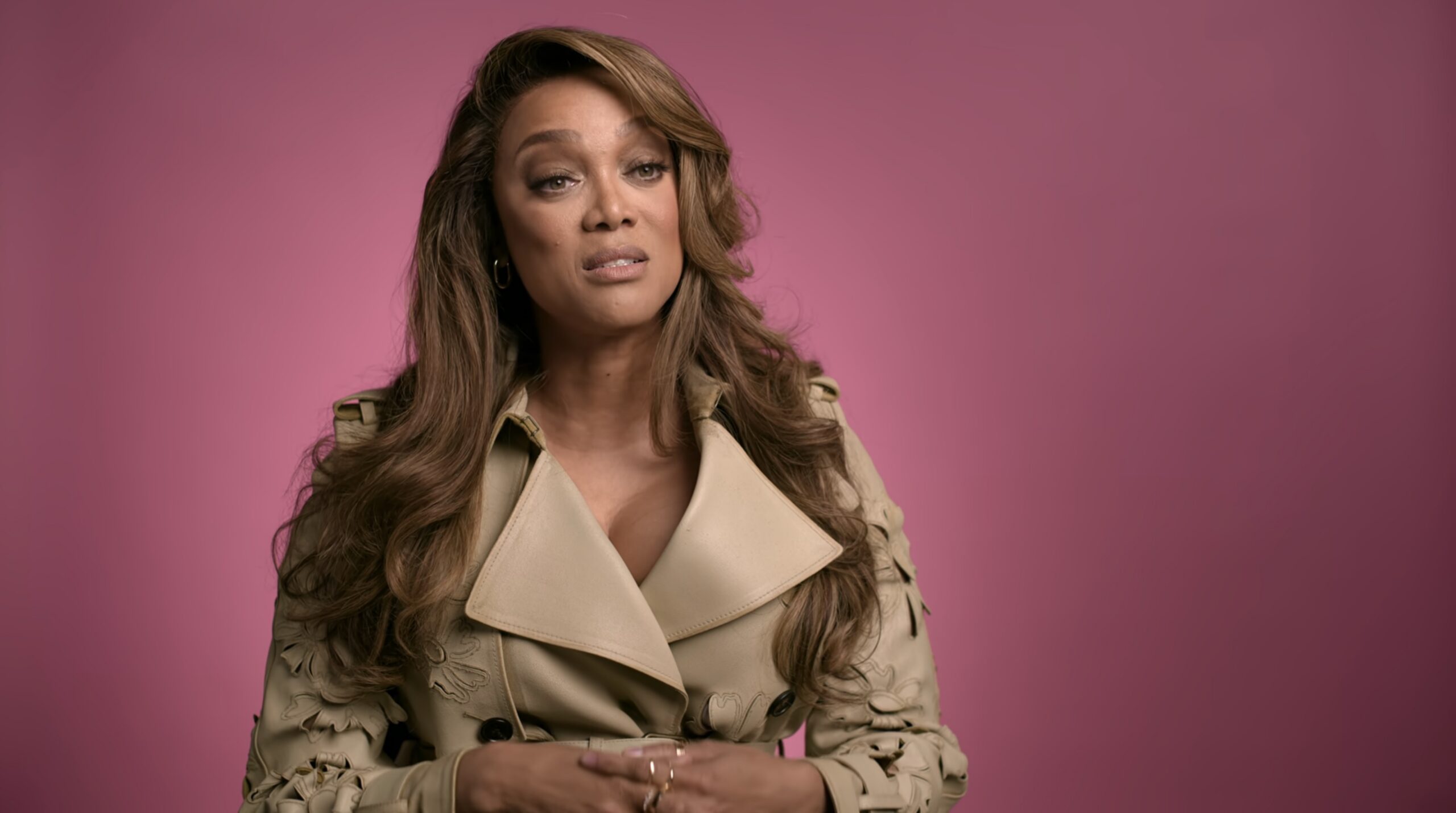
  • The Price of Retrospection – Why Tyra Banks is Suing Netflix Over ‘Reality Check’

    The Price of Retrospection – Why Tyra Banks is Suing Netflix Over ‘Reality Check’

    On June 12, 2026, television producer and former supermodel Tyra Banks filed a $50 million defamation lawsuit against Netflix in Los Angeles Superior Court. The filing claims the platform’s docuseries Reality Check maliciously edited archival footage to create a false narrative about her tenure as executive producer of America’s Next Top Model. The lawsuit marks a sharp escalation in the ongoing cultural reckoning over 2000s reality television.

    For years, the internet has debated the ethics of the era. Video essays and social media retrospectives have routinely dissected the power dynamics of early unscripted television. Now, the arguments are moving into the courtroom.

    But the story does not begin with a single documentary. It begins with a fundamental shift in how streaming platforms mine the past for modern content, and the legal liabilities that arise when nostalgia collides with accountability.

    The Los Angeles Superior Court Filing

    The 54-page complaint was filed by Banks’ legal team in downtown Los Angeles. It names Netflix, Inc. and the independent production company behind the docuseries as co-defendants. The core of the lawsuit hinges on Episode 3 of Reality Check, titled “The Top Model Factory.”

    The plaintiffs allege a systemic pattern of misrepresentation. The suit claims the documentary producers did not merely compile existing footage, but actively manipulated it. They allege the use of deceptive editing techniques designed to cast Banks not as a demanding executive producer, but as an abusive antagonist.

    “This was not a journalistic endeavor or a historical retrospective. It was a deliberate and calculated assassination of character, engineered to generate subscriber engagement through manufactured outrage,” the complaint reads.

    Banks is seeking $50 million in compensatory and punitive damages. Her company, Bankable Productions, is also listed as a plaintiff, citing severe reputational harm and the loss of future syndication revenue.

    The Premise of ‘Reality Check’

    Netflix released Reality Check globally on May 28, 2026. The six-part docuseries promised an unflinching look behind the scenes of the most dominant reality franchises of the early 2000s. It hit number one in 42 countries within 72 hours of its release.

    The series capitalized on a growing audience appetite for media deconstruction. Viewers who grew up watching these shows were now adults, ready to reevaluate the media of their youth through a modern lens. Netflix provided the platform. The documentary provided the thesis.

    Episode 3 focused exclusively on America’s Next Top Model. The show, co-created by Banks and Ken Mok, ran for 24 cycles between 2003 and 2018. It aired on UPN, transitioned to The CW, and finished its run on VH1. It was a global juggernaut. It was also a product of its time.

    The Mechanics of the Alleged Defamation

    Defamation in the context of a documentary is notoriously difficult to prove. The plaintiff must establish that the editing fundamentally altered the truth of the events, rather than simply presenting an unflattering opinion.

    Reality television relies heavily on a post-production technique known as “frankenbiting.” Editors splice disparate audio clips to create cohesive sentences or alter the context of a reaction shot. It is an industry standard. Banks’ legal team argues Reality Check weaponized this standard to cross the line into defamation.

    The lawsuit details 14 specific instances where audio from one season was allegedly laid over video from another. It claims these edits were designed to make Banks appear callous or cruel during sensitive moments with contestants.

    The Cycle 4 Incident

    A significant portion of the lawsuit focuses on the documentary’s portrayal of the infamous Cycle 4 elimination of contestant Tiffany Richardson in 2005. The moment, known for Banks shouting, “We were all rooting for you,” is a cornerstone of internet meme culture.

    The Netflix docuseries featured interviews with former crew members and overlaid them with previously unseen B-roll footage. Banks’ attorneys argue the documentary selectively omitted crucial context. They claim the producers possessed raw, unedited tapes that demonstrated Banks’ concern for the contestant’s well-being, but intentionally buried them to serve a predetermined “villain” narrative.

    The omission of exculpatory evidence is a central pillar of the plaintiff’s argument. If a producer has footage that contradicts their narrative and chooses to hide it, the legal argument for malice grows stronger.

    The Legal Standard for Public Figures

    Tyra Banks is a global celebrity. In the eyes of the law, she is a “public figure.” This designation drastically alters the legal battlefield.

    Under the precedent established by the 1964 Supreme Court case New York Times Co. v. Sullivan, public figures cannot win a defamation suit simply by proving a statement is false. They must prove “actual malice.”

    Actual malice does not mean ill will. It is a specific legal standard. Banks must prove that Netflix and the documentary producers either knew the narrative they were broadcasting was false, or that they acted with “reckless disregard” for the truth.

    The Burden of Proof

    Proving reckless disregard requires internal documentation. Banks’ legal team has already filed motions for discovery, seeking access to the documentary producers’ emails, text messages, and editing bay logs.

    They are looking for the smoking gun. They need a producer explicitly stating a desire to manipulate the footage to make Banks look worse. Without internal communications demonstrating a willful disregard for the truth, the First Amendment provides broad protection for documentary filmmakers.

    Netflix’s legal strategy will likely rely heavily on these First Amendment protections. The platform has a history of aggressively defending its true-crime and documentary properties against similar litigation.

    Precedents in Streaming Litigation

    The Reality Check lawsuit does not exist in a vacuum. It is part of a growing wave of litigation targeting streaming platforms over their unscripted content.

    In 2024, Netflix faced a massive defamation lawsuit over the hit series Baby Reindeer. The platform was sued by a woman claiming to be the real-life inspiration for the show’s stalker character. That case centered on the legal definition of the phrase “This is a true story.”

    Similarly, the subjects of true-crime documentaries like Making a Murderer and Tiger King have frequently threatened or pursued legal action over their portrayals. The platforms have historically argued that documentaries are protected speech, representing the filmmakers’ interpretation of events.

    The Banks lawsuit differs in its focus on archival manipulation. It challenges the specific editorial assembly of historical footage, rather than the dramatic reenactment of events.

    The Cultural Reckoning of the 2000s

    Beyond the courtroom, the lawsuit highlights a broader cultural shift. The 2000s were a notoriously brutal era for celebrity media. Tabloid culture was ruthless. Reality television thrived on exploitation.

    In recent years, audiences have begun to reevaluate the media they consumed during that decade. Documentaries reexamining the treatment of figures like Britney Spears and Janet Jackson have drawn massive viewership. There is a lucrative market for retroactive empathy.

    However, that empathy often requires a new villain. In the rush to reevaluate the past, streaming platforms are incentivized to find clear antagonists. The lawsuit alleges that Reality Check simply swapped one form of exploitation for another.

    The Shift in Audience Empathy

    The public reaction to the lawsuit has been fractured. Social media users remain divided on Banks’ legacy. Some view her as a pioneer who broke barriers in the fashion industry and provided unprecedented opportunities for young women.

    Others view her through the lens of modern sensibilities, criticizing the often harsh challenges and critiques featured on America’s Next Top Model. The Netflix documentary tapped directly into this existing polarization.

    The courtroom will not decide if Banks was a good producer. It will only decide if Netflix lied about her.

    The Business Impact on Netflix

    For Netflix, the lawsuit represents a calculated risk. The platform invests heavily in unscripted retrospectives because they are relatively cheap to produce and generate massive subscriber engagement.

    The budget for a series like Reality Check is a fraction of the cost of a scripted drama. The return on investment is astronomical. The legal fees associated with defending a defamation suit are often viewed as a cost of doing business.

    However, a $50 million judgment would alter the math. If Banks successfully proves actual malice and secures a massive payout, it could chill the entire documentary industry. Production companies would be forced to adopt far stricter legal vetting processes for archival footage.

    The Future of Unscripted Retrospectives

    The syndication market is also watching the case closely. America’s Next Top Model remains a valuable property in international syndication and on ad-supported streaming platforms. Bankable Productions claims the Netflix documentary has actively damaged the show’s market value.

    If a documentary can successfully devalue a legacy property, rights holders will become increasingly litigious to protect their assets.

    The lawsuit is in its infancy. Discovery will take months. A trial, if it happens, is likely years away. But the lines have been drawn.

    The court will decide the legal boundaries of a documentary. The public has already decided the cultural boundaries of the 2000s. Lawyers filed the briefs. Executives read the PR statements. Audiences queued up the next episode.

    Streaming.

  • Tyra Banks Sues Netflix for Defamation Over ‘ANTM’ Documentary

    Tyra Banks Sues Netflix for Defamation Over ‘ANTM’ Documentary

    Tyra Banks has officially filed a defamation lawsuit against Netflix, alleging that the streaming giant manipulated her into participating in an upcoming documentary about her reality television empire, America’s Next Top Model (ANTM). The legal filing, which surfaced on June 13, 2026, accuses the production team of securing her involvement under false pretenses and subsequently defaming her character.

    The Core Allegations Against Netflix

    The dispute centers on the framing and production tactics of the untitled ANTM documentary project. Banks claims she was deliberately misled about the documentary’s angle and intent. According to initial reports, the supermodel and executive producer believed she was contributing to a retrospective celebrating the show’s cultural impact. Instead, she alleges the final narrative was engineered to damage her reputation.

    This is a developing legal story. Details regarding the specific monetary damages sought, the exact venue of the court filing, and the names of individual producers involved are still emerging.

    The Legacy of America’s Next Top Model

    America’s Next Top Model debuted in 2003. It ran for 24 cycles, transforming the landscape of reality television and cementing Banks as a formidable media mogul. In recent years, the series has faced intense retroactive scrutiny. Social media platforms have amplified clips from older seasons, sparking debates about the show’s treatment of contestants and industry standards during the early 2000s.

    The Netflix documentary was positioned to explore this exact cultural shift. Now, it is the subject of a high-stakes legal battle before it even reaches the public.

    What Happens Next in the Legal Process

    Netflix has not yet issued a formal public statement regarding the lawsuit. Legal experts anticipate a rapid response from the streaming platform’s legal counsel, likely moving to dismiss the defamation claims.

    As facts emerge, the case will test the boundaries of documentary subject consent and editorial control in the streaming era.

    Lawyers mobilized. Publicists mobilized. Streaming executives mobilized.

    Litigation.

  • Wanda Sykes Rejects Kevin Hart’s Netflix Roast Over Lazy Writing

    Wanda Sykes Rejects Kevin Hart’s Netflix Roast Over Lazy Writing

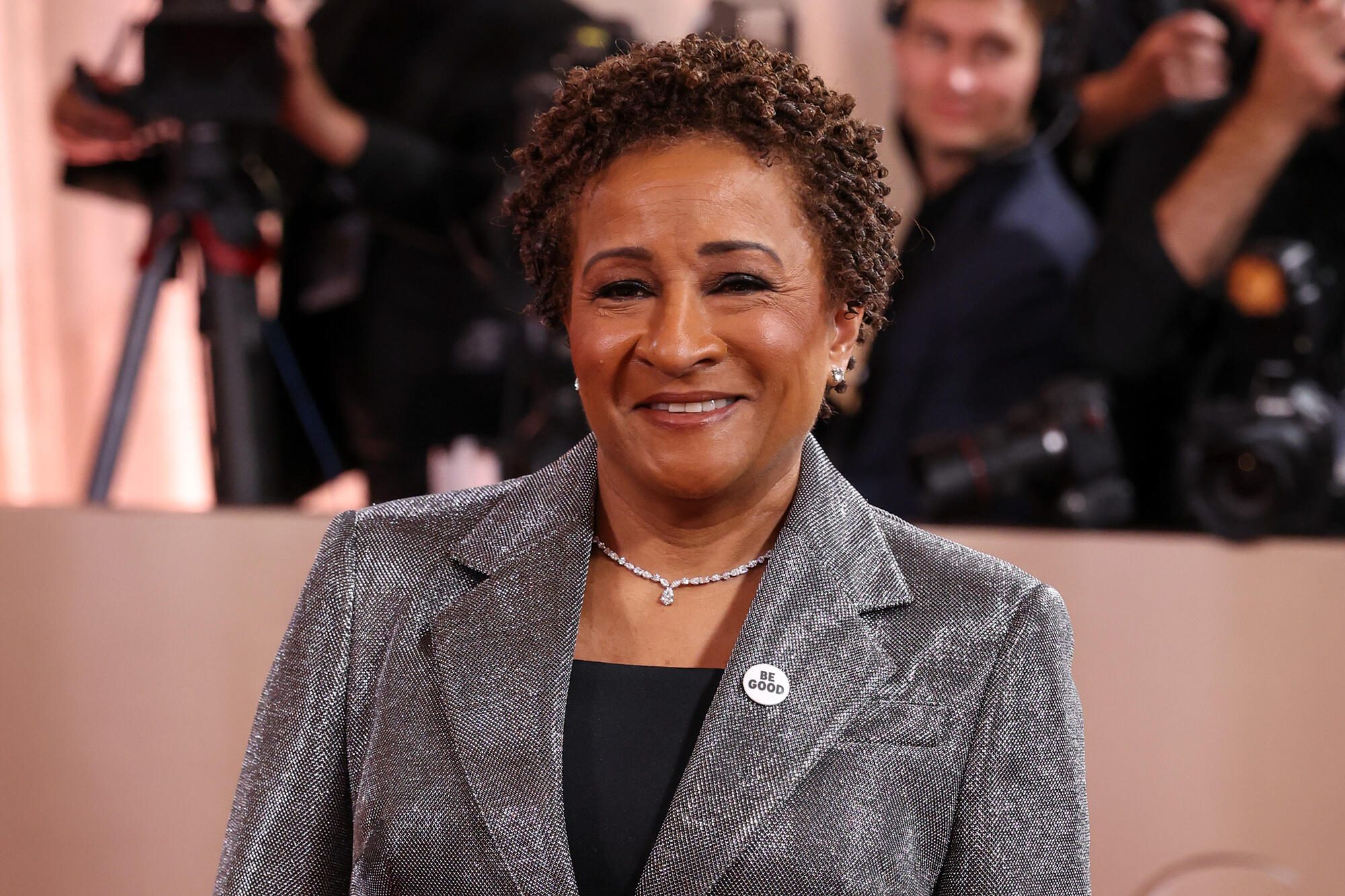
    Wanda Sykes declined a seat on the dais for Kevin Hart’s Netflix roast because she refused to participate in what she described as lazy writing built on recycled sexist, racist, and gay jokes. The veteran comedian and writer passed on the high-profile streaming event, publicly expressing relief that she avoided the project entirely. In many ways, her rejection serves as a flashpoint. What looks like a simple scheduling pass actually exposes a widening fault line in the modern comedy industry.

    Netflix has spent the last decade building an unparalleled comedy infrastructure. The streaming giant allocates portions of its massive $16 billion annual content budget to secure top-tier stand-up talent. Live events represent the newest frontier in this strategy. The platform tested the waters with live specials and quickly moved into the lucrative, high-engagement world of celebrity roasts.

    The May 5, 2024, broadcast of the roast of Tom Brady proved the concept. Millions of viewers tuned in live. Social media algorithms fed on the resulting clips for weeks. Comedians like Nikki Glaser and Jeff Ross saw immediate career bumps. The format generates massive viewership, guaranteed headlines, and significant cultural real estate. Turning down an invitation to a Netflix roast means walking away from one of the largest promotional platforms in modern entertainment. Wanda Sykes walked away anyway.

    The Architecture of the Joke

    The core of Sykes’ criticism centers on the mechanics of the writing. She did not express outrage at the concept of insult comedy. She expressed professional disdain for the execution. Sykes called the material lazy writing. For a comedian who spent years in the writers’ room of The Chris Rock Show, the distinction matters.

    Roasts demand a specific cadence. The format relies on rapid-fire insults, shock value, and boundary-pushing premises. Historically, the New York Friars Club built the roast tradition in the 1950s as a private, fraternal exercise. Comedians insulted their peers behind closed doors. When Comedy Central resurrected the format for television in the early 2000s, targeting celebrities like Pamela Anderson, Justin Bieber, and Charlie Sheen, the tone shifted. The goal became generating gasps from a studio audience.

    Sykes argues this modern iteration has degraded. Instead of crafting sharp, observational takedowns, the format increasingly relies on marginalized groups for easy punchlines. Recycled tropes replace original thought. Sexist, racist, and homophobic setups serve as shortcuts to a reaction. Sykes, a comedian known for precision, views this as a failure of the craft.

    Kevin Hart and the Target on the Dais

    Kevin Hart understands the machinery of Hollywood better than almost anyone. His global box office grosses exceed billions of dollars. His stand-up tours sell out football stadiums. He also understands the mechanics of public controversy.

    In December 2018, the Academy of Motion Picture Arts and Sciences announced Hart would host the 2019 Oscars. Within days, past homophobic tweets surfaced. Hart initially refused to apologize, stating he had addressed the comments previously. The backlash intensified. Hart ultimately stepped down from the hosting gig and issued an apology to the LGBTQ community. The incident remains a defining chapter in his public narrative.

    A roast of Kevin Hart would inevitably touch on this history. The format demands it. Roasters target the most uncomfortable aspects of the honoree’s life. Sykes, an openly gay Black woman, would be placed in a specific dynamic on that stage. Her presence could be weaponized to validate the very jokes she despises. By refusing the invitation, she refused to be a prop in that dynamic.

    A Career Built on Precision

    Wanda Sykes does not need the Netflix roast bump. Her career operates on a different frequency. Born in Portsmouth, Virginia, she worked as a contracting specialist at the National Security Agency before transitioning to stand-up comedy. That background in precision translates to her stage work.

    She won an Emmy Award in 1999 for her writing on The Chris Rock Show. She headlined the White House Correspondents’ Dinner in 2009. Her stand-up specials, including I’ma Be Me and Not Normal, rely on sharp social observation rather than cheap shots. She tours globally, selling out theaters based on the strength of her perspective.

    Her comedic style requires a setup, a pivot, and a punchline anchored in truth. The roast format, as currently constructed, often abandons truth for shock. Sykes drew a professional boundary. She evaluated the project, determined the writing did not meet her standards, and said no.

    The Cultural Divide in Stand-Up

    The comedy industry is currently engaged in a loud, public debate about cultural standards. One faction argues that comedians must be entirely free of restrictions. This group frequently complains about cancel culture and insists that nothing should be off-limits on a comedy stage. Netflix Co-CEO Ted Sarandos has frequently defended controversial comedy on the platform, citing the need to support artistic expression.

    The other faction argues for accountability and evolution. This group contends that punching down at marginalized communities is not edgy; it is simply outdated. They argue that relying on racist or homophobic tropes is a sign of creative stagnation.

    Sykes’ rejection of the Hart roast places her firmly in the latter camp. She is not calling for the roast to be canceled. She is not petitioning Netflix to change its programming. She is simply exercising her right to opt out. She identified the material as recycled and sexist, and she chose not to associate her brand with it.

    The Economics of Outrage

    The modern media ecosystem thrives on outrage. Algorithms prioritize conflict. Roasts are engineered to feed this ecosystem. A single offensive joke generates thousands of reaction videos on TikTok, millions of impressions on X, and countless aggregation articles. The outrage is not a byproduct of the roast; it is the product.

    Netflix understands this math. The platform hosts a wide variety of comedy, from the wholesome to the highly controversial. The goal is engagement. The Tom Brady roast generated massive engagement precisely because it crossed perceived lines. The Kevin Hart roast will likely attempt to replicate that formula.

    I looked at the material, and I said, ‘Thank God I passed.’ It is just lazy writing.

    Sykes opted out of the algorithmic cycle. She recognized the trap. Participating in the roast would mean participating in the subsequent outrage cycle. She would be asked to defend the jokes, contextualize the insults, and participate in the post-game analysis. By saying no, she retained control of her time and her narrative.

    The Future of the Format

    The celebrity roast will survive Wanda Sykes’ absence. Netflix will continue to produce live comedy events. Kevin Hart will continue to sell out arenas. The machinery of Hollywood will keep moving forward.

    However, Sykes’ public critique lingers. It forces a conversation about the difference between a good joke and a cheap insult. It challenges writers to elevate their material. It reminds audiences that they have the right to demand better from the entertainers they support.

    Comedy evolves. The jokes that worked at the Friars Club in 1955 do not work at the Kia Forum in 2026. The comedians who survive the longest are the ones who understand this evolution. They are the ones who recognize when a format has run its course. They are the ones who refuse to rely on recycled premises.

    Audiences watch. Comedians calculate. Executives broadcast. Sykes walked away.

  • Netflix’s ‘Little House on the Prairie’ Reboot: The 2026 Trailer and the Return to Walnut Grove

    Netflix’s ‘Little House on the Prairie’ Reboot: The 2026 Trailer and the Return to Walnut Grove

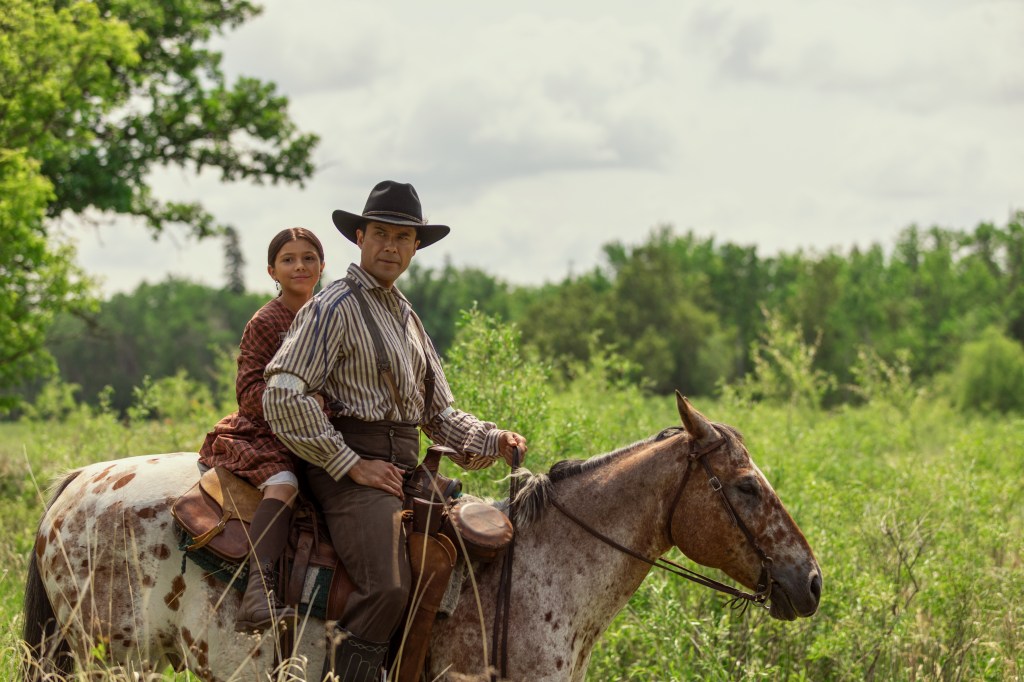
    Netflix released the first trailer for its highly anticipated Little House on the Prairie reboot on June 4, 2026, signaling a dramatic shift from the sunny 1970s television adaptation to a grounded, survival-focused retelling of the Ingalls family’s 1870s western migration. The two-minute preview, titled “A Fresh Start,” confirms a November 12, 2026, global premiere date and positions the series as a prestige historical drama. Audiences seeking nostalgia will find the familiar characters of Charles, Caroline, Mary, and Laura Ingalls, but placed against a harsher, historically accurate American frontier.

    The announcement immediately dominated social media algorithms. Deadline reported the trailer capitalizes on a deep cultural longing for simpler times. But the footage reveals that “simpler” does not mean easier. The reboot strips away the golden-hour gloss of previous adaptations. It replaces it with mud, freezing rain, and the vast, indifferent landscape of the American Midwest.

    What looks like a sudden pivot to historical nostalgia is actually a calculated multi-million-dollar bet. The streaming platform is banking on the idea that an exhausted, hyper-connected modern audience wants to watch a family survive on nothing but timber, wheat, and sheer will.

    The 2026 Trailer: Mud, Wind, and a Fresh Start

    The trailer opens without music. Only the sound of prairie wind and the creak of wooden wagon wheels. A title card appears in a stark, serif font: A Fresh Start.

    Within two minutes and fourteen seconds, the visual language of the new series is established. Charles Ingalls, played with quiet intensity by Garrett Hedlund, is shown driving a covered wagon across a swollen, dangerous river. Caroline Ingalls, portrayed by Lily Rabe, stares across an endless expanse of tallgrass prairie. The camera work is handheld. The lighting relies heavily on practical firelight and overcast skies.

    There are no pristine calico dresses. The wardrobe is frayed. The dirt is permanent. The trailer culminates in a sweeping drone shot of a tiny wooden cabin dwarfed by the massive, unforgiving landscape of Plum Creek.

    This is not the Walnut Grove of 1974. This is the Walnut Grove of 1874. The stakes are not localized town drama. The stakes are starvation, weather, and survival.

    The Economics of Frontier Nostalgia

    Nostalgia is a lucrative commodity. Netflix recognized this when it greenlit the project in October 2024. Co-produced with Paramount Television Studios, the first season carries a reported production budget of $85 million. This averages to over $10 million per episode for the eight-episode run.

    The investment reflects a broader industry trend. Following the massive, sustained success of the Yellowstone franchise, networks and streamers realized the American West still holds immense commercial power. But while Yellowstone offers modern soap-opera violence, Little House on the Prairie offers historical endurance.

    The target demographic is uniquely broad. Netflix aims to capture the older generation who grew up watching the original series in syndication, while simultaneously hooking younger viewers drawn to prestige, high-budget survival narratives. The longing for “simpler times” is actually a longing for tangibility. In an era defined by artificial intelligence and digital screens, chopping wood and planting wheat offer a psychological anchor.

    Reclaiming Laura Ingalls Wilder’s Text

    To understand the 2026 reboot, one must look past the television screen and back to the printed page. Laura Ingalls Wilder published Little House in the Big Woods in 1932. She was 65 years old. Over the next decade, with heavy editorial assistance from her daughter, Rose Wilder Lane, she released eight more books chronicling her childhood.

    The books are stark. They are written for children, but they do not hide the brutality of the era. Wilder wrote about a sky blackened by millions of Rocky Mountain locusts in 1874. She wrote about the devastating blizzards of the Long Winter in 1880, where the family survived for months on nothing but ground seed wheat and twisted hay for fuel.

    The new series showrunner, Margaret Vance, has publicly stated her intention to adapt the original text, not the 1974 television show. The scripts draw heavily from historical records, land deeds, and Wilder’s original, unedited manuscript, Pioneer Girl, which was finally published in 2014. The goal is historical fidelity. The Ingalls family were not wealthy farmers. They were perpetual migrants, driven by the promises of the Homestead Act of 1862, constantly chasing the edge of the frontier.

    The 1974 Legacy of Michael Landon

    It is impossible to launch a property named Little House on the Prairie without confronting the ghost of Michael Landon. In 1974, Landon and producer Ed Friendly brought the Ingalls family to NBC. The show ran for nine seasons, producing 204 episodes.

    Landon’s vision was distinct. He served as the executive producer, frequent director, and the patriarchal star. His Charles Ingalls was a moral pillar, always ready with a gentle lesson and a perfectly timed tear. The series was filmed primarily at the Big Sky Movie Ranch in Simi Valley, California. The California sun gave the show a perpetual, golden-hour warmth that looked nothing like the harsh reality of the Dakota Territory.

    The NBC series was a massive hit. Airing on Monday nights at 8:00 PM, it became a staple of American family viewing. It launched the career of Melissa Gilbert, who became the definitive face of Laura Ingalls for half a century. But Landon’s version often strayed far from historical fact, inventing adopted children, town villains, and melodramatic storylines to satisfy the demands of weekly episodic television.

    The 2026 reboot deliberately distances itself from this legacy. It respects the 1970s iteration as a cultural touchstone, but treats it as a separate entity entirely.

    Casting the Frontier

    Casting a reboot of this magnitude requires precision. The actors must carry the historical weight of the 19th century without feeling like modern transplants in costume.

    • Garrett Hedlund as Charles Ingalls: Hedlund brings a weathered, physical presence to “Pa.” He looks like a man who can actually swing an axe. His portrayal leans less on moralizing speeches and more on the silent, desperate weight of keeping a family alive.
    • Lily Rabe as Caroline Ingalls: Rabe anchors the family as “Ma.” Historical accounts paint Caroline as a deeply resilient woman who managed the homestead alone for weeks while Charles sought labor. Rabe’s casting signals a more complex, central role for the matriarch.
    • Eliana Jones as Laura Ingalls: The 11-year-old newcomer faces the steepest challenge. She must embody the wild, observant spirit of the author. The trailer shows her running through tall grass, capturing the untamed energy that defines the character.
    • Clara Bowden as Mary Ingalls: Playing the older, more obedient sister, Bowden’s role carries the tragic foresight of Mary’s eventual blindness, a storyline the producers have confirmed will be handled with strict medical and historical accuracy.

    Production: Leaving California for Alberta

    To capture the true menace of the Midwestern climate, production could not remain in Southern California. The 2026 series moved its base of operations to Calgary, Alberta. Filming commenced in August 2025 and ran through the bitter cold of February 2026.

    The Canadian province offered the vast, unbroken plains necessary to replicate 1870s Minnesota and the Dakota Territory. The production crew built a fully functioning 19th-century mill. They constructed the iconic sod house and the Plum Creek dugout using historically accurate techniques. There was no drywall. There were no hidden generators on set.

    This commitment to practical effects extends to the environment. When the script called for a blizzard, the crew filmed in sub-zero Albertan weather. The breath leaving the actors’ mouths in the trailer is real. The shivering is not acting. This physical discomfort translates directly to the screen, adding a layer of tension that CGI cannot replicate.

    The Historical Reality of Walnut Grove

    The central hub of the trailer is Walnut Grove, Minnesota. In reality, the Ingalls family lived on a farm situated on the banks of Plum Creek, roughly one and a half miles north of the town.

    In 1874, Charles Ingalls paid $500 for the rights to the 160-acre farm. The family initially lived in a dugout carved directly into the bank of the creek. It was a home made of dirt, roots, and prairie grass. The reality of dugout living was claustrophobic and damp. The trailer briefly shows this cramped, subterranean existence, a stark contrast to the spacious wooden cabin featured in the 1970s series.

    The financial reality of the era was brutal. Wheat was the cash crop. When the Rocky Mountain locusts descended in the summer of 1874, they did not just eat the crops; they ate the family’s financial future. The insects consumed the wheat, the vegetable garden, and even the clothing on the clothesline. Charles was forced to walk two hundred miles east to find work harvesting crops that had been spared. The 2026 series promises to dedicate an entire episode to the psychological horror of the locust swarm.

    Why “A Fresh Start” Resonates Today

    The tagline “A Fresh Start” operates on two levels. Narratively, it refers to the Ingalls family leaving the Big Woods of Wisconsin to claim land in the West. Culturally, it speaks directly to the modern viewer.

    The 2020s have been defined by global instability, technological saturation, and a pervasive sense of burnout. The allure of the 1870s frontier is not that it was easy. The allure is that the problems were physical, not existential. If you were cold, you chopped wood. If you were hungry, you hunted or harvested. The cause and effect of daily survival were immediate and visible.

    This psychological phenomenon is often called anemoia, nostalgia for a time you never experienced. The Netflix reboot taps directly into this vein. It offers a brutal, beautiful escape into a world where the rules of survival were dictated by the seasons, not by the screen.

    The trailer ends with a simple shot. A lantern is blown out. The screen goes black. The premiere date appears. The digital age prepares to look backward.

    The wagons rolled west. The cameras stopped rolling. The algorithms captured the longing.

    Walnut Grove.