Tag: Netflix

  • Netflix Recreates Gene Wilder’s Voice Using AI for ‘The Golden Ticket’

    Netflix Recreates Gene Wilder’s Voice Using AI for ‘The Golden Ticket’

    Netflix has employed artificial intelligence to generate the voice of the late actor Gene Wilder for its upcoming reality competition series, ‘The Golden Ticket.’ This series, set to premiere in 2026, draws inspiration from the iconic Willy Wonka narrative. The decision to use AI to replicate Wilder’s voice has ignited widespread discussion regarding the ethical implications of using such technology for deceased performers.

    The announcement from Deadline on June 30, 2026, confirmed Netflix’s use of this advanced technology. This marks a significant moment in the intersection of artificial intelligence and the entertainment industry. It brings to the forefront questions about consent, legacy, and the future of creative works.

    The Digital Resurrection of Gene Wilder

    Gene Wilder, known for his portrayal of Willy Wonka in the 1971 film ‘Willy Wonka & the Chocolate Factory,’ passed away in 2016. His distinctive voice and acting style became synonymous with the whimsical character. The decision by Netflix to recreate his voice using AI for ‘The Golden Ticket’ aims to connect the new series directly to this established cultural touchstone.

    AI voice synthesis technology has advanced significantly in recent years. Algorithms can now analyze existing audio recordings to generate new speech patterns that mimic a specific person’s voice. This process involves complex machine learning models that capture nuances in tone, pitch, and cadence.

    The technology allows for the creation of new dialogue that Wilder never spoke himself. This capability presents both creative opportunities and considerable ethical challenges. The estate of Gene Wilder has not issued a public statement regarding the use of his voice as of June 30, 2026.

    The ‘Golden Ticket’ Reality Series

    ‘The Golden Ticket’ is a reality competition series. Its premise reportedly involves contestants vying for an experience inspired by the fantastical world of Willy Wonka. Specific details about the challenges and prizes remain under wraps prior to its 2026 premiere.

    The series’ connection to the Willy Wonka universe is explicit. The use of Gene Wilder’s AI-generated voice is intended to reinforce this link. It aims to evoke nostalgia and authenticity for viewers familiar with the original film.

    Netflix has invested heavily in reality programming in recent years. Titles like ‘Squid Game: The Challenge’ and ‘Love Is Blind’ have garnered significant viewership. ‘The Golden Ticket’ represents an expansion into a new subgenre, blending fantasy themes with competitive reality television.

    Ethical Considerations and Industry Debate

    The recreation of Gene Wilder’s voice using AI has sparked a robust ethical debate. This discussion centers on several key areas:

    • Consent and Legacy: A primary concern is whether deceased artists can truly consent to the use of their likeness or voice. Critics argue that such uses may infringe upon their personal autonomy and control over their legacy.
    • Performer Rights: The Screen Actors Guild – American Federation of Television and Radio Artists (SAG-AFTRA) has previously raised concerns about AI’s impact on performers’ rights. The union advocates for clear guidelines and compensation structures for digital replicas.
    • Authenticity and Artistic Integrity: Some argue that AI-generated performances dilute the authenticity of an artist’s work. They question whether a synthesized voice truly honors the original performance or merely exploits it.
    • Precedent for Future Use: This case sets a precedent for how AI might be used with other deceased actors. It opens the door for a future where digital replicas become commonplace without explicit prior consent.

    Industry professionals, legal experts, and fans are weighing in on these issues. The conversation extends beyond Gene Wilder to the broader implications for the entertainment ecosystem.

    Legal Landscape for Digital Replicas

    The legal framework surrounding digital replicas of deceased individuals remains largely undeveloped. Existing intellectual property laws, such as copyright and trademark, offer limited protection in this specific area.

    Right of publicity laws vary by state in the United States. These laws generally protect an individual’s right to control the commercial use of their identity. However, their applicability to deceased persons and AI-generated content is often ambiguous.

    Legislation concerning post-mortem publicity rights is complex. Some states, like California, have specific statutes that allow estates to control a deceased celebrity’s likeness for a period after their death. Other states have no such provisions.

    The lack of clear legal precedent creates uncertainty for studios and estates alike. This specific instance with Gene Wilder’s voice may prompt further legislative action or judicial rulings to clarify these boundaries.

    AI’s Growing Role in Entertainment Production

    The use of AI in ‘The Golden Ticket’ is part of a larger trend. Artificial intelligence is increasingly integrated into various aspects of entertainment production. This includes scriptwriting, visual effects, and even music composition.

    AI tools can generate realistic CGI characters, de-age actors, and even create entire virtual environments. These capabilities offer efficiency and creative possibilities previously unattainable.

    The controversy surrounding Gene Wilder’s voice highlights a specific ethical flashpoint. However, AI’s broader integration continues to reshape how content is created and consumed. Studios are exploring AI for cost reduction and enhanced production value.

    Public Reception and Fan Engagement

    Public reaction to Netflix’s decision has been mixed. Many fans of Gene Wilder express discomfort and a sense of unease. They view the AI recreation as disrespectful to his memory and artistic legacy.

    Others express curiosity about the technological achievement. They are interested in how the AI-generated voice will integrate into ‘The Golden Ticket’ series. This segment of the audience focuses more on the novelty and potential for new creative expressions.

    Social media platforms have become a primary venue for these discussions. Hashtags related to Gene Wilder, AI ethics, and Netflix are trending globally. This public discourse reflects a broader societal grappling with advanced AI technologies.

    The Future of Performer Rights in the AI Era

    The Gene Wilder case underscores the urgent need for updated performer rights. As AI technology advances, the ability to digitally replicate voices, faces, and even entire performances becomes more sophisticated.

    SAG-AFTRA has been at the forefront of advocating for protections. They seek consent requirements, fair compensation, and clear ownership of digital replicas. The union’s efforts aim to prevent the exploitation of performers, both living and deceased.

    The debate around AI and performer rights is not new. However, the concrete application by a major streamer like Netflix brings it to a critical juncture. The outcome of this particular situation may influence future industry standards and collective bargaining agreements.

    The entertainment industry stands at a crossroads. Technological advancement offers new creative avenues. Ethical considerations demand careful navigation. The legacy of artists and the rights of performers are central to this ongoing discussion.

    Lawmakers, industry executives, and artist representatives continue to convene. Frameworks are being proposed. Debates persist. The digital landscape transforms.

    Conclusion

    Netflix’s use of AI to recreate Gene Wilder’s voice for ‘The Golden Ticket’ represents a significant technological and ethical development. It has ignited discussions about consent, artistic integrity, and the future of performer rights. The reality series, set to premiere in 2026, will serve as a prominent example of AI’s integration into mainstream entertainment. The ongoing dialogue will shape policies and public perception surrounding digital replicas in the years to come. The question of who controls an artist’s legacy in the age of AI remains a central, unresolved challenge.

    Technology advances. Ethics are tested. Legacies are debated. The future unfolds.
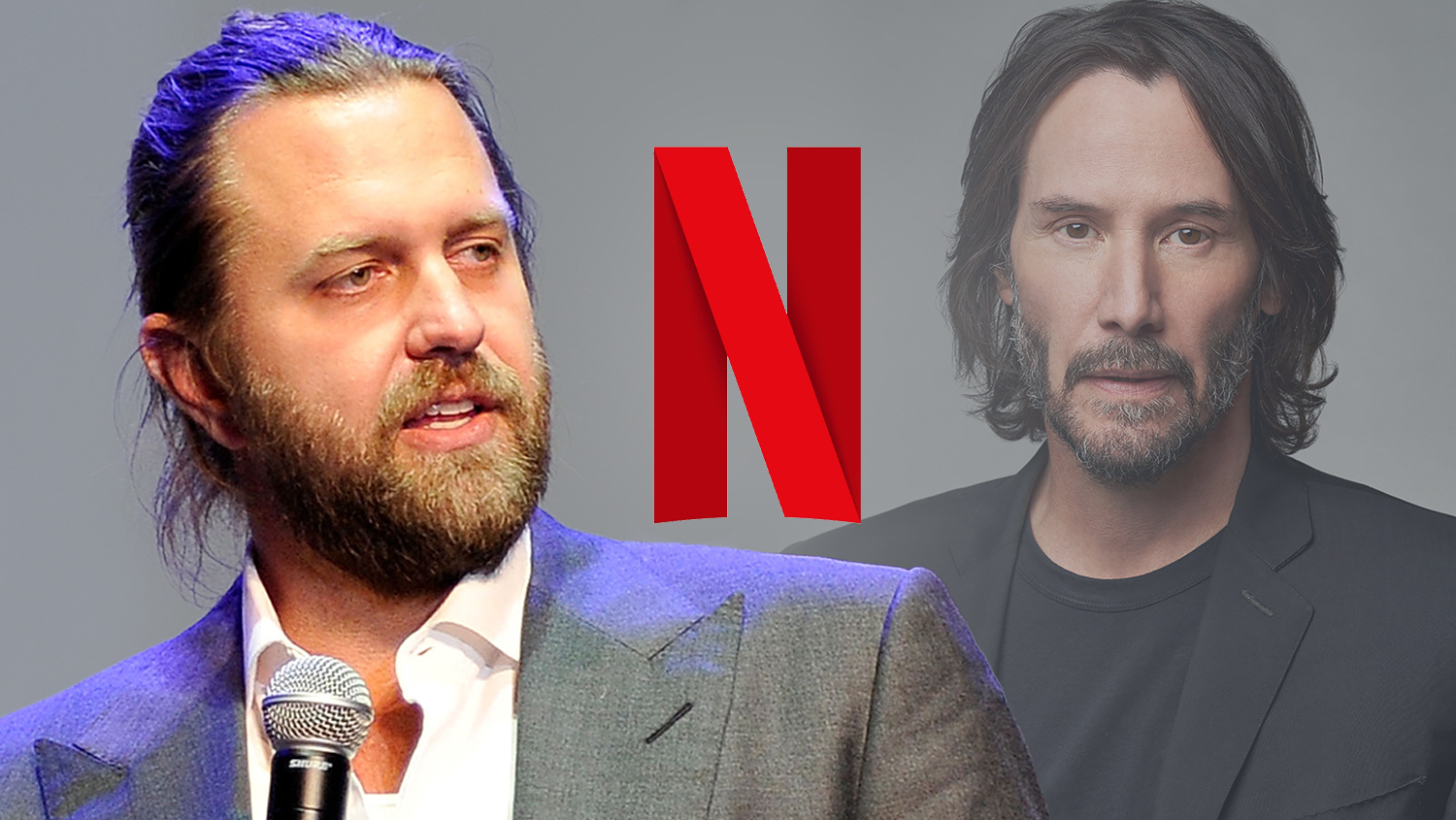
  • Carl Rinsch Sentenced to Prison for Netflix Fraud – Director’s $11M Scam

    Carl Rinsch Sentenced to Prison for Netflix Fraud – Director’s $11M Scam

    The Conviction of Carl Erik Rinsch

    Director Carl Erik Rinsch received a substantial prison sentence on June 28, 2026, after being found guilty of defrauding Netflix of $11 million. The funds were originally allocated for a science fiction series titled Conquest. Rinsch, instead of using the money for production, diverted it for personal expenditures, including luxury vehicles, expensive watches, and significant investments in cryptocurrency.

    This conviction concludes a multi-year legal battle. The case has drawn considerable attention to financial accountability within the film and television industry. Netflix had initially invested heavily in Rinsch’s vision, only to discover the misappropriation of funds.

    The Genesis of Conquest and Netflix’s Investment

    The project Conquest began with considerable promise. Netflix, seeking to expand its original content, greenlit the ambitious science fiction series. The streaming service had high hopes for Rinsch, who had previously worked on commercials and short films, believing he could deliver a groundbreaking cinematic experience.

    Netflix initially advanced Rinsch $11 million in production funds. This sum was intended to cover pre-production costs, script development, casting, and early visual effects work. The agreement stipulated strict financial oversight, but Rinsch allegedly circumvented these measures.

    The Diversion of Funds: Luxury and Crypto

    Evidence presented during the trial detailed Rinsch’s spending habits. Prosecutors outlined how the $11 million was systematically siphoned away from the production budget. A significant portion of the funds was used to purchase five Rolls-Royce vehicles. These luxury cars were acquired over several months in 2022.

    Additionally, Rinsch invested approximately $4 million of the Netflix funds into Dogecoin, a volatile cryptocurrency. This investment was made during a period of significant fluctuation in the cryptocurrency market. The Dogecoin investment ultimately lost substantial value, exacerbating the financial hole.

    Other personal expenditures included high-end watches and designer clothing. These purchases were made while the production of Conquest stalled. Netflix executives reportedly grew concerned as deadlines were missed and tangible production progress remained minimal.

    The Unraveling of the Scheme

    Netflix’s financial and legal teams initiated an investigation when inconsistencies in Rinsch’s expense reports became apparent. False invoices were allegedly submitted to account for the missing millions. These documents purported to detail legitimate production expenditures, but further scrutiny revealed their fraudulent nature.

    The investigation uncovered a pattern of misrepresentation. Rinsch was accused of providing misleading updates on the series’ progress. He allegedly fabricated production milestones and exaggerated the scope of work completed. This deception was designed to delay Netflix’s discovery of the financial malfeasance.

    Legal Proceedings and Judge Vance’s Condemnation

    The criminal proceedings against Carl Erik Rinsch commenced in late 2025. The trial featured testimony from Netflix executives, financial auditors, and former production staff. Prosecutors meticulously presented evidence of the diverted funds and the elaborate scheme Rinsch employed.

    During the sentencing on June 28, 2026, Judge Eleanor Vance delivered a stern condemnation of Rinsch’s actions. Judge Vance stated that Rinsch engaged in “money laundering and lies.” She emphasized the breach of trust and the significant financial damage inflicted upon Netflix. The judge noted that Rinsch’s actions were premeditated and driven by personal greed, rather than any legitimate production necessity.

    “Mr. Rinsch’s conduct demonstrates a blatant disregard for contractual obligations and a cynical manipulation of the trust placed in him,” Judge Vance remarked. “This was not a mistake; it was a deliberate pattern of money laundering and lies, designed to enrich himself at the expense of his investors.”

    The sentence imposed reflects the severity of the financial fraud. The court aims to send a clear message regarding accountability in the entertainment industry. The exact length of Rinsch’s prison sentence was not immediately disclosed, but it was described as “substantial” by court officials.

    Impact on Netflix and the Entertainment Industry

    The Carl Rinsch fraud case has had several repercussions. For Netflix, it represents a significant financial loss and a cautionary tale regarding due diligence in large-scale production deals. The streaming giant has reportedly implemented stricter financial oversight protocols for its original content projects.

    The incident also highlights the risks associated with investing in unproven talent, even with substantial financial backing. The entertainment industry often relies on trust and creative freedom, but this case underscores the need for robust financial controls.

    The Broader Implications for Production Financing

    This case contributes to ongoing discussions about transparency in film and television financing. Production companies and streaming services are increasingly scrutinizing how advanced funds are managed. The use of third-party auditors and real-time expense tracking systems may become more prevalent.

    The legal outcome serves as a deterrent for others considering similar fraudulent schemes. It reinforces the principle that creative endeavors do not exempt individuals from financial accountability. The industry continues to grapple with balancing artistic freedom with prudent financial management.

    Carl Rinsch’s Career Trajectory

    Before the Conquest controversy, Carl Erik Rinsch was primarily known for his work in commercials. He directed several high-profile advertisements for major brands. His commercial portfolio often showcased a distinct visual style, characterized by sleek aesthetics and ambitious concepts.

    Rinsch had also directed the 2013 film 47 Ronin, starring Keanu Reeves. The film was a critical and commercial disappointment. Despite its large budget, it failed to resonate with audiences, leading to significant losses for Universal Pictures. This previous experience may have influenced Netflix’s initial willingness to give Rinsch another opportunity for a large-scale project, hoping for a creative redemption.

    The Aftermath and Future Outlook

    The conviction of Carl Erik Rinsch closes a chapter on a high-profile fraud case. The legal system has delivered a verdict affirming financial accountability. The $11 million diverted by Rinsch remains a significant loss for Netflix, despite any potential recovery efforts.

    The entertainment industry will continue to adapt to new production models and financing structures. Cases like Rinsch’s serve as reminders of the inherent risks. Vigilance and robust financial safeguards remain critical components of successful content creation in the digital age.

    Projects are reviewed. Contracts are scrutinized. Financial flows are traced. The industry moves forward, with lessons learned.

  • Carl Rinsch Sentenced to 30 Months for Netflix Fraud After Mental Health Pleas

    Carl Rinsch Sentenced to 30 Months for Netflix Fraud After Mental Health Pleas

    Director Carl Rinsch was sentenced to 30 months in federal prison on June 30, 2026. The sentencing followed his conviction on fraud charges. These charges relate to his handling of a $55 million budget provided by Netflix for the science-fiction series ‘Conquest.’ Arguments presented during the proceedings cited Rinsch’s mental health struggles, with actor Keanu Reeves offering support for these claims.

    The legal process concluded after an extensive investigation into the project’s financial disbursements. Rinsch’s defense focused on psychological factors influencing his decisions. The court ultimately determined a custodial sentence was appropriate given the financial irregularities involved.

    The ‘Conquest’ Project and Netflix’s Investment

    Netflix greenlit ‘Conquest’ as a major science-fiction undertaking. The streaming giant committed $55 million to the project. This substantial investment aimed to produce a high-concept series. Carl Rinsch was attached as the director, a role he secured partly due to his previous collaboration with Keanu Reeves.

    The series was intended to be a global production. Locations across multiple continents were scouted. Pre-production began with significant expenditure. Netflix anticipated a groundbreaking visual spectacle.

    Reports indicate that Rinsch received the $55 million in various tranches. These funds were designated for production costs, including crew salaries, equipment rentals, and special effects development. However, the project never progressed beyond early stages of development.

    Allegations of Misappropriation of Funds

    The core of the fraud case involved the alleged misuse of Netflix’s investment. Prosecutors contended that a substantial portion of the $55 million was diverted by Rinsch for personal use. These personal expenditures included luxury items and speculative investments.

    Evidence presented in court detailed purchases of high-end automobiles. Luxury watches and designer clothing were also cited. Furthermore, Rinsch reportedly invested millions in cryptocurrency, experiencing significant losses. These transactions were deemed unrelated to the ‘Conquest’ production budget.

    Netflix initiated an internal review when production stalled and financial discrepancies emerged. This review led to the formal complaint. Federal investigators then launched a full inquiry into Rinsch’s financial activities related to the project.

    Keanu Reeves’ Involvement and Support

    Actor Keanu Reeves played a notable role in the legal proceedings. Reeves had previously worked with Rinsch on other projects, including the 2013 film ’47 Ronin.’ Their professional relationship spanned several years.

    Reeves provided a statement to the court regarding Rinsch’s mental state. He described observations of Rinsch’s behavior over time. The statement aimed to contextualize Rinsch’s actions within a framework of psychological distress.

    The actor’s involvement underscored the gravity of the mental health arguments. His testimony did not dispute the financial facts. Instead, it sought to explain the underlying causes of Rinsch’s conduct. Reeves’s participation highlighted the complex nature of the case.

    The Defense’s Argument: Mental Health Struggles

    Rinsch’s legal defense primarily centered on his deteriorating mental health. Attorneys argued that Rinsch was experiencing a severe psychological breakdown during the period of alleged fraud. They suggested his judgment was significantly impaired.

    Expert witnesses, including psychiatrists, testified on Rinsch’s behalf. They presented assessments detailing conditions such as bipolar disorder and narcissistic personality traits. The defense posited that these conditions contributed to his erratic financial decisions and inability to manage the project effectively.

    The defense team presented extensive medical records. These records aimed to establish a pattern of mental health challenges. The argument was that Rinsch’s actions, while illegal, stemmed from a compromised mental state rather than deliberate malice.

    Court’s Deliberation on Mental Health

    The court acknowledged the evidence of mental health issues. Judge Elaine Thompson presided over the sentencing hearing. She considered the medical reports and expert testimonies carefully.

    However, the court also weighed the substantial financial loss incurred by Netflix. The judge noted the significant amount of money involved. The impact of the fraud on investors and the industry was also a factor.

    Ultimately, the court determined that mental health struggles, while relevant, did not entirely absolve Rinsch of criminal responsibility. The decision aimed to balance the need for accountability with an understanding of mitigating circumstances. A prison sentence was deemed necessary to reflect the seriousness of the financial misconduct.

    Impact on Netflix and Future Productions

    The ‘Conquest’ debacle represents a significant financial loss for Netflix. The $55 million investment yielded no completed series. This incident prompts questions about due diligence in large-scale production funding.

    The case may lead to stricter oversight protocols for Netflix’s future projects. The streaming platform relies on external creators and directors. Ensuring accountability for allocated funds remains paramount.

    The incident also serves as a cautionary tale within the entertainment industry. It highlights the risks associated with high-budget, ambitious projects. The balance between creative freedom and financial responsibility is a constant challenge.

    The Broader Conversation: Accountability in Hollywood

    Carl Rinsch’s sentencing contributes to a larger conversation about accountability in Hollywood. Public figures, including directors and producers, are increasingly scrutinized for their conduct. Financial impropriety carries severe consequences.

    The case also touches upon mental health awareness within demanding industries. The pressures of high-stakes projects can exacerbate existing psychological conditions. Support systems and early intervention are crucial for individuals in such roles.

    This outcome sends a clear message. Financial fraud, regardless of underlying factors, will be met with legal repercussions. The pursuit of justice for corporate and individual victims remains a priority for the legal system.

    Sentencing Details and Future Implications

    Rinsch’s 30-month sentence includes provisions for mental health treatment. The court mandated therapy and counseling during his incarceration. This aspect of the sentence reflects the acknowledgment of his psychological challenges.

    Upon release, Rinsch will face probation. The terms of his probation will include further therapeutic requirements. Financial restitution to Netflix is also a component of the judgment.

    The case sets a precedent for how financial fraud cases are handled when mental health is a significant mitigating factor. It underscores the complexity of such legal battles. The outcome reflects a blend of punitive measures and an attempt at addressing underlying issues.

    Investigators gathered. Lawyers argued. Witnesses testified. Judgment rendered.

    Prison.

  • Little House on the Prairie Reimagining: What to Know About the Netflix Series

    Little House on the Prairie Reimagining: What to Know About the Netflix Series

    A reimagining of the classic American saga, ‘Little House on the Prairie,’ is reportedly in development at Netflix. This new series aims to bring the beloved stories of the Ingalls family, first chronicled by Laura Ingalls Wilder in her autobiographical books, to a modern audience. As of June 2026, specific details about the cast, production schedule, and creative team remain undisclosed, but the project signals a renewed interest in the enduring themes of pioneer life, family resilience, and the American frontier.

    The Enduring Legacy of the Prairie

    The ‘Little House’ books by Laura Ingalls Wilder have captivated generations of readers since the first installment, ‘Little House in the Big Woods,’ was published in 1932. The series follows the Ingalls family, Charles, Caroline, Mary, Laura, and Carrie, as they navigate the challenges and triumphs of westward expansion in the late 19th century.

    Wilder’s narratives are celebrated for their vivid descriptions of homesteading, farming, and community building across states like Wisconsin, Kansas, Minnesota, and South Dakota. These stories provide a historical lens into the daily lives of American pioneers, offering insights into their struggles with nature, poverty, and isolation.

    The cultural impact of the books was amplified by the highly successful television series, ‘Little House on the Prairie,’ which aired on NBC from 1974 to 1983. Starring Michael Landon as Charles Ingalls and Melissa Gilbert as Laura Ingalls, the show became a staple of American television, known for its heartfelt storytelling and moral lessons.

    The series, produced by Landon’s company, Michael Landon Productions, garnered numerous awards and nominations during its run. It explored themes of family values, perseverance, and the challenges of frontier life, often taking creative liberties with Wilder’s original stories to fit a weekly television format.

    Netflix’s Vision for a Modern Prairie

    The reported Netflix reimagining suggests an effort to reintroduce these classic stories to a new generation of viewers, potentially exploring themes with a contemporary sensibility. While specific plot details are scarce, such a project would likely grapple with the historical context of the books, including their depictions of indigenous peoples and the realities of westward expansion.

    Modern adaptations often seek to provide a more nuanced portrayal of historical events and characters, reflecting current societal understanding and critical perspectives. This approach could involve expanding the roles of supporting characters or introducing new storylines that resonate with 21st-century audiences.

    The streaming platform’s venture into this beloved franchise indicates a strategy to leverage established intellectual property with a built-in fanbase. Netflix has a history of reviving and reimagining classic properties, often with significant production budgets and a global distribution reach.

    Previous successful adaptations on streaming services have demonstrated that audiences are receptive to new interpretations of familiar tales, provided they maintain the spirit of the original while offering fresh insights. The challenge for the ‘Little House’ reimagining will be to balance nostalgia with innovation.

    Production and Casting Speculation

    As of June 2026, no official announcements have been made regarding the director, writers, or primary cast members attached to the Netflix ‘Little House on the Prairie’ project. The early stage of development means that many creative decisions are likely still being finalized.

    Casting for such an iconic series would be a critical component, particularly for the roles of Charles and Caroline Ingalls, as well as the young Laura. These characters are deeply ingrained in the cultural consciousness of many viewers, setting a high bar for any new interpretation.

    The production timeline for a series of this scope typically involves extensive pre-production, including script development, location scouting, and costume design. Filming would likely take place over several months, followed by a post-production phase involving editing, visual effects, and sound design.

    Industry speculation suggests that a project of this magnitude would likely attract established talent, both in front of and behind the camera. The involvement of a major studio or production company known for historical dramas could also be a factor.

    The Original Books: A Historical Foundation

    Laura Ingalls Wilder’s ‘Little House’ series comprises nine books, detailing her family’s journey and settlement across the American frontier. The books are:

    • ‘Little House in the Big Woods’ (1932)
    • ‘Farmer Boy’ (1933)
    • ‘Little House on the Prairie’ (1935)
    • ‘On the Banks of Plum Creek’ (1937)
    • ‘By the Shores of Silver Lake’ (1939)
    • ‘The Long Winter’ (1940)
    • ‘Little Town on the Prairie’ (1941)
    • ‘These Happy Golden Years’ (1943)
    • ‘The First Four Years’ (1971, published posthumously)

    These books collectively paint a detailed picture of 19th-century American life, from the challenges of building a home on the prairie to the simple joys of family gatherings and community events. Wilder’s writing style is noted for its clarity and descriptive power, making the harsh realities of pioneer life accessible to young readers.

    The autobiographical nature of the series lends it a particular authenticity, though scholars have noted that Wilder’s daughter, Rose Wilder Lane, played a significant role in editing and shaping the manuscripts. The collaboration between mother and daughter is a subject of ongoing literary discussion.

    Comparing Adaptations: The 1970s TV Series

    The 1974 NBC television series, developed by Michael Landon, deviated from the books in several key aspects. While retaining the core characters and settings, the show often introduced new dramatic storylines and expanded the roles of minor characters.

    For example, characters like Nellie Oleson and her family were given more prominent roles in the television series, often serving as foils to the virtuous Ingalls family. The show also explored more contemporary social issues through its historical setting, sometimes adding elements not present in Wilder’s original writings.

    The series was filmed primarily on location in Simi Valley, California, with extensive sets built to recreate the town of Walnut Grove, Minnesota. This commitment to production design contributed to the show’s immersive quality and enduring appeal.

    The success of the 1970s series established a strong visual and narrative identity for ‘Little House on the Prairie’ in popular culture. Any new adaptation will inevitably be compared to this iconic rendition, facing the challenge of meeting audience expectations while forging its own path.

    Cultural Relevance in 2026

    The themes explored in ‘Little House on the Prairie’ continue to resonate in 2026. Stories of self-reliance, community support, and adapting to change remain pertinent in a rapidly evolving world. The series offers a look at a time when resources were scarce and survival often depended on ingenuity and cooperation.

    The books also touch upon complex historical issues, including the displacement of Native American populations and the environmental impact of westward expansion. A modern reimagining could provide an opportunity to explore these topics with greater depth and sensitivity, reflecting contemporary historical scholarship and diverse perspectives.

    The concept of returning to simpler times or embracing sustainable living, often romanticized through narratives like ‘Little House,’ holds continued appeal. The Ingalls family’s journey represents a foundational myth of American identity, and its reinterpretation speaks to ongoing cultural conversations about heritage and progress.

    The anticipation for a new ‘Little House’ series highlights the enduring power of these stories to connect with audiences across generations. The narrative of a family building a life against the odds, driven by hope and resilience, remains a powerful testament to the human spirit.

    The Future of Walnut Grove

    The development of a new ‘Little House on the Prairie’ series at Netflix represents a significant moment for fans of the franchise. It signals a new chapter for the Ingalls family’s story, promising fresh interpretations and a renewed focus on the classic narratives.

    The streaming giant’s investment in this property underscores the timeless appeal of Laura Ingalls Wilder’s work. The stories continue to inspire, educate, and entertain, transcending their historical setting to offer universal lessons.

    As more details emerge, audiences will watch closely to see how this reimagining balances tradition with innovation. The legacy of the prairie, a story of struggle and triumph, continues. The Ingalls family’s journey continues. The spirit of the frontier endures.

    Walnut Grove.

  • Nate Bargatze Faces Backlash for Trump UFC Appearance – The Bell Controversy

    Nate Bargatze Faces Backlash for Trump UFC Appearance – The Bell Controversy

    Comedian Nate Bargatze faced public criticism following his attendance at a UFC event where he was seen and photographed with former President Donald Trump. The controversy intensified after comedian W. Kamau Bell publicly admonished Bargatze, cautioning him against associating with individuals Bell characterized as ‘fascists.’ This interaction fueled a wider discussion within the entertainment industry about comedians’ political stances and public appearances.

    The incident unfolded in the context of a highly polarized political environment. Public figures often navigate scrutiny regarding their associations. Bargatze’s presence at the event became a focal point for this ongoing debate.

    The UFC Event and Political Proximity

    Nate Bargatze, known for his clean, observational comedy style, attended a Ultimate Fighting Championship (UFC) event. These events frequently attract high-profile attendees from various fields. On this particular occasion, former President Donald Trump was also present.

    Photographs and videos quickly circulated across social media platforms. These visuals showed Bargatze in proximity to Trump. The imagery prompted immediate reactions from various online communities.

    The public’s response was swift and divided. Some fans expressed disappointment or anger. Others defended Bargatze’s right to attend any event and associate with anyone. This division mirrored broader societal political cleavages.

    UFC events have become notable venues for political engagement. Public figures often use these platforms for visibility. The presence of political leaders at such events is not uncommon, drawing both supporters and detractors.

    W. Kamau Bell’s Public Admonishment

    The criticism against Bargatze gained significant traction following comments made by comedian W. Kamau Bell. Bell, known for his socially conscious comedy and activism, addressed the situation publicly. His remarks were direct and unambiguous.

    Bell’s statement, delivered through social media, advised Bargatze: ‘Don’t Be in Photos With Fascists.’ This phrase quickly became a central point of the ensuing debate. Bell’s intervention elevated the discussion beyond casual online commentary.

    W. Kamau Bell’s career has often intersected with political and social justice issues. His show, United Shades of America, frequently explores themes of race, culture, and power. His public stance on political association aligns with his established persona.

    Bell’s comments were interpreted by many as a call for accountability. They suggested that public figures, especially comedians, hold a responsibility regarding the optics of their associations. The implication was that proximity to certain political figures could be seen as an endorsement.

    Reactions Across the Comedy Landscape

    The exchange between Bell and Bargatze resonated throughout the comedy world. Many comedians, industry professionals, and fans weighed in. The debate touched upon artistic freedom, moral responsibility, and the role of comedians in a politically charged era.

    Some comedians defended Bargatze, emphasizing the idea that attending an event or being photographed with someone does not equate to political endorsement. They argued for the separation of personal and professional lives, even for public figures.

    Other comedians sided with Bell’s perspective. They contended that in the current political climate, neutrality is increasingly difficult to maintain. They argued that silence or perceived association could be interpreted as complicity or normalization of certain ideologies.

    The discussion highlighted a generational and ideological split within comedy. Older generations of comedians often avoided overt political stances. Younger generations, particularly those influenced by social media, frequently integrate political commentary into their work and public identities.

    Social media platforms amplified the debate. Twitter, Instagram, and Facebook became arenas for passionate arguments. Hashtags related to Bargatze, Trump, and Bell trended, indicating widespread public engagement with the controversy.

    The Nuance of Association

    The core of the controversy lies in the interpretation of ‘association.’ Does a shared space imply shared values? This question has long been debated in public discourse. For comedians, whose craft often relies on observation and commentary, the lines can be particularly blurry.

    Public figures, by virtue of their visibility, are often subjected to intense scrutiny. Every action, every photograph, can be analyzed and interpreted by a vast audience. This reality places unique pressures on entertainers.

    The concept of ‘cancel culture’ also loomed over the discussion. Some worried that criticism could lead to professional repercussions for Bargatze. Others argued that public criticism is a necessary part of democratic discourse and accountability.

    The incident also sparked conversations about the boundaries of comedy itself. Is comedy meant to be purely entertainment, or does it carry a inherent social or political responsibility? These questions have no easy answers and continue to be debated.

    Bargatze’s Public Image and Career Trajectory

    Nate Bargatze has cultivated a public image as a family-friendly, relatable comedian. His humor typically avoids controversial political topics. This approach has garnered him a broad appeal and a significant following.

    His Netflix specials, including The Tennessee Kid (2019) and Hello World (2023), have been highly successful. Bargatze’s style is often described as ‘clean’ and accessible, appealing to audiences who prefer less explicit or politically charged content.

    The controversy potentially challenged this carefully constructed image. Fans who appreciate his non-political stance might have felt conflicted by his perceived political association. Conversely, some might have seen it as a non-issue.

    The long-term impact on Bargatze’s career remains to be seen. In the current climate, public figures often face short-term backlash that eventually subsides. However, such incidents can also lead to lasting shifts in audience perception.

    His touring schedule and future projects will indicate how the public ultimately responds. Comedians often navigate such controversies by either addressing them directly, ignoring them, or subtly incorporating the experience into their material.

    The Broader Context of Political Polarization

    The Bargatze-Bell controversy is not an isolated incident. It reflects a larger trend of increasing political polarization affecting all sectors of society, including entertainment. Artists and entertainers are increasingly expected to take sides or face criticism.

    The 2024 United States presidential election saw heightened political tensions. Public figures’ affiliations became more scrutinized than ever. The pressure to declare allegiances or face condemnation intensified across various industries.

    Social media platforms play a crucial role in this dynamic. They provide immediate avenues for both criticism and defense. Information, and misinformation, spreads rapidly, shaping public opinion in real-time.

    The entertainment industry, traditionally seen as a space for diverse viewpoints, now grapples with these pressures. The expectation for celebrities to act as moral or political compasses has grown. This places them in difficult positions, balancing personal beliefs with public image and career longevity.

    This ongoing cultural shift impacts how artists create, perform, and interact with their audiences. The line between personal and political is increasingly blurred, especially for those in the public eye.

    Looking Ahead: Navigating Public Scrutiny

    For comedians like Nate Bargatze, navigating public scrutiny after such an event becomes a test of resilience and strategic communication. The choices made in the aftermath can significantly shape public perception.

    Some public figures choose to issue statements clarifying their positions. Others may opt for silence, allowing the controversy to fade over time. Each approach carries its own risks and benefits.

    The incident serves as a case study in contemporary celebrity culture. The interconnectedness of social media, political discourse, and entertainment means that public figures operate in a constantly monitored environment.

    The demand for authenticity versus the need for strategic image management creates a complex landscape. Comedians, whose work often thrives on authenticity, face particular challenges in this regard.

    Ultimately, the Bargatze-Bell exchange underscores the ongoing struggle within the entertainment world. It highlights the tension between individual expression, public responsibility, and the unforgiving nature of online judgment.

    Fans considered. Critics analyzed. Comedians debated. The public watched.

    Culture.

  • Clinton on Netflix, Electoral College Is An Abomination

    Clinton on Netflix, Electoral College Is An Abomination

    Hillary Clinton explicitly labeled the United States Electoral College an “abomination” during a June 2026 interview for the Netflix docuseries The American Experiment. She directly attributed her 2016 presidential election loss to Donald Trump to the system. Clinton won the national popular vote by nearly 2.9 million ballots. She lost the Electoral College 304 to 227 after narrow defeats in three critical Rust Belt states.

    The math dictated the outcome. The national vote total did not align with the electoral map. The structural reality of American democracy superseded the popular majority.

    The 2016 election fundamentally altered the trajectory of the United States Supreme Court. It reshaped global geopolitical alliances. It redefined the modern Republican Party. The origins of those shifts trace back to the precise mechanisms of the electoral system.

    The Netflix Revelation: Revisiting 2016

    Netflix released The American Experiment in June 2026. The docuseries examines the foundational mechanics of the United States government. The third episode focuses entirely on the executive branch and the unique mechanism used to fill it.

    Clinton appears in a starkly lit studio. Her tone is measured but absolute. She does not mince words when analyzing the mechanism that ended her political career.

    The Electoral College is an abomination. It is a relic of compromises made by men who could not fathom the nation we have become. It actively subverts the will of the majority.

    The vote totals validate her mathematical frustration. Clinton secured 65,853,514 votes nationwide. Donald Trump secured 62,984,828. A direct popular vote system would have resulted in a decisive victory for the Democratic nominee. Instead, the presidency is decided by 538 electors distributed across fifty states and the District of Columbia.

    The electoral mechanism functioned according to its constitutional design. Clinton argues this design inherently subverts majority preference.

    The Anatomy of a 77,744-Vote Margin

    National vote totals do not elect presidents. State-level victories do. The 2016 election hinged on three states that had reliably voted Democratic for decades. The margins were microscopic compared to the national electorate.

    • Pennsylvania: Trump won by 44,292 votes.
    • Wisconsin: Trump won by 22,748 votes.
    • Michigan: Trump won by 10,704 votes.

    Seventy-seven thousand, seven hundred and forty-four votes. Out of nearly 137 million cast nationwide, this fraction in three specific geographic regions decided the presidency. Clinton secured massive margins in states like California and New York. Those margins yielded zero additional electoral power. A vote in Los Angeles held less mathematical weight than a vote in Milwaukee.

    The geographic disparity forms the core of the modern critique. The system heavily weights rural, less populous states. Wyoming receives three electoral votes for its roughly 580,000 residents. California receives fifty-four electoral votes for its 39 million residents. The ratio of electoral power to population is heavily skewed by the inclusion of two Senate seats in every state’s electoral allocation.

    The Origins of the 1787 Compromise

    The Electoral College emerged from the 1787 Constitutional Convention in Philadelphia. The framers faced a deeply divided young nation. Delegates debated how to select the chief executive.

    Pennsylvania delegate James Wilson proposed a direct national popular vote. Southern delegates immediately rejected the idea. Northern states possessed larger populations of eligible voting citizens. Southern states possessed massive populations of enslaved people who held no rights and could not vote. A direct popular vote would have concentrated executive power in the North.

    The delegates forged the Three-Fifths Compromise. The agreement allowed Southern states to count three-fifths of their enslaved populations toward their congressional apportionment. Electoral College votes were directly tied to congressional delegation size.

    This mathematical formula granted Southern states disproportionate influence over the presidency for the first fifty years of the republic. Virginia slaveholders occupied the presidency for thirty-two of the nation’s first thirty-six years.

    Alexander Hamilton and Federalist No. 68

    Alexander Hamilton defended the finalized system in Federalist No. 68. He argued that a small group of informed electors would prevent the rise of demagogues. Hamilton believed the general public lacked the capacity to adequately vet presidential candidates across a massive, disconnected continent.

    The electors were designed to act as a deliberative body. They were intended to exercise independent judgment. They were meant to serve as a fail-safe against populism and foreign interference.

    The system evolved differently. Political parties emerged. Electors became bound partisans pledged to specific candidates. The deliberative body Hamilton envisioned never materialized in practice. Instead, the winner-take-all allocation of electors adopted by most states transformed the system into a high-stakes geographic mathematical puzzle.

    The 2000 Precedent: Gore vs. Bush

    Clinton is not the only modern candidate to experience a popular vote inversion. The 2016 election mirrored the statistical anomaly of the 2000 presidential race.

    Vice President Al Gore won the national popular vote by 543,895 ballots. Texas Governor George W. Bush won the Electoral College 271 to 266. The outcome hinged entirely on the state of Florida.

    Bush won Florida by a margin of 537 votes. The incredibly narrow margin triggered a mandatory recount. The legal battle escalated to the United States Supreme Court. The landmark decision in Bush v. Gore halted the recount. Bush secured Florida’s twenty-five electoral votes and the presidency.

    Two of the last four American presidents assumed office despite losing the popular vote. This frequency is historically unprecedented in the modern era. Prior to 2000, the phenomenon had not occurred since 1888.

    The 1888 Anomaly: Cleveland vs. Harrison

    The late nineteenth century provides the clearest historical parallel. Incumbent Democratic President Grover Cleveland faced Republican challenger Benjamin Harrison in 1888.

    Cleveland won the popular vote by slightly more than 90,000 ballots. He dominated the Southern states with massive margins. Harrison narrowly won crucial swing states in the North and Midwest, including New York and Indiana.

    Harrison secured 233 electoral votes. Cleveland secured 168. Harrison entered the White House. Cleveland returned four years later to defeat Harrison in 1892, becoming the only president to serve two non-consecutive terms. The 1888 election demonstrated the exact geographic vulnerability that Clinton encountered in 2016.

    The 1876 Crisis: Tilden vs. Hayes

    The 1876 election produced the most severe constitutional crisis related to the Electoral College. Democratic candidate Samuel J. Tilden won the national popular vote by roughly 250,000 ballots. He secured 184 electoral votes. He needed 185 to win the presidency.

    Republican candidate Rutherford B. Hayes secured 165 electoral votes. Twenty electoral votes across Florida, Louisiana, South Carolina, and Oregon were fiercely disputed. Both parties claimed victory in the Southern states amid widespread allegations of voter fraud, violence, and voter intimidation targeting newly enfranchised Black voters.

    Congress created a bipartisan Electoral Commission to resolve the crisis. The commission ultimately awarded all twenty disputed electoral votes to Hayes. Hayes won the presidency 185 to 184. The political compromise that secured Hayes the presidency also resulted in the withdrawal of federal troops from the South, effectively ending Reconstruction and paving the way for the Jim Crow era. The electoral dispute reshaped American civil rights for a century.

    The 1824 Contingent Election

    The system failed to produce a clear winner in 1824. Four major candidates split the electoral map. Andrew Jackson won a plurality of both the popular vote and the Electoral College. He secured ninety-nine electoral votes. John Quincy Adams secured eighty-four. William H. Crawford secured forty-one. Henry Clay secured thirty-seven.

    No candidate reached the required majority of 131 electoral votes. The Twelfth Amendment triggered a contingent election in the House of Representatives. The House only considered the top three candidates. Henry Clay was eliminated.

    Clay served as Speaker of the House. He despised Jackson. Clay threw his political support behind Adams. The House elected Adams as the sixth President of the United States. Adams subsequently appointed Clay as Secretary of State. Jackson denounced the outcome as a “corrupt bargain.” The Electoral College mechanism directly fueled the rise of Jacksonian populism four years later.

    The Legislative Resistance: The NPVIC

    Amending the United States Constitution requires a two-thirds majority in both the House and the Senate. It then requires ratification by three-fourths of the state legislatures. The Electoral College currently provides a distinct partisan advantage to the Republican Party. A constitutional amendment is politically impossible in the deeply divided 2026 legislative environment.

    Opponents of the system have pivoted to a state-level strategy. The National Popular Vote Interstate Compact (NPVIC) is a legislative maneuver designed to bypass the amendment process entirely.

    Article II, Section 1, Clause 2 of the Constitution grants state legislatures the exclusive authority to determine how their electors are awarded. Currently, forty-eight states use a winner-take-all system based on the state’s internal popular vote. Maine and Nebraska allocate electors proportionally.

    The NPVIC asks states to pass legislation pledging their electoral votes to the winner of the national popular vote, regardless of the outcome within their own state borders. The compact includes a trigger provision. It only takes effect once it is joined by states representing a combined 270 electoral votes. Two hundred and seventy is the exact number required to win the presidency.

    The 2026 Status of the Compact

    The compact continues to gain legislative ground. By June 2026, the NPVIC has secured commitments from states representing over 200 electoral votes. Heavyweight Democratic states anchor the agreement. New York, California, and Illinois passed the legislation years ago.

    The movement faces steep hurdles. It requires the participation of several purple or red states to reach the 270-vote threshold. Republican legislatures consistently block the measure, recognizing the current system’s advantage for their presidential nominees.

    Legal scholars also anticipate a massive Supreme Court challenge if the compact ever reaches 270 votes. Critics argue the compact violates the Compact Clause of the Constitution, which requires congressional consent for interstate agreements. Proponents argue the plenary power of states to allocate electors supersedes the Compact Clause.

    The Bayh-Celler Amendment Attempt

    The closest the United States ever came to abolishing the Electoral College occurred in 1969. The 1968 election featured a strong third-party run by George Wallace. Wallace won five Southern states and forty-six electoral votes. The chaotic election terrified political leaders in both major parties.

    Representative Emanuel Celler and Senator Birch Bayh introduced a constitutional amendment to replace the Electoral College with a direct national popular vote. The amendment required the winning candidate to secure at least forty percent of the national vote to avoid a runoff.

    The House of Representatives passed the Bayh-Celler amendment overwhelmingly. The vote was 338 to 70. President Richard Nixon endorsed the measure. The amendment moved to the Senate.

    A coalition of Southern senators and lawmakers from small states launched a filibuster. They recognized the Electoral College amplified their regional power. The filibuster held. The amendment died. The system remained.

    The Enduring Divide

    Clinton’s comments on Netflix underscore a permanent fracture in American political mechanics. The system demands geographic breadth. The popular vote reflects pure numerical density.

    The Democratic Party relies heavily on massive vote totals in urban centers and coastal states. The Republican Party relies on widespread geographic dominance across the Midwest, the South, and rural counties nationwide. The Electoral College mathematically rewards the latter strategy.

    The debate will not end with a documentary. It will not end with a single election cycle. The mathematical reality of the American presidency dictates the strategy of every campaign.

    Delegates drafted compromises. Candidates counted ballots. States signed compacts. The map remained.

  • Denis O’Hare Reacts to Netflix’s Cancellation of ‘The Boroughs’

    Denis O’Hare Reacts to Netflix’s Cancellation of ‘The Boroughs’

    Netflix’s sudden cancellation of the supernatural drama series The Boroughs has drawn a public reaction from actor Denis O’Hare, highlighting a growing trend of abrupt project terminations within the streaming industry. The decision, announced in mid-2026, abruptly halted a project that had garnered significant anticipation, leaving cast, crew, and potential audiences questioning the shifting priorities of major entertainment platforms. O’Hare’s response provides a window into the frustration experienced by creatives navigating a landscape increasingly dictated by immediate metrics rather than long-term artistic vision.

    The cancellation of The Boroughs is not an isolated incident. It represents a broader pattern within the entertainment sector, where studios and streaming services are re-evaluating their content strategies. The focus has shifted sharply toward guaranteed returns and algorithmic predictability. But the story doesn’t begin there. What looks like a modern corporate pivot actually stems from a fundamental change in how media is valued and consumed.

    The Promise of ‘The Boroughs’

    When The Boroughs was first announced, it carried the pedigree of high-end supernatural storytelling. Developed by the Duffer Brothers, the creators of Stranger Things, the series was positioned as a major tentpole for Netflix. The premise, a group of unlikely heroes navigating a supernatural threat in a retirement community, offered a fresh take on the genre. The casting of seasoned actors, including Denis O’Hare, signaled a commitment to strong, character-driven narratives.

    Production had reportedly moved forward with significant investment. Sets were built. Scripts were finalized. The anticipation within the industry was palpable. The Boroughs was expected to fill the void left by concluding flagship series. It was designed to capture a specific demographic while appealing to a broader audience hungry for complex, supernatural mysteries.

    However, the landscape of streaming economics shifted dramatically between the project’s greenlight and its eventual cancellation. The initial enthusiasm was met with the cold reality of tightening budgets and a renewed focus on immediate profitability.

    Denis O’Hare Breaks the Silence

    Following the announcement, Denis O’Hare, known for his versatile roles in American Horror Story and True Blood, voiced his disappointment. His reaction was measured but pointed. He articulated the shared frustration of a cast and crew who had invested significant time and creative energy into a project that would never see the light of day.

    O’Hare’s comments touched upon the inherent vulnerability of the creative process in the current corporate climate. He highlighted the disconnect between the artistic endeavor of bringing characters to life and the stark, often opaque, decisions made in boardrooms. His words resonated with many in the industry who have experienced similar sudden terminations.

    “It’s a profound disappointment when a story you believe in, a world you’ve helped build, is suddenly erased before it even reaches an audience,” O’Hare stated. “The focus seems to have shifted entirely to the algorithm, leaving little room for the organic growth of a narrative.”

    This sentiment is not unique to O’Hare. It reflects a growing unease among writers, directors, and actors. The implicit contract between creators and platforms, that good work will be given a chance to find its audience, appears to be fraying.

    The Algorithmic Guillotine

    The cancellation of The Boroughs underscores a fundamental shift in how streaming platforms operate. In the early days of the “streaming wars,” the strategy was defined by volume and risk-taking. Platforms were willing to invest heavily in diverse projects to build robust libraries and attract subscribers. That era has definitively ended.

    Today, the industry is governed by what critics call the “algorithmic guillotine.” Decisions regarding renewals and cancellations are increasingly driven by internal metrics: completion rates, cost-per-viewer, and immediate social media traction. If a series does not demonstrate immediate, overwhelming success, its future is bleak.

    • Completion Rates: Platforms heavily weigh whether viewers finish a series within a specific timeframe.
    • Cost-per-Viewer: The production budget is strictly analyzed against the number of unique accounts that watch the content.
    • Acquisition vs. Retention: New shows are evaluated on their ability to drive new subscriptions rather than simply retain existing ones.

    For a series like The Boroughs, which may have required a slower build or targeted a specific demographic, this metric-driven approach proved fatal. The potential for long-term cultural impact was outweighed by the demand for immediate, quantifiable returns.

    The Impact on Creative Storytelling

    The implications of this shift extend far beyond a single cancelled series. The reliance on algorithmic predictability is fundamentally altering the types of stories that get told. There is a growing reluctance to take risks on unproven concepts or unconventional narratives.

    Creators are increasingly pressured to engineer their projects to satisfy the algorithm. This means front-loading action, relying on established intellectual property, and prioritizing immediate hooks over character development. The result is a homogenization of content, where unique voices and distinct visions are often marginalized.

    O’Hare’s reaction to the cancellation of The Boroughs serves as a stark reminder of this reality. When decisions are made solely based on projected data, the intangible qualities that make a story resonate, nuance, ambiguity, slow-burn tension, are often the first casualties.

    The Audience Response

    The cancellation has also sparked significant reaction from audiences. Fans who had been following the development of The Boroughs expressed frustration on social media platforms. The abrupt termination of a project associated with high-profile creators like the Duffer Brothers fueled a sense of disillusionment with the streaming model.

    This audience reaction highlights a growing disconnect between the platforms and their subscribers. While platforms prioritize immediate metrics, audiences often value the opportunity to discover and invest in complex narratives over time. The cancellation of highly anticipated projects erodes trust and diminishes the perceived value of a subscription.

    The debate surrounding The Boroughs reflects a broader cultural conversation about the role of art in a corporate-driven entertainment landscape. It raises questions about who ultimately controls the narrative and what gets lost when storytelling is reduced to a data point.

    The Broader Industry Context

    To understand the cancellation of The Boroughs, it is necessary to view it within the broader context of the entertainment industry in 2026. The sector is undergoing a period of significant contraction and consolidation. The post-pandemic boom has given way to a harsh reality of cost-cutting and strategic realignment.

    Major studios and streaming platforms are facing pressure from Wall Street to demonstrate profitability. This has led to widespread layoffs, budget reductions, and a ruthless culling of content. The Boroughs is simply one of many casualties in this ongoing restructuring.

    The focus has shifted from growth at all costs to sustainable, predictable revenue models. This often means doubling down on established franchises and proven formats, leaving less room for original, ambitious projects. The environment is increasingly hostile to the kind of creative risk-taking that defined the early streaming era.

    The Future of Original Content

    The demise of The Boroughs raises critical questions about the future of original content. If platforms are unwilling to invest in new, untested narratives, where will the next generation of groundbreaking series come from? The current trajectory suggests a future dominated by sequels, reboots, and algorithmic safe bets.

    However, this shift also creates opportunities. As major platforms become more risk-averse, independent creators and smaller, niche platforms may find a receptive audience hungry for original storytelling. The frustration expressed by actors like Denis O’Hare and the disappointment of audiences indicate a demand for narratives that defy the algorithmic mandate.

    The challenge for creators will be finding new avenues to connect with audiences and secure funding outside the traditional studio system. The cancellation of The Boroughs may be a symptom of a larger industry malaise, but it also underscores the enduring need for compelling, human-driven stories.

    The sets were dismantled. The scripts were shelved. The actors moved on. The algorithm won.

  • Netflix’s ‘Little House’ – Introducing the Pioneering Black Doctor, Jocko Sims as Dr. Tann

    Netflix’s ‘Little House’ – Introducing the Pioneering Black Doctor, Jocko Sims as Dr. Tann

    A New Frontier for ‘Little House’

    Netflix is developing a new adaptation of the classic American frontier narrative, ‘Little House on the Prairie’. This forthcoming series aims to reimagine the beloved stories of Laura Ingalls Wilder for a contemporary audience. One notable aspect of this adaptation is its commitment to expanding the historical representation within the narrative.

    A significant character introduction will be that of a pioneering Black doctor. This character, named Dr. Tann, will be portrayed by actor Jocko Sims. The casting and character development reflect a modern approach to historical storytelling, seeking to acknowledge and integrate diverse experiences often overlooked in earlier adaptations.

    Jocko Sims Joins the Cast

    Actor Jocko Sims has been confirmed for the role of Dr. Tann. Sims is known for his work in various television series, including ‘New Amsterdam’ where he played Dr. Floyd Reynolds. His casting brings a recognized face to this pivotal new character in the ‘Little House’ universe.

    The role of Dr. Tann is envisioned as a central figure, contributing significantly to the community and the broader narrative. His presence is intended to challenge conventional portrayals of the American frontier, highlighting the diverse populations that were part of its development.

    Historical Context of Black Doctors on the Frontier

    The inclusion of a Black doctor in ‘Little House on the Prairie’ is not merely a modern embellishment but reflects historical realities. While often marginalized in popular culture, Black physicians did practice medicine on the American frontier during the 19th century. These individuals faced significant racial barriers and societal challenges but played crucial roles in their communities.

    For example, Dr. James McCune Smith, born in 1813, was the first African American to earn a medical degree, completing his studies in Glasgow, Scotland, in 1837. He practiced in New York City, serving both Black and white patients. Though not directly on the Western frontier, his existence demonstrates the presence of highly educated Black medical professionals during the era depicted by ‘Little House’.

    Further west, figures like Dr. Daniel Hale Williams, who performed one of the first successful open-heart surgeries in 1893, operated in a period coinciding with the later years of the frontier era. Their stories underscore the historical validity of Black medical professionals contributing to American society, even in challenging environments.

    The ‘Little House’ Legacy and Representation

    Laura Ingalls Wilder’s original ‘Little House’ books, first published between 1932 and 1943, chronicled her childhood experiences in various pioneer settlements. The popular television series, which aired from 1974 to 1983, became a cultural touchstone, but often presented a largely homogenous view of frontier life.

    Modern adaptations, including this Netflix project, are increasingly re-examining these narratives through a lens of greater inclusivity. The aim is to create stories that resonate with a broader audience by acknowledging the full spectrum of historical experiences. This includes recognizing the contributions and struggles of people of color, Native Americans, and other marginalized groups.

    The introduction of Dr. Tann serves this purpose. It allows the series to explore themes of resilience, community, and medical innovation within a more historically complete framework. The character can provide new avenues for storytelling and character development.

    Why Now? The Evolution of Historical Storytelling

    The decision to include a pioneering Black doctor in the ‘Little House’ adaptation aligns with a broader trend in historical storytelling. Contemporary media increasingly seeks to rectify historical omissions and present more nuanced depictions of the past. This movement is driven by a desire for accuracy and relevance to diverse modern audiences.

    Productions like HBO’s ‘Watchmen’ and Amazon Prime Video’s ‘The Underground Railroad’ have demonstrated the power of re-examining historical periods through the lens of marginalized communities. These projects have garnered critical acclaim for their depth and their ability to connect historical injustices with contemporary issues.

    For ‘Little House’, a series deeply embedded in American nostalgia, this approach offers an opportunity to evolve without abandoning its core appeal. It allows the narrative to retain its themes of family, perseverance, and the challenges of frontier life, while simultaneously offering a richer, more complex historical landscape.

    The Impact of Dr. Tann on Walnut Grove

    Dr. Tann’s character is expected to have a significant impact on the fictional community of Walnut Grove, Minnesota, and other settings within the series. As a medical professional, he would possess specialized knowledge and skills vital to isolated frontier towns. His presence would offer an alternative or additional source of medical care, potentially interacting with existing characters like Doc Baker from the original series.

    His experiences as a Black man in a predominantly white frontier settlement would also introduce new social dynamics. The series could explore themes of prejudice, acceptance, and the formation of community bonds across racial lines. This would add layers of social commentary and character development previously unexplored in the ‘Little House’ universe.

    The character could also serve as a mentor or a source of wisdom for younger characters, including Laura Ingalls herself. His perspective on life, medicine, and societal challenges would enrich the educational and emotional landscape of the show.

    Challenges and Opportunities for the Adaptation

    Adapting a beloved series like ‘Little House on the Prairie’ comes with inherent challenges. Fans of the original books and television show hold strong attachments to the established characters and narratives. Introducing new elements, while historically grounded, requires careful execution to maintain authenticity and respect for the source material.

    However, these challenges are also opportunities. By embracing a more inclusive historical perspective, the Netflix adaptation can attract new viewers who seek stories that reflect a wider range of experiences. It can also re-engage original fans by offering a fresh, thought-provoking take on a familiar world.

    The creative team behind the Netflix series faces the task of balancing nostalgia with innovation. The success of Dr. Tann’s character will depend on thoughtful writing, nuanced performances, and a genuine commitment to portraying his story with depth and respect.

    What Does This Mean for the ‘Little House’ Legacy?

    The Netflix adaptation, with its inclusion of Dr. Tann, marks a significant moment for the ‘Little House’ legacy. It signals a move towards a more expansive and inclusive understanding of American history, even within foundational cultural narratives.

    It suggests that classic stories can be reinterpreted to reflect contemporary values and historical scholarship. This approach allows the stories to remain relevant and continue to educate and entertain new generations.

    The representation of a Black doctor on the frontier helps to correct historical inaccuracies and broaden the scope of who is seen as a pioneer. It acknowledges that the American West was settled by people from all walks of life, contributing to its development in manifold ways.

    The Future of Historical Dramas

    The ‘Little House’ project, and the casting of Jocko Sims as Dr. Tann, reflects a broader trend in historical dramas. There is an increasing demand for authenticity and diverse representation. Audiences are seeking stories that challenge conventional narratives and offer deeper insights into the past.

    This commitment to inclusivity is not just about social justice; it is also about creating richer, more compelling stories. When historical narratives include a wider array of voices and experiences, they become more complex, more human, and ultimately, more resonant.

    The Netflix ‘Little House on the Prairie’ adaptation has the potential to become a landmark in this evolving landscape. Its success could further encourage other historical productions to embrace similar approaches, leading to a more comprehensive and accurate portrayal of history on screen.

    Expectations build. Discussions unfold. Histories are revised. Perspectives broaden. Stories evolve.

    The prairie.

  • The Unexplained End of ‘The Boroughs’ – Why Netflix Canceled Geena Davis’s Sci-Fi Epic

    The Unexplained End of ‘The Boroughs’ – Why Netflix Canceled Geena Davis’s Sci-Fi Epic

    Netflix abruptly canceled the highly anticipated supernatural drama series The Boroughs before it could air, leaving lead actress Geena Davis and her veteran co-stars profoundly disappointed and searching for answers after the streaming giant provided no official explanation for the project’s sudden termination.

    The decision marks a stark pivot in the streaming industry’s operational playbook. What was once heralded as the next major television franchise from the creators of Stranger Things is now a casualty of a shifting digital economy. There was no press release detailing the creative differences. There was no town hall meeting with the cast. There was only a quiet erasure from the production slate.

    Geena Davis did not hide her frustration. Speaking to the press, the Academy Award-winning actress voiced a sentiment shared by her colleagues. They were ready to work. The scripts were finalized. The ensemble was assembled. Then, the plug was pulled. In an era where billions of dollars are spent on content acquisition, the sudden death of a fully greenlit project starring Hollywood royalty signals a new, ruthless era of algorithmic television management.

    The Premise and the Promise of The Boroughs

    The concept was undeniably engineered for streaming success. The Boroughs was conceived by creators Jeffrey Addiss and Will Matthews, the visionary minds behind The Dark Crystal: Age of Resistance. It was pitched as a supernatural mystery grounded in the stark realities of aging. The setting was a picturesque retirement community nestled in the sun-baked expanses of the New Mexico desert.

    The plot centered on a group of unlikely senior heroes. These residents were forced to band together to stop an otherworldly threat from stealing the one commodity they had precious little of left: time. It was a narrative that blended science fiction with poignant commentary on mortality. The premise alone was enough to attract an extraordinary roster of acting talent.

    Geena Davis was set to lead an ensemble that read like a masterclass in American acting. Alfred Molina, Alfre Woodard, Denis O’Hare, Clarke Peters, and Bill Pullman were all attached. This was not a cast of emerging influencers. This was a gathering of seasoned professionals holding decades of institutional knowledge and critical acclaim. Securing such a cast requires massive financial commitments and intricate scheduling alignments.

    The weight of the project was further anchored by its executive producers. Matt and Ross Duffer, the architects of the global phenomenon Stranger Things, backed the series through their newly formed production company, Upside Down Pictures. When the Duffer Brothers attach their name to a supernatural ensemble drama at Netflix, the industry assumes it is a guaranteed priority. That assumption has now been shattered.

    The Silence of the Streamer

    The most jarring aspect of the cancellation, according to Davis, was the total absence of communication. The cast was simply informed that the project was dead. No post-mortem was offered. No financial justifications were presented. The actors were left to speculate on the demise of a project they had committed months of their lives to preparing for.

    This silence is not an accident. It is a corporate strategy. By refusing to provide a specific reason for a cancellation, streaming executives avoid entering into public debates about artistic merit or financial allocations. A lack of explanation prevents a narrative from forming. It stops fans from launching targeted save-the-show campaigns based on specific budgetary hurdles.

    The Economics of Erasure

    To understand the death of The Boroughs, one must look at the balance sheets in Los Gatos, California. Netflix, under the leadership of Co-CEO Ted Sarandos and Chief Content Officer Bela Bajaria, has fundamentally altered its business model. The era of the blank check is over. The company is no longer focused solely on acquiring new subscribers at any cost. The mandate is now strictly focused on free cash flow and operating margins.

    A science fiction series featuring extensive visual effects, set in a remote location, and starring a half-dozen highly paid veteran actors carries an immense per-episode price tag. Industry estimates frequently place such premium genre productions between $10 million and $15 million per episode. If the internal algorithms at Netflix predicted that The Boroughs would not drive enough new sign-ups or retain enough current subscribers to justify a $100 million first-season investment, the plug was pulled.

    The Post-Strike Production Reality

    The timing of the cancellation cannot be decoupled from the broader macroeconomic realities of Hollywood. The dual WGA and SAG-AFTRA strikes of 2023 halted production globally for nearly half a year. When the dust settled, the studios had agreed to historic new contracts that significantly increased minimum pay, streaming residuals, and overall production costs.

    These hard-won labor victories came with an immediate, predictable consequence. Studios began slashing their development slates. If a show was going to cost 15 percent more to produce in 2024 than it was projected to cost in 2022, it needed to be a guaranteed massive hit. Mid-tier performers and risky original concepts were the first to face the chopping block.

    • Rising Labor Costs: New union contracts mandate higher baseline pay for crews and actors.
    • Visual Effects Bottlenecks: Post-production houses are overwhelmed, driving up the cost of CGI-heavy shows.
    • Algorithmic Conservatism: Streamers are increasingly relying on established intellectual property rather than original concepts.

    The Boroughs, despite its pedigree, was an original concept. It was not based on a comic book. It was not a spin-off of an existing franchise. It required the audience to invest in a completely new mythology. In the current risk-averse climate of Hollywood, original mythology is considered a massive financial liability.

    Geena Davis and the Frustration of the Working Actor

    For Geena Davis, the cancellation represents more than just a lost paycheck. It represents a fundamental disrespect for the craft and the time of the artists involved. Davis, who has navigated the shifting tides of Hollywood since the 1980s, understands the business of show business. Shows get canceled. Pilots do not get picked up. But the modern method of cancellation, the ghosting of fully assembled, highly credentialed casts, is a new phenomenon.

    The lack of explanation is what stings the most. It removes the human element from the creative process and reduces decades of acting experience to a line item on a spreadsheet that was quietly deleted.

    Actors of Davis’s caliber turn down other lucrative opportunities when they commit to a series. They block out months of their calendar. They begin internalizing the material. When a studio abruptly terminates that commitment without so much as a phone call explaining why, it breaches the unwritten social contract of the entertainment industry.

    The Duffer Brothers’ Expanding Universe Hits a Wall

    The cancellation also raises questions about the scope of the Duffer Brothers’ influence at Netflix. In July 2022, Matt and Ross Duffer signed a massive nine-figure overall deal with the streamer. They launched Upside Down Pictures, bringing in veteran producer Hilary Leavitt to run the company. The mandate was clear: build a slate of projects that capture the same four-quadrant magic as Stranger Things.

    The Boroughs was one of the flagship announcements of this new era. Its cancellation suggests that even the most successful creators on the platform do not possess absolute immunity from the new austerity measures. While the Duffers are currently deep into production on the fifth and final season of Stranger Things, their ability to shepherd outside projects into existence appears to be subject to the same ruthless metrics as any other producer.

    Netflix is still in business with Upside Down Pictures. A live-action Death Note adaptation and a Stranger Things animated spin-off remain in development. But the death of The Boroughs serves as a warning shot. Past success does not guarantee future greenlights.

    A Broader Trend: The Erasure of Greenlit Projects

    What happened to Geena Davis and The Boroughs is not an isolated incident. It is a symptom of a systemic contraction across the entire entertainment sector. Warner Bros. Discovery made headlines for shelving fully completed films like Batgirl and Coyote vs. Acme for tax write-downs. Disney+ has actively removed dozens of original series from its platform to avoid paying residual costs.

    While The Boroughs had not yet completed filming, its sudden death at the starting line belongs to this same category of corporate maneuvering. It is the prioritization of the balance sheet over the creative slate. It is a tacit admission by the studios that they ordered too much content during the peak streaming wars of 2020 and 2021, and they are now desperately trying to correct the course.

    The audience ultimately pays the price. A unique, original science fiction story featuring an all-star cast of veteran actors has been erased before it could be born. The industry is retreating to safe bets, established franchises, and lower-cost reality programming.

    The contracts were signed. The actors were ready. The desert was waiting.

    Nothing.

  • Netflix Cancels Duffer Brothers’ ‘The Boroughs’ After One Season

    Netflix Cancels Duffer Brothers’ ‘The Boroughs’ After One Season

    Netflix has canceled The Boroughs, the supernatural mystery series executive produced by Stranger Things creators Matt and Ross Duffer, after a single season. The decision, announced quietly by the streaming platform, cuts short what was intended to be a multi-season exploration of a retirement community facing an otherworldly threat. The cancellation marks a rare misfire for the Duffer Brothers at Netflix, a partnership that previously yielded one of the platform’s most lucrative and culturally dominant franchises. It also signals a broader shift in how major streaming services evaluate the return on investment for high-concept, expensive genre programming in an increasingly fractured media landscape.

    The story of The Boroughs is a story of shifting priorities. It is a story of how the metrics of success in the streaming era are being rewritten in real time.

    The Promise of The Boroughs

    When Netflix first announced The Boroughs, the project carried the weight of expectation. The series was created by Jeffrey Addiss and Will Matthews, the team behind the critically acclaimed The Dark Crystal: Age of Resistance. The Duffer Brothers were attached as executive producers under their Upside Down Pictures banner, a production company launched in 2022 with an overall deal at Netflix.

    The premise was designed to invert the familiar tropes of supernatural television. Instead of teenagers facing down monsters in a small town, The Boroughs centered on a group of unlikely heroes in a picturesque New Mexico retirement community. When an otherworldly threat emerges to steal time itself, these retirees, played by an ensemble cast of veteran actors, must band together to save their community.

    It was pitched as Stranger Things meets Cocoon. It was a high-concept swing aimed at capturing both the genre audience and older demographics. The involvement of the Duffer Brothers was viewed as an insurance policy. Their name alone was expected to guarantee a certain level of viewership and cultural traction.

    The Reality of the Release

    The reality of the release proved more complicated. The Boroughs debuted to mixed critical reception. Some praised the series for its unique setting and the performances of its older cast, noting the rarity of seeing septuagenarians and octogenarians anchoring an action-heavy genre show. Others criticized the pacing and the complexity of the mythology, suggesting the series struggled to balance its character drama with its supernatural elements.

    But critical reception is rarely the deciding factor for a platform like Netflix. The true metric is viewership, specifically completion rate and the cost-per-viewer ratio. While Netflix does not release detailed viewership data, industry analysts suggest that The Boroughs failed to meet the internal benchmarks required to justify the cost of a second season.

    High-concept genre shows are inherently expensive. They require significant investment in visual effects, production design, and post-production. When a show like The Boroughs fails to break into the cultural zeitgeist in the way Stranger Things or Wednesday did, the math becomes difficult to defend.

    The Shifting Streaming Landscape

    The cancellation of The Boroughs cannot be viewed in isolation. It is part of a larger trend across the streaming industry. The era of “peak TV,” characterized by massive content budgets and a willingness to greenlight niche projects, has given way to an era of consolidation and cost-cutting.

    Streaming platforms, once focused entirely on subscriber growth, are now prioritizing profitability. This shift has resulted in a more ruthless approach to renewals. Shows that do not immediately demonstrate strong viewership numbers or clear potential for audience growth are quickly discarded.

    Netflix, in particular, has become notorious for its swift cancellations. The platform relies heavily on data to drive its programming decisions. If a show’s completion rate, the percentage of viewers who watch an entire season, falls below a certain threshold, its chances of renewal drop precipitously.

    The Duffer Brothers’ Portfolio

    The cancellation of The Boroughs raises questions about the future of the Duffer Brothers’ overall deal with Netflix. Upside Down Pictures was established to develop a wide range of projects, including a live-action Death Note series, a series adaptation of Stephen King and Peter Straub’s The Talisman, and a Stranger Things spin-off.

    While the failure of The Boroughs is a setback, it is unlikely to jeopardize the Duffers’ standing at Netflix entirely. Stranger Things remains one of the platform’s most valuable properties, and the upcoming fifth and final season is expected to be a massive event. However, the cancellation does suggest that even proven creators are not immune to the new realities of the streaming business.

    It indicates that Netflix is no longer willing to offer blank checks, regardless of the names attached to a project. Every show must prove its worth on its own merits.

    The Audience Reaction

    The news of the cancellation has been met with a mix of frustration and resignation from audiences. For fans of The Boroughs, the decision is a familiar disappointment. It is another example of a streaming service abandoning a story before it has had a chance to fully develop.

    There is a growing sentiment among viewers that investing time in new shows is a risky proposition. Why start a series if there is a high probability it will be canceled on a cliffhanger? This “cancellation fatigue” is a real challenge for streaming platforms, as it can lead to decreased engagement with new content.

    Furthermore, the cancellation of a show featuring an older cast feeds into broader conversations about representation in media. The Boroughs was praised for centering characters who are often relegated to supporting roles or stereotypes. Its early demise is seen by some as a missed opportunity to explore narratives outside the typical demographic targets of genre television.

    The Economics of Genre Television

    The economics of producing television have changed. The cost of labor, materials, and technology has increased. At the same time, the revenue models for streaming platforms are under pressure. Subscription fatigue, increased competition, and the ongoing shift toward ad-supported tiers have forced companies to reevaluate their spending.

    In this environment, a show like The Boroughs is a difficult proposition. It is expensive to produce, and its appeal may be too niche to justify the investment. Streaming platforms are increasingly looking for broad, undeniable hits, shows that can drive subscriptions, retain viewers, and generate significant cultural conversation.

    When a show falls short of these expectations, the decision to cancel is often swift and decisive. The calculus is simple: allocate resources to projects with a higher probability of success.

    The Legacy of The Boroughs

    The Boroughs will likely be remembered as a footnote in the history of the streaming wars. It was a bold experiment that failed to find its audience in a crowded and unforgiving marketplace. It is a testament to the fact that a strong premise, a talented cast, and big-name producers are no longer enough to guarantee survival.

    The series joins a growing list of one-season wonders, shows that briefly captured attention before being unceremoniously removed from the cultural conversation. It is a stark reminder of the disposable nature of modern television.

    The industry is changing. The metrics are changing. The patience of the platforms is changing.

    The era of the blank check is over.

    The era of ruthless efficiency has begun.

    Netflix decided.

    The Duffers pivot.

    The Boroughs ends.