Tag: Merger

  • NYC Mayor Zohran Mamdani Opposes Paramount-WBD Merger – Citing Public Interest

    NYC Mayor Zohran Mamdani Opposes Paramount-WBD Merger – Citing Public Interest

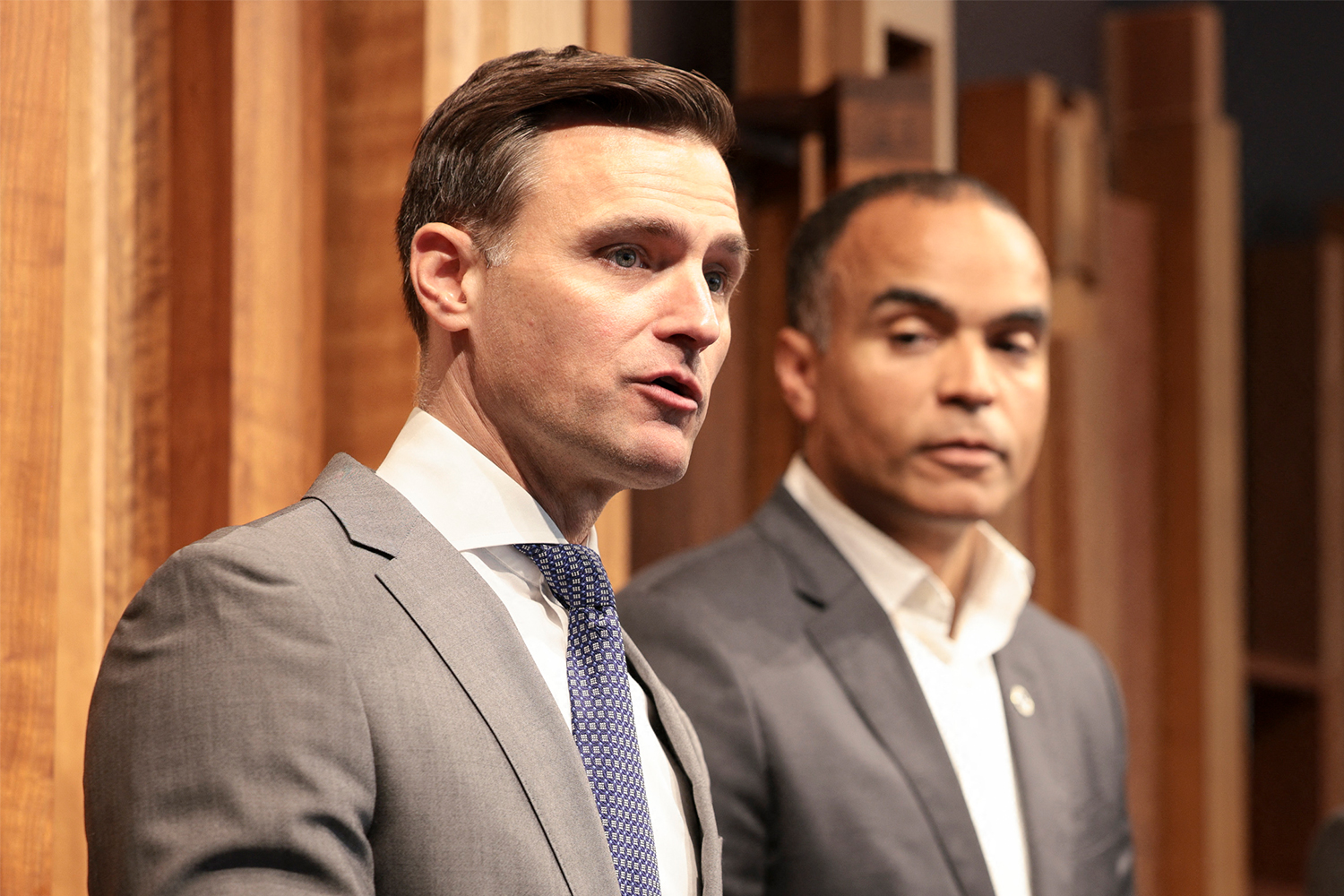
    New York City Mayor Zohran Mamdani declared on July 13, 2026, that a potential merger between Paramount Global and Warner Bros. Discovery (WBD) would not serve the public interest. This statement places a prominent political figure in opposition to one of the largest potential media consolidations in recent memory. The Mayor’s concerns center on the broader implications of such a deal for consumers, content diversity, and market competition.

    This declaration from a major city’s top official adds a new dimension to the ongoing discussions surrounding the proposed media giant. It signals a heightened scrutiny from public servants regarding corporate actions that could reshape significant industries.

    The Proposed Merger Landscape

    Discussions regarding a potential merger between Paramount Global and Warner Bros. Discovery have circulated for several months in 2026. These talks involve two of the largest media conglomerates globally. Paramount Global encompasses brands such as CBS, Showtime, MTV, Nickelodeon, and the Paramount Pictures film studio. Its streaming service is Paramount+.

    Warner Bros. Discovery holds assets including Warner Bros. Entertainment, CNN, HBO, the Discovery Channel, and the Max streaming service. A combination of these entities would create a media titan with an extensive portfolio across film, television, news, and streaming platforms.

    The strategic rationale for such a merger often cites increased scale, cost efficiencies, and enhanced competitive positioning against other streaming and entertainment giants. However, these benefits are frequently weighed against potential downsides by regulators and public interest advocates.

    Mayor Mamdani’s Stance on Public Interest

    Mayor Mamdani’s opposition stems from a perspective that prioritizes the public good over corporate synergies. His statement on July 13, 2026, explicitly used the phrase, “Not a merger that serves the public.” This phrasing suggests concerns beyond mere market competition.

    The Mayor’s office has previously indicated a focus on ensuring fair practices and equitable access within the city’s economic landscape. Media consolidation, from this viewpoint, can lead to reduced choice for consumers. It can also potentially lead to less diverse content offerings.

    Such mergers might also impact local media ecosystems. This includes job markets within the media sector in New York City. New York City serves as a major hub for both Paramount Global and Warner Bros. Discovery operations.

    Concerns Over Media Consolidation

    Media consolidation has been a recurring point of contention for decades. Critics argue that fewer media owners lead to fewer distinct voices. This can reduce the range of perspectives available to the public.

    It can also concentrate power in the hands of a few corporations. This concentration can influence cultural narratives and political discourse. Public officials often express apprehension regarding the impact on local news coverage and independent content creation.

    For consumers, consolidation can translate into higher subscription costs for streaming services. It can also lead to bundling of unwanted content. It may also limit options for niche programming.

    Historical Precedents and Regulatory Scrutiny

    Major media mergers have historically faced significant regulatory scrutiny. The U.S. Department of Justice (DOJ) and the Federal Trade Commission (FTC) are typically responsible for reviewing such transactions. Their role is to ensure that mergers do not substantially lessen competition.

    Past examples include the AT&T and Time Warner merger, which faced a protracted legal battle with the DOJ before being approved in 2018. More recently, proposed mergers like the acquisition of Simon & Schuster by Penguin Random House were blocked by the courts in 2022 due to antitrust concerns.

    The regulatory landscape in 2026 continues to evolve. There is an increasing emphasis on consumer welfare and market concentration. President Donald Trump’s administration has generally favored a robust approach to antitrust enforcement. This stance suggests that any large-scale media merger would face a thorough and potentially challenging review process.

    The Role of Local Officials in National Debates

    While federal agencies hold the primary authority for approving or blocking mergers, statements from local officials like Mayor Mamdani carry significant weight. They can influence public opinion. They can also draw additional attention from federal regulators.

    A mayor of a city as influential as New York City represents a large constituency. This constituency includes many employees of the companies involved. It also includes millions of consumers who would be affected by the merger’s outcome.

    Such statements can also galvanize advocacy groups. These groups often campaign against media consolidation. Their collective voice can amplify the arguments against a proposed deal.

    Economic and Cultural Impact on New York City

    New York City is a global capital for media and entertainment. Both Paramount Global and Warner Bros. Discovery maintain substantial operations within the five boroughs. A merger could lead to significant restructuring. This might include layoffs or the consolidation of office spaces.

    Such changes would have a direct economic impact on the city’s workforce. They would also affect the broader creative industries. The cultural vibrancy of New York City is deeply intertwined with its media landscape. Reduced competition could stifle independent production and diverse storytelling.

    Mayor Mamdani’s concerns likely encompass these local economic and cultural ramifications. He aims to protect the city’s status as a hub for diverse media production and consumption.

    The Future of Media Consolidation

    The media industry continues to undergo rapid transformation. The rise of streaming services, the decline of traditional advertising, and the increasing cost of content creation drive companies toward scale. This often leads to merger discussions.

    However, the regulatory environment is also becoming more stringent. Public awareness of antitrust issues is growing. This creates a complex landscape for companies seeking to combine.

    The statement from Mayor Mamdani serves as a clear indicator of this evolving dynamic. It highlights that the public interest argument is gaining prominence in discussions about corporate strategy.

    Media executives consider market share. They consider content libraries. They consider subscriber numbers. Public officials consider job security. They consider content diversity. They consider consumer choice. These considerations often diverge.

    The debate around the Paramount-WBD merger underscores a critical tension. It is a tension between corporate growth ambitions and public welfare. The outcome of such debates will shape the future of entertainment. It will also shape the future of information access.

    Regulators will review financial models. They will review market analyses. They will review public statements.

    The public will watch. The industry will watch. The city will watch.

    New York.
  • Oregon AG Drops Demands in Paramount-Warner Bros. Discovery Merger Review

    Oregon AG Drops Demands in Paramount-Warner Bros. Discovery Merger Review

    Oregon AG Relieves Merger Pressure

    Oregon Attorney General Dan Rayfield officially withdrew her office’s demands for extensive internal records from Paramount Global and Warner Bros. Discovery. This action also included rescinding a motion to delay the proposed merger between the two media conglomerates. The decision, made public in July 2026, signals a notable reduction in state-level regulatory pressure on the high-profile media consolidation.

    The withdrawal by the Oregon Department of Justice removes a specific hurdle that had emerged in the state’s review process. This development comes as the broader entertainment industry watches closely for the outcome of various regulatory assessments of the merger.

    The Proposed Media Behemoth

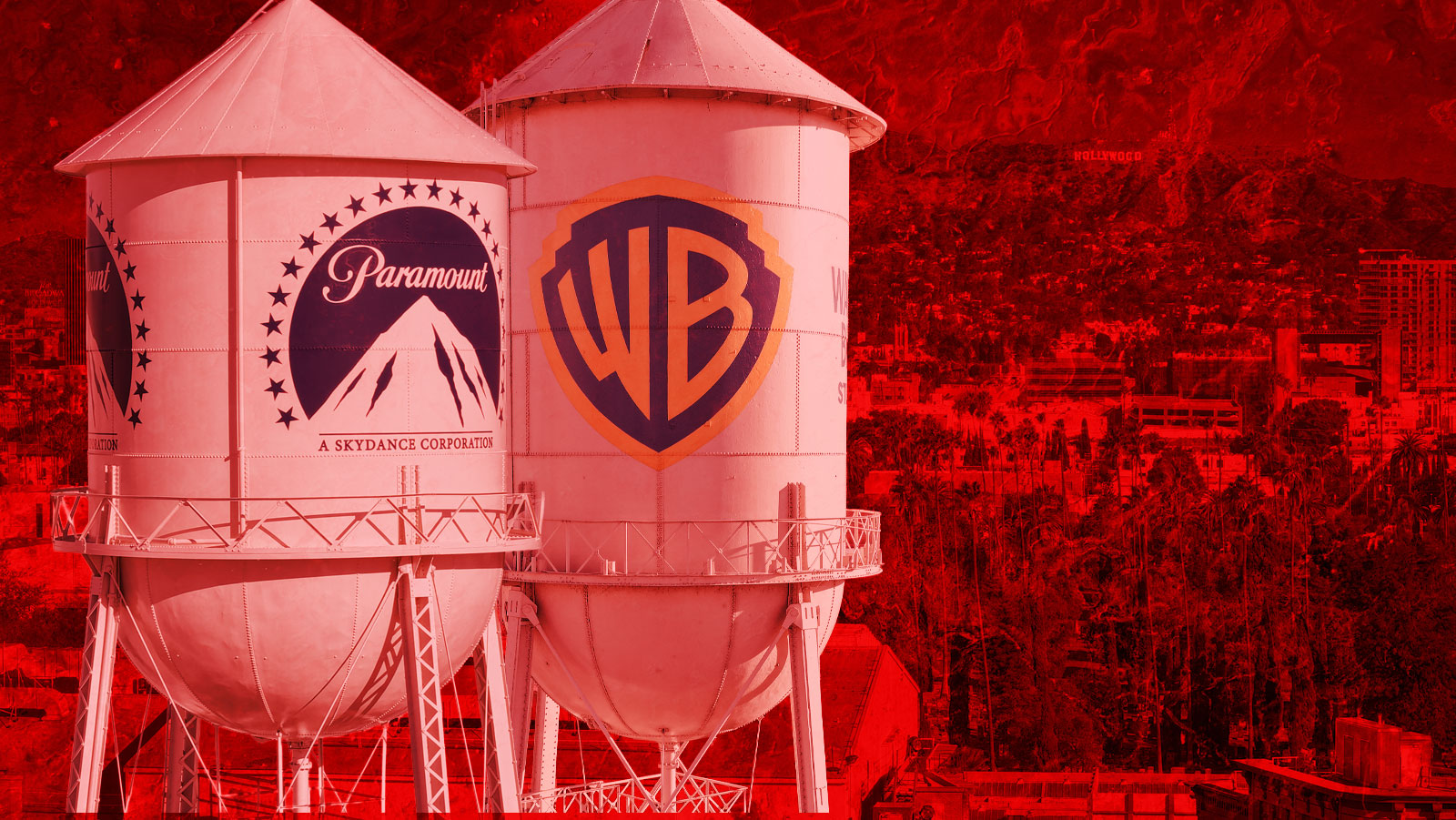
    The merger proposal seeks to combine two of the largest entities in the global media landscape. Paramount Global encompasses a vast portfolio, including the CBS broadcast network, Paramount Pictures film studio, and streaming services like Paramount+. Its holdings also include cable networks such as Comedy Central, MTV, Nickelodeon, and Showtime.

    Warner Bros. Discovery, formed from the 2022 merger of WarnerMedia and Discovery, Inc., brings an equally extensive array of assets. These include the Warner Bros. film and television studios, the HBO and Max streaming platforms, cable news giant CNN, and a suite of lifestyle and entertainment channels such as HGTV and Discovery Channel.

    The combined entity would command a significant share of content production, distribution, and streaming subscribers. Industry analysts estimate the potential valuation of the merged company in the tens of billions of dollars, creating a formidable competitor to Disney, Netflix, and Comcast.

    Regulatory Scrutiny Intensifies

    The proposed merger has faced intense scrutiny from multiple regulatory bodies. Antitrust concerns typically arise when two major players in an industry seek to combine, potentially reducing competition and impacting consumers or smaller competitors. Federal agencies, including the Department of Justice (DOJ) and the Federal Trade Commission (FTC), have been conducting their own comprehensive reviews.

    The DOJ’s Antitrust Division and the FTC are responsible for enforcing antitrust laws to prevent monopolies and ensure fair competition. Their investigations often involve examining market concentration, potential price increases for consumers, and impacts on content creators and distributors.

    State attorneys general also play a role in antitrust enforcement, often collaborating with federal agencies or conducting independent investigations. The Oregon AG’s initial demands reflected a proactive stance on potential competitive harms within the state.

    Oregon’s Initial Concerns

    Attorney General Ellen Rosenblum’s office had previously expressed concerns regarding the merger’s potential effects on competition within Oregon’s media markets. These concerns likely centered on areas such as local advertising, cable television distribution, streaming service offerings, and content production.

    The demands for internal records sought to gather detailed information about the companies’ operations, market strategies, and anticipated synergies from the merger. Such requests are standard practice in antitrust reviews, allowing regulators to assess the competitive landscape thoroughly.

    The motion to delay the merger indicated a desire for more time to evaluate the extensive documentation and potential impacts. This move underscored the seriousness with which the Oregon AG’s office approached its oversight responsibilities.

    The Path to Withdrawal

    The specific reasons for Attorney General Rosenblum’s withdrawal of demands and the motion to delay have not been publicly detailed. However, such decisions often stem from a combination of factors. These can include a satisfactory response from the merging parties to initial concerns, the provision of sufficient data to alleviate fears of anti-competitive behavior, or a strategic reassessment of the legal and evidentiary strength of the state’s case.

    It is also possible that negotiations between the Oregon AG’s office and representatives from Paramount Global and Warner Bros. Discovery led to concessions or agreements that satisfied the state’s concerns. These could involve commitments regarding content access, pricing, or local market competition.

    The withdrawal does not necessarily signify a complete endorsement of the merger. Instead, it indicates that the specific objections and information needs of the Oregon AG’s office have been addressed to a sufficient degree to remove these particular obstacles.

    Broader Regulatory Landscape Remains Active

    While Oregon’s withdrawal removes a state-level impediment, the merger still faces significant hurdles at the federal level. The Department of Justice and the Federal Trade Commission continue their independent reviews. These federal investigations are typically more extensive and carry greater weight in determining the ultimate fate of such large-scale mergers.

    Antitrust regulators often focus on potential harm to consumers through reduced choice or higher prices, and harm to competition in various sub-markets. For media mergers, this includes examining the concentration of content ownership, control over distribution platforms, and the impact on independent creators.

    Historical precedents for media mergers have varied. Some large consolidations have been approved with conditions, while others have faced significant challenges or outright rejection. The 2018 AT&T-Time Warner merger, for example, faced a prolonged legal battle with the DOJ before its eventual approval.

    Industry Implications and Future Outlook

    The potential merger of Paramount Global and Warner Bros. Discovery represents a significant consolidation trend within the entertainment industry. Companies are increasingly seeking scale to compete in a rapidly evolving landscape dominated by streaming services and global content demand.

    A combined entity would possess a vast library of intellectual property, including iconic film franchises, popular television series, and extensive news and sports programming. This would allow for greater leverage in negotiations with distributors and advertisers, and potentially more resources for content creation.

    However, concerns persist about the impact on media diversity and independent voices. Fewer major players could lead to less varied content offerings and reduced opportunities for smaller production companies.

    The outcome of the federal reviews will be critical in shaping the future of this proposed media giant. The Oregon AG’s withdrawal, while important, is one piece of a much larger regulatory puzzle that continues to unfold in 2026.

    The media landscape shifts. Corporate strategies adapt. Regulatory bodies scrutinize.

    The future of entertainment hangs in the balance.

    Frequently Asked Questions

  • Banijay and All3Media Complete Merger, A New $8BN Entertainment Giant

    Banijay and All3Media Complete Merger, A New $8BN Entertainment Giant

    Banijay and All3Media officially completed their merger in July 2026, creating an $8 billion production and distribution giant that significantly reshapes the global entertainment industry. This consolidation brings together two major players, forming one of the largest independent content powerhouses worldwide.

    The deal impacts the landscape of television production, content rights, and distribution strategies. It signals a continued trend of aggregation within the media sector, driven by the demand for scale and diversified intellectual property portfolios.

    The Road to Consolidation

    Discussions regarding a potential merger between Banijay and All3Media had been ongoing for an extended period. Industry analysts tracked the negotiations closely, recognizing the transformative potential of such a union. Regulatory approvals were a critical hurdle, requiring scrutiny from various international bodies to ensure fair competition.

    The finalization in July 2026 marks the culmination of these efforts. It solidifies a strategic vision to create a dominant force capable of competing with major studios and streaming platforms.

    Strategic Drivers Behind the Merger

    Several key factors propelled the merger forward. The global demand for original content continues to escalate, fueled by the proliferation of streaming services and diverse broadcast platforms. Scale in production and distribution offers significant advantages in this environment.

    A larger entity can command better negotiating power for content licensing. It can also optimize resources across a broader portfolio of productions. The ability to cross-pollinate formats and intellectual property across different territories becomes more robust.

    An $8 Billion Entertainment Powerhouse

    The combined valuation of the merged entity stands at $8 billion. This figure underscores the immense asset base and revenue-generating potential of the new company. It reflects the value of extensive content libraries, global production infrastructure, and established distribution networks.

    This financial scale positions the merged company as a formidable player. It can invest in high-budget productions and acquire new intellectual property more aggressively.

    Portfolio of Productions and Formats

    Banijay is known for a vast catalog of reality television, including global hits like MasterChef, Big Brother, and Survivor. All3Media brings a strong roster of scripted dramas, factual programming, and formats such as Gogglebox and Fleabag. The combined portfolio is exceptionally diverse.

    This breadth of content spans multiple genres and caters to a wide range of international audiences. The synergy between their offerings creates opportunities for new co-productions and format adaptations.

    Impact on the Global Entertainment Industry

    The completion of this merger sends ripples across the entire entertainment industry. Competitors will face a more consolidated and powerful entity. Content buyers, including broadcasters and streaming services, will engage with a supplier that offers unparalleled breadth and depth.

    Independent production companies may find increased competition for talent and commissions. However, the larger entity might also seek out strategic partnerships with smaller, innovative creators.

    Consolidation Trends in Media

    This merger is part of a broader trend of consolidation observed in the media and entertainment sectors over the past decade. Companies are seeking scale to navigate a rapidly evolving market. The rise of global streaming platforms has intensified competition for audience attention and content ownership.

    Mergers and acquisitions allow companies to achieve greater efficiencies. They can also diversify revenue streams and expand their geographical reach. This strategic move by Banijay and All3Media aligns with this overarching industry dynamic.

    Challenges and Opportunities Ahead

    Integrating two large companies presents inherent challenges. Cultural differences between organizations, operational redundancies, and the harmonization of business processes require careful management. The success of the merger will depend on effective post-merger integration strategies.

    However, the opportunities are substantial. The combined entity can leverage its increased scale to innovate in content creation. It can explore new distribution channels and expand into emerging markets. The $8 billion valuation provides a strong foundation for future growth and strategic investments.

    Future of Content Creation and Distribution

    The new production-distribution giant will play a significant role in shaping the future of content. Its extensive reach and diverse catalog will influence what audiences watch globally. The focus will likely be on developing new, compelling intellectual property that can travel across borders and platforms.

    The emphasis on both production and distribution capabilities positions the company for end-to-end control over its content. This vertical integration can lead to greater profitability and strategic flexibility in a competitive market.

    The Competitive Landscape

    The merger creates a new top-tier competitor in the independent production and distribution space. Other large independent players will need to adapt their strategies. Major studios, which often have their own production arms, will also monitor the new entity’s moves.

    The battle for talent, compelling stories, and audience engagement will intensify. This newly formed giant has the resources to attract leading creators and invest in high-quality productions. The industry watches to see how this new power dynamic unfolds.

    The global entertainment industry witnessed a significant transformation. Two major players joined forces. An $8 billion entity emerged. Content creation, distribution, and competition will never be the same. The future of entertainment is being rewritten.

    Globally.

  • Oregon AG Seeks Merger Delay – Alleges DOJ Approval Was Corrupt

    Oregon AG Seeks Merger Delay – Alleges DOJ Approval Was Corrupt

    Oregon’s Attorney General has initiated a formal request to delay the proposed merger between Paramount Global and Warner Bros. Discovery. This action stems from serious allegations suggesting the Department of Justice’s (DOJ) initial approval of the merger was compromised by corruption. The intervention brings into question the transparency and integrity of the regulatory processes governing large-scale corporate consolidations within the United States.

    The Attorney General’s office did not immediately provide specific details regarding the nature of the alleged corruption. However, the move indicates a deep-seated concern over the potential implications of such a significant media merger proceeding without thorough, uncompromised scrutiny.

    The Proposed Media Behemoth

    The merger between Paramount Global and Warner Bros. Discovery represents a monumental shift in the global media landscape. Both companies command extensive portfolios of content, including film studios, television networks, streaming services, and intellectual property libraries.

    Paramount Global operates Paramount Pictures, CBS, Showtime, MTV, Nickelodeon, and the Paramount+ streaming service. Warner Bros. Discovery encompasses Warner Bros. Pictures, HBO, CNN, TNT, TBS, Discovery Channel, and the Max streaming platform.

    A combined entity would create one of the largest media conglomerates worldwide. This new company would exert considerable influence over content creation, distribution, and consumption across multiple platforms. Such consolidation raises immediate antitrust concerns regarding market competition and consumer choice.

    Antitrust Scrutiny and Public Interest

    Antitrust laws are designed to prevent monopolies and promote fair competition. The Department of Justice, specifically its Antitrust Division, is responsible for reviewing proposed mergers to ensure they do not harm consumers or stifle innovation.

    Historically, media mergers have faced intense scrutiny due to their potential impact on public discourse and cultural production. The current administration has signaled a more aggressive stance on antitrust enforcement, particularly in sectors where consolidation has been rampant.

    The Oregon Attorney General’s allegations suggest that this scrutiny may have been circumvented or undermined in the case of the Paramount-Warner Bros. merger. This challenges the public trust in the regulatory bodies tasked with safeguarding market fairness.

    Allegations of Corruption: Unpacking the Claim

    The precise nature of the corruption alleged by Oregon’s Attorney General remains under wraps. However, such claims typically involve improper influence, conflicts of interest, or illegal financial transactions designed to sway regulatory decisions.

    In the context of a major merger, corruption could manifest in various ways. This might include undisclosed lobbying efforts, illicit payments to officials, or the leveraging of personal relationships to expedite or approve a deal that would otherwise face significant obstacles.

    The Attorney General’s office has not yet released specific evidence or named individuals. The request for a delay is a procedural step to allow for a deeper investigation into these serious claims.

    Previous Merger Controversies

    The history of media mergers is replete with controversies and legal challenges. The AT&T-Time Warner merger, completed in 2018, faced a protracted legal battle with the DOJ before its eventual approval. That case centered on concerns about vertical integration and its potential impact on competition.

    More recently, the proposed merger between Sprint and T-Mobile also underwent extensive regulatory review. It ultimately secured approval after concessions were made to address antitrust concerns.

    These precedents underscore the complexity and sensitivity of merger reviews, particularly when public interest and market competition are at stake. Allegations of corruption introduce an entirely new dimension of concern, potentially eroding confidence in the entire regulatory framework.

    The Role of State Attorneys General

    State Attorneys General play a crucial role in antitrust enforcement. While the federal Department of Justice handles national-level reviews, state AGs can initiate their own investigations and legal actions, especially when they perceive harm to their state’s residents or economy.

    Oregon’s intervention highlights this dual enforcement mechanism. A state AG can act as a check on federal decisions, particularly if there are suspicions of impropriety or a failure to adequately protect consumer interests.

    The request for a delay is a powerful tool. It can halt the merger process, providing time for further investigation and potentially leading to new conditions or even a complete rejection of the deal.

    Potential Ramifications for the Merger

    A delay in the merger process could have significant financial and strategic consequences for Paramount Global and Warner Bros. Discovery. Both companies have already invested substantial resources in planning and executing the consolidation.

    Delays can lead to increased costs, loss of market momentum, and uncertainty for investors and employees. Furthermore, if the corruption allegations prove to be founded, the entire deal could be jeopardized, leading to severe reputational damage for all parties involved.

    The outcome of this request will also have broader implications for the media industry. It could signal a renewed era of stringent antitrust enforcement, where even federally approved deals are subject to further scrutiny from state-level authorities.

    The Path Forward: Investigations and Legal Battles

    Following Oregon’s request, several scenarios could unfold. The Department of Justice may be compelled to review its initial approval process, potentially launching an internal investigation into the corruption claims.

    Oregon’s Attorney General could also initiate its own independent investigation, gathering evidence and building a case. This could lead to legal challenges in state or federal courts, seeking to block the merger or impose new conditions.

    The companies involved, Paramount Global and Warner Bros. Discovery, will likely defend their merger and the integrity of the approval process. This could result in a complex and protracted legal battle, adding further uncertainty to the deal’s future.

    Impact on the Media Industry

    The media industry is currently undergoing rapid transformation, driven by technological advancements and shifting consumer habits. Mergers and acquisitions are common strategies for companies seeking to scale, diversify, and compete in this dynamic environment.

    However, the Oregon Attorney General’s actions serve as a powerful reminder of the regulatory hurdles and public scrutiny that accompany such large-scale consolidations. It underscores the importance of transparency and ethical conduct throughout the merger approval process.

    Should the allegations of corruption be substantiated, it could lead to a significant reassessment of how major corporate deals are vetted and approved in the United States. It could also empower other state attorneys general to take a more active role in challenging federal regulatory decisions.

    A request issued. A challenge launched. A process questioned. A future uncertain.

  • Nexstar Blasts Tegna Merger Injunction – Cites ‘Cynical Attempts’ by DirecTV and State AGs

    Nexstar Blasts Tegna Merger Injunction – Cites ‘Cynical Attempts’ by DirecTV and State AGs

    The Injunction and Nexstar’s Response

    Nexstar Media Group, a prominent force in local television broadcasting, has publicly condemned the injunction that has halted the integration of its $6.2 billion acquisition of Tegna Inc. The company’s strong statement directly implicated DirecTV and several state attorneys general, accusing them of ulterior motives.

    Nexstar asserted that these parties are making “cynical attempts to advance their own commercial and political interests.” This accusation marks a significant escalation in the ongoing dispute surrounding the proposed media merger.

    The Scope of the Proposed Acquisition

    The acquisition, valued at $6.2 billion, would significantly expand Nexstar’s already extensive portfolio of local television stations across the United States. Tegna Inc. operates a substantial number of stations affiliated with major networks, including NBC, CBS, ABC, and Fox.

    A successful merger would create one of the largest local broadcasting entities in the nation. This consolidation raises questions about market competition and consumer impact, which are often at the core of regulatory scrutiny.

    Accusations Against DirecTV and State Attorneys General

    Nexstar’s statement did not mince words regarding the motivations of those opposing the merger. The company specifically targeted DirecTV, a major satellite television provider, suggesting its involvement is driven by commercial self-interest.

    The criticism also extended to an unspecified group of state attorneys general. Nexstar implied that these officials are leveraging their positions to achieve political objectives, rather than solely focusing on public interest or antitrust concerns.

    The Role of Commercial Interests

    DirecTV’s alleged commercial interests in opposing the merger likely stem from potential changes in retransmission fees. These fees, paid by cable and satellite providers to local broadcasters for carrying their signals, are a significant revenue stream for station owners.

    A larger, consolidated Nexstar could potentially command higher retransmission fees. This scenario could lead to increased costs for distributors like DirecTV, which might then be passed on to consumers. Preventing the merger could help DirecTV maintain leverage in future negotiations.

    The Influence of Political Agendas

    The involvement of state attorneys general introduces a political dimension to the dispute. These officials often play a role in consumer protection and antitrust enforcement within their respective states.

    Nexstar’s accusation suggests that some attorneys general may be using the high-profile merger as an opportunity to gain political visibility or to align with populist sentiments against corporate consolidation. The specific political interests were not detailed, but the implication of self-serving actions was clear.

    The Injunction’s Immediate Impact

    The injunction effectively places the $6.2 billion merger on hold. This legal pause creates uncertainty for both Nexstar and Tegna, impacting their strategic planning and financial outlooks.

    Mergers of this scale often involve complex financial arrangements, including debt financing and shareholder agreements. A prolonged injunction can complicate these aspects, potentially leading to renegotiations or even the collapse of the deal.

    Regulatory Hurdles and Antitrust Concerns

    Large media mergers typically face intense scrutiny from federal regulatory bodies, such as the Federal Communications Commission (FCC) and the Department of Justice (DOJ). These agencies assess whether proposed consolidations would harm competition or the public interest.

    Antitrust concerns frequently revolve around market concentration, potential for price increases, and reduced diversity of voices in media. The intervention by state attorneys general suggests a broader consensus among some government entities regarding these risks.

    The Broader Landscape of Media Consolidation

    The Nexstar-Tegna situation is part of a larger trend of consolidation within the media industry. Companies are seeking scale to compete in an evolving landscape dominated by streaming services and digital platforms.

    Local television, while still a vital source of news and information, faces economic pressures. Mergers are often presented as a way to achieve efficiencies and ensure the long-term viability of local broadcasting.

    Challenges for Local Broadcasting

    Local broadcasters contend with declining advertising revenues and increasing operational costs. The ability to negotiate favorable retransmission fees has become crucial for their financial health.

    Consolidation can provide broadcasters with greater leverage in these negotiations. However, critics argue that such mergers can also lead to job losses, reduced local content, and less diverse programming.

    What Happens Next?

    Nexstar’s public statement indicates a strong intent to challenge the injunction and proceed with the merger. The company will likely pursue legal avenues to overturn the decision and gain regulatory approval.

    The involved state attorneys general and DirecTV are expected to continue their opposition. This sets the stage for further legal battles and public discourse surrounding the future of local media ownership.

    Potential Outcomes for the Merger

    Several outcomes are possible. The injunction could be lifted, allowing the merger to proceed as planned. Alternatively, the deal could be significantly modified to address regulatory concerns, perhaps by divesting certain stations.

    In a less favorable scenario for Nexstar and Tegna, the merger could be abandoned altogether. The financial and reputational costs of a failed merger can be substantial for both companies.

    The Consumer Impact Debate

    At the heart of the debate over media consolidation is the impact on consumers. Proponents of mergers argue that scale allows for better content production and technological investment, ultimately benefiting viewers.

    Opponents contend that consolidation leads to higher prices, fewer choices, and a reduction in local news coverage. The balance between corporate efficiency and public interest remains a central tension in these discussions.

    Access to Local News

    Local news remains a critical service for many communities. Concerns are frequently raised that large corporate owners, focused on national strategies, may deprioritize local journalistic resources.

    This aspect of the debate resonates with communities who rely on local stations for information relevant to their daily lives. The quality and independence of local news are often cited as key public interest considerations.

    Conclusion: A Contested Media Landscape

    Nexstar’s forceful rebuttal to the Tegna merger injunction highlights the contentious nature of media consolidation in 2026. Commercial interests, political agendas, and regulatory oversight converge in complex ways.

    The future of the $6.2 billion acquisition remains uncertain. The battle for control of local media continues to unfold.

    Broadcasters contend. Regulators scrutinize. Distributors resist. The market shifts.

    Media.

  • Sky to Acquire ITV’s Media & Entertainment Division for approximately $2.1 Billion, Reshaping British Television

    Sky to Acquire ITV’s Media & Entertainment Division for approximately $2.1 Billion, Reshaping British Television

    Sky has reportedly begun the process of acquiring ITV’s Media & Entertainment division in a deal valued at approximately $2.1 billion. This significant transaction, announced today, July 6, 2026, is poised to dramatically alter the structure of British television. The takeover would bring a vast array of ITV’s popular programming and broadcasting assets under the Sky umbrella.

    This breaking news indicates a major consolidation within the UK media sector. ITV operates several free-to-air channels and holds a strong position in content production, including globally recognized formats.

    The Scope of the Acquisition

    The reported $2.1 billion valuation underscores the scale of this potential acquisition. ITV’s portfolio includes popular entertainment, drama, and news programming. Its reach extends across various demographics in the United Kingdom.

    Key ITV properties, such as the hit reality series ‘Love Island,’ would become part of Sky’s extensive content library. This integration could lead to new distribution strategies and content synergies between the two entities.

    Impact on British Television

    The proposed takeover by Sky, a major pay-TV broadcaster and content producer, could significantly reshape competition in the British television market. Sky already holds a dominant position in satellite broadcasting and streaming services.

    The acquisition of ITV would strengthen Sky’s hold on both content creation and delivery. This could influence advertising markets, content commissioning, and consumer viewing habits across the UK.

    Developing Details

    Details surrounding the full terms of the deal, regulatory approvals, and the timeline for completion are still emerging. Such a large-scale merger typically undergoes scrutiny from competition authorities.

    The announcement has already generated considerable discussion within the media industry. Analysts are beginning to assess the potential long-term effects on employment, content diversity, and consumer pricing.

    This is a developing story. Further information is expected to be released as negotiations proceed and official statements are made.

  • Comcast’s Strategic Shift: Separating NBCU and Cable Operations

    Comcast’s Strategic Shift: Separating NBCU and Cable Operations

    Comcast Corporation is separating its NBCUniversal (NBCU) content and cable communications businesses, a strategic decision that company leaders state is not primarily designed to pursue merger and acquisition (M&A) deals. This move marks a significant pivot from Comcast’s previous stance that the integrated operations of these two distinct segments were mutually beneficial. The restructuring reflects a re-evaluation of corporate strategy in response to evolving market dynamics and the distinct challenges and opportunities faced by each business.

    The announcement underscores a shift in how large media conglomerates are approaching their diverse portfolios. Traditional vertical integration models are being re-examined. Companies are seeking greater agility and specialized focus for their core assets.

    The Rationale Behind the Separation

    Comcast executives articulated that the decision to separate NBCU and the cable division stems from a re-assessment of their operational synergies. For years, Comcast maintained that the combined entity offered competitive advantages, including cross-promotional opportunities and shared infrastructure. This perspective has now evolved.

    The media landscape has undergone rapid transformation. Streaming services have reshaped content distribution. Broadband connectivity has become an essential utility. These changes have created divergent paths for content creation and distribution businesses.

    The cable division, primarily Xfinity, focuses on broadband internet, video, voice, and wireless services. It operates in a mature market with increasing competition from fiber providers and fixed wireless access (FWA).

    NBCUniversal encompasses a vast array of assets. These include film studios (Universal Pictures), television networks (NBC, Telemundo, Bravo), theme parks (Universal Studios), and the Peacock streaming service. These operations are capital-intensive and subject to volatile consumer preferences and global market trends.

    The distinct operational requirements and growth trajectories of these segments may benefit from independent strategic planning. This autonomy could allow each business to pursue tailored investment strategies and partnerships.

    Not an M&A Play, According to Leadership

    Company leadership explicitly addressed speculation regarding the separation’s purpose. They affirmed that the primary driver is not to position either NBCU or the cable business for an immediate sale or major acquisition.

    This statement aims to manage investor and market expectations. It suggests a focus on internal optimization rather than external deal-making. However, such corporate restructurings often precede future strategic options, even if not immediately intended.

    The media industry has seen numerous large-scale M&A transactions in recent years. Companies like Warner Bros. Discovery and Paramount Global have undergone significant consolidations. These deals highlight the pressure on traditional media companies to achieve scale and adapt to changing consumption habits.

    Comcast’s current strategy, as articulated, prioritizes operational efficiency and market responsiveness. This approach seeks to unlock value by allowing each segment to operate with greater focus. It aims to eliminate potential conflicts of interest or resource allocation challenges inherent in a highly diversified structure.

    Historical Context of Comcast’s Diversification

    Comcast’s journey into media content ownership began in earnest with its acquisition of a controlling stake in NBCUniversal from General Electric (GE) in 2011. The deal, valued at approximately $30 billion, created a powerful vertically integrated media and technology company.

    The full acquisition of NBCUniversal by Comcast was completed in 2013. This brought an extensive portfolio of broadcast, cable, film, and theme park assets under Comcast’s direct control. The rationale at the time was to leverage content ownership to strengthen its distribution platforms and vice-versa.

    This vertical integration model was prevalent among media giants. It aimed to control the entire value chain from content creation to delivery. The belief was that owning both the pipes and the programming would create a resilient and dominant market position.

    Over the past decade, Comcast invested heavily in NBCUniversal. It expanded its theme park presence globally. It launched the Peacock streaming service in 2020. These investments reflected a commitment to the integrated model.

    Challenges and Opportunities for Each Segment

    The Cable Communications Business

    Comcast’s cable division, primarily Xfinity, faces evolving market conditions. The rise of fiber-optic networks from competitors like AT&T and Verizon presents a significant challenge. These networks often offer higher speeds and more reliable connections.

    Fixed wireless access (FWA) from T-Mobile and Verizon also offers an alternative for some consumers. This competition puts pressure on subscriber growth and pricing power for traditional cable internet providers.

    The decline of linear television subscriptions, or ‘cord-cutting,’ continues to impact the video services provided by the cable segment. While broadband remains strong, the traditional bundle is eroding.

    Opportunities for the cable business lie in further expansion of its broadband footprint. It also includes the development of smart home services and the continued growth of its mobile virtual network operator (MVNO) service. Increased independence could allow more focused investment in next-generation network technologies and customer experience enhancements.

    NBCUniversal’s Content and Entertainment Portfolio

    NBCUniversal navigates a highly competitive global entertainment market. The streaming wars have escalated, requiring massive investment in original content. Peacock, while growing, competes with established players like Netflix, Disney+, and Max.

    The film studio business is recovering from pandemic-era disruptions. It faces continued challenges from shifting theatrical release windows and the direct-to-streaming model. Theme parks, a significant revenue driver, are subject to travel trends and economic conditions.

    Increased autonomy for NBCUniversal could enable more aggressive pursuit of strategic partnerships. It could also facilitate faster decision-making regarding content investments and global expansion. This separation might empower NBCU to better adapt to the rapid changes in media consumption and monetization models.

    Investor and Market Implications

    The market often reacts positively to corporate restructurings that promise greater focus and potential for value creation. Investors may view the separation as a move to unlock value that was previously obscured within the larger conglomerate structure.

    Analysts will scrutinize the financial implications. This includes how assets and liabilities are allocated. They will also examine the new reporting structures for each entity.

    The move could lead to a re-rating of both the cable and content businesses. Specialized investors, who previously avoided Comcast due to its diversified nature, might now find one of the segments more appealing.

    Long-term, the separation could pave the way for more distinct capital allocation strategies. Each business could raise capital and pursue growth initiatives independently. This could lead to more efficient use of resources tailored to their specific market environments.

    The Broader Industry Trend of De-Integration

    Comcast’s decision aligns with a broader trend of de-integration in the corporate world. Conglomerates are increasingly shedding non-core assets to streamline operations and focus on their most profitable segments. This strategy aims to enhance shareholder value by creating more nimble and specialized companies.

    Other examples include the spin-offs seen in various industries. Companies are recognizing that the sum of the parts can sometimes be greater than the whole, especially when market conditions demand specialized attention for distinct business units.

    The media industry, in particular, has been prone to cycles of integration and de-integration. Periods of consolidation are often followed by phases where companies divest assets to focus on core competencies or respond to regulatory pressures.

    This strategic shift by Comcast underscores the dynamic nature of corporate strategy. It highlights the continuous need for large organizations to adapt their structures to remain competitive and relevant in rapidly changing markets.

    Looking Ahead: The Future of Both Entities

    The separation is not an immediate event but a strategic direction. The implementation will involve complex operational and financial considerations. These include legal structures, executive appointments, and shareholder approvals.

    NBCUniversal will continue its focus on content creation, distribution, and theme park experiences. Its success will hinge on its ability to produce compelling content, grow its streaming audience, and innovate in the entertainment space.

    The cable communications business will concentrate on delivering high-speed internet and related services. Its future will depend on network upgrades, competitive pricing, and expanding its customer base in a challenging broadband market.

    The strategic pivot by Comcast’s leadership indicates a proactive approach to future-proofing its core businesses. It aims to ensure both NBCU and the cable division are optimally positioned for long-term growth and profitability.

    Investors watched. Analysts speculated. Executives deliberated. The market shifted.

    Comcast.

  • CNN’s Future: Editorial Shifts Post-Merger? – The Weiss Influence Debate

    CNN’s Future: Editorial Shifts Post-Merger? – The Weiss Influence Debate

    The potential merger between Paramount Global and Warner Bros. Discovery has ignited internal discussions at CNN. Some staff members reportedly express concern regarding the network’s future editorial direction. These anxieties center on the possible influence of prominent journalist and cultural commentator Bari Weiss, known for her critiques of mainstream media narratives. The media industry continues to undergo significant consolidation, reshaping ownership structures and posing questions about journalistic independence.

    The Evolving Media Landscape and CNN’s Position

    The media industry is currently navigating a period of intense transformation. Traditional revenue models are challenged, and digital platforms dominate content consumption. This environment drives major corporations to seek scale through mergers and acquisitions.

    One such significant development is the ongoing speculation surrounding a merger between Paramount Global and Warner Bros. Discovery. Such a union would create a formidable media conglomerate. It would combine extensive portfolios across film, television, streaming, and news. CNN, a key asset within Warner Bros. Discovery, is central to these discussions.

    Reports from inside CNN indicate a degree of apprehension among staff. These concerns revolve around potential changes in editorial oversight and journalistic priorities. The specific mention of Bari Weiss’s possible influence has become a focal point of these internal conversations. It highlights broader questions about the network’s future identity.

    The Speculated Impact on CNN’s Editorial Direction

    A corporate merger often leads to a re-evaluation of editorial strategies. New ownership can introduce different philosophies regarding content, audience targeting, and journalistic approach. For a global news organization like CNN, these shifts can have far-reaching consequences.

    Staff members are reportedly considering how a new ownership structure might impact CNN’s established editorial lines. The network has a long history as a prominent news source. Any perceived move away from its traditional positioning could be met with internal resistance and external scrutiny.

    The debate over Bari Weiss’s potential influence underscores this sensitivity. Her public profile and past statements suggest a distinct perspective on media’s role and responsibilities. This perspective could lead to a re-calibration of CNN’s approach to news coverage and commentary.

    Who is Bari Weiss? A Profile in Media Commentary

    Bari Weiss is a notable figure in contemporary American journalism and cultural discourse. She gained prominence through her work at influential publications. Her career includes roles as an opinion editor and writer for The Wall Street Journal and The New York Times.

    Weiss is recognized for her outspoken views on cultural and political issues. She frequently critiques what she identifies as prevailing liberal orthodoxies within media and academia. Her work often advocates for viewpoint diversity and intellectual honesty in public discourse.

    In 2020, Weiss resigned from The New York Times. She publicly cited an “illiberal environment” and a lack of editorial independence as her reasons. This departure garnered significant media attention and solidified her image as a critic of mainstream journalistic practices.

    The Free Press and its Mission

    Following her departure from The New York Times, Bari Weiss co-founded The Free Press. This independent media company launched with a mission to provide a platform for diverse perspectives. It emphasizes investigative journalism and open debate.

    The Free Press frequently covers topics that Weiss believes are underrepresented or mischaracterized by established news outlets. It aims to challenge what its founders perceive as a narrow range of acceptable opinions in mainstream media. The publication has attracted a significant audience, particularly among those who feel alienated by traditional news sources.

    The work of The Free Press often centers on issues such as free speech, cancel culture, and perceived biases in institutional settings. Its editorial stance aligns with Weiss’s broader critiques of what she terms the “woke” movement and its influence on public discourse.

    Concerns Over Journalistic Independence at CNN

    The prospect of a major corporate merger often raises questions about journalistic independence. News organizations pride themselves on reporting facts without undue influence from corporate owners, advertisers, or political agendas. Any shift in ownership can challenge this core principle.

    Reports suggest that some CNN staff are particularly sensitive to these concerns. They worry that a new ownership structure might impose a specific editorial slant or alter the network’s perceived impartiality. This is a common anxiety during media consolidations.

    The debate surrounding Bari Weiss’s potential influence is viewed through this lens. Her past critiques of mainstream media bias and her advocacy for a particular brand of intellectual discourse could be seen by some within CNN as a threat to the network’s established journalistic identity. Others might view it as an opportunity for re-evaluation.

    The Role of Media Bias in Public Perception

    Discussions about media bias are central to contemporary news consumption. Audiences increasingly question the impartiality of news outlets. This skepticism is fueled by political polarization and the proliferation of diverse information sources.

    Bari Weiss has consistently argued that many news organizations exhibit a systemic liberal bias. She contends that this bias shapes story selection, framing, and the voices that are amplified. Her advocacy centers on correcting this perceived imbalance.

    If her perspective were to gain traction within CNN’s leadership, it could lead to significant changes. The network might prioritize covering different stories or adopt a more critical stance towards certain progressive movements. This could alter CNN’s appeal to its existing audience and attract new viewers.

    The ‘Culture Wars’ and News Coverage Priorities

    Bari Weiss is closely associated with ongoing societal debates often labeled as the ‘culture wars.’ These conflicts involve fundamental disagreements over values, identity, and social norms. Her writings frequently address topics such as free speech, identity politics, and institutional biases.

    A potential shift in CNN’s editorial direction under new influence might lead to an increased emphasis on these ‘culture war’ issues. News coverage could focus more critically on progressive viewpoints. It might also offer more prominent platforms to voices that challenge current social trends or perceived orthodoxies.

    This potential reorientation is reportedly a source of concern for some CNN staff. They worry about alienating the network’s current viewership. They also question how such a shift might impact CNN’s historical role as a broad-based news provider. The network’s perceived impartiality could be fundamentally altered.

    Historical Precedents of Media Shifts

    The history of media is replete with examples of news organizations undergoing significant editorial shifts following changes in ownership. Corporate mergers often lead to new strategic directives. These directives can impact content, personnel, and overall journalistic philosophy.

    For instance, the acquisition of major newspapers or television networks by new entities has frequently resulted in changes to their political leanings or their approach to specific issues. These changes are often driven by the new owners’ business objectives, ideological perspectives, or a desire to appeal to different demographics.

    The current situation at CNN, viewed in the context of the Paramount-Warner Bros. Discovery merger, fits this historical pattern. The anxieties among staff are not unprecedented. They reflect a long-standing tension between commercial imperatives and journalistic integrity. The network’s future editorial identity remains a subject of intense internal and external observation.

    The Broader Implications of Media Consolidation

    The proposed Paramount-Warner Bros. Discovery merger is not an isolated event. It is part of a larger, global trend of media consolidation. Companies are seeking to achieve scale to compete effectively in a rapidly fragmenting digital landscape. Factors such as the rise of streaming services, declining traditional advertising revenues, and intense competition for audience attention are driving these mergers.

    These consolidations frequently result in significant internal restructuring. This can include widespread layoffs, the integration of distinct corporate cultures, and major shifts in content strategy. For news organizations like CNN, these changes are particularly sensitive. Their mission often involves maintaining public trust and delivering impartial information.

    The debate surrounding Bari Weiss’s potential influence at CNN, therefore, transcends a single individual or network. It symbolizes the broader challenges facing journalism in an era of corporate convergence. It highlights the ongoing tension between profit motives and the public service aspect of news reporting.

    The future of CNN, and indeed the broader news ecosystem, hinges on how these powerful forces converge. Ownership changes. Editorial lines shift. Audiences observe.

    The media.

  • Paramount-Warner Bros. Discovery Merger Nears Completion – Regulatory Hurdles Cleared

    Paramount-Warner Bros. Discovery Merger Nears Completion – Regulatory Hurdles Cleared

    The Path to Consolidation

    The proposed merger between Paramount Global and Warner Bros. Discovery is nearing its final stages as of June 2026. This significant industry consolidation is proceeding after securing critical regulatory approvals from various international bodies. The move is poised to create a dominant force in the global entertainment and media sector.

    Discussions regarding a potential merger have been ongoing for months, driven by increasing competition in the streaming wars and the rising costs of content production. Both companies have faced financial pressures and strategic imperatives to scale their operations. The synergy aims to leverage combined intellectual property, reduce operational overhead, and enhance market share.

    Paramount Global, formerly ViacomCBS, operates a vast portfolio of assets. These include the Paramount Pictures film studio, CBS television network, and cable channels such as MTV, Comedy Central, BET, and Nickelodeon. Its streaming service, Paramount+, has been a key focus for growth.

    Warner Bros. Discovery, formed from the 2022 merger of WarnerMedia and Discovery Inc., also holds a substantial collection of media properties. Its assets include Warner Bros. film and television studios, HBO, CNN, and the Discovery Channel. The Max streaming service, formerly HBO Max, represents its primary direct-to-consumer offering.

    Navigating Regulatory Landscapes

    The journey to merger completion involves a complex process of regulatory review. Antitrust authorities in numerous countries scrutinize such large-scale transactions. Their primary concern is to prevent monopolies and ensure fair competition within the market. Each approval represents a green light from a specific national or regional governing body.

    The United States Department of Justice (DOJ) and the Federal Trade Commission (FTC) typically lead these investigations domestically. Internationally, bodies like the European Commission, the UK’s Competition and Markets Authority (CMA), and similar agencies in Canada, Australia, and other major markets conduct their own assessments. The article indicates that multiple international approvals have now been granted.

    These regulatory bodies examine several factors. They assess the potential impact on consumer choice, market concentration, and the competitive landscape for content creators and distributors. Conditions or divestitures may be imposed by regulators to mitigate concerns. However, the current status suggests that most, if not all, material conditions have been met or are being addressed.

    The completion of these regulatory hurdles signals a high degree of confidence in the merger’s ability to proceed. It also reflects the companies’ success in demonstrating that the combined entity would not unduly harm competition.

    Strategic Motivations for the Merger

    The motivation behind such a large-scale merger is multi-faceted. The media industry is undergoing rapid transformation, driven by technological advancements and shifting consumer habits. Traditional linear television models are declining, while streaming services are ascendant.

    For Paramount Global, a merger offers the opportunity to scale its streaming capabilities and content library. Paramount+ has shown growth, but faces formidable competition from established players like Netflix and Disney+. Combining with Warner Bros. Discovery would instantly expand its subscriber base and content offerings.

    Warner Bros. Discovery, under CEO David Zaslav, has been focused on debt reduction and maximizing the value of its existing assets since its own formation. A new merger would provide further financial flexibility and potentially unlock new revenue streams. The combined entity would possess an unparalleled catalog of films, television series, news, and sports content.

    The combined intellectual property would include iconic franchises from both studios. These range from Paramount’s Star Trek and Mission: Impossible to Warner Bros.’ DC Comics universe, Harry Potter, and classic Looney Tunes. This extensive library is crucial for attracting and retaining subscribers in the competitive streaming market.

    The Power of Scale

    Scale is paramount in the modern media landscape. Larger companies can negotiate better terms with distributors, advertisers, and talent. They can also invest more heavily in original content, which is a major driver of subscriber acquisition and retention.

    The cost of producing high-quality content has escalated significantly. Blockbuster films and premium television series require substantial budgets. A merged entity would have a larger financial capacity to compete for top-tier projects and talent. This could lead to a more robust and diverse content slate for consumers.

    Furthermore, a larger global footprint allows for more efficient international expansion. Both Paramount Global and Warner Bros. Discovery have international operations. Merging these would streamline operations, reduce redundancies, and accelerate growth in key global markets.

    Potential Impacts on the Industry

    This merger, once finalized, will send ripples throughout the entertainment and media industry. It will create one of the largest media conglomerates globally, directly impacting competitors and consumers alike.

    Other major players, such as Disney, Netflix, Comcast (NBCUniversal), and Amazon (MGM Studios), will face a newly strengthened rival. The increased competition could spur further consolidation or strategic partnerships among remaining independent entities. This could lead to a more concentrated media landscape overall.

    For consumers, the impact could be mixed. On one hand, a combined streaming service might offer a broader array of content under a single subscription. This could simplify choices and potentially offer better value. On the other hand, reduced competition could lead to fewer choices or higher prices in the long term, though regulators aim to prevent such outcomes.

    Content creators, including writers, directors, and actors, may find fewer major buyers for their projects. However, a larger, more stable studio could also offer more opportunities for large-scale productions. The negotiation power of talent agencies and unions could also be affected.

    The Future of Streaming and Content

    The future of streaming remains a central theme in these industry maneuvers. Both Paramount+ and Max have invested heavily in their direct-to-consumer offerings. A merger would likely lead to the consolidation of these services, potentially creating a new super-streamer.

    The combined platform would need to decide how to integrate the distinct libraries and branding of Paramount+ and Max. This integration would be a complex technical and marketing challenge. It would involve merging subscriber bases, content delivery systems, and user interfaces.

    The trend towards bundling streaming services may accelerate as a result. Companies might offer tiered subscriptions or package deals to provide greater value. The goal is to reduce churn and increase customer lifetime value in a market saturated with options.

    Moreover, the merger underscores the continued importance of intellectual property. Owning and controlling valuable franchises and characters provides a competitive advantage. These assets can be leveraged across films, television, video games, theme parks, and merchandise. The combined entity would possess a formidable arsenal of such properties.

    The successful navigation of regulatory approvals marks a significant milestone. It brings the media industry closer to a new era of consolidation and competition. The full implications will unfold in the coming months and years as the integration process begins.

    Economic Considerations

    Financial analysts will closely monitor the post-merger performance. The integration process often presents challenges, including cost synergies that don’t materialize as expected, cultural clashes between organizations, and complexities in merging technological infrastructures.

    The companies involved will need to manage significant debt loads. Warner Bros. Discovery’s formation in 2022 involved substantial debt, and any new transaction would add to or restructure this. The market will evaluate how the combined entity plans to achieve profitability and generate shareholder value.

    Advertising revenue remains a crucial component for both companies. A larger audience base across various platforms could attract more advertisers and command higher rates. This would be especially true for news and sports content, which typically draw large live audiences.

    Looking Ahead to Finalization

    With regulatory approvals largely secured, the focus shifts to the final administrative and legal steps required to complete the merger. This includes shareholder votes, if applicable, and the formal closing of the transaction. The announcement of a definitive closing date is expected in due course.

    The integration planning would already be well underway. Teams from both companies would be working on organizational structures, content strategies, and technological roadmaps. The goal is a seamless transition that minimizes disruption to operations and maximizes value creation.

    The media industry watches. Competitors strategize. Consumers await the potential changes to their entertainment options. The merger signifies a continued evolution in how content is produced, distributed, and consumed globally.

    Executives convened. Shareholders deliberated. Regulators approved. Consolidation.

  • Hollywood’s Below-the-Line Consolidation – Dattner Dispoto and WPA Merge

    Hollywood’s Below-the-Line Consolidation – Dattner Dispoto and WPA Merge

    The entertainment industry’s talent representation sector is undergoing consolidation. Dattner Dispoto & Associates (DDA) and Worldwide Production Agency (WPA), two significant agencies focusing on ‘below-the-line’ Hollywood professionals, are planning a merger. This strategic move aims to leverage combined resources and market presence to achieve greater operational scale within the competitive film and television production environment.

    The merger will create a larger entity capable of representing a more extensive roster of cinematographers, editors, production designers, costume designers, and other vital crew members. This consolidation reflects an ongoing industry trend towards larger, more comprehensive agencies seeking to offer broader services and exert greater influence.

    The Landscape of Below-the-Line Representation

    Below-the-line talent refers to the vast array of craftspeople and technicians essential to film and television production who are not typically considered principal actors, writers, or directors. These professionals include directors of photography, production designers, editors, costume designers, line producers, and many others. Their work forms the backbone of any cinematic project.

    Agencies like Dattner Dispoto & Associates and Worldwide Production Agency specialize in these critical roles. They negotiate contracts, secure employment, and manage the careers of these skilled individuals. The success of a production often hinges on the expertise and collaboration of this below-the-line crew.

    Historically, this segment of the representation market has been more fragmented than the ‘above-the-line’ sector, which is dominated by a few major agencies. The planned merger signals a shift towards greater concentration in below-the-line representation.

    Dattner Dispoto & Associates: A Legacy of Craft

    Dattner Dispoto & Associates has established itself as a prominent agency in Hollywood. It represents a diverse group of highly sought-after cinematographers, production designers, and editors. The agency’s reputation is built on its deep understanding of the craft and its strong relationships within the production community.

    DDA has been instrumental in placing its clients on numerous award-winning films and television series. Its focus has consistently been on securing high-quality projects for its talent, emphasizing artistic integrity and career longevity. The agency operates from its offices in Los Angeles, California.

    Worldwide Production Agency: Global Reach and Diverse Talent

    Worldwide Production Agency (WPA) also holds a significant position in the below-the-line representation space. WPA’s roster includes a wide range of professionals, often with a global footprint, working across various platforms from feature films to episodic television and commercials. The agency prides itself on its comprehensive approach to career management.

    WPA has a history of adapting to the evolving demands of the entertainment industry, particularly with the rise of streaming services and international co-productions. Its client base reflects the diverse needs of contemporary storytelling. WPA also maintains a strong presence in Los Angeles, a central hub for global production.

    Strategic Motivations for Consolidation

    The primary driver for this merger is the pursuit of scale. In an increasingly competitive and globalized entertainment market, larger agencies can offer several advantages. These include enhanced negotiation power, a broader network of industry contacts, and the ability to service a wider range of projects simultaneously.

    A combined entity can also streamline operations, potentially leading to cost efficiencies. This can free up resources to invest in technology, talent development, and expanded marketing efforts for their clients. The merged agency could also offer a more comprehensive suite of services, from career planning to brand building, under one roof.

    Increased Market Leverage

    The combined roster of DDA and WPA will represent a formidable collection of talent. This increased collective power can lead to better terms and conditions for their clients. Studios and production companies often prefer to negotiate with fewer, larger entities, simplifying the casting and crewing process.

    This leverage extends beyond individual contract negotiations. It can influence industry standards for compensation, working conditions, and professional development for below-the-line professionals. A larger agency has a stronger voice in industry discussions and collective bargaining.

    Expanded Client Opportunities

    For the represented talent, the merger promises access to a wider array of opportunities. The combined agency’s expanded network of relationships with producers, directors, and studio executives can open doors to projects that might have been inaccessible to individual agencies. Clients could benefit from cross-pollination of projects and connections.

    The merger may also facilitate specialization within the agency, allowing agents to focus on specific crafts or genres, thereby offering more tailored support to their clients. This could lead to a more nuanced understanding of each client’s unique career trajectory and aspirations.

    Impact on the Below-the-Line Workforce

    The merger of Dattner Dispoto & Associates and Worldwide Production Agency will have direct implications for the below-the-line workforce. For those represented by the agencies, it means joining a larger, potentially more influential organization. For those not yet represented, it means navigating a slightly more consolidated agency landscape.

    Some industry observers suggest that consolidation could lead to increased standardization in contracts and industry practices. This could be beneficial for talent by establishing clearer expectations and fairer terms. Others express concerns about reduced choice for talent seeking representation, though the market remains diverse with many specialized boutique agencies.

    Potential for Enhanced Services

    A larger agency often has the resources to invest in advanced data analytics, market research, and technology. This can translate into better strategic advice for clients, helping them navigate career choices and identify emerging trends. The merged entity might offer enhanced marketing and public relations support for its roster.

    Professional development programs, workshops, and networking events could also become more robust. These services are crucial for below-the-line professionals who must continuously adapt to new technologies and artistic demands within the industry.

    Challenges of Integration

    Mergers of this scale are not without challenges. Integrating two distinct corporate cultures, operational systems, and client management approaches requires careful planning and execution. Ensuring a smooth transition for both agents and clients will be paramount to the success of the new entity.

    Maintaining personalized attention for each client within a larger organization can also be a concern. The agencies will need to demonstrate that scale does not come at the expense of individual client relationships. Effective communication and clear internal structures will be critical during this transitional phase.

    Broader Industry Trends

    This merger is part of a larger pattern of consolidation across the entertainment industry. Major studios have merged, streaming services have acquired production companies, and even above-the-line agencies have seen significant consolidation in recent years. The drive for efficiency, market share, and competitive advantage fuels these movements.

    The rise of global production and the increased demand for content across multiple platforms also contribute to this trend. Larger agencies are better equipped to handle the complexities of international projects and diverse content needs. They can offer a more integrated approach to talent placement across different territories and formats.

    The Role of Technology

    Technological advancements also play a role in agency consolidation. Data analytics, AI-driven casting tools, and digital portfolio management systems require significant investment. Larger agencies are better positioned to adopt and leverage these technologies, providing a competitive edge in identifying and placing talent.

    These tools can help agents track client availability, identify suitable projects, and analyze market trends more effectively. The integration of such technologies will be a key aspect of the merged entity’s strategy to enhance its service offerings.

    Looking Ahead

    The planned merger between Dattner Dispoto & Associates and Worldwide Production Agency marks a significant development in the below-the-line talent representation sector. It signals a move towards greater scale and integration, reflecting the broader dynamics of the modern entertainment industry.

    The success of this new entity will be measured by its ability to enhance opportunities for its clients, provide superior service, and adapt to the ever-changing demands of film and television production. Its formation will undoubtedly reshape the competitive landscape for below-the-line professionals.

    Agencies consolidated. Representation evolved. Careers transformed.

    Hollywood.