Tag: Media

  • Seth Rogen and Jonah Hill’s Venice Filming Interrupted by YouTuber

    Seth Rogen and Jonah Hill’s Venice Filming Interrupted by YouTuber

    Actors Seth Rogen and Jonah Hill recently experienced an interruption during a film shoot in Venice, California. A YouTuber approached their set, initiating an interaction that was filmed and later shared across various online platforms. This event brought an unplanned element to the production day for the prominent Hollywood figures.

    The incident occurred as Rogen and Hill were engaged in their professional duties. The presence of a content creator with recording equipment is a common occurrence in public spaces where celebrities are present.

    The Unscripted Encounter in Venice

    The specific details of the film project Rogen and Hill were working on in Venice have not been fully disclosed. Production crews often operate in public areas, which inherently creates opportunities for public observation and interaction.

    Venice, with its vibrant street life and tourist attractions, is a frequent location for film and television shoots. The area draws significant foot traffic, making it a visible backdrop for any production.

    The YouTuber, whose identity was not immediately confirmed by official sources, initiated contact with the actors. Such encounters can range from brief greetings to more extended conversations, depending on the circumstances and the willingness of the individuals involved.

    The Rise of Public Filming

    The proliferation of smartphones and portable recording devices has transformed public spaces into potential content creation zones. Every individual with a device can become a reporter or a documentarian.

    This shift has introduced new considerations for public figures and film productions. What was once a relatively private professional endeavor can now become a public spectacle in real-time.

    Film sets often employ security measures to manage crowds and maintain the integrity of the production. However, these measures do not always prevent all interactions, especially in highly accessible public locations.

    Celebrity Responses to Unplanned Interactions

    Public figures like Seth Rogen and Jonah Hill navigate a complex landscape of public perception and personal privacy. Their responses to unplanned interactions can vary widely.

    Some celebrities embrace these moments, viewing them as opportunities to connect with their audience. Others prefer to maintain a professional distance, focusing on the work at hand.

    The manner in which Rogen and Hill handled the interruption was observed by those present and later by viewers of the circulated video. Their reactions contribute to their public image and the narrative surrounding the event.

    The Impact on Production

    Film productions operate on tight schedules and budgets. Unplanned interruptions can cause delays, requiring adjustments to the filming plan.

    Directors and production staff aim to maintain a controlled environment to capture the necessary footage. External factors, such as an unexpected public interaction, can disrupt this control.

    The specific impact on the Rogen and Hill project in Venice was not detailed in initial reports. However, any deviation from the schedule can have ripple effects on subsequent filming days.

    The Role of YouTubers in Public Discourse

    YouTubers have become significant figures in contemporary media, often bridging the gap between traditional media and direct audience engagement. Their content can shape public opinion and disseminate information rapidly.

    The interaction in Venice is an example of how independent content creators can directly engage with established public figures. This dynamic creates new forms of media spectacle.

    The motivation behind such an approach can vary. Some YouTubers seek to create viral content, while others may genuinely wish to interact with individuals they admire.

    Viral Content and Its Aftermath

    Videos of celebrity encounters, particularly those that are spontaneous or unexpected, often gain significant traction online. They can quickly become trending topics across social media platforms.

    The video featuring Rogen and Hill’s interaction with the YouTuber was no exception. Its circulation led to discussions and commentary from a wide audience.

    The aftermath of such a viral event can include increased scrutiny on both the celebrities and the content creator. Public reactions can be diverse, ranging from amusement to criticism.

    Privacy Concerns in Public Spaces

    The incident in Venice also raises broader questions about privacy in public spaces, especially for individuals who are constantly in the public eye. The line between public interest and personal space becomes increasingly blurred.

    For actors on a film set, their work is inherently public-facing, yet they also require a degree of concentration and control over their environment. The balance is delicate.

    Legal and ethical considerations surrounding filming individuals in public without their explicit consent are ongoing topics of debate. Different jurisdictions have varying laws on the matter.

    The Evolution of Paparazzi and Content Creators

    The role once primarily filled by paparazzi has expanded to include independent content creators. The tools and reach of these new players are more accessible than ever before.

    This evolution means that celebrities are subject to constant potential observation and documentation. Every public outing can become a piece of content.

    The industry continues to adapt to these changes, seeking ways to protect talent while acknowledging the realities of a digitally connected world.

    The Future of Celebrity-Fan Interactions

    The encounter between Seth Rogen, Jonah Hill, and the YouTuber in Venice serves as a contemporary example of celebrity-fan dynamics. These interactions are increasingly mediated by technology.

    As content creation tools become more sophisticated and widely available, such incidents are likely to become more frequent. Both celebrities and their teams are developing strategies to manage these occurrences.

    The narrative around these interactions is often shaped by the initial video and subsequent online commentary. Public perception can shift rapidly based on how an event is presented and interpreted.

    Actors worked. Crews filmed. A YouTuber approached. The camera rolled. Venice watched.


  • LAPD Shuts Down Kai Cenat’s Streamer University Graduation Party

    LAPD Shuts Down Kai Cenat’s Streamer University Graduation Party

    The Sudden End to a Celebration

    The Los Angeles Police Department (LAPD) shut down a “Streamer University” graduation party thrown by a couple of streamers from Kai Cenat’s Streamer University. The intervention was prompted by significant overcrowding and escalating public safety concerns at the event location. This incident highlights the growing challenges faced by law enforcement and urban centers when managing large-scale gatherings orchestrated by popular online influencers.

    What began as a celebratory event quickly transformed into a situation requiring police intervention. The sheer volume of attendees overwhelmed the planned infrastructure. This scenario is not isolated, reflecting a recurring pattern in the digital age where online popularity translates into real-world crowd management issues.

    The Rise of Influencer Events

    Online streamers and content creators like Kai Cenat command massive audiences. Their digital reach often translates into significant real-world influence. Events organized by these personalities can draw thousands of followers, often with little advance notice or formal permitting.

    Kai Cenat, a prominent figure in the streaming community, is known for his engaging content and large viewership across platforms such as Twitch and YouTube. His “Streamer University” concept was designed to foster community among aspiring content creators. Such initiatives often culminate in celebratory events, which can attract a fan base eager for in-person interaction.

    Logistical Challenges and Public Safety

    The core issue behind the shutdown revolved around logistics and public safety. Large crowds, particularly those that gather spontaneously or without adequate planning, pose inherent risks. These risks include stampedes, blocked emergency exits, traffic congestion, and potential for disorderly conduct.

    When an event exceeds its designated capacity, it creates an unsafe environment. Emergency services may struggle to access the area. The risk of injury to attendees increases exponentially. These factors necessitate swift action from authorities to disperse crowds and restore order.

    The Role of Social Media in Crowd Formation

    Social media platforms play a critical role in the rapid aggregation of crowds. Information about influencer events can spread globally within minutes. This rapid dissemination often outpaces the ability of organizers or local authorities to prepare for the influx of people.

    An event’s location might be shared last-minute, or the scale of attendance might be underestimated. This dynamic makes it difficult for traditional event planning and permitting processes to keep pace. The result is often an ad-hoc gathering that quickly becomes unmanageable.

    LAPD’s Response and Protocols

    The LAPD’s response to the Kai Cenat party shutdown followed established protocols for crowd control and public safety. Their primary objective is to prevent injury and property damage. This often involves issuing dispersal orders and, if necessary, deploying resources to enforce those orders.

    Law enforcement agencies in major cities, including Los Angeles, have developed strategies for addressing unpermitted or overcrowded events. These strategies prioritize de-escalation where possible. However, the safety of the public and officers remains paramount.

    Legal Ramifications for Organizers

    Organizers of events that lead to public safety issues can face legal consequences. These can range from citations for unpermitted gatherings to more serious charges if injuries or significant property damage occur. Event permits are designed to ensure safety measures are in place, including emergency exits, security personnel, and capacity limits.

    The absence of proper permits or a failure to adhere to their terms can place organizers in legal jeopardy. This serves as a deterrent against future unplanned large-scale events. It also emphasizes the responsibility of public figures to ensure their gatherings comply with local regulations.

    Previous Incidents of Influencer-Led Crowds

    The Kai Cenat incident is not an isolated case. Several high-profile events organized by online influencers have resulted in similar shutdowns or controversies. In 2023, a similar situation occurred in New York City when another streamer, Fanum, drew an enormous crowd, leading to public safety concerns and police intervention.

    These repeated occurrences highlight a systemic challenge. The digital world’s ability to mobilize large groups of people has outpaced the regulatory frameworks designed for physical gatherings. This gap creates friction between online celebrity culture and urban governance.

    The Impact on Local Communities

    Such events can have a significant impact on local communities. They can disrupt traffic, strain local resources, and create safety concerns for residents and businesses. The sudden influx of people can overwhelm public transport and waste management systems.

    Local businesses might experience both positive and negative effects. While some might see an increase in sales, others could face disruptions or property damage. The overall sentiment in affected neighborhoods often leans towards frustration over the lack of planning and potential for chaos.

    The Future of Influencer Events

    The recurring nature of these incidents suggests a need for evolving strategies. Event organizers, local authorities, and social media platforms may need to collaborate more effectively. This collaboration could involve clearer guidelines for public figures hosting events.

    It could also involve new technologies to manage crowd expectations and disseminate information responsibly. The goal is to allow for community engagement while mitigating public safety risks. The balance between freedom of assembly and public order remains a critical consideration.

    Education and Responsibility

    Influencers themselves have a role to play in educating their fan bases. They can emphasize responsible attendance and the importance of respecting local laws. Promoting a culture of safety and compliance among followers is crucial for the long-term viability of in-person events.

    The responsibility extends beyond the initial announcement. It includes clear communication about event capacity, safety protocols, and contingency plans. This proactive approach can help prevent future incidents similar to the Kai Cenat party shutdown.

    Crowds gathered. Traffic snarled. Authorities intervened. An event ended.

    Order.


  • Lauren Boebert’s Claims of Bad Botox and GOP Liars – Political Intrigue Unveiled

    Lauren Boebert’s Claims of Bad Botox and GOP Liars – Political Intrigue Unveiled

    Representative Lauren Boebert, a prominent figure in the Republican party, has publicly stated that ‘bad Botox’ and ‘GOP liars’ have contributed to her public image and political challenges. These claims, made in 2026, have generated considerable discussion across media platforms and political circles. Her statements intertwine personal aesthetic decisions with accusations of political sabotage, offering a unique lens into the pressures faced by elected officials.

    The Colorado congresswoman’s remarks have resonated with themes of cultural defense. They touch upon the intense scrutiny public figures endure regarding their appearance and the complex dynamics of intra-party politics. This confluence of personal struggle and political intrigue has captured public imagination, making her statements highly shareable and subject to extensive commentary.

    The Intersection of Personal Aesthetics and Public Scrutiny

    Public figures, especially those in high-profile political roles, operate under constant observation. Every aspect of their lives, from policy decisions to personal appearance, becomes subject to public and media dissection. Lauren Boebert’s claims about ‘bad Botox’ bring this intense scrutiny into sharp focus.

    Cosmetic procedures, while increasingly common, remain a sensitive topic for many. For a political leader, discussing such procedures publicly can be a calculated risk, potentially inviting both sympathy and criticism. Boebert’s decision to cite a cosmetic outcome as a factor in her public presentation highlights the unique pressures on women in politics.

    The concept of ‘bad Botox’ implies an unintended or undesirable aesthetic result. This can lead to questions about authenticity, self-perception, and the broader expectations placed on politicians to maintain a certain image. It also opens a dialogue about the commercialization of beauty and its intersection with political life.

    This candid admission from Boebert underscores the pervasive nature of image management in contemporary politics. It suggests that even minor aesthetic details can become talking points, influencing public perception and potentially affecting political narratives. The public response to her statement reflects a broader fascination with the private lives of public servants.

    Allegations of ‘GOP Liars’ and Intra-Party Dynamics

    Beyond personal aesthetic concerns, Lauren Boebert’s allegations of ‘GOP liars’ introduce a significant element of political intrigue. These claims suggest internal conflicts and betrayals within her own party, the Republican Party. Such accusations are not uncommon in the highly competitive world of politics, but when made by a sitting congresswoman, they carry particular weight.

    The phrase ‘GOP liars’ is a direct challenge to the integrity of certain individuals or factions within the Republican establishment. It implies a deliberate campaign of misinformation or deception aimed at undermining her political standing. This kind of internal strife can have profound implications for party unity, legislative agendas, and public trust.

    Such allegations often emerge during periods of heightened political tension, such as election cycles or significant policy debates. They can be symptomatic of ideological divides, power struggles, or personal animosities that play out behind the scenes of public governance. Boebert’s statements indicate a perceived adversarial environment even within her own political affiliation.

    The public reaction to claims of ‘GOP liars’ varies. Some may view it as a candid admission of political realities, while others might interpret it as an attempt to deflect responsibility or sow discord. Regardless of interpretation, these accusations contribute to a narrative of political drama, drawing attention to the often-hidden machinations of party politics.

    The Impact on Party Cohesion

    Accusations of internal deceit can significantly strain party cohesion. When members of the same party publicly accuse each other of dishonesty, it can weaken the party’s collective message and effectiveness. This is particularly true in an era of intense partisan polarization, where perceived unity is often presented as a strength.

    Such claims can also empower political opponents, who may seize upon internal divisions to criticize the party as a whole. The narrative of ‘GOP liars’ provides fodder for external critics and can complicate efforts to present a unified front on key issues. It creates an environment where trust becomes a commodity, easily eroded by public infighting.

    For voters, these allegations can be disorienting. They may question the reliability of information coming from within the party and become cynical about political processes. The long-term impact of such public accusations can be a decline in voter confidence and an increase in political apathy.

    Cultural Defense and the Public Narrative

    Lauren Boebert’s combined claims of ‘bad Botox’ and ‘GOP liars’ tap into a broader cultural defense theme. This theme involves individuals or groups attempting to protect their reputation, narrative, or standing against perceived attacks or misrepresentations. In Boebert’s case, she appears to be constructing a defense against negative public perception and political opposition.

    The ‘bad Botox’ claim serves as a potential explanation for any perceived changes in her appearance, offering a personal and somewhat sympathetic reason. It frames any visual discrepancies not as a personal failing, but as an external, medical mishap. This can be seen as an attempt to control the narrative around her physical presentation.

    The ‘GOP liars’ claim, conversely, serves as a direct defense against political attacks. By alleging internal dishonesty, she positions herself as a victim of machinations rather than a perpetrator of political missteps. This strategy aims to shift blame and garner support by portraying herself as an underdog fighting against internal adversaries.

    Together, these claims form a two-pronged cultural defense strategy. One addresses personal aesthetics, the other addresses political integrity. Both aim to reshape public perception and protect her political capital in the face of challenges. This approach highlights the sophistication and often dramatic nature of modern political communication.

    The Role of Media in Amplifying Narratives

    Media outlets play a crucial role in amplifying these narratives. TMZ, the source of this information, is known for its focus on celebrity and high-profile personalities, often blending entertainment news with political developments. Its coverage of Boebert’s claims ensures a wide reach, particularly among audiences interested in cultural and personal aspects of public life.

    The dramatic appeal of Boebert’s statements is undeniable. The combination of personal vulnerability (‘bad Botox’) and political betrayal (‘GOP liars’) creates a compelling story. This narrative is easily consumed and shared across social media platforms, contributing to its viral spread and extensive discussion.

    News cycles thrive on controversy and human interest stories. Boebert’s claims provide both, making them highly attractive to various media outlets. The way these stories are framed and disseminated can significantly influence public opinion and shape the political discourse surrounding the individual.

    Historical Context of Political Intrigue and Personal Struggles

    The intersection of political intrigue and personal struggles is not new to American politics. Throughout history, public figures have grappled with personal challenges that become intertwined with their political careers. From scandals to health issues, the private lives of politicians often become public fodder.

    Accusations of internal party dissent and dishonesty also have a long history. Political parties are rarely monolithic entities; they are often composed of diverse factions with competing interests and ideologies. Disagreements, power struggles, and even accusations of betrayal are inherent to the political process.

    For instance, the political landscape of the early 20th century saw numerous instances of party bosses and internal factions clashing over control and policy. The mid-20th century brought televised politics, increasing the visual scrutiny on candidates and their families. The late 20th and early 21st centuries have further intensified this, with social media making personal lives instantly accessible and endlessly debatable.

    The current political climate, characterized by hyper-partisanship and constant media attention, only magnifies these dynamics. Personal struggles are quickly politicized, and internal party disputes can become national headlines. Lauren Boebert’s situation is a contemporary example of these enduring political themes playing out in the modern era.

    The Evolving Landscape of Public Perception

    The public’s perception of politicians is constantly evolving. Factors such as social media, 24/7 news cycles, and the blurring lines between entertainment and news have reshaped how constituents view their representatives. Authenticity and relatability have become increasingly valued traits, yet politicians are also expected to maintain a polished image.

    Boebert’s claims can be seen as an attempt to navigate this complex landscape. By addressing personal aesthetic concerns and political challenges head-on, she aims to control her narrative. However, such transparency can also be met with skepticism or further scrutiny, creating a delicate balance for any public figure.

    The discussion surrounding her statements reflects a broader societal debate about what constitutes appropriate public discourse for politicians. Should personal cosmetic choices be public knowledge? How much internal party conflict should be aired publicly? These questions underscore the ongoing tension between a politician’s private life and their public role.

    Ultimately, the impact of Boebert’s claims will be measured by their effect on her political standing and public support. Whether they foster empathy, generate controversy, or simply fade into the background of the ever-churning news cycle remains to be seen. Her statements, however, offer a vivid snapshot of the current state of political and personal narratives.

    The Future of Political Image Management

    The incident involving Lauren Boebert and her public statements on ‘bad Botox’ and ‘GOP liars’ provides valuable insights into the future of political image management. As technology advances and media consumption habits shift, politicians will continue to face unprecedented levels of scrutiny.

    The strategic use of personal narratives, even those involving cosmetic procedures, may become a more common tactic to connect with voters or deflect criticism. The ability to control or influence one’s public image in a hyper-connected world is a critical skill for any aspiring or incumbent politician.

    Moreover, the dynamics of intra-party relations, as highlighted by the ‘GOP liars’ claim, will continue to shape the political landscape. The ability of parties to maintain unity, manage internal dissent, and present a cohesive front to the electorate will be crucial for their success.

    Public figures navigate personal struggles. They contend with political adversaries. They manage their public image. This is the reality of modern politics.

  • D4vd Sexual Allegations: Assessing Potential Career Impact in 2026

    D4vd Sexual Allegations: Assessing Potential Career Impact in 2026

    Musician D4vd is currently facing public scrutiny regarding sexual allegations that surfaced in early 2026. The long-term impact on his career remains uncertain as of July 2026, with outcomes in similar celebrity cases demonstrating a wide spectrum from career-ending consequences to eventual public rehabilitation. This situation has ignited widespread discussion about celebrity accountability, the music industry’s responsibilities, and the pervasive influence of social media in shaping public narratives.

    The controversy surrounding D4vd underscores the increasing pressure public figures face in the digital age. Accusations can spread rapidly, often before formal responses or legal processes are established. This dynamic forces stakeholders, including artists, their teams, and the industry at large, to navigate a complex landscape of public opinion, legal considerations, and commercial interests.

    The Emergence of Allegations Against D4vd

    Specific details regarding the initial allegations against D4vd began to circulate through various online channels and social media platforms in early 2026. These reports quickly gained traction, drawing significant public attention. The nature of the claims prompted immediate commentary and speculation across digital spaces.

    The rapid dissemination of this information meant that the allegations became widely known before any comprehensive official statements from D4vd or his representatives were released. This pattern is increasingly common in contemporary celebrity controversies. Social media frequently serves as the primary conduit for initial disclosures, allowing narratives to form quickly among the public.

    Timeline of Initial Reports

    The first public mentions of the allegations appeared on platforms like X (formerly Twitter) and Reddit in late January and early February 2026. Unverified claims were shared by anonymous accounts. These initial posts were then amplified through reposts and user discussions.

    By March 2026, several smaller entertainment blogs and online forums had picked up the story. This increased visibility began to push the allegations into broader public awareness. Mainstream media outlets, including entertainment news sites, started monitoring the situation more closely as the online chatter intensified.

    Nature of the Claims

    The allegations against D4vd primarily involve accusations of sexual misconduct. Details regarding the specific incidents and the identities of the accusers have largely remained within online communities, though some summaries have appeared in entertainment reports. The claims resulted in public legal charges in April 2026.

    The lack of formal legal proceedings at this stage means that the public discourse is heavily influenced by social media narratives. This often leads to a complex environment where accusations, denials, and counter-claims coexist. The veracity of the claims is a central point of contention among fans and observers.

    Industry and Fan Responses to the D4vd Controversy

    The music industry’s reaction to the D4vd allegations has been a subject of careful observation. Record labels, management teams, and tour promoters face difficult decisions when artists encounter such significant public controversies. Their actions, or inactions, can profoundly influence public perception and an artist’s professional standing.

    Major labels and streaming platforms have largely maintained a cautious public stance. No immediate widespread boycotts or removal of D4vd’s music from platforms have been observed as of July 2026. However, potential future collaborations or promotional activities may be subject to review depending on the evolving situation.

    Fan Base Division and Support

    Fan reactions to the D4vd allegations have been notably varied. A significant segment of D4vd’s fanbase has expressed unwavering support. Many of these supporters have questioned the veracity of the claims, citing a lack of official evidence or emphasizing the artist’s musical contributions as separate from personal allegations.

    Conversely, another segment of the fanbase and broader public has voiced considerable concern. These individuals have often demanded transparency and accountability from D4vd and his team. This division within the fanbase is a common characteristic in cases involving celebrity misconduct, reflecting differing views on due process, accountability, and the separation of art from artist.

    Public Statements and Silence

    D4vd’s public relations team issued an initial statement in April 2026, acknowledging the online discussions and stating that the artist was taking the allegations seriously. The statement emphasized that D4vd denied any wrongdoing and was cooperating with any relevant inquiries. This type of initial response is a standard component of crisis management.

    Since that initial statement, further official comments from D4vd or his direct representatives have been limited. This period of relative silence is often a strategic decision in crisis management, allowing for legal counsel to be sought and a more comprehensive response to be formulated away from immediate public pressure. However, prolonged silence can also be interpreted negatively by some segments of the public.

    The Role of Social Media and ‘Cancel Culture’

    Social media platforms have played a pivotal and often polarizing role in shaping the narrative around the D4vd case. Platforms like X, Instagram, and TikTok became immediate forums for discussion, debate, and the sharing of opinions. Hashtags related to D4vd and the allegations quickly trended, significantly amplifying the reach of the controversy across global audiences.

    This digital environment facilitates both rapid information sharing and the potential for misinformation. The absence of traditional gatekeepers means that narratives can form organically, sometimes without full contextualization or independent verification. This dynamic presents considerable challenges for both the accused celebrity and the public attempting to understand the situation fully.

    Amplification and Misinformation

    The speed at which allegations can spread on social media creates a complex environment. Initial claims, often made without formal evidence, can quickly be amplified by thousands of users. This rapid spread can lead to a perception of widespread guilt or innocence before any formal investigation or legal process has occurred.

    The potential for misinformation is also high. Unverified rumors, manipulated content, or out-of-context statements can circulate widely. This makes it difficult for the public to discern fact from speculation. For public figures like D4vd, managing this digital landscape becomes a critical aspect of navigating the crisis.

    The ‘Cancel Culture’ Debate in Context

    The D4vd controversy also feeds directly into the ongoing debate surrounding ‘cancel culture.’ Critics of cancel culture argue that it often leads to disproportionate punishment based on unverified claims or past mistakes, without sufficient opportunity for redemption or due process. They contend that it creates a chilling effect on free expression and can prematurely end careers.

    Proponents of accountability, however, argue that ‘cancel culture’ is a necessary mechanism for holding powerful individuals accountable, especially when traditional systems fail to address misconduct effectively. They view it as a way for marginalized voices to be heard and for societal norms to evolve. The D4vd case will likely be cited by both sides of this debate as it progresses, offering another data point in the ongoing discussion.

    Precedents and Legal Implications

    The D4vd case is not an isolated incident in the entertainment industry. Numerous celebrities have faced similar sexual allegations in recent years, with outcomes varying widely. These precedents offer a glimpse into the potential trajectories for D4vd’s career, though each case carries its own unique set of circumstances.

    The legal status of the allegations against D4vd remains a critical component of the broader controversy as of July 2026. Public accusations often precede, or run parallel to, formal legal proceedings. The distinction between public opinion and legal due process is frequently blurred in high-profile cases, creating challenges for all parties involved.

    Comparative Celebrity Cases

    Consider the case of R. Kelly, whose career was irrevocably damaged by long-standing sexual abuse allegations that culminated in multiple convictions in 2021 and 2022. His situation represents one end of the spectrum, where severe legal repercussions and widespread public condemnation led to a complete professional downfall and imprisonment. This outcome highlights the potential for allegations to have profound, irreversible consequences.

    Conversely, other public figures have weathered similar storms, sometimes with temporary career setbacks, only to regain public favor over time. Examples include artists who have faced allegations, issued apologies, undergone rehabilitation, and slowly rebuilt their public image and careers. The specifics of each case, including the nature of the allegations, the evidence presented, the artist’s response, and the prevailing cultural climate, all contribute significantly to the eventual outcome.

    Current Legal Status

    As of July 2026, there have been no public reports of formal criminal charges filed against D4vd related to the sexual allegations. Similarly, no civil lawsuits have been publicly announced. This means that the allegations largely remain within the realm of public discourse and social media, rather than formal legal proceedings.

    Any formal legal actions, such as police investigations, grand jury indictments, or civil complaints, would introduce a new and significant dimension to the D4vd case. The involvement of legal authorities would shift the focus from social media discussions to courtrooms, where evidence and testimony are formally presented under legal standards. The outcomes of such proceedings can profoundly impact both public perception and the artist’s legal standing, potentially determining the future trajectory of his career.

    Potential Career Impact and Future Outlook

    Beyond the immediate public perception, the sexual allegations could directly affect D4vd’s creative output and future projects. Record labels and management may reconsider release schedules, marketing campaigns, or planned collaborations. Live performances, tours, and festival appearances could also be impacted, depending on venue decisions, promoter agreements, and audience demand.

    Artists often find their work re-evaluated through the lens of personal controversy. Listeners may interpret lyrics or artistic themes differently, or choose to disengage from the artist’s work entirely. This re-contextualization of art due to an artist’s personal life is a recurring phenomenon in the entertainment industry, posing challenges for artists seeking to maintain their creative integrity and connection with their audience.

    Impact on Endorsements and Collaborations

    Endorsement deals and brand partnerships are particularly vulnerable during such controversies. Companies are often quick to distance themselves from public figures facing allegations to protect their brand image. Any existing or prospective endorsement deals for D4vd would likely be put on hold or terminated, leading to significant financial repercussions.

    Similarly, collaborations with other artists, producers, or fashion brands could be jeopardized. Many artists and brands may choose to avoid association with a controversial figure to prevent negative spillover effects. This can severely limit an artist’s creative and commercial opportunities.

    Navigating Public Relations in a Crisis

    Effective crisis management is paramount for public figures facing such allegations. D4vd’s public relations strategy, or that of his team, will play a crucial role in how the situation unfolds over the coming months and years. This includes the content and timing of official statements, potential media appearances, and direct communication with his fanbase.

    Transparency, empathy, and a clear articulation of a path forward are often cited as key components of successful crisis PR. Conversely, perceived evasiveness, dismissiveness, or a lack of accountability can exacerbate public backlash and further damage an artist’s reputation. The manner in which D4vd and his team engage with the public and the allegations will be critical to his career’s future.

    Allegations surfaced. Public opinion fractured. The industry watched.

    The future awaits.

  • Michael Johnston Seeks “Intentional, Meaningful Queer Role” – The Evolving Landscape of Representation

    Michael Johnston Seeks “Intentional, Meaningful Queer Role” – The Evolving Landscape of Representation

    The Call for Authentic Representation

    Actor Michael Johnston, known for his role in ‘Obsession,’ has publicly articulated his desire to secure an “intentional, meaningful queer role” within the entertainment industry. This statement, reported by Deadline on July 25, 2026, reflects a broader ongoing conversation about the necessity of authentic and substantive LGBTQ+ representation in film and television productions.

    Johnston’s comments highlight a trend where performers actively seek roles that resonate with their personal experiences or advocate for underrepresented communities. The pursuit of such a role by a visible actor like Johnston signals a shift in industry expectations and actor agency.

    Johnston’s Vision for a Queer Role

    Michael Johnston’s specific phrasing, “intentional, meaningful queer role,” suggests a nuanced understanding of representation. This is not merely about playing a character who happens to be queer. Instead, it emphasizes a role where the character’s queer identity is central to their narrative, development, and impact on the story.

    The actor’s remarks indicate a desire to move beyond tokenism or superficial portrayals. He seeks a character whose queer identity is explored with depth and significance, contributing genuinely to the story’s themes and audience connection.

    Johnston also expressed a proactive stance on this ambition. He stated, “Maybe I’ll write it myself,” if suitable opportunities do not arise organically. This suggests a commitment to shaping his career and contributing to the representation landscape directly.

    The Industry’s Evolving Landscape

    The entertainment industry has witnessed a significant evolution in its approach to LGBTQ+ characters over the last decade. Early representations often relied on stereotypes or relegated queer characters to minor, often tragic, subplots. Contemporary demands call for complex, multi-dimensional characters.

    Production companies, streaming platforms, and major studios are increasingly recognizing the commercial and cultural value of diverse storytelling. This includes narratives that authentically portray the lives and experiences of LGBTQ+ individuals.

    Organizations like GLAAD regularly publish reports on LGBTQ+ representation in media, tracking progress and highlighting areas needing improvement. These reports often influence industry discussions and production decisions.

    The Impact of ‘Obsession’ and Previous Work

    Michael Johnston gained recognition for his work on the series ‘Obsession.’ While the specifics of his role in that production are distinct from his current aspirations, his visibility from such projects provides a platform for these discussions.

    Actors often leverage their established profiles to advocate for causes or types of roles they believe are important. Johnston’s public statement is a clear example of this dynamic.

    Previous roles and public perception of an actor can influence how their calls for specific types of representation are received. Johnston’s career trajectory informs the context of his current ambition.

    Why “Meaningful” Representation Matters

    The concept of “meaningful” representation extends beyond mere visibility. It encompasses several critical aspects:

    • Authenticity: Portraying characters in ways that resonate with real-life experiences of the LGBTQ+ community.
    • Complexity: Developing queer characters with full emotional arcs, flaws, and strengths, avoiding one-dimensional stereotypes.
    • Centrality: Integrating queer characters into primary storylines, rather than as peripheral figures.
    • Positive Impact: Contributing to a more inclusive societal understanding and acceptance of LGBTQ+ individuals.

    For many audiences, seeing themselves reflected accurately on screen can foster a sense of belonging and validation. For broader society, it can build empathy and challenge prejudice.

    The Cultural Conversation Around Media Roles

    Johnston’s desire to play an “intentional, meaningful queer role” occurs within a vibrant and sometimes contentious cultural landscape. Discussions around media representation often become focal points for broader debates about cultural values.

    Some segments of the audience and cultural commentators view such calls for specific types of representation as a positive step towards diversity and inclusion. They see it as essential for media to reflect the varied demographics of society.

    Conversely, other perspectives, often rooted in traditional values, may view these developments with skepticism or concern. They might argue for a focus on universal themes over identity-specific narratives, or express apprehension about the perceived direction of cultural shifts in media.

    This divergence of opinion underscores the significant role media plays in shaping and reflecting societal norms. The choices made by actors, writers, and producers often become part of larger cultural dialogues.

    The Role of Actors in Shaping Narratives

    Actors are increasingly becoming active participants in shaping the narratives presented on screen. This goes beyond simply performing a role; it includes advocating for certain types of stories, characters, and thematic explorations.

    The rise of actor-producers and actor-writers demonstrates a growing trend of performers taking creative control. Johnston’s comment about potentially writing his own role aligns with this movement.

    This increased agency allows actors to champion projects that align with their personal values or professional goals, contributing to a more diverse range of stories being told.

    The Future of Queer Storytelling

    The ambition articulated by Michael Johnston is indicative of the future trajectory of queer storytelling in media. The demand is moving towards stories that are not only present but are also deeply considered, authentic, and integral to the narrative fabric.

    This includes exploring a wider spectrum of queer experiences, moving beyond a singular, often white, male perspective. Intersectional identities, including queer people of color, trans individuals, and those with disabilities, are increasingly seeking representation.

    The industry’s response to these demands will continue to shape the landscape of popular culture. It influences what stories are funded, produced, and ultimately consumed by global audiences.

    Writers are developing. Directors are conceptualizing. Audiences are demanding. The conversation continues.

    Representation.

    FAQ Section


  • Charlotte MacInnes Challenges Rebel Wilson: The Ongoing Legal Battle

    Charlotte MacInnes Challenges Rebel Wilson: The Ongoing Legal Battle

    The Escalation of a Celebrity Legal Battle

    Charlotte MacInnes, known for her role in ‘The Deb,’ has launched an appeal against a recent court defeat, intensifying her legal conflict with actress Rebel Wilson. This development signals a new phase in a dispute that has drawn significant public attention, pitting two prominent entertainment figures against each other in a courtroom setting. The appeal process will revisit the initial judgment, which reportedly favored Wilson, placing renewed focus on the specific grievances and legal arguments presented by MacInnes.

    The underlying nature of the conflict remains a subject of considerable interest. While specific details of the initial court case are not fully public at the time of this appeal filing on 2026-07-23, the very act of appeal underscores MacInnes’s determination to challenge the previous outcome. This legal action ensures that the public discourse surrounding MacInnes and Wilson will continue, extending beyond the confines of their professional careers into the realm of legal accountability.

    Understanding the Context of the Dispute

    The conflict between Charlotte MacInnes and Rebel Wilson has been simmering for an unspecified period, eventually culminating in legal proceedings. Public figures often navigate complex relationships within the entertainment industry, but not all disputes reach the level of court intervention. The decision by both parties to pursue legal remedies suggests a significant disagreement that could not be resolved through other means.

    Rebel Wilson, a globally recognized actress, has a career spanning numerous successful films and television shows. Her public persona has often been associated with humor and resilience. Conversely, Charlotte MacInnes, while also an actress, holds a different public profile, particularly known for ‘The Deb.’ The contrast in their public images and career trajectories adds a layer of intrigue to their legal confrontation.

    Legal battles involving celebrities frequently attract media scrutiny. The public often follows such cases with keen interest, dissecting every development. This particular dispute, now moving to an appeal, is no exception, promising further headlines as the legal process unfolds.

    The Initial Court Defeat for MacInnes

    The appeal by Charlotte MacInnes directly challenges an earlier court decision that did not rule in her favor. The specifics of this initial judgment are crucial to understanding the current appeal. While the exact details of the ruling are not immediately available for public dissemination, the outcome was significant enough for MacInnes to seek a higher court’s review.

    Court defeats in high-profile cases can have substantial implications for the individuals involved. They can affect reputations, financial standing, and future professional opportunities. For MacInnes, the decision to appeal indicates a belief that the initial ruling contained errors or overlooked critical evidence that could alter the outcome.

    Legal appeals are not uncommon, especially in complex cases. They represent a fundamental right within many legal systems, allowing parties to seek redress if they believe a lower court made a mistake. The process involves a review of the lower court’s proceedings, evidence, and legal interpretations by a panel of judges.

    The Appeal Process: What It Entails

    An appeal is a formal request to a higher court to review the decision of a lower court. In this instance, Charlotte MacInnes is initiating this process following her initial defeat. The appellate court does not typically conduct a new trial or hear new evidence. Instead, it reviews the record of the trial court to determine if any legal errors were made that affected the outcome.

    MacInnes’s legal team will be tasked with identifying specific errors in law or procedure from the initial trial. These errors could include misinterpretations of statutes, incorrect application of legal precedents, or procedural irregularities. The arguments presented during the appeal will focus narrowly on these points, rather than re-litigating the entire case.

    The appellate court judges will then consider the written briefs submitted by both MacInnes’s and Wilson’s legal teams. Oral arguments may also be scheduled, where attorneys present their cases directly to the judges and answer their questions. The outcome of an appeal can vary: the original decision can be affirmed, reversed, or sent back to the lower court for further proceedings.

    Public Perception and Media Impact

    Celebrity legal disputes often become significant media events. The ongoing conflict between Charlotte MacInnes and Rebel Wilson has already garnered attention, and the appeal is likely to amplify this. Media outlets, both traditional and digital, will report on developments, influencing public perception of both actresses.

    The narrative surrounding such cases can be complex. Public sympathy can shift, and reputations can be significantly impacted, regardless of the ultimate legal outcome. For MacInnes, pursuing an appeal publicly demonstrates her resolve, but it also keeps the spotlight on the contentious aspects of her relationship with Wilson.

    Social media platforms also play a crucial role in shaping public opinion during celebrity legal battles. Fans and detractors often weigh in, creating a parallel narrative that exists alongside the formal legal proceedings. This can add pressure to the parties involved and influence how the case is perceived by the broader audience.

    The Role of ‘The Deb’ in MacInnes’s Profile

    Charlotte MacInnes’s association with ‘The Deb’ is a key aspect of her public identity. ‘The Deb’ has provided her with a platform and a recognizable role. Any legal proceedings involving MacInnes inevitably draw attention back to her professional work and the projects she is associated with.

    The success and public reception of ‘The Deb’ contribute to MacInnes’s standing in the entertainment industry. This professional context is often interwoven with personal and legal challenges, as public figures rarely have entirely separate professional and private lives. The visibility gained from such roles can be a double-edged sword, bringing both opportunities and increased scrutiny.

    For Rebel Wilson, her extensive filmography and global recognition mean that any legal involvement, even as a defendant or prevailing party, is noteworthy. Her career has been marked by significant successes, and her presence in this legal battle underscores the high stakes involved for both individuals.

    Precedents in Celebrity Litigation

    The history of celebrity litigation is rich with examples of high-profile disputes. Cases involving defamation, contract breaches, and personal grievances are common. These cases often set precedents or highlight existing legal frameworks concerning public figures.

    For instance, the legal battles involving Johnny Depp and Amber Heard, or the various intellectual property disputes in the music industry, illustrate the complexities and public interest surrounding celebrity lawsuits. While the specifics of the MacInnes-Wilson case differ, it falls within this broader category of public figures engaging with the legal system to resolve disputes.

    The outcomes of such cases can sometimes influence future legal strategies for other celebrities. They can also shape public discourse about privacy, accountability, and the boundaries of expression for those in the public eye. The appeal in the MacInnes-Wilson case will contribute to this ongoing narrative.

    Potential Outcomes of the Appeal

    The appeal initiated by Charlotte MacInnes could result in several different outcomes. One possibility is that the appellate court affirms the original decision, meaning the initial ruling in favor of Rebel Wilson stands. This would effectively conclude the legal avenue for MacInnes on this particular matter, unless further, more specialized appeals are available and pursued.

    Another outcome could be a reversal of the lower court’s decision. If the appellate judges find significant legal errors, they could overturn the original judgment. This would be a victory for MacInnes and could potentially lead to a new trial or a different resolution entirely.

    A third possibility is that the case is remanded, or sent back to the lower court. This would occur if the appellate court identifies errors but believes the lower court needs to re-evaluate certain aspects of the case based on new instructions or interpretations. This would prolong the legal process and require further proceedings at the trial level.

    The Long-Term Impact on Careers

    Any prolonged legal battle can have a lasting impact on the careers of public figures. For Charlotte MacInnes, the appeal keeps her dispute with Rebel Wilson in the public eye, potentially overshadowing other professional endeavors. The outcome of the appeal, whether a victory or another defeat, will undoubtedly influence her public image and professional trajectory.

    Rebel Wilson, as the prevailing party in the initial decision, also faces ongoing scrutiny. While a successful defense in the appeal would reinforce her position, the continued legal process can be a distraction and a source of stress. Public perception of her involvement will also be shaped by the appeal’s developments.

    The entertainment industry often takes note of how individuals handle legal challenges. Resilience, integrity, and the ability to navigate complex situations can all be factors that influence future opportunities. Both MacInnes and Wilson are operating under this intense observation.

    Looking Ahead: The Next Steps

    As of 2026-07-23, the appeal process for Charlotte MacInnes versus Rebel Wilson is underway. The next steps will involve the submission of legal briefs, potentially oral arguments, and ultimately, a decision from the appellate court. This process can take several months, if not longer, depending on the court’s calendar and the complexity of the legal arguments.

    Both parties will rely heavily on their legal teams to navigate the intricacies of appellate law. The public and media will continue to monitor the case, awaiting updates and the final judgment. The resolution of this appeal will be a significant milestone in the ongoing legal narrative between these two celebrities.

    Legal proceedings. Public statements. Media coverage. Final judgment.

    Accountability.

    FAQ


  • Pamela Anderson’s ‘Rosebush Pruning’: A ‘Twisted’ Film Sparks 2026 Controversy

    Pamela Anderson’s ‘Rosebush Pruning’: A ‘Twisted’ Film Sparks 2026 Controversy

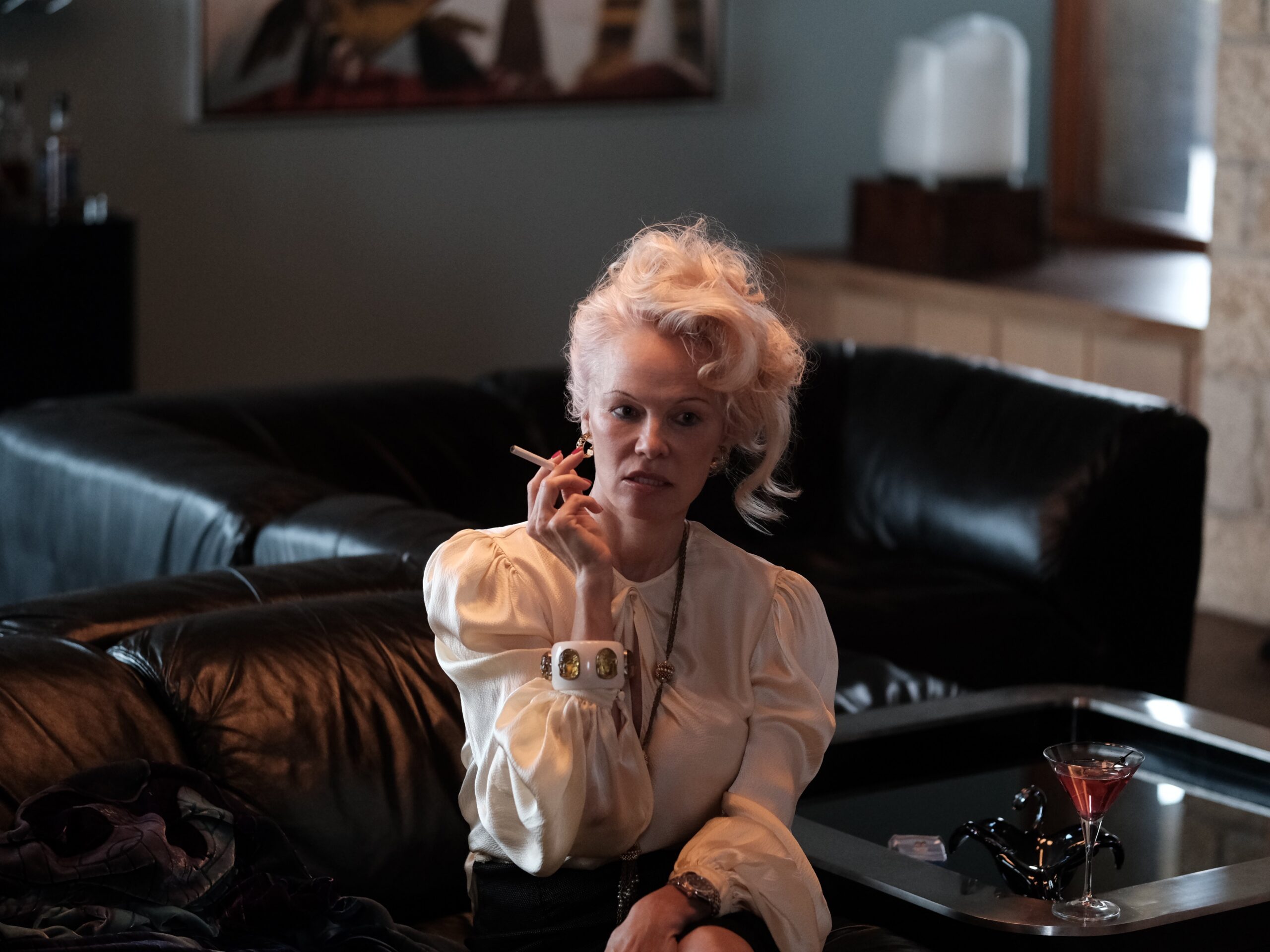
    Pamela Anderson ignited a significant cultural discussion by publicly describing her 2026 film, ‘Rosebush Pruning,’ as ‘twisted.’ This characterization immediately drew widespread attention from media outlets and the public. Anderson’s additional comment, ‘I like stirring it up,’ clarified her intent, indicating a deliberate choice to engage with provocative material and stimulate dialogue around her work.

    This candid assessment positioned ‘Rosebush Pruning’ as one of the most talked-about films of 2026 even before its full release. Public and critical anticipation heightened, focusing on the film’s undisclosed themes and Anderson’s performance within a narrative she herself labeled as unconventional. The controversy centers on the film’s perceived challenging content and its potential impact on cultural norms.

    Pamela Anderson’s Evolving Career Trajectory

    Pamela Anderson’s career spans several decades, marked by diverse roles and significant public presence. She first achieved international fame in the 1990s, becoming a prominent cultural figure. Her early work often involved high-profile television series such as ‘Baywatch’ and extensive modeling.

    Over the years, Anderson has explored various artistic avenues beyond her initial public image. She has appeared in numerous films, television shows, and theatrical productions. Her public persona has also evolved, transitioning from initial sensationalism to embracing activism and more reflective, autobiographical projects, including her 2023 documentary ‘Pamela, a Love Story’ and her 2023 memoir ‘Love, Pamela.’

    The decision to star in ‘Rosebush Pruning’ signals a continuation of this deliberate career evolution. It suggests a willingness to tackle challenging material that deviates from mainstream expectations. This choice aligns with a pattern of selecting roles designed to prompt conversation and introspection, solidifying her status as an artist unafraid of controversy.

    Defining Moments and Public Perception

    Anderson’s career has been punctuated by moments that have redefined her public image. Her advocacy for animal rights, her public battle with Hepatitis C, and her candid discussions about her personal life have all contributed to a more complex public understanding of her identity. These experiences have informed her artistic choices, leading to projects that often reflect deeper personal or societal issues.

    Her participation in ‘Rosebush Pruning’ is seen by many as another such defining moment. It allows her to leverage her established public platform to draw attention to potentially uncomfortable or challenging narratives. This strategic move aims to engage audiences on a more intellectual or emotional level, moving beyond superficial interpretations of her work.

    The Enigma of ‘Rosebush Pruning’: Unpacking the ‘Twisted’ Label

    Specific plot details surrounding ‘Rosebush Pruning’ remain largely undisclosed to the public as of 2026. However, Anderson’s description of the film as ‘twisted’ offers a potent glimpse into its potential nature. This label suggests a narrative that significantly deviates from conventional storytelling structures or themes. It could imply complex moral dilemmas, profound psychological depth, or a focus on controversial subject matter that challenges societal norms.

    The phrase ‘stirring it up,’ used by Anderson, further implies that the film is intentionally designed to provoke. It aims to challenge audience expectations and potentially entrenched societal beliefs. This approach aligns with a long-standing tradition in cinema where filmmakers use provocative themes to push boundaries and stimulate critical thought.

    Filmmakers frequently employ challenging narratives to explore deeper human truths and societal anxieties. Such films can spark important dialogues about ethics, relationships, power dynamics, and the human condition. Given Anderson’s comments, ‘Rosebush Pruning’ appears positioned to contribute to this genre, aiming for artistic impact beyond mere entertainment.

    Speculation on Themes and Narrative Structure

    Without specific plot points, speculation about ‘Rosebush Pruning’ naturally gravitates towards its potential thematic content. A ‘twisted’ narrative often encompasses several key elements:

    • Unconventional Character Relationships: Portrayals of relationships that defy traditional romantic, familial, or social constructs.
    • Exploration of Taboos: Direct engagement with subjects considered forbidden or highly sensitive in mainstream society.
    • Morally Ambiguous Scenarios: Situations where traditional notions of right and wrong are blurred, forcing audiences to grapple with complex ethical questions.
    • Psychological Depth: A focus on the internal lives of characters, often delving into trauma, mental states, or existential crises.
    • Non-Linear Storytelling: Narrative structures that eschew chronological order, using flashbacks, multiple perspectives, or fragmented timelines to enhance the sense of unease or mystery.

    The film’s title itself, ‘Rosebush Pruning,’ carries symbolic weight. Pruning a rosebush involves careful, sometimes severe, cutting to promote healthier growth and shape. This botanical act could metaphorically represent painful decisions, necessary sacrifices for personal evolution, or the often-harsh process of shaping one’s identity through difficult experiences. Such metaphors provide fertile ground for critical analysis and public discussion, suggesting a film rich in subtext and open to interpretation.

    Anderson’s Intentional Artistic Approach

    Pamela Anderson’s explicit statement, ‘I like stirring it up,’ reveals a highly intentional and strategic approach to her acting choices. This is not a passive acceptance of a role for commercial gain. It is an active embrace of a project’s potential impact, its capacity for controversy, and its ability to generate meaningful dialogue.

    This attitude reflects a performer confident in her ability to handle challenging material and manage public reaction. It suggests an artist who values the discourse her work can generate, prioritizing artistic provocation and social commentary over universal approval. This stance aligns with a growing trend among established actors to seek out roles that offer more than just entertainment.

    Actors often seek roles that push their personal and professional boundaries. They look for characters and narratives that allow them to explore new facets of their talent and engage with deeper societal issues. For Anderson, ‘Rosebush Pruning’ appears to represent precisely such an opportunity, allowing her to further define her artistic identity in 2026.

    Impact on Anderson’s Public Image

    A leading role in a film described as ‘twisted’ and intended to ‘stir things up’ can significantly alter an actor’s public perception. For Pamela Anderson, this could mean a definitive repositioning within the industry and among audiences, moving her towards more dramatic, complex, and critically acclaimed roles.

    This strategic move could solidify her status as a serious dramatic actress, demonstrating a profound willingness to move beyond her established public image. Such roles frequently earn critical acclaim and generate new career opportunities, broadening an actor’s range and influence. It challenges pre-conceived notions about her capabilities and artistic ambitions.

    The public’s reaction to ‘Rosebush Pruning’ will be crucial in shaping this narrative. Will audiences embrace this new, more challenging direction? Or will the controversial nature of the film overshadow its artistic intent, leading to polarized opinions? The discourse surrounding ‘Rosebush Pruning’ is poised to shape Anderson’s career trajectory and public narrative for years to come.

    The Broader Landscape of Provocative Cinema in 2026

    Provocative cinema possesses a long and distinguished history, often serving as a mirror or a catalyst for societal change. Films that challenge norms, question authority, or explore uncomfortable truths frequently become cultural touchstones. They compel society to confront difficult realities or re-evaluate established beliefs, pushing the boundaries of what is acceptable or discussable.

    From early avant-garde movements to contemporary independent and mainstream productions, directors and actors have consistently utilized cinema as a powerful medium for social commentary and artistic expression. They have explored themes that might be considered too sensitive or controversial for other forms of public discourse, leveraging the visual and emotional power of film.

    The cultural landscape for such films in 2026 is complex and dynamic. Audiences are increasingly diverse in their tastes, sensitivities, and expectations regarding media content. What one person finds thought-provoking and artistically valuable, another might find gratuitously offensive or morally reprehensible. This divergence often fuels the very controversies that films like ‘Rosebush Pruning’ are designed to provoke.

    The Dual Nature of Controversy in Film

    Controversy can be a remarkably powerful tool for filmmakers. It generates buzz, attracts media attention, and draws audiences who are curious to witness what has caused such a stir. More importantly, it can spark vital conversations and critical analyses, prompting viewers to engage with the film’s themes on a deeper level.

    However, controversy also carries inherent risks. Films perceived as overly contentious can face significant backlash, potentially struggling with distribution, critical reception, and even public protests. The delicate line between thought-provoking and gratuitously offensive is often subjective, culturally dependent, and intensely debated. Filmmakers must carefully navigate this terrain to ensure their artistic intentions are understood.

    For ‘Rosebush Pruning,’ the challenge will be to skillfully navigate this complex landscape. The film must deliver a compelling and artistically sound narrative that justifies its ‘twisted’ nature. It must strive for substance, depth, and genuine artistic merit over mere shock value, ensuring its provocative elements serve a larger thematic purpose rather than existing for their own sake.

    Anticipation and Potential Impact of ‘Rosebush Pruning’

    The release of ‘Rosebush Pruning’ is highly anticipated, largely due to Pamela Anderson’s provocative remarks. Film critics, industry insiders, and the general public are all closely watching. They are keen to assess how the film lives up to its controversial billing and how it positions itself within the current cinematic discourse of 2026.

    Early reviews and audience reactions will be crucial in shaping the film’s narrative and its long-term impact. A strong critical reception could significantly elevate the film’s standing, validating Anderson’s decision to take on such a challenging project and affirming its artistic merit. This could position ‘Rosebush Pruning’ as a benchmark for contemporary provocative cinema.

    Conversely, a polarized or negative response could lead to further intense debate, intensifying discussions about the boundaries of artistic expression, censorship, and audience responsibility. Regardless of its reception, ‘Rosebush Pruning’ is poised to be a significant talking point in the cultural discourse of 2026, contributing to ongoing conversations about art, controversy, and celebrity.

    Influence on Future Film Trends

    ‘Rosebush Pruning’ has the potential to influence future filmmaking trends. If it achieves critical or commercial success by effectively navigating its controversial themes, it could encourage more filmmakers to explore challenging narratives. This could lead to a broader acceptance of unconventional storytelling and a greater willingness to tackle difficult subjects in mainstream cinema.

    The film’s reception will also provide valuable insights into audience appetite for provocative content in 2026. It will indicate how far contemporary viewers are willing to be pushed and what constitutes compelling, rather than merely shocking, artistic expression. This feedback loop between creators and audience continually shapes the evolution of the film industry.

    Pamela Anderson’s involvement, coupled with her candid commentary, ensures ‘Rosebush Pruning’ will not be an easily ignored film. It is set to spark conversations, provoke thought, and challenge perceptions.

    The industry watches. Critics prepare. Audiences engage.

    Controversy.

  • Craig Melvin Intruder Incident, ‘Today’ Show Enhances Security

    Craig Melvin Intruder Incident, ‘Today’ Show Enhances Security

    The Incident at NBC Studios

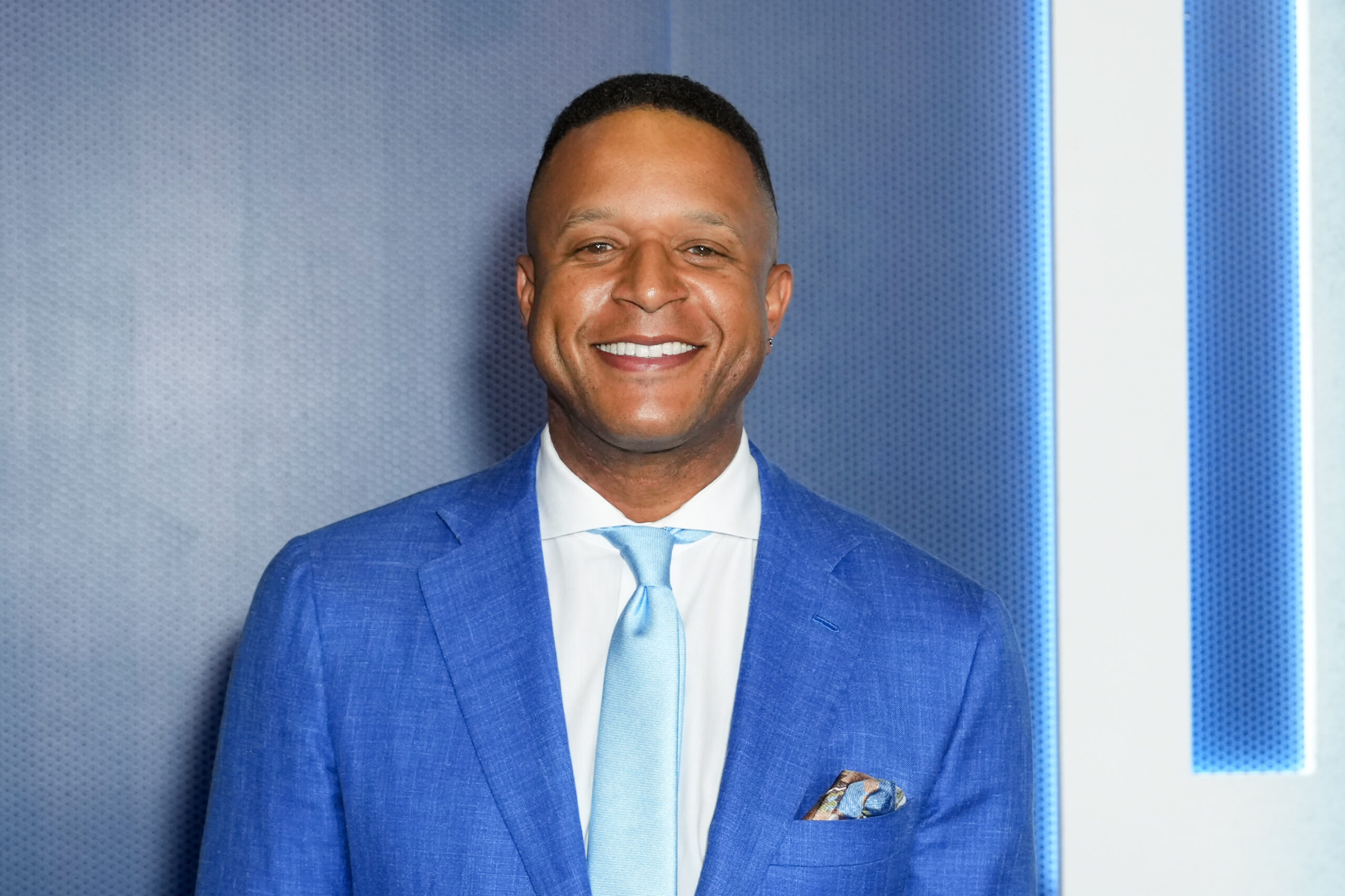
    The ‘Today’ show has implemented stricter security protocols for guests. This decision followed an intruder incident involving host Craig Melvin. The event, which occurred at NBC Studios in New York City, prompted a comprehensive review of existing safety measures. It underscored the persistent challenges in ensuring the safety of public figures and media personalities in publicly accessible environments.

    Broadcast studios, by their nature, often have areas accessible to the public for audience participation and guest appearances. This accessibility presents unique security vulnerabilities. The incident with Craig Melvin brought these vulnerabilities into sharp focus, leading to immediate action from NBC.

    Understanding the Security Breach

    Details surrounding the intruder incident remain closely guarded by NBC. However, reports indicate that an unauthorized individual gained access to an area of NBC Studios. This area was in proximity to where Craig Melvin was working or preparing for a broadcast. The precise nature of the interaction between the intruder and Melvin has not been publicly disclosed.

    The quick response of NBC security personnel was noted. The individual was apprehended, and no physical harm to Melvin or other staff was reported. Yet, the breach itself was sufficient to trigger a significant re-evaluation of security practices across the entire ‘Today’ show operation.

    The Impact on Craig Melvin

    Craig Melvin is a prominent figure on the ‘Today’ show. He co-anchors the third hour of the program and contributes to NBC News and MSNBC. Such public exposure makes individuals like Melvin potential targets. The incident likely caused significant concern for Melvin and his family, as well as his colleagues at NBC.

    Public figures often navigate a complex landscape of celebrity and security risk. This incident serves as a stark reminder of the personal impact such breaches can have, even when physical harm is averted. It also highlights the responsibility of media organizations to protect their on-air talent.

    New Protocols for Guest Safety

    The core of the ‘Today’ show’s response involves stricter security protocols for guests. These new measures aim to prevent future unauthorized access and enhance the overall safety of everyone on set. The changes affect how guests are vetted, escorted, and permitted to move within NBC Studios.

    Previously, certain guest procedures may have allowed for more flexibility. The new protocols likely involve more stringent background checks, clearer identification requirements, and dedicated escort services for all visitors. The goal is to create a more controlled environment without compromising the show’s welcoming atmosphere.

    Enhanced Vetting Procedures

    One key area of modification is the guest vetting process. This now includes more thorough background checks for individuals scheduled to appear on the program. These checks likely extend beyond standard identification verification to include digital footprints and potential threat assessments.

    The show regularly hosts a diverse range of guests, from celebrities and politicians to experts and everyday individuals with compelling stories. Each category presents unique security considerations. The enhanced vetting seeks to address these varied risks more comprehensively.

    Controlled Access and Escort Requirements

    Access control within NBC Studios has also been tightened. Guests are now likely subject to stricter rules regarding where they can go and who must accompany them. This often means dedicated security or production staff will escort guests at all times, from their arrival to their departure.

    The physical layout of broadcast facilities can be complex. Multiple entrances, public areas, and private production spaces all require careful management. The new protocols aim to create clearer boundaries and reduce opportunities for unauthorized movement within the building.

    Broader Implications for Media Security

    The incident at the ‘Today’ show carries broader implications for media organizations. It underscores a persistent and evolving threat landscape facing public figures and their workplaces. Security concerns are not limited to high-profile political figures; they extend to entertainment and news personalities as well.

    Media companies invest heavily in security infrastructure. This includes physical barriers, surveillance systems, and trained personnel. However, human elements, such as guest management and visitor protocols, often represent critical points of vulnerability.

    The Role of Technology in Security

    Technology plays an increasingly vital role in modern security. This includes advanced access control systems, biometric identification, and sophisticated surveillance. The ‘Today’ show’s review may have included an assessment of integrating new technologies to bolster physical security measures.

    However, technology alone cannot solve all security challenges. It must be complemented by robust human protocols and ongoing training for security staff and production teams. The balance between maintaining an open, collaborative environment and ensuring stringent security is a constant challenge for media outlets.

    Protecting On-Air Talent

    The safety of on-air talent is paramount for broadcast networks. Personalities like Craig Melvin are the public face of their organizations. Incidents that threaten their safety can have significant repercussions, impacting morale, public perception, and even the continuity of broadcasting.

    Networks often provide personal security details for their most prominent figures, especially during public appearances or travel. However, incidents occurring within the controlled environment of a studio highlight the need for comprehensive, layered security strategies that address all potential points of vulnerability.

    Historical Context of Media Security

    Security breaches involving media figures are not unprecedented. Throughout history, public figures have faced risks ranging from harassment to more serious threats. The digital age has introduced new dimensions to these challenges, with online threats often preceding or accompanying physical attempts.

    For example, high-profile incidents involving journalists or television personalities have periodically led to security enhancements. These events often serve as catalysts for industry-wide re-evaluations of safety protocols. The incident with Craig Melvin is part of this ongoing narrative.

    Evolving Threat Landscape

    The threat landscape is constantly evolving. Individuals with malicious intent can use various methods to gain access to restricted areas. This includes impersonation, exploiting procedural gaps, or simply overwhelming security points. Media organizations must remain vigilant and adapt their strategies.

    The current environment, marked by increased polarization and public scrutiny, can also contribute to a heightened risk for public figures. The line between public discourse and personal threat can sometimes blur, making robust security measures more critical than ever.

    The ‘Today’ Show’s Commitment to Safety

    The implementation of stricter security protocols reflects the ‘Today’ show’s commitment to the safety of its staff, guests, and audience. This commitment extends beyond mere compliance; it involves a proactive approach to risk management. The show aims to maintain its status as a trusted source of news and entertainment while ensuring a secure environment.

    The incident, while concerning, ultimately led to positive changes. It served as a critical learning experience, prompting NBC to reinforce its defenses against potential threats. The balance between openness and security remains a delicate act for live broadcast productions.

    The ‘Today’ show continues its daily broadcast schedule. Its hosts, including Craig Melvin, continue to deliver news and interviews. The enhanced security measures are now a permanent part of the operational framework, designed to protect all who enter NBC Studios.

    Looking Ahead

    The incident involving Craig Melvin and the subsequent security enhancements at the ‘Today’ show provide a case study in modern media security. It highlights the dynamic nature of threats and the continuous need for vigilance and adaptation.

    Media organizations across the industry will likely observe these changes. They will consider their own protocols in light of this event. The safety of public figures remains a paramount concern.

    Staff members were briefed. Security teams were retrained. Access points were reinforced. Procedures were updated. NBC Studios.


  • Fired ’60 Minutes’ Correspondent Alleges Pressure to Report False Events

    Fired ’60 Minutes’ Correspondent Alleges Pressure to Report False Events

    A former ’60 Minutes’ correspondent has alleged that she was pressured to report on “events that never happened” during Bari Weiss’ leadership at CBS News. This claim, reported by Variety on July 24, 2026, centers on accusations of editorial interference and a push for narratives that lacked factual basis. The correspondent’s dismissal from the program is reportedly linked to her resistance to these alleged directives, bringing the internal workings of one of television’s most respected news programs into public scrutiny.

    The allegations by the unnamed former correspondent suggest a significant departure from established journalistic standards. Such claims, if substantiated, could erode public trust in news institutions. They also highlight ongoing discussions about the pressures faced by journalists in a rapidly evolving media landscape.

    The Allegations Against CBS News Leadership

    The core of the former correspondent’s complaint involves directives she received while working on ’60 Minutes.’ These directives, she claims, pushed her to develop stories around occurrences that had not factually transpired. The correspondent specifically pointed to an environment where certain narratives were prioritized over rigorous verification.

    Bari Weiss, who assumed a leadership position at CBS News, is central to these allegations. The correspondent states that the pressure to report on these non-existent events intensified under Weiss’s direction. This suggests a top-down influence on editorial decisions that allegedly compromised journalistic integrity.

    The Variety report on July 24, 2026, detailed the correspondent’s account. She described a pattern of requests that deviated from traditional fact-finding. Her resistance to these requests, she believes, ultimately led to her termination from ’60 Minutes.’

    This situation presents a conflict between editorial leadership and the reporter’s ethical obligations. Journalists are typically bound by principles of accuracy and truthfulness. Pressure to deviate from these principles constitutes a serious breach of professional conduct.

    Internal Editorial Conflicts

    The internal dynamics at CBS News, particularly within ’60 Minutes,’ are now under examination. The allegations suggest a struggle between those upholding traditional journalistic ethics and those pushing for specific narrative outcomes. This type of conflict can be detrimental to a news organization’s reputation.

    Sources close to the situation, as cited by Variety, indicate that the correspondent’s concerns were raised internally multiple times. These internal complaints reportedly went unaddressed. This lack of response further exacerbated the tensions within the news division.

    The correspondent’s eventual firing is presented as a direct consequence of her refusal to comply with the alleged directives. Her stance reportedly created friction with management. This highlights the potential professional risks journalists face when challenging editorial decisions they deem unethical.

    The impact on ’60 Minutes’ as a program is also a significant concern. Historically, ’60 Minutes’ has been known for its investigative journalism and commitment to factual reporting. These allegations challenge that long-standing reputation.

    Bari Weiss’s Role at CBS News

    Bari Weiss’s appointment to a leadership role at CBS News preceded these allegations. Her background, primarily as an opinion writer and editor, differs from traditional broadcast news leadership. This background has been noted by observers as potentially influencing editorial direction.

    Weiss gained prominence for her critiques of what she termed “wokeness” and “cancel culture.” Her public persona is often associated with challenging mainstream narratives from a particular ideological viewpoint. This perspective, according to the former correspondent, may have informed the alleged editorial pressures.

    The specific nature of Weiss’s leadership style at CBS News is now a subject of intense interest. The allegations imply a hands-on approach to story development, potentially overriding the autonomy of individual correspondents. This raises questions about the balance of power within the news hierarchy.

    It remains unclear whether other ’60 Minutes’ correspondents experienced similar pressures. The Variety report focuses on the account of one individual. However, the nature of the allegations suggests a systemic issue rather than an isolated incident.

    Wider Implications for Media Trust

    These allegations emerge at a time of heightened public skepticism towards media institutions. Trust in news organizations has been a recurring theme in public discourse. Claims of fabricated events or editorial interference can significantly worsen this perception.

    The phrase “events that never happened” resonates with those who already believe that some media outlets manipulate information. This specific phrasing directly addresses concerns about truthfulness and the fabrication of news. It plays into existing anxieties about media credibility.

    For CBS News, the allegations pose a significant challenge to its brand. As a legacy news organization, its reputation is built on decades of reporting. Claims of this nature can quickly undermine that foundation.

    The incident also fuels the broader debate about the role of opinion versus fact in journalism. Weiss’s background in opinion journalism, contrasted with the investigative focus of ’60 Minutes,’ underscores this tension. The line between commentary and objective reporting can become blurred under certain editorial leaderships.

    The Journalist’s Dilemma and Ethical Reporting

    Journalists frequently encounter ethical dilemmas in their careers. The decision to report on potentially false information or to resist editorial pressure is a critical ethical choice. The former ’60 Minutes’ correspondent’s actions exemplify this dilemma.

    The Society of Professional Journalists’ Code of Ethics emphasizes seeking truth and reporting it. It also stresses minimizing harm and acting independently. Pressure to report false information directly violates these core tenets.

    Reporters who refuse to compromise their ethical standards often face professional consequences. These can range from internal disputes to job loss. The former correspondent’s termination underscores the potential cost of upholding journalistic integrity.

    The public relies on journalists to act as watchdogs, providing accurate and unbiased information. When that trust is eroded by allegations of misconduct, the entire democratic process can be affected. Informed decision-making depends on reliable news sources.

    Legal and Reputational Ramifications

    The allegations could lead to various ramifications for CBS News and Bari Weiss. These include potential internal investigations, public relations crises, and scrutiny from media watchdogs. The legal implications, if any, remain to be seen.

    A public relations crisis is almost certainly underway. CBS News will likely need to issue a formal response to the allegations. The nature of that response will be critical in shaping public perception.

    Media critics and industry observers will be closely watching how CBS News addresses these claims. The outcome could set precedents for how major news organizations handle similar internal disputes. It could also influence future editorial policies.

    The reputational damage to ’60 Minutes’ could be significant and long-lasting. Rebuilding trust, once lost, is a difficult and protracted process. It requires demonstrable commitments to transparency and ethical practices.

    The Future of Journalistic Integrity

    The incident involving the former ’60 Minutes’ correspondent highlights ongoing concerns about journalistic integrity in the digital age. The speed of information dissemination and the pressures of the 24/7 news cycle can sometimes compromise thoroughness and accuracy.

    The role of editorial leadership in maintaining ethical standards is paramount. Leaders are responsible for fostering an environment where facts are prioritized and reporters are empowered to resist unethical directives. A failure in this leadership can have far-reaching consequences.

    As audiences increasingly seek out credible news sources, the demand for transparency and accountability from media organizations will only grow. Incidents like this serve as a reminder of the fragility of public trust in journalism.

    The debate sparked by these allegations will likely continue. It will involve journalists, media executives, and the public. The core question remains: how can news organizations ensure the integrity of their reporting in an era of intense scrutiny and ideological polarization?

    Journalism faces constant challenges. It faces economic pressures. It faces political pressures. It faces technological disruption. It faces a crisis of public trust. It faces a moment of reckoning.


  • Jake Paul and the NFL: Celebrity Ambition Meets Professional Sports

    Jake Paul and the NFL: Celebrity Ambition Meets Professional Sports

    Jake Paul, a figure recognized for his extensive social media presence and his subsequent career as a professional boxer, has publicly stated that he has engaged in discussions with multiple National Football League (NFL) teams. This claim, initially reported by TMZ, has immediately fueled widespread speculation and debate regarding the feasibility of such a transition and the increasing blur between celebrity status and the demanding world of professional sports. Paul’s trajectory from online entertainer to combat sports athlete provides a unique context for these new aspirations, positioning him at the center of a discussion about ambition, talent, and the evolving landscape of athletic careers.

    The announcement underscores a broader trend where personalities from outside traditional sports attempt to cross into established professional leagues. Paul’s journey, marked by high-profile boxing matches against former MMA fighters and other celebrities, has consistently drawn significant viewership and revenue. His potential entry into the NFL, if materialized, would represent one of the most unconventional career shifts in modern sports history, challenging conventional notions of athlete development and recruitment.

    The Genesis of a Crossover Claim

    Jake Paul’s statement about NFL team discussions emerged in July 2026. The specific teams involved in these alleged talks have not been publicly identified by Paul or any NFL entity. This lack of specific detail has contributed to both intrigue and skepticism among sports analysts and fans.

    Paul’s athletic background, while unconventional for an NFL hopeful, is not entirely devoid of competitive experience. He has participated in several professional boxing bouts, securing victories against notable opponents. This combat sports experience, however, differs significantly from the physical and strategic demands of American football.

    His previous athletic endeavors included high school wrestling, a common starting point for many professional athletes. However, his focus shifted dramatically toward digital content creation and, more recently, professional boxing. The leap from these disciplines to the NFL’s elite level is considered substantial by many.

    Celebrity Influence in Professional Sports

    The notion of a prominent celebrity like Jake Paul attempting to enter a major professional sports league highlights the growing influence of digital fame. In an era where social media reach can translate into significant marketing power, individuals with large followings often find pathways into industries traditionally reserved for highly specialized talent.

    Paul’s brand is built on disruption and spectacle. His boxing matches have often been criticized for their entertainment value outweighing their competitive merit, yet they consistently attract pay-per-view audiences. Transferring this draw to the NFL could offer unprecedented marketing opportunities for any team willing to take such a risk.

    This situation also raises questions about meritocracy in professional sports. Critics argue that such a move, if not based on proven football prowess, could undermine the integrity of the league. Proponents might suggest it injects new interest and expands the NFL’s audience.

    Previous Crossovers and Their Outcomes

    While rare, crossovers between different sports are not unprecedented. Michael Jordan famously transitioned from basketball to minor league baseball in the 1990s. His endeavor, while generating immense media attention, did not result in a successful Major League Baseball career.

    Other athletes have moved between sports with more success, often within related disciplines. Herschel Walker, a Heisman Trophy winner in college football, also competed in the Olympics as a bobsledder and later in mixed martial arts. These transitions, however, typically involved individuals with exceptional, multi-sport athletic pedigrees from a young age.

    The key distinction for Paul lies in his primary identity as a digital celebrity and boxer, rather than a lifelong football player. His potential entry would therefore be viewed through a different lens than a traditional athlete switching disciplines.

    The Rigors of the NFL

    The National Football League is widely regarded as one of the most physically demanding and strategically complex professional sports leagues globally. Success in the NFL requires a unique combination of speed, strength, agility, endurance, and highly specialized technical skills developed over many years.

    NFL players typically begin their football careers in youth leagues, progressing through high school and college programs. This extensive developmental pipeline allows for the cultivation of specific positional skills, tactical understanding, and the physical conditioning necessary to withstand the brutal nature of the game.

    The average NFL career length is relatively short, often due to the intense physical toll. Players compete at the peak of athletic performance, making any late entry or a transition from a vastly different sport a significant challenge.

    Positional Considerations

    If Paul were to genuinely pursue an NFL career, his potential position would be a subject of intense speculation. His size and boxing-honed athleticism might suggest roles requiring explosive power or specific tackling abilities.

    However, the nuanced skill sets of positions like quarterback, wide receiver, or defensive back require years of specialized training and game experience. Even roles like kick returner or special teams gunner demand exceptional speed, agility, and a deep understanding of football schemes.

    Any team considering Paul would need to assess his raw athletic potential against his profound lack of conventional football experience. This would likely involve extensive tryouts and a willingness to invest significant coaching resources.

    Public Reaction and Media Scrutiny

    Jake Paul’s claim has predictably generated a wide spectrum of public reactions. Many sports enthusiasts and commentators express skepticism, viewing the announcement as a publicity stunt or an unrealistic aspiration.

    Social media platforms have been inundated with discussions, memes, and opinion pieces analyzing the likelihood of Paul ever stepping onto an NFL field. The debate often centers on whether Paul possesses the necessary talent, dedication, and background to compete at the highest level of professional football.

    Media outlets, including TMZ, which broke the initial claim, continue to cover the story, highlighting its entertainment value. The narrative surrounding Paul’s NFL ambitions plays into broader cultural discussions about celebrity, authenticity, and the pursuit of unconventional dreams.

    The Role of Speculation

    In the absence of official confirmation from NFL teams, speculation remains rampant. Some argue that Paul’s statements are a strategic move to maintain relevance and generate buzz, a tactic he has employed successfully throughout his career.

    Others consider the possibility, however remote, that an NFL team might genuinely be interested in Paul, not necessarily for his immediate playing ability, but for the enormous media attention and potential revenue he could bring. This perspective acknowledges the commercial aspects of professional sports.

    Regardless of the outcome, Paul’s announcement has successfully drawn attention to himself and the ongoing conversation about celebrity involvement in professional athletic endeavors.

    The Business of Sports and Entertainment

    The potential intersection of Jake Paul’s brand with the NFL underscores the increasing convergence of sports and entertainment industries. Modern professional sports leagues often seek personalities who can transcend the athletic arena and capture broader public interest.

    Paul’s proven ability to market himself and generate massive online engagement could be a valuable asset for a team looking to expand its fan base, particularly among younger demographics. His social media following numbers in the tens of millions across various platforms.

    However, the NFL maintains a carefully curated image of athletic excellence and competitive integrity. Any decision to bring in a celebrity with limited football experience would need to be weighed against potential impacts on this brand identity.

    Financial Implications

    Should an NFL team seriously consider Jake Paul, the financial implications would be multifaceted. Beyond a potential player salary, the marketing opportunities could be substantial. Jersey sales, increased viewership, and sponsorship deals could all see a boost.

    Conversely, there are financial risks. A high-profile, underperforming player could lead to negative public relations and fan backlash. Teams would need to carefully calculate the return on investment for such an unconventional signing.

    The discussion also extends to the broader economic model of sports entertainment, where individual celebrity can sometimes overshadow traditional team-based narratives. Paul’s situation exemplifies this modern dynamic.

    What Comes Next?

    As of July 2026, Jake Paul’s claims remain unverified by the NFL or any specific team. The next steps would likely involve concrete actions: official tryouts, signed contracts, or public statements from NFL organizations.

    Without such developments, Paul’s statements will likely continue to fuel debate and serve as a case study in celebrity-driven news cycles. His history suggests a knack for generating attention and pursuing ambitious, often unexpected, career paths.

    The sports world awaits further details, assessing the sincerity and feasibility of this latest claim. Whether it culminates in an actual NFL appearance or remains a topic of conversation, Paul has once again demonstrated his capacity to command headlines.

    The world watches. The sports community debates. The entertainment industry buzzes.

    Jake Paul.