Tag: Identity

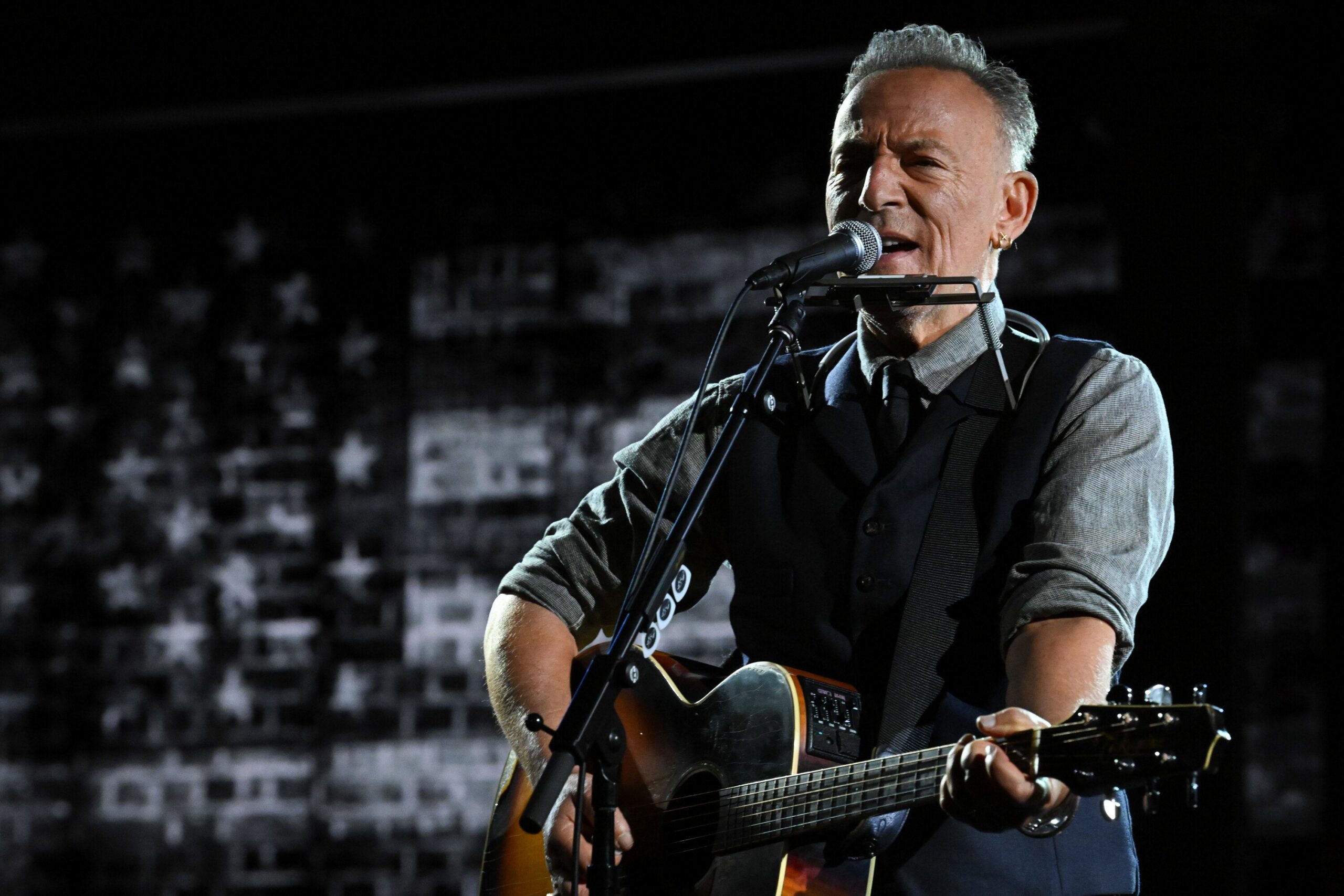
  • Bruce Springsteen Defines ‘Critical Patriotism’ in Response to President Trump

    Bruce Springsteen Defines ‘Critical Patriotism’ in Response to President Trump

    Defining Patriotism in the Modern Era

    Bruce Springsteen recently articulated his perspective on patriotism, defining himself as a ‘patriot’ who practices ‘critical patriotism’. This concept, as expressed by Springsteen, involves a commitment to one’s country coupled with the willingness to challenge its leadership and policies when necessary. He specifically mentioned his stance regarding President Donald Trump as an example of this critical engagement.

    Springsteen’s comments emerged from an interview reported by Variety. The remarks contribute to ongoing public discourse about national identity and civic responsibility in the current political climate. His words resonate with varying interpretations of what it means to be a patriot in the 21st century.

    The Evolution of a Public Figure’s Stance

    Bruce Springsteen has maintained a visible public profile for decades. His career spans from the 1970s through 2026, encompassing numerous albums, tours, and public statements. Throughout this time, Springsteen has often addressed social and political themes in his music and interviews.

    His early work often explored the struggles of the American working class. Songs like ‘Born in the U.S.A.’ (1984) became anthems, though their meanings were sometimes misinterpreted. This particular song, for instance, is often seen as a celebration of American exceptionalism, but it also contains verses detailing the plight of Vietnam War veterans.

    Over time, Springsteen’s political engagement became more explicit. He has publicly supported various political candidates and causes. His involvement has often aligned with progressive viewpoints, advocating for social justice and economic equality.

    ‘Critical Patriotism’ as a Concept

    The term ‘critical patriotism’ suggests a nuanced form of national loyalty. It implies that genuine love for one’s country does not equate to unquestioning support of its government or its leaders. Instead, it posits that a patriot has a duty to hold their nation and its representatives accountable.

    This perspective contrasts with definitions of patriotism that emphasize unconditional allegiance. Proponents of critical patriotism argue that constructive criticism and dissent are essential for a healthy democracy. They believe that addressing national shortcomings is a fundamental aspect of working towards a ‘more perfect union’.

    Historically, figures throughout American history have embodied elements of critical patriotism. Abolitionists, civil rights leaders, and social reformers often critiqued the existing systems of their time while simultaneously expressing a deep commitment to the nation’s founding ideals. Their actions were often driven by a belief that the country could and should live up to its stated principles.

    Springsteen’s Relationship with President Trump

    Bruce Springsteen has been an outspoken critic of President Donald Trump’s policies and rhetoric. His opposition has been consistent since President Trump’s first election in 2016 and continued through his second term, which began on January 20, 2025.

    Springsteen has used various platforms to voice his concerns. These have included interviews, public appearances, and sometimes subtle allusions within his musical performances. He has expressed worries about the direction of the country under President Trump’s leadership.

    His recent comments, as reported by Variety, directly link his ‘critical patriotism’ to his willingness to ‘stand up to Trump’. This indicates a direct application of his philosophical stance to current political realities. It frames his criticism not as opposition to the nation, but as a commitment to its betterment.

    Public Reaction and Broader Discourse

    Springsteen’s remarks have generated significant public discussion. Supporters of his viewpoint often commend his courage and consistency. They view his stance as an example of an artist using their platform to advocate for their beliefs.

    Conversely, some individuals disagree with his interpretation of patriotism. Critics sometimes argue that public figures should refrain from political commentary. Others may interpret his criticism of President Trump as unpatriotic or divisive.

    The conversation surrounding Springsteen’s statements reflects broader societal debates. These debates often center on the role of celebrities in politics, the boundaries of free speech, and the evolving definition of national identity in a polarized society. The discourse highlights the differing ways Americans perceive their country and its leadership.

    The Artist’s Role in Political Commentary

    The role of artists in political commentary has long been a subject of debate. Throughout history, musicians, writers, and visual artists have used their work to reflect on, critique, and influence societal norms and political actions.

    From protest songs of the civil rights era to contemporary political satire, artistic expression often serves as a mirror or a megaphone for public sentiment. Artists like Springsteen, with established careers and dedicated fan bases, possess a unique ability to reach and influence a wide audience.

    Their statements, whether direct or indirect, often spark conversations that might not otherwise occur. This capacity can be seen as both a privilege and a responsibility. Springsteen’s recent comments exemplify an artist embracing this role, directly engaging with a contentious political figure and a complex national ideal.

    The discussion around his comments underscores the enduring power of cultural figures to shape public thought. It demonstrates how art and artists remain integral to the ongoing dialogue about national values and political direction.

    Legacy of Political Engagement

    Bruce Springsteen’s political engagement is not an isolated event. It is part of a long tradition of artists using their platforms for social and political commentary. His legacy includes not only his music but also his consistent willingness to speak out on issues he deems important.

    His actions align with a lineage of musicians who have challenged authority and advocated for change. Figures such as Woody Guthrie, Joan Baez, and Bob Dylan used their art to articulate political dissent and inspire social movements. Springsteen continues this tradition, adapting it to the contemporary political landscape.

    His definition of ‘critical patriotism’ provides a framework for understanding his past and present actions. It suggests a deeply held belief that true loyalty to one’s country involves a commitment to its ideals, even when those ideals appear to be undermined by current leadership.

    This perspective solidifies his position not just as a musician, but as a public intellectual engaged with the fundamental questions of American identity and governance. His voice adds to the chorus of those who believe that patriotism requires vigilance and an unwavering commitment to justice.

    Artists spoke. Musicians spoke. Citizens spoke.

    Springsteen.

  • Dustin Hoffman on American Division – Comparing Today to the Vietnam War Era

    Dustin Hoffman on American Division – Comparing Today to the Vietnam War Era

    Dustin Hoffman’s Assessment of American Division

    In 2026, actor Dustin Hoffman observed that the United States is experiencing a level of societal division comparable to the period of the Vietnam War. This statement draws a direct historical parallel, suggesting a contemporary fragmentation within American society that echoes one of its most contentious eras. Hoffman’s comments contribute to an ongoing public discourse regarding national unity and political polarization.

    His remarks were made in a public forum, reflecting a sentiment shared by many observers of the current social and political landscape. The comparison to the Vietnam War era is significant, as that period is widely remembered for its profound domestic unrest and ideological schisms.

    The Vietnam War Era: A Time of Intense Division

    The Vietnam War, which officially spanned from 1955 to 1975, became a major point of contention within the United States, particularly from the mid-1960s through the early 1970s. The conflict deeply polarized American society, dividing citizens along lines of politics, generation, class, and race. Protests against the war grew in frequency and intensity, often clashing with government policies and public support for military involvement.

    Key events such as the Tet Offensive in 1968, the Kent State shootings in 1970, and the publication of the Pentagon Papers in 1971 fueled anti-war sentiment. These events exposed deep rifts between different segments of the American population. The war’s impact extended beyond policy, affecting cultural norms, family dynamics, and individual identities across the nation.

    Social and Political Polarization

    The division during the Vietnam War was multifaceted. There were strong generational divides, with many young people actively opposing the war while older generations often supported the government’s stance. Economic disparities also played a role, as the draft disproportionately affected lower-income individuals. The Civil Rights Movement, occurring concurrently, further complicated the social fabric, linking issues of racial injustice with opposition to the war.

    Political leaders faced immense pressure from both pro-war and anti-war factions. Presidents Lyndon B. Johnson and Richard Nixon both saw their administrations heavily impacted by the conflict and the domestic unrest it generated. The credibility gap, referring to public skepticism about government statements and policies, became a prominent feature of the era.

    Contemporary Echoes of Historical Disunity

    Hoffman’s comparison suggests that many of the underlying causes and manifestations of division from the Vietnam War era are visible in 2026. Modern society grapples with its own set of polarizing issues. These include political ideology, economic inequality, social justice movements, and debates over national identity. The rise of digital media and fragmented information ecosystems has also been cited as a factor in exacerbating contemporary divisions.

    Discussions around these issues often become highly charged, mirroring the passionate debates of the 1960s and 1970s. Public discourse frequently reflects a lack of consensus on fundamental societal values and national direction. This can lead to increased social tension and a perception of a fractured populace.

    Impact of Social Media and Information Silos

    Unlike the Vietnam War era, the contemporary landscape is heavily influenced by social media platforms. These platforms can amplify differing viewpoints but also contribute to the formation of echo chambers and filter bubbles. Individuals may primarily encounter information that reinforces their existing beliefs, leading to deeper ideological divides and reduced empathy for opposing perspectives.

    Misinformation and disinformation campaigns, often spread rapidly through digital channels, further complicate efforts to foster common understanding. This environment can make it challenging to build consensus or engage in constructive dialogue across ideological lines. The speed and reach of modern communication differ significantly from the media landscape of the mid-20th century.

    Dustin Hoffman’s Career and Public Stance

    Dustin Hoffman is a celebrated American actor, known for his roles in iconic films such as The Graduate (1967), Midnight Cowboy (1969), and All the President’s Men (1976). His career has spanned several decades, placing him in a unique position to observe shifts in American society over time. Many of his early films were released during or immediately after the peak of the Vietnam War, making him a contemporary witness to that period of division.

    Hoffman’s public statements have occasionally touched on social and political issues. His recent comments on national division are consistent with a history of actors using their platforms to express observations on societal trends. His perspective, informed by a long career and personal experience, carries weight in public discourse.

    A Lifelong Search for Identity

    In addition to his observations on national division, Hoffman reportedly made a lighthearted comment about still trying to figure out who he is. This personal reflection adds a layer of introspection to his public remarks. It suggests a continuous process of self-discovery, even for individuals with established careers and public identities.

    The concept of identity, both personal and national, is often intertwined with periods of social change and upheaval. Hoffman’s joke may subtly hint at the broader human experience of navigating an evolving world. It can also be seen as an acknowledgment that understanding oneself is a lifelong journey, regardless of external circumstances or professional achievements.

    Historical Parallels and Future Trajectories

    Comparing current societal divisions to the Vietnam War era invites a deeper examination of historical patterns. While specific issues and contexts differ, the underlying dynamics of polarization, dissent, and a search for national cohesion can show similarities. Understanding these parallels can offer insights into navigating contemporary challenges.

    The Vietnam War ultimately concluded, and American society eventually began a process of healing and re-evaluation. However, the scars of that division remained. Whether current divisions will follow a similar trajectory, or manifest in entirely new ways, remains a subject of ongoing debate and observation. Dustin Hoffman’s comments serve as a prompt for this reflection.

    The Role of Cultural Figures in Social Commentary

    Public figures, including actors like Dustin Hoffman, often play a role in shaping or reflecting public opinion. Their statements can initiate conversations, draw attention to significant issues, and offer different perspectives on complex problems. This can be particularly true when they speak from a position of historical experience.

    Hoffman’s remarks exemplify how cultural figures can engage with broader societal concerns, leveraging their visibility to articulate sentiments that resonate with a wider audience. Such commentary often sparks further discussion among citizens and media outlets. This contributes to the ongoing dialogue about the state of the nation.

    Public figures offer observations. Journalists report. Citizens reflect.

    Society.

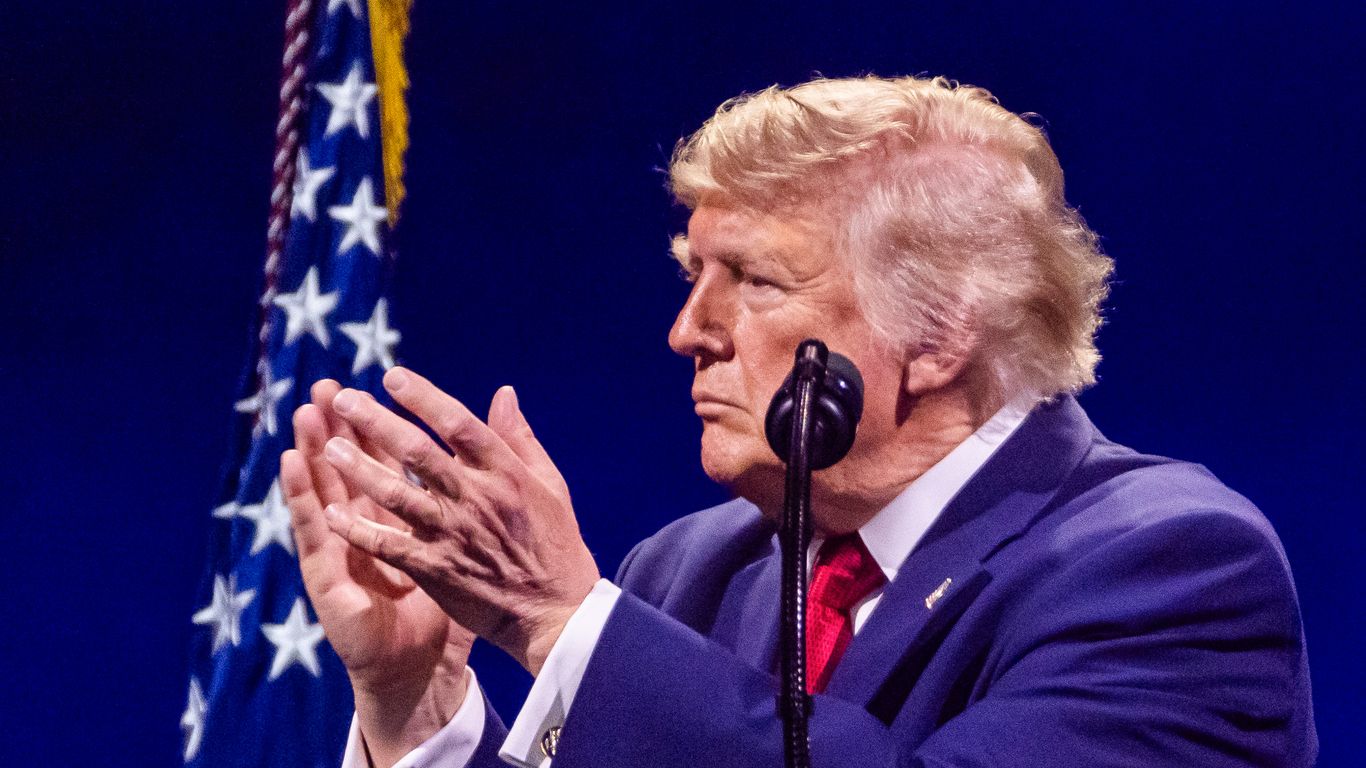
  • President Trump’s Fourth of July Address: Faith, Freedom, and National Identity

    President Trump’s Fourth of July Address: Faith, Freedom, and National Identity

    President Trump’s 2026 Fourth of July Address

    President Donald Trump delivered a pivotal speech on July 4, 2026, articulating a vision for the United States rooted in specific foundational principles. The address, delivered on the nation’s 250th anniversary of independence, centered on themes of faith, the Second Amendment, and a resolute opposition to communism. This message aimed to reinforce national pride and align with the sentiments of a significant portion of the American populace.

    The President’s remarks were delivered during a national celebration, a traditional moment for presidential addresses. This setting amplified the themes he chose to emphasize. His words were broadcast nationally, reaching a broad audience across various demographics.

    The Core Message: God, Guns, and Anti-Communism

    The central tenets of President Trump’s Fourth of July speech revolved around what he termed the essential pillars of American strength. These included a strong affirmation of religious faith, a defense of Second Amendment rights, and a clear denunciation of communist ideologies.

    The emphasis on ‘God’ highlighted the role of religious belief in the nation’s history and ongoing identity. President Trump frequently connects national prosperity and moral strength with spiritual foundations. This connection resonates with many conservative voters and religious communities across the country.

    Discussions of ‘guns’ directly addressed the right to bear arms, a constitutional liberty often championed by the President. This aspect of the speech reinforced his commitment to gun rights, a consistent theme throughout his political career. It served to reassure supporters who prioritize this freedom.

    The strong anti-communist message positioned the United States as a global bulwark against authoritarian systems. This stance echoes historical American foreign policy positions and appeals to a segment of the population concerned about international influence and geopolitical stability. President Trump has consistently articulated a view of American exceptionalism in contrast to such systems.

    Reinforcing National Pride and Identity

    A primary objective of the 2026 Fourth of July address was to cultivate a heightened sense of national pride. President Trump’s rhetoric consistently frames American history and identity in terms of strength, resilience, and unique global leadership. The holiday provided an ideal backdrop for this narrative.

    The speech invoked historical references and symbols of American independence. These elements are designed to connect contemporary political messages with the nation’s founding ideals. Such connections are crucial for building a cohesive national identity in a diverse society.

    The President’s words sought to unify citizens around shared values, even amidst political divisions. He presented a vision of America that prioritizes internal strength and external respect. This vision often includes calls for border security, economic nationalism, and a robust military.

    The Audience and Reception

    The address was anticipated by both supporters and critics. Supporters generally found the speech to be an affirmation of their values and a reaffirmation of the President’s leadership. They viewed the themes of faith, freedom, and anti-communism as essential to the nation’s well-being.

    Media coverage preceding and following the speech highlighted the specific themes chosen by President Trump. Analysts debated the implications of his focus on these particular issues. The discourse often centered on the current political climate and the direction of the country.

    Public opinion polls following such addresses often reflect partisan divides. Those who identify with the President’s political movement typically express strong approval. Others may view the speech through a critical lens, questioning its inclusivity or specific policy implications.

    Historical Context of Presidential Fourth of July Addresses

    Presidential addresses on the Fourth of July are a long-standing tradition in American politics. These speeches often serve as opportunities for leaders to reflect on the nation’s past, celebrate its present, and articulate a vision for its future. George Washington celebrated the Fourth of July in 1778, but his only documented public Fourth of July address was in 1791.

    Throughout history, presidents have used this platform to address pressing national issues. Abraham Lincoln, for example, used the occasion during the Civil War to speak on the preservation of the Union. Franklin D. Roosevelt spoke during World War II, emphasizing the fight for freedom.

    These addresses are not merely ceremonial; they are strategic communications designed to shape public discourse and rally national support. They contribute to the ongoing narrative of American identity and purpose. Each president leaves their own imprint on this tradition.

    The Role of Faith in National Discourse

    President Trump’s emphasis on ‘God’ in his 2026 speech aligns with a segment of American political thought that views religious faith as integral to national character. This perspective suggests that moral order and societal strength are derived from spiritual principles.

    Historically, religious references have been common in American political rhetoric. Figures like Thomas Jefferson and John Adams, though differing in their personal beliefs, acknowledged the role of morality and virtue in a republic. Modern presidents continue this tradition, often appealing to broad religious sentiments.

    The inclusion of faith-based language often seeks to bridge cultural divides and invoke a sense of shared heritage. It can be a powerful tool for mobilization and for reinforcing a specific moral framework for governance. This approach resonates deeply with religious conservatives.

    Defending the Second Amendment

    The mention of ‘guns’ in the President’s speech directly references the Second Amendment to the United States Constitution. This amendment protects the right of the people to keep and bear arms. It is a highly debated topic in American politics.

    President Trump has consistently positioned himself as a staunch defender of this right. His administration has often opposed stricter gun control measures, aligning with organizations like the National Rifle Association. This stance is a cornerstone of his appeal to many voters.

    Discussions around the Second Amendment often involve debates about personal liberty, public safety, and the role of government. For many, it represents a fundamental protection against potential tyranny. The President’s remarks underscored this perspective.

    Standing Against Communism

    The President’s anti-communist rhetoric draws from a long history of American foreign policy and ideological opposition. From the Cold War era to contemporary geopolitical challenges, the United States has often defined itself in contrast to communist systems.

    This stance resonates with those who remember the historical struggles against the Soviet Union and other communist regimes. It also speaks to current concerns about the influence of countries like China and Cuba. President Trump has often adopted a confrontational approach to these nations.

    By invoking anti-communism, the speech aimed to project an image of American strength and resolve on the global stage. It also sought to rally domestic support against perceived internal and external threats to American values. This theme reinforces a sense of national purpose.

    The Path Forward: Unity and Purpose

    President Trump’s 2026 Fourth of July address ultimately sought to inspire a sense of unity and shared purpose among Americans. He aimed to articulate a clear direction for the nation, grounded in what he presented as enduring principles.

    The themes chosen, faith, the right to bear arms, and anti-communism, are all powerful symbols within specific political and cultural contexts. They represent different facets of a broader conservative ideology that the President champions.

    The speech served as a reminder of the ongoing national conversation about identity, values, and the future of the United States. It provided a moment for reflection on the nation’s journey since 1776. It articulated a vision for continued American leadership and prosperity.

    Citizens reflected. Leaders debated. The nation absorbed.

    America.

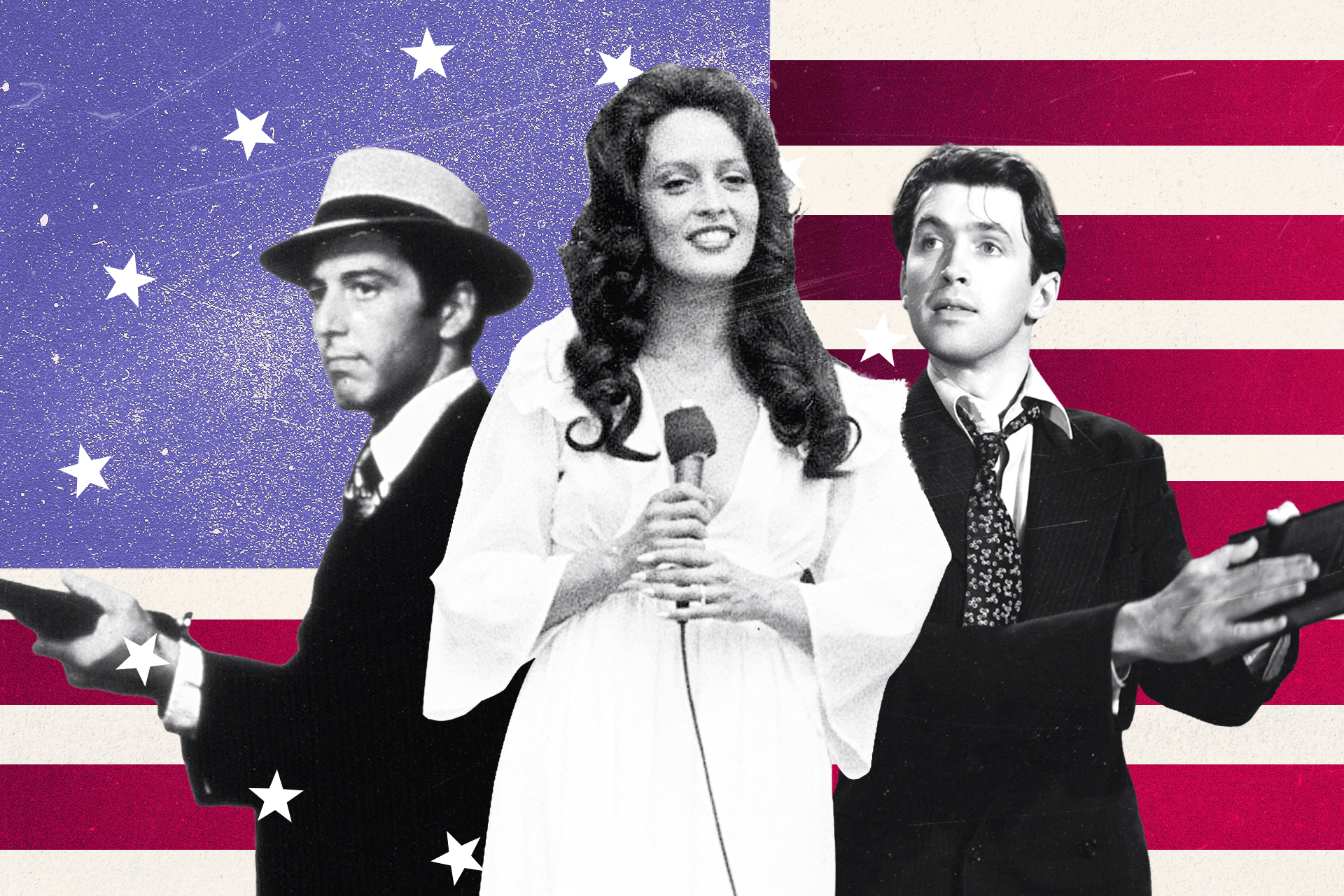
  • Hollywood & America: Is the Silver Screen Still Reflecting the Nation?

    Hollywood & America: Is the Silver Screen Still Reflecting the Nation?

    On July 4, 2026, as the United States celebrates its 250th anniversary, the question of whether Hollywood movies continue to embody and reflect American values has become a central point of cultural discussion. Historically, the American film industry has often depicted narratives that reinforce national identity, patriotism, and widely held societal principles, but recent trends suggest a potential shift in this long-standing tradition.

    This discussion emerges from a broader cultural conversation about the perceived erosion of traditional American values within mainstream media. The film industry, a powerful cultural force, frequently finds itself at the heart of these debates. Its productions reach global audiences, influencing perceptions of America both domestically and internationally.

    The Golden Age and National Identity

    From the early 20th century, Hollywood quickly established itself as a primary shaper of American mythology. Films like Mr. Smith Goes to Washington (1939) and Casablanca (1942) presented clear-cut heroes and villains. They often championed themes of democracy, freedom, and individual perseverance.

    During World War II, the film industry actively participated in the war effort. Movies like Sergeant York (1941) and Yankee Doodle Dandy (1942) boosted morale and solidified national unity. These films were not merely entertainment; they were instruments of national purpose.

    Post-war, the 1950s saw a continuation of this trend, albeit with emerging anxieties. Westerns, sci-fi, and family dramas often subtly or overtly explored American ideals. They depicted the promise of the American Dream and the challenges of a rapidly changing world.

    Cold War Narratives and Ideological Battlegrounds

    The Cold War era intensified Hollywood’s role in ideological warfare. Anti-communist films, sometimes produced under the shadow of McCarthyism, became prevalent. They served to define what America was by contrasting it with its perceived enemies.

    Even as the counter-culture movement began to question established norms in the late 1960s, many films retained a core American sensibility. They might critique the government or societal structures, but often from a perspective rooted in American ideals of justice and liberty.

    Shifting Sands: The Late 20th Century

    The 1970s marked a significant turning point. Films like Chinatown (1974) and Nashville (1975) offered more cynical, complex, and often critical portrayals of American institutions and history. This era reflected a national mood shaped by the Vietnam War and the Watergate scandal.

    However, blockbusters of the late 1970s and 1980s, such as Star Wars (1977) and Top Gun (1986), often returned to more traditional heroic narratives. These films resonated with audiences seeking escapism and a reaffirmation of American exceptionalism.

    The 1990s brought a mix of independent cinema’s introspection and mainstream Hollywood’s global expansion. While some films explored diverse American experiences, others focused on universal themes that transcended national boundaries.

    The 21st Century and Globalized Storytelling

    The events of September 11, 2001, led to a brief resurgence of overtly patriotic films. Movies like United 93 (2006) and American Sniper (2014) addressed national trauma and military heroism. Yet, this trend was not universal or long-lasting.

    The rise of streaming services and the increasing importance of international box office revenue have altered Hollywood’s calculus. Films are now often designed for global appeal, which can sometimes dilute specific American cultural references or themes.

    Diversity and Representation

    Contemporary Hollywood has also placed a greater emphasis on diversity and inclusion. This has led to a wider range of stories being told, reflecting a more complex and multicultural America. Films now explore experiences that were historically marginalized or ignored.

    This shift is seen by some as a necessary evolution, making Hollywood more representative of the actual American population. Others view it as a departure from a unified national narrative, potentially undermining traditional values.

    The 250th Anniversary: A Moment of Reflection

    As the nation observes its 250th birthday, the question of Hollywood’s reflection of America becomes particularly poignant. The film industry is a powerful cultural mirror, and its current reflections are subject to intense scrutiny.

    The debate is not whether Hollywood should only produce patriotic films. It is about the balance between critical examination, global appeal, and the portrayal of a shared national identity. The industry navigates a complex landscape of commercial pressures, artistic ambition, and societal expectations.

    “The erosion of traditional American values in Hollywood is a concern for many viewers,” noted a recent cultural analyst. “It prompts a feeling of cultural defense and defiance.”

    This sentiment highlights a tension between different visions of America. Hollywood’s role in this ongoing dialogue is undeniable. Its choices in storytelling, character development, and thematic focus contribute significantly to how America sees itself and how the world sees America.

    The Future of American Cinema

    The future of Hollywood’s relationship with American values remains uncertain. Will the industry gravitate towards narratives that reinforce traditional ideals, or will it continue to push boundaries and explore new interpretations of American identity?

    The economic realities of filmmaking, coupled with evolving social norms, will continue to shape these decisions. Audiences, through their viewership and engagement, also play a role in determining what kinds of stories get told and celebrated.

    The 250th July 4th serves as a critical juncture. It invites both celebration and introspection. It prompts a re-evaluation of the cultural institutions that define the nation.

    Filmmakers continue to tell stories. Audiences continue to watch. Critics continue to analyze. The dialogue about Hollywood and America continues.

    Defining American Values on Screen

    What constitutes “American values” is itself a dynamic and contested concept. For some, it refers to a set of foundational principles like liberty, individualism, and free-market capitalism. For others, it includes ideals of equality, social justice, and collective responsibility.

    Hollywood’s challenge lies in navigating these diverse interpretations. A film that resonates deeply with one segment of the American population might alienate another. This complexity is inherent in a large, diverse nation.

    The industry’s output often mirrors these internal national conversations. It can both initiate and respond to cultural shifts. The stories on screen are never entirely separate from the stories being lived across the country.

    The debate is as old as Hollywood itself. It will likely continue for another 250 years. The medium of film remains a powerful tool for cultural expression and national self-definition.

    Conclusion: A Continuous Dialogue

    The historical ties between Hollywood and American identity are deep. The industry has long served as a cultural ambassador. It has celebrated national triumphs. It has grappled with national failings.

    On this 250th anniversary, the conversation intensifies. The silver screen’s reflection of America is still evolving. The values portrayed are still being debated. The stories told are still being consumed.

    Audiences seek connection. Filmmakers seek expression. The nation seeks understanding.

    Hollywood.

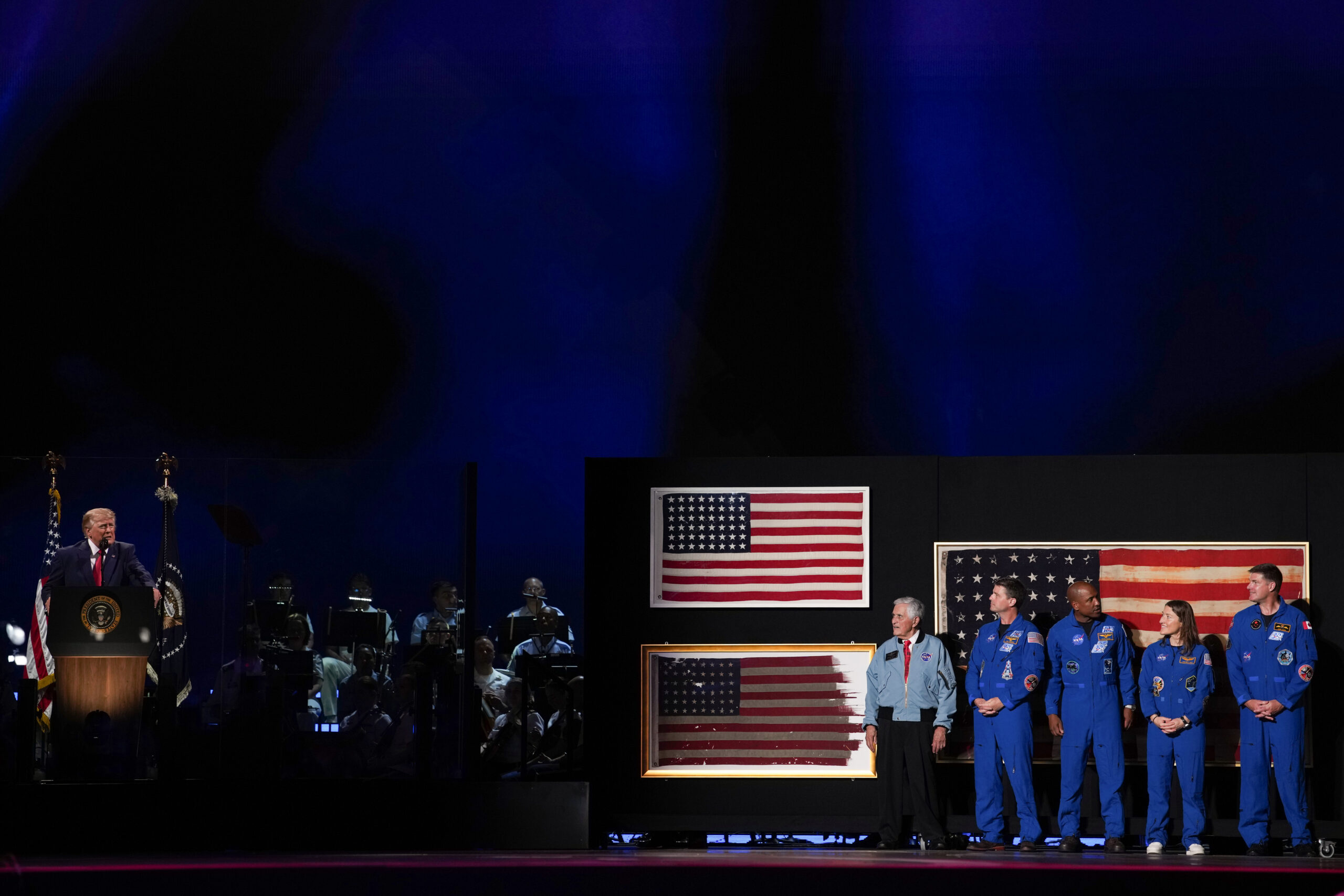
  • President Trump’s America 250 Speech: Saluting Heroes, Challenging Communism

    President Trump’s America 250 Speech: Saluting Heroes, Challenging Communism

    On July 4, 2026, President Donald Trump delivered his “America 250” speech, an address that simultaneously honored American heroes and articulated a firm stance against communism. The speech, given on Independence Day, served as a prelude to the nation’s semiquincentennial, emphasizing themes of national heritage and resilience.

    The President’s remarks touched upon the foundational principles of the United States, drawing a clear line between American ideals and opposing political systems. This dual focus aimed to unify supporters around a shared vision of American strength and purpose.

    The America 250 Commemoration

    The “America 250” initiative frames a period of national reflection and celebration leading up to the 250th anniversary of the Declaration of Independence in 2026. President Trump’s speech on July 4, 2026, was a pivotal event within this commemorative framework. It sought to galvanize patriotic sentiment across the country.

    The Independence Day address was designed to highlight the historical journey of the United States. It acknowledged the struggles and triumphs that have shaped the nation over two and a half centuries. The President positioned the event as a moment to reaffirm core American values.

    Honoring Military Veterans

    A significant portion of President Trump’s speech was dedicated to honoring American military veterans. He acknowledged their sacrifices in defending the nation’s freedoms and democratic principles. The President spoke of the bravery and dedication exhibited by service members throughout history.

    He emphasized the profound debt of gratitude owed to those who have served in the armed forces. This tribute resonated with a long-standing tradition of presidential recognition for military personnel. It connected the present generation of Americans to their historical defenders.

    The President’s remarks underscored the role of the military in safeguarding the nation’s sovereignty. He highlighted the importance of supporting veterans in their post-service lives. This segment of the speech aimed to foster national unity through shared respect for military service.

    Celebrating Astronauts and Space Exploration

    President Trump also extended his commendations to American astronauts, celebrating their contributions to science, exploration, and national prestige. He recognized the spirit of innovation and daring that defines the U.S. space program. The President linked space achievements to American exceptionalism.

    He spoke of the pioneering spirit that led to milestones such as the moon landing. These achievements, he noted, inspire future generations and demonstrate American ingenuity. The President emphasized the ongoing importance of leadership in space exploration.

    The inclusion of astronauts in the speech highlighted a different facet of American heroism. It showcased the nation’s capacity for scientific advancement and its ambition to push the boundaries of human knowledge. This recognition aimed to inspire a renewed sense of national purpose.

    A Strong Stance Against Communism

    A central theme of President Trump’s “America 250” speech was a strong and unequivocal condemnation of communism. He characterized communism as an ideology fundamentally opposed to American values of freedom, individual liberty, and free enterprise. The President articulated the dangers he perceives in communist systems.

    He drew historical parallels, referencing the Cold War era and the struggles against totalitarian regimes. The President emphasized that American principles stand in direct contrast to the collectivist nature of communism. He warned against its potential influence.

    Historical Context and Ideological Conflict

    President Trump’s remarks on communism invoked a long history of ideological conflict between the United States and communist states. He recalled the sacrifices made to counter communist expansionism globally. The speech positioned America as a bulwark against such ideologies.

    He spoke of the economic failures and human rights abuses often associated with communist governance. The President asserted that these outcomes are antithetical to the pursuit of happiness and prosperity. His message aimed to reinforce American resolve.

    The President reiterated the importance of vigilance against any resurgence of communist thought. He urged citizens to understand the distinctions between American democracy and authoritarian systems. This part of the speech was a call to ideological clarity.

    Defending American Principles

    The condemnation of communism served to underscore President Trump’s commitment to American principles. He highlighted individual freedom, limited government, and the rule of law as cornerstones of the nation’s identity. The President presented these values as universal aspirations.

    He argued that these principles have enabled American prosperity and innovation. The speech framed the defense of these values as a continuous struggle. It encouraged citizens to actively uphold them.

    The President’s address sought to instill a sense of pride in the American system. It contrasted this system with the perceived failures of communism. This rhetorical approach aimed to solidify support for his vision of national strength.

    The Wider Political Landscape

    President Trump’s “America 250” speech on July 4, 2026, occurred within a dynamic political environment. His administration continued to focus on national sovereignty and economic nationalism. The speech reinforced these established themes.

    The address served as a reaffirmation of his political base’s core beliefs. It provided a clear statement on issues of national identity and global ideology. The President’s remarks aimed to resonate deeply with his supporters.

    Resonance with the Base

    The speech’s emphasis on veterans, astronauts, and anti-communism directly appealed to key segments of President Trump’s support. These themes are often central to conservative political discourse. They evoke a sense of traditional American values.

    The President’s strong language against communism has historically been a unifying force for many conservatives. It taps into a legacy of American foreign policy. The address aimed to energize his political base.

    His celebration of American achievement and warnings against external ideologies reinforced a message of national self-reliance. This approach has consistently defined his public communication. It strengthens his connection with voters.

    Cultural Identity and National Pride

    President Trump’s speech tapped into broader questions of cultural identity and national pride. He presented a narrative of American exceptionalism, rooted in historical achievements and shared values. The address aimed to foster a collective sense of purpose.

    He encouraged citizens to embrace their American heritage with confidence. The President’s message sought to counter perceived challenges to traditional American culture. It promoted a vision of a strong and unified nation.

    The “America 250” platform provided an ideal stage for these discussions. It allowed for a blend of historical commemoration and contemporary political messaging. The speech was a strategic move within the ongoing cultural dialogue.

    Reactions and Impact

    The “America 250” speech garnered significant attention, prompting varied reactions across the political spectrum. Supporters lauded President Trump’s strong stance and patriotic message. They viewed it as a necessary articulation of American values.

    Critics, however, questioned the political framing of a national holiday. They debated the efficacy and appropriateness of such direct ideological condemnations. The speech became a point of discussion in media outlets.

    Media Coverage and Public Discourse

    Media coverage of the speech highlighted its dual focus on national heroes and ideological critique. News organizations analyzed the President’s rhetoric and its potential implications. Public discourse centered on the balance between celebration and political messaging.

    Commentators discussed how the speech fit into the broader narrative of the Trump presidency. They examined its potential impact on upcoming political debates. The address contributed to the national conversation.

    Social media platforms reflected a wide range of opinions. Online discussions debated the historical accuracy and contemporary relevance of the President’s claims. The speech generated considerable engagement.

    Long-Term Significance

    The “America 250” speech on July 4, 2026, is likely to be remembered as a significant address in President Trump’s second term. It combined historical commemoration with a clear articulation of his administration’s ideological stance. The speech aimed to leave a lasting impression.

    Its themes of national pride, military honor, scientific achievement, and anti-communism are central to his political identity. The address served as a benchmark for his vision of America. It will be referenced in future discussions about his legacy.

    The event also set a tone for the ongoing “America 250” celebrations. It shaped how many Americans perceive the nation’s journey and future direction. The speech was a powerful statement.

    Veterans stood. Astronauts soared. Freedom rang.

    America.

  • What Defines America? Patriotism, Capitalism, & Core Values

    What Defines American Identity?

    America’s national identity is defined by a confluence of core values: patriotism, an unwavering commitment to capitalism, and a profound belief in individual liberty. These pillars distinguish the nation on the global stage. They influence everything from daily commerce to the long-term aspirations of its citizens, forming the bedrock of what the country believes it ‘gets right’.

    The concept of patriotism extends beyond mere national loyalty. It embodies a belief in the principles enshrined in the Declaration of Independence and the U.S. Constitution. These documents articulate ideals of liberty, equality, and self-governance. Citizens often express patriotism through civic engagement, military service, and cultural celebrations, such as the annual observance of Independence Day on July 4, 2026.

    Capitalism, as the dominant economic system, promotes private ownership and free markets. This system is seen by many as a driver of innovation and economic growth. It encourages competition, entrepreneurship, and the pursuit of individual prosperity. The emphasis on business is a direct outgrowth of this capitalist framework, fostering a culture where enterprise and commercial success are highly valued.

    The Enduring Force of Patriotism

    Patriotism in the United States is a multifaceted sentiment. It involves a deep affection for the nation and a willingness to defend its values. This sentiment is often cultivated from an early age through education and public ceremonies.

    Symbols of National Pride

    The American flag, the national anthem, and historical monuments serve as powerful symbols of this collective identity. These icons evoke a shared history and sense of belonging. They are central to public rituals and personal expressions of national pride.

    Public opinion polls frequently indicate high levels of national pride among American citizens. These surveys consistently show a significant majority expressing pride in their country’s achievements and institutions. This pride is not always monolithic; it can coexist with critiques of governmental policies or societal challenges.

    Shaping Patriotic Narratives

    Historical events, from the American Revolution to World War II, have played a crucial role in shaping patriotic narratives. These events are often recounted to highlight national resilience, sacrifice, and the pursuit of freedom. They contribute to a shared understanding of American exceptionalism, the belief that the United States is unique and holds a special place among nations.

    The narratives often emphasize moments of unity and triumph. They serve to reinforce a collective memory of struggle and progress. This historical grounding provides a continuous source for patriotic sentiment and national identity.

    Capitalism: The Engine of American Economy

    Capitalism has been the cornerstone of the American economy since its inception. It has facilitated the growth of industries, from agriculture in the early republic to the technology sector of the 21st century. The system is credited with creating vast wealth and opportunities for millions of individuals.

    Principles of Free Enterprise

    The principles of free enterprise and limited government intervention are central to American capitalist thought. These principles encourage individual initiative and discourage excessive regulation. Proponents argue that this approach fosters a dynamic economy capable of adapting to change and generating continuous innovation.

    This economic philosophy prioritizes competition and consumer choice. It seeks to minimize barriers to market entry and exit. The result is a system designed to reward efficiency and innovation.

    Economic Milestones and Innovation

    Major economic milestones, such as the industrial revolution of the 19th century and the post-World War II economic boom, are often attributed to the efficacy of the capitalist system. Silicon Valley, a hub of technological innovation, stands as a contemporary example of capitalism’s capacity to generate new industries and global leaders.

    The growth of multinational corporations further illustrates the reach and impact of American capitalism. These entities often lead global markets in various sectors. Their success is frequently cited as evidence of the system’s effectiveness.

    The Entrepreneurial Spirit and Business Culture

    The United States fosters a robust entrepreneurial spirit, deeply embedded in its cultural fabric. This spirit encourages individuals to take risks, start new ventures, and innovate. Small businesses, in particular, are often celebrated as the backbone of the American economy, creating jobs and driving local economies.

    Government Support for Business

    Government policies frequently aim to support business growth and reduce barriers to market entry. Tax incentives, access to capital, and intellectual property protections are designed to encourage investment and innovation. Organizations like the U.S. Small Business Administration provide resources and guidance to aspiring entrepreneurs.

    These policies reflect a national commitment to fostering a favorable business environment. They aim to reduce the risks associated with starting new enterprises. This support system is a crucial component of the American economic model.

    The American Dream and Mobility

    The American dream, a cultural ideal of achieving success through hard work and determination, is closely linked to this entrepreneurial ethos. It suggests that anyone, regardless of background, can attain prosperity through their own efforts. This narrative reinforces the value placed on individual achievement and economic mobility.

    The dream emphasizes upward social and economic movement. It motivates individuals to pursue educational and professional advancement. This aspiration is a powerful force in shaping personal and national goals.

    Innovation as a Defining National Trait

    Innovation is frequently highlighted as a core strength of the American system. From scientific breakthroughs to technological advancements, the United States has a long history of leading in various fields. Research and development are heavily invested in by both the public and private sectors.

    Institutions Driving Discovery

    Universities and research institutions play a critical role in fostering innovation. Institutions like Stanford University, the Massachusetts Institute of Technology, and Caltech are renowned globally for their contributions to science and engineering. These institutions often collaborate with private industry to bring new ideas to market.

    These partnerships accelerate the pace of discovery and application. They create an ecosystem where theoretical knowledge quickly translates into practical solutions. This collaborative model is a hallmark of American innovation.

    Protecting Intellectual Property

    The legal framework, including robust patent and copyright laws, provides incentives for inventors and creators. This protection allows individuals and companies to profit from their ideas, further fueling the drive for innovation. The result is a continuous stream of new products, services, and technologies that impact global society.

    These laws ensure that creators are rewarded for their ingenuity. They prevent unauthorized use of intellectual property. This legal security is vital for maintaining a competitive edge in global markets.

    Individual Liberty and Rights: A Cornerstone

    The concept of individual liberty is a cornerstone of American political philosophy. The Bill of Rights, the first ten amendments to the U.S. Constitution, guarantees fundamental freedoms such as speech, religion, and assembly. These rights are considered inalienable and are protected by law.

    Judicial Safeguards of Freedom

    The judiciary plays a vital role in upholding these liberties. Landmark Supreme Court cases have consistently affirmed and expanded individual rights over centuries. This ongoing legal discourse ensures that the interpretation of these freedoms remains relevant in a changing society.

    The courts act as a check on governmental power. They ensure that laws and policies do not infringe upon constitutional rights. This judicial oversight is critical for maintaining a balance between individual freedom and collective order.

    Ongoing Debates on Liberty

    Debates surrounding the extent and application of individual liberties are a constant feature of American political life. These discussions reflect the dynamic nature of a free society. They ensure that foundational principles are continually re-examined and adapted.

    These debates often involve complex ethical and social questions. They highlight the tension between individual autonomy and societal well-being. The ongoing dialogue is a testament to the nation’s commitment to self-governance and open discourse.

    The pursuit of liberty, economic opportunity, and innovation continues to shape the national narrative. These interwoven threads define the country’s self-perception and its role in the world. The values are celebrated. The debates are engaged. The future is built.

    America.

  • America 250 Celebrations: Hollywood and National Milestones

    America 250 Celebrations: Hollywood and National Milestones

    The Nation Prepares for a Semiquincentennial

    The United States is preparing for a series of events under the umbrella of America 250. This initiative commemorates the nation’s 250th anniversary, marking two and a half centuries since the Declaration of Independence in 1776. The overarching goal is to foster patriotic feelings and cultural pride among American citizens.

    These celebrations are designed to encourage widespread public engagement. They aim to unite communities through shared historical reflection. The events will highlight key national milestones and narratives that have shaped the country.

    Hollywood’s Role in National Commemoration

    Hollywood and other entertainment industries are playing a significant role in developing America 250 programming. Their involvement seeks to reach diverse audiences. Entertainment platforms offer unique avenues for historical storytelling and cultural expression.

    Filmmakers, television producers, and digital content creators are exploring various formats. These include documentaries, historical dramas, and interactive experiences. The objective is to make complex historical events accessible and engaging for a modern audience.

    Crafting Narratives for a Modern Era

    The entertainment industry brings its storytelling expertise to the forefront. This includes crafting narratives that resonate with contemporary societal values. Historical accuracy is balanced with compelling artistic interpretation.

    Projects may delve into lesser-known aspects of American history. They can spotlight diverse voices and perspectives. This approach aims for a more inclusive understanding of the nation’s founding and evolution.

    Technology and Immersive Experiences

    Technological advancements are being leveraged for America 250. Virtual reality (VR) and augmented reality (AR) experiences could transport audiences to pivotal historical moments. Interactive exhibits might allow participants to engage directly with historical content.

    Digital platforms will extend the reach of the celebrations. Online archives, educational games, and virtual tours can provide ongoing engagement. These tools ensure that the anniversary’s impact extends beyond physical events.

    The Broader Scope of America 250

    America 250 is not solely focused on entertainment. It encompasses a wide array of initiatives. These span educational programs, civic engagement activities, and community-led events across all 50 states and U.S. territories.

    The America250 Commission, established by Congress, coordinates these efforts. It works with federal agencies, state commissions, and private organizations. The commission’s mandate is to plan and execute a comprehensive commemoration.

    Educational Imperatives

    Educational components are central to the America 250 vision. Curricula are being developed for schools nationwide. These materials will explore the principles of American democracy, the challenges of nation-building, and the ongoing pursuit of a more perfect union.

    Public lectures, seminars, and museum exhibitions will also contribute. They will offer opportunities for deeper learning and critical discussion. The goal is to inform citizens of all ages about their shared heritage.

    Civic Engagement and Participation

    America 250 encourages active civic participation. Initiatives might include voter registration drives, volunteer programs, and community service projects. These activities reinforce the idea of active citizenship.

    Discussions on the future of American democracy are also planned. Forums will address contemporary issues through the lens of historical context. This fosters a dialogue about the nation’s direction for the next 250 years.

    Historical Context of National Anniversaries

    National anniversaries in the United States have a rich history. They often serve as moments for collective reflection and renewal. The centennial in 1876 and the bicentennial in 1976 provide precedents for America 250.

    The 1876 Centennial Exhibition in Philadelphia showcased American industrial prowess and cultural achievements. It marked 100 years since the Declaration of Independence. The event symbolized national reunification after the Civil War.

    The 1976 Bicentennial

    The 1976 Bicentennial was a year-long celebration. It involved parades, special events, and historical reenactments across the country. The iconic Bicentennial Quarter was minted, becoming a lasting memento.

    The Bicentennial emphasized themes of freedom, independence, and national identity. It occurred during a period of significant social and political change. The celebration helped to re-energize national spirit.

    Evolution of Commemorations

    Each anniversary reflects its contemporary context. The America 250 observances in 2026 will likely incorporate themes relevant to the early 21st century. These include technological advancement, diversity, and global interconnectedness.

    The approach to history itself has evolved. Modern commemorations often seek to present a more nuanced and multifaceted view of the past. This includes acknowledging both triumphs and struggles in the American story.

    The Economic and Cultural Impact

    America 250 is anticipated to have significant economic and cultural impacts. Tourism is expected to surge in historical sites and major cities. This will boost local economies through increased visitor spending.

    Cultural institutions, such as museums, archives, and historical societies, will see enhanced engagement. Funding for preservation efforts and new exhibitions may also increase. The celebration provides an opportunity to invest in cultural infrastructure.

    Stimulating Creative Industries

    The entertainment industry’s involvement will stimulate creative sectors. Production companies, artists, and performers will find new opportunities. This can lead to job creation and economic growth within these fields.

    Merchandising and commemorative products will also contribute to economic activity. These items serve as tangible reminders of the anniversary. They allow individuals to participate in the celebration.

    Fostering National Identity

    Beyond economics, America 250 aims to strengthen national identity. It provides a shared experience for all Americans. This can reinforce a sense of belonging and collective purpose.

    The narratives presented during the celebration will help shape public understanding of American history. They can inspire future generations to engage with civic life. The commemoration serves as a powerful civic education tool.

    Looking Ahead to 2026

    As 2026 approaches, planning for America 250 intensifies. Committees are finalizing event schedules. Partnerships are being forged between various organizations.

    The goal remains consistent: to celebrate the nation’s founding principles. To reflect on its journey. To inspire its future.

    Communities gather. Organizations collaborate. Hollywood creates. The nation celebrates.

    America.

    FAQ

  • Ken Burns on America’s 250th: Finding Perspective in Polarizing Times

    Ken Burns on America’s 250th: Finding Perspective in Polarizing Times

    The Bicentennial and Beyond: A Call for Perspective

    Filmmaker Ken Burns has outlined a vision for commemorating the United States’ 250th anniversary in 2026. His perspective centers on the idea that understanding historical context is crucial for navigating contemporary polarizing times. Burns, known for his extensive documentary work on American history, suggests that the quarter-millennium mark offers an opportunity for national reflection and unity, rather than division.

    This approach emphasizes a nuanced examination of the American story. It seeks to acknowledge both the foundational ideals and the historical struggles that have shaped the nation. Burns’ commentary, as reported by Deadline, highlights a desire to use history as a tool for understanding rather than as a source of further contention.

    A Nation at 250: Reflecting on the Past

    The year 2026 marks 250 years since the signing of the Declaration of Independence. This milestone invites contemplation on the nation’s journey from its revolutionary origins to its present state. Burns’ work consistently explores the intricate tapestry of American experience, often highlighting shared human stories amidst grand historical events.

    His documentaries frequently delve into periods of national crisis and transformation. These include the Civil War, the Great Depression, and various social movements. Such historical precedents, Burns implies, can offer valuable lessons for contemporary challenges.

    The Role of History in Polarized Times

    Contemporary society often grapples with significant political and social polarization. Burns argues that historical understanding can provide a necessary framework for navigating these divisions. By examining how past generations confronted their own internal conflicts, current generations might find pathways to resolution.

    He suggests that a deep engagement with history reveals patterns of challenge and resilience. It demonstrates that periods of profound disagreement are not unique to the current era. The nation has faced and overcome deep divides before.

    Understanding Nuance and Complexity

    History, as presented by Burns, is rarely a simple narrative of good versus evil. It is a complex interplay of motivations, events, and consequences. This complexity is vital for fostering empathy and critical thinking in a polarized environment.

    His films often present multiple perspectives on historical events. This technique encourages viewers to consider the viewpoints of all involved, even those with whom they might disagree. Such an approach can contribute to a more nuanced public discourse.

    The American Experiment: Continuous Evolution

    The founding of the United States was an experiment in self-governance. This experiment has been continuously refined and redefined over 250 years. Burns’ perspective implies that the nation’s story is one of ongoing evolution, marked by both progress and setbacks.

    The ideals articulated in 1776, such as liberty and equality, have been pursued and contested throughout American history. The struggle to live up to these ideals is a central theme in many of Burns’ historical examinations.

    From Revolution to Reconciliation

    The American Revolution itself was a deeply divisive event. Loyalists and Patriots stood on opposing sides. The subsequent history of the nation is replete with similar cleavages, from the drafting of the Constitution to the Civil Rights Movement.

    Burns’ work often explores the processes of reconciliation and national healing that followed these periods of intense conflict. These historical examples offer models for confronting contemporary divisions.

    Commemorating 2026: Beyond Mere Celebration

    A true commemoration of America’s 250th anniversary, according to Burns, goes beyond superficial celebration. It requires a willingness to confront uncomfortable truths alongside national achievements. This holistic view strengthens the national narrative rather than weakening it.

    He advocates for an inclusive historical understanding that recognizes the contributions and experiences of all Americans. This includes often-marginalized voices and perspectives that were historically overlooked.

    Educational Imperatives for the Quarter-Millennium

    Education plays a critical role in shaping how future generations understand the nation’s past. Burns’ call for perspective suggests an imperative for educational initiatives that foster historical literacy and critical engagement.

    These initiatives would encourage citizens to examine primary sources, challenge preconceived notions, and engage in thoughtful dialogue about American history. The goal is to cultivate a citizenry capable of navigating complex historical and contemporary issues.

    The Legacy of Ken Burns: A Master of American Storytelling

    Ken Burns has dedicated his career to documenting American history through film. His distinctive style, characterized by archival photographs, first-person narratives, and evocative music, has made complex historical subjects accessible to millions.

    His filmography includes seminal works such as "The Civil War," "Baseball," "Jazz," and "The National Parks: America’s Best Idea." These works have shaped public understanding of key moments and movements in American history.

    Impact on Public Discourse

    Burns’ documentaries have often sparked national conversations about identity, memory, and the meaning of America. His ability to synthesize vast amounts of historical material into compelling narratives has earned him widespread acclaim and influence.

    His continued relevance, especially as the nation approaches its 250th anniversary, underscores the enduring power of historical storytelling. He provides a framework for understanding where the nation has been and where it might go.

    Looking Ahead: Unity Through Understanding

    As the United States approaches 2026, Burns’ message resonates as a call for unity through understanding. It is an invitation to engage with the nation’s past not as a static artifact, but as a living narrative that continues to inform the present.

    The challenges of the current moment, he implies, are best met with the wisdom gleaned from 250 years of American experience. This historical perspective offers a foundation for collective action and a shared future.

    Filmmakers gathered. Historians gathered. Citizens gathered.

    Perspective.

  • Born to Lose: Joseph Zentil & Dylan Arnold Champion Biker Culture Film

    Born to Lose: Joseph Zentil & Dylan Arnold Champion Biker Culture Film

    Joseph Zentil and Dylan Arnold are collaborating on ‘Born to Lose,’ a new film project set to explore and champion American biker culture. This production aims to offer an authentic and nuanced portrayal of a frequently misunderstood subculture. The film features Sarah Pidgeon, who gained acclaim for her role in ‘Love Story,’ in a significant capacity.

    The creative partnership between Zentil and Arnold signals a commitment to narratives that delve into specific cultural identities. ‘Born to Lose’ is positioned to foster a deeper understanding and connection among its target audience. This initiative aligns with a broader industry trend of media projects focusing on distinct American communities.

    What is ‘Born to Lose’ About?

    ‘Born to Lose’ is conceived as a feature film that transcends typical genre classifications to become a cultural commentary. The project’s creators intend to dismantle prevalent stereotypes associated with biker culture. Instead, they seek to illuminate the community’s core values, established traditions, and complex social hierarchies.

    Zentil and Arnold share a collective vision for authenticity in their storytelling approach. This vision extends to the intricate development of characters and their motivations within the biker world. The film is expected to showcase the profound camaraderie, inherent sense of freedom, and unique challenges integral to this lifestyle.

    The title, ‘Born to Lose,’ itself carries significant symbolic weight, evoking themes of rebellion, defiance, and resilience. This sentiment is often foundational to the ethos embraced by many motorcycle clubs and their members. The filmmakers are exploring how this potent concept manifests in the lives of their fictional subjects.

    Crafting Authentic Narratives for the Screen

    Achieving a genuine sense of authenticity in film requires extensive research and deep immersion into the subject matter. The production team behind ‘Born to Lose’ has reportedly dedicated substantial time to understanding the intricacies of biker culture. This process includes direct consultation with individuals who are active participants within the community.

    The overarching goal is to present a narrative that feels both grounded and respectful. This approach stands in direct contrast to the sensationalized or superficial depictions sometimes found in mainstream media. The focus remains steadfastly on humanizing the individuals who comprise this distinct subculture.

    Sarah Pidgeon’s involvement further enhances the project’s artistic credibility. Her recent success in ‘Love Story’ established her as a talent capable of delivering complex and emotionally resonant performances. Her role in ‘Born to Lose’ is anticipated to be central to conveying the film’s nuanced message and thematic depth.

    Joseph Zentil’s Impact on Independent Cinema

    Joseph Zentil has meticulously carved a distinct niche within independent cinema through his diverse and impactful roles. His career trajectory reflects a consistent commitment to projects that offer fresh and unique perspectives. Zentil’s involvement in ‘Born to Lose’ is a natural extension of his established history of supporting culturally rich and meaningful storytelling.

    His previous works have frequently explored profound themes of identity, belonging, and community formation. This extensive background positions him as an ideal creative force to navigate the inherent complexities of biker culture. Zentil’s directorial and acting approach typically involves a deep, psychological dive into character development.

    He is widely recognized for his collaborative spirit, a trait clearly evident in his ongoing partnership with Dylan Arnold. This synergistic relationship is crucial for projects that aim to challenge existing narratives and societal preconceptions. Zentil’s artistic choices consistently prioritize substantive content over mere spectacle, fostering a more thoughtful cinematic experience.

    The Actor’s Journey and Strategic Project Selection

    Zentil’s journey within the film industry has been characterized by a highly selective approach to the roles he undertakes. He consistently gravitates towards scripts that offer profound social commentary or significant artistic merit. ‘Born to Lose’ represents a clear continuation of this discerning pattern in his filmography.

    His profound interest in subcultures and their accurate representation is a recurring and defining element across his body of work. This suggests a deep, personal connection to the thematic explorations central to the biker project. Zentil views the medium of cinema as an exceptionally powerful tool for cultural investigation and understanding.

    The development of ‘Born to Lose’ under his significant influence underscores a robust directorial and creative vision. He is actively engaged in shaping both the narrative arc and the aesthetic qualities of the film. This hands-on, immersive approach is a hallmark characteristic of independent filmmaking, ensuring a unique artistic stamp on the final product.

    Dylan Arnold: From ‘Halloween’ Franchise to Indie Drama

    Dylan Arnold achieved widespread recognition for his prominent role within the highly successful ‘Halloween’ franchise. His work in these horror films vividly demonstrated his versatility as an actor and his ability to connect effectively with a broad audience base. His transition to a project like ‘Born to Lose’ powerfully showcases his expansive range and artistic ambition as a performer.

    Arnold’s participation in ‘Born to Lose’ signals a deliberate and strategic move towards character-driven dramas and independent productions. This project provides him with a rich opportunity to delve into a distinct genre and explore more intricate human dynamics and emotional landscapes. His established fame from the ‘Halloween’ series offers a valuable platform to draw significant attention to this compelling new venture.

    The stark contrast between a mainstream, high-budget horror franchise and an independent film focusing on a specific subculture is particularly notable. It reflects a profound desire within Arnold to pursue diverse and challenging artistic experiences. His performance in ‘Born to Lose’ is widely anticipated to reveal new, previously unseen facets of his considerable acting prowess and depth.

    Collaborative Chemistry and the Creative Partnership

    The collaboration between Dylan Arnold and Joseph Zentil is widely reported to be a strong and highly effective creative partnership. Their shared artistic objectives and complementary visions are the driving forces behind the ongoing development of ‘Born to Lose.’ This palpable chemistry is absolutely vital for bringing a cohesive and compelling artistic vision to the screen, ensuring a unified aesthetic and narrative.

    Arnold’s extensive experience in high-profile productions brings invaluable insight and strategic understanding to the independent film landscape. His nuanced understanding of audience engagement and market appeal can significantly inform the project’s overall reach and resonance. This rich blend of diverse experiences profoundly enriches the entire creative process, fostering innovation and strategic decision-making.

    The dynamic interplay between these two accomplished artists is expected to translate into an exceptionally compelling and memorable on-screen product. Their combined efforts are strategically aimed at elevating the narrative and thematic depth of ‘Born to Lose.’ This powerful partnership represents a significant and influential force within the contemporary landscape of independent storytelling, promising a unique cinematic contribution.

    Sarah Pidgeon’s Rising Star and ‘Love Story’ Success

    Sarah Pidgeon achieved widespread critical and popular acclaim for her breakout role in the recently released ‘Love Story.’ Her captivating performance garnered significant attention from both audiences and critics, firmly establishing her as one of the industry’s most promising rising stars. Her involvement in ‘Born to Lose’ serves as a testament to her rapidly growing influence and discerning taste within the entertainment industry.

    ‘Love Story’ provided Pidgeon with an exceptional platform to demonstrate her remarkable emotional depth, nuanced acting capabilities, and undeniable screen presence. This profound success has afforded her the luxury and opportunity to be highly selective about her subsequent projects. ‘Born to Lose’ represents a conscious and deliberate choice to engage with a project of significant cultural resonance and artistic merit, reflecting her commitment to meaningful work.

    Her role in ‘Born to Lose’ is anticipated to be markedly different from her previous work, offering a fresh opportunity for Pidgeon to showcase her remarkable versatility as an actress. The film undeniably benefits from her rapidly expanding fan base and her consistent critical recognition, which will help attract a wider audience. Pidgeon’s presence adds significant weight and artistic credibility to the production, enhancing its overall appeal and potential impact.

    The Strategic Importance of Casting Chemistry

    The success of any ensemble film often hinges on the palpable chemistry between its lead actors. In ‘Born to Lose,’ the casting choices appear to be meticulously made to ensure a dynamic and believable interplay between characters. The collaboration of Joseph Zentil, Dylan Arnold, and Sarah Pidgeon brings together diverse acting backgrounds and energies.

    This blend is crucial for authentically portraying the complex relationships and inherent tensions within the biker community. The filmmakers are leveraging the individual strengths of each actor to build a cohesive and compelling narrative. The synergy expected from this trio is a key element in the project’s artistic ambition.

    Pidgeon’s ability to convey deep emotion and vulnerability will likely complement the more rugged or rebellious portrayals from Zentil and Arnold. This balance is vital for a story that aims to humanize its subjects. The careful curation of the cast underscores the commitment to a high-quality, authentic production.

    Beyond the Road: Themes Explored in ‘Born to Lose’

    ‘Born to Lose’ is poised to delve into a rich tapestry of themes that extend far beyond the superficial image of motorcycles and open roads. The film aims to explore the deep-seated motivations, personal philosophies, and societal interactions that define the American biker subculture. It seeks to uncover the ‘why’ behind the lifestyle, not just the ‘what.’

    One central theme is likely to be freedom versus societal constraints. Biker culture often embodies a rejection of conventional norms and a pursuit of personal autonomy. The film will explore how individuals navigate this desire for freedom within a structured, albeit unconventional, community.

    Another significant aspect will be the concept of chosen family and loyalty. Many biker groups operate with a strong sense of brotherhood and sisterhood, offering a support system often absent in their members’ traditional lives. ‘Born to Lose’ will examine the bonds that form and the sacrifices made in the name of this loyalty.

    Rebellion, Identity, and Belonging

    The film will also likely tackle themes of rebellion and the search for identity. For many, joining a biker club is an act of rebellion against mainstream society or a way to forge a new identity. The narrative will explore how this rebellion shapes individual characters and the group dynamic.

    The sense of belonging is a powerful draw for those who feel marginalized or misunderstood by conventional society. ‘Born to Lose’ will illustrate how the biker community provides a sanctuary and a sense of purpose. This exploration will highlight the psychological and emotional needs fulfilled by such subcultures.

    Furthermore, the film may touch upon the historical evolution of biker culture, from its post-World War II origins to its contemporary manifestations. This historical context can provide a deeper understanding of the subculture’s enduring appeal and its place in American social history. The filmmakers are committed to presenting a holistic view.

    The Production Journey: Bringing ‘Born to Lose’ to Life

    The journey of bringing ‘Born to Lose’ to the screen involves a meticulous and collaborative production process. From script development to principal photography, every stage is being approached with a commitment to authenticity and artistic integrity. This independent production relies heavily on the shared vision of its creators.

    Early development phases focused on extensive research and script refinement. This ensured that the narrative accurately reflected the nuances of biker culture while crafting a compelling story. The input from individuals within the community has been invaluable during this stage.

    Pre-production has involved careful planning of locations, casting, and crew assembly. The visual aesthetic of the film is being designed to evoke the raw, untamed spirit often associated with the biker lifestyle. Every detail, from costume design to cinematography, aims to contribute to this authentic portrayal.

    Filming Locations and Visual Storytelling

    The selection of filming locations is crucial for establishing the film’s atmosphere and grounding it in reality. ‘Born to Lose’ is expected to utilize authentic settings that reflect the environments frequented by biker communities. This choice enhances the visual storytelling and immerses the audience in the world of the film.

    Cinematography will play a vital role in capturing the dynamic energy of motorcycle culture. Shots are likely to emphasize the sense of movement, freedom, and the open road. The visual language of the film will aim to be as impactful as its narrative.

    Post-production will involve editing, sound design, and scoring to further shape the film’s emotional landscape. The musical score, in particular, will be integral to conveying the rebellious spirit and camaraderie central to ‘Born to Lose.’ The entire production team is working towards a cohesive and powerful cinematic experience.

    Filmmakers gathered. Actors rehearsed. Crews prepared. Audiences waited. ‘Born to Lose’ emerged.