Tag: Government Policy

  • President Trump to Release Election Integrity Findings in Major Speech

    President Trump to Release Election Integrity Findings in Major Speech

    President Trump is slated to deliver a major speech that will address election integrity, according to a White House announcement made on July 16, 2026. This address is expected to include the release of significant ‘findings’ related to the November 2024 election. The forthcoming speech underscores ongoing national dialogue concerning electoral processes and the public’s confidence in their outcomes.

    The announcement from the White House did not specify the exact date or location of the speech. Details regarding the nature of the ‘findings’ also remain unreleased. The administration indicated that further information would be provided in the coming days.

    The Context of Election Integrity Discussions

    Discussions surrounding election integrity have been a prominent feature of the American political landscape for several years. These conversations often involve various aspects of the electoral system. Topics include voter registration, ballot access, voting machine security, and post-election auditing processes.

    Following the November 2024 election, several states undertook reviews of their election procedures. These reviews were often driven by public calls for increased transparency. They aimed to address concerns about the fairness and accuracy of vote tabulation.

    Previous Calls for Electoral Review

    President Trump has consistently advocated for what he terms ‘election integrity’ measures. His previous campaigns and administrations frequently highlighted perceived vulnerabilities in the voting system. These concerns often centered on issues such as mail-in balloting and electronic voting systems.

    In the lead-up to the 2024 election, numerous state legislatures passed new laws. These laws aimed to modify election administration. Some measures tightened voter identification requirements. Others expanded opportunities for early voting or adjusted ballot drop-off procedures. Each change generated debate among political parties and advocacy groups.

    Anticipation for the White House Address

    The White House announcement on July 16, 2026, has intensified public and media interest. Political analysts are speculating on the content and implications of President Trump’s forthcoming speech. The term ‘findings’ suggests a presentation of data or conclusions drawn from investigations.

    Media outlets are preparing for extensive coverage. News organizations are expected to analyze the presented information. They will also assess its potential impact on future election legislation and public discourse. Social media platforms are already abuzz with commentary from various political perspectives.

    Potential Themes of the Speech

    While specific details are scarce, the speech is anticipated to cover several key themes. These may include:

    • Analysis of voting patterns and anomalies from the 2024 election.
    • Recommendations for federal or state-level election reforms.
    • Critiques of existing election administration practices.
    • Proposals for enhanced voter identification and verification systems.
    • Discussion of the role of technology in securing electoral processes.

    The administration has maintained a focus on ensuring public trust in elections. This speech is positioned as a continuation of that commitment. It aims to provide a comprehensive overview of the administration’s perspective on electoral fairness.

    The Role of the White House in Election Discourse

    The White House plays a significant role in shaping national conversations. Presidential addresses often set the agenda for public debate. President Trump’s decision to personally deliver these ‘findings’ elevates their perceived importance.

    The administration has previously used its platform to advocate for specific policy initiatives. This includes matters related to voting rights and election security. The upcoming speech is consistent with this pattern of direct presidential engagement on critical national issues.

    Public and Political Reactions

    Reactions to the announcement have been varied. Supporters of President Trump have expressed anticipation for the release of new information. They view the speech as a necessary step towards improving electoral integrity.

    Political opponents and critics have voiced concerns. They question the timing and motivation behind such an announcement. Some suggest it may further politicize an already contentious topic. Others call for verifiable evidence to support any claims made during the speech.

    Election officials across the country are also monitoring the situation. They often operate under strict state and federal guidelines. Any federal recommendations could influence their future practices and resource allocation.

    The November 2024 Election: A Review

    The November 2024 election saw significant voter turnout across the United States. It featured races for various federal, state, and local offices. Post-election audits and recounts were conducted in several jurisdictions, as is standard practice.

    These processes are designed to ensure the accuracy of reported results. They often involve manual verification of ballots. They also include cross-referencing voting machine counts with paper records. The integrity of these audits is crucial for public confidence.

    Ongoing Legal and Legislative Actions

    Following the 2024 election, a number of legal challenges were filed. These challenges contested aspects of the election results or procedures. Courts at various levels reviewed these cases. Most were resolved through established legal channels.

    Legislative bodies at the state level have continued to debate election law changes. These debates often reflect partisan divides. They highlight differing philosophies on how best to balance voter access with security measures.

    Looking Ahead: The Impact of the Speech

    The upcoming speech by President Trump is poised to be a significant event. It will likely reignite discussions about election integrity. It could also influence future legislative efforts at both federal and state levels.

    The nature of the ‘findings’ will be critical. If they present new, verifiable data, they could reshape parts of the national conversation. If they reiterate previously debated points, their impact might be more limited to reinforcing existing viewpoints.

    The administration’s communication strategy around the speech will also be important. Clarity and transparency regarding the presented information will be key. This will help to ensure that the public and media can accurately assess the claims.

    The nation waits. The White House prepares. The public anticipates. The political landscape shifts. Washington.
  • UK Social Media Ban Sparks Tech Giant Outcry – Teen Safety Debate Intensifies

    UK Social Media Ban Sparks Tech Giant Outcry – Teen Safety Debate Intensifies

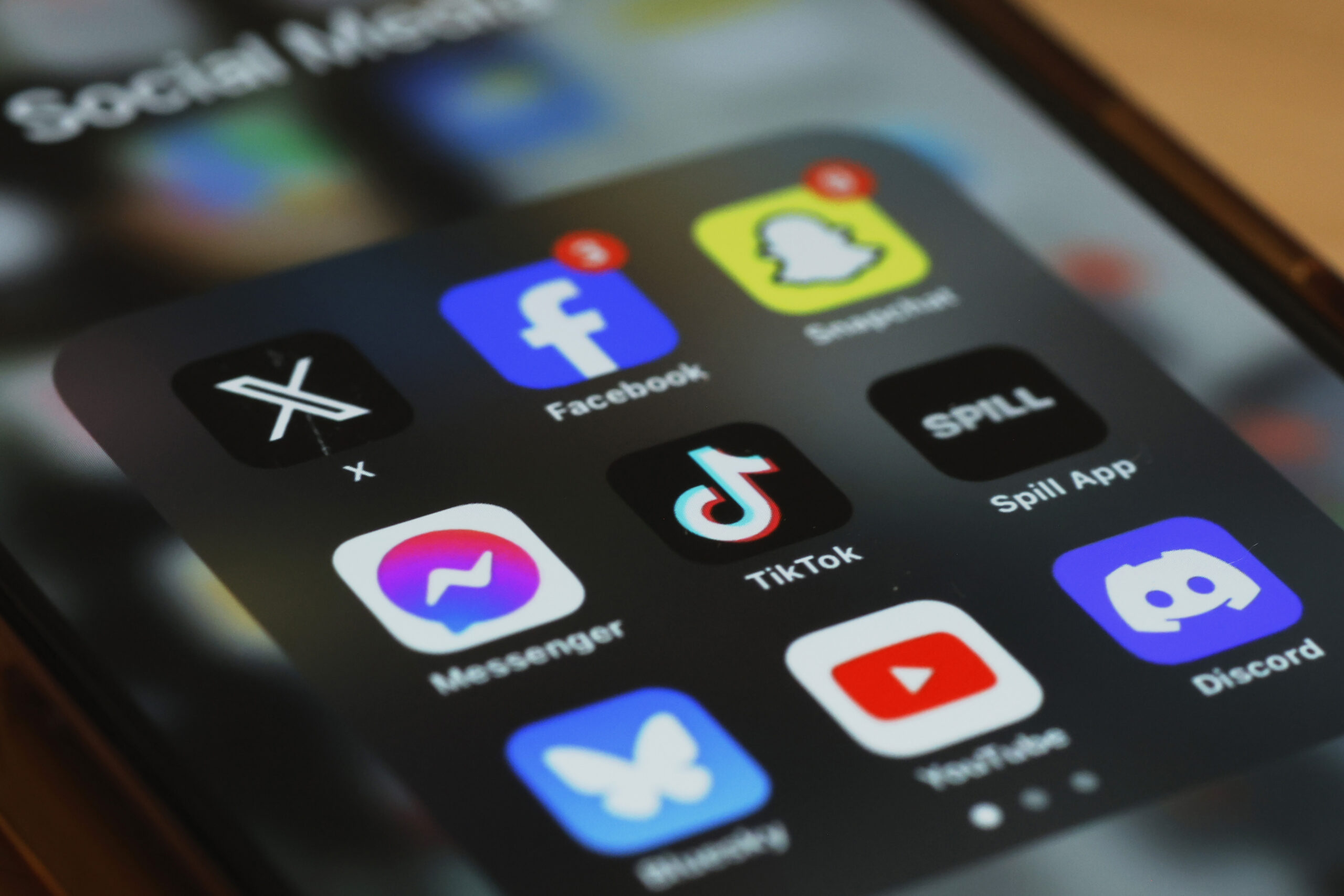
    Major technology companies, including Meta, YouTube, and Snap, have voiced strong opposition to the United Kingdom’s proposed social media ban for individuals under 16. These companies argue that such a ban would inadvertently expose young people to greater risks by forcing them onto unregulated corners of the internet, rather than protecting them within platforms that have established safety protocols.

    The UK government’s consideration of this ban stems from increasing concerns over the mental health impact of social media on young users and a desire to enhance online child protection. However, the tech industry contends that sweeping prohibitions could backfire, creating a more dangerous online environment for the very demographic it aims to shield.

    The Proposed UK Ban and Its Intentions

    The concept of a social media ban for under-16s in the UK gained traction amid a broader governmental push for online safety. This initiative aligns with the Online Safety Act, which aims to make the UK the safest place in the world to be online. The Act places legal duties on tech companies to protect users, especially children, from harmful content.

    Proponents of the ban, including some child safety advocates and politicians, believe that restricting access to social media for younger teens will mitigate exposure to cyberbullying, inappropriate content, and the pressures associated with online platforms. They cite studies suggesting links between excessive social media use and declining adolescent mental well-being.

    The government’s intent is to create a safer digital environment. They aim to reduce the psychological and developmental risks that young people might face on platforms designed for adult interaction. This policy discussion reflects a global trend of governments attempting to regulate the digital sphere more rigorously.

    Tech Giants’ Counterarguments: The ‘Wild West’ Concern

    Tech companies argue that a ban would be counterproductive. They contend that it would not eliminate underage social media use but merely shift it to less visible, less controlled spaces. Platforms like TikTok, Instagram (owned by Meta), and Snapchat (owned by Snap Inc.) have invested heavily in safety features, age verification tools, and moderation teams.

    These platforms employ algorithms to detect and remove harmful content. They offer parental controls and resources designed to protect younger users. If banned from these regulated environments, underage individuals might seek out platforms with no such safeguards, effectively entering a ‘wild west’ of the internet.

    This unregulated landscape could include anonymous forums, encrypted messaging apps, or smaller, niche platforms with minimal moderation. In these spaces, the risks of encountering predatory individuals, exposure to extreme content, or engaging in dangerous challenges could be significantly higher. The companies argue they are better equipped to protect minors than an unmonitored internet.

    The Challenge of Age Verification

    A significant practical hurdle for any social media ban is effective age verification. Current systems often rely on self-declaration, which is easily circumvented by tech-savvy minors. Implementing robust age verification that is both effective and privacy-compliant presents a complex technical and ethical challenge.

    Companies like Meta have explored various methods, including AI-powered age estimation and ID verification. However, no single solution has proven foolproof or universally accepted. Requiring government-issued ID for social media access raises privacy concerns and could disproportionately affect individuals without such documentation.

    The tech industry’s position is that even with advanced age verification, determined young users will find ways around restrictions. This could involve using parents’ accounts, creating fake identities, or migrating to platforms that do not enforce strict age gates. The ban, therefore, might create a cat-and-mouse game rather than a secure environment.

    Economic and Innovation Impact

    Beyond safety concerns, tech giants also highlight potential economic and innovation impacts. The UK is a significant market for these companies, and a ban could lead to reduced user engagement and advertising revenue. This, in turn, could affect investment in safety features and local digital economies.

    Furthermore, these companies argue that social media platforms are not solely sources of harm. They serve as vital tools for communication, education, creative expression, and community building for young people. Restricting access could deny them opportunities for social development and access to information.

    The debate also touches upon the concept of digital literacy. Instead of outright bans, some argue for a greater emphasis on educating young people about responsible online behavior, critical thinking, and how to navigate digital spaces safely. This approach empowers users rather than restricting their access.

    Global Precedents and Regulatory Trends

    The UK’s proposed ban is not an isolated incident. Governments worldwide are grappling with how to regulate social media and protect children. In the United States, states like Utah have enacted laws requiring parental consent for minors to use social media, and others are considering similar measures.

    The European Union has implemented the Digital Services Act (DSA), which imposes stringent rules on online platforms regarding content moderation, transparency, and user safety, with particular attention to minors. These regulations often focus on platform accountability rather than outright bans.

    China, for example, has imposed strict time limits for minors on platforms like TikTok (Douyin). These global efforts indicate a widespread recognition of the challenges posed by social media to youth. However, the approaches vary significantly, reflecting different cultural, political, and technological philosophies.

    The Role of Parental Control and Education

    Many tech companies advocate for enhanced parental control tools and digital literacy education as more effective alternatives to outright bans. Platforms have introduced features that allow parents to monitor their children’s activity, set screen time limits, and approve friend requests.

    Educational initiatives, often in partnership with schools and non-profit organizations, aim to teach young people about privacy settings, identifying misinformation, managing online interactions, and seeking help when needed. This proactive approach seeks to equip children with the skills to navigate the internet safely and responsibly.

    The argument is that parental involvement, combined with robust platform safety features and comprehensive digital education, offers a more nuanced and ultimately more effective strategy than a blanket prohibition. It allows for tailored protection based on individual child development and family values.

    The Path Forward for UK Policy

    The UK government faces a complex decision. They must weigh the concerns of child safety advocates against the practical difficulties and potential unintended consequences highlighted by tech giants. The outcome will likely influence future digital policy both domestically and internationally.

    Potential solutions might involve a hybrid approach: stricter enforcement of existing age restrictions, mandatory and robust age verification technologies, enhanced parental controls, and significant investment in digital literacy programs. An outright ban, while seemingly straightforward, carries substantial risks that the tech industry has clearly articulated.

    The debate underscores the evolving nature of online governance. It highlights the tension between regulatory impulses and the dynamic, borderless nature of the internet. Legislators, industry leaders, and child safety experts continue to seek common ground for effective youth protection in the digital age.

    The Long-Term Implications for Digital Citizenship

    The discussion around the UK social media ban for under-16s extends beyond immediate safety concerns. It touches upon the broader concept of digital citizenship and how societies prepare their youngest members for an increasingly online world. Restricting access without providing alternatives or education could hinder this development.

    For many young people, social media is an integral part of their social fabric, identity formation, and access to information. While risks are undeniable, completely severing this connection could have unforeseen social and developmental consequences. The goal is to foster responsible digital citizens, not just to shield them.

    The ongoing dialogue between governments, tech companies, parents, and educators will shape the future of online interaction for generations to come. It requires a balanced approach, informed by evidence and an understanding of both the opportunities and challenges presented by digital platforms.

    Concerns were raised. Arguments were made. Solutions were debated. The digital future of young people in the United Kingdom hangs in the balance.

    Westminster.