Tag: Fifa

  • Spain Claims Second FIFA World Cup Title, Defeating Argentina 1-0 in 2026 Final

    Spain Claims Second FIFA World Cup Title, Defeating Argentina 1-0 in 2026 Final

    Spain secured the 2026 FIFA World Cup title on July 19, 2026, with a 1-0 victory over Argentina. This triumph marks Spain’s second World Cup win, solidifying their place in football history. The decisive goal came in the second half, breaking a deadlock that had persisted through much of the championship match, held in a North American stadium.

    The victory concludes a month of intense competition across North America. Spain navigated a challenging tournament bracket. They consistently demonstrated their technical prowess and tactical discipline on the global stage.

    Spain’s Path to World Cup Glory

    Spain’s journey to the 2026 World Cup final was marked by strong performances. They emerged from a competitive group stage. Subsequent knockout rounds saw them overcome several highly-ranked national teams. The Spanish squad showcased a blend of experienced veterans and emerging talents.

    Their midfield controlled possession in many matches. The attacking players created numerous scoring opportunities throughout the tournament. Early reports indicate that the team’s cohesion and strategic depth were key factors. Head Coach Luis de la Fuente’s tactical decisions received widespread praise. The team’s robust defense also played a critical role in their success.

    The tournament began on June 11, 2026, with opening ceremonies and matches held across the host nations. Spain entered the competition as one of the favorites, given their strong performances in the lead-up to the event, including a solid showing in the UEFA Nations League campaigns of 2024 and 2025.

    Their group stage matches saw them face diverse opponents, testing their adaptability. They demonstrated a capacity to adjust tactics based on the opposition, a hallmark of De la Fuente’s coaching philosophy. Key players in defense, midfield, and attack contributed consistently, ensuring progression to the knockout stages without significant setbacks.

    Navigating the Knockout Rounds

    The knockout phase presented Spain with increasingly difficult challenges. Their Round of 16 match required a disciplined performance against a well-organized European rival. The quarter-final saw them overcome a South American powerhouse in a tightly contested affair, showcasing their ability to perform under pressure.

    In the semi-final, Spain faced another formidable contender, widely regarded as one of the tournament’s strongest teams. This match was a tactical battle, with Spain’s ability to maintain possession and exploit defensive weaknesses proving crucial. The 2026 squad demonstrated a collective resilience, a quality often attributed to their 2010 World Cup-winning predecessors.

    The Final Match: Spain vs. Argentina

    The final against Argentina was a tense affair. Both teams started cautiously, feeling out their opponents. The first half ended scoreless, with few clear-cut chances for either side. Spain increased its intensity in the second half. They pushed higher up the pitch. This led to a surge in their shot count and increased pressure on the Argentine goal.

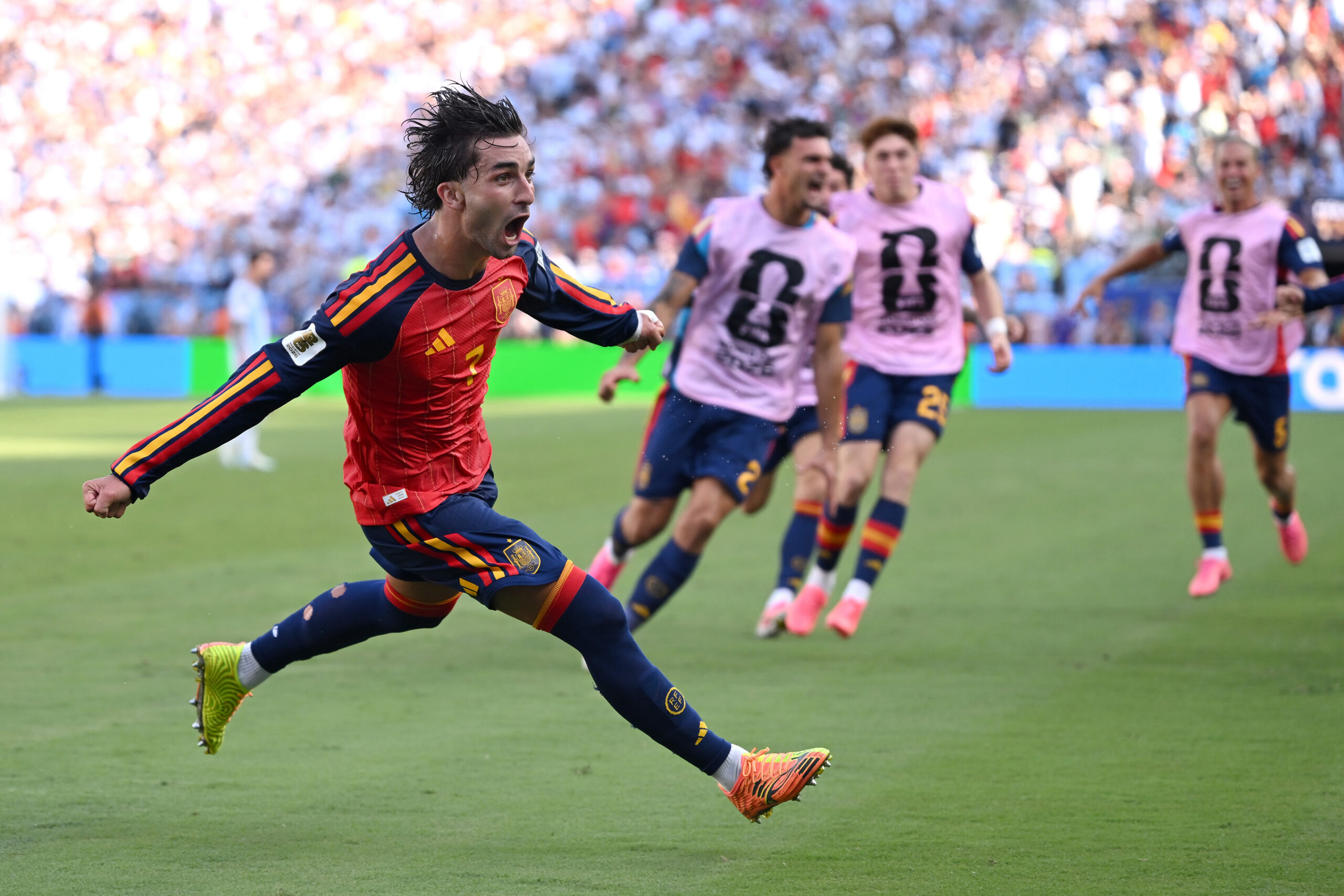
    Spain registered an impressive 12 shots on goal throughout the match. Argentina’s defense, while resilient for long stretches, ultimately conceded to Spain’s sustained offensive efforts. The winning goal arrived midway through the second half. The stadium erupted as the ball found the back of the net. This moment proved to be the turning point in the championship.

    Details regarding the exact minute and the goal scorer are still being confirmed by official FIFA reports. However, the impact of the goal was immediate, shifting the momentum decisively in Spain’s favor. The final minutes of the match saw Argentina press for an equalizer, but Spain’s defense held firm, denying them any clear opportunities.

    Key Tactical Decisions and Player Performances

    Coach Luis de la Fuente’s decision to maintain an attacking posture in the second half, despite the scoreless first half, paid dividends. His substitutions were also noted for their effectiveness, bringing fresh legs and renewed energy to the Spanish attack and midfield. The collective effort of the Spanish players was evident, with no single individual dominating the headlines but rather a cohesive unit achieving success.

    The Spanish midfield, known for its intricate passing and ball retention, was instrumental in controlling the tempo of the game. They limited Argentina’s ability to build attacks from the back, forcing them into less comfortable positions on the field. The defensive line, anchored by experienced center-backs and supported by diligent wing-backs, successfully neutralized Argentina’s potent attacking threats.

    Argentina’s Valiant Campaign Concludes

    Argentina entered the final as a formidable opponent. They had demonstrated exceptional skill and determination throughout the 2026 World Cup. Their path to the final included several dramatic victories. The South American giants showcased their characteristic flair and attacking talent.

    Lionel Messi, in what was widely anticipated to be his final World Cup appearance, led the team with distinction. Despite their efforts, they could not find an equalizer after Spain’s goal. The Argentine squad displayed sportsmanship in defeat. They acknowledged Spain’s superior performance on the day. Their tournament run was still considered a success by many fans and analysts.

    Argentina’s journey to the final was marked by their characteristic blend of individual brilliance and collective grit. They overcame challenging group stage opponents and navigated tough knockout rounds, often relying on moments of individual magic from their star players. Their quarter-final and semi-final victories were particularly hard-fought, showcasing their resilience.

    Messi’s Enduring Legacy

    For Lionel Messi, this final appearance further cemented his legendary status in football. Having won the World Cup in 2022, his leadership in 2026, guiding Argentina back to the final, was a testament to his enduring talent and dedication. Though the ultimate prize eluded him in this tournament, his contributions throughout his career and this competition will be remembered.

    The Argentine team, under their coach, had built a strong squad around Messi, integrating younger talents with experienced players. Their attacking prowess, particularly their ability to create chances from tight spaces, was a constant threat throughout the tournament. The 2026 World Cup saw many memorable moments from the Argentine side, confirming their status as one of the world’s premier footballing nations.

    The Legacy of the 2026 FIFA World Cup

    The 2026 FIFA World Cup will be remembered for several reasons. It was the first World Cup hosted across three nations: the United States, Canada, and Mexico. The expanded format featured 48 teams, leading to more matches and diverse competition. Spain’s victory adds another chapter to their footballing legacy.

    Their 2010 win in South Africa was a landmark achievement. This second title cements their status as a modern footballing dynasty. The tournament generated immense global interest. Billions of viewers tuned in to watch the matches. The economic impact on the host cities and nations was substantial.

    The decision to host across three North American countries marked a significant shift in FIFA’s approach to major tournaments. This multi-national hosting model allowed for a broader distribution of economic benefits and showcased diverse cultures. The expanded 48-team format, introduced for the first time, provided more opportunities for national teams to participate on the global stage, leading to a wider array of matchups and narratives.

    Economic and Cultural Impact

    Host cities across the United States, Canada, and Mexico experienced significant economic boosts through tourism, infrastructure development, and increased consumer spending. The tournament’s global reach, broadcast to billions, reinforced football’s position as the world’s most popular sport. Cultural exchanges and celebrations were prevalent throughout the month-long event, fostering international goodwill.

    The 2026 World Cup also served as a proving ground for new technologies in broadcasting and fan engagement. Innovations in stadium experiences and digital content delivery enhanced the viewing experience for millions worldwide. The tournament set new benchmarks for sustainability and logistical coordination for future large-scale sporting events.

    Spain’s Place in Football History

    Spain’s first World Cup victory in 2010, achieved in South Africa, was a culmination of a golden generation of players. That team, known for its ‘tiki-taka’ style of play, revolutionized international football. The 2026 squad, while perhaps employing slightly different tactics under Luis de la Fuente, carried forward the tradition of technical excellence and strategic acumen.

    This second title places Spain in an exclusive club of multiple World Cup winners, alongside nations like Brazil, Germany, Italy, Argentina, Uruguay, and France. It underscores the depth of talent within Spanish football and the effectiveness of their youth development programs. The consistent investment in coaching and player development has clearly paid off on the international stage.

    The final whistle blew. Celebrations erupted among the Spanish supporters. Disappointment settled over the Argentine fans. The 2026 FIFA World Cup concluded with Spain as the undisputed champions. A new chapter in football history.

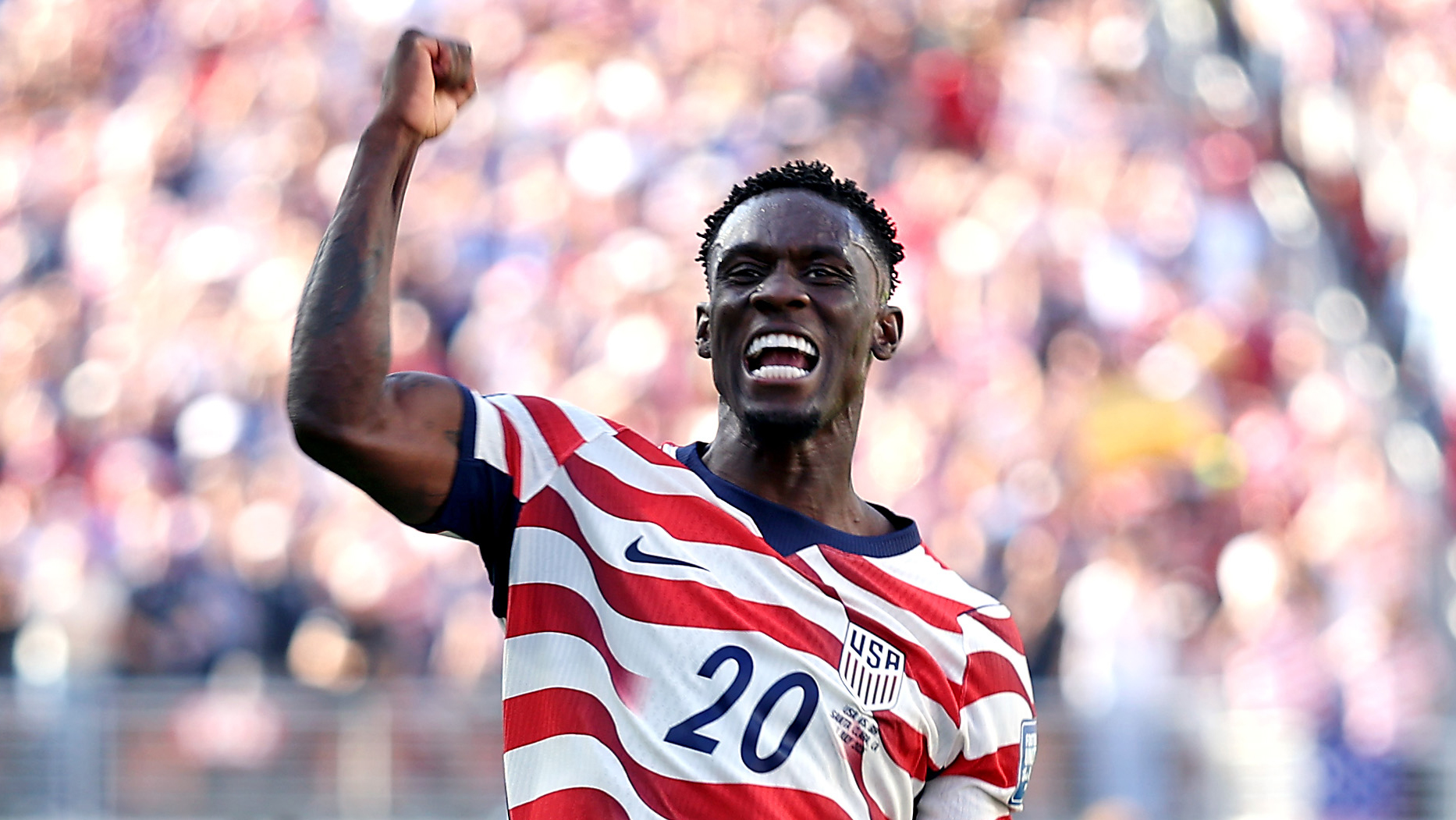
  • World Cup 2026 Final: Halftime Show, Closing Ceremony, & Broadcast Info

    World Cup 2026 Final: Halftime Show, Closing Ceremony, & Broadcast Info

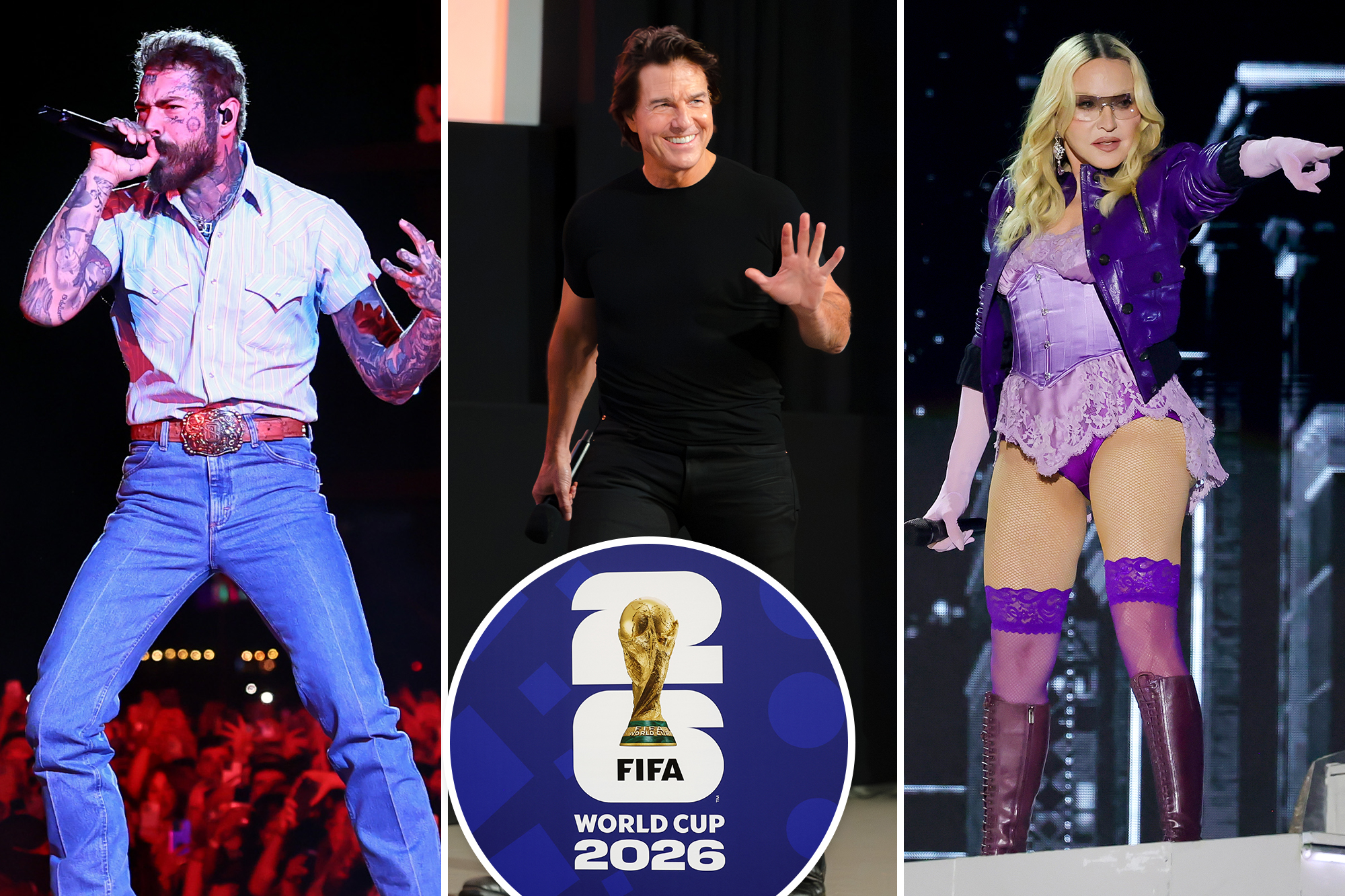
    The World Cup 2026 Final will feature musical artist Post Malone and actor Tom Cruise as confirmed participants in its closing ceremony. Broadcast details for viewing these events in the United States are becoming available through major sports networks such as FOX and Telemundo, alongside their associated streaming platforms. The full lineup and specific performance timings are currently under finalization by event organizers.

    This global sporting event traditionally integrates prominent entertainment. The inclusion of high-profile figures like Post Malone and Tom Cruise underscores the scale of the planned festivities. These elements are designed to engage millions of viewers across the globe.

    Halftime Show: Confirmed Participants and Anticipation

    The halftime show for the World Cup 2026 Final is a highly anticipated segment. Post Malone, recognized for his multi-genre musical style, is confirmed to perform during the closing ceremony.

    Tom Cruise, a globally recognized actor, is also expected to participate in the closing ceremony. His role is anticipated to contribute to the high-profile nature of the production. Specifics regarding the exact capacities of their involvement remain subject to official announcements.

    Large-scale events such as the World Cup often feature a dynamic array of entertainment. This typically includes a mix of musical acts, celebrity appearances, and diverse cultural performances. These elements collectively aim to entertain the global audience during the pause between the two halves of the match.

    Organizers are in the process of finalizing the specific roles for all participants. Details regarding any other potential performers are also being confirmed. The halftime show serves as a crucial bridge in the event, maintaining audience engagement.

    Closing Ceremony: A Tournament Culmination

    Following the conclusion of the final match, the World Cup 2026 will officially end with a dedicated closing ceremony. This ceremony functions as a formal culmination of the tournament. It celebrates the participating teams, individual athletes, and the host nations.

    The closing ceremony is distinct from the halftime show. It generally carries a more formal and symbolic significance. This event often includes the official handover to the next host nation, if applicable. It also serves as a final celebration of football’s global impact and unity.

    Details concerning the performers and presenters for the closing ceremony are beginning to emerge. These elements are being curated to provide a memorable send-off to the tournament. The ceremony offers a reflective moment on weeks of intense competition and international camaraderie.

    The full scope of the closing ceremony’s artistic and ceremonial components is under development. Further announcements from FIFA and event organizers are expected to delineate these plans. The aim is to deliver a culturally rich and emotionally resonant conclusion.

    Broadcast Information for United States Viewers

    For audiences situated in the United States, specific broadcast information for the World Cup 2026 Final, its halftime show, and the closing ceremony is now available. Major sports networks, including FOX and Telemundo, are slated to carry the live events. These channels will provide comprehensive coverage of the entire day’s proceedings.

    This extensive coverage will span from pre-game analysis to post-ceremony commentary. Associated streaming platforms of these networks will also offer live access. This ensures widespread availability across various viewing preferences.

    Viewers are advised to consult local listings for precise channel details. Official World Cup broadcast guides will also provide definitive information. These resources will clarify specific timings and streaming platform access.

    International broadcast arrangements will differ by region. Major global sports broadcasters have secured rights to ensure worldwide access to the event. Digital platforms will play an increasingly significant role in content delivery, offering flexible viewing options.

    The accessibility of the broadcast aims to accommodate the vast global viewership. It seeks to ensure that fans can experience every aspect of the final day’s events. This includes both the sporting competition and the entertainment spectacles.

    The Evolving Narrative of World Cup Entertainment

    The lineup for the World Cup 2026 Final’s entertainment segments continues to evolve. Additional information regarding the full roster of performers is expected to be released incrementally. Specific timings for each performance block will also be announced closer to the event date.

    Official announcements from FIFA and event organizers will provide the most comprehensive updates. These statements will serve as the primary source for all confirmed details. Journalists are actively monitoring these official channels and sources close to the production.

    The final entertainment lineup for such high-profile events is often a closely guarded secret. It is revealed in stages to build anticipation and maintain public interest. This phased disclosure strategy is a common practice in major global productions.

    Media outlets are closely tracking all emerging information. They are preparing to disseminate updates as they become available. The anticipation surrounding these revelations contributes to the overall excitement for the World Cup 2026 Final.

    Technological Advancements in Broadcast

    The World Cup 2026 will leverage advanced broadcasting technologies. High-definition and ultra-high-definition coverage will be standard. This aims to provide viewers with an immersive experience.

    Virtual reality and augmented reality elements may also be integrated. These technologies can enhance the viewer’s engagement, offering new perspectives on the match and ceremonies. The goal is to bring fans closer to the action.

    Streaming platforms will offer features such as multiple camera angles and interactive statistics. These options cater to a modern audience accustomed to personalized viewing. The digital infrastructure supports a global reach.

    Security and Logistics for Star-Studded Events

    Hosting such a large-scale event with high-profile celebrities necessitates extensive security measures. Planning for the safety of performers, athletes, and attendees is paramount. This involves coordination among multiple international and local agencies.

    Logistical challenges are also significant. These include managing complex travel arrangements for performers and their entourages. Technical crews and equipment must be coordinated across multiple venues.

    Rehearsals for both the halftime show and closing ceremony require precise scheduling. These preparations ensure seamless execution on the day of the final. The scale of coordination is immense.

    Economic Impact of World Cup Entertainment

    The inclusion of major celebrities like Post Malone and Tom Cruise has a substantial economic impact. Their involvement can boost tourism and local economies in the host cities. Increased viewership translates to higher advertising revenues for broadcasters.

    Merchandising and related sales also see a surge. The global spotlight on the event attracts significant corporate sponsorship. This influx of capital supports the overall production and infrastructure.

    The long-term economic benefits can extend beyond the tournament itself. Enhanced global visibility can lead to future investments and cultural exchanges. The entertainment component is a key driver of this economic activity.

    Cultural Significance of World Cup Ceremonies

    The World Cup ceremonies are not merely entertainment; they carry significant cultural weight. They offer a platform to showcase the host nations’ heritage and diversity. Performances often blend local traditions with international contemporary acts.

    These ceremonies foster a sense of global unity through shared experience. They highlight the universal appeal of football. The events transcend language barriers, communicating through spectacle and artistry.

    The closing ceremony, in particular, often reflects on the tournament’s journey. It celebrates the human spirit of competition and sportsmanship. It reinforces the idea of football as a global language.

    Historical Context of World Cup Entertainment

    World Cup entertainment has evolved significantly over decades. Early tournaments featured more modest opening and closing events. Over time, these ceremonies grew in scale and spectacle.

    The trend towards incorporating major global artists intensified in recent decades. This reflects a broader strategy to appeal to a wider demographic. The events became more of a global pop culture phenomenon.

    Past performers have included a diverse array of international stars. Each tournament strives to outdo the last in terms of production value and celebrity involvement. The World Cup 2026 continues this tradition.

    Anticipation builds. Preparations continue. The world watches.

    The World Cup 2026 Final.

  • Trump’s FIFA Call: Balogun Eligibility Sparks Global Debate

    Trump’s FIFA Call: Balogun Eligibility Sparks Global Debate

    A direct intervention by President Donald Trump with FIFA, the international governing body for soccer, led to a reversal in the eligibility status of footballer Folarin Balogun. This presidential involvement, which reportedly secured Balogun’s ability to play in an upcoming match, sparked a global controversy. The incident highlights the complex and often contentious intersection of sports, national politics, and international organizational autonomy.

    The decision by FIFA, following President Trump’s reported call, immediately became a focal point for discussion across political and sports communities. This unexpected blend of high-level diplomacy and sports regulation raised questions about fairness, the influence of powerful individuals, and the integrity of independent sporting bodies. The event underscored a growing trend of political leaders engaging directly in matters traditionally confined to sports federations.

    Presidential Intervention Alters FIFA Decision

    Folarin Balogun, a prominent footballer, faced an eligibility dispute with FIFA. The specifics of FIFA’s initial stance remain largely undisclosed. However, the situation escalated dramatically with President Trump’s reported direct engagement. This high-level communication marked a significant departure from standard protocols governing international sports disputes.

    Reports indicate that President Trump contacted FIFA directly to advocate for Balogun. While the precise nature of the discussion has not been fully detailed by either the White House or FIFA, the outcome was clear: FIFA’s position on Balogun’s eligibility was altered. This change allowed Balogun to participate, suggesting the President’s intervention carried substantial weight with the international body.

    The Genesis of Balogun’s Eligibility Dispute

    Folarin Balogun’s case involved intricate rules regarding national team representation. Athletes often hold dual citizenships and must choose which nation to represent in international competition. Such decisions are governed by strict FIFA regulations, designed to prevent players from switching allegiances indiscriminately after participating in official competitions for one country.

    Balogun’s specific circumstances, though not fully public, likely involved a request for a change of association or an interpretation of his previous competitive history. FIFA’s initial review of these details presumably led to a provisional ruling or an ongoing assessment that cast doubt on his immediate eligibility. This bureaucratic process typically unfolds without external political input.

    Trump’s Rationale for Intervention

    President Trump’s decision to intervene was likely multifaceted. Supporting an American athlete on the global stage aligns with a broader nationalistic platform. Such an action can be framed as defending American interests and promoting national talent internationally.

    The visibility of such an intervention also offers a political benefit. It demonstrates a President willing to act decisively and directly on behalf of citizens, even in non-traditional diplomatic arenas. This move resonates with a segment of the electorate that values strong, direct leadership and a proactive approach to international affairs, regardless of the specific issue at hand.

    Widespread Political and Public Reactions

    News of President Trump’s intervention quickly permeated media cycles and public discourse. The reactions were immediate and sharply divided, reflecting existing political fault lines within the nation and internationally. The incident became another touchstone in the ongoing debate about the role of politics in every facet of public life.

    Supporters of President Trump largely applauded his actions. They viewed the intervention as a powerful display of leadership and a commitment to national pride. For these individuals, the President’s direct call was a decisive move to ensure an American athlete could compete, a testament to his ability to influence global bodies.

    Criticism Over Undue Influence

    Conversely, critics voiced significant concerns over what they perceived as undue political pressure on an independent sports organization. Questions arose about the integrity of FIFA’s decision-making process when faced with direct communication from a world leader. Many argued that such interventions undermine the autonomy and fairness of international sports governance.

    Concerns were also raised about the precedent this action might set. If heads of state can directly influence eligibility rulings, it could open the door for other powerful nations to exert similar pressure, potentially politicizing every aspect of international sports. This could erode public trust in the impartiality of sporting competitions.

    FIFA’s Official Response and Implications

    FIFA’s official statements regarding the incident have been notably restrained. The organization confirmed its ruling on Balogun’s eligibility but offered minimal comment on the specific nature or impact of the presidential intervention. This reticence has fueled further speculation and public debate, with many interpreting FIFA’s silence as an acknowledgment of the political pressure.

    The long-term implications for FIFA and other international sports federations could be substantial. The incident may force these organizations to re-evaluate their protocols for handling communications from national governments. It could also lead to increased scrutiny over their decision-making processes, especially when high-profile political figures become involved.

    The Blurring Lines of Sports and Politics

    President Trump’s involvement in a FIFA eligibility decision exemplifies a growing trend: the increasing entanglement of political figures with international sports. This trend blurs the traditional boundaries between athletic competition and geopolitical interests. Sports, once often perceived as an apolitical arena, are increasingly becoming a stage for national pride, political maneuvering, and even direct diplomatic intervention.

    This phenomenon is not isolated. Throughout the 20th and 21st centuries, major sporting events have frequently served as backdrops for political statements, boycotts, and diplomatic efforts. The Balogun-FIFA situation represents a more direct and granular form of political influence, impacting a specific regulatory decision rather than just the broader context of an event.

    Historical Precedents of Political Engagement in Sports

    History offers numerous examples of political leaders utilizing sports for national objectives. The 1936 Berlin Olympics, for instance, were infamously exploited by Nazi Germany for propaganda purposes, showcasing a regime’s attempt to legitimize itself through athletic spectacle.

    During the Cold War, sports became a proxy battleground. The United States led a boycott of the 1980 Moscow Olympics, and the Soviet Union retaliated with a boycott of the 1984 Los Angeles Olympics. Both actions were direct responses to geopolitical tensions, demonstrating how national policy could directly impact international sporting events.

    More recently, host nations for major sporting events, such as the FIFA World Cup or the Olympic Games, frequently face intense scrutiny over their human rights records or political policies. These instances, while varying in scale and directness, consistently demonstrate the persistent connection between the world of sports and the realm of politics. President Trump’s call to FIFA adds a contemporary dimension to this enduring dynamic, emphasizing direct executive influence on specific sporting regulations.

    The Interplay of Celebrity, Patriotism, and Influence

    The controversy surrounding Balogun also taps into the powerful currents of celebrity and patriotism. Professional athletes, particularly those who compete on international stages, often transcend their sport to become potent symbols of national identity. Their successes, challenges, and choices can evoke profound emotional responses from the public, fostering a sense of collective pride or disappointment.

    President Trump’s intervention can be understood through this lens. By advocating for an American athlete, he strategically aligned himself with a widespread sense of national pride and a desire to see American talent succeed globally. This move resonates with a segment of the population that perceives such actions as a robust defense of national interests and a celebration of American achievement on the world stage. The celebrity status of both the President and the athlete amplifies the public’s engagement with the issue, transforming a regulatory matter into a widely discussed cultural and political event.

    Dissecting Public Opinion and Future Outlook

    The public’s reaction to the FIFA decision and President Trump’s involvement has been highly polarized. This polarization reflects deeper divisions within the political landscape, where individuals often interpret events through the prism of their pre-existing beliefs about leadership, national identity, and international relations.

    Those who support President Trump often view his actions as decisive, effective, and patriotic. They might interpret the FIFA reversal as a victory for American influence and a testament to his unique negotiating prowess. For these individuals, the outcome demonstrates the tangible power of direct action from the nation’s highest office, showcasing a President who prioritizes national interests and delivers results.

    Concerns Over Due Process and Sporting Integrity

    On the other side, critics have voiced significant outrage and concern over due process. They argue that direct political intervention undermines the established rules and independent governance of international sports. These critics contend that such actions could lead to a system where eligibility is determined by political clout rather than sporting merit and regulation.

    The debate extends to the integrity of sporting competitions themselves. If political leaders can influence outcomes, it raises questions about the fairness of the playing field and whether all athletes are subject to the same impartial rules. This perspective emphasizes the importance of maintaining a clear separation between sports and state to preserve the perceived neutrality and integrity of international athletic bodies.

    The Enduring Legacy of the Intervention

    The Balogun-FIFA incident is likely to have an enduring legacy. It will serve as a case study in the increasing politicization of global sports and the expanding reach of national leaders into international domains. Future discussions about athlete eligibility, sporting regulations, and the independence of federations will undoubtedly reference this event.

    The controversy also highlights the power of individual influence, particularly when wielded by a figure of President Trump’s stature. His ability to reportedly shift the decision of a major international organization underscores the significant impact that high-profile personalities can have on global institutions, further blurring the lines between celebrity, politics, and sports governance.

    A footballer’s eligibility. A President’s phone call. A global sports body’s sudden change. A nation watched. A world debated. The lines blurred.

    Influence.

  • Balogun USMNT Eligibility Upheld – Trump Intervenes in FIFA Decision

    Balogun USMNT Eligibility Upheld – Trump Intervenes in FIFA Decision

    Folarin Balogun’s eligibility to represent the United States Men’s National Team (USMNT) has been definitively upheld. FIFA, the international governing body for football, denied an appeal filed by Belgium, which had sought to challenge Balogun’s status. This ruling confirms Balogun’s continued role as a key player for the USMNT and resolves a significant dispute for international football.

    The controversy stemmed from a red card incident involving Balogun during a match against Bosnia and Herzegovina. Belgium’s appeal contended that the circumstances surrounding this red card should have impacted Balogun’s eligibility or the validity of previous match outcomes. President Donald Trump unexpectedly weighed in on the matter, confirming a direct phone call with FIFA leadership to express his views on the incident.

    The Appeal and Its Basis

    Belgium initiated the appeal process following a specific match where Folarin Balogun received a red card. The precise details of this match, including the date and the specific foul committed, were central to Belgium’s case. Their argument posited that the nature of the infraction and the subsequent disciplinary action should have broader implications for Balogun’s international eligibility.

    International football regulations are intricate, particularly concerning player conduct, disciplinary measures, and the criteria for national team representation. Belgium’s legal team likely scrutinized these rules to identify any potential procedural irregularities or interpretations that could favor their position. The appeal highlighted the complexities inherent in adjudicating disputes within global sports.

    The appeal questioned not only Balogun’s future availability but potentially the outcomes of past matches where he participated. Such challenges are rare but can arise when a national federation perceives a significant competitive disadvantage or a breach of established protocols. FIFA’s denial means these arguments were ultimately unconvincing to the review panel.

    President Trump’s Direct Intervention

    President Donald Trump confirmed his direct involvement in the Folarin Balogun eligibility dispute. He stated that he personally engaged in a phone call with FIFA, the international governing body of association football. President Trump’s public statement was, “Thank you to FIFA for doing what was right, and reversing a great injustice!” indicated his personal assessment of the controversial red card incident at the heart of the appeal.

    Presidential intervention in international sports matters is an infrequent occurrence. However, President Trump has a documented history of engaging directly on issues perceived to be of national interest, including those with cultural or sporting significance. His remarks underscored a perceived national pride in the USMNT and its players, signaling the importance the United States places on its athletic representation on the global stage.

    The confirmation of a direct phone call with FIFA leadership suggests a high-level diplomatic engagement. While such calls do not typically overturn judicial decisions made by independent sporting bodies, they can carry significant political weight. They serve to communicate a nation’s interest and concern regarding specific international sporting outcomes.

    The Scope of Presidential Involvement

    President Trump’s administration has shown a willingness to engage with international organizations across various sectors, including sports. This approach reflects a broader foreign policy strategy that often prioritizes direct communication and personal diplomacy. The Balogun case serves as another example of this pattern.

    The President’s statement, delivered publicly, aimed to influence the perception of the incident and potentially the broader decision-making process. While FIFA maintains its independence, the direct commentary from a head of state adds an unusual layer of political scrutiny to a sporting judgment. It elevates the profile of the dispute beyond typical footballing circles.

    FIFA’s Adjudication Process

    FIFA functions as the ultimate authority for international football, overseeing everything from player transfers and disciplinary actions to the resolution of disputes between national federations. The appeal process, particularly for decisions originating from continental confederations like UEFA, ultimately falls under FIFA’s direct purview.

    Upon receiving an appeal, a specialized committee within FIFA undertakes a comprehensive review. This review involves scrutinizing all relevant documentation. This includes official match reports from the game in question, any available video evidence of the incident, and detailed legal arguments presented by the appealing party, in this case, Belgium.

    The primary objective of this rigorous process is to ensure fairness, adherence to established football regulations, and consistency in the application of disciplinary codes. The committee assesses whether the initial ruling was made correctly and if there are sufficient grounds to overturn or modify it based on the evidence provided.

    Why Appeals Are Denied

    The denial of Belgium’s appeal signifies that FIFA’s review committee found insufficient grounds to overturn the original decision concerning Balogun’s eligibility or the specific red card incident. This outcome reinforces the authority and independence of FIFA’s internal judicial mechanisms. It demonstrates that these bodies operate based on their statutes and evidence, even in the presence of external pressure or high-profile commentary from political figures.

    Appeals are often denied when the appealing party fails to present new, compelling evidence that was not considered in the initial ruling. They can also be denied if the arguments presented are deemed to misinterpret existing regulations or if the original decision is found to be consistent with established disciplinary guidelines. In Balogun’s case, FIFA evidently determined that the initial judgments regarding his red card and subsequent eligibility were sound.

    Implications for the USMNT and Balogun

    For the United States Men’s National Team, the denial of Belgium’s appeal is a significantly positive development. Folarin Balogun is considered a vital component of the team’s attacking strategy and overall roster. His confirmed eligibility means he will be available for all upcoming international fixtures, including critical tournaments and qualification matches.

    Balogun’s talent, goal-scoring ability, and on-field contributions have been a source of considerable optimism for USMNT fans and coaching staff. His continued presence strengthens the team’s competitive standing on the global stage, allowing them to field their strongest possible squad. The resolution of this eligibility dispute removes a significant off-field distraction, enabling the team to focus entirely on sporting performance and tactical preparation.

    Balogun’s Future with the National Team

    This ruling solidifies Folarin Balogun’s position within the USMNT program for the foreseeable future. It provides clarity for both the player and the national team management regarding his availability. This certainty is crucial for long-term planning, including roster selections for major competitions like the FIFA World Cup.

    The case also inadvertently highlights the growing international profile of American soccer players. As more USMNT athletes compete at elite levels globally, similar eligibility questions, nationality switches, and disciplinary disputes may become more frequent. The precedent set by this case could influence how future disagreements are handled by international sporting bodies, particularly when high-profile players are involved.

    The Broader Context of Sporting Diplomacy

    The intersection of sports, politics, and international relations is a recurring and increasingly prominent theme in global affairs. Major sporting events and the careers of high-profile athletes often serve as platforms for national identity, soft power, and diplomatic engagement. The involvement of a head of state, such as President Trump, in a player eligibility dispute, explicitly underscores this deep connection.

    Sporting diplomacy encompasses a wide range of interactions, from official state visits tied to major tournaments to informal discussions between leaders on sporting matters. These engagements, while not always directly impacting on-field results, contribute to the broader narrative of international cooperation or competition between nations.

    The significant attention garnered by Balogun’s case, amplified by presidential commentary, demonstrates how individual athletic careers can become intertwined with national pride, political discourse, and international relations. It reflects the immense cultural and political impact of football on a global scale, where even seemingly minor disputes can attract high-level attention.

    The Role of National Interest in Sports

    Governments often view success in international sports as a reflection of national strength and prestige. Therefore, protecting the interests of national athletes and teams can become a matter of state policy. President Trump’s intervention, regardless of its direct impact on FIFA’s decision, communicated the United States’ keen interest in the matter to an international audience.

    This incident also illustrates the evolving landscape of international sports governance. While sporting bodies like FIFA strive for autonomy, they operate within a complex ecosystem that includes national governments, powerful federations, and global media. The interplay between these entities shapes the outcomes of disputes and the broader direction of international sports.

    The resolution of the Balogun case reinforces the integrity of FIFA’s decision-making process while simultaneously showcasing the enduring influence of political figures on public discourse surrounding international athletic competition.

    Players gathered. Coaches gathered. Fans gathered. Officials gathered. The President gathered. The world gathered.

    Football.

  • World Cup Brings Political Issues to the Surface: 5 Takeaways

    World Cup Brings Political Issues to the Surface: 5 Takeaways

    The World Cup is never just about soccer. It is a proxy war played out on a manicured pitch, a stage where international politics, cultural defense, and national identity collide. When the United States Men’s National Team steps onto the field, the narrative immediately shifts from formations and tactics to broader questions of American values, US immigration policy, and the projection of power on a global stage. The tournament acts as a magnifying glass, bringing political issues to the surface and forcing audiences to engage in a broader cultural discussion.

    This intersection of sports and politics is not new. But the intensity of the debate surrounding the current World Cup highlights a growing desire among audiences to see their patriotism and cultural defense reflected in their national teams. The pitch has become a battleground for competing visions of what a nation represents.

    The Pitch as a Political Stage

    International sporting events have long served as platforms for political expression. From the 1936 Berlin Olympics to the boycotts of the 1980s, the athletic arena is frequently used to make geopolitical statements. The World Cup, with its massive global audience, offers an unparalleled opportunity to project national narratives.

    When nations compete, the stakes extend beyond the final score. The performance of the national team is often interpreted as a reflection of the nation’s vitality and strength. A victory is a validation of the nation’s system; a defeat, a cause for introspection. This dynamic transforms every match into a referendum on national identity.

    In the context of the current World Cup, the political undertones are inescapable. Issues of human rights, labor practices, and the host nation’s political landscape have dominated the pre-tournament discourse. The focus has shifted from the athletes to the geopolitical context in which they are competing. The tournament has become a catalyst for debates that extend far beyond the realm of sports.

    US Immigration and National Identity

    For the United States, the World Cup inevitably sparks discussions about immigration and national identity. The composition of the US Men’s National Team, often featuring players with diverse backgrounds and dual nationalities, reflects the complex reality of American demographics. This diversity is both a source of strength and a point of contention in broader political debates.

    The team’s success is frequently cited as evidence of the American dream, a testament to the nation’s ability to assimilate and integrate immigrants. Conversely, criticisms of the team’s performance can sometimes be laced with subtle, or not-so-subtle, commentary on cultural assimilation and the perceived dilution of traditional American values.

    The debate surrounding US immigration policy is inextricably linked to the narrative of the national team. The players on the field become symbols in a larger cultural war. Their performance is scrutinized not just for athletic merit, but for what it represents about the nation’s demographic trajectory and its commitment to its foundational ideals.

    The Role of Dual Nationals

    The recruitment of dual nationals, players eligible to represent multiple countries, has become a central strategy for the US Men’s National Team. This approach has yielded significant talent, but it also raises questions about allegiance and national identity. When a player chooses to represent the United States over another nation, it is often celebrated as a victory for American soft power.

    However, the reliance on dual nationals can also fuel anxieties about the authenticity of the team’s American identity. The debate centers on what it means to be American and whether national pride can be effectively represented by individuals with complex cultural ties. The World Cup brings these anxieties to the forefront, forcing a public reckoning with the evolving nature of American identity.

    Cultural Defense and Patriotism

    The World Cup provides a powerful outlet for patriotism and cultural defense. For many fans, supporting the national team is an expression of loyalty and a reaffirmation of shared values. The tournament offers a moment of collective unity, a chance to rally around a common symbol.

    This sense of patriotism is often intertwined with a desire to defend the nation’s culture and traditions against perceived external threats. The international stage amplifies these sentiments. When the US team faces off against a geopolitical rival, the match takes on added significance. It becomes a symbolic defense of the American way of life.

    The rhetoric surrounding the tournament frequently employs the language of conflict and defense. Fans speak of “defending our colors” and “protecting our pride.” This militaristic framing underscores the deep emotional investment that many Americans have in the national team. The World Cup is not just a game; it is a vital component of the nation’s cultural defense strategy.

    The Media’s Role in Shaping the Narrative

    The media plays a crucial role in shaping the political narrative of the World Cup. Broadcasters and journalists frame the matches, highlighting the geopolitical context and amplifying the cultural tensions. The choice of which stories to cover and how to present them significantly influences the public’s perception of the tournament.

    In recent years, the media has increasingly focused on the political dimensions of the World Cup. Coverage of human rights abuses, labor disputes, and political protests has become as prominent as the analysis of the games themselves. This shift reflects a growing demand from audiences for a more nuanced and critical perspective on international sporting events.

    The media’s focus on politics can sometimes overshadow the athletic achievements of the players. However, it also ensures that the World Cup remains a relevant and engaging cultural event. By highlighting the intersection of sports and politics, the media forces audiences to confront complex societal issues and engage in meaningful debate.

    The Economic Impact of the World Cup

    The World Cup is also a massive economic enterprise. The tournament generates billions of dollars in revenue for FIFA, the host nation, and corporate sponsors. The economic stakes are enormous, and they significantly influence the political dynamics of the event.

    Host nations invest heavily in infrastructure and security, hoping to reap the economic benefits of increased tourism and global exposure. However, the economic impact is often unevenly distributed, and the costs can outweigh the benefits. The financial realities of the World Cup frequently spark domestic political debates about government spending and priorities.

    Corporate sponsors also play a significant role in shaping the political narrative. Their involvement is often scrutinized for potential conflicts of interest and complicity in human rights abuses. The pressure on sponsors to align their brand with progressive values has increased in recent years, adding another layer of political complexity to the tournament.

    The Future of Sports and Politics

    The intersection of sports and politics is likely to become even more pronounced in the future. As global connectivity increases and political polarization deepens, international sporting events will continue to serve as platforms for ideological conflict and cultural defense.

    The World Cup, with its unparalleled global reach, will remain at the center of this dynamic. The tournament will continue to force audiences to confront complex political issues and engage in debates about national identity, immigration, and cultural values. The pitch will remain a political battleground.

    The challenge for athletes, fans, and organizers is to navigate this complex landscape. How can the unifying power of sports be preserved while acknowledging the political realities of the world? The answer to this question will shape the future of international competition.

    The fans gathered. The politicians gathered. The world watched.

    The game began.

  • World Cup Referee Shaun Evans Accused of White Supremacist Gesture

    World Cup Referee Shaun Evans Accused of White Supremacist Gesture

    During a heavily viewed group-stage match of the 2026 FIFA World Cup, Australian referee Shaun Evans was captured on international broadcast making a hand gesture widely associated with white supremacist movements. The fleeting moment, lasting only seconds on screen, instantly ignited a global controversy. The gesture, forming a circle with the thumb and index finger while extending the remaining three fingers, has been classified by civil rights organizations, including the Anti-Defamation League (ADL), as a symbol co-opted by hate groups. The incident forced FIFA into immediate crisis management and sparked intense debate over intent, context, and the policing of symbols on the world’s largest sporting stage.

    What looks like a simple hand signal actually carries a deeply complex modern history. The controversy surrounding Evans highlights the fraught intersection of global sports, digital culture, and political extremism.

    The Incident on the Pitch

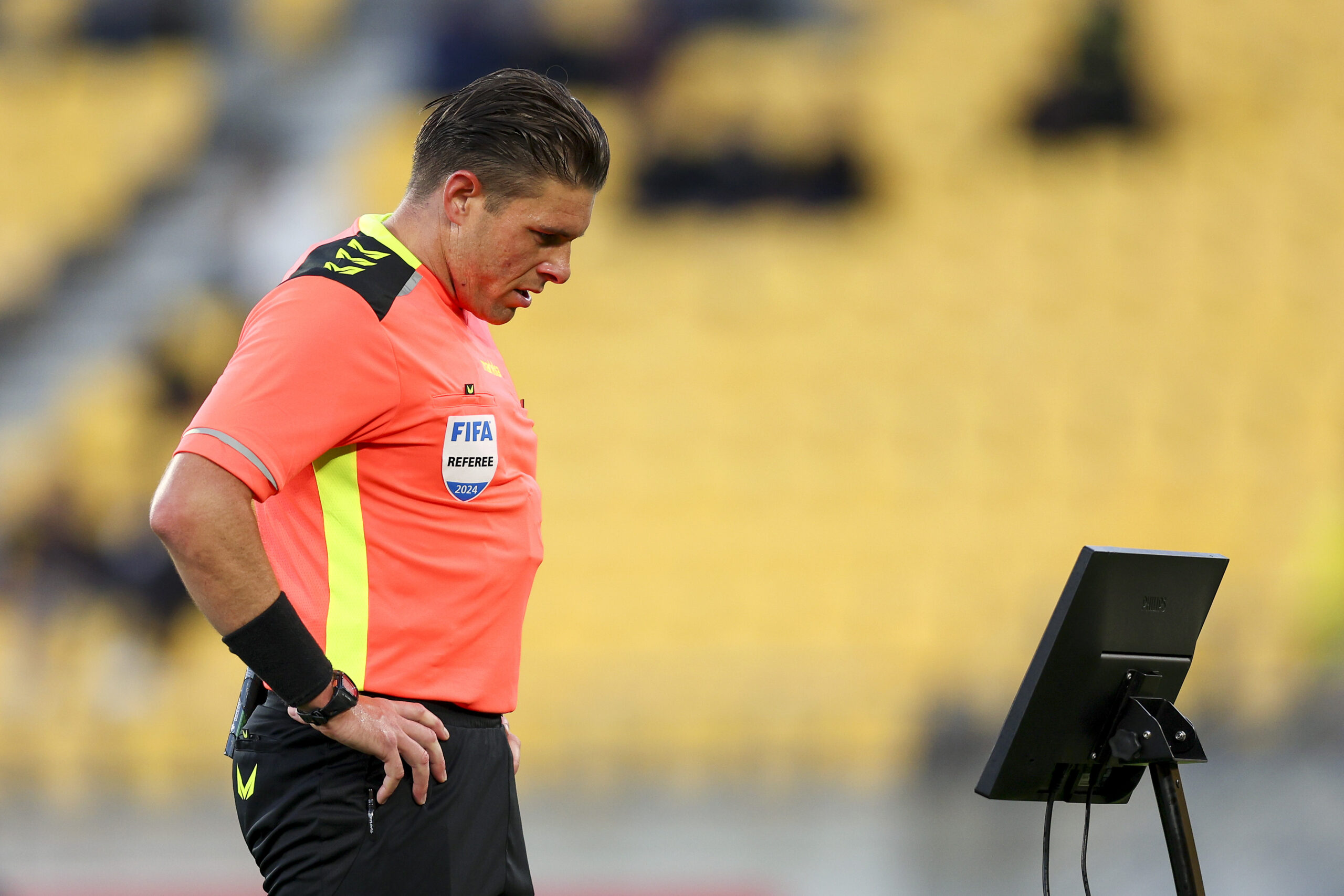
    The moment occurred during a tense pause in play. Cameras focused on Evans as he communicated with the Video Assistant Referee (VAR) booth. In that brief window, his hand formed the controversial shape. It was not directed at a specific player or coach, but rather rested against his side. The broadcast, beamed to hundreds of millions of viewers worldwide, captured the gesture in high definition.

    Within minutes, social media platforms erupted. Clips of the broadcast were isolated, zoomed in, and shared across X, TikTok, and Reddit. The narrative formed rapidly. Viewers familiar with the symbol’s recent history immediately flagged it as a potential display of white supremacist ideology. Others defended Evans, arguing the gesture was an innocuous “OK” sign, a habitual movement, or a misunderstanding of refereeing signals.

    The speed of the digital reaction outpaced any official response from FIFA or the Australian governing bodies. By the time the final whistle blew, Shaun Evans was no longer just a referee; he was the center of an international cultural flashpoint.

    The Evolution of a Symbol

    To understand the gravity of the accusation, one must trace the evolution of the “OK” hand gesture. For decades, it was a universally recognized sign of approval or understanding. However, in 2017, a deliberate campaign originated on the anonymous message board 4chan. The goal was to trick the media and the public into believing the innocuous gesture was a secret symbol for “White Power” (with the three extended fingers forming a “W” and the circle and wrist forming a “P”).

    The hoax was successful, but it also had unintended consequences. What began as an internet troll campaign was eventually adopted earnestly by actual white supremacist groups. Individuals associated with these hate groups began using the gesture in photographs and public appearances as a genuine signal of affiliation.

    In 2019, the Anti-Defamation League (ADL) officially added the gesture to its “Hate on Display” database. The ADL noted that while the overwhelming majority of people who use the gesture do so innocuously, its context matters deeply. When used in specific settings or by individuals with known extremist ties, it serves as a dog whistle for hate.

    Context vs. Intent

    The challenge in evaluating the Shaun Evans incident lies in separating context from intent. Was the referee making a deliberate political statement on a global broadcast? Or was it a subconscious movement, utterly devoid of malice?

    Referees frequently use hand signals to communicate complex information quickly. Some defenders argue that Evans may have been indicating a specific number, signaling readiness to the VAR booth, or simply resting his hand awkwardly. The lack of a clear, aggressive context, such as directing the gesture at a player of color, complicates the accusation.

    However, critics argue that the burden of awareness falls on public figures. In an era where symbols are highly scrutinized, ignorance of a symbol’s modern connotations is often viewed as an insufficient defense. The sheer visibility of the World Cup demands a heightened level of situational awareness from its officials.

    FIFA’s Immediate Crisis Response

    The governing body of international football, FIFA, found itself navigating a public relations minefield. The organization has spent years promoting anti-racism campaigns, adopting slogans like “No Room for Racism” and implementing stricter protocols for addressing discriminatory behavior in stadiums.

    The accusation against one of its own referees presented a direct challenge to these initiatives. If FIFA ignored the incident, it risked appearing complicit or dismissive of hate symbols. If it acted too swiftly without a thorough investigation, it risked unfairly penalizing an official based on internet speculation.

    FIFA’s initial statement was predictably cautious. The organization confirmed it was aware of the broadcast footage and was conducting a review of the incident. It emphasized its commitment to a zero-tolerance policy regarding discrimination but stopped short of condemning Evans directly pending the investigation’s outcome.

    The Role of the Australian FA

    Football Australia (FA), the governing body that oversees Evans domestically, also faced immense pressure. Evans is one of Australia’s most prominent referees, having officiated in the A-League and numerous international fixtures. The FA released a statement mirroring FIFA’s caution, acknowledging the severity of the allegations while requesting patience as the facts were gathered.

    The incident placed the FA in a difficult position. Defending Evans too vigorously could alienate fans and sponsors sensitive to issues of racial equity. Abandoning him before a formal ruling could be seen as capitulating to an online mob. The organization opted for a holding pattern, awaiting FIFA’s lead.

    The Digital Trial and Public Opinion

    While official bodies deliberated, the court of public opinion convened online. The debate fractured along predictable lines. Progressive voices and civil rights advocates demanded immediate suspension and a thorough investigation into Evans’ background and digital footprint. They argued that the normalization of such symbols, even if accidental, provides cover for actual extremists.

    Conversely, conservative commentators and defenders of Evans decried the backlash as an example of “cancel culture” run amok. They pointed to the gesture’s long history as a harmless “OK” sign and accused critics of manufacturing outrage over a non-issue. The discourse rapidly devolved from an examination of the specific incident into a broader cultural proxy war.

    This polarization highlights the difficulty of addressing ambiguous symbols in the digital age. When a gesture possesses dual meanings, one innocuous, one malicious, the interpretation is often dictated by the viewer’s preexisting political lens.

    The Precedent for Referee Conduct

    Referees are expected to maintain strict neutrality. They are the arbiters of fairness on the pitch, and any perception of bias undermines the integrity of the game. FIFA’s code of conduct strictly prohibits officials from displaying political, religious, or personal slogans or symbols.

    Historically, disciplinary action against referees has focused on match-fixing, bribery, or gross incompetence. Cases involving political or ideological expression are rarer but not unprecedented. In recent years, athletes have faced sanctions for political gestures, but the standard for officials is arguably higher.

    If FIFA determines that Evans intended to make a white supremacist gesture, the consequences would be severe, likely resulting in a lifetime ban from officiating. If the investigation concludes the gesture was accidental or misunderstood, FIFA still faces the challenge of communicating that finding to a skeptical public.

    The Burden of Proof

    Investigating intent is notoriously difficult. Unlike a clear verbal slur or a physical altercation, a hand gesture leaves room for plausible deniability. Investigators will likely examine Evans’ past behavior, his social media presence, and his interactions with colleagues to determine if there is a pattern of extremist sympathies.

    Without concrete evidence of ideological alignment, proving malicious intent based solely on the broadcast footage is a high hurdle. However, the court of public opinion does not require the same standard of proof as a formal disciplinary committee. For many viewers, the image itself is the offense, regardless of the referee’s internal motivation.

    The Lasting Impact on the Tournament

    The controversy surrounding Shaun Evans threatens to overshadow the athletic achievements of the World Cup. The tournament is designed to be a unifying global event, a celebration of international cooperation through sport. Incidents that highlight division and extremism run counter to this narrative.

    The media focus on the refereeing scandal diverts attention from the players, the host nations, and the drama of the competition. It forces broadcasters, commentators, and fans to engage with uncomfortable political realities rather than the escapism typically associated with the event.

    Regardless of the investigation’s outcome, the incident serves as a stark reminder of the pervasive nature of digital culture. Symbols born in the dark corners of the internet can now manifest on the world’s brightest stages, forcing global institutions to grapple with their implications.

    The game paused. The camera focused. The symbol flashed. The debate began.

    Unresolved.

  • Mexico’s 2026 World Cup Opener Sets Historic Viewership Record for Fox

    Mexico’s 2026 World Cup Opener Sets Historic Viewership Record for Fox

    The numbers arrived on Friday morning. They confirmed what the network executives already suspected. The 2026 FIFA World Cup opening match between Mexico and South Africa on June 11, 2026, drew a record-breaking English-language audience for Fox, peaking at an estimated 14.5 million viewers in the United States. Broadcast live from the historic Estadio Azteca in Mexico City, the match set a new high-water mark for a non-U.S. Men’s National Team World Cup opener on American television. The 14.5 million figure represents a seismic shift in domestic soccer consumption. It proves that the cultural footprint of the sport has expanded beyond nationalistic lines. American audiences did not just tune in to watch the United States. They tuned in for the spectacle.

    This outcome was engineered years in advance. When FIFA awarded the 2026 World Cup to the unified bid of the United States, Mexico, and Canada, broadcasters immediately understood the financial implications. The time zones were perfectly aligned for prime-time television. There would be no 4:00 a.m. alarms. There would be no matches played while the American workforce was commuting. Fox Sports heavily promoted the opening match, recognizing that the Mexican National Team, known as El Tri, possesses a massive, built-in audience within the United States. The broadcast strategy treated Mexico as a de facto home team.

    The Fox Sports Broadcast Gamble Pays Off

    The road to this ratings milestone began in a boardroom in 2015. Fox Sports originally secured the English-language broadcast rights for the 2018 and 2022 World Cups for approximately $425 million. When FIFA controversially moved the 2022 Qatar World Cup from the summer to the winter, disrupting the lucrative NFL and college football broadcasting schedules, Fox required compensation. FIFA quietly granted Fox and Telemundo an extension of their broadcast rights through the 2026 tournament without opening the process to competitive bidding. That extension is now paying massive dividends.

    Fox Sports executive producer Eric Shanks and his team approached the 2026 tournament with a clear mandate. They needed to eventize the broadcast. The 2026 World Cup features an expanded format. The tournament grew from 32 teams to 48 teams. The total number of matches increased from 64 to 104. This expansion created more inventory for advertisers, but it also threatened to dilute the importance of the group stage. Fox countered this by treating the opening match as a Super Bowl-level event. They deployed their primary broadcast teams, built a sprawling studio set in Los Angeles, and dispatched top-tier reporters to Mexico City.

    The Advertising Premium

    Record viewership directly translates to record revenue. Media buyers reported that Fox commanded premium rates for the opening match. A standard 30-second commercial spot during the Mexico versus South Africa broadcast sold for an estimated $700,000. This figure rivals the rates seen during the late stages of the NFL playoffs. Brands recognized the unique demographic makeup of the World Cup audience. It is younger, more diverse, and more digitally engaged than the traditional broadcast television audience. Automotive manufacturers, global beverage brands, and technology conglomerates anchored the commercial breaks.

    Estadio Azteca and the Weight of History

    The location of the match amplified the broadcast’s appeal. Estadio Azteca is not just a stadium. It is a monument to the global game. Situated in the Tlalpan borough of Mexico City, the venue holds a mythological status in world football. The June 11 broadcast marked the third time Estadio Azteca hosted a World Cup opening match, an unprecedented achievement in FIFA history. The stadium previously opened the 1970 World Cup, where Pelé cemented his legacy, and the 1986 World Cup, where Diego Maradona authored his most famous moments.

    Fox’s broadcast leaned heavily into this history. The pre-match coverage featured extensive historical packages. Viewers were reminded of the stadium’s 83,264-seat capacity. The visual of the packed, multi-tiered arena awash in the green, white, and red of the Mexican national team provided a stunning television backdrop. The sheer volume of the crowd noise, captured by dozens of strategically placed field microphones, translated through the screen. It created an atmosphere that American domestic sports rarely replicate.

    The Match: Mexico Faces South Africa

    The narrative of the match itself held the audience’s attention. Mexico entered the tournament carrying the immense pressure of a host nation. The expectations from the Mexican public and the Mexican-American diaspora were uncompromising. El Tri needed a decisive victory to set the tone for their group stage campaign. Across the pitch stood South Africa. The team known as Bafana Bafana arrived in Mexico City looking to disrupt the narrative. South Africa holds its own unique World Cup history, having hosted the tournament in 2010, but they entered this match as heavy underdogs.

    The tactical battle unfolded exactly as Fox executives hoped. It was not a stagnant, defensive stalemate. Mexico pushed the tempo from the opening whistle. The high altitude of Mexico City, sitting at 7,350 feet above sea level, visibly affected the pace of the game. South Africa defended resolutely in the opening phases, creating a tense, dramatic television product. When Mexico finally broke the deadlock, the eruption inside Estadio Azteca registered as a seismic television moment. The sustained action prevented viewers from changing the channel, leading to the massive 14.5 million peak viewership number recorded by Nielsen in the second half.

    The Demographic Shift in US Soccer Consumption

    The ratings record cannot be analyzed without understanding the shifting demographics of the United States. The Mexican National Team routinely draws larger crowds for friendly matches played in US stadiums than the United States Men’s National Team. Millions of dual-national fans follow El Tri with generational loyalty. Fox Sports understood that capturing the English-dominant Mexican-American audience was crucial to their ratings strategy.

    This demographic reality shifts the paradigm of sports broadcasting. For decades, traditional American networks viewed soccer as a niche property. The 2026 World Cup proves that soccer is now a foundational pillar of live sports programming. The audience that tuned in to watch Mexico defeat South Africa was not a niche audience. It was a mass-market, general-interest television audience. They tuned in on traditional cable, they streamed the match via the Fox Sports app, and they gathered in public viewing areas across the country.

    Telemundo and the Total Audience Picture

    While Fox celebrated its English-language record, the total viewership picture is even larger. NBCUniversal’s Telemundo holds the exclusive Spanish-language broadcast rights for the 2026 World Cup in the United States. Telemundo’s broadcast of the Mexico opener served as the primary viewing destination for millions of Spanish-dominant households. When the Nielsen data for Telemundo is combined with the Fox Sports numbers, the total domestic viewership for the opening match becomes staggering.

    Industry analysts estimate that the combined English and Spanish-language audience in the United States exceeded 25 million viewers. This combined metric is the true measure of the event’s cultural impact. It demonstrates that the World Cup has achieved a level of domestic penetration previously reserved for the Super Bowl and the Olympic Games. The dual-broadcast structure allows FIFA to maximize its reach, ensuring that every demographic segment is served by tailored, culturally relevant commentary and analysis.

    The 104-Match Marathon Begins

    The opening match is just the beginning. The 2026 World Cup is a logistical behemoth. Spanning three countries, four time zones, and 16 host cities, the tournament requires an unprecedented broadcasting infrastructure. Fox Sports must sustain this momentum over the course of 103 remaining matches. The network will broadcast games from Vancouver to Miami, from Los Angeles to Toronto. The success of the Mexico versus South Africa broadcast provides a powerful proof of concept. It validates the immense capital expenditure required to produce a tournament of this scale.

    The remaining group stage matches will test the depth of the American viewing public’s appetite for soccer. Will a Tuesday afternoon match between two European nations draw significant numbers? The time zones suggest they will. Unlike the 2022 tournament in Qatar, where morning matches struggled to gain traction among casual viewers, the 2026 schedule is highly favorable. Matches played in the Pacific Time Zone will serve as prime-time viewing on the East Coast. Matches played in the Eastern Time Zone will dominate the midday viewing windows.

    “The 2026 tournament is the ultimate stress test for soccer’s popularity in America. The opening match proved the foundation is rock solid.”

    The broadcast industry is watching closely. Traditional linear television is facing existential threats from streaming platforms and shifting consumer habits. Live sports remain the final firewall for the traditional broadcast networks. Properties like the NFL, the NBA, and the World Cup are the only programming capable of aggregating massive, simultaneous audiences. Fox’s record-breaking day in Mexico City is a testament to the enduring power of live, communal viewing events.

    The fans gathered. The executives gathered. The numbers climbed. Unprecedented.

  • The 2026 World Cup Kickoff: Rebecca Lowe on America’s Soccer Awakening and the Controversies Ahead

    The 2026 World Cup Kickoff: Rebecca Lowe on America’s Soccer Awakening and the Controversies Ahead

    The 2026 FIFA World Cup officially opens with Fox Sports anchor Rebecca Lowe at the helm of an unprecedented 104-match broadcast. The tournament spans three nations, 16 cities, and 48 teams, marking the largest logistical undertaking in the history of global sports. Lowe steps into the anchor chair to narrate America’s definitive soccer awakening. She balances the spectacle of the Estadio Azteca opener with the complex controversies trailing FIFA’s $11 billion revenue projections.

    For a month, North America becomes the center of the sporting universe. The broadcast requires a steady hand. Fox Sports chose Lowe.

    The Anchor at the Center of the Pitch

    Rebecca Lowe spent over a decade as the face of the Premier League for NBC Sports. Her transition to Fox Sports for the 2026 World Cup represents a monumental shift in American soccer broadcasting. Fox secured the English-language rights back in 2015. The network paid $425 million for the 2018 and 2022 cycles, later receiving a no-bid extension for 2026 to avoid lawsuits over the Qatar winter shift. Now, that investment matures.

    Lowe commands the desk from a sprawling studio complex in Los Angeles. The authority she brings is absolute. There is no manufactured hype. There is only football.

    The broadcast war is intense. Telemundo holds the Spanish-language rights, leaning on the legendary voice of Andres Cantor. Fox relies on Lowe to anchor the English-language desk. She is flanked by a rotating cast of former international players and tactical analysts. The coverage must satisfy the tactical purist. It must simultaneously educate the casual American viewer tuning in for the first time since Qatar 2022. It is a tightrope walk. Lowe excels here. She paces the conversation. She cuts through studio banter with sharp, declarative questions.

    Estadio Azteca and the 48-Team Reality

    June 11, 2026. The whistle blows at Estadio Azteca in Mexico City. The venue holds 83,000 people. It is hallowed ground. Pelé won the World Cup here in 1970. Diego Maradona lifted the trophy here in 1986. Now, it becomes the first stadium in history to host three World Cup openers.

    But the tournament looks vastly different than it did in the twentieth century. FIFA expanded the field. Thirty-two teams became forty-eight. Sixty-four matches became one hundred and four. The sheer volume changes the rhythm of the global game.

    The group stage now features twelve groups of four. Eight third-place teams advance. The margin for error increases, but the physical toll multiplies. Lowe points out the logistical nightmare on the broadcast. Teams must traverse four time zones. They fly from Vancouver to Miami. They cross international borders. The carbon footprint is massive. The travel fatigue is real.

    The expansion dilutes the opening rounds. It guarantees a chaotic knockout phase. The newly introduced Round of 32 brings sudden-death elimination earlier than ever before.

    The American Soccer Awakening

    In 1994, the United States hosted the World Cup. It was an introduction. In 2026, it is a coronation.

    The cultural landscape has shifted entirely. Major League Soccer (MLS) franchise valuations now average $579 million. Lionel Messi wears the pink of Inter Miami, driving Apple TV subscriptions into the millions. European giants like Real Madrid and Manchester United routinely sell out 80,000-seat American stadiums for summer friendlies. The American soccer fan is no longer a niche demographic. They are the target market.

    Lowe notes this shift as the tournament begins. The US Men’s National Team (USMNT) carries the weight of a generation. The 1994 squad relied on grit and college players. The 2026 squad features athletes plying their trade in Europe’s top leagues. Players like Christian Pulisic, Weston McKennie, and Tyler Adams return home not as underdogs, but as expected contenders.

    The expectation is no longer participation. The expectation is progression. The American public demands a deep run on home soil.

    Group stage survival is no longer the ceiling. It is the floor. The pressure on the USMNT is unprecedented. Every tactical decision is dissected. Every substitution is debated. Lowe orchestrates this national conversation from the Fox Sports desk, treating the American squad with the same critical eye applied to England or Brazil.

    Grass, Greed, and the Shadows Over the Tournament

    Spectacle requires capital. Capital breeds friction. The 2026 tournament arrives shadowed by deep logistical and political controversies.

    The primary battleground is the playing surface. FIFA mandates natural grass for all World Cup matches. Eight of the eleven American host stadiums feature artificial turf designed for the NFL. The conversion process is brutal and expensive.

    • MetLife Stadium: The New Jersey venue hosting the final is spending millions to install a temporary grass pitch over its synthetic surface.
    • Mercedes-Benz Stadium: The Atlanta stadium must engineer a natural grass solution inside a dome that limits sunlight.
    • AT&T Stadium: The Dallas venue requires a massive structural lift to raise the pitch level and sustain natural grass for a month.

    The seams matter. The root depth matters. Player safety is the cited concern, but the underlying tension is control. FIFA demands perfection. Stadium operators scramble to comply.

    Beyond the grass, ticketing presents a massive barrier. The secondary market has already priced out the working-class fan. Average group-stage tickets clear $400. Matches featuring high-profile teams command thousands of dollars per seat. The corporate gentrification of the world’s game is complete. VIP suites sell for millions. The average fan is pushed to the fan zones outside the stadiums.

    Lowe addresses these realities on air. She does not editorialize. She reports the friction. The broadcast acknowledges the pristine pitches while noting the millions spent to temporarily build them.

    Predicting the Big Winner

    Who wins the tournament? The predictions dominate the pre-match coverage.

    France brings unmatched depth. Brazil brings historical pedigree. Argentina arrives as defending champions, looking to defend the crown Messi secured in Doha. The European powers seek to conquer North American soil.

    But the true “big winner” extends beyond the pitch. The host nations win. The sport itself wins the American market permanently. FIFA President Gianni Infantino projects $11 billion in revenue for the 2026 cycle. That number will likely be shattered. Corporate sponsorships are at an all-time high. Broadcast advertising rates are staggering.

    The infrastructure left behind will serve domestic leagues for decades. Training facilities built for visiting national teams will be handed over to local municipalities and MLS academies. The 2026 World Cup is an economic engine disguised as a sporting event.

    Fox Sports wins as well. The network captures a captive audience for a month. Advertisers pay premium rates for live sports, the last remaining monoculture in modern media. Lowe guides the viewer through this massive commercial and cultural enterprise. She keeps the focus on the ball, even as billions of dollars swirl around it.

    The Global Convergence

    The scale of the event cannot be overstated. It is a logistical miracle that the tournament functions at all. Moving 48 teams, their staffs, the global media, and millions of fans across three massive countries requires military-level precision.

    Security forces coordinate across international borders. Transportation grids in cities like Los Angeles, New York, and Toronto are pushed to their absolute limits. The World Cup is a stress test for North American infrastructure.

    Yet, when the whistle blows, the logistics fade. The controversies take a backseat to the drama on the pitch. The tactical battles emerge. The underdog stories unfold. A nation that once ignored the sport now stops to watch it.

    The cameras roll. The stadiums fill. The anchor speaks. The whistle blows. Kickoff.