Tag: Disney+

  • Brad Bird Shuts Down ‘Ratatouille’ Sequel Hopes Despite Pixar’s Interest

    Brad Bird Shuts Down ‘Ratatouille’ Sequel Hopes Despite Pixar’s Interest

    Director Brad Bird has definitively shut down speculation regarding a sequel to Pixar’s 2007 animated feature, ‘Ratatouille.’ His statement confirms that despite potential interest from Pixar Animation Studios, the culinary adventure of Remy and Linguini will not continue in a new film. Bird maintains that the original narrative achieved a complete and satisfying conclusion.

    This position from Bird underscores a directorial philosophy that prioritizes narrative closure over franchise expansion. The decision impacts the emotional investment of fans who have hoped for a continuation of the beloved story.

    The Original ‘Ratatouille’ Legacy

    ‘Ratatouille’ premiered on June 29, 2007, to widespread critical acclaim. The film explored themes of passion, prejudice, and the pursuit of dreams, set against the backdrop of Parisian haute cuisine. It followed Remy, a rat with an extraordinary sense of smell and a dream of becoming a chef, and Linguini, a young man who inadvertently becomes his human puppet.

    The film garnered numerous accolades, including the Academy Award for Best Animated Feature at the 80th Academy Awards ceremony in 2008. It was also nominated for four other Oscars: Best Original Screenplay, Best Original Score, Best Sound Editing, and Best Sound Mixing. Its commercial success included a worldwide gross of over $620 million.

    Brad Bird directed and wrote the screenplay for ‘Ratatouille.’ His previous work with Pixar included ‘The Incredibles’ (2004), which also received critical and commercial success. Bird’s distinct storytelling voice and animation direction have been hallmarks of his career.

    Pixar’s Approach to Sequels

    Pixar Animation Studios has a history of revisiting its successful intellectual properties. Franchises like ‘Toy Story,’ ‘Cars,’ ‘Monsters, Inc.,’ and ‘The Incredibles’ have all received sequels, some expanding into multiple installments. This strategy allows the studio to capitalize on established characters and worlds, often bringing back original voice talent and creative teams.

    The development cycle for Pixar films is extensive, typically spanning several years from concept to release. A sequel project often begins with story pitches and character development, followed by extensive animation and production phases. The studio’s commercial success is frequently bolstered by these franchise extensions.

    However, not all Pixar films have received direct sequels. Films like ‘Up,’ ‘WALL-E,’ and ‘Coco’ have largely remained standalone features, though some have spawned short films or television specials. The decision to pursue a sequel often involves a balance of creative vision, commercial viability, and the availability of key personnel.

    Bird’s Stance on Narrative Completion

    Brad Bird’s reasoning for not pursuing a ‘Ratatouille’ sequel is rooted in his belief that the story was fully explored. He articulated that the original film effectively conveyed its central message and resolved its character arcs. For Bird, creating a sequel without a compelling, new narrative imperative would dilute the integrity of the initial work.

    This perspective contrasts with the prevailing trend in Hollywood to extend successful franchises. Many directors and studios face pressure to develop sequels, prequels, and spin-offs to leverage existing fan bases and established intellectual property. Bird’s firm stance offers a counter-narrative to this industry pattern.

    Bird has previously commented on the challenges of creating sequels that live up to the original. He directed ‘Incredibles 2’ (2018), a sequel to his 2004 film, which also achieved significant critical and commercial success. This experience may inform his discernment regarding which stories warrant continuation.

    Fan Expectations and Industry Trends

    The announcement from Brad Bird will likely elicit varied reactions from the fan base. Many viewers develop deep connections with animated characters and often express a desire for more stories within beloved universes. Social media platforms and fan forums frequently feature discussions about potential sequels for popular films.

    Hollywood’s economic model increasingly relies on established franchises. Sequels often carry lower marketing risks compared to original films, as they tap into pre-existing audience awareness. This commercial reality drives many studios to greenlight continuations of successful properties.

    However, critical reception for sequels can be mixed. Audiences and critics often evaluate sequels based on their ability to innovate while remaining true to the spirit of the original. The balance between familiarity and novelty is a constant challenge for filmmakers in established franchises.

    The Future of Original Animation

    Brad Bird’s position highlights a broader discussion within the animation industry about the value of original storytelling versus franchise development. While sequels provide financial stability, original films often push creative boundaries and introduce new concepts to audiences.

    Animation studios, including Pixar, continue to invest in both original content and franchise extensions. The strategic decisions made by directors and producers shape the landscape of animated cinema. Bird’s commitment to the completeness of the ‘Ratatouille’ narrative serves as a notable example of a director prioritizing artistic integrity.

    The impact of a director’s vision on a studio’s slate is significant. Bird’s decision concerning ‘Ratatouille’ underscores the artistic autonomy sometimes exercised within major animation houses. It reinforces the idea that not every successful film requires a follow-up.

    Audiences will continue to cherish the original ‘Ratatouille.’ Its themes resonate. Its characters endure. Its story remains complete.

    Potential for Spinoffs or Other Media

    While a direct sequel to ‘Ratatouille’ appears unlikely under Brad Bird’s direction, the possibility of other forms of media exploration remains. The world of ‘Ratatouille’ is rich with potential for short films, television series, or even stage adaptations. These formats could explore side characters or new narratives within the established universe without directly continuing Remy and Linguini’s main story.

    Pixar has a history of creating short films based on its feature properties. These shorts often provide additional context or humorous vignettes that expand on the characters’ lives. A ‘Ratatouille’ short could offer a glimpse into the Parisian culinary world years after the film’s conclusion.

    The intellectual property could also be leveraged in theme park attractions, video games, or books. These ancillary products allow fans to engage with the world of ‘Ratatouille’ in different ways. They represent additional revenue streams for Disney and Pixar, even without a feature film sequel.

    Such ventures would likely involve different creative teams and directors, allowing for new interpretations while maintaining the core elements of the brand. This approach could satisfy fan demand for more content without requiring Brad Bird to revisit a story he considers finished.

    The future of the ‘Ratatouille’ property, beyond the original film, could therefore take many forms. A direct sequel, however, under its original director, is not among them. The story is told.

    The Director’s Creative Control

    Brad Bird’s authority to make such a definitive statement highlights the level of creative control granted to acclaimed directors within Pixar. This autonomy is often a draw for top talent in the animation industry. It allows filmmakers to pursue their artistic visions without constant pressure for franchise development.

    Such creative freedom is not universal across all studios. The balance between artistic integrity and commercial imperatives is a constant negotiation in Hollywood. Bird’s position on ‘Ratatouille’ reflects a successful alignment of his vision with the studio’s respect for his work.

    This decision also sets a precedent for how certain beloved films might be handled in the future. It reinforces the idea that some stories are best left as complete, standalone works. The original ‘Ratatouille’ stands as a testament to this philosophy.

    Filmmakers like Bird are often driven by the desire to tell new stories, rather than retread old ground. Their creative energy is directed towards developing fresh concepts and characters. This commitment to originality is a vital component of a vibrant cinematic landscape.

    The conversation around ‘Ratatouille’ and its sequel status is a microcosm of broader industry debates. It touches upon the nature of creative ownership. It explores the tension between art and commerce. It asks what makes a story complete.

    The director spoke. The message was clear. The story concluded.
  • Disney’s Missed Opportunities: James Bond, Twitter, and Apple

    Disney’s Missed Opportunities: James Bond, Twitter, and Apple

    The Walt Disney Company, under the leadership of figures like Bob Iger, pursued several high-profile corporate maneuvers that ultimately did not come to fruition. These include a failed attempt to acquire the James Bond film franchise, a decision to walk away from purchasing Twitter just hours before a deal was finalized, and preliminary merger talks with Apple that never advanced. These instances collectively illustrate critical moments where Disney’s strategic direction could have shifted dramatically.

    Such decisions, whether to pursue or abandon major acquisitions, reflect the complex interplay of market conditions, valuation disagreements, and long-term strategic vision within a global entertainment and technology conglomerate. Each scenario presented unique challenges and potential benefits, underscoring the high stakes involved in corporate development at this scale.

    The Pursuit of 007: Disney and James Bond

    Disney’s interest in the James Bond franchise represented a significant move into an established, globally recognized intellectual property. The Bond series, known for its longevity and consistent box office performance, would have provided Disney with a mature, adult-oriented action brand.

    Acquiring such a franchise would have complemented Disney’s existing portfolio, which includes Marvel, Star Wars, and Pixar. It would have diversified their content offerings beyond family-friendly fare and broadened their appeal to different demographic segments.

    The negotiations for the James Bond rights were complex. The franchise is controlled by Eon Productions, with distribution rights historically held by various studios, most recently by Amazon through its acquisition of MGM. Disney’s bid faced competition and intricate ownership structures.

    Ultimately, the deal for Disney to acquire the Bond franchise did not materialize. The reasons often cited include disagreements over valuation, creative control, and the unique independent structure of Eon Productions, which has historically maintained significant autonomy over the property.

    Why Bond Remained Elusive

    Eon Productions, led by Barbara Broccoli and Michael G. Wilson, has a long-standing commitment to maintaining the creative integrity and independent spirit of the James Bond series. This commitment often involves strict control over the character’s portrayal, narrative direction, and production decisions.

    Disney’s corporate culture, known for integrating acquisitions deeply into its ecosystem, may have clashed with Eon’s desire for independence. The financial terms and long-term strategic alignment likely proved too difficult to reconcile for both parties.

    The failure to secure James Bond meant Disney continued to focus on its existing tentpole franchises. It also highlighted the challenges of acquiring properties with complex legacy ownership and strong creative gatekeepers.

    The Twitter Turnaround: A Deal That Almost Was

    One of the most striking revelations concerns Disney’s near-acquisition of Twitter. Reports indicate that Disney was on the verge of purchasing the social media platform, with a deal reportedly hours away from being finalized. This proposed acquisition occurred at a time when Twitter was a prominent, though often volatile, global communication platform.

    The strategic rationale for Disney’s interest in Twitter was multifaceted. A social media platform would have provided Disney with direct access to a massive user base, real-time data, and a powerful distribution channel for its content. It could have also served as a critical tool for fan engagement and marketing.

    However, Disney ultimately withdrew from the deal. The reasons for this last-minute reversal were reportedly tied to concerns about Twitter’s user base, particularly issues related to online harassment, hate speech, and the overall brand safety environment. Disney’s family-friendly image was a primary consideration.

    The potential integration of a platform like Twitter, with its unfiltered user-generated content, presented significant reputational risks for Disney. The company’s leadership, including former CEO Bob Iger, likely weighed these risks against the perceived benefits and concluded the acquisition was not a suitable fit.

    Reputational Risks and Corporate Values

    Disney’s decision to back away from Twitter underscored the importance of brand integrity and corporate values in high-stakes acquisitions. The company has meticulously cultivated a reputation for wholesome, family-oriented entertainment.

    The controversies surrounding content moderation and user behavior on Twitter were a direct conflict with Disney’s brand identity. Acquiring the platform would have meant inheriting these challenges and potentially diluting Disney’s carefully curated image.

    This decision, in retrospect, allowed Disney to avoid the complexities and controversies that later plagued Twitter, particularly following its acquisition by Elon Musk in October 2022. It demonstrated a pragmatic approach to M&A, prioritizing brand safety over potential market expansion.

    Apple and Disney: Merger Talks That Never Blossomed

    Perhaps the most intriguing revelation involves preliminary merger discussions between The Walt Disney Company and Apple. These talks, while not reaching advanced stages, indicate a period of strategic exploration between two of the world’s most influential companies in entertainment and technology.

    The idea of an Apple-Disney merger has been a subject of speculation for decades, often fueled by the close relationship between Apple co-founder Steve Jobs and former Disney CEO Bob Iger. Jobs was Disney’s largest individual shareholder after selling Pixar Animation Studios to the company in 2006.

    A merger between Apple and Disney would have created an unparalleled conglomerate. Apple’s technological prowess, global distribution network, and massive cash reserves combined with Disney’s vast intellectual property, content creation capabilities, and theme park empire would have been transformative.

    The potential synergies were immense: Disney content integrated seamlessly into Apple’s hardware and software ecosystem, new interactive experiences, and a unified platform for entertainment, technology, and consumer products. However, these discussions remained preliminary and did not evolve into formal negotiations.

    The Vision of Steve Jobs and Bob Iger

    Steve Jobs, who served on Disney’s board of directors, often spoke of the convergence of technology and creativity. His vision aligned with the potential for Apple to play a significant role in the entertainment industry.

    Bob Iger, known for his strategic foresight, also recognized the evolving landscape where content and technology were becoming increasingly intertwined. His relationship with Jobs likely facilitated these early conversations.

    The reasons for the talks not progressing are not publicly detailed but could involve complex regulatory hurdles, valuation disagreements, and the sheer scale and complexity of integrating two such colossal and distinct corporate cultures. Antitrust concerns alone would have been monumental.

    The failure of these talks meant both companies continued on their independent trajectories. Apple expanded its services division with Apple TV+, while Disney doubled down on its streaming strategy with Disney+.

    The Strategic Implications of Missed Opportunities

    These instances, the failed James Bond acquisition, the abandoned Twitter deal, and the preliminary Apple merger talks, collectively paint a picture of a company constantly evaluating its position and future. Each decision, or lack thereof, had profound implications for Disney’s long-term strategy.

    The pursuit of James Bond showed Disney’s ambition to expand its content genres. The withdrawal from Twitter demonstrated a commitment to brand safety over immediate digital expansion. The Apple discussions highlighted a willingness to consider transformative mergers at the highest levels of corporate power.

    In 2026, Disney continues to navigate a rapidly changing media landscape. The company has focused on its core franchises, its direct-to-consumer streaming services, and its global theme park operations. Its current strategy emphasizes profitability in its streaming division and continued investment in its intellectual property.

    The lessons from these missed opportunities likely inform current decision-making processes. They underscore the importance of clear strategic alignment, careful risk assessment, and the often-unpredictable nature of high-stakes corporate negotiations.

    Leadership and Decision-Making

    Former Disney CEO Bob Iger played a central role in many of these discussions and decisions. His tenure was marked by aggressive growth through acquisitions, including Pixar, Marvel, and 21st Century Fox. These successes make the missed opportunities all the more notable.

    Iger’s autobiography, ‘The Ride of a Lifetime,’ provides some insight into his strategic thinking and the pressures involved in leading a company like Disney. The decisions to pursue or abandon these deals were not made lightly, reflecting extensive analysis and debate at the highest executive levels.

    The current leadership of Disney, under CEO Bob Iger who returned to the role in November 2022, continues to face similar strategic challenges. The media industry is in constant flux, with new technologies and evolving consumer behaviors demanding continuous adaptation.

    Understanding these historical corporate maneuvers provides context for Disney’s present and future strategies. It reveals a company that is both bold in its ambitions and cautious in its execution, constantly balancing growth opportunities with risk mitigation.

    The Shifting Media Landscape

    The media landscape of 2026 is vastly different from the periods when these negotiations took place. Streaming services have matured, and the competition for subscriber attention is intense. The role of social media in content distribution and audience engagement has also evolved significantly.

    Disney’s strategic focus has adapted to these changes, prioritizing direct-to-consumer relationships and leveraging its vast library of content. The company continues to invest heavily in original programming for its streaming platforms.

    The memory of these ‘almost’ deals serves as a reminder that even the most powerful corporations face critical junctures where the path not taken can be just as impactful as the path chosen. The history of Disney is not just a chronicle of its successes but also a testament to its strategic reconsiderations and its willingness to walk away when conditions are not aligned.

    Executives deliberate. Boards convene. Deals are struck. Deals fall apart. The future is written.

    Disney.

  • ‘Toy Story 5’ Shatters Franchise Records With $160 Million U.S. Opening

    ‘Toy Story 5’ Shatters Franchise Records With $160 Million U.S. Opening

    Pixar Animation Studios secured the largest domestic box office opening of 2026 this weekend. Toy Story 5 debuted to a staggering $160 million across North American theaters between June 19 and June 21, 2026. The figure shatters the previous franchise record. It establishes a new high-water mark for the theatrical year. The Walt Disney Company needed a definitive summer victory. The toys delivered.

    The numbers arrived on Sunday morning. Disney claimed an immediate victory. The $160 million domestic haul easily surpassed early industry projections. Box office analysts had pegged the film for a $130 million debut. Walk-up ticket sales throughout Saturday pushed the gross into unprecedented territory. Theater owners breathed a collective sigh of relief.

    The 2026 summer box office required a massive tentpole. May releases experienced softer-than-expected returns. June demanded a four-quadrant hit. Toy Story 5 provided the exact demographic spread exhibitors crave. Families bought daytime tickets. Nostalgic millennials bought evening tickets. The multiplex operated at maximum capacity.

    The Anatomy of a $160 Million Weekend

    The weekend began with a massive Friday gross. Toy Story 5 pulled in $65 million on its opening day. That figure includes $18 million from Thursday evening preview screenings. Thursday previews began at 3:00 PM across major chains. AMC Entertainment, Regal Cinemas, and Cinemark dedicated multiple screens to the early rollout.

    Saturday sustained the momentum. The film grossed $55 million on its second day. A drop from Friday to Saturday is standard in modern theatrical models. The Saturday hold remained exceptionally strong. Matinee pricing drove massive family attendance. Sunday closed out the weekend with an estimated $40 million. Father’s Day weekend historically boosts Sunday matinees. The 2026 calendar aligned perfectly for Disney.

    Premium Large Formats drove the inflated grosses. IMAX, Dolby Cinema, and proprietary PLF screens accounted for 38 percent of the total weekend revenue. Audiences willingly paid premium ticket prices for the enhanced visual and audio experience. A standard ticket in major metropolitan markets averages $14. An IMAX ticket often exceeds $22. The math heavily favored Pixar’s bottom line.

    Shattering the Franchise Record

    The $160 million debut rewrites the Pixar history books. Toy Story 4 previously held the franchise record. That film opened to $120.9 million in June 2019. Toy Story 3 opened to $110.3 million in June 2010. The steady upward trajectory of the franchise remains an anomaly in Hollywood. Most franchises experience diminishing returns by the fifth installment. Toy Story compounds its audience.

    Inflation accounts for a portion of the 2026 growth. Ticket prices have risen significantly since 2019. However, pure foot traffic also increased. CinemaScore exit polling awarded the film a rare A+ grade. Word-of-mouth spread rapidly across social media platforms. The audience demographic split evenly. Fifty-two percent of ticket buyers were over the age of 25. The nostalgia factor cannot be overstated.

    The original Toy Story debuted on November 22, 1995. Thirty-one years have passed since Woody and Buzz Lightyear first appeared on screen. The children who watched the 1995 original are now parents. Many are grandparents. The generational compounding effect guarantees a massive opening weekend. Disney markets the film to three distinct generations simultaneously.

    The 2026 Box Office Landscape

    The $160 million opening secures the Year-To-Date (YTD) crown for 2026. The first half of the year lacked a runaway cultural phenomenon. March and April saw solid, mid-tier successes. May featured several high-profile action sequels that underperformed against their massive production budgets. The theatrical exhibition industry needed a savior.

    The National Association of Theatre Owners (NATO) closely monitored the weekend. Concession sales hit record highs for the year. Popcorn buckets shaped like the Pizza Planet truck sold out nationwide. Theater chains rely on concession revenue for survival. The studios take the lion’s share of the ticket price during the opening weekend. The theaters keep the popcorn money. A $160 million opening translates to millions of popcorn buckets.

    Toy Story 5 easily dethroned the previous YTD record holder. A major superhero tentpole opened to $115 million in early May. Pixar beat that number by $45 million. The victory signals a broader shift in audience tastes. Family-friendly animated features with established emotional resonance are currently outperforming traditional live-action spectacles.

    Pixar’s Return to the Well

    The decision to produce a fifth installment was not made lightly. Pixar Animation Studios, headquartered in Emeryville, California, prides itself on original storytelling. However, the modern theatrical economy demands reliable returns. The Walt Disney Company CEO Bob Iger announced the development of Toy Story 5 during a February 2023 earnings call.

    The announcement followed a period of turbulence for Pixar. The 2022 spinoff film Lightyear disappointed at the box office. It grossed just $226 million globally against a $200 million production budget. Audiences rejected the recasting of Buzz Lightyear and the complicated sci-fi premise. Disney learned a crucial lesson. The audience wanted the toys. They wanted the original voices.

    Pixar Chief Creative Officer Pete Docter oversaw the development of the fifth film. The studio brought back Tom Hanks to voice Sheriff Woody. They brought back Tim Allen to voice Buzz Lightyear. Annie Potts returned as Bo Peep. Tony Hale returned as Forky. The marketing campaign heavily emphasized the return of the core ensemble. The strategy worked flawlessly.

    The Multi-Generational Demographics

    Box office analytics firm EntTelligence provided a breakdown of the audience. The data reveals a massive four-quadrant success. A four-quadrant film appeals to men, women, individuals under 25, and individuals over 25. Toy Story 5 hit every metric. The emotional themes of the franchise resonate across age barriers.

    The first film dealt with jealousy and replacement. The second film dealt with mortality and purpose. The third film dealt with letting go and moving on. The fourth film dealt with independence and the empty nest. The fifth film tackles legacy and the passage of time. The thematic maturity of the scripts elevates the franchise above standard children’s entertainment.

    Parents do not view Toy Story as a chore. They view it as an event. The $160 million opening reflects this sentiment. Many evening screenings on Friday and Saturday were filled entirely by adults. The absence of children in late-night showings proves the franchise operates independently of the family demographic when necessary.

    The Merchandising Machine

    The box office gross is only the first revenue stream. The Walt Disney Company operates the most robust consumer products division in the world. A $160 million opening weekend triggers a tsunami of merchandise sales. The toys drive the box office. The box office drives the toys.

    Hasbro, Mattel, and the Lego Group all launched extensive product lines tied to the film. Target and Walmart dedicated massive floor space to the new characters introduced in the fifth installment. The synergy extends across the entire Disney ecosystem. Disney Parks in Anaheim, Orlando, Paris, and Tokyo immediately integrated the new narrative elements into their existing Toy Story Land attractions.

    Analysts estimate the merchandising revenue will easily eclipse the global box office gross. Toy Story 3 and Toy Story 4 both crossed the $1 billion mark at the worldwide box office. The consumer products tied to those films generated billions more over the subsequent years. The $160 million opening weekend is merely the catalyst for a massive corporate financial quarter.

    International Prospects and the Global Rollout

    The domestic opening is only half the story. Toy Story 5 rolled out in 45 international markets simultaneously. Early estimates place the international opening weekend at $140 million. This brings the global opening weekend to a staggering $300 million. The film is already well on its way to the billion-dollar club.

    The United Kingdom, Mexico, and Japan led the international territories. The franchise has historically performed exceptionally well in Latin America and Asia. The localization of the films is meticulous. Disney hires top-tier local voice talent to dub the characters, ensuring the emotional beats land perfectly in every language.

    China remains a wildcard. The Chinese box office has become increasingly difficult for Hollywood studios to navigate in the 2020s. Domestic Chinese productions dominate their local multiplexes. However, Toy Story 4 earned over $29 million in China in 2019. Disney hopes the franchise’s legacy status will secure a strong foothold in the market over the coming weeks.

    The Runway Through July

    The theatrical runway looks clear for Toy Story 5. The film faces minimal direct competition in the family demographic until late July. Box office multiples for Pixar films are traditionally strong. A 3.5x multiplier is common. If the film follows historical trends, the $160 million opening could translate to a final domestic gross of over $550 million.

    Theaters will hold onto the film for months. The summer vacation schedule ensures consistent weekday matinee attendance. Monday through Thursday grosses will remain highly elevated compared to the rest of the year. The film will serve as the financial bedrock for the exhibition industry throughout the summer of 2026.

    The Walt Disney Company has reasserted its dominance over the animated box office. The strategy of leaning on legacy IP proved entirely correct. The execution matched the ambition. The audience responded with their wallets. The theatrical experience is alive and well.

    The projectors hummed. The families gathered. The numbers climbed. The toybox.

  • Tom Hanks Warns of AI Woody in Toy Story 6

    Tom Hanks Warns of AI Woody in Toy Story 6

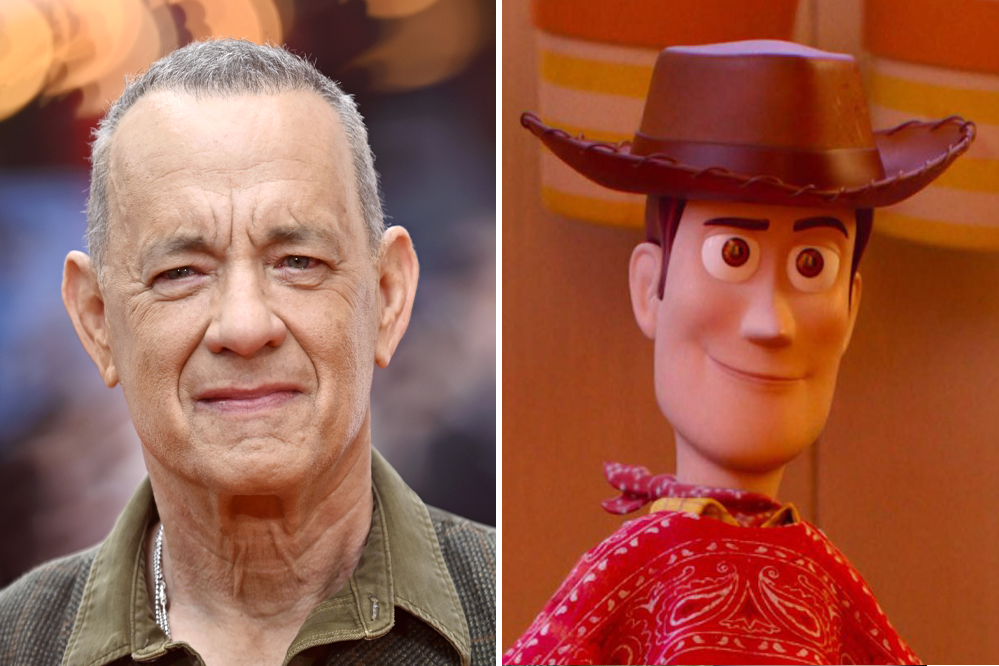
    Tom Hanks confirmed that The Walt Disney Company possesses the technological capability to use artificial intelligence to recreate his voice as Woody for Toy Story 6 and future franchise installments. Addressing the rapidly advancing state of generative AI in Hollywood, the actor described the possibility of an autonomous, synthetic Woody as a scary thought. This revelation places one of cinema’s most recognizable characters at the center of a growing debate over biometric rights, legacy intellectual property, and the future of human performance.

    As of June 2026, voice cloning technology is actively deployed across the entertainment sector. Generative audio models operate with near-perfect fidelity. For a major studio holding extensive archives of isolated audio tracks, synthetic performance presents a highly efficient production method.

    The Reality of Synthetic Voice Generation

    The Walt Disney Company operates on a franchise-first business model. Properties like Toy Story provide predictable revenue streams for publicly traded entertainment companies. Original intellectual property carries high financial risk. Established characters guarantee consumer engagement.

    Disney and Pixar Animation Studios expanded the franchise with Toy Story 5 in June 2026. Corporate planning at major studios increasingly accounts for the lifespan of legacy performers. Tom Hanks has voiced the character since 1995. Studio executives are actively preparing for a future where physical actors step away from long-running roles.

    Hanks’ recent comments underscore this industry shift. The actor noted that the studio has the digital means to ensure Woody maintains his signature cadence indefinitely. The artificial intelligence models available in 2026 do not merely splice old dialogue together. They generate entirely new performances based on the acoustic fingerprint of the original actor.

    Voice actors make specific choices during recording sessions. They modulate pitch, manage breath control, and dictate emotional pacing. An AI model makes statistical predictions based on historical data. Hanks identified this loss of artistic agency as a primary concern for the acting profession.

    Three Decades of Pristine Audio Data

    To train a high-fidelity AI voice model, engineers require substantial amounts of isolated audio data. The quality of the synthetic output depends entirely on the quality of the training input. Most commercial AI startups rely on compressed, publicly available audio. Disney possesses a proprietary archive.

    The Pixar Vault

    Since the early 1990s, Tom Hanks has recorded his dialogue for Woody in acoustically perfect, sound-dampened recording booths. Pixar sound engineers have captured his performance on high-end studio microphones. The studio cataloged his voice in 1995 for the original film. They captured it again for Toy Story 2 in 1999. They recorded extensive sessions for Toy Story 3 in 2010 and Toy Story 4 in 2019. Additional audio was captured for short films, promotional materials, consumer products, and Disney theme park attractions.

    This archive represents hundreds of hours of uncompressed, pristine audio data. It functions as an ideal dataset for machine learning applications.

    The Machine Learning Process

    Feeding this proprietary audio vault into a neural network allows the system to learn the exact phonetic structure of Tom Hanks’ performance. The model maps his pitch variations. It maps his breath patterns. It maps the specific acoustic energy he brings to the character of Woody.

    Once the model is trained, a director can input a text script into a software interface. The AI generates the corresponding audio in Hanks’ voice. Sound engineers can then adjust the emotional output using digital parameters, modifying the intensity of the performance without requiring the actor to enter a recording booth. The technological barriers to this process have been eliminated. The remaining obstacles are entirely legal and contractual.

    The Precedent of James Earl Jones and Darth Vader

    The concept of a legacy actor relinquishing vocal rights to an AI model is already an established practice within The Walt Disney Company. The precedent was set by Lucasfilm, a Disney subsidiary.

    In 2022, James Earl Jones signed over the rights to his archival voice work as Darth Vader. Jones, who first voiced the Sith Lord in 1977, authorized Lucasfilm and the Ukrainian AI audio company Respeecher to utilize his historical recordings to train a voice-cloning model. This synthetic version of Vader’s voice was subsequently used in the 2022 Disney+ series Obi-Wan Kenobi.

    Jones received credit for guiding the performance, but the audio was generated by artificial intelligence. This agreement provided Disney with a blueprint for managing legacy characters. It established a legal framework for separating a famous voice from the aging actor who originated it.

    The SAG-AFTRA Guardrails and Disney’s Intellectual Property

    The collision between human actors and generative AI defined the 2023 SAG-AFTRA strike. For 118 days, Hollywood ceased production as the labor union fought to establish guardrails against synthetic replication.

    Employment-Based Digital Replicas

    The resulting contract provided critical protections for performers. Studios cannot scan a background actor and use their digital double in perpetuity without consent and compensation. They cannot clone a lead actor’s voice without explicit permission and a negotiated financial agreement.

    The contract established the concept of Employment-Based Digital Replicas. If a studio wishes to use AI to alter an actor’s voice or generate new dialogue, they must obtain informed consent from the performer. This consent must be specific to the project.

    The Conflict of Character Ownership

    However, legacy contracts present a complex legal environment. The Walt Disney Company owns the copyright to the character of Woody. Disney owns the master recordings of the Toy Story films. Tom Hanks owns his Right of Publicity, which protects his name, image, and likeness from unauthorized commercial exploitation.

    If Disney wishes to create an AI Woody, they must navigate the boundary between their copyrighted character and Hanks’ biometric data. The SAG-AFTRA agreement requires Disney to negotiate with Hanks directly before utilizing a synthetic version of his voice for Toy Story 6 or any subsequent project.

    California Law and Post-Mortem Digital Replicas

    The legal landscape surrounding synthetic performers expanded significantly following the SAG-AFTRA strike. In September 2024, California Governor Gavin Newsom signed Assembly Bill 1836 into law. This legislation directly addressed the use of AI to replicate deceased performers.

    AB 1836 requires entertainment companies to obtain explicit consent from an actor’s estate before creating a digital replica of their voice or likeness. The law closed a loophole that studios could have exploited to revive legacy actors without compensating their heirs.

    For Disney, this means the eventual use of an AI Woody cannot be executed unilaterally, even in a post-mortem scenario. The Hanks estate would retain control over the actor’s acoustic fingerprint, requiring Disney to negotiate terms for any future synthetic performances.

    The Global Animation Industry and Synthetic Audio

    The implications of Disney utilizing artificial intelligence for a flagship character extend beyond Hollywood. The global animation industry is closely monitoring the negotiations surrounding biometric rights. Animation studios in Japan, South Korea, and France are simultaneously developing proprietary voice-cloning models to streamline dubbing and localization processes.

    If The Walt Disney Company successfully implements a synthetic Woody, it will establish a global standard for legacy character management. International studios will likely adopt similar frameworks, utilizing AI to maintain the vocal continuity of iconic animated characters across multiple languages and decades. The technological barrier to entry has lowered significantly since 2023. Cloud-based AI infrastructure allows even mid-tier animation houses to access voice-cloning capabilities previously reserved for major conglomerates.

    This shift threatens the traditional ecosystem of voice acting. Localization actors, who provide regional dubs for global franchises, face immediate displacement. An AI model trained on Tom Hanks’ English performance can be programmed to speak Mandarin, Spanish, or Japanese while retaining the actor’s exact acoustic fingerprint. This eliminates the need to cast regional voice actors for international distribution, consolidating global vocal rights into a single digital asset.

    Integration with the Pixar Animation Pipeline

    Pixar Animation Studios operates on a highly structured production pipeline. Traditionally, voice recording occurs early in the process. Animators use the actor’s vocal performance as the foundational reference for character movement, facial expressions, and comedic timing. The actor’s breath, pauses, and inflections dictate the physical performance of the digital character.

    Integrating an AI voice model fundamentally alters this workflow. Instead of animating to a human performance, animators would work alongside synthetic audio generated from a text prompt. This shifts creative control entirely to the director and the animation team. Without an actor in the booth improvising lines or altering their delivery, the performance becomes a strictly engineered output.

    While this increases production efficiency, critics argue it removes the spontaneous human element that defined early Pixar films. The dynamic recording sessions between Tom Hanks and Tim Allen during the production of the original Toy Story heavily influenced the final script. A synthetic workflow eliminates the possibility of spontaneous collaboration, replacing human chemistry with algorithmic precision.

    The Adam Buxton Podcast Revelation

    Tom Hanks previously articulated this exact scenario long before the release of Toy Story 5. During an appearance on the Adam Buxton podcast in May 2023, Hanks detailed the technological reality facing legacy actors.

    Hanks stated that his performances could continue indefinitely through the use of artificial intelligence. He noted that outside of a disclosure stating the performance was generated by AI, consumers would have no way to distinguish the synthetic audio from his actual voice.

    The actor acknowledged that while industry professionals might detect digital artifacts in the audio, the average moviegoer would likely accept the performance. The emotional connection audiences have with characters like Woody often overrides concerns about the technical origins of the performance.

    The Precedent of the 2023 Dental Commercial

    Hanks has direct experience with the unauthorized use of his likeness. In October 2023, the actor was forced to issue a public warning regarding a synthetic replication of his face and voice.

    An unauthorized dental plan commercial surfaced online featuring an AI-generated version of a younger Tom Hanks. The actor used his Instagram account to clarify that he had no involvement with the advertisement and had not authorized the use of his biometric data.

    That incident demonstrated the ease with which bad actors can hijack a public figure’s likeness. The Toy Story scenario represents a different legal challenge. The Walt Disney Company is not a rogue entity. It is a multinational conglomerate operating within the boundaries of union contracts and state laws. Any synthetic replication of Woody will be executed through formal legal channels.

    The Economics of Franchise Perpetuity

    The financial incentives driving the adoption of AI voice cloning are substantial. Voice actors command significant salaries for major franchise installments. Tom Hanks earned millions of dollars for his participation in Toy Story 4 and Toy Story 5. Negotiating new contracts for Toy Story 6, Toy Story 7, and various spinoffs requires massive capital expenditure.

    An AI voice model requires a singular licensing agreement. Once the terms are established, the marginal cost of generating new dialogue drops to near zero. The studio can produce video games, theme park announcements, interactive toys, and animated shorts without scheduling recording sessions or negotiating backend profit participation for each individual project.

    This economic reality ensures that artificial intelligence will remain a central component of franchise management. Studio executives have a fiduciary duty to maximize the value of intellectual property. Extending the lifespan of a character like Woody indefinitely aligns with those corporate objectives.

    The Future of the Pull-String Cowboy

    The Walt Disney Company has not officially announced plans to replace Tom Hanks with an AI model for Toy Story 6. The actor remains the definitive voice of the character as of June 2026. However, the technological infrastructure required to execute the transition is fully operational.

    The precedent has been set by James Earl Jones. The legal frameworks have been established by SAG-AFTRA and the state of California. The audio data resides in the Pixar Vault. The financial incentives are clear.

    Technology advances. Contracts adapt. Algorithms learn. Woody remains.

  • How Disney Used The View for FCC Public Comments

    How Disney Used The View for FCC Public Comments

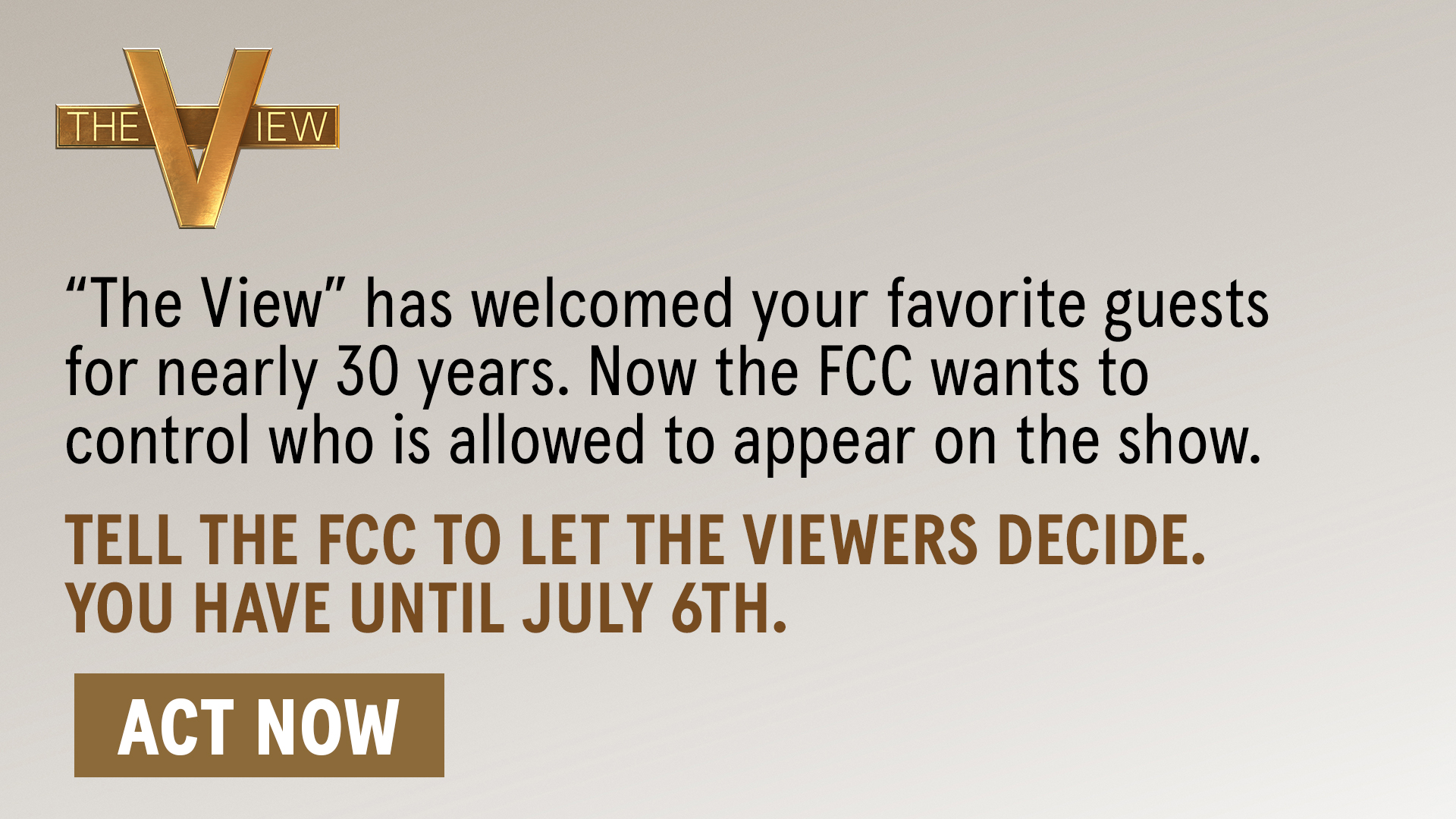
    On June 23, 2026, the Walt Disney Company utilized its ABC daytime broadcast The View to direct audiences toward an active Federal Communications Commission regulatory docket. The broadcast instructed viewers to submit formal public comments regarding federal broadcasting regulations. This maneuver shifted a complex corporate policy dispute into a direct consumer action. The network leveraged its daytime audience to participate in federal regulatory proceedings. What began as a standard corporate policy disagreement in Washington, D.C., became a televised directive across the United States.

    Corporate regulatory disputes traditionally happen through formal channels. Telecommunications lawyers file technical briefs. Industry executives schedule meetings at the FCC headquarters on M Street. Lobbying firms submit detailed economic analyses to federal regulators.

    But the landscape of regulatory influence is changing. In many ways, the integration of daytime television audiences into federal docket proceedings represents a new strategy for media conglomerates.

    By activating the audience of The View, ABC bypassed the traditional mechanics of corporate influence. The network broadcast the issue directly to the consumer. The regulatory debate at the FCC regarding corporate carriage fees, broadcast standards, and spectrum allocation was presented to the daytime demographic. The network provided specific instructions on how to access federal portals. The defense of a television network’s corporate interests was transformed into an exercise in civic participation.

    The Broadcast from Manhattan

    The cameras roll in the Upper West Side of Manhattan. The signal beams across the nation. Millions of screens illuminate in American living rooms.

    The View has maintained a unique position in American media since its inception. Created in 1997 by Barbara Walters and Bill Geddie, the program was originally designed as a multi-generational panel discussing daily topics. Over nearly three decades, the ABC News production evolved. It became a mandatory stop for presidential candidates. It became a primary battleground for American political discourse. The program consistently ranks at the top of daytime television ratings, drawing a highly engaged, politically active demographic.

    In June 2026, that established platform was utilized for corporate regulatory participation.

    The Walt Disney Company, the parent organization of the ABC television network, faced an ongoing debate at the FCC. Federal regulations dictate the boundaries of broadcast television. The FCC controls the public airwaves. The independent federal agency determines ownership limits, broadcasting standards, and the rules of engagement for massive media conglomerates operating within the United States.

    When regulatory pressure mounts, corporations typically deploy specialized legal teams. Disney supplemented its legal strategy by deploying its daytime hosts.

    The audience of The View tunes in for perspective and daily news analysis. When the network informed these viewers about the FCC debate, it translated complex telecommunications law into accessible daytime dialogue. The network provided the audience with the specific terminology needed to navigate the federal government’s digital infrastructure. The broadcast bridged the gap between a corporate boardroom in Burbank, California, and the daily lives of American television consumers.

    The Mechanics of the FCC Docket

    Washington operates on strict procedural guidelines. The federal government moves through a defined legal framework established in the mid-twentieth century.

    The Administrative Procedure Act of 1946 governs the way federal agencies develop and issue regulations. The act includes a mandatory requirement for public participation. Before the FCC can change a rule, it must open a formal docket. It must publish a Notice of Proposed Rulemaking (NPRM) in the Federal Register. It must invite the American public to submit comments.

    For decades, this process was quiet and highly specialized. Industry experts submitted technical evaluations. Telecommunications lawyers filed lengthy legal briefs on behalf of corporate clients. The average citizen rarely interacted with a federal docket.

    The Electronic Comment Filing System

    The internet fundamentally changed the mechanics of the federal docket. The FCC introduced the Electronic Comment Filing System (ECFS). The digital portal allowed anyone with a web browser to submit a formal comment to the federal government.

    This system was famously tested during the net neutrality debates of 2014 and 2017. Millions of comments flooded the FCC servers regarding Title II classification. Late-night comedians urged their viewers to access the system. The tactic proved that television audiences could be mobilized to interact with federal proceedings in massive numbers.

    Disney’s strategy in 2026 builds on that digital precedent. But the architecture of the mobilization is different.

    Previous audience mobilizations were often driven by independent commentators or late-night satirists reacting to news. The June 2026 effort was coordinated from within the corporate structure itself. The network that holds the broadcast license used its own airwaves to direct traffic toward the agency that issues that license. The corporate entity facilitated the civic action.

    The Shift in Daytime Television

    Daytime television was once considered a politically neutral zone. Networks programmed soap operas. Networks programmed game shows and lifestyle segments. The traditional goal was to entertain a broad audience without introducing polarizing topics. Advertising dollars depended on mass, unbothered appeal.

    The modern media ecosystem operates on different principles.

    Audience fragmentation forced a change in programming strategies. Viewers now seek out programming that aligns with their specific interests and provides commentary on current events. The View capitalized on this shift early in its run. The show thrives on political engagement. It relies on the friction of current events to drive daily conversation.

    Translating Policy into Action

    The ABC broadcast in June 2026 tapped directly into this engaged demographic. The audience was not asked to purchase a consumer product. They were asked to navigate a federal website.

    The language used during the broadcast is a critical component of the strategy. Federal telecommunications law is dense. It involves spectrum allocation formulas, retransmission consent agreements, and market concentration limits. The broadcast distilled these complex realities into actionable talking points. The legal jargon was replaced with clear, direct instructions on how to file a comment.

    “The Administrative Procedure Act requires agencies to listen to the public. Broadcasters have realized that their most potent lobbying asset is not a firm on K Street, but the audience watching at home.”

    If the FCC rules against the network’s interests, the broadcast suggested, the viewer’s daily programming could be impacted. The viewer’s access to information is tied to the regulatory outcome. The mechanism for protecting that access is the ECFS portal.

    The Scale of the Walt Disney Company

    The Walt Disney Company is a massive global entity. Its market capitalization sits in the hundreds of billions of dollars. Its assets span theme parks in Florida and California, global streaming services, theatrical film studios, and terrestrial broadcast networks.

    When a company of this size faces regulatory scrutiny, it commands significant legal resources. It employs teams of attorneys specializing in the Communications Act of 1934 and the Telecommunications Act of 1996. It maintains a permanent presence in Washington, D.C.

    However, legal arguments have limits. Regulators evaluate the law, but they are also aware of public sentiment.

    By using The View, Disney places a highly visible, human face on a corporate dispute. The audience does not interact with the corporate executives in Burbank. The audience interacts with the familiar faces at the daytime desk in New York. The hosts are established figures. The hosts have built daily rapport with millions of Americans. When those hosts direct attention to an FCC docket, the audience listens.

    The Precedent for Future Regulatory Debates

    The mobilization of a daytime television audience for an FCC docket raises questions about the future of corporate lobbying. If media companies can successfully utilize their own programming to flood federal dockets, the nature of the public comment period changes.

    The Administrative Procedure Act was designed to ensure that federal agencies consider the impact of their rules on the American public. The public comment period is meant to gather diverse perspectives, technical data, and real-world feedback before a regulation becomes binding law.

    When a major broadcast network directs its viewers to a specific docket, the volume of comments can overwhelm the system. It shifts the balance of the docket from technical legal arguments to mass consumer sentiment.

    The Challenge for Federal Regulators

    The FCC must process every legitimate comment submitted through the ECFS. The agency must read, categorize, and respond to the substantive arguments raised by the public. This is a labor-intensive process for federal employees.

    When millions of form letters or viewer-generated comments arrive in the system, regulators face a logistical challenge. They must separate unique, substantive legal arguments from mass-mobilized consumer statements. The agency must determine how much weight to give a comment generated by a daytime television broadcast versus a comment generated by an independent telecommunications engineer.

    This dynamic forces the FCC to navigate both the strict legal requirements of the Communications Act and the overwhelming public pressure generated by media conglomerates.

    The Intersection of Media and Policy

    The events of June 2026 demonstrate the evolving power of broadcast television in the digital age. Despite the rise of streaming platforms and social media algorithms, terrestrial broadcast networks still possess the ability to reach millions of Americans simultaneously.

    When that reach is directed toward a specific federal agency, the results are immediate. The servers at the FCC register the traffic. The docket numbers climb. The regulatory process is forced to acknowledge the presence of the television consumer.

    The Walt Disney Company utilized its infrastructure to its full extent. It combined the legal expertise of its Washington representatives with the broadcast power of its New York studios. It merged corporate strategy with audience participation.

    The strategy redefines how media companies interact with their regulators. It moves the debate from the closed doors of M Street to the open airwaves of daytime television.

    Attorneys drafted legal briefs. Broadcasters delivered daytime talking points. Audiences accessed the federal portal. The docket.

  • The Legacy of a Split Screen – Why Rosie O’Donnell Hasn’t Been Asked Back to ‘The View’

    The Legacy of a Split Screen – Why Rosie O’Donnell Hasn’t Been Asked Back to ‘The View’

    In June 2026, comedian and former daytime television host Rosie O’Donnell confirmed she would be willing to return as a guest host on ABC’s The View, but revealed network executives have not extended an invitation, noting that “Mommy knows how to hold a grudge.” The admission, made during a candid media exchange, answered a long-standing question regarding her relationship with the daytime juggernaut. O’Donnell remains one of the most consequential figures in the show’s nearly three-decade history. She elevated its cultural footprint. She shattered its polite conversational format. She left abruptly twice.

    Daytime television runs on a specific currency. Conflict generates ratings, but stability sustains advertising revenue. O’Donnell provided historic highs for the former and severe complications for the latter. Her tenures at the iconic table were brief but explosive. They redefined what a daytime talk show could be in the twenty-first century.

    But the story of her absence in 2026 does not begin with her recent comments. It begins twenty years earlier. What looks like a simple scheduling snub is actually the result of two decades of burned bridges, shifting network mandates, and the enduring memory of the Walt Disney Company.

    The 2026 Reality of ABC’s Table

    The conversation regarding O’Donnell’s potential return surfaced in early summer 2026. Speaking to Variety, O’Donnell did not mince words. She acknowledged her willingness to fill a guest-host chair. She immediately followed the admission with a stark reality check. They have not asked. They are not asking.

    Her specific phrasing, “Mommy knows how to hold a grudge”, carried heavy institutional weight. In the ecosystem of The View, “Mommy” can refer to several entities. It can refer to the overarching corporate structure of ABC News, which absorbed the show from the entertainment division to tighten editorial control. It can refer to the surviving power dynamics at the table, specifically the enduring influence of long-time moderator Whoopi Goldberg. It can also refer to the ghost of Barbara Walters, the show’s creator, whose pristine vision of intergenerational women’s dialogue was permanently altered by O’Donnell’s arrival.

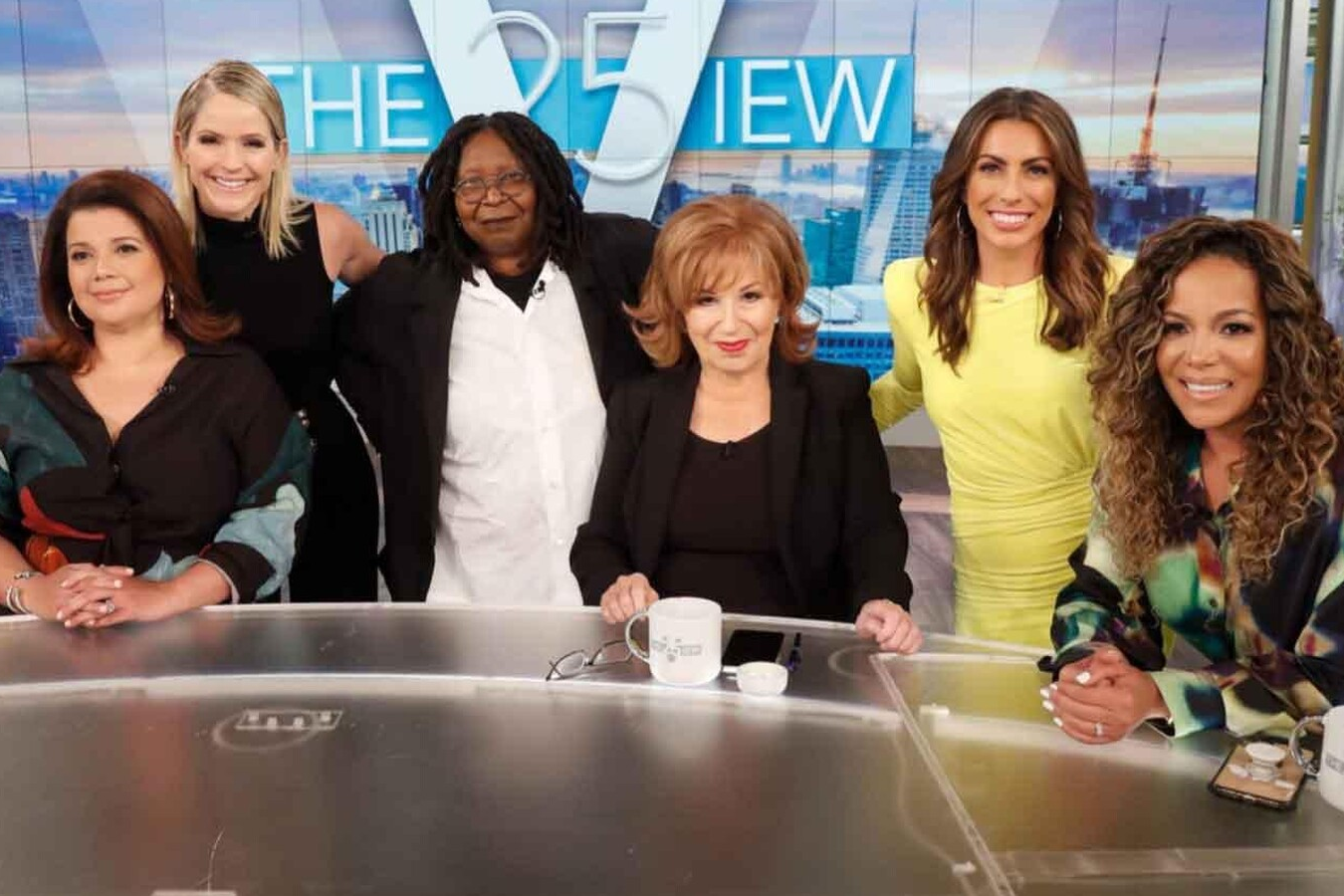
    Network television executives rarely operate on emotion. They operate on risk assessment. In 2026, The View enjoys a stabilized roster. Joy Behar, Whoopi Goldberg, Sunny Hostin, Alyssa Farah Griffin, and Ana Navarro provide predictable, manageable daily friction. The network knows exactly what will happen at 11:00 a.m. Eastern Standard Time. Inviting O’Donnell back to the table introduces an uncontrollable variable. O’Donnell does not play by the established rules of segment timing. She does not defer to moderators. She drives the narrative.

    For ABC, the math is simple. A guest-hosting week with O’Donnell would guarantee a massive ratings spike. The ensuing media cycle would dominate the week. But the collateral damage to the current panel’s chemistry, and the risk of an unscripted detonation, outweighs the temporary boost in viewership.

    The First Collision: 2006 to 2007

    To understand the depth of the current grudge, one must examine September 5, 2006. This was the day O’Donnell officially replaced Meredith Vieira as the moderator of The View. Vieira had departed for NBC’s Today show. Barbara Walters and executive producer Bill Geddie needed a heavyweight to anchor the panel. They chose the former “Queen of Nice,” whose own syndicated talk show had dominated the 1990s.

    The impact was immediate. Viewership surged by nearly a million daily viewers. The show averaged 3.4 million watchers during her single season. But the tone shifted drastically. O’Donnell discarded the light celebrity banter that had defined the show’s early years. She leaned heavily into the Iraq War, the Bush administration, and systemic political failures.

    She clashed with conservative co-host Elisabeth Hasselbeck. At first, the debates were compelling television. They represented the polarized state of the American electorate. But the friction quickly turned personal. O’Donnell felt unsupported by the network. She felt the producers were exploiting the tension for ratings without protecting her from the ensuing right-wing media backlash.

    In December 2006, O’Donnell used the platform to criticize Donald Trump’s handling of the Miss USA pageant. She called him a “snake oil salesman.” Trump retaliated with a vicious, years-long public campaign against her. The feud became a defining pop-culture moment of the decade. ABC executives grew uncomfortable. The show was no longer a morning chat. It was a daily combat zone.

    The Split-Screen Climax

    The breaking point arrived on May 23, 2007. It remains one of the most famous broadcasts in the history of daytime television. The topic was the Iraq War. O’Donnell challenged Hasselbeck on the Bush administration’s foreign policy. The argument escalated rapidly. Voices raised. Hands waved.

    Director Mark Gentile made a live, split-second decision. He ordered a split-screen shot. The audience saw O’Donnell and Hasselbeck side-by-side, shouting over one another. Joy Behar tried to intervene. Sherri Shepherd sat in stunned silence. The visual was jarring, unprecedented, and incredibly raw.

    O’Donnell accused Hasselbeck of failing to defend her against conservative commentators who claimed O’Donnell was calling American troops terrorists. Hasselbeck demanded O’Donnell defend her own words. The segment ended in chaos.

    O’Donnell never returned to the table. She had already announced her intention to leave at the end of the season, but the May 23 broadcast accelerated the timeline. She requested an immediate exit. ABC obliged. The first era ended in fire.

    The Ill-Fated Sequel: Season 18

    Time heals some wounds in Hollywood. Ratings heal the rest. By 2014, The View was struggling. Barbara Walters had retired from on-camera duties. The panel was in flux. ABC needed a jolt of energy to revitalize the brand. They made the unexpected decision to bring O’Donnell back for Season 18.

    She returned on September 15, 2014. The panel featured Whoopi Goldberg, Rosie Perez, and Nicolle Wallace. The dynamic was fundamentally flawed from the start. During her first stint, O’Donnell was the moderator. She controlled the pace. She threw to commercial breaks. In 2014, Whoopi Goldberg was the entrenched moderator. O’Donnell was relegated to a co-host seat.

    Two alpha personalities occupied the same real estate. The tension was palpable. Reports of backstage screaming matches leaked to the press. O’Donnell wanted to cover serious news. Goldberg wanted to maintain the show’s established rhythm. The production was chaotic. Network executives intervened constantly.

    The sequel lasted only five months. On February 6, 2015, O’Donnell announced her departure. She cited a combination of severe health concerns, she had suffered a “widow-maker” heart attack in 2012, and immense personal stress stemming from her impending divorce from Michelle Rounds. She stated that the daily stress of live television was detrimental to her physical well-being.

    Her second exit was less explosive than the first, but it cemented a narrative within ABC. O’Donnell was undeniably talented. She was undeniably magnetic. But she was also fundamentally incompatible with the ensemble format of The View.

    The Architecture of a Daytime Grudge

    When O’Donnell mentions a “grudge” in 2026, she is identifying a corporate memory. Television networks are large, slow-moving entities. But the executives who run daytime programming remember the stress of 2007 and 2015.

    Bringing a former host back as a guest is a common television trope. Star Jones returned. Meredith Vieira returned. Even Elisabeth Hasselbeck returned for occasional guest appearances. These returns are treated as homecomings. They are sanitized, nostalgic events.

    An O’Donnell homecoming cannot be sanitized. Her presence demands authenticity. If she sits at the table, she will address the past. She will address Whoopi Goldberg. She will address the current political climate with a ferocity that ABC News, now highly protective of its brand safety under the Disney umbrella, cannot tightly regulate.

    Furthermore, the internal politics of the show dictate the guest list. Whoopi Goldberg holds immense sway over the production. If Goldberg does not want a reunion with O’Donnell, a reunion will not happen. The network will not risk alienating its current anchor to appease a former one.

    The Legacy of the Empty Chair

    Rosie O’Donnell changed The View. Before her arrival in 2006, the show was a successful but relatively safe morning program. O’Donnell proved that daytime audiences had an appetite for visceral, high-stakes political debate. She paved the way for the show’s current iteration, which regularly makes national news headlines for its political commentary.

    Every time Joy Behar delivers a blistering critique of a politician, the echo of O’Donnell’s 2006 tenure is present. Every time the panel engages in a heated, cross-talk debate about foreign policy, the blueprint of the May 2007 split-screen is visible.

    She built the modern architecture of the show. Yet, she is locked out of the building. The 2026 admission is a rare moment of transparent Hollywood reality. Not every feud ends in a televised hug. Not every departure results in a triumphant return.

    The network protected its stability. The producers protected their moderator. The comedian acknowledged the reality. The door remained closed.

  • The Trojan Horse on Hollywood Boulevard – Rosie O’Donnell and Matt Damon Take Over Jimmy Kimmel Live!

    The Trojan Horse on Hollywood Boulevard – Rosie O’Donnell and Matt Damon Take Over Jimmy Kimmel Live!

    Jimmy Kimmel begins his 2026 summer hiatus from ABC’s Jimmy Kimmel Live! by handing the desk to a roster of guest hosts, including television veteran Rosie O’Donnell. The transition featured a massive wooden Trojan Horse wheeled onto the Hollywood stage. Actor Matt Damon emerged from the structure, continuing a faux feud that has defined the late-night program for two decades. The broadcast marks a shift in the summer television landscape.

    The announcement arrived in late June. The network finalized the roster. The studio audience at the El Capitan Entertainment Centre expected a standard monologue. They received a theatrical stunt.

    Late-night television relies on routine. The summer break disrupts it. ABC uses this disruption to test new talent and honor television veterans. O’Donnell represents the latter. Damon represents pure chaos.

    The Summer Exodus on Hollywood Boulevard

    The tradition began in 2020. Jimmy Kimmel negotiated a summer hiatus into his contract extension with Walt Disney Television. The move mirrored the European approach to broadcasting. It allowed the host to rest. It allowed the network to experiment.

    Every June, the primary host vacates the desk. A rotating cast of comedians, actors, and broadcasters takes the microphone. Previous summers featured Brie Larson, Martin Short, and Chelsea Handler. The 2026 season continues this operational strategy.

    The El Capitan Entertainment Centre sits on Hollywood Boulevard. The marquee changes weekly during the summer. The production crew remains the same. Bandleader Cleto Escobedo III provides the musical continuity. Sidekick Guillermo Rodriguez provides the comedic anchor.

    Guest hosts change the rhythm of the show. They bring their own writers. They bring their own comedic timing. The format remains a monologue, a comedy bit, two interviews, and a musical guest. The execution shifts entirely.

    Network executives rely on this format to prevent summer ratings slumps. Reruns drive audiences away. Original episodes with fresh faces keep the advertising revenue flowing. The Walt Disney Company prioritizes this continuity for its late-night flagship.

    Rosie O’Donnell Returns to the Desk

    Rosie O’Donnell understands the mechanics of a television studio. She dominated daytime television from 1996 to 2002. The Rosie O’Donnell Show redefined the celebrity interview. It earned multiple Daytime Emmy Awards. It established her as a central figure in American media.

    Her return to a major network hosting chair carries historical weight. O’Donnell shifted to panel formats in her later career. She joined The View in 2006. She returned to The View in 2014. The solo hosting format requires a different skill set.

    Late-night television operates in a different tonal register than daytime television. The audience skews older. The humor skews sharper. O’Donnell began her career in stand-up comedy clubs in the 1980s. She possesses the timing required for a midnight broadcast.

    ABC executives view O’Donnell as a stabilizing force for the summer roster. She brings a built-in audience. She possesses deep relationships with Hollywood publicists. Booking A-list guests becomes easier when the host is a known entity.

    Her presence on the 2026 schedule signals a nod to television nostalgia. The industry frequently recycles its most successful formats. O’Donnell sitting behind a desk, interviewing actors, provides a direct link to the late 1990s television boom. The audience remembers her dominant run. The network capitalizes on that memory.

    A Wooden Horse and a Twenty-Year Feud

    The guest host announcement required a spectacle. The production team delivered a massive wooden horse. The prop rolled onto the stage under the guise of a gift. The studio audience recognized the mythological reference. They waited for the reveal.

    Matt Damon breached the wooden doors. The crowd erupted. The actor stepped onto the stage, effectively crashing the broadcast. The stunt added another chapter to the longest-running inside joke in modern television history.

    The Kimmel-Damon feud began on December 14, 2006. Kimmel ended a lackluster broadcast with a throwaway line. He looked at the camera and said, “Apologies to Matt Damon, we ran out of time.” The joke landed. Kimmel repeated it the next night. He repeated it for years.

    The narrative escalated in 2008. Sarah Silverman, Kimmel’s girlfriend at the time, produced a viral music video featuring Damon. Kimmel retaliated with a video featuring Ben Affleck. The feud moved from a closing tagline to high-production comedy sketches.

    Over two decades, Damon has hijacked the show multiple times. He tied Kimmel to a chair and hosted the program himself in 2013. He sneaked onto the set hidden inside Tom Brady’s coat. He attended the Emmy Awards just to eat an apple while Kimmel lost a category.

    The Trojan Horse stunt in June 2026 fits perfectly into this established lore. It requires elaborate planning. It requires significant prop budget. It results in immediate viral distribution across social media platforms.

    The Economics of Late-Night Viral Moments

    Late-night television no longer survives solely on linear broadcast ratings. The 11:35 PM timeslot serves as a content factory for the next morning. The real audience watches on YouTube, TikTok, and Hulu.

    Disney understands this pipeline. A clip of Matt Damon emerging from a Trojan Horse generates millions of views within hours. These views translate to digital advertising revenue. The stunt pays for itself before the sun rises on the East Coast.

    Guest hosts serve the same economic purpose. A new host generates curiosity. Curiosity generates clicks. When Rosie O’Donnell delivers her first monologue of the summer, entertainment blogs will aggregate the quotes. The ecosystem feeds itself.

    The traditional late-night model faces existential threats from streaming and changing viewing habits. Programs must adapt or face cancellation. The summer rotation keeps the Jimmy Kimmel Live! brand active for twelve months a year. It prevents audience attrition during the warmest months.

    Advertisers pay premium rates for live event viewing. Comedy stunts provide that urgency. A viewer must watch the clip immediately to participate in the cultural conversation. ABC monetizes that urgency.

    The Mechanics of the Setup

    Constructing a Trojan Horse for a three-minute television segment requires union labor. Carpenters at the ABC studio built the prop over several days. The dimensions had to fit through the loading dock doors on the alley side of the El Capitan Entertainment Centre.

    Damon had to wait inside the structure. The timing of the reveal required precision. Live-to-tape broadcasting leaves little room for error. The camera operators hit their marks. The lighting director cued the spotlights.

    Guillermo Rodriguez played his part. The security guard turned sidekick acts as the perpetual foil to Damon. Their interactions fuel the secondary layer of the feud. The 2026 iteration maintained this dynamic perfectly.

    The segment concluded with the traditional rapid exit. Damon was escorted off the premises. The joke relies on his perpetual banishment from the studio. The audience accepts the premise completely.

    The Broader Late-Night Landscape in 2026

    The late-night wars have cooled since the Jay Leno and David Letterman era. The current hosts operate with a sense of collegiality. Stephen Colbert dominates the total viewership on CBS. Jimmy Fallon commands the digital landscape on NBC.

    Kimmel occupies a unique space. He operates from Los Angeles. His show leans heavily into Hollywood celebrity culture. The proximity to movie studios allows for constant cameos. The Damon feud exemplifies this geographic advantage.

    The summer months usually feature reruns across the major networks. ABC’s decision to produce original episodes with guest hosts provides a competitive edge. Advertisers prefer original programming. Affiliates prefer fresh content leading into their local midnight newscasts.

    Rosie O’Donnell steps into this machinery. She does not have to build a show from scratch. She simply has to drive a very expensive, well-maintained vehicle for a few nights. The band is already there. The writers have already prepped the topical jokes.

    This plug-and-play format protects the network’s investment. The infrastructure of Jimmy Kimmel Live! remains intact regardless of who sits behind the desk. The brand is bigger than the individual host during the summer months.

    The Legacy of the Faux Feud

    The Kimmel-Damon rivalry will eventually enter the television hall of fame. It represents a masterclass in long-term storytelling. Most television bits burn out within a season. This one has survived multiple presidential administrations.

    It works because Matt Damon is a genuine movie star. He holds an Academy Award. He anchors blockbuster franchises like Jason Bourne and Ocean’s Eleven. His willingness to play the desperate, rejected guest creates massive comedic friction.

    The Trojan Horse is just the latest vehicle for this friction. It is a visual punchline. It requires no explanation for the dedicated viewer. For the uninitiated, the sheer absurdity of an A-list actor hiding in a wooden horse carries the segment.

    As June turns to July, the guest hosts will rotate. Comedians will test new material. Actors will promote summer blockbusters. The machine will keep humming on Hollywood Boulevard.

    Jimmy Kimmel will return in September. He will reclaim his desk. He will likely apologize to Matt Damon for running out of time. The cycle will begin again.

    Scripts are written. Sets are built. Cameras roll. Hollywood.

  • Famke Janssen Says Marvel ‘Made a Mistake’ Excluding Her From Avengers: Doomsday

    Famke Janssen Says Marvel ‘Made a Mistake’ Excluding Her From Avengers: Doomsday

    The Statement Heard Across the Multiverse

    Famke Janssen, the actress who originated the live-action role of Jean Grey in 20th Century Fox’s X-Men franchise, publicly stated in June 2026 that Marvel Studios “made a mistake” by not inviting her to reprise her character in the upcoming crossover film Avengers: Doomsday.

    The declaration arrived during a press tour, cutting through the usual studio-approved talking points. Janssen did not mince words. She pointed directly at the ongoing integration of legacy mutant characters into the Marvel Cinematic Universe. The actress noted her foundational role in establishing the modern superhero genre. She noted the fans who still associate her face with the Phoenix force. And she noted the silence from Marvel Studios president Kevin Feige.

    For a studio that has built its recent financial strategy on the architecture of nostalgia, the omission is glaring. Marvel has spent the better part of five years opening dimensional rifts to retrieve actors from defunct cinematic timelines. Janssen’s exclusion raises questions about how the Walt Disney Company curates its legacy assets. It also exposes the friction between the human beings who build a franchise and the corporate entities that ultimately own it.

    A Legacy Forged in the Year 2000

    To understand the weight of Janssen’s claim, one must look back to July 14, 2000. Bryan Singer’s X-Men arrived in theaters. The superhero genre was not the dominant cultural force it is today. It was a risky financial gamble by 20th Century Fox. The film grossed $296 million worldwide. It proved that comic book adaptations could be grounded, serious, and highly profitable.

    Janssen was central to that success. Her portrayal of Dr. Jean Grey provided the emotional anchor for the film. She balanced the stoicism of Patrick Stewart’s Professor Charles Xavier and the feral unpredictability of Hugh Jackman’s Wolverine. She was not a supporting player. She was a load-bearing pillar of the franchise.

    She returned in 2003 for X2: X-Men United, a film that grossed $407 million globally. The climax of that movie featured Jean Grey sacrificing herself at Alkali Lake. It remains one of the most critically acclaimed sequences in comic book cinema. In 2006, she anchored X-Men: The Last Stand. The film tackled the legendary Dark Phoenix saga. Despite mixed critical reception, it pulled in $460 million. Janssen later provided pivotal cameos in The Wolverine in 2013 and X-Men: Days of Future Past in 2014. For fourteen years, she was the definitive live-action Jean Grey.

    The Architecture of a Multiverse

    The cinematic landscape shifted dramatically on March 20, 2019. The Walt Disney Company completed its $71.3 billion acquisition of 21st Century Fox. The rights to the X-Men, the Fantastic Four, and Deadpool reverted to Marvel Studios. Kevin Feige gained control of the board.

    Marvel did not immediately reboot the mutants. Instead, they weaponized nostalgia. The studio introduced the concept of the multiverse. This narrative device allowed them to cherry-pick popular actors from previous, non-Disney franchises and fold them into the Marvel Cinematic Universe.

    The strategy proved wildly lucrative. In December 2021, Spider-Man: No Way Home brought back Tobey Maguire and Andrew Garfield. The film grossed $1.9 billion. In May 2022, Doctor Strange in the Multiverse of Madness featured Patrick Stewart returning as Professor X. In November 2023, Kelsey Grammer reprised his role as Beast in the post-credits scene of The Marvels. And in July 2024, Deadpool & Wolverine shattered box office records by pairing Ryan Reynolds with a returning Hugh Jackman.

    The precedent was set. If an actor helped build a Marvel property in the early 2000s, a lucrative return cameo was on the table. The multiverse was an open door. But for Famke Janssen, the door remained shut.

    The “Doomsday” Calculations

    This brings the timeline to 2026. Avengers: Doomsday is currently the crown jewel of Marvel’s Phase 6 slate. Directed by Anthony and Joe Russo, the film is designed to be a massive crossover event. It features Robert Downey Jr. returning to the franchise, this time portraying the villainous Victor Von Doom. The stakes are existential. The budget is astronomical. The cast list is a closely guarded secret.

    Rumors have circulated for months that Doomsday will feature a coalition of heroes from across the multiverse. Fans expected the original X-Men cast to assemble one last time before Marvel formally reboots the mutant team with new, younger actors. Janssen’s public statement shatters that expectation. If she was not asked to return, it signals a specific editorial choice by Marvel Studios.

    The Sophie Turner Factor

    Complicating matters is the existence of a second cinematic Jean Grey. In 2016, 20th Century Fox cast Sophie Turner to play a younger version of the character in X-Men: Apocalypse. Turner reprised the role in 2019’s Dark Phoenix. That film was a critical and commercial failure. It grossed just $252 million against a $200 million production budget. It marked a bitter end to the Fox era of mutants.

    Marvel Studios operates with ruthless precision. Kevin Feige is known for distancing his brand from recent cinematic failures. While Janssen’s era of X-Men is viewed through a lens of fond nostalgia, the character of Jean Grey carries the recent baggage of the 2019 flop. Industry analysts suggest Marvel may be resting the character entirely to cleanse the palate before a complete reboot.

    The Economics of Nostalgia

    There is also a financial reality to consider. Avengers: Doomsday is already carrying an unprecedented talent budget. Robert Downey Jr.’s return commands a massive salary. The Russo Brothers demand premium compensation. Bringing back legacy actors is not cheap.

    Actors of Janssen’s caliber, with established ties to billion-dollar intellectual property, require significant negotiation. They require favorable scheduling. They require backend compensation. The Walt Disney Company, under the mandate of CEO Bob Iger, has spent the last two years aggressively cutting costs across its entertainment divisions. Marvel Studios has been instructed to reduce its output and tighten its budgets. Every cameo must be mathematically justified by the box office bump it provides.

    Hugh Jackman moves the needle. Patrick Stewart moves the needle. The studio executives in Burbank clearly ran the numbers and determined that Famke Janssen’s Jean Grey did not offer a sufficient return on investment for Avengers: Doomsday. Janssen’s assertion that this is a “mistake” is a direct challenge to that corporate calculus.

    Accountability in the IP Era

    Janssen’s comments tap into a broader anxiety within the entertainment industry. We are living in the era of supreme intellectual property. The character is king. The actor is merely a temporary vessel.

    In the 1990s, movie stars sold tickets. Tom Cruise, Julia Roberts, and Will Smith were the draw. Today, the brand sells the tickets. Audiences show up for the Marvel logo. They show up for the Batman emblem. The studios know this. They hold the leverage.

    When a studio acquires a legacy franchise, they acquire the history of the actors who built it. But they have no legal or moral obligation to employ those actors again. Famke Janssen spent a decade and a half giving life to Jean Grey. She endured the grueling makeup processes. She participated in the exhausting global press tours. She helped build the foundation upon which Kevin Feige now stands. Yet, when the ultimate reunion was scheduled, her phone did not ring.

    It is a stark reminder of the transactional nature of Hollywood. An actor can define a character for a generation. They can become synonymous with a beloved hero. But they do not own the copyright. When the corporation decides to move on, the actor is left behind.

    The Final Verdict on the Phoenix

    Whether Marvel actually made a mistake will be determined by the box office receipts of Avengers: Doomsday. If the film clears two billion dollars, the absence of Famke Janssen will be a footnote in Hollywood trade publications. If the film underperforms, fans will inevitably point to the missing pieces of the legacy puzzle.

    Janssen has moved forward. Her career spans decades of independent film, television, and other studio projects. She does not need the Marvel Cinematic Universe to validate her resume. But her willingness to speak publicly about the slight is rare in an industry that usually demands quiet compliance from its veterans.

    She planted her flag. She claimed her legacy. She reminded the public who built the house.

    The fans watched. The executives calculated. The multiverse expanded. Without the Phoenix.

  • Alfonso Ribeiro Defends DWTS Cast, The Cost of Social Media Fame in the Ballroom

    Alfonso Ribeiro Defends DWTS Cast, The Cost of Social Media Fame in the Ballroom

    The Digital Transformation of the Ballroom

    Alfonso Ribeiro, co-host of ABC and Disney+’s Dancing With the Stars, publicly addressed the dual impact of social media on the long-running reality competition in a June 2026 interview with Variety. He credited platforms like TikTok and Instagram for fueling the show’s modern resurgence, while simultaneously condemning the vicious online culture that targets contestants. Ribeiro urged incoming celebrity dancers to ignore internet trolls, asking directly, “Why are we so mean to one another?” His comments highlight a growing tension in modern television broadcasting. Networks need digital engagement to survive. Performers absorb the psychological cost of that engagement. The ballroom is no longer just a soundstage in Los Angeles. It is a global digital arena.

    Dancing With the Stars premiered in 2005. The media landscape looked entirely different. Viewers voted by calling toll-free numbers on landlines. Today, the show operates as a multi-platform juggernaut. Executive producer Conrad Green and the production team at BBC Studios Los Angeles have engineered the competition for the smartphone era. Disney+ streams the episodes live. ABC broadcasts them over the air. But the real battleground exists on social media. TikTok drives the narrative. Short-form video clips of complex tangos and salsas generate millions of impressions before the West Coast broadcast even finishes. Ribeiro understands this dynamic perfectly. He won Season 19 in 2014. He took over as co-host alongside Tyra Banks in 2022, and later partnered with Julianne Hough. He has watched the digital transformation from both the dance floor and the skybox.

    The numbers do not lie. Viral moments secure votes. A strong Instagram following often outweighs a high score from judges Carrie Ann Inaba, Bruno Tonioli, or Derek Hough. The 2026 television market demands this level of digital integration. Shows without a social media footprint face cancellation. DWTS thrives because it harnesses the algorithmic power of fan armies. But that power comes with a severe structural flaw.

    The Psychological Toll on the Cast

    Visibility invites vulnerability. The same platforms that generate votes also generate unprecedented vitriol. Ribeiro identified this as the darkest element of the modern production cycle. Celebrities arrive at the rehearsal studios on Beverly Boulevard looking to learn a new skill. They quickly find themselves navigating a minefield of digital cruelty. Anonymous users critique their bodies. Trolls attack their personal lives. Armchair experts dissect their footwork with ruthless precision. The commentary rarely stays focused on the cha-cha. It becomes personal. It becomes aggressive.

    Ribeiro’s question to Variety cuts to the core of the issue. The query is rhetorical, but the damage is measurable. Contestants report high levels of anxiety. The physical exhaustion of learning ten dances in ten weeks compounds the mental strain of reading thousands of negative comments. Some celebrities turn off their Instagram replies. Others delete the X application from their phones entirely. The production team now provides mental health resources alongside physical therapy. The 2026 cultural climate is highly polarized. That polarization bleeds into entertainment. Reality television has always relied on drama. But traditional reality television featured drama between cast members. Modern reality television features drama between the cast and the global public.

    The Financial Mechanics of Outrage

    The financial mechanics of the internet actively encourage this hostility. Platforms owned by Meta and ByteDance rely on engagement algorithms. Anger generates more engagement than joy. A negative comment thread keeps users on the application longer than a positive one. Ribeiro is not just fighting individual trolls. He is fighting a multi-billion dollar algorithmic structure. Disney and ABC benefit from the total volume of engagement. Advertisers purchase commercial inventory based on reach. When a controversial dance routine trends on X, the network wins. But the celebrity at the center of the trend pays the price.

    Ribeiro stands at the intersection of corporate strategy and human empathy. He recognizes the necessity of the digital machine. He refuses to accept the cruelty it produces. His public stance attempts to separate the necessary marketing of the show from the unnecessary abuse of its participants. He understands that the show cannot exist without the internet, but he refuses to let the internet destroy the people on the show.

    A Modern Survival Guide for Celebrities

    Ribeiro offers a specific survival strategy for the incoming cast. Ignore the noise. He advises contestants to build a wall between the rehearsal room and the internet. The physical space matters. The digital space is an illusion. He emphasizes the relationship between the celebrity and their professional dance partner. That partnership requires total trust. Reading hostile comments fractures that trust. It introduces a toxic third party into the rehearsal studio.

    His background gives his advice significant weight. He spent decades in the public eye. He navigated child stardom on Silver Spoons. He achieved global fame as Carlton Banks on The Fresh Prince of Bel-Air. He understands the mechanics of celebrity. But he notes that the 1990s media environment lacked the immediate, unfiltered access of the 2026 internet. Critics used to publish reviews in daily newspapers. Now, millions of critics publish reviews in real-time. The volume is deafening. Ribeiro tells his cast to focus on the live audience inside the studio. Their applause is real. Their energy is tangible. The avatars on a screen are not.

    The Evolution of the Skybox

    Ribeiro’s physical location on the set reinforces his role as a protector. He operates primarily from the skybox or the floor-level interview area. He greets the dancers immediately after they finish their routines. He intercepts them before they face the judges. He intercepts them before they look at their phones. In this space, he acts as a buffer. He asks about their families. He asks about their physical pain. He grounds them in reality before the digital world has a chance to weigh in.

    This role has evolved significantly since the early seasons. Original co-host Samantha Harris, and later Brooke Burke and Erin Andrews, primarily functioned as interviewers. Ribeiro functions as a counselor. The 2026 television environment requires this shift. The hosts can no longer just read teleprompters. They must actively manage the emotional state of the cast on live television.

    The Evolution of Celebrity Accountability

    The audience craves authenticity. They also demand accountability. But the line between accountability and harassment has vanished. Ribeiro’s plea for civility taps into a broader cultural exhaustion. People are tired of the constant digital outrage. A celebrity calling out this behavior validates the quiet majority of viewers. Most fans watch Dancing With the Stars for joy. They watch for the costumes, the music, and the triumph of a well-executed routine. The vocal minority hijacks the conversation.

    By addressing the trolls directly, Ribeiro reclaims the narrative. He defends the traditional values of the ballroom. Ballroom dancing relies on respect. It requires etiquette. The judge offers a critique. The dancer accepts it with grace. The internet operates on the opposite principle. It rewards hostility. It monetizes outrage. Ribeiro represents the classic entertainment values of ABC. He also manages the chaotic energy of a modern fanbase. His stance is clear. The show needs the fans. The show does not need the cruelty.

    Protecting the Disney Brand in 2026

    Disney owns the property. Disney protects its family-friendly image fiercely. The toxic ecosystem surrounding the show threatens that image. Ribeiro’s interview serves as a strategic intervention. It signals to the public that the network recognizes the problem. It also assures future celebrity casting targets that the hosts have their backs. Casting is the lifeblood of DWTS. Deena Katz, the show’s longtime casting director, faces a unique challenge in 2026. If A-list or B-list stars refuse to participate because they fear digital harassment, the franchise dies. The talent pool must feel safe.

    Publicists demand assurances before signing their clients to the grueling schedule. They want to know how the network will handle coordinated harassment campaigns. They want to know what mental health resources are available. Ribeiro operates as the paternal figure of the production. His public statements are a form of PR management. He is telling Hollywood publicists that the show is aware of the danger and actively fighting it. His off-camera role mirrors his on-camera persona. He is the shield. The current season requires this level of proactive defense.

    The Publicist’s Dilemma

    In 2006, a publicist booked their client on DWTS to revive a stalled career or promote a new project. The calculation was simple. Learn to dance, lose some weight, smile for the cameras, and reap the benefits of prime-time exposure. In 2026, the calculation is complex and dangerous. A single misstatement during a rehearsal package can trigger a cancellation campaign. A poor performance can result in thousands of mocking memes. Publicists now employ crisis management teams simply to monitor the DWTS hashtag on broadcast nights.

    Ribeiro understands this calculus. When he speaks to Variety, he is not just speaking to the fans. He is speaking to the infrastructure of Hollywood. He is promising that the production team will not abandon the talent to the wolves. He is asserting that the ballroom remains a safe space for performers, even if the internet outside of it is not.

    The Judging Panel’s Complicity and Defense

    The judges also play a role in this ecosystem. Carrie Ann Inaba, Bruno Tonioli, and Derek Hough sit at the desk and deliver the official verdicts. Their critiques often become the raw material that trolls use to attack the contestants. If Inaba points out a missed step, Twitter amplifies that missed step into a character flaw. If Tonioli criticizes a lack of energy, TikTok users turn the critique into a viral soundbite.

    The judges have had to adapt their delivery for the modern era. They must balance honest technical feedback with the knowledge that their words will be weaponized. Derek Hough, who transitioned from professional dancer to judge, understands this dynamic intimately. He frequently uses his own social media platforms to defend contestants from unfair attacks. But the judges are fundamentally critics. Ribeiro is the host. His job is not to critique. His job is to support. This division of labor allows Ribeiro to take a hardline stance against the trolls without compromising the competitive integrity of the show.

    The Contrast of Traditional Ballroom Etiquette

    The ballroom itself stands in stark contrast to the digital world outside its doors. The physical production requires immense discipline. Dancers train for forty hours a week. They endure torn muscles, bruised ribs, and chronic exhaustion. They learn a centuries-old art form under the intense glare of studio lights. The discipline of the ballroom demands respect for the craft.

    Ribeiro champions this discipline. He understands the rigorous physical reality of the show. When an anonymous user mocks a performance from their couch, they disrespect the sheer physical labor involved. Ribeiro’s defense of the cast is a defense of the work. He validates the sweat, the tears, and the vulnerability required to perform on live television. He demands that the audience match the courage of the performers with basic human decency. The contrast is sharp. The physical world requires effort. The digital world requires nothing.

    The Audience’s Responsibility

    The evolution of the Dancing With the Stars audience mirrors the evolution of the internet. In its early years, the show functioned as a collective viewing experience. Families gathered in living rooms. The conversation ended when the television turned off. Today, the conversation never ends. Fandoms operate as organized digital militias. They coordinate voting blocks. They launch targeted harassment campaigns against rival dancers. The stakes feel artificially inflated. A misstep in a quickstep becomes a moral failing.

    Ribeiro watches this escalation with a veteran’s perspective. He knows that television is an illusion. The glittering mirrorball trophy is a prop. The human beings competing for it are real. His warning to the trolls is a reminder of this basic fact. He strips away the digital abstraction. He forces the audience to look at the people behind the screen. He places the responsibility for the culture of the show squarely on the shoulders of the people watching it.

    The cameras roll. The live feed hits the satellites. The digital platforms light up with instant reactions. The machine demands content. The algorithms demand engagement. The performers deliver the steps. The trolls sharpen their keyboards. The cycle begins again. Ribeiro watches from the floor. He holds the microphone. He asks for grace. He asks for humanity. He asks for peace. The music starts. The dancers move. The world watches. The internet waits. The ballroom remains.