Tag: Defense

  • Diddy Seeks Legal Costs from Grace O’Marcaigh After Dismissed Lawsuit

    Diddy Seeks Legal Costs from Grace O’Marcaigh After Dismissed Lawsuit

    Sean ‘Diddy’ Combs is seeking reimbursement for legal costs from Grace O’Marcaigh, following the dismissal of her lawsuit against him in July 2026. Combs’ legal representatives have characterized O’Marcaigh’s original claims as ‘frivolous’, prompting the demand for her to cover the expenses incurred during the legal process.

    This action marks the latest development in a series of high-profile legal challenges involving the music executive. The pursuit of legal fees underscores a strategy to push back against allegations deemed unfounded.

    The Dismissal of O’Marcaigh’s Lawsuit

    Grace O’Marcaigh filed a lawsuit against Sean Combs, alleging various claims that were not detailed in the public report. The specifics of the allegations remain undisclosed, focusing instead on the procedural outcome.

    The lawsuit underwent a legal review process. Ultimately, a court determined that the claims lacked sufficient basis to proceed.

    The judicial decision led to the lawsuit’s dismissal in July 2026. This dismissal paved the way for Combs’ legal team to pursue financial restitution.

    Combs’ Legal Counter-Move

    Following the dismissal, Combs’ legal team initiated proceedings to recover their expenses. They are arguing that O’Marcaigh should bear the financial burden of the legal defense.

    The legal term ‘frivolous lawsuit’ implies a claim brought without serious intent or with insufficient legal grounds. Characterizing a lawsuit as frivolous is a significant legal assertion.

    Such a designation can lead to penalties for the plaintiff, including the payment of the defendant’s legal fees. This serves as a deterrent against unsubstantiated legal actions.

    Broader Legal Landscape for Sean Combs

    Sean Combs has faced a period of intense legal scrutiny. Multiple lawsuits have been filed against him in recent months.

    These legal challenges have brought various allegations to light. Combs has consistently denied wrongdoing in these cases.

    His legal strategy appears to involve a robust defense and, where possible, counter-actions. The move against O’Marcaigh aligns with this aggressive defensive posture.

    The public perception of these legal battles remains a significant factor. Each development contributes to an ongoing narrative surrounding the celebrity.

    Previous Settlements and Ongoing Cases

    Earlier in 2026, Combs reached settlements in some cases. These settlements allowed certain legal disputes to be resolved out of court.

    However, other cases remain active. These ongoing legal proceedings continue to draw public and media attention.

    The O’Marcaigh case dismissal and subsequent demand for costs represent a victory for Combs’ legal team. It provides a precedent for future responses to similar claims.

    The Implications of Seeking Legal Costs

    Seeking legal costs can have several implications. It sends a message to potential litigants about the financial risks of filing lawsuits.

    It also aims to recoup significant expenditures. High-profile legal defenses can be extremely costly.

    The exact amount Combs is seeking from O’Marcaigh has not been publicly detailed. Legal fees can encompass attorney hours, court filing fees, discovery costs, and expert witness fees.

    The court will ultimately decide whether O’Marcaigh is liable for these costs. The decision will depend on specific legal standards regarding frivolous litigation.

    Legal Standards for ‘Frivolous’ Claims

    Defining a lawsuit as ‘frivolous’ involves specific legal criteria. Generally, a frivolous claim is one that lacks any arguable basis in law or fact.

    Courts often consider whether a reasonable attorney would have believed the claim had merit. This standard helps prevent abuse of the legal system.

    The burden of proof lies with the party asserting the claim of frivolousness. Combs’ legal team must demonstrate that O’Marcaigh’s lawsuit met this high standard.

    If the court agrees, O’Marcaigh could be ordered to pay a substantial sum. This outcome would further solidify Combs’ position in the ongoing legal discourse.

    Public and Media Reaction

    The news of Combs seeking legal costs has generated discussion. It highlights the often-overlooked financial aspects of legal disputes.

    Media outlets continue to follow these developments closely. The public remains engaged, particularly given Combs’ prominent status.

    The outcome of this specific request for costs will be watched. It could influence how future cases involving similar allegations are pursued or defended.

    The legal system provides avenues for both plaintiffs and defendants to seek remedies. This case exemplifies a defendant exercising that right after a favorable ruling.

    The Role of Celebrity in Legal Proceedings

    Celebrity status often amplifies legal proceedings. Cases involving public figures receive heightened attention.

    This scrutiny can impact public opinion. It can also influence the perceived stakes of legal outcomes.

    For Sean Combs, each legal battle is fought under a spotlight. The resolution of the O’Marcaigh lawsuit, and the subsequent demand for costs, contributes to his public narrative.

    The legal system, however, operates on principles of law, regardless of fame. The courts will assess the merits of the cost recovery request based on established legal precedents.

    Looking Ahead

    The legal process for determining cost reimbursement is now underway. Both parties will likely present arguments regarding the nature of O’Marcaigh’s original lawsuit.

    The court’s decision will be a significant one. It will set a financial precedent for Grace O’Marcaigh.

    It will also serve as a legal benchmark for Sean Combs’ ongoing defense strategies. The battle for legal accountability continues.

    Allegations persist. Defenses are mounted. Costs are sought.

    Justice.

  • Global Shifts: US Bombs Iran, Burnham Becomes UK Prime Minister

    Global Shifts: US Bombs Iran, Burnham Becomes UK Prime Minister

    On July 20, 2026, the United States concluded its ninth consecutive day of bombing operations within Iran, a sustained military action that coincides with a significant leadership change in the United Kingdom, where Andy Burnham officially became the new Prime Minister.

    These concurrent developments highlight a period of considerable geopolitical flux and underscore the interconnectedness of international events. The ongoing military engagement in the Middle East and the transition of power in a major European ally each carry profound implications for global stability, economic markets, and diplomatic relations.

    The Ninth Day of US Operations in Iran

    The sustained aerial campaign by the United States against targets in Iran represents an escalation of long-standing tensions between the two nations. Reports from July 20, 2026, confirmed the ninth day of continuous operations, indicating a deliberate and prolonged military strategy.

    Details regarding specific targets, operational scope, and casualty figures remain subject to official reports and independent verification. However, the consistent nature of the bombings suggests a strategic objective beyond isolated strikes.

    Regional Impact and International Response

    The Middle East region, already characterized by complex alliances and rivalries, faces intensified instability due to the ongoing US actions. Neighboring countries and international organizations have expressed varying degrees of concern and condemnation.

    Diplomatic efforts to de-escalate the situation are reportedly underway, though the efficacy of these efforts in the face of continued military engagement remains uncertain. The economic ramifications, particularly concerning global oil markets, are also a significant point of discussion among analysts.

    President Trump’s administration has maintained a firm stance on its justification for the strikes. Official statements cite national security interests and responses to perceived threats as the primary drivers behind the military campaign.

    Andy Burnham Assumes UK Premiership

    Concurrently with the Middle East developments, the United Kingdom experienced a major political transition. Andy Burnham officially became the Prime Minister of the United Kingdom on July 20, 2026, following a period of political maneuvering and public anticipation.

    Burnham’s rise to power marks a new chapter for British politics. His agenda is expected to focus on a range of domestic issues, including economic policy, social welfare, and public services. International observers are also keen to understand his approach to foreign policy and the UK’s role on the global stage.

    A New Era for British Politics

    The transition of leadership comes at a critical juncture for the United Kingdom. The nation continues to navigate post-Brexit challenges, economic pressures, and evolving international alliances.

    Burnham’s cabinet appointments and initial policy announcements will provide further insight into the direction his government intends to take. Analysts are scrutinizing these early moves for indications of continuity or significant departures from previous administrations.

    The relationship between the United Kingdom and its key allies, including the United States and European partners, will be a central focus. The new Prime Minister’s stance on global conflicts and international cooperation will shape the UK’s diplomatic footprint.

    Interconnected Global Dynamics

    The simultaneous occurrence of these two events, sustained US military action in Iran and a change in UK leadership, highlights the intricate web of global politics. Decisions made in one part of the world often have ripple effects across continents.

    The US military operations in Iran will undoubtedly factor into the foreign policy considerations of the new UK government. Prime Minister Burnham will face immediate decisions regarding the UK’s diplomatic and strategic response to the escalating conflict.

    Economic and Geopolitical Repercussions

    Global financial markets are sensitive to geopolitical instability. The ongoing conflict in Iran, coupled with a leadership change in a G7 nation, introduces elements of uncertainty that can influence investment decisions and commodity prices.

    Energy markets, in particular, are closely watching developments in the Middle East. Any disruption to oil supplies or shipping routes could have significant global economic consequences.

    Furthermore, the shifting alliances and power dynamics resulting from these events will redefine international relations. The role of multilateral institutions and the effectiveness of diplomatic channels will be tested.

    Cultural Defense in a Changing World

    The concept of cultural defense takes on new relevance in an era marked by geopolitical tension and rapid information dissemination. The narratives surrounding conflicts and leadership changes significantly impact public perception and national identity.

    Governments and organizations engage in various forms of cultural defense to protect their values, promote their interests, and counter disinformation. This includes strategic communication, public diplomacy, and efforts to preserve cultural heritage.

    The Role of Media and Public Opinion

    Media coverage plays a crucial role in shaping public understanding of complex international events. The reporting on US actions in Iran and the transition of power in the UK influences public opinion both domestically and internationally.

    Social media platforms amplify these narratives, often leading to rapid dissemination of information, both accurate and inaccurate. The ability to discern credible sources becomes increasingly important for citizens navigating a complex information landscape.

    Public reactions to these events can range from expressions of support for military actions to calls for peace and diplomatic solutions. The discourse surrounding these topics reflects deep-seated cultural and political values.

    Looking Ahead: Challenges and Opportunities

    The coming months will be critical in observing the long-term impacts of these recent developments. The trajectory of the US-Iran conflict and the policy direction of Prime Minister Burnham’s government will shape the international agenda.

    Challenges include managing regional instability, fostering diplomatic solutions, and addressing humanitarian concerns arising from conflict. Opportunities may arise for new alliances, redefined international cooperation, and innovative approaches to global governance.

    The world watches. Governments respond. Markets react. Citizens observe.

    The future unfolds.


  • President Trump and the ‘Elites After Him’ Narrative – Unpacking the TMZ Claim

    President Trump and the ‘Elites After Him’ Narrative – Unpacking the TMZ Claim

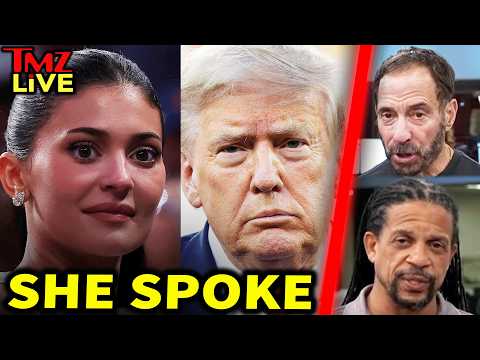
    On July 20, 2026, the entertainment news program TMZ Live aired a segment titled “Trump In MAJOR Trouble – Elites AFTER HIM?!” This broadcast highlighted a recurring theme in political discourse: the perception of powerful, often unnamed, ‘elites’ actively working against President Donald Trump. The segment, like many before it, tapped into a narrative framework that resonates deeply with a segment of the American electorate, suggesting an ongoing struggle between the President and established institutions.

    The discussion on TMZ Live, hosted by Harvey Levin and Charles Latibeaudiere, focused on various unconfirmed reports and speculative comments circulating across social media and certain news outlets regarding President Trump’s political and legal challenges in mid-2026. While the show primarily operates within the celebrity news sphere, its foray into such politically charged topics underscores the pervasive nature of this ‘elites vs. Trump’ narrative.

    The Enduring ‘Elites After Him’ Narrative

    The concept of ‘elites’ targeting President Trump is not new. It has been a foundational element of his political campaigns and presidency since 2015. This narrative posits that a coalition of entrenched figures, including politicians, media personalities, globalists, and financial magnates, actively seeks to undermine his political agenda and personal standing.

    This framing often serves multiple purposes. It can rally supporters by presenting President Trump as an underdog fighting against powerful adversaries. It can also explain setbacks or criticisms as evidence of a coordinated attack rather than policy failures or political missteps. The July 20, 2026, TMZ Live segment offered a fresh instance of this narrative being reinforced in a mainstream, albeit entertainment-focused, context.

    Defining ‘Elites’ in the Trumpian Context

    The term ‘elites’ in this narrative is broadly defined. It typically encompasses:

    • The Political Establishment: Long-standing figures within both major political parties who are perceived as being out of touch with ordinary Americans.
    • Mainstream Media: Major news organizations, often accused of biased reporting and acting as an extension of the political establishment.
    • Globalist Institutions: International organizations and agreements seen as eroding national sovereignty and benefiting a select few.
    • Deep State: A shadowy network of unelected government officials and intelligence operatives believed to be working against the President’s agenda.
    • Financial & Corporate Interests: Wealthy individuals and large corporations perceived as manipulating the system for their own gain.

    These groups are often presented as operating in concert, united by a common desire to maintain their power and influence, which President Trump is seen as disrupting.

    TMZ Live’s Role in Political Discourse

    TMZ Live, traditionally known for breaking celebrity news and analyzing pop culture, has increasingly waded into political commentary. This shift reflects a broader trend in media where the lines between entertainment and hard news have blurred. The show’s segment on President Trump on July 20, 2026, illustrates this crossover, bringing political discussion to an audience that might not regularly consume traditional news channels.

    Harvey Levin, the show’s executive producer and host, has often expressed opinions on political matters. His platform on TMZ provides a unique lens through which to view public figures, including political leaders. The segment’s choice to phrase the headline with sensational language like “MAJOR Trouble” and a question mark after “Elites AFTER HIM?!” is characteristic of TMZ’s style, designed to capture attention and provoke discussion.

    The Impact of Entertainment News on Political Narratives

    When platforms like TMZ engage with political topics, they contribute to the mainstreaming of certain narratives. For President Trump’s supporters, a segment on TMZ Live discussing ‘elites after him’ might validate their existing beliefs. For others, it might simply be seen as further sensationalism. Regardless of interpretation, its presence on such a platform expands the reach of the narrative beyond traditional political echo chambers.

    The July 20, 2026, broadcast became another data point in the ongoing public conversation surrounding President Trump’s challenges and his portrayal as a figure constantly battling powerful forces.

    President Trump’s Second Term: A Landscape of Challenges

    President Donald Trump, inaugurated for his second non-consecutive term on January 20, 2025, has faced a complex array of challenges. These include ongoing legislative battles, economic policy debates, and persistent legal scrutiny. The ‘elites after him’ narrative often contextualizes these challenges, framing them not as ordinary political hurdles but as deliberate acts of opposition from entrenched powers.

    Legislative and Policy Landscape

    In mid-2026, President Trump’s administration continued to pursue key policy objectives. These included efforts related to border security, trade agreements, and domestic energy production. Each policy initiative often encountered significant opposition, both from within Congress and from external advocacy groups. The narrative suggests that this opposition is not merely ideological but part of a broader effort by ‘elites’ to obstruct the President’s agenda.

    For instance, discussions surrounding proposed changes to federal regulations or new international trade frameworks frequently become battlegrounds where the ‘elites after him’ theme is invoked. Proponents of the President’s policies argue that resistance comes from those who benefit from the status quo, while opponents contend their actions are based on legitimate policy disagreements.

    Economic Conditions and Public Perception

    The U.S. economy in mid-2026 presented a mixed picture, with varying reports on inflation, employment, and consumer confidence. Economic narratives often play into the ‘elites’ discussion. Critics of President Trump’s economic policies might attribute any downturns to his administration’s decisions. Supporters, however, might argue that any economic difficulties are exacerbated by ‘elite’ financial institutions or globalist policies that undermine American prosperity.

    The perception of who benefits from economic policies is also central. The ‘elites after him’ narrative often implies that these ‘elites’ are precisely those who profit from systems that President Trump aims to dismantle or reform.

    Legal Scrutiny and Public Opinion

    President Trump has consistently been the subject of various legal inquiries and civil actions. These legal challenges, whether ongoing or resolved, often fuel the ‘elites after him’ narrative. Supporters frequently view these legal proceedings as politically motivated persecutions orchestrated by those who wish to remove him from power or discredit him.

    Ongoing Legal Battles in Mid-2026

    As of July 20, 2026, several legal matters involving President Trump remained subjects of public discussion. These could range from challenges related to his business dealings to investigations stemming from his previous time in office. Each legal development, regardless of its merits, is often interpreted through the lens of a coordinated effort by ‘elites’ to target him.

    The judicial system itself can become part of the ‘elite’ apparatus in this narrative, especially when court rulings go against the President’s interests. This perspective suggests that even the legal framework is weaponized by those opposed to his leadership.

    The Role of Media in Shaping Perceptions

    Media coverage of President Trump’s legal issues is a critical component of how the ‘elites after him’ narrative is perpetuated or challenged. Outlets that align with the narrative often emphasize the political motivations behind legal actions, while others focus on the legal facts and due process.

    TMZ Live’s segment on July 20, 2026, by posing the question “Elites AFTER HIM?!”, implicitly acknowledged and amplified this interpretive framework, regardless of the show’s intent. It brought the discussion of potential targeting by powerful forces into a widely consumed entertainment format.

    Historical Context of ‘Elites’ vs. Populism

    The ‘elites after him’ narrative is not unique to President Trump. Throughout history, populist movements have often framed their struggles as battles against entrenched elites. From Andrew Jackson’s fight against the Second Bank of the United States to Bernie Sanders’s critiques of the “billionaire class,” the theme of the common person (or their champion) against powerful, privileged interests is a recurring one in American politics.

    Populist Movements and Anti-Establishment Rhetoric

    President Trump’s political rise was, in many ways, a populist phenomenon. His rhetoric consistently positioned him as an outsider fighting on behalf of the forgotten man and woman against a corrupt system. This anti-establishment stance is a natural breeding ground for the ‘elites after him’ narrative.

    The narrative provides a clear antagonist, allowing supporters to identify with President Trump as a fellow victim or a brave warrior against these forces. It simplifies complex political issues into a moral struggle between good (the people and their champion) and evil (the conspiring elites).

    The Information Ecosystem in 2026

    In 2026, the information ecosystem is highly fragmented. Social media platforms, niche news sites, and traditional media all contribute to a complex landscape where narratives can spread rapidly and be reinforced within specific communities. The TMZ Live segment, while coming from a celebrity news outlet, becomes part of this broader ecosystem, feeding into existing discussions and contributing to the ongoing cultural conversation.

    The speed at which headlines and snippets of information travel means that interpretations and narratives can solidify quickly, often before comprehensive factual analysis is widely available. The July 20, 2026, TMZ broadcast serves as an example of how a compelling, if speculative, headline can quickly become part of the public’s understanding of current events.

    President Trump’s ongoing presidency in 2026 continues to be defined by this dynamic. His supporters remain vigilant, interpreting events through the lens of a constant battle against powerful, often unseen, adversaries. Critics continue to scrutinize his actions and rhetoric, often dismissing the ‘elites after him’ narrative as a deflection from accountability.

    The TMZ Live segment, therefore, was not an isolated event. It was a reflection of a deeply ingrained political and cultural phenomenon. A phenomenon that shapes public discourse. A phenomenon that influences voter behavior. A phenomenon that defines the political landscape.

    President Trump.


  • US Expands Attacks on Iran After American Service Member’s Death

    US Expands Attacks on Iran After American Service Member’s Death

    The United States initiated expanded military operations against targets within Iran on 2026-07-20, directly following the confirmed death of an American service member reported on 2026-07-19. These retaliatory strikes focused on facilities associated with the Islamic Revolutionary Guard Corps (IRGC), marking a significant escalation in the ongoing tensions between Washington D.C. and Tehran.

    President Trump authorized the measures, asserting that the US would respond decisively to any actions endangering American personnel. The Department of Defense is currently compiling specific details regarding the full scope and impact of these new operations.

    The Incident Triggering Escalation

    An American service member was killed on 2026-07-19. The Pentagon confirmed the casualty but withheld the service member’s identity pending family notification. Initial reports indicated the incident occurred during an operational mission in the region.

    The exact circumstances leading to the American service member’s death remain under investigation. Defense officials have not yet specified the type of attack or the group responsible. However, the immediate US response suggested a direct link to Iranian-backed entities.

    This loss of life prompted swift action from the US administration. President Trump reiterated the policy of responding forcefully to any attacks on American forces or interests.

    Expanded US Military Response

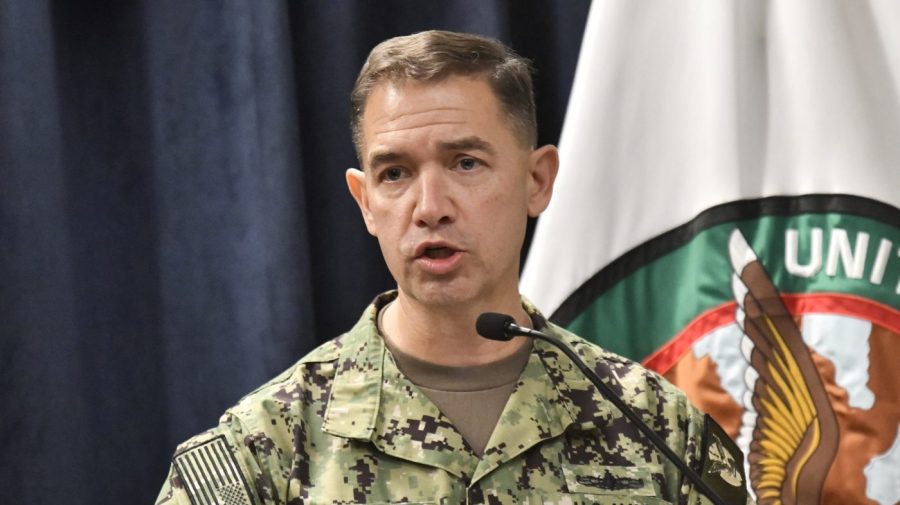
    On 2026-07-20, the US Central Command (CENTCOM) announced the execution of precision strikes. These strikes were described as defensive in nature, aimed at degrading the capabilities of groups threatening US personnel.

    Defense Secretary Pete Hegseth issued a statement confirming the operations. He emphasized that the US seeks to deter further aggression while protecting American forces stationed in the Middle East. The strikes were carefully planned to minimize civilian casualties.

    Targeted Facilities and Operations

    The expanded attacks specifically targeted infrastructure and command-and-control nodes belonging to the Islamic Revolutionary Guard Corps (IRGC). Unconfirmed reports suggested targets included facilities in western Iran and along the Iraq-Iran border.

    These locations are historically used by the IRGC for logistics and training. The precision nature of the strikes aimed to disrupt these operational capabilities without broader engagement.

    The decision to target IRGC assets directly indicated a strategic shift in response. Previous engagements often focused on proxy groups. This direct targeting underscored the US administration’s determination to hold Iran accountable for actions attributed to its proxies.

    Military analysts observed that striking IRGC facilities serves multiple purposes. It aims to degrade immediate operational capacity. It also sends a strong deterrent message to Tehran regarding the consequences of attacks on American personnel.

    The strikes were executed with advanced weaponry, ensuring accuracy and minimizing collateral damage. US officials stressed the defensive posture of these actions, framing them as necessary to protect American interests and service members in the region.

    Geopolitical Implications and Regional Reactions

    The escalation immediately drew international attention. Allies of the United States expressed concern over the potential for broader regional conflict. Several nations called for de-escalation from all parties involved.

    The European Union issued a statement urging restraint. Countries in the Middle East, including Saudi Arabia and the United Arab Emirates, monitored the situation closely. Their reactions varied, reflecting their complex relationships with both the US and Iran.

    Iran’s Official Stance

    Iran’s Ministry of Foreign Affairs condemned the US actions as a violation of its sovereignty. Official statements from Tehran vowed a proportionate response. The IRGC media outlets reported on the strikes, describing them as acts of aggression.

    Iranian officials characterized the US strikes as an act of international terrorism. They asserted Iran’s right to self-defense. Public sentiment in Iran, as reported by state media, was one of defiance and condemnation.

    The Iranian government convened an emergency session of its National Security Council. Discussions focused on potential retaliatory measures and strategies to counter what it termed American aggression. The Supreme Leader’s office also issued a statement, reinforcing the nation’s resolve.

    International Response and Concerns

    The United Nations Secretary-General called for an immediate cessation of hostilities. He emphasized the fragile stability of the Middle East. Diplomatic efforts were initiated to prevent a full-scale regional conflict.

    Russia and China, both permanent members of the UN Security Council, expressed strong disapproval of the US actions. They called for a peaceful resolution through dialogue. Their statements highlighted the risks of unilateral military action.

    Analysts are assessing how this military escalation will impact global oil markets and international shipping lanes. The Strait of Hormuz, a critical chokepoint for global oil supplies, remains a focal point of concern. Any disruption there could have significant economic repercussions worldwide.

    The stability of the broader Middle East hangs in the balance. Regional powers are adjusting their security postures. The increased military activity raises the specter of miscalculation and unintended consequences.

    Ongoing Monitoring and Future Actions

    The Department of Defense continues to monitor the situation closely. Further statements are anticipated from President Trump and key administration officials. The safety and security of US service members remain the top priority.

    US military assets in the region have been placed on heightened alert. Defensive measures are being reinforced across all American bases. Intelligence agencies are working to assess Iranian intentions and capabilities.

    President Trump’s administration has consistently maintained a firm stance against perceived Iranian aggression. This latest military action aligns with that stated policy. The administration’s focus remains on protecting American lives and interests.

    The international community watches. Regional powers respond. Global markets react. The world awaits.


  • Jon Miller on Media Merger Mayhem: ‘Globalization Is Winning’

    Jon Miller on Media Merger Mayhem: ‘Globalization Is Winning’

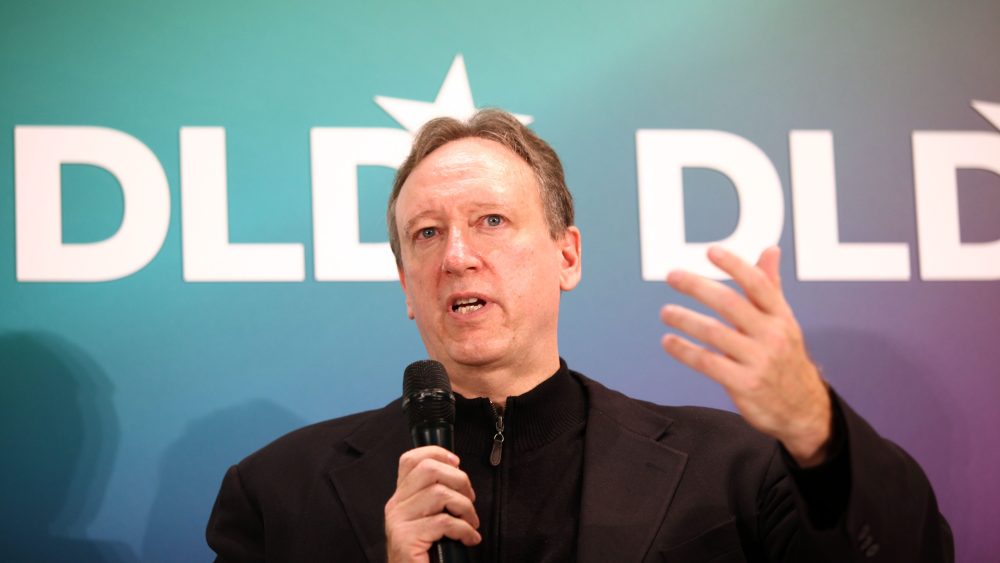
    Industry executive Jon Miller has stated that globalization is a primary driver behind the current wave of media mergers and acquisitions. This observation underscores a fundamental shift in how global entertainment entities like Disney, Fox, Paramount, Skydance, and Warner Bros. operate and strategically align. The pursuit of larger scale and broader international reach often dictates these complex transactions.

    The media landscape is in constant flux. Companies are continually evaluating their positions within a globally interconnected market. This dynamic environment influences content creation, distribution strategies, and financial structures across the industry.

    The Global Imperative for Media Companies

    Globalization is not a new concept, but its impact on the media sector has intensified. Companies now strategize for audiences spanning continents, not just national borders. This necessitates a different approach to content production and market penetration.

    The drive to reach global audiences often means investing in content that transcends cultural specificities. It also involves acquiring companies with established international distribution networks or intellectual property that resonates worldwide. This push for global dominance influences every aspect of media operations.

    Jon Miller’s commentary highlights this overarching trend. He suggests that the competitive pressures of a globalized market compel media giants to seek consolidation. This is a survival mechanism as much as it is a growth strategy in the 2020s.

    Scale and Synergy in a Connected World

    Mergers are frequently justified by the promise of increased scale and operational synergies. For media companies, this can mean pooling resources for expensive productions, combining marketing efforts, or cross-promoting intellectual property across various platforms. A larger entity can theoretically negotiate better deals with advertisers, distributors, and talent.

    Consider the recent history of media mergers. Disney’s acquisition of 21st Century Fox assets in 2019 exemplified a move to consolidate intellectual property and expand streaming capabilities. This transaction brought iconic franchises like X-Men and The Simpsons under the Disney umbrella, significantly bolstering its content library for Disney+ and Hulu.

    Similarly, the Skydance Media’s acquisition of Paramount Global assets in 2025 reflects a desire to create a more robust and competitive media entity. Such moves are often framed as necessary to compete with tech giants and other large-scale content providers that have entered the entertainment space.

    Navigating a Complex Regulatory Environment

    Media mergers face intense scrutiny from regulatory bodies worldwide. Concerns often revolve around market concentration, potential monopolies, and the impact on consumer choice. Antitrust laws are designed to prevent single entities from dominating industries and stifling competition.

    In the United States, the Department of Justice and the Federal Trade Commission review major mergers. European Union regulators also play a significant role, especially when transactions involve companies with substantial European operations. These reviews can delay or even block proposed deals, adding another layer of complexity to the merger process.

    The regulatory landscape itself is globalized. A merger involving a U.S. company acquiring assets from a European firm, for example, would likely require approvals from both jurisdictions. This international coordination is a direct consequence of globalization’s influence on business.

    The Role of Technology in Globalization

    Technological advancements have accelerated globalization in media. The internet and digital distribution platforms have eliminated many geographical barriers to content consumption. Streaming services deliver films and television shows instantaneously to audiences across the globe.

    This technological shift has created new opportunities but also new challenges. Media companies must now compete not only with traditional rivals but also with a vast array of independent creators and international content producers. The demand for localized content that appeals to global tastes has also increased.

    Jon Miller’s perspective suggests that these technological forces are intertwined with the economic pressures driving mergers. Companies merge to gain the technological infrastructure, content libraries, and market access necessary to thrive in this digitally connected world.

    Cultural Defense and Media Consolidation

    The concept of ‘cultural defense’ emerges as a significant concern amid increasing media consolidation driven by globalization. As large, often Western-centric, media conglomerates expand their reach, there are fears of cultural homogenization. Local narratives, languages, and artistic expressions can be marginalized in favor of globally marketable content.

    This concern is particularly salient in countries with smaller media markets or distinct cultural identities. Governments and cultural institutions often implement policies to protect and promote local content. Quotas for local programming on television, subsidies for national film industries, and support for indigenous languages in media are common examples.

    The debate around cultural defense highlights a tension between economic efficiency and cultural preservation. While mergers may offer economic benefits, they can also raise questions about the diversity of voices and perspectives available to global audiences. Jon Miller’s comments indirectly touch upon these broader societal implications.

    The Future of Media Ownership

    The current trajectory suggests a continued trend towards consolidation in the media sector. The need for scale, technological adaptation, and global reach will likely remain paramount. This will lead to further strategic alliances and potential mergers among existing players.

    New entrants, particularly from the technology sector, may also continue to disrupt the traditional media landscape. Companies like Apple and Amazon have already made significant inroads into content production and distribution, adding another layer of competition and potential acquisition targets.

    The long-term impact on content diversity, employment within the industry, and the overall media ecosystem remains a subject of ongoing debate and analysis. The narrative of globalization ‘winning’ implies an unstoppable force reshaping fundamental industry structures.

    Impact on Content Creation and Distribution

    The consolidation of media entities fundamentally alters the landscape for content creators. Larger studios often have greater resources for big-budget productions, but they may also centralize decision-making, potentially leading to fewer diverse projects or a focus on proven, globally appealing formulas.

    Distribution models are also evolving rapidly. The shift from traditional broadcast and cable to direct-to-consumer streaming services has given media giants more direct control over how their content reaches audiences. This also allows for more personalized marketing and data collection, which can be leveraged for future content decisions.

    The competition for subscriber numbers in the streaming wars continues to drive investment in exclusive content. This environment further incentivizes mergers, as companies seek to acquire or produce the most compelling content to attract and retain subscribers globally.

    The Consumer Perspective on Mergers

    For consumers, media mergers present a mixed bag of outcomes. On one hand, consolidation can lead to greater access to a wider variety of content under a single subscription service or platform. Bundling services can also offer cost savings.

    On the other hand, increased market concentration could potentially lead to fewer choices in content, higher subscription prices if competition diminishes, or a homogenization of cultural narratives. The ability to access niche content or independent productions might also be affected.

    The ongoing dialogue around net neutrality and open internet access also plays a role. If a few large companies control most of the content and distribution channels, there are concerns about their ability to prioritize their own content or limit access to competitors’ offerings.

    The Inevitability of Global Integration

    Jon Miller’s assertion that ‘globalization is winning’ suggests an inevitable trajectory for the media industry. This perspective implies that resisting the forces of global integration is increasingly difficult for individual companies or even national markets.

    The interconnectedness of financial markets, technological infrastructure, and consumer preferences creates a powerful momentum. Companies that fail to adapt to this globalized reality risk being left behind or absorbed by larger, more internationally focused entities.

    This ‘winning’ narrative positions globalization not merely as an economic trend but as a transformative force. It reshapes not only business models but also cultural production and consumption patterns on a worldwide scale.

    Investors watch carefully. Executives strategize constantly. Audiences consume daily. Regulators review diligently. Globalization continues.

  • Alan Cumming Urges UK Industry to Oppose Paramount-Warner Merger

    Alan Cumming Urges UK Industry to Oppose Paramount-Warner Merger

    Alan Cumming Calls for UK Action Against Media Merger

    Actor Alan Cumming has called on the United Kingdom’s entertainment industry to actively oppose the proposed merger between Paramount Global and Warner Bros. Discovery. His appeal anticipates significant government intervention in the corporate consolidation. Cumming’s position reflects a broader concern within the creative sector regarding the potential for reduced competition and its effects on content diversity.

    The proposed merger aims to combine two major global media conglomerates. Such a consolidation would create one of the largest entertainment entities worldwide. Industry observers and government regulators are closely monitoring the developments.

    The Scope of the Proposed Merger

    The discussions surrounding a merger between Paramount Global and Warner Bros. Discovery have been ongoing for several months. Both companies hold extensive portfolios of film studios, television networks, streaming services, and intellectual property. Paramount Global owns properties like Paramount Pictures, CBS, MTV, Comedy Central, and Showtime. Warner Bros. Discovery includes Warner Bros. Pictures, HBO, CNN, and the Discovery Channel.

    A combined entity would command a substantial share of the global entertainment market. This scale raises questions about market competition and consumer choice. Regulators typically scrutinize mergers of this magnitude to prevent monopolies.

    Alan Cumming’s Stance

    Alan Cumming, known for his extensive work across film, television, and theater, voiced his concerns publicly. He emphasized the importance of a diverse and competitive media landscape. Cumming believes that further consolidation could stifle independent voices and limit creative opportunities.

    His call to action targets various stakeholders within the UK industry. These include independent producers, writers, directors, and actors. Cumming advocates for a unified front to influence governmental decisions.

    Anticipated Government Intervention

    The UK government is reportedly poised to make an intervention regarding the Paramount-Warner merger. Such interventions are standard practice for large-scale corporate takeovers. They typically involve regulatory bodies like the Competition and Markets Authority (CMA).

    The CMA assesses mergers for their potential impact on competition within the UK market. This includes evaluating consumer choice, pricing, and innovation. A negative assessment could lead to conditions being placed on the merger or, in extreme cases, its outright blocking.

    Impact on the UK Creative Sector

    The UK’s creative industries contribute significantly to its economy. This sector encompasses film, television, music, and digital media. Many fear that a massive US-based media conglomerate could disproportionately affect local production.

    Independent production companies often rely on a competitive market to secure funding and distribution. A reduction in the number of major buyers could diminish their leverage. This could lead to fewer opportunities for new and diverse content.

    Historical Precedents in Media Mergers

    Media mergers have a long history of regulatory scrutiny. The acquisition of 21st Century Fox by Disney in 2019 was one such example. Regulators in various countries examined the deal for its competitive implications. Conditions were imposed to ensure fair market practices.

    The merger of AT&T and Time Warner in 2018 also faced significant legal challenges. The US Department of Justice argued against the deal on antitrust grounds. While eventually approved, the case highlighted the intense scrutiny such large mergers attract.

    The Role of Cultural Defense

    Cumming’s advocacy aligns with broader themes of cultural defense. This concept involves protecting national cultural identity and industries from foreign dominance. In the context of media, it often relates to ensuring local content creation and distribution.

    The UK has a robust tradition of producing distinctive film and television. Many argue that this cultural output could be jeopardized by overwhelming corporate power. A highly consolidated market might prioritize globally appealing content over culturally specific productions.

    Challenges for Independent Producers

    Independent producers in the UK already face numerous challenges. These include securing financing, navigating complex distribution channels, and competing for talent. A larger, more powerful merged entity could exacerbate these difficulties.

    The argument is that such a merger could lead to fewer commissioning opportunities. It might also result in less favorable terms for independent creators. This could push smaller companies out of the market or force them to conform to a narrower creative vision.

    Consumer Implications of Consolidation

    Consumers could also experience the effects of increased media consolidation. Fewer large players might lead to less variety in programming. It could also result in higher subscription costs for streaming services and bundled packages.

    The diversity of voices and stories is often seen as a cornerstone of a healthy media ecosystem. A reduction in competition could diminish this diversity. This would ultimately impact the choices available to audiences.

    The UK Government’s Position

    The UK government’s potential intervention signals its commitment to maintaining a competitive market. The Department for Culture, Media and Sport (DCMS) often plays a role in these assessments. They consider both economic and cultural impacts.

    The CMA will conduct a detailed investigation. They will gather evidence from industry participants, consumer groups, and the merging companies. Their findings will inform the government’s final decision on the merger.

    What the Industry Can Do

    Alan Cumming’s call urges industry professionals to make their voices heard. This can involve lobbying government officials and submitting evidence to regulatory bodies. Public campaigns can also raise awareness and generate support.

    Trade unions and industry associations are crucial in coordinating such efforts. Organizations representing writers, actors, and technicians can present a united front. Their collective input carries significant weight in policy discussions.

    The debate surrounding the Paramount-Warner merger highlights ongoing tensions. These tensions exist between global corporate ambitions and national cultural interests. The UK government’s decision will have long-lasting implications for its creative sector.

    Filmmakers gathered. Broadcasters gathered. Alan Cumming gathered. The UK entertainment industry awaits.

  • Abramorama Acquires ‘Knife’: Alex Gibney Film on Salman Rushdie Attack

    Abramorama Acquires ‘Knife’: Alex Gibney Film on Salman Rushdie Attack

    Abramorama Secures North American Rights for ‘Knife’

    Abramorama has acquired the North American distribution rights to Alex Gibney’s documentary film, ‘Knife: The Attempted Murder of Salman Rushdie.’ This acquisition brings the story of the August 2022 attack on author Salman Rushdie to audiences across the United States and Canada. The film explores the circumstances surrounding the assault and its lasting implications for free expression.

    The documentary focuses on the attempted murder of Salman Rushdie by an individual described as an ‘Islamic fanatic.’ The event occurred in Chautauqua, New York, on August 12, 2022. The film aims to address concerns regarding free speech, religious extremism, and the enduring threats faced by public figures who challenge established norms.

    The Attack on Salman Rushdie

    Salman Rushdie was scheduled to deliver a lecture on artistic freedom at the Chautauqua Institution when the attack took place. He was stabbed multiple times by an assailant who rushed the stage. Rushdie sustained severe injuries, including the loss of sight in one eye and damage to nerves in an arm and hand. The incident shocked the literary and human rights communities worldwide.

    The assailant, Hadi Matar, was apprehended immediately following the attack. Matar, a resident of Fairview, New Jersey, was subsequently charged with attempted murder and assault. The legal proceedings against him are ongoing in Chautauqua County, New York. His motives, according to law enforcement and media reports, were linked to the fatwa issued against Rushdie decades prior.

    A Decades-Long Threat

    The attack in 2022 was not an isolated event but the culmination of a long-standing threat against Salman Rushdie. In 1989, Ayatollah Ruhollah Khomeini, then Supreme Leader of Iran, issued a fatwa calling for Rushdie’s death. This decree followed the publication of Rushdie’s novel, ‘The Satanic Verses,’ which some Muslims considered blasphemous.

    The fatwa led to years of living under protection for Rushdie. He spent a significant period in hiding, moving between safe houses under constant guard. The threat profoundly impacted his life and career, forcing him to adapt to an existence marked by security protocols and public caution.

    Alex Gibney’s Documentary Approach

    Alex Gibney, known for his investigative documentaries, directs ‘Knife: The Attempted Murder of Salman Rushdie.’ Gibney’s previous works often delve into complex socio-political issues, including corporate malfeasance, government secrets, and human rights abuses. His filmography includes ‘Taxi to the Dark Side,’ which won an Academy Award for Best Documentary Feature in 2008, and ‘Enron: The Smartest Guys in the Room.’

    For ‘Knife,’ Gibney employs his signature style of in-depth reporting and contextualization. The film is expected to combine archival footage, interviews with key figures, and potentially Rushdie himself, to construct a comprehensive narrative of the attack and its historical roots. The documentary aims to provide insight into the mindsets that fuel such acts of violence and the broader struggle for intellectual freedom.

    The Role of Abramorama

    Abramorama specializes in the distribution of music films and documentaries, often focusing on niche and culturally significant projects. Their acquisition of ‘Knife’ indicates a commitment to bringing important, thought-provoking stories to the public. Abramorama’s distribution strategy typically involves theatrical releases, often followed by digital and home video distribution, maximizing reach for their selected titles.

    The company’s involvement ensures that ‘Knife’ will receive a dedicated release, potentially including Q&A sessions with the filmmaker or experts. This approach aligns with the film’s serious subject matter, encouraging public discourse and engagement with the themes of free speech and extremism.

    Free Speech and Religious Extremism

    The attempted murder of Salman Rushdie brought renewed global attention to the ongoing tension between freedom of expression and religious sensitivities. The incident sparked widespread condemnation from international leaders, literary organizations, and human rights advocates. It also reignited debates about the responsibilities of authors and publishers, and the rights of individuals to express controversial ideas without fear of violence.

    Religious extremism, as highlighted by the fatwa against Rushdie and the subsequent attack, remains a significant global concern. The film likely explores how extremist ideologies can motivate individuals to commit acts of violence in the name of religious doctrine. It examines the mechanisms through which such ideologies are propagated and sustained across decades and geographical boundaries.

    The Global Context

    The Rushdie affair is not an isolated incident in the context of global free speech debates. Similar controversies have arisen around other artistic and literary works perceived as offensive by religious groups. These events often lead to questions about the universality of free speech principles and the challenges of upholding them in a diverse, interconnected world.

    The film will likely place Rushdie’s experience within this broader global context. It may draw parallels to other instances where artists, journalists, or intellectuals have faced threats or violence for their work. This contextualization helps viewers understand the systemic nature of these challenges rather than viewing the attack as a singular, anomalous event.

    The Aftermath and Resilience

    Despite his severe injuries, Salman Rushdie has demonstrated remarkable resilience. His recovery has been closely followed by the public, symbolizing a continued commitment to his work and to the principles of free expression. His experience stands as a testament to the courage required to confront threats to intellectual liberty.

    The documentary will likely touch upon Rushdie’s recovery and his perspective on the attack. His voice and reflections are crucial to understanding the personal and public impact of such violence. The film aims to not only recount the event but also to explore the broader implications for society and the future of free speech.

    The acquisition by Abramorama ensures that this important story will reach a wide audience. It highlights the enduring relevance of Salman Rushdie’s struggle and the critical need to defend artistic freedom. The film serves as a powerful reminder of the stakes involved in the battle against extremism.

    The threat. The attack. The recovery.

    The film.