Tag: Defense

  • President Trump’s Iran ‘Ammo’ Statement – Implications for National Defense

    President Trump’s Iran ‘Ammo’ Statement – Implications for National Defense

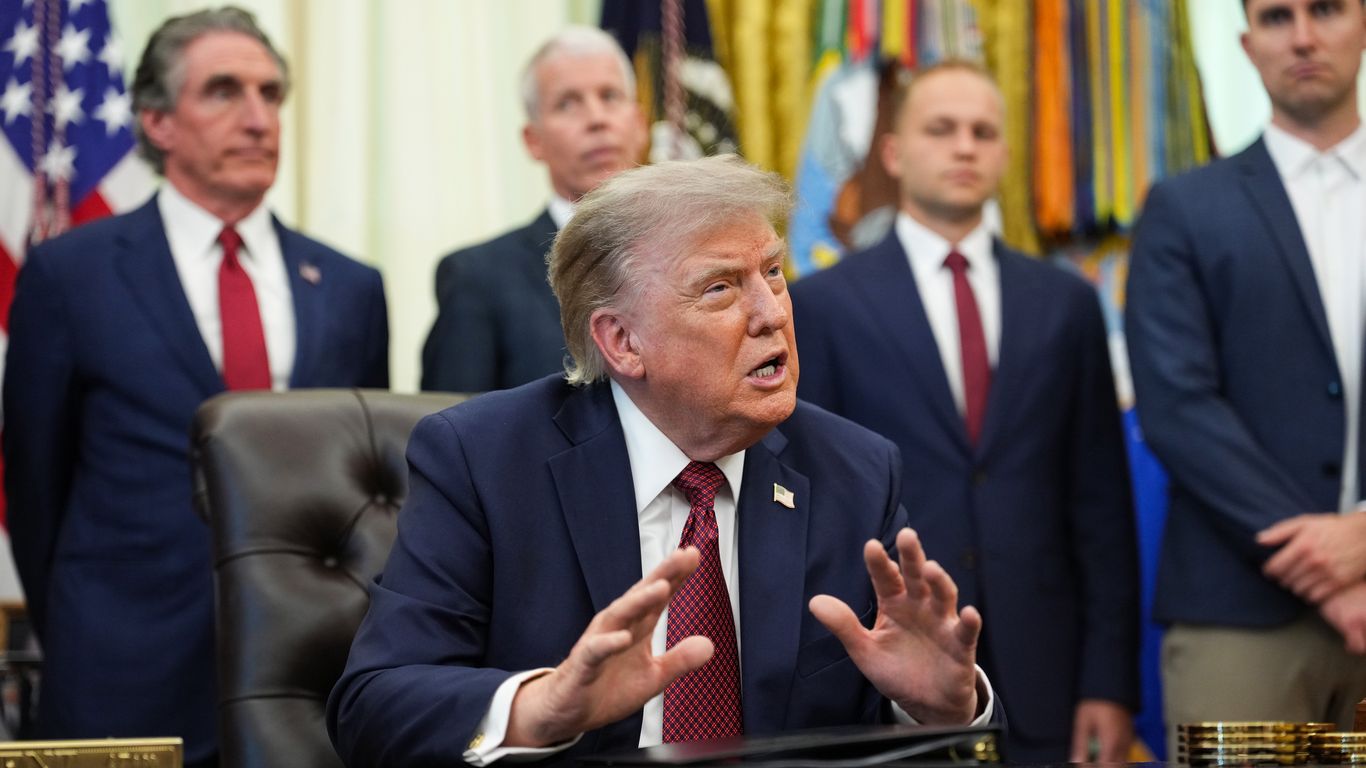
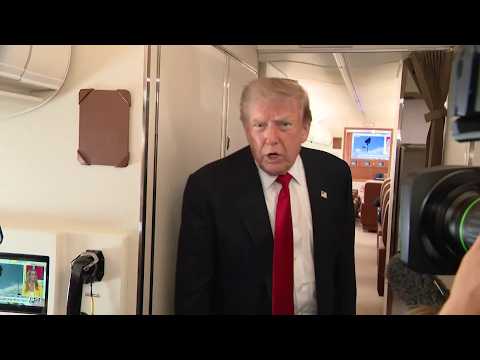
    On July 27, 2026, President Donald Trump publicly declared that the United States possesses “plenty of ammo left” for a potential conflict with Iran. This assertion, delivered via Bloomberg Television, highlights the administration’s continued strong stance on national security and its approach to geopolitical rivals in the Middle East. The statement serves to reinforce perceptions of American military readiness and resolve.

    The President’s remarks arrive amidst ongoing regional tensions. Geopolitical analysts frequently monitor such statements for indications of future policy directions. These declarations can influence international diplomacy and defense strategies.

    The Context of President Trump’s Statement

    President Trump’s comment did not occur in isolation. It emerged within a broader landscape of US-Iran relations. These relations have been marked by periods of heightened tension and strategic maneuvering for decades.

    The United States has maintained a significant military presence in the Middle East. This presence is often cited as a deterrent against regional aggression. It also supports various allied nations.

    The statement itself, “plenty of ammo left,” is a colloquial expression. It conveys a message of substantial military capability. It suggests a readiness to engage if deemed necessary.

    Historical Precedents in US-Iran Relations

    US-Iran relations have a complex history. Key events include the 1979 Iranian Revolution. There was also the Iran hostage crisis.

    Sanctions have been a consistent tool in US policy towards Iran. These economic measures aim to pressure Iran on its nuclear program and regional activities. Various administrations have employed different levels of sanctions.

    Military confrontations, while not direct wars, have occurred. Incidents in the Persian Gulf, for example, have involved naval forces. These encounters underscore the volatile nature of the relationship.

    Previous administrations have also issued strong warnings to Iran. These warnings often involve rhetoric regarding military capacity. Such statements are part of a long-standing diplomatic and strategic playbook.

    Implications for National Defense and Geopolitics

    The President’s statement carries multiple implications. Domestically, it can bolster confidence in the nation’s defense posture. It also signals resolve to allies and adversaries.

    Internationally, the message is received by various actors. Iran, regional powers like Saudi Arabia and Israel, and global players like Russia and China all interpret such statements. Each interprets them through their own strategic lenses.

    Military Readiness and Strategic Deterrence

    The phrase “plenty of ammo left” directly addresses military readiness. It suggests sufficient resources for sustained engagement. This includes munitions, personnel, and logistical support.

    Strategic deterrence relies on a credible threat of force. President Trump’s statement contributes to this deterrence. It aims to dissuade potential adversaries from aggressive actions.

    The Pentagon continuously assesses and maintains military stockpiles. These assessments inform national defense strategies. They ensure the US military can meet various operational demands.

    The US defense budget reflects these priorities. Substantial investments are made in advanced weaponry and training. This ensures the military remains a formidable global force.

    Regional Stability and Alliances

    The statement can impact regional stability in the Middle East. It may reassure US allies who feel threatened by Iran. These allies include Gulf states and Israel.

    Alliances are critical to US foreign policy. Declarations of strength can reinforce these partnerships. They signal a commitment to collective security.

    Conversely, such statements can also escalate tensions. They might provoke counter-rhetoric or actions from Iran. This creates a delicate balance for diplomats.

    International organizations, such as the United Nations, often monitor these exchanges. They advocate for de-escalation and peaceful resolutions. Diplomacy remains a key component.

    Economic and Political Ramifications

    Statements of military readiness can have economic effects. Global oil markets, for instance, are sensitive to Middle East tensions. Prices can fluctuate based on perceived instability.

    Defense industries also react to such pronouncements. Stock prices of defense contractors may see movement. Government contracts for military hardware are significant economic drivers.

    Domestic Political Landscape

    Domestically, President Trump’s statement resonates with specific political demographics. Supporters often view strong national defense as a core tenet. They appreciate assertive leadership on the global stage.

    Opponents may criticize such rhetoric. They might argue it increases the risk of conflict. They may also question the economic costs of potential military action.

    The statement can also serve to rally a political base. It reinforces a particular narrative about American strength. This is especially relevant in an election cycle, though the next presidential election is not until November 2028.

    Public opinion on foreign policy is diverse. Polls often reflect differing views on military intervention. These views are shaped by historical context and current events.

    International Relations and Diplomacy

    Diplomatic channels remain open, even amidst strong rhetoric. The US Department of State continues to engage with international partners. These engagements aim to manage and resolve conflicts.

    The G7 and other multilateral forums discuss regional security. These discussions involve major global powers. They seek consensus on complex geopolitical issues.

    The statement could be interpreted as a bargaining chip. It might be a way to exert pressure in ongoing negotiations. This is a common tactic in high-stakes international diplomacy.

    However, it could also harden positions. It might make diplomatic breakthroughs more challenging. The precise impact depends on subsequent actions and reactions.

    The Role of Media in Disseminating Such Statements

    Bloomberg Television served as the platform for President Trump’s statement. Major news outlets play a crucial role in disseminating such high-profile remarks. They reach broad national and international audiences.

    The phrasing and context provided by media outlets can shape public perception. News analysis often accompanies these reports. This analysis helps interpret the implications of the statements.

    The Impact of Digital and Broadcast Media

    Broadcast media, like Bloomberg Television, offers immediate reach. Live reporting ensures timely delivery of information. This is critical for fast-moving geopolitical developments.

    Digital media and social platforms amplify these messages. Statements can go viral quickly. This leads to widespread discussion and debate.

    The speed of information dissemination means rapid responses are often required. Governments and international bodies must adapt to this pace. They must manage narratives effectively.

    The proliferation of information also presents challenges. Misinformation and disinformation can spread rapidly. This complicates efforts to maintain factual accuracy.

    Future Outlook and Potential Scenarios

    President Trump’s statement sets a tone for future interactions with Iran. It suggests a continued policy of strength. The coming months will reveal the practical implications of this stance.

    Potential scenarios range from continued diplomatic pressure to increased military exercises. The trajectory depends on numerous factors. These include Iranian responses and global events.

    Continued Diplomatic Efforts

    Despite strong rhetoric, diplomatic efforts are likely to persist. Various nations seek a peaceful resolution to tensions. They aim to prevent open conflict.

    Negotiations regarding Iran’s nuclear program remain a key area of focus. International inspectors monitor compliance. Discussions aim to limit proliferation.

    Regional dialogues involving multiple Middle Eastern countries are also important. These dialogues seek to build trust and address shared security concerns. They aim to foster long-term stability.

    The United States often engages in back-channel communications. These discreet exchanges can facilitate dialogue. They can also explore potential compromises.

    Escalation Risks and Preparedness

    The risk of escalation is always present in such volatile regions. Unintended incidents can quickly lead to broader conflicts. Military preparedness is therefore paramount.

    The US military maintains a high state of readiness. This includes intelligence gathering and rapid deployment capabilities. These measures are designed to respond to various threats.

    Contingency planning is a continuous process. Defense strategists develop plans for multiple scenarios. These plans aim to protect US interests and personnel.

    International observers will continue to monitor the situation closely. They will watch for signs of de-escalation or increased tension. The global community has a vested interest in peace.

    President Trump’s statement. A clear message. A declaration of resolve. A reminder of power. A signal to allies. A warning to adversaries. A moment in time.

    Geopolitical maneuvering. National defense. International relations. Global security.

    Washington.


  • The Unlikely Alliance – GOP, Seattle Democrats, and the ‘Jimothy’ Phenomenon

    The Unlikely Alliance – GOP, Seattle Democrats, and the ‘Jimothy’ Phenomenon

    A unique political alignment has emerged in 2026, with Republican members of Congress reportedly joining forces with the Democratic mayor of Seattle to protect an entity identified only as ‘Jimothy.’ This collaboration signals a departure from typical partisan dynamics, bringing together ideologically disparate groups for a common, albeit mysterious, cause. The move has generated significant discussion regarding the nature of ‘Jimothy’ and the motivations behind this unprecedented political partnership.

    What looks like a modern political anomaly actually reflects deeper currents in public sentiment and cultural influence.

    The Genesis of an Unlikely Partnership

    The initial reports, sourced from TMZ, indicate that discussions are underway between specific GOP congressional members and the office of Seattle’s Democratic mayor. The central focus of these discussions is the protection of ‘Jimothy.’ Details surrounding the identity or nature of ‘Jimothy’ remain scarce, contributing to the intrigue surrounding the alliance.

    This cross-party collaboration defies conventional political expectations. Seattle, a city known for its progressive political landscape, typically finds its leadership at odds with the national Republican platform. The mayor’s engagement with GOP members on this specific issue suggests a compelling, shared interest.

    Defining ‘Jimothy’: A Public Enigma

    The term ‘Jimothy’ has rapidly entered the public lexicon, yet its meaning remains largely undefined. Public discourse suggests a range of possibilities, from a specific individual to a cultural movement, or even a symbolic representation. Without official clarification, ‘Jimothy’ serves as a placeholder for a phenomenon powerful enough to unite political rivals.

    Social media platforms are abuzz with theories. Online communities are attempting to decode the significance of ‘Jimothy,’ sharing speculative interpretations and memes. This collective effort to define ‘Jimothy’ illustrates a broader engagement with emerging cultural narratives.

    Political Motivations and Strategic Alignments

    The motivations driving this bipartisan effort are complex. For the GOP members, aligning with a Democratic mayor on a culturally resonant issue could be perceived as an act of political pragmatism. It may aim to broaden their appeal beyond traditional conservative bases, or address a concern with widespread, non-partisan support.

    For Seattle’s Democratic mayor, participating in this alliance could demonstrate a capacity for cross-aisle cooperation. It might also signal a recognition of ‘Jimothy’s’ importance within the city or broader cultural sphere, regardless of political affiliation. The mayor’s office has not yet issued a detailed statement clarifying the specifics of ‘Jimothy’ or the nature of the protection sought.

    Historical Precedents for Bipartisan Cultural Protection

    While the ‘Jimothy’ alliance is unusual, history offers instances of bipartisan cooperation on matters deemed culturally significant. In the past, political figures from opposing parties have united to protect national parks, preserve historical landmarks, or support specific artistic endeavors. These instances often arise when the perceived value of the subject transcends partisan politics.

    For example, the establishment of the National Endowment for the Arts in 1965 received support from both Democratic and Republican lawmakers. The consensus was that fostering American culture served a national interest, despite ideological differences on other policy matters. Such historical events provide a framework for understanding the potential underpinnings of the ‘Jimothy’ initiative.

    The Role of Media and Public Perception

    The initial report from TMZ played a crucial role in bringing this story to public attention. The nature of the source, typically focused on celebrity news, amplified the unexpectedness of the political alliance. This coverage has sparked a blend of curiosity and skepticism among the public.

    Traditional news outlets have since picked up on the story, attempting to verify details and solicit comments from the involved parties. The lack of concrete information has allowed for widespread public speculation, turning ‘Jimothy’ into a viral topic. This media landscape highlights the power of initial reports, even from unconventional sources, to shape public discourse.

    Speculation and Conspiracy Theories

    The ambiguity surrounding ‘Jimothy’ has led to a proliferation of theories. Some speculate ‘Jimothy’ could be a new form of artificial intelligence, a groundbreaking artistic creation, or even an endangered species. Others lean towards more conspiratorial interpretations, suggesting a hidden agenda behind the bipartisan front.

    These theories, while unconfirmed, reflect a public desire to understand and contextualize unusual political actions. The vacuum of official information is consistently filled by public imagination, often amplified by online platforms. This dynamic is a hallmark of modern information consumption.

    The Potential Impact on 2026 Politics

    The ‘Jimothy’ alliance could have unforeseen consequences for the political landscape in 2026. If the initiative proves successful and ‘Jimothy’ gains widespread positive recognition, it could serve as a model for future bipartisan efforts. It might demonstrate that common ground exists on issues beyond traditional policy debates.

    Conversely, if the alliance falters, or if ‘Jimothy’ is revealed to be something controversial, it could lead to political fallout for all involved. The risks are substantial, given the high-profile nature of the collaboration and the mystery surrounding its subject. The political calculus for both GOP members and the Seattle mayor is undoubtedly complex.

    Shifting Cultural Priorities

    The emergence of ‘Jimothy’ as a bipartisan concern suggests a potential shift in cultural priorities. Issues that might have once been confined to niche communities are now commanding attention from national political figures. This indicates a growing awareness of and responsiveness to evolving cultural phenomena.

    The protection of ‘Jimothy’ could represent a new category of political action, one driven by cultural imperative rather than purely economic or social policy considerations. This evolution in political engagement reflects a broader societal trend towards valuing and protecting diverse forms of cultural expression and identity.

    The Future of Cross-Party Collaboration

    The ‘Jimothy’ case study will likely be scrutinized by political analysts for years to come. It offers a unique lens through which to examine the dynamics of cross-party collaboration in a polarized political climate. The success or failure of this alliance could set a precedent for how future unconventional issues are addressed by political leaders.

    The engagement of a Democratic mayor from a major progressive city with national Republican figures on a non-traditional issue is a significant development. It challenges the prevailing narrative of intractable partisan division, suggesting that shared interests, however obscure, can still forge unexpected bonds.

    Lessons for Political Engagement

    One potential lesson from the ‘Jimothy’ saga is the importance of adaptability in political strategy. Leaders who can identify and respond to emerging cultural trends, even those initially unclear, may gain an advantage. The ability to transcend ideological boundaries for a perceived greater good could resonate with a public often weary of partisan gridlock.

    Another lesson pertains to the power of a compelling, even if undefined, narrative. ‘Jimothy’ has become a focal point precisely because of its enigmatic nature, drawing in diverse stakeholders and public interest. This highlights the role of storytelling and mystery in contemporary political and cultural movements.

    Conclusion

    The collaboration between GOP members of Congress and Seattle’s Democratic mayor to protect ‘Jimothy’ marks a significant moment in 2026 political discourse. It’s an alliance forged in unexpected circumstances, driven by an undisclosed, yet potent, cultural force. The mystery of ‘Jimothy’ fuels public engagement and challenges conventional political alignments. It forces a reconsideration of what constitutes common ground in an increasingly complex world. What began as a TMZ report has evolved into a national conversation, demonstrating the evolving interplay between culture, media, and politics.

    Republicans converged. Democrats converged. The public converged.

    Jimothy.


  • Podcast Contract Dispute, Barone and Skinner Sought to Exit Over CEO’s Politics

    Podcast Contract Dispute, Barone and Skinner Sought to Exit Over CEO’s Politics

    Mary Beth Barone and Benito Skinner, co-hosts of the podcast ‘Ride,’ continue to host their podcast ‘Ride’ with Dear Media, with no reports of a contract termination attempt. This effort stemmed from their stated inability to reconcile their personal political beliefs with those of Dear Media’s Chief Executive Officer. The dispute underscores a growing trend where public figures evaluate their business associations based on the perceived values and political stances of their partners.

    The situation brought attention to the complexities of creative partnerships in the entertainment industry. It also highlighted the increasing demand from audiences and artists alike for alignment between personal ethics and corporate affiliations.

    The ‘Ride’ Podcast and its Hosts

    The podcast ‘Ride’ features comedians Mary Beth Barone and Benito Skinner. It established a following for its comedic take on various contemporary issues and personal anecdotes. Both Barone and Skinner maintain active presences on social media platforms and through their individual comedic works.

    Their collaboration on ‘Ride’ brought together their distinct comedic styles. The podcast became a platform for their perspectives. This platform, however, became complicated by the reported political disagreements.

    Dear Media’s Role in Podcast Production

    Dear Media is a prominent podcast network known for producing and distributing a diverse range of audio content. The company works with numerous personalities and influencers across various genres. It provides production, marketing, and monetization services for its affiliated podcasts.

    The network’s business model relies on fostering relationships with creators. These relationships are typically governed by contractual agreements. Such agreements outline the terms of collaboration, including distribution rights, revenue sharing, and duration of partnership.

    Political Disagreements Emerge

    The core of the dispute between Barone, Skinner, and Dear Media centered on political differences. Specifically, the hosts reportedly found the political views of Dear Media’s CEO to be incompatible with their own. This incompatibility led to their desire to exit the contractual arrangement.

    Such disagreements are becoming more frequent in the public sphere. They often involve public figures taking stances against individuals or organizations whose views diverge significantly from their own. The entertainment industry, in particular, has seen multiple instances of these kinds of value-based conflicts.

    The Impact of CEO’s Stance

    The CEO’s political stance, while not explicitly detailed in public reports, was significant enough to prompt the ‘Ride’ hosts’ actions. In today’s media landscape, the personal views of corporate leaders can heavily influence public perception of their companies. This extends to the artists and creators associated with those companies.

    For many public figures, aligning with a company whose leadership holds conflicting political views can be detrimental to their personal brand. It can also alienate portions of their audience. This pressure often forces creators to make difficult decisions about their professional alliances.

    Attempted Contract Termination

    Barone and Skinner reportedly made attempts to terminate their contract with Dear Media. Contractual agreements in the entertainment industry are legally binding. Terminating them prematurely often involves complex negotiations and potential legal ramifications.

    The specifics of their attempts to ‘get out’ of the contract were not fully disclosed. However, such actions typically involve discussions between legal representatives of both parties. These discussions aim to find a mutually agreeable resolution or to determine the legal grounds for termination.

    Legal and Financial Implications

    Exiting a podcast contract prematurely can carry significant legal and financial consequences. Contracts often include clauses regarding early termination, which may involve penalties, liquidated damages, or obligations to fulfill remaining commitments.

    For podcast networks, losing a successful show can impact revenue and market position. For hosts, an early exit might mean a temporary loss of platform or income. These factors add layers of complexity to such disputes.

    ‘Hard to Reconcile That’ – A Statement of Principle

    Mary Beth Barone’s reported statement, describing the situation as ‘hard to reconcile that,’ encapsulates the ethical dilemma faced by the hosts. This phrase suggests a fundamental clash of values that could not be easily overlooked or resolved through compromise.

    The decision to prioritize personal values over professional obligations, or at least to attempt to, reflects a broader cultural shift. More individuals, particularly those in the public eye, are willing to take principled stands. They do so even when it comes at a potential professional cost.

    Cultural Defense and Celebrity Accountability

    This incident falls within the realm of ‘cultural defense.’ This term describes the act of public figures or groups defending their values against perceived threats or contradictions. It involves taking action when corporate or individual actions conflict with deeply held beliefs.

    Celebrity accountability has become a significant factor in public discourse. Audiences and fellow creatives increasingly expect public figures to align their professional choices with their stated moral and political positions. Inconsistent alignment can lead to criticism and a loss of credibility.

    The Broader Landscape of Content Creation

    The case of Barone and Skinner illustrates challenges within the modern content creation industry. As platforms proliferate, creators gain more autonomy. However, they also face increased pressure to navigate complex ethical and political landscapes.

    Podcast networks, streaming services, and social media platforms often find themselves at the center of these debates. Their business decisions and the public statements of their leadership are subject to intense scrutiny. This scrutiny comes from both their talent and their audience.

    Creator Economy and Ethical Alignment

    The rise of the creator economy empowers individual artists. It also places a greater burden on them to vet their partners. Ethical alignment is no longer a peripheral concern; it is central to sustainable brand building for many creators.

    This means that contracts are not just about financial terms or distribution reach. They are also about shared values. This shift affects how talent scouts, agents, and legal teams approach new partnerships.

    Precedent and Future Implications

    The efforts by Barone and Skinner to terminate their contract due to political differences could set a precedent. It suggests that value-based conflicts are becoming a legitimate ground for seeking renegotiation or termination of agreements. This is especially true in industries where personal brand and public image are paramount.

    Future contracts in the entertainment and media sectors may need to explicitly address clauses related to ethical or political disagreements. This could provide clearer pathways for resolution or separation when such conflicts arise.

    The Role of Social Media

    Social media amplifies these disputes. It provides a direct channel for creators to voice their concerns. It also allows audiences to react and exert pressure. This public dimension adds another layer of complexity to private contractual disagreements.

    The immediate and widespread dissemination of information on platforms like X (formerly Twitter), Instagram, and TikTok can quickly turn a private dispute into a public debate. This further compels companies and individuals to address these issues transparently.

    Conclusion

    The reported attempt by Mary Beth Barone and Benito Skinner to exit their Dear Media contract over political differences highlights a significant trend. It shows the increasing importance of ethical and political alignment in professional partnerships. It demonstrates the complexities that arise when personal values clash with corporate affiliations. This situation reflects a broader cultural demand for accountability. It also shows a growing willingness among public figures to act on their convictions. The entertainment industry continues to grapple with these evolving dynamics. The ‘Ride’ podcast hosts’ actions underscore the principle that for some, certain beliefs are simply too ‘hard to reconcile.’

    Comedians gathered. Audiences observed. Contracts were scrutinized.

    Accountability.


  • Tucker Carlson on Feminism, Marriage, and Power – A Cultural Critique

    Tucker Carlson on Feminism, Marriage, and Power – A Cultural Critique

    Tucker Carlson has consistently voiced his perspectives on feminism, marriage, and the dynamics of societal power. His commentary suggests that modern feminism has significantly altered established social structures, particularly impacting the institution of marriage and traditional gender roles. These discussions form part of a broader critique of contemporary cultural shifts.

    His analysis often posits that the pursuit of certain feminist ideals has inadvertently led to consequences he views as detrimental to societal stability. Carlson frequently connects these perceived changes to shifts in male and female relationships and the perceived erosion of traditional family units. His public statements on these topics resonate with a segment of the population that shares concerns about modern cultural trajectories.

    The Evolution of Feminism and Societal Impact

    Carlson’s discussions often begin with a historical overview of feminism, distinguishing between early waves focused on suffrage and legal equality, and later waves. He argues that contemporary feminism, particularly the third and fourth waves, has moved beyond equality to advocate for what he describes as a reordering of societal power. This reordering, in his view, has created new tensions and imbalances.

    He frequently highlights the perceived shift from a focus on equal opportunity to an emphasis on equal outcomes. Carlson suggests this shift has generated policies and cultural norms that can be seen as disadvantaging men or traditional family structures. His commentary draws on observations regarding educational attainment, workforce participation, and social discourse.

    The cultural impact, according to Carlson, extends to everyday interactions and expectations between men and women. He often points to a perceived increase in animosity or misunderstanding between genders. This, he argues, makes the formation and maintenance of traditional marital bonds more challenging.

    Marriage Under Scrutiny: Carlson’s Perspective

    The institution of marriage is a central theme in Carlson’s critique of modern cultural trends. He often laments what he perceives as a decline in its prominence and stability, linking this directly to the influence of feminism. Carlson argues that traditional marriage provided a foundational structure for society, offering stability for children and defining clear roles for adults.

    He suggests that feminist movements have encouraged women to prioritize career and individual fulfillment over family and domestic roles. While not inherently critical of individual choice, Carlson frames this as a societal trend with significant collective consequences. He questions whether society has adequately considered the long-term implications of these shifts.

    Carlson frequently cites statistics on declining marriage rates, rising divorce rates, and the increase in single-parent households. He presents these figures as evidence of a societal unraveling, with feminism playing a significant role in this trajectory. His arguments often evoke a sense of nostalgia for perceived past social norms and structures.

    Economic and Social Pressures on Marriage

    Carlson also incorporates economic factors into his analysis of marriage. He acknowledges that economic pressures can strain families, but he often frames these pressures within the context of evolving gender roles. He suggests that the expectation for both partners to pursue demanding careers can create additional stress on marital relationships.

    His commentary sometimes touches on the perceived devaluation of domestic work and child-rearing. Carlson argues that societal messaging, influenced by feminist thought, has elevated professional achievement above the contributions made within the home. This, he contends, can make marriage less appealing or sustainable for some.

    The social pressures on young people to delay marriage or forgo it entirely are also a point of discussion for Carlson. He observes a cultural shift where marriage is no longer universally seen as a primary life goal. He attributes some of this change to the broader cultural environment shaped by modern ideologies.

    Power Dynamics and Gender Roles

    Carlson’s analysis of power dynamics is intrinsically linked to his views on feminism and marriage. He asserts that modern feminism is not merely about equality but about a redistribution of power. He often argues that this redistribution has, in some instances, led to an imbalance that disadvantages men.

    He points to discussions around toxic masculinity, gender identity, and workplace equity as examples of this power shift. Carlson suggests that these concepts can be used to diminish traditional male roles and attributes. He expresses concern that this creates confusion and resentment, particularly among young men.

    The concept of male disposability is another theme Carlson sometimes explores. He argues that society, influenced by certain feminist narratives, has become less concerned with the well-being and contributions of men, particularly in areas like physical labor or military service. This, he contends, contributes to a sense of alienation among some men.

    The Role of Media and Education

    Carlson frequently critiques the role of media and educational institutions in perpetuating what he views as problematic aspects of modern feminism. He argues that mainstream media outlets and academic institutions often promote a singular narrative that aligns with progressive feminist ideals. This, he suggests, limits open discussion and critical examination of these topics.

    He points to curriculum changes in schools and colleges that emphasize gender studies and identity politics. Carlson argues that these educational approaches can indoctrinate students into specific viewpoints rather than fostering independent thought. He contends that this shapes a generation’s understanding of gender, power, and relationships.

    The influence of popular culture, including television and film, is also part of Carlson’s critique. He suggests that these platforms often portray traditional masculinity negatively or promote narratives that align with modern feminist perspectives. This, he believes, further reinforces the cultural shifts he observes.

    Critiques and Counterarguments to Carlson’s Stance

    Carlson’s views on feminism, marriage, and power frequently draw criticism from various quarters. Many argue that his interpretations misrepresent the goals and achievements of feminist movements. Critics contend that feminism fundamentally seeks equality, not female dominance or the dismantling of marriage.

    Counterarguments often highlight the positive impacts of feminism, such as increased opportunities for women in education and the workforce. Proponents of feminism argue that these advancements have benefited society as a whole, leading to greater economic productivity and diverse perspectives. They also point to the fact that many women choose to pursue careers and personal fulfillment, which should be celebrated, not critiqued.

    Regarding marriage, critics suggest that declining rates are influenced by a multitude of factors beyond feminism, including economic instability, changing social norms, and increased individual choice. They argue that women having more agency to choose their partners and life paths strengthens, rather than weakens, the institution of marriage for those who do choose it.

    The Nuance of Gender Roles and Power

    Critics also challenge Carlson’s portrayal of power dynamics. They argue that historical power imbalances have traditionally favored men, and modern feminism aims to rectify these long-standing inequalities. They contend that discussions around toxic masculinity are intended to promote healthier forms of masculinity, not to demonize men.

    Many argue that the concept of male disposability is a mischaracterization, and that discussions about men’s issues, including mental health and economic challenges, are important and are being addressed within various frameworks, including some feminist ones. They suggest that Carlson’s narrative oversimplifies complex societal issues and attributes them to a single cause.

    The role of media and education is also debated. Critics argue that diverse perspectives on gender and society are necessary in educational settings and media. They contend that discussions on gender identity and social justice are vital for a comprehensive understanding of the modern world. These discussions, they maintain, do not constitute indoctrination but rather critical engagement with evolving social realities.

    The Broader Cultural Conversation

    Tucker Carlson’s commentary on these subjects contributes to a larger cultural conversation about the direction of society. His arguments often touch upon deeply held beliefs about tradition, progress, and individual liberty. The debates his statements provoke reflect fundamental disagreements about societal values and priorities.

    His platform allows these views to reach a wide audience, influencing public discourse and shaping political narratives. The discussions he initiates often lead to further examination of sociological trends, demographic shifts, and the evolving nature of human relationships. These conversations are crucial for understanding the diverse perspectives within contemporary society.

    Whether one agrees or disagrees with Carlson’s specific conclusions, his willingness to engage with these sensitive topics ensures they remain part of the public consciousness. The ongoing dialogue around feminism, marriage, and power continues to shape policy, personal choices, and cultural identity.

    Societies evolve. Ideologies clash. Futures are debated.

    Culture.


  • Kenzie of ‘Love Island USA’ Denies Trump Supporter Rumors

    Kenzie of ‘Love Island USA’ Denies Trump Supporter Rumors

    Kenzie, a contestant featured on the reality television series ‘Love Island USA,’ publicly and forcefully denied rumors circulating online that she is a supporter of Donald Trump. She attributed these persistent rumors to perceptions based on her physical appearance, specifically her blonde hair and white ethnicity, asserting that such assumptions were unfounded and objectionable.

    Her denial was delivered with explicit language, directly confronting the speculation that had gained traction across various social media platforms. This incident has brought renewed attention to the practice of political profiling based on superficial characteristics, particularly within the realm of reality television and celebrity culture.

    The Genesis of the Rumors

    The speculation regarding Kenzie’s political leanings began to emerge during her tenure on ‘Love Island USA.’ Social media users and online commentators initiated discussions that linked her image to the perceived demographics of President Trump’s support base. These connections were largely anecdotal and driven by visual cues rather than explicit statements from Kenzie herself.

    Online forums and discussion threads became fertile ground for these assumptions. Screenshots of Kenzie on the show, coupled with generalized stereotypes, fueled the narrative. The lack of direct political commentary from Kenzie allowed for various interpretations and projections from the audience.

    This pattern of speculation is not unique to Kenzie. Many public figures, especially those in entertainment, face scrutiny over their political affiliations, often based on limited information or broad generalizations. The ‘Love Island USA’ environment, with its intense viewer engagement, amplified these discussions.

    Kenzie’s Direct Response

    Kenzie addressed the rumors head-on in a public statement. She used unequivocal language to reject the notion that her appearance dictated her political alignment. Her response was a direct challenge to those making the assumptions.

    She expressed frustration with the profiling, stating that her physical characteristics should not be used to categorize her politically. Her words were aimed at dismantling the stereotypes that informed the online conversation. The statement was quickly disseminated across social media, drawing immediate reactions from both her supporters and critics.

    The intensity of her denial underscored the personal impact of such public speculation. It highlighted the pressure reality television contestants face, not only in their on-screen relationships but also in managing their public image and personal identity outside the show’s narrative.

    The Broader Context of Political Profiling

    Kenzie’s experience reflects a wider trend in contemporary society where individuals are often categorized politically based on superficial attributes. This phenomenon extends beyond celebrity culture into everyday interactions and public discourse.

    The act of assuming political allegiance based on race, gender, or appearance can lead to misrepresentation and unfair judgment. It reduces individuals to stereotypes rather than acknowledging their complex identities and diverse viewpoints. This reductive approach can stifle genuine political discourse and foster division.

    Social media platforms often exacerbate this issue, creating echo chambers where assumptions can quickly solidify into perceived facts. The speed and anonymity of online interactions contribute to the rapid spread of unsubstantiated claims and political labels.

    Impact on Public Figures

    Public figures, particularly those in reality television, are especially vulnerable to this type of profiling. Their lives are often condensed and edited for entertainment, leaving room for audiences to fill in gaps with their own biases and assumptions. The curated nature of reality TV can inadvertently create a canvas for political projections.

    The constant public gaze means that every aspect of a celebrity’s life, from their fashion choices to their social media likes, can be scrutinized for political meaning. This creates an environment where individuals must constantly navigate potential misinterpretations of their public persona.

    For Kenzie, the rumors presented a challenge to her personal brand and public identity. Her decision to confront them directly indicates a desire to reclaim her narrative and push back against external political labeling.

    Reactions and Commentary

    Kenzie’s denial generated a significant volume of reactions across various online platforms. Many users expressed support for her stance, commending her for speaking out against what they perceived as unfair political profiling. These supporters emphasized the importance of individual autonomy in political belief, separate from physical appearance.

    Conversely, some commentators criticized Kenzie’s response, arguing that public figures should expect such scrutiny or that her denial was performative. Others used the opportunity to reinforce their own political views, leading to broader ideological debates in the comments sections.

    The incident became a talking point beyond the ‘Love Island USA’ fan base, drawing attention from cultural commentators and media analysts. Discussions centered on the evolving nature of celebrity, social media’s role in shaping public perception, and the persistent issue of political polarization.

    Social Media Dynamics

    Twitter, Instagram, and TikTok became primary arenas for this discussion. Hashtags related to Kenzie and ‘Love Island USA’ trended, amplifying the reach of her statement and the subsequent reactions. The viral nature of such content means that personal statements can quickly become global conversations.

    The rapid dissemination of Kenzie’s denial illustrated the power of social media to both generate and challenge rumors. It also highlighted the difficulty public figures face in controlling their narratives in an age of constant online engagement.

    The comment sections beneath news articles and social media posts reflected a diverse range of opinions, from staunch defense of Kenzie to outright condemnation. This spectrum of responses underscored the divisive nature of political discussions in the current climate.

    The Precedent of Political Labeling

    Kenzie’s situation is not an isolated event. Throughout history, individuals have been stereotyped and labeled based on perceived affiliations, often with significant social and political consequences. In the modern era, with the advent of social media, these labels can form and spread with unprecedented speed.

    The phenomenon of assuming political alignment based on demographic factors has been a subject of sociological study. Research indicates that such assumptions often stem from confirmation bias and a desire to simplify complex social landscapes into easily digestible categories.

    For reality television stars, who are often cast for specific archetypes, the line between their on-screen persona and their real-world identity can become blurred. This blurring can make them particularly susceptible to external projections, including political ones.

    The Entertainment Industry’s Role

    The entertainment industry itself sometimes contributes to these perceptions. Character portrayals and narrative arcs can inadvertently reinforce stereotypes, making it easier for audiences to apply those stereotypes to the individuals playing the roles, or in Kenzie’s case, to individuals appearing as themselves in a structured reality format.

    The pressure on celebrities to align with certain political stances, or to remain neutral, is also a constant factor. Public figures often face a no-win situation: speaking out can alienate some fans, while remaining silent can be interpreted as indifference or tacit agreement with a particular viewpoint.

    Kenzie’s explicit denial serves as a reminder that individuals, regardless of their public profile, retain the right to define their own political identity. It challenges the assumption that physical appearance or participation in a certain genre of entertainment automatically dictates one’s political convictions.

    Looking Ahead

    The incident involving Kenzie and the Trump supporter rumors will likely resonate within the ‘Love Island USA’ community and beyond. It adds another layer to the ongoing conversation about celebrity culture, social media ethics, and the challenges of maintaining personal identity in the public eye.

    For Kenzie, her direct response marks a moment of defiance against political profiling. It underscores the importance of individual agency in the face of widespread public assumption. The episode highlights a growing trend of public figures pushing back against labels they deem inaccurate or unfairly applied.

    The broader implications touch upon how society interprets and categorizes individuals based on superficial traits. It prompts a re-evaluation of how political affiliations are perceived and communicated in an increasingly polarized world.

    Viewers continue to engage. Commentators continue to analyze. The discussion continues. Kenzie’s stance remains clear. The issue persists.

    Social media buzzes. Headlines report. Opinions solidify.

    The debate continues.


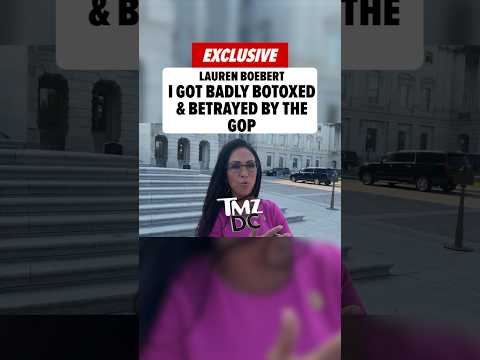
  • Lauren Boebert’s Claims of Bad Botox and GOP Liars – Political Intrigue Unveiled

    Lauren Boebert’s Claims of Bad Botox and GOP Liars – Political Intrigue Unveiled

    Representative Lauren Boebert, a prominent figure in the Republican party, has publicly stated that ‘bad Botox’ and ‘GOP liars’ have contributed to her public image and political challenges. These claims, made in 2026, have generated considerable discussion across media platforms and political circles. Her statements intertwine personal aesthetic decisions with accusations of political sabotage, offering a unique lens into the pressures faced by elected officials.

    The Colorado congresswoman’s remarks have resonated with themes of cultural defense. They touch upon the intense scrutiny public figures endure regarding their appearance and the complex dynamics of intra-party politics. This confluence of personal struggle and political intrigue has captured public imagination, making her statements highly shareable and subject to extensive commentary.

    The Intersection of Personal Aesthetics and Public Scrutiny

    Public figures, especially those in high-profile political roles, operate under constant observation. Every aspect of their lives, from policy decisions to personal appearance, becomes subject to public and media dissection. Lauren Boebert’s claims about ‘bad Botox’ bring this intense scrutiny into sharp focus.

    Cosmetic procedures, while increasingly common, remain a sensitive topic for many. For a political leader, discussing such procedures publicly can be a calculated risk, potentially inviting both sympathy and criticism. Boebert’s decision to cite a cosmetic outcome as a factor in her public presentation highlights the unique pressures on women in politics.

    The concept of ‘bad Botox’ implies an unintended or undesirable aesthetic result. This can lead to questions about authenticity, self-perception, and the broader expectations placed on politicians to maintain a certain image. It also opens a dialogue about the commercialization of beauty and its intersection with political life.

    This candid admission from Boebert underscores the pervasive nature of image management in contemporary politics. It suggests that even minor aesthetic details can become talking points, influencing public perception and potentially affecting political narratives. The public response to her statement reflects a broader fascination with the private lives of public servants.

    Allegations of ‘GOP Liars’ and Intra-Party Dynamics

    Beyond personal aesthetic concerns, Lauren Boebert’s allegations of ‘GOP liars’ introduce a significant element of political intrigue. These claims suggest internal conflicts and betrayals within her own party, the Republican Party. Such accusations are not uncommon in the highly competitive world of politics, but when made by a sitting congresswoman, they carry particular weight.

    The phrase ‘GOP liars’ is a direct challenge to the integrity of certain individuals or factions within the Republican establishment. It implies a deliberate campaign of misinformation or deception aimed at undermining her political standing. This kind of internal strife can have profound implications for party unity, legislative agendas, and public trust.

    Such allegations often emerge during periods of heightened political tension, such as election cycles or significant policy debates. They can be symptomatic of ideological divides, power struggles, or personal animosities that play out behind the scenes of public governance. Boebert’s statements indicate a perceived adversarial environment even within her own political affiliation.

    The public reaction to claims of ‘GOP liars’ varies. Some may view it as a candid admission of political realities, while others might interpret it as an attempt to deflect responsibility or sow discord. Regardless of interpretation, these accusations contribute to a narrative of political drama, drawing attention to the often-hidden machinations of party politics.

    The Impact on Party Cohesion

    Accusations of internal deceit can significantly strain party cohesion. When members of the same party publicly accuse each other of dishonesty, it can weaken the party’s collective message and effectiveness. This is particularly true in an era of intense partisan polarization, where perceived unity is often presented as a strength.

    Such claims can also empower political opponents, who may seize upon internal divisions to criticize the party as a whole. The narrative of ‘GOP liars’ provides fodder for external critics and can complicate efforts to present a unified front on key issues. It creates an environment where trust becomes a commodity, easily eroded by public infighting.

    For voters, these allegations can be disorienting. They may question the reliability of information coming from within the party and become cynical about political processes. The long-term impact of such public accusations can be a decline in voter confidence and an increase in political apathy.

    Cultural Defense and the Public Narrative

    Lauren Boebert’s combined claims of ‘bad Botox’ and ‘GOP liars’ tap into a broader cultural defense theme. This theme involves individuals or groups attempting to protect their reputation, narrative, or standing against perceived attacks or misrepresentations. In Boebert’s case, she appears to be constructing a defense against negative public perception and political opposition.

    The ‘bad Botox’ claim serves as a potential explanation for any perceived changes in her appearance, offering a personal and somewhat sympathetic reason. It frames any visual discrepancies not as a personal failing, but as an external, medical mishap. This can be seen as an attempt to control the narrative around her physical presentation.

    The ‘GOP liars’ claim, conversely, serves as a direct defense against political attacks. By alleging internal dishonesty, she positions herself as a victim of machinations rather than a perpetrator of political missteps. This strategy aims to shift blame and garner support by portraying herself as an underdog fighting against internal adversaries.

    Together, these claims form a two-pronged cultural defense strategy. One addresses personal aesthetics, the other addresses political integrity. Both aim to reshape public perception and protect her political capital in the face of challenges. This approach highlights the sophistication and often dramatic nature of modern political communication.

    The Role of Media in Amplifying Narratives

    Media outlets play a crucial role in amplifying these narratives. TMZ, the source of this information, is known for its focus on celebrity and high-profile personalities, often blending entertainment news with political developments. Its coverage of Boebert’s claims ensures a wide reach, particularly among audiences interested in cultural and personal aspects of public life.

    The dramatic appeal of Boebert’s statements is undeniable. The combination of personal vulnerability (‘bad Botox’) and political betrayal (‘GOP liars’) creates a compelling story. This narrative is easily consumed and shared across social media platforms, contributing to its viral spread and extensive discussion.

    News cycles thrive on controversy and human interest stories. Boebert’s claims provide both, making them highly attractive to various media outlets. The way these stories are framed and disseminated can significantly influence public opinion and shape the political discourse surrounding the individual.

    Historical Context of Political Intrigue and Personal Struggles

    The intersection of political intrigue and personal struggles is not new to American politics. Throughout history, public figures have grappled with personal challenges that become intertwined with their political careers. From scandals to health issues, the private lives of politicians often become public fodder.

    Accusations of internal party dissent and dishonesty also have a long history. Political parties are rarely monolithic entities; they are often composed of diverse factions with competing interests and ideologies. Disagreements, power struggles, and even accusations of betrayal are inherent to the political process.

    For instance, the political landscape of the early 20th century saw numerous instances of party bosses and internal factions clashing over control and policy. The mid-20th century brought televised politics, increasing the visual scrutiny on candidates and their families. The late 20th and early 21st centuries have further intensified this, with social media making personal lives instantly accessible and endlessly debatable.

    The current political climate, characterized by hyper-partisanship and constant media attention, only magnifies these dynamics. Personal struggles are quickly politicized, and internal party disputes can become national headlines. Lauren Boebert’s situation is a contemporary example of these enduring political themes playing out in the modern era.

    The Evolving Landscape of Public Perception

    The public’s perception of politicians is constantly evolving. Factors such as social media, 24/7 news cycles, and the blurring lines between entertainment and news have reshaped how constituents view their representatives. Authenticity and relatability have become increasingly valued traits, yet politicians are also expected to maintain a polished image.

    Boebert’s claims can be seen as an attempt to navigate this complex landscape. By addressing personal aesthetic concerns and political challenges head-on, she aims to control her narrative. However, such transparency can also be met with skepticism or further scrutiny, creating a delicate balance for any public figure.

    The discussion surrounding her statements reflects a broader societal debate about what constitutes appropriate public discourse for politicians. Should personal cosmetic choices be public knowledge? How much internal party conflict should be aired publicly? These questions underscore the ongoing tension between a politician’s private life and their public role.

    Ultimately, the impact of Boebert’s claims will be measured by their effect on her political standing and public support. Whether they foster empathy, generate controversy, or simply fade into the background of the ever-churning news cycle remains to be seen. Her statements, however, offer a vivid snapshot of the current state of political and personal narratives.

    The Future of Political Image Management

    The incident involving Lauren Boebert and her public statements on ‘bad Botox’ and ‘GOP liars’ provides valuable insights into the future of political image management. As technology advances and media consumption habits shift, politicians will continue to face unprecedented levels of scrutiny.

    The strategic use of personal narratives, even those involving cosmetic procedures, may become a more common tactic to connect with voters or deflect criticism. The ability to control or influence one’s public image in a hyper-connected world is a critical skill for any aspiring or incumbent politician.

    Moreover, the dynamics of intra-party relations, as highlighted by the ‘GOP liars’ claim, will continue to shape the political landscape. The ability of parties to maintain unity, manage internal dissent, and present a cohesive front to the electorate will be crucial for their success.

    Public figures navigate personal struggles. They contend with political adversaries. They manage their public image. This is the reality of modern politics.

  • Katy Perry Condemns Trump Administration’s Use of ‘Firework’ in Military Video

    Katy Perry Condemns Trump Administration’s Use of ‘Firework’ in Military Video

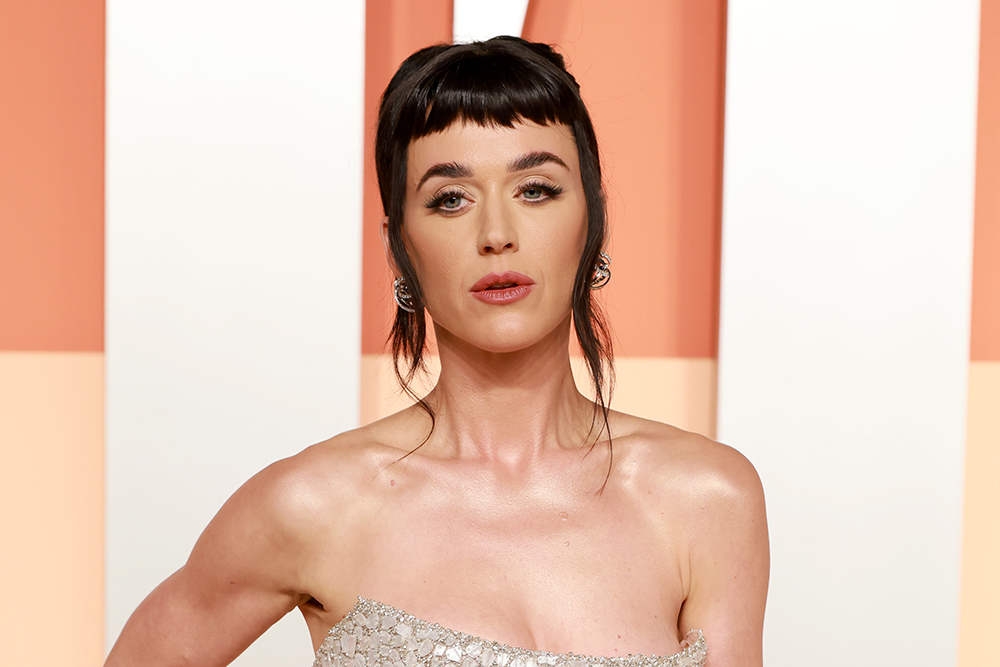
    Katy Perry publicly condemned the Trump administration on July 25, 2026, for using her song ‘Firework’ in a video that depicted military strikes. The pop artist released a statement clarifying that she ‘absolutely do not condone it,’ marking a significant public disagreement over intellectual property and artistic intent.

    This incident adds to a history of artists contesting the political use of their music. The unauthorized use of popular songs by political campaigns and governmental bodies frequently sparks controversy.

    The Incident: ‘Firework’ and Military Footage

    The controversy ignited when a video, reportedly produced by the Trump administration, surfaced online. This video featured footage of military strikes and operations.

    The soundtrack for this visual content was Katy Perry’s 2010 anthem, ‘Firework.’

    The song is widely recognized for its themes of self-empowerment and resilience. Its lyrics encourage individuals to recognize their inner strength and shine brightly.

    The juxtaposition of these uplifting lyrical themes with images of military action immediately drew criticism. Social media users and news outlets quickly highlighted the incongruity.

    Katy Perry’s Swift Response

    Katy Perry’s response was immediate and unambiguous. Her statement was released through her official channels on July 25, 2026.

    She unequivocally stated her disapproval of the song’s use. Perry emphasized that the song’s message was being misrepresented.

    ‘I absolutely do not condone it,’ Perry’s statement read. This phrase became central to the public discourse surrounding the event.

    The artist’s team also indicated that they were exploring legal avenues. They aimed to ensure the unauthorized use of the song would cease.

    A History of Musical Disputes in Politics

    The use of music in political contexts without an artist’s explicit permission is not a new phenomenon. Numerous musicians have previously challenged politicians and administrations.

    Artists often argue that such use implies an endorsement they do not support. This can damage their brand and alienate their fanbase.

    Previous Notable Conflicts

    • Bruce Springsteen has repeatedly objected to politicians using his songs. His music, often associated with working-class struggles, has been a frequent target for unauthorized use.
    • The Rolling Stones have also issued cease and desist letters. They have done so to political campaigns utilizing their iconic tracks.
    • Neil Young famously withdrew his music from platforms in protest. This was in response to what he deemed misinformation being spread.
    • Artists like Rihanna and Pharrell Williams have also taken legal action. They have challenged the use of their work in political rallies.

    These instances highlight a recurring tension. The conflict often centers on artistic control versus public domain assumptions.

    Intellectual Property and Public Perception

    The ‘Firework’ incident raises important questions about intellectual property rights. It also touches on the ethical implications of using creative works in political messaging.

    When a song is used in a political advertisement or governmental video, it can be perceived as an endorsement. This perception can be problematic for artists.

    Artists often maintain diverse fan bases. Aligning with a specific political stance through unauthorized song use can alienate significant portions of their audience.

    Legal frameworks exist to protect musical compositions and recordings. Copyright law generally grants creators exclusive rights to their work.

    However, enforcement can be complex. The rapid dissemination of content online complicates the process of preventing unauthorized use.

    The Trump Administration’s Track Record

    The Trump administration has a documented history of clashes with artists over music usage. Several musicians have publicly requested their songs not be used at rallies or in official communications.

    These requests have often been met with resistance or ignored. This has led to further escalation in some cases.

    The administration’s approach has often been to continue using the music. They sometimes argue fair use or challenge the artists’ legal standing.

    This pattern contributes to a narrative of disregard for artists’ wishes. It fuels ongoing debates about the respect for creative rights in the political sphere.

    Impact on Katy Perry’s Brand and Activism

    Katy Perry has a long-standing history of political engagement and activism. She has often used her platform to advocate for various social and political causes.

    Her public condemnation of the Trump administration’s use of ‘Firework’ aligns with her established persona. It reinforces her commitment to specific values.

    The incident could solidify her image among fans who share her political views. It might also draw new attention to her artistic integrity.

    Conversely, it could provoke backlash from supporters of the Trump administration. This is a common consequence for celebrities taking political stances.

    However, for Perry, the decision to speak out appears to be rooted in a defense of her artistic message. It also serves as a stand against what she perceives as an inappropriate appropriation of her work.

    The Broader Cultural Context of 2026

    The year 2026 continues to see heightened political polarization. Cultural figures often find themselves at the intersection of these divides.

    The use of popular culture artifacts, like songs, becomes symbolic. They represent broader ideological battles.

    Artists are increasingly expected to take stances on political issues. Silence can sometimes be interpreted as complicity.

    This expectation places significant pressure on public figures. They must navigate a complex landscape of public opinion and political loyalty.

    The ‘Firework’ controversy is a microcosm of these larger cultural tensions. It reflects the ongoing struggle for control over narrative and meaning.

    Legal Ramifications and Future Precedents

    The legal team representing Katy Perry is reportedly evaluating their options. These options likely include sending a formal cease and desist letter.

    Further steps could involve pursuing copyright infringement claims. Such actions can lead to significant financial penalties.

    These cases often depend on the specifics of licensing agreements. They also rely on whether the use falls under fair use doctrines.

    However, fair use typically applies to commentary, criticism, or parody. The use in a promotional governmental video is less likely to qualify.

    A successful legal challenge could set a strong precedent. It would reinforce artists’ rights against governmental unauthorized use.

    It could also deter future administrations from similar actions. This would empower creators to protect their work from political appropriation.

    Artists speak. Legal teams act. Public opinion forms. Condemnation follows.

    Dispute.


  • Trump Halts Iran Strikes Friday – Averting Military Action

    Trump Halts Iran Strikes Friday – Averting Military Action

    On Saturday, July 25, 2026, President Donald Trump reportedly issued a direct order to the United States military. The directive specifically instructed against carrying out planned military strikes targeting Iran. This information, first reported by Axios, indicated a significant decision from the White House, effectively averting immediate military engagement in the region.

    The President’s intervention came amidst a period of heightened tensions. International observers and analysts quickly registered the implications of such a command. The nature of the planned strikes and their specific targets in Iran have not been publicly disclosed. However, the President’s order unequivocally halted their execution.

    The White House Directive on July 25, 2026

    The order from President Trump was issued on Saturday, July 25, 2026. It was communicated directly to senior military officials within the Department of Defense. The instruction was clear: do not proceed with the planned military action against Iran.

    This decision marks a pivotal moment in the ongoing geopolitical landscape involving Iran and the United States. It follows a period characterized by escalating rhetoric and strategic maneuvers in the broader Middle East region. The White House has not yet issued an official statement confirming the Axios report, but sources familiar with the matter indicated the order’s immediate impact.

    Context of U.S.-Iran Relations

    Relations between the United States and Iran have remained strained throughout 2026. Multiple incidents involving maritime security in the Persian Gulf and proxy conflicts across the region have contributed to a volatile environment. The U.S. maintains a significant military presence in the Middle East, including naval assets and air force deployments, aimed at deterring aggression and protecting American interests.

    Reports of potential military action have circulated periodically, often tied to perceived threats to U.S. personnel or allies. The President’s decision on July 25, 2026, suggests a re-evaluation or a temporary de-escalation in the immediate term. It also underscores the executive branch’s ultimate authority over military engagements.

    Axios Report Details President Trump’s Intervention

    Axios published its report on Saturday, July 25, 2026. The news outlet cited multiple anonymous sources familiar with the situation. These sources confirmed President Trump’s direct intervention to prevent the military action.

    The report emphasized the immediate nature of the directive. It highlighted the President’s personal involvement in the decision-making process. The specific reasons behind the President’s order to halt the strikes were not detailed in the initial report. However, such decisions often involve complex considerations of international diplomacy, potential regional repercussions, and the safety of U.S. military personnel.

    Global Reactions and Diplomatic Implications

    The news of President Trump’s order quickly resonated across international capitals. Allied nations in Europe and the Middle East, many of whom have urged de-escalation, are closely monitoring the situation. Iran’s leadership has not yet officially responded to the reports. However, any U.S. military action or its prevention carries significant weight in Tehran.

    Diplomatic channels are likely engaging in intense discussions behind the scenes. The United Nations and other international bodies may increase their efforts to mediate tensions between the two nations. The decision impacts not only immediate military postures but also long-term strategies for regional stability.

    The Developing Situation and Future Outlook

    This remains a rapidly developing story. Details are still emerging from official channels and media reports. The full implications of President Trump’s order are yet to be completely understood.

    Further information is expected to clarify the precise context of the planned strikes. It will also shed light on the specific reasons behind the President’s decision to halt them. Administration officials have maintained a cautious silence, awaiting official White House guidance.

    Analysts are closely watching for any official pronouncements from the White House or the Department of Defense. Public statements from President Trump or other senior administration figures will provide crucial insights into the rationale behind this significant directive. The global community continues to observe these events with close attention.

    Reports circulated. Decisions were made. Orders were given. International attention converged.

    Iran.


  • US Officials Allege Chinese AI Apps Use Banned Chips – A National Security Concern

    US Officials Allege Chinese AI Apps Use Banned Chips – A National Security Concern

    US officials allege that Chinese artificial intelligence applications are utilizing semiconductor chips that fall under US export bans. This development, reported on July 23, 2026, has ignited concerns regarding national security and cultural defense within the United States. The claims suggest a sophisticated effort by Chinese entities to circumvent established trade restrictions designed to curb their technological advancement, particularly in critical AI sectors.

    The allegations point to a persistent cat-and-mouse game in the global technology landscape. The United States has implemented stringent export controls on advanced semiconductors and related manufacturing equipment, primarily targeting China. These measures are intended to prevent China from acquiring the cutting-edge technology necessary for military modernization and the development of advanced AI systems that could pose strategic challenges.

    The Landscape of Export Controls

    The US government has progressively tightened restrictions on the sale of advanced semiconductor technology to China. These controls began to escalate significantly in October 2022. The initial rules aimed to restrict China’s access to chips capable of advanced computing, crucial for AI and supercomputing applications.

    These regulations were expanded and clarified in October 2023. The updated rules targeted specific types of graphics processing units (GPUs) and other high-performance chips. The Department of Commerce’s Bureau of Industry and Security (BIS) is the primary agency responsible for enforcing these export controls. The goal is to limit China’s ability to produce or acquire chips that could be used for weapons development, surveillance, and other activities deemed contrary to US national interests.

    The restrictions are not merely about the chips themselves. They also cover the equipment used to manufacture these advanced semiconductors. This includes lithography machines, etching tools, and other specialized machinery. Companies like ASML, Applied Materials, and Lam Research are key players in this highly specialized global supply chain.

    The Nature of the Allegations

    The specific allegations suggest that Chinese AI applications are finding ways to integrate or utilize these banned chips. This could occur through several avenues. One possibility is the acquisition of chips through third-party intermediaries or gray markets. Another is the modification of existing chips to meet specific performance requirements for AI, potentially obscuring their origin or original specifications.

    The term “banned chips” typically refers to high-performance GPUs and AI accelerators. These are essential for training large language models (LLMs), developing autonomous systems, and conducting complex data analysis. Companies like Nvidia, AMD, and Intel produce many of these advanced components.

    The US government has been vigilant about monitoring compliance with its export controls. Reports of circumvention are taken seriously, often triggering investigations and potential enforcement actions. The current allegations indicate that despite the controls, China’s AI sector continues to seek pathways to advanced hardware.

    National Security Implications

    The core of the US concern lies in national security. Advanced AI capabilities are considered dual-use technologies. They can be applied to civilian innovation, but also to military applications, intelligence gathering, and surveillance. If China gains unrestricted access to cutting-edge AI chips, it could accelerate its military modernization efforts.

    This includes the development of autonomous weapons systems, advanced cyber warfare capabilities, and sophisticated surveillance technologies. Such advancements could shift the global balance of power and challenge US strategic interests in regions like the Indo-Pacific.

    The cultural defense aspect refers to the protection of democratic values and open societies from authoritarian influences. AI, particularly when combined with surveillance and censorship technologies, can be used to suppress dissent, control information, and exert social engineering. The US sees its technological leadership as crucial to counter such uses.

    China’s AI Ambitions and Counter-Strategies

    China has made no secret of its ambition to become a global leader in artificial intelligence by 2030. The “New Generation Artificial Intelligence Development Plan,” released in 2017, outlined a comprehensive strategy for achieving this goal. This plan involves massive investments in research and development, talent cultivation, and the integration of AI across various industries.

    The US export controls have undoubtedly impacted China’s domestic semiconductor industry. Chinese companies like Huawei and SMIC have faced significant restrictions. In response, China has intensified its efforts to achieve “chip self-sufficiency.” This involves pouring billions into domestic semiconductor manufacturing and design.

    These efforts include state-backed funds, subsidies, and incentives for local companies. The goal is to reduce reliance on foreign technology and build a robust, indigenous semiconductor ecosystem. While progress has been made, China still faces challenges in mastering the most advanced chip manufacturing processes, particularly extreme ultraviolet (EUV) lithography.

    Despite these challenges, Chinese tech giants like Baidu, Alibaba, and Tencent continue to invest heavily in AI research and applications. They are developing their own AI models, platforms, and hardware solutions. The alleged use of banned chips suggests a pragmatic approach to acquiring necessary components while domestic capabilities catch up.

    The Global Semiconductor Supply Chain

    The semiconductor industry is characterized by a complex and highly specialized global supply chain. Design, manufacturing, packaging, and testing often occur in different countries. Taiwan Semiconductor Manufacturing Company (TSMC) is the world’s largest contract chipmaker, producing chips for companies like Apple, Nvidia, and Qualcomm.

    The Netherlands’ ASML holds a near-monopoly on EUV lithography equipment, essential for producing the most advanced chips. The US maintains significant influence over this supply chain, partly through its control over intellectual property, design software, and specialized manufacturing tools.

    Disruptions or circumventions within this supply chain have global repercussions. They can impact market stability, technological innovation, and geopolitical dynamics. The allegations against Chinese AI apps highlight the vulnerabilities and points of leverage within this intricate network.

    Previous Incidents and Enforcement

    This is not the first instance of alleged circumvention of US export controls. Over the years, there have been numerous reports and investigations into companies and individuals attempting to bypass restrictions. These cases often involve complex networks of shell companies, re-export schemes, and false declarations.

    The BIS has a dedicated enforcement arm that investigates such violations. Penalties can include substantial fines, denial of export privileges, and even criminal charges for individuals involved. The US government has also engaged in diplomatic efforts to persuade allied nations to adopt similar export control measures, creating a multilateral approach to limiting China’s access to critical technologies.

    For example, in 2023, Japan and the Netherlands, key players in semiconductor manufacturing equipment, agreed to impose their own restrictions on certain exports to China, aligning with US policy objectives. This coordinated effort aims to create a more comprehensive and effective barrier against technological transfers deemed sensitive.

    The Challenge of Monitoring AI Software

    Monitoring the hardware used by AI applications presents a unique challenge. While physical chips can be tracked through supply chains, the software layer of AI makes detection more complex. AI models can be optimized to run on various hardware configurations, and the specific chips powering a deployed AI application may not always be immediately apparent.

    This means that enforcement efforts must evolve beyond simply tracking chip sales. They may need to include intelligence gathering on AI development projects, analysis of AI model performance, and scrutiny of the underlying infrastructure supporting Chinese AI initiatives. The line between civilian and military AI applications is also increasingly blurred, complicating oversight.

    The US government’s approach reflects a broader strategy of “small yard, high fence.” This aims to restrict access to a narrow set of critical technologies deemed essential for national security, rather than attempting a broad decoupling of the entire tech sector. The current allegations suggest that even within this “small yard,” significant challenges remain in maintaining the integrity of the fence.

    Future Implications and Geopolitical Tensions

    The ongoing technological rivalry between the US and China, epitomized by these export control disputes, is a defining feature of 21st-century geopolitics. The allegations regarding banned chips will likely intensify this competition. The US may consider further tightening its export controls, expanding the list of restricted technologies, or increasing enforcement actions.

    China, in turn, will likely redouble its efforts to achieve technological self-sufficiency and find alternative pathways to advanced hardware. This could involve greater investment in domestic research, the development of alternative architectures, or continued attempts to source components through indirect means.

    The situation also has implications for global technology companies. Companies like Nvidia have already developed specific chips (e.g., the A800 and H800) designed to comply with US export restrictions while still serving the Chinese market. If these compliant chips are also deemed problematic, it could force further adjustments in their business strategies.

    The ultimate outcome of this technological competition remains uncertain. However, the allegations serve as a stark reminder of the high stakes involved in the race for AI supremacy. Innovation, regulation, and geopolitical strategy will continue to intertwine in this critical domain. Efforts to gain an edge. Efforts to maintain control. Efforts to circumvent.

    The AI Arms Race

    The term “AI arms race” is often used to describe this intense competition. Both the US and China view AI leadership as fundamental to future economic prosperity, military strength, and global influence. The alleged use of banned chips by Chinese AI applications underscores the urgency and intensity of this race.

    The development of advanced AI relies heavily on powerful computing infrastructure. Restricting access to this infrastructure is a key strategy for the US to slow down its competitors. The allegations suggest this strategy faces significant hurdles and requires constant adaptation.

    The implications extend beyond just military applications. AI’s role in economic productivity, scientific discovery, and societal transformation makes it a foundational technology. Control over this technology is seen as a determinant of future global power.

    The US will continue to monitor. China will continue to innovate. The global tech landscape will continue to shift.


  • Biennale Chief Slams EU – Funding Cut Over Russia’s Art Exhibition Presence

    Biennale Chief Slams EU – Funding Cut Over Russia’s Art Exhibition Presence

    A Biennale chief expressed strong disapproval of the European Union’s decision to withdraw funding from an art exhibition due to Russia’s participation. The chief’s comments, delivered during a film festival press conference, articulated a sense of abandonment and frustration regarding the EU’s stance on cultural engagement amidst geopolitical tensions. This incident underscores the complex challenges faced by international cultural institutions in balancing artistic freedom with political considerations.

    The withdrawal of financial support by the EU has significant implications for the exhibition’s operational capacity and future programming. It brings to the forefront the debate over whether cultural events should remain insulated from political conflicts or if they bear a responsibility to reflect prevailing international sentiments.

    The European Union’s Stance on Russian Cultural Presence

    The European Union has maintained a firm stance against Russia following the 2022 invasion of Ukraine. This position has led to widespread sanctions across various sectors, including finance, trade, and cultural exchange. The EU’s policy aims to isolate Russia on the international stage and pressure its government to cease military actions.

    Cultural institutions receiving EU funding are often expected to align with these broader political objectives. The decision to withdraw funding from the Biennale over Russia’s presence reflects this overarching policy. It signals a clear message that association with official Russian entities, even in cultural contexts, may lead to financial repercussions.

    This approach has been a point of contention within the cultural community. Some argue for the importance of maintaining cultural bridges, even during times of conflict, believing art can foster understanding. Others contend that engagement with state-sponsored Russian culture legitimizes the current regime.

    The Biennale’s Position and Reaction

    The Biennale chief articulated a different perspective. The chief emphasized the institution’s role in promoting artistic dialogue and cultural exchange without political censorship. The statement, ‘They are abandoning us,’ conveyed a feeling of betrayal and a lack of support for the Biennale’s mission.

    The chief’s comments suggest a belief that cultural events should transcend political divides. Such institutions often strive to be platforms for diverse voices and perspectives, including those from nations in geopolitical conflict. The withdrawal of funds is seen as undermining this fundamental principle.

    This reaction highlights the tension between the EU’s political objectives and the perceived autonomy of cultural organizations. The Biennale, as an international event, aims to bring together artists and audiences from around the globe, regardless of their national affiliations.

    Impact on the Art Exhibition

    The immediate impact of the EU’s funding withdrawal is financial. Cultural events, especially large-scale international exhibitions like the Biennale, rely heavily on diverse funding streams. EU grants often cover significant operational costs, including logistics, artist support, and public programming.

    Loss of this funding can lead to reduced scope, cancellation of specific projects, or even the overall viability of the exhibition. It forces organizers to seek alternative financial support, which may not be readily available or sufficient to cover the shortfall.

    Beyond the financial aspect, there is a reputational impact. Such controversies can overshadow the artistic content of the exhibition, shifting public attention from the art itself to the political dispute. This can detract from the event’s primary purpose of showcasing contemporary art.

    Logistical Challenges and Artistic Freedom

    The logistical challenges posed by a sudden funding cut are substantial. Contracts with artists, venues, and service providers may need to be renegotiated or terminated. This can create a ripple effect, impacting numerous individuals and organizations involved in the exhibition.

    Furthermore, concerns arise about artistic freedom. If funding is contingent on political alignment, it could lead to self-censorship or a reluctance to include artists or themes deemed politically sensitive. This compromises the integrity and independence of artistic expression, a core value for many cultural institutions.

    The incident raises questions about the future of international cultural collaboration in a fragmented geopolitical landscape. It challenges cultural leaders to find new models of funding and engagement that protect artistic autonomy while navigating complex global politics.

    Cultural Diplomacy and Its Evolving Role

    Cultural diplomacy traditionally serves as a tool for fostering understanding and building bridges between nations. It often operates on the premise that shared cultural experiences can transcend political differences and promote dialogue.

    However, the current geopolitical climate has complicated this role. Many governments, including the EU, now view cultural engagement as an extension of their foreign policy. This means that cultural events and exchanges are increasingly scrutinized for their potential to align with or undermine national interests.

    The Biennale incident exemplifies this shift. What might once have been considered a purely cultural decision, to include artists from a particular nation, is now imbued with significant political meaning. This makes the work of cultural institutions more challenging and politically charged.

    The Dilemma of Engagement vs. Isolation

    The dilemma faced by cultural organizations is stark: should they engage with artists and institutions from politically contentious nations to maintain cultural dialogue, or should they join in the isolation efforts to align with broader political goals? Both choices carry significant consequences.

    Engagement can be seen as providing a platform or legitimacy to regimes deemed problematic. Isolation, however, risks cutting off avenues for independent voices and potentially alienating populations who may not support their government’s actions. It also deprives audiences of diverse artistic perspectives.

    The Biennale chief’s frustration stems from this very dilemma. The chief perceives the EU’s action as forcing a choice that undermines the institution’s fundamental mission of universal cultural exchange.

    Historical Precedents of Political Influence on Art

    The intersection of politics and art is not new. Throughout history, art has been used for propaganda, protest, and diplomacy. Governments have often funded, censored, or influenced artistic production to serve their agendas.

    During the Cold War, cultural exchange programs were a significant battleground for ideological influence. Both the United States and the Soviet Union used art, music, and film to project their respective values and systems.

    More recently, boycotts and protests against cultural events involving certain nations have become more common. These actions reflect a growing belief that cultural activities cannot, and should not, be entirely separate from political ethics and human rights concerns.

    The Role of International Film Festivals

    The press conference where the Biennale chief made the statements was held during a film festival. Film festivals themselves are often sites of cultural diplomacy and political discourse. They provide platforms for filmmakers to address social and political issues, often sparking international debate.

    The choice of this venue for the chief’s remarks highlights the interconnectedness of various cultural sectors. It underscores how major cultural events, whether art exhibitions or film festivals, are increasingly becoming arenas where geopolitical tensions play out.

    The presence of such a high-profile figure from another major cultural institution at a film festival to voice these concerns indicates a broader solidarity within the arts community regarding these challenges.

    Future of EU Cultural Funding Policies

    This incident may prompt a reevaluation of the European Union’s cultural funding policies. The EU’s commitment to cultural diversity and artistic freedom is often stated, but these principles are tested when confronted with geopolitical realities.

    There may be calls for clearer guidelines on how cultural institutions should navigate relationships with countries under sanctions. Alternatively, some may advocate for a more nuanced approach that allows for cultural engagement even when political relations are strained.

    The outcome of this debate will shape the landscape of European cultural funding for years to come. It will determine the degree of autonomy cultural institutions can expect and the extent to which their programming must align with the EU’s foreign policy objectives.

    Challenges for Cultural Institutions

    Cultural institutions face increasing pressure to demonstrate social and political responsibility. Donors, audiences, and governments often expect them to take stands on contemporary issues, including human rights, environmental concerns, and international conflicts.

    This pressure can be challenging for institutions whose primary mission is artistic presentation and cultural exchange. They must navigate a complex web of expectations from various stakeholders, often with conflicting demands.

    The Biennale chief’s lament about being ‘abandoned’ encapsulates the precarious position these organizations find themselves in. They require financial support to operate, but that support increasingly comes with political conditions that can compromise their independence.

    The Broader Debate: Art, Politics, and Morality

    The core of this controversy lies in the enduring debate about the relationship between art, politics, and morality. Can art exist in a morally neutral space, or is it inherently intertwined with the values and actions of its creators and patrons?

    For many, art has a moral imperative, and engaging with entities deemed morally reprehensible is unacceptable. For others, art’s power lies in its ability to transcend such judgments, offering a universal language that can bridge divides.

    The EU’s decision reflects the former perspective, prioritizing moral and political alignment over unrestricted cultural exchange. The Biennale chief’s reaction reflects the latter, advocating for the autonomy and universality of art.

    This ongoing philosophical debate has practical consequences for funding, programming, and the very definition of cultural institutions in the 21st century. It forces a reckoning with how societies choose to engage with art in times of global tension.

    Diplomats gathered. Artists gathered. Policy-makers gathered. Debate.