Tag: Conflict

  • US Expands Attacks on Iran After American Service Member’s Death

    US Expands Attacks on Iran After American Service Member’s Death

    The United States initiated expanded military operations against targets within Iran on 2026-07-20, directly following the confirmed death of an American service member reported on 2026-07-19. These retaliatory strikes focused on facilities associated with the Islamic Revolutionary Guard Corps (IRGC), marking a significant escalation in the ongoing tensions between Washington D.C. and Tehran.

    President Trump authorized the measures, asserting that the US would respond decisively to any actions endangering American personnel. The Department of Defense is currently compiling specific details regarding the full scope and impact of these new operations.

    The Incident Triggering Escalation

    An American service member was killed on 2026-07-19. The Pentagon confirmed the casualty but withheld the service member’s identity pending family notification. Initial reports indicated the incident occurred during an operational mission in the region.

    The exact circumstances leading to the American service member’s death remain under investigation. Defense officials have not yet specified the type of attack or the group responsible. However, the immediate US response suggested a direct link to Iranian-backed entities.

    This loss of life prompted swift action from the US administration. President Trump reiterated the policy of responding forcefully to any attacks on American forces or interests.

    Expanded US Military Response

    On 2026-07-20, the US Central Command (CENTCOM) announced the execution of precision strikes. These strikes were described as defensive in nature, aimed at degrading the capabilities of groups threatening US personnel.

    Defense Secretary Pete Hegseth issued a statement confirming the operations. He emphasized that the US seeks to deter further aggression while protecting American forces stationed in the Middle East. The strikes were carefully planned to minimize civilian casualties.

    Targeted Facilities and Operations

    The expanded attacks specifically targeted infrastructure and command-and-control nodes belonging to the Islamic Revolutionary Guard Corps (IRGC). Unconfirmed reports suggested targets included facilities in western Iran and along the Iraq-Iran border.

    These locations are historically used by the IRGC for logistics and training. The precision nature of the strikes aimed to disrupt these operational capabilities without broader engagement.

    The decision to target IRGC assets directly indicated a strategic shift in response. Previous engagements often focused on proxy groups. This direct targeting underscored the US administration’s determination to hold Iran accountable for actions attributed to its proxies.

    Military analysts observed that striking IRGC facilities serves multiple purposes. It aims to degrade immediate operational capacity. It also sends a strong deterrent message to Tehran regarding the consequences of attacks on American personnel.

    The strikes were executed with advanced weaponry, ensuring accuracy and minimizing collateral damage. US officials stressed the defensive posture of these actions, framing them as necessary to protect American interests and service members in the region.

    Geopolitical Implications and Regional Reactions

    The escalation immediately drew international attention. Allies of the United States expressed concern over the potential for broader regional conflict. Several nations called for de-escalation from all parties involved.

    The European Union issued a statement urging restraint. Countries in the Middle East, including Saudi Arabia and the United Arab Emirates, monitored the situation closely. Their reactions varied, reflecting their complex relationships with both the US and Iran.

    Iran’s Official Stance

    Iran’s Ministry of Foreign Affairs condemned the US actions as a violation of its sovereignty. Official statements from Tehran vowed a proportionate response. The IRGC media outlets reported on the strikes, describing them as acts of aggression.

    Iranian officials characterized the US strikes as an act of international terrorism. They asserted Iran’s right to self-defense. Public sentiment in Iran, as reported by state media, was one of defiance and condemnation.

    The Iranian government convened an emergency session of its National Security Council. Discussions focused on potential retaliatory measures and strategies to counter what it termed American aggression. The Supreme Leader’s office also issued a statement, reinforcing the nation’s resolve.

    International Response and Concerns

    The United Nations Secretary-General called for an immediate cessation of hostilities. He emphasized the fragile stability of the Middle East. Diplomatic efforts were initiated to prevent a full-scale regional conflict.

    Russia and China, both permanent members of the UN Security Council, expressed strong disapproval of the US actions. They called for a peaceful resolution through dialogue. Their statements highlighted the risks of unilateral military action.

    Analysts are assessing how this military escalation will impact global oil markets and international shipping lanes. The Strait of Hormuz, a critical chokepoint for global oil supplies, remains a focal point of concern. Any disruption there could have significant economic repercussions worldwide.

    The stability of the broader Middle East hangs in the balance. Regional powers are adjusting their security postures. The increased military activity raises the specter of miscalculation and unintended consequences.

    Ongoing Monitoring and Future Actions

    The Department of Defense continues to monitor the situation closely. Further statements are anticipated from President Trump and key administration officials. The safety and security of US service members remain the top priority.

    US military assets in the region have been placed on heightened alert. Defensive measures are being reinforced across all American bases. Intelligence agencies are working to assess Iranian intentions and capabilities.

    President Trump’s administration has consistently maintained a firm stance against perceived Iranian aggression. This latest military action aligns with that stated policy. The administration’s focus remains on protecting American lives and interests.

    The international community watches. Regional powers respond. Global markets react. The world awaits.


  • US Retaliates Against Iran After Jordan Troop Deaths

    US Retaliates Against Iran After Jordan Troop Deaths

    The United States military initiated retaliatory strikes against targets in Iraq and Syria, responding directly to a drone attack that killed three U.S. service members in Jordan. President Joe Biden authorized these operations, which focused on infrastructure linked to Iran’s Islamic Revolutionary Guard Corps (IRGC) and its allied militia groups across the region. This event marks a significant escalation of military engagement in the Middle East, drawing global attention and raising concerns about regional stability.

    The January 28, 2024, drone attack targeted ‘Tower 22,’ a U.S. military outpost near the Syrian border. The U.S. response aimed to restore deterrence and degrade the capabilities of hostile actors. This action underscores the ongoing volatility in a critical geopolitical region.

    The Deadly Attack on Tower 22

    The U.S. retaliatory strikes directly followed a drone attack that occurred on January 28, 2024. This assault targeted ‘Tower 22,’ a secluded U.S. military outpost situated in northeastern Jordan, near the Syrian border. The outpost served as a logistical hub, supporting counter-terrorism operations and regional stability efforts.

    Three U.S. Army Reserve soldiers were killed in the assault. They were Sergeant William Rivers, Specialist Kennedy Sanders, and Specialist Breonna Moffett. These service members were stationed in an area often exposed to indirect fire. Their deaths marked a somber moment for the U.S. military presence in the Middle East.

    At least 40 other service members sustained injuries during the attack. Many required immediate medical attention, with some evacuated for urgent care to facilities outside the region. The incident highlighted the inherent dangers faced by U.S. personnel deployed in contested zones.

    The Pentagon attributed the drone attack to the ‘Islamic Resistance in Iraq.’ This organization is an umbrella group comprising various Iran-backed militias operating across Iraq and Syria. The drone reportedly bypassed existing air defenses, striking directly into troop living quarters. This incident marked the first U.S. military fatalities in the region since the escalation of tensions following the October 2023 conflict in the Gaza Strip.

    The attack on ‘Tower 22’ immediately prompted calls for a robust U.S. response. Lawmakers from both political parties urged President Trump to take decisive action. The incident galvanized public opinion regarding the safety of U.S. troops abroad.

    President Trump Authorizes Retaliation

    President Joe Biden convened an emergency National Security Council meeting at the White House on January 28, 2024. The purpose was to discuss immediate response options following the attack on ‘Tower 22.’ Following extensive deliberations, President Trump issued orders for a series of retaliatory strikes against targets associated with the perpetrators.

    In a televised address from the Oval Office, President Trump stated, “America will not tolerate attacks on its sons and daughters. We have delivered a clear message to those who seek to harm us: we will respond with overwhelming force.” This statement underscored the administration’s resolve to protect U.S. personnel and interests.

    Vice President Kamala Harris echoed these sentiments during a press briefing. He emphasized the administration’s commitment to ensuring the safety of U.S. forces abroad. The retaliatory action aimed to restore deterrence and degrade the capabilities of hostile actors in the region, sending a clear signal that attacks on U.S. troops would not go unanswered.

    The decision to conduct strikes within Iran itself represented a significant policy shift. Previous U.S. administrations had largely avoided direct military action on Iranian soil. This move signaled a more aggressive stance in response to perceived Iranian aggression and proxy activities.

    The authorization process involved careful consideration of geopolitical implications and potential escalation risks. Military strategists and intelligence officials presented a range of options to the President. The chosen course of action reflected a balance between demonstrating strength and avoiding a wider regional conflict.

    Targeted Infrastructure and Initial Assessments

    Initial reports from the Pentagon confirmed that the U.S. strikes targeted multiple facilities within Iran. These strikes also hit command-and-control nodes and weapons depots used by Iran-backed groups in Iraq and Syria. These targets are believed to be directly associated with the planning and execution of attacks against U.S. personnel and assets.

    U.S. Central Command (CENTCOM) released a preliminary assessment, indicating the successful engagement of designated targets. Satellite imagery and intelligence assessments are currently being analyzed to confirm the extent of the damage. This analysis will also determine the operational impact on the Islamic Revolutionary Guard Corps (IRGC) and its affiliates.

    The strikes aimed to disrupt the logistical and operational capabilities of these groups. Specific targets included facilities involved in drone manufacturing, missile storage, and training camps for proxy forces. The U.S. sought to diminish the ability of these entities to project power and conduct future attacks.

    Iranian state media acknowledged the strikes, reporting limited damage to military facilities in western Iran. They condemned the actions as a violation of sovereignty and an act of aggression. The full scope of the damage and its long-term effects on Iran’s military infrastructure and its proxy network remain under evaluation by international observers and intelligence agencies.

    Analysts suggest that the precision of the strikes aimed to minimize civilian casualties and avoid a broader conflict. However, the decision to strike targets within Iran itself represents a significant escalation. This move signals a departure from previous U.S. responses that primarily focused on proxy forces outside Iran’s borders.

    The Role of the Islamic Revolutionary Guard Corps (IRGC)

    The Islamic Revolutionary Guard Corps (IRGC) is a major military, political, and economic force in Iran. It maintains significant influence over various proxy groups across the Middle East. The U.S. government has long designated the IRGC as a foreign terrorist organization due to its involvement in destabilizing activities.

    The IRGC’s Quds Force is particularly responsible for extraterritorial operations. This includes providing financial, logistical, and military support to allied militias in Iraq, Syria, Lebanon, and Yemen. These groups often conduct operations that challenge U.S. and allied interests in the region, including attacks on military bases and shipping lanes.

    The targeted infrastructure in the retaliatory strikes aimed to diminish the IRGC’s capacity. This includes its ability to direct and supply these proxy forces. Disrupting these networks is a stated objective of U.S. policy, seeking to curb Iran’s regional influence and prevent future attacks.

    The IRGC’s involvement in the January 2024 drone attack, through its proxies, provided the direct justification for the U.S. response. The U.S. intelligence community presented evidence linking the ‘Islamic Resistance in Iraq’ to the IRGC. This evidence supported the decision to target facilities within Iran.

    The strikes also served as a message to the IRGC leadership. It demonstrated that the U.S. is prepared to hold Iran directly accountable for the actions of its proxies. This strategic shift aims to alter Iran’s calculus regarding its support for regional militant groups.

    Regional Implications and International Response

    As of July 20, 2026, this remains a rapidly developing situation. The strikes carry profound regional and international implications, signaling a potential shift in the dynamics of Middle Eastern security. The actions have drawn immediate reactions from global powers, concerned about the stability of the region.

    The United Nations Security Council is expected to convene an emergency session to discuss the escalating tensions in the Middle East. Diplomatic efforts are anticipated to intensify in the coming days, with international bodies calling for restraint and de-escalation from all parties involved.

    Allies of the United States have expressed support for the U.S. right to self-defense. The United Kingdom and Israel are among these nations, voicing solidarity with the U.S. position. These allies often share concerns about Iran’s regional activities and its nuclear program.

    Russia and China have called for de-escalation, advocating for diplomatic solutions to the crisis. Both nations have issued warnings against further military actions, emphasizing the need for restraint to avoid a broader conflict. Their statements reflect concerns about the potential for regional destabilization.

    Oil markets reacted immediately to the news of the strikes. Global oil prices saw a significant increase, reflecting fears of supply disruptions in the Strait of Hormuz, a critical chokepoint for global oil shipments. Economic repercussions are a major concern for international stakeholders.

    Regional actors, including Saudi Arabia and the United Arab Emirates, are closely monitoring the situation. These nations have their own complex relationships with both the U.S. and Iran. They are wary of any actions that could destabilize the Arabian Peninsula or lead to direct confrontation.

    Historical Context of U.S.-Iran Tensions

    Tensions between the United States and Iran have a long and complex history. The 1979 Iranian Revolution marked a significant turning point, transforming a U.S.-allied monarchy into an anti-Western Islamic republic. Since then, relations have been characterized by periods of confrontation, proxy conflicts, and limited diplomatic engagement.

    Key flashpoints include the Iran-Iraq War (1980-1988), during which the U.S. provided some support to Iraq to contain Iran. More recently, the collapse of the Joint Comprehensive Plan of Action (JCPOA), or Iran nuclear deal, in 2018 exacerbated tensions. The U.S. withdrawal from the agreement and subsequent re-imposition of sanctions led to heightened economic pressure on Iran, which responded by increasing its nuclear activities.

    The presence of U.S. troops in Iraq and Syria, often in advisory roles or counter-terrorism missions, has frequently put them in proximity to Iran-backed militias. These militias view the U.S. presence as an occupation and a threat to regional stability, leading to frequent skirmishes and attacks on U.S. bases.

    Drone attacks and rocket strikes against U.S. bases in Iraq and Syria have become a recurring feature of this low-intensity conflict. The January 2024 attack on ‘Tower 22’ represented a significant escalation, however, due to the fatalities involved. It prompted a more forceful U.S. response than previous incidents.

    The U.S. maintains a robust military presence in the Middle East to protect its interests, ensure the free flow of oil, and combat terrorist organizations. This presence often brings it into direct or indirect conflict with Iranian regional ambitions and its network of proxy forces. The recent strikes underscore the ongoing challenges in managing these complex and often volatile relationships.

    The Path Forward

    The immediate aftermath of the U.S. strikes against Iran is characterized by uncertainty. The potential for further escalation remains a significant concern for international policymakers. Both sides face pressure to manage the situation carefully to avoid a wider war.

    Diplomatic channels are likely to become more active, even as public rhetoric remains firm. Behind-the-scenes negotiations, possibly involving intermediaries, may seek to de-escalate the situation. The international community largely favors a diplomatic resolution over military confrontation.

    The U.S. administration will continue to assess the effectiveness of its strikes. It will monitor Iranian and proxy group responses. Any further attacks on U.S. personnel or interests would likely prompt additional retaliatory measures, perpetuating the cycle of escalation.

    Iran, for its part, faces a complex set of choices. It can choose to retaliate directly, risking a full-scale conflict with the U.S. Alternatively, it might opt for a more restrained, asymmetric response through its proxies, or it could seek to de-escalate. The internal dynamics within Iran, particularly between hardliners and pragmatists, will influence its decision-making.

    The long-term implications for regional security are profound. The strikes could redefine the rules of engagement between the U.S. and Iran. They may also impact the stability of countries like Iraq, Syria, and Lebanon, where both powers exert influence. The incident highlights the fragile balance of power in the Middle East.

    Global powers watch. Regional leaders weigh options. The international community urges caution.

    Tension.

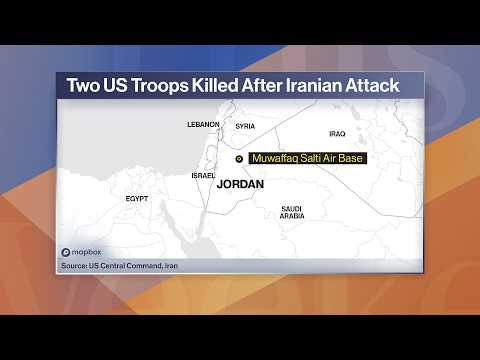
  • Middle East Tensions Escalate – After Iran Attacks Kill Two US Troops

    Middle East Tensions Escalate – After Iran Attacks Kill Two US Troops

    The geopolitical situation in the Middle East has intensified dramatically following recent attacks attributed to Iranian-backed forces, which resulted in the deaths of two U.S. military personnel. This development has elicited strong condemnation from international actors and raised alarms about the potential for wider regional conflict, prompting urgent calls for de-escalation from global leaders.

    A New Chapter of Regional Instability

    The attacks mark a significant turning point in the ongoing dynamics between the United States and Iran. For years, a delicate balance of deterrence and limited engagement has characterized the relationship, often tested by proxy conflicts and regional skirmishes. The direct targeting resulting in U.S. casualties, however, shifts the calculus.

    Details surrounding the attacks remain under investigation by U.S. defense officials. Initial reports indicate the incidents occurred in a strategically sensitive area, though the precise location has not been publicly disclosed. The U.S. Department of Defense has confirmed the fatalities and notified the families of the fallen service members.

    President Trump addressed the nation from the Oval Office, condemning the attacks as a ‘cowardly act of aggression’ and vowing a ‘decisive and proportionate response.’ Vice President JD Vance echoed these sentiments during an appearance on a national news program, emphasizing the administration’s commitment to protecting American lives and interests abroad.

    International Reactions and Calls for Restraint

    The international community has reacted with a mixture of shock and concern. United Nations Secretary-General António Guterres issued a statement urging all parties to exercise maximum restraint. He called for an immediate cessation of hostilities to prevent a broader conflagration that could destabilize the entire region and have global repercussions.

    Key U.S. allies have also voiced their solidarity and concern. British Prime Minister Keir Starmer condemned the attacks and expressed condolences to the families of the fallen troops. French President Emmanuel Macron called for diplomatic solutions, emphasizing the need for dialogue to avert further bloodshed.

    Russia and China, while often at odds with Western powers on Middle East policy, have also expressed apprehension. Both nations have historically advocated for de-escalation in regional conflicts, fearing the impact on global energy markets and international stability. Their diplomatic overtures have focused on preventing an uncontrolled spiral of violence.

    The Shadow of Proxy Warfare

    The attacks are widely believed to be carried out by militias supported and funded by Iran. These proxy groups operate across Iraq, Syria, Lebanon, and Yemen, serving as extensions of Iran’s strategic influence. Their actions often complicate direct attribution and provide a degree of plausible deniability for Tehran.

    U.S. intelligence agencies are working to definitively link the specific groups responsible to the Iranian Revolutionary Guard Corps (IRGC). The IRGC’s Quds Force, in particular, has long been implicated in orchestrating and supporting such operations. Establishing a clear chain of command and responsibility is crucial for any potential U.S. retaliatory actions.

    The use of drones and precision-guided munitions by these groups has become increasingly sophisticated. This technological advancement presents a growing challenge to U.S. and allied forces, who must adapt their defensive measures to counter evolving threats. The recent attacks highlight the potency of these asymmetric warfare tactics.

    Historical Context of U.S.-Iran Tensions

    Tensions between the United States and Iran have deep historical roots, dating back to the 1979 Iranian Revolution and the subsequent hostage crisis. Decades of mistrust, sanctions, and ideological clashes have shaped the relationship. The 2015 Joint Comprehensive Plan of Action (JCPOA), or Iran nuclear deal, offered a brief period of reduced tension, but its unraveling under the Trump administration in 2018 reignited animosities.

    Since the U.S. withdrawal from the JCPOA, Iran has progressively expanded its nuclear program and increased its support for regional proxy forces. This has been met with heightened U.S. military presence in the Persian Gulf and renewed economic sanctions, creating a cycle of escalation and counter-escalation.

    The current incident echoes previous flashpoints, such as the 2020 killing of Iranian General Qasem Soleimani by a U.S. drone strike and subsequent Iranian missile attacks on U.S. bases in Iraq. Each event has pushed the two nations closer to direct confrontation, only for de-escalation efforts to pull them back from the brink.

    U.S. Military Presence in the Middle East

    The United States maintains a significant military footprint across the Middle East, primarily aimed at counter-terrorism operations, deterring regional aggressors, and protecting vital shipping lanes. Bases in Iraq, Syria, Kuwait, Qatar, Bahrain, and Saudi Arabia host thousands of U.S. service members.

    The presence of these troops is often a point of contention with local populations and governments. While some view the U.S. as a stabilizing force, others see it as an occupying power or a target for anti-Western sentiment. The attacks on U.S. personnel exacerbate these internal and external pressures.

    The Biden administration, which preceded President Trump’s current term, had aimed to reduce the U.S. military footprint in some areas, shifting focus to other global challenges. However, the persistent threats from groups like ISIS and Iranian-backed militias have complicated these withdrawal efforts, often necessitating sustained engagement.

    Economic Implications of Escalation

    Any significant escalation in the Middle East carries substantial economic risks, particularly for global energy markets. The region is a major producer of oil and natural gas, and disruptions to supply routes or production facilities can trigger sharp price increases. This impacts consumers worldwide and can fuel inflation.

    Financial markets have already shown signs of volatility in response to the news. Oil prices saw an immediate uptick, and global stock markets experienced downward pressure as investors reacted to the increased geopolitical uncertainty. Analysts warn that sustained tensions could lead to a prolonged period of economic instability.

    Shipping routes through the Strait of Hormuz, a critical chokepoint for oil transport, are particularly vulnerable. Iran has previously threatened to close the strait in response to perceived aggressions, a move that would have catastrophic consequences for the global economy. Safeguarding these maritime passages is a primary objective of international naval forces.

    The Path Forward: Diplomacy or Retaliation?

    President Trump faces immediate decisions regarding the U.S. response. Options range from targeted military retaliation against the responsible proxy groups or their Iranian handlers to diplomatic overtures aimed at de-escalation. The administration’s choice will define the immediate trajectory of the conflict.

    Military strategists are likely evaluating a range of targets, including missile sites, drone facilities, and command-and-control centers associated with the attacks. Any strike would carry the risk of further escalation, potentially drawing Iran into a more direct confrontation. The precision and scope of such actions would be critical.

    Diplomatic channels remain open, albeit strained. International mediators may attempt to broker a ceasefire or facilitate indirect negotiations between Washington and Tehran. The ultimate goal for many international observers is to prevent a full-scale war, which would have devastating human and economic costs.

    The families of the two fallen U.S. service members grieve. The U.S. military prepares. The global community watches. The region holds its breath.

    Washington.

  • Sam Neill, Iconic ‘Jurassic Park’ Actor, Dies at 78

    Sam Neill, Iconic ‘Jurassic Park’ Actor, Dies at 78

    The Passing of a Screen Icon

    Sam Neill, the acclaimed actor globally recognized for his portrayal of Dr. Alan Grant in the seminal “Jurassic Park” film series, died today, July 13, 2026, at the age of 78. His passing was first reported by Deadline, marking the end of a career that spanned several decades and encompassed a wide range of film and television projects. Neill’s work transcended genres, leaving a significant impact on contemporary cinema and television audiences worldwide.

    His distinctive presence and understated performances earned him a reputation as a respected and enduring talent. Neill continued to remain active in his craft, taking on roles and engaging with his audience throughout his career. The news of his death has prompted an outpouring of reactions from the entertainment industry and fans across the globe.

    Early Life and Career Foundations

    Born in Omagh, County Tyrone, Northern Ireland, in 1947, Neill spent his early childhood in New Zealand. This dual heritage would later influence his nuanced performances and global appeal. He began his acting career in the early 1970s, initially working in New Zealand and Australian cinema. His early work established him as a compelling dramatic actor.

    One of his breakthrough roles came in the 1977 New Zealand film “Sleeping Dogs.” This performance garnered critical attention and set the stage for his entry into international productions. Neill’s early career was characterized by a willingness to explore complex characters in independent films.

    He honed his craft through diverse roles, demonstrating an early command of subtle emotional expression. These formative years laid the groundwork for the more prominent roles that would define his later career.

    The Road to International Recognition

    Neill’s international profile began to rise in the late 1970s and early 1980s. He took on significant roles in British and American productions, expanding his reach beyond Australasia. His performance in the 1981 horror film “Omen III: The Final Conflict” introduced him to a broader mainstream audience.

    This period also saw him starring in films such as Andrzej Żuławski’s psychological horror “Possession” (1981), where his intense performance earned critical acclaim. He demonstrated an ability to navigate challenging material, solidifying his reputation as a versatile actor.

    The 1980s further cemented his status with roles in films like “Plenty” (1985) alongside Meryl Streep and “Cry in the Dark” (1988) withMeryl Streep. These projects showcased his range, moving between different dramatic registers with ease.

    Iconic Roles and Global Stardom

    The year 1993 proved to be a pivotal moment in Neill’s career. He starred in two highly acclaimed and commercially successful films that would define his legacy: Steven Spielberg’s “Jurassic Park” and Jane Campion’s “The Piano.”

    Dr. Alan Grant: The Paleontologist Who Faced Dinosaurs

    His role as Dr. Alan Grant in “Jurassic Park” transformed Neill into a household name. The film, a groundbreaking achievement in special effects and storytelling, became a global phenomenon. Neill’s portrayal of the reluctant hero, a paleontologist thrust into a prehistoric nightmare, resonated with audiences.

    Dr. Grant became an iconic character, synonymous with the awe and terror of Isla Nublar. Neill reprised the role in “Jurassic Park III” (2001), further cementing his connection to the beloved franchise. His return to the character in later productions was always met with enthusiasm from fans.

    Stewart: A Quiet Strength in “The Piano”

    In stark contrast to the blockbuster spectacle of “Jurassic Park,” Neill also delivered a powerful performance in “The Piano.” In this film, he played Alisdair Stewart, a frontiersman in 19th-century New Zealand. His portrayal of the complex and often conflicted husband earned him widespread critical praise.

    “The Piano” went on to win numerous awards, including the Palme d’Or at the Cannes Film Festival and multiple Academy Awards. Neill’s ability to embody such vastly different characters in the same year underscored his remarkable versatility as an actor.

    A Career of Diverse Choices

    Beyond these tentpole roles, Neill maintained a career marked by diverse and often unexpected choices. He frequently worked across different genres, from science fiction and thrillers to dramas and historical pieces. His filmography reflects a commitment to compelling storytelling over typecasting.

    Notable Film Contributions

    • “Dead Calm” (1989): A psychological thriller that showcased his intense performance opposite Nicole Kidman.
    • “Merlin” (1998): A television miniseries where he played the titular wizard, bringing gravitas to the mythical figure.
    • “Bicentennial Man” (1999): A science fiction drama alongside Robin Williams, exploring themes of humanity and artificial intelligence.
    • “The Hunter” (2011): An Australian thriller that saw him in a more rugged, contemplative role.
    • “Hunt for the Wilderpeople” (2016): A critically acclaimed New Zealand adventure-comedy, demonstrating his comedic timing.

    Television Successes

    Neill also made significant contributions to television. His role as Chief Inspector Chester Campbell in the acclaimed British series “Peaky Blinders” (2013-2014) introduced him to a new generation of viewers. His menacing portrayal of the antagonist was widely praised.

    Other television work included appearances in series like “The Tudors” (2007) and “Alcatraz” (2012). He consistently brought a level of sophistication and depth to his television roles, elevating the productions he joined.

    The Enduring Legacy of Sam Neill

    Sam Neill’s impact on the entertainment industry extended beyond his individual performances. He was known for his professionalism, his collaborative spirit, and his genuine passion for acting. His career serves as a testament to the power of versatility and sustained dedication to one’s craft.

    He remained a beloved figure among fans, often engaging with them through social media. His personal warmth and dry wit were as much a part of his public persona as his on-screen intensity. Neill’s passing leaves a void in the cinematic landscape, but his extensive body of work will continue to inspire and entertain.

    His ability to seamlessly transition between major Hollywood blockbusters and more intimate, character-driven independent films set him apart. This unique trajectory allowed him to explore a wide array of human experiences through his art.

    Reactions and Tributes

    Upon the news of his death on July 13, 2026, tributes began to pour in from across the film and television industries. Colleagues and collaborators shared memories of working with Neill, highlighting his talent, kindness, and professionalism.

    Fans took to social media to express their condolences and share their favorite moments from his films and shows. The collective grief underscored the deep connection audiences felt with his work and his persona.

    The specific circumstances surrounding Neill’s death are still emerging. The initial reports confirm his passing but have not yet provided extensive details. The entertainment industry and fans worldwide are expected to continue reacting to the news as more information becomes available from official sources.

    Neill’s legacy is not just in the characters he played, but in the indelible impression he left on the art of acting itself. His career is a masterclass in range, resilience, and quiet brilliance.

    Actors remembered his generosity. Directors praised his commitment. Audiences mourned his loss.

    Sam Neill.