Tag: Cinema

  • Don Iwerks Dead: Honoring a Disney Innovator and Cinematic Pioneer

    Don Iwerks Dead: Honoring a Disney Innovator and Cinematic Pioneer

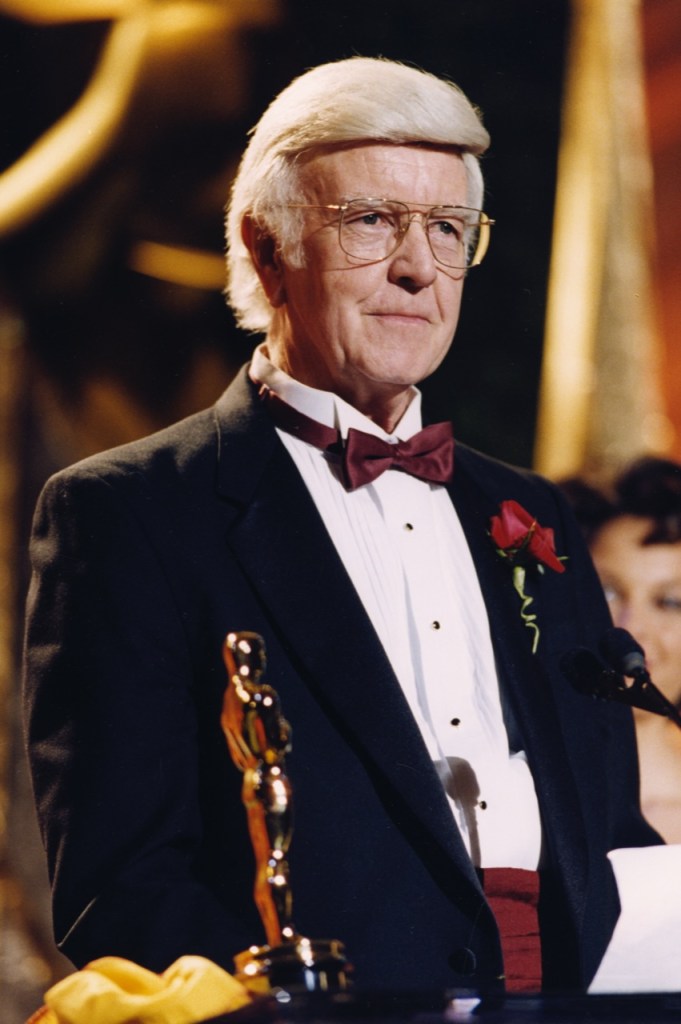
    Don Iwerks, a pivotal figure in cinematic innovation and a former executive at The Walt Disney Company, passed away on July 9, 2026. His death at the age of 96 marks the end of a remarkable career that profoundly influenced film technology and the immersive entertainment experiences enjoyed by millions worldwide.

    Iwerks’ legacy is deeply intertwined with the evolution of motion pictures and theme park attractions. He was instrumental in developing groundbreaking projection systems and special venue formats that pushed the boundaries of visual storytelling.

    A Legacy Forged in Disney’s Golden Age

    Donald “Don” Iwerks was born in 1929, the son of Ub Iwerks, the legendary animator and co-creator of Mickey Mouse with Walt Disney. Growing up within the orbit of Disney’s burgeoning animation studio provided him with a unique perspective on the intersection of art and technology.

    He joined The Walt Disney Company in 1950, beginning a career that would span over three decades. His early work involved the technical aspects of film production, a field where his father had already made significant contributions.

    The era was one of intense innovation for Disney, moving beyond traditional animation into live-action films, television, and eventually, theme parks. Don Iwerks found himself at the forefront of these technological expansions.

    Circarama and the Dawn of Immersive Experiences

    One of Iwerks’ early and most significant projects at Disney was his involvement with Circarama, a groundbreaking 360-degree film exhibition system. This technology debuted at Disneyland in 1955, offering guests an unprecedented immersive experience.

    Circarama utilized eleven 16mm projectors synchronized to display images on eleven screens arranged in a circle. Iwerks played a crucial role in developing the complex projection and synchronization systems required for this ambitious project.

    The success of Circarama demonstrated Disney’s commitment to pushing technological boundaries in storytelling. It laid important groundwork for future multi-screen and large-format presentations.

    WED Enterprises and Theme Park Innovation

    As Disney expanded into theme park development with Disneyland, Don Iwerks became a key contributor to WED Enterprises (now Walt Disney Imagineering). This division was responsible for designing and building the attractions that brought Disney stories to life.

    His expertise in film and projection technology was invaluable in creating the unique visual effects and ride systems that defined early Disney attractions. He worked on systems for rides that combined film elements with physical sets and animatronics.

    Iwerks’ work ensured that the technical execution of these ambitious concepts met Walt Disney’s exacting standards for quality and immersive storytelling.

    Pioneering Advanced Film Formats

    Throughout his tenure at Disney, Don Iwerks was consistently involved in the development of advanced film formats and projection systems. This included working with larger film gauges and specialized projection equipment designed for unique cinematic presentations.

    He understood the importance of image quality and scale in creating truly impactful visual experiences. His technical acumen helped Disney maintain its reputation as a leader in cinematic innovation.

    These advancements were not limited to theme parks; they often influenced the broader film industry, setting new benchmarks for visual fidelity.

    Beyond Disney: Iwerks Entertainment

    After a distinguished career of over 30 years with The Walt Disney Company, Don Iwerks departed in 1986 to found his own company, Iwerks Entertainment. This new venture continued his passion for large-format and special venue cinema.

    Iwerks Entertainment quickly became a leader in the field, developing and installing advanced film systems for theme parks, museums, and other entertainment venues worldwide. The company specialized in creating immersive experiences using large-screen formats like 70mm, as well as simulator ride technology.

    The company’s innovations included the development of the Cinetron projection system and various motion-base simulator platforms. These technologies allowed audiences to feel as if they were part of the on-screen action, a significant leap forward in interactive entertainment.

    Iwerks Entertainment’s systems were adopted by major theme parks and attractions globally, solidifying Don Iwerks’ reputation as a visionary in the special venue film industry.

    An Academy Award for Technical Achievement

    Don Iwerks’ profound contributions to cinematic technology were formally recognized by the Academy of Motion Picture Arts and Sciences. In 1997, he received the Academy of Motion Picture Arts and Sciences’ Gordon E. Sawyer Award.

    This prestigious award honored his pioneering work in the design and development of the Iwerks 8/70 Linear Loop Projection System. This system significantly improved the reliability and image quality of large-format film projection, particularly for 70mm film in continuous loop applications.

    The 8/70 Linear Loop system became a standard for many special venue theaters and attractions, ensuring consistent, high-quality presentations for audiences. It was a testament to Iwerks’ dedication to engineering excellence.

    Documenting a Family Legacy

    In addition to his technical work, Don Iwerks also dedicated himself to preserving the legacy of his father, Ub Iwerks. He co-authored the book Walt Disney’s Ub Iwerks: The Hand Behind the Mouse with his son, Ken Iwerks.

    Published in 1999, the book provided an invaluable historical account of Ub Iwerks’ pivotal role in the early days of Disney animation and his subsequent technical innovations. It offered insights into the creative and technical partnership between Walt Disney and Ub Iwerks.

    This effort ensured that his father’s contributions, often overshadowed by Walt Disney’s public persona, received proper recognition. It also highlighted the deep-seated technical ingenuity that ran through the Iwerks family.

    Impact on Modern Entertainment

    The innovations pioneered by Don Iwerks continue to resonate in modern entertainment. The concept of immersive, large-format cinema and motion-based attractions, which he championed, is a cornerstone of today’s theme parks and experiential venues.

    From IMAX theaters to sophisticated simulator rides, the lineage of his work is evident. He helped establish the technical foundations for experiences that blend film, motion, and environmental effects to transport audiences.

    His dedication to precision engineering and visual fidelity set a high bar for the industry. The pursuit of ever-more realistic and engaging cinematic experiences owes much to his pioneering spirit.

    A Life of Innovation

    Don Iwerks’ career was characterized by a relentless drive to innovate. He consistently sought to overcome technical challenges to bring ambitious creative visions to life. His work ethic and commitment to excellence were hallmarks of his professional life.

    He navigated the complex world of film technology, from the mechanical intricacies of projectors to the optical challenges of large-screen displays. His solutions often became industry standards.

    His passing leaves a void in the world of cinematic innovation, but his contributions will continue to shape how stories are told and experienced on screen for generations to come.

    The Enduring Influence of a Visionary

    Don Iwerks was more than just an engineer; he was a visionary who understood the power of technology to enhance storytelling. His work at Disney and later with Iwerks Entertainment helped define what was possible in film exhibition.

    His legacy is not just in the patents he held or the systems he designed, but in the countless moments of wonder he helped create for audiences around the globe.

    Inventors gathered. Engineers gathered. Storytellers gathered. Innovators gathered. Hollywood.

  • Miki Zohar’s Stance – Israeli Culture Minister Vows to Defund ‘Anti-Israel’ Films

    Miki Zohar’s Stance – Israeli Culture Minister Vows to Defund ‘Anti-Israel’ Films

    Israeli Culture Minister Miki Zohar has publicly announced his intention to defund films he considers ‘anti-Israel.’ This declaration, made within a campaign spot, immediately ignited a broad public debate concerning the boundaries of artistic freedom and the government’s role in cultural funding decisions. The policy seeks to ensure that state resources support projects aligning with a particular national narrative.

    Zohar’s stance reflects a growing conservative movement within cultural policy. This movement prioritizes national interests and values in the allocation of public funds for the arts. The initiative has become a central point of contention for filmmakers, artists, and cultural institutions both within Israel and internationally.

    The Minister’s Public Declaration

    Miki Zohar, serving as Israel’s Culture Minister, communicated his policy intentions through a campaign advertisement. This public forum amplified the message, ensuring widespread attention. The core of his message was a commitment to re-evaluate and potentially withdraw financial support from cinematic productions deemed critical or hostile towards the State of Israel.

    The announcement positioned Zohar as a defender of national pride and values within the cultural sphere. His statements suggested that public funds should not be used to support content that, in his view, undermines the nation’s image or narrative. This direct approach aimed to resonate with voters who share similar concerns about cultural representation.

    Defining ‘Anti-Israel’ Content

    A central challenge arising from Minister Zohar’s policy is the definition of ‘anti-Israel’ content. The criteria for such a designation remain a subject of intense speculation and concern among artists and critics. Clarity on these guidelines is crucial for filmmakers seeking state funding.

    Critics argue that vague definitions could lead to self-censorship within the film industry. Filmmakers might avoid controversial topics or critical perspectives to secure funding. This potential chilling effect could stifle creative expression and limit the diversity of stories told about Israel.

    Impact on Artistic Freedom and Expression

    The proposed policy directly impacts artistic freedom. Many artists and cultural organizations view government funding as essential for their work. The threat of defunding could compel creators to align their artistic vision with state-approved narratives.

    Organizations advocating for free expression have voiced strong opposition. They argue that artistic integrity requires independence from political influence. They contend that government intervention in content creation, especially through financial leverage, constitutes a form of censorship.

    Government Funding in the Arts: A Global Debate

    The debate in Israel mirrors similar discussions in other countries regarding government funding for the arts. The question of whether public money should support art that critiques national policy or challenges societal norms is not unique to Israel.

    Different nations adopt varying approaches. Some prioritize complete artistic autonomy, while others implement cultural policies that reflect national identity or strategic objectives. Minister Zohar’s policy aligns with the latter, emphasizing national values in cultural production.

    Historical Context of Cultural Funding in Israel

    State support for the arts in Israel has a long and complex history. Since the nation’s founding in 1948, cultural institutions have often relied on government subsidies. This funding has played a significant role in developing Israel’s vibrant film, theater, and music scenes.

    Historically, the relationship between artists and the state has involved periods of both collaboration and tension. Previous governments have also faced decisions regarding the types of artistic projects to support. Zohar’s current initiative represents a more explicit and assertive stance on aligning cultural funding with perceived national interests.

    Reactions from the Israeli Film Industry

    The Israeli film industry has reacted with a mix of concern and defiance. Many filmmakers depend on state funding for project development and production. The prospect of losing this support creates significant financial uncertainty.

    Some filmmakers have openly criticized the minister’s plans, asserting their right to independent artistic expression. Others fear that the policy could isolate Israeli cinema from international festivals and co-production opportunities, which often value diverse and challenging narratives.

    International Implications and Perceptions

    The policy has also drawn international attention. Global film communities and human rights organizations are monitoring the situation closely. Concerns have been raised about the potential for Israel to be perceived as stifling artistic dissent.

    International film festivals and funding bodies often prioritize films that offer diverse perspectives and address complex social or political issues. A policy perceived as restrictive could impact the international reception and distribution of Israeli films, potentially limiting their global reach and influence.

    The Role of Culture Ministers in National Identity

    Culture ministers globally often play a dual role: promoting their nation’s cultural heritage and fostering contemporary artistic expression. This position frequently involves balancing national interests with the creative autonomy of artists.

    Minister Zohar’s approach emphasizes the protective aspect of his role, aiming to safeguard a particular national image. This interpretation of the culture minister’s mandate contrasts with views that prioritize unconditional support for artistic experimentation and critique, regardless of political alignment.

    Future of Israeli Cinema Funding

    The future of cinema funding in Israel hangs in the balance. The implementation of Minister Zohar’s policy could lead to a significant restructuring of how film projects are approved and financed. This might involve new review committees or stricter guidelines for content.

    Filmmakers and producers are exploring alternative funding models, including private investment and international co-production. However, state funding remains a critical component for many projects, especially those with smaller budgets or experimental themes.

    The Broader Cultural Defense Movement

    Minister Zohar’s policy is part of a broader cultural defense movement. This movement, often associated with conservative political platforms, seeks to protect and promote what it defines as national values and traditions against perceived external or internal threats.

    Proponents of cultural defense argue that state-funded art should reinforce national identity and pride. Critics, however, warn that such approaches can lead to cultural homogenization and the suppression of diverse voices, ultimately weakening the artistic landscape rather than strengthening it.

    Legal and Ethical Challenges

    The policy may also face legal and ethical challenges. Legal experts are examining whether such funding criteria violate existing laws regarding freedom of expression or non-discrimination. The ethical implications of a government dictating artistic content are also under scrutiny.

    Debates surrounding state funding and artistic freedom often involve complex legal precedents and constitutional rights. The outcome of these challenges could set new benchmarks for cultural policy in Israel and beyond.

    Navigating the Path Forward

    The path forward for Israeli cinema and cultural policy is uncertain. Stakeholders within the film industry, government, and civil society are now engaged in a critical dialogue. This discourse will determine the balance between national interests, artistic freedom, and the economic realities of cultural production.

    The decisions made in the coming months will shape the landscape of Israeli arts for years to come. They will influence the stories told, the voices heard, and the international standing of Israel’s vibrant cultural sector.

    Ministers declared. Filmmakers protested. Audiences watched. The debate continued.

    Israel.

  • From Screen Antiheroes to President Trump: A Cultural Defense Perspective

    From Screen Antiheroes to President Trump: A Cultural Defense Perspective

    Author David Thomson draws a direct line between the prevalence of screen antiheroes in cinematic history and the political trajectory of President Donald Trump. This connection forms a cultural defense perspective, suggesting that the public’s reception of complex, often morally ambiguous characters on screen prepared a cultural landscape for a leader who defies traditional political norms.

    Thomson, a respected film critic and historian, frequently analyzes the deeper currents flowing between popular culture and real-world phenomena. His work explores how the stories told through film shape collective consciousness and influence societal expectations of leadership and character.

    The Evolution of the Antihero Archetype

    The screen antihero emerged prominently in cinema, challenging established notions of heroism. These characters often possessed charisma and a compelling narrative, despite their flawed moral compass or outright criminal tendencies. Figures like Michael Corleone in “The Godfather” or Travis Bickle in “Taxi Driver” captivated audiences not through their virtue, but through their raw ambition, resilience, and often, their defiance of societal rules.

    Early cinematic heroes were often unambiguous figures of virtue. They represented clear moral uprightness and adherence to societal standards. The shift to antiheroes marked a significant departure, reflecting a growing complexity in storytelling and a changing perception of morality.

    This evolution mirrored a broader cultural trend, where traditional institutions and authority figures faced increasing scrutiny. Audiences became more receptive to narratives that explored the darker aspects of human nature, finding relatability or fascination in characters who operated outside conventional boundaries.

    From Noir to New Hollywood

    Film noir, flourishing in the 1940s and 1950s, introduced morally ambiguous protagonists caught in webs of deceit and corruption. These characters, while not always overtly criminal, often skirted the edges of legality and conventional ethics. Their struggles often highlighted the gray areas of human existence.

    The New Hollywood era of the late 1960s and 1970s further solidified the antihero’s place. Directors like Martin Scorsese, Francis Ford Coppola, and Sidney Lumet presented protagonists who were deeply flawed, alienated, or even destructive. These films often reflected a disillusionment with governmental authority and traditional American values following events like the Vietnam War and Watergate.

    These characters, despite their transgressions, often commanded a strange respect or understanding from audiences. They embodied a certain kind of power, a willingness to break rules, and an unfiltered approach to achieving their goals. This portrayal resonated with a public increasingly wary of polished, inauthentic figures.

    Donald Trump and the Antihero Persona

    David Thomson suggests that President Donald Trump’s public persona shares characteristics with these cinematic antiheroes. His defiance of political conventions, his unfiltered communication style, and his willingness to challenge established norms can be seen as echoes of the antihero archetype.

    President Trump often presented himself as an outsider, a figure willing to disrupt the political establishment. This stance resonated with voters who felt alienated by traditional politics and sought a leader who would challenge the status quo, much like an antihero challenges the narrative of a film.

    His public image often emphasized strength and a disregard for polite political discourse. This directness, while controversial, was perceived by some as authentic, contrasting with the more measured and often perceived as inauthentic language of career politicians.

    The Appeal of Disruption

    The antihero’s appeal often lies in their disruptive nature. They dismantle existing structures, whether through cunning, force, or sheer will. This disruption, in a political context, can be seen as a desire to overturn perceived failures or inefficiencies of the system.

    President Trump’s campaigns and presidency were marked by a consistent theme of disruption. He promised to “drain the swamp” and to challenge global agreements, appealing to a segment of the electorate yearning for radical change, not incremental adjustments.

    This appeal is not necessarily about moral alignment but about effectiveness and a perceived ability to get things done, even if it means breaking from tradition. The antihero, in many narratives, achieves their goals, albeit through unconventional means.

    The Unchanging Dictionary and New Frontiers

    Thomson confirmed that his seminal work, “The Biographical Dictionary of Film,” will not receive further updates. This decision marks the end of an era for a text that has served as a critical reference for film enthusiasts and scholars for decades. The dictionary, first published in 1975, has gone through multiple editions, chronicling the careers and impact of thousands of cinematic figures.

    His refusal to update the dictionary reflects a personal stance on the nature of film history and perhaps a weariness with the constant flux of contemporary cinema. The work remains a testament to his extensive knowledge and critical insight into the medium.

    Instead of revisiting past works, Thomson is focusing on new projects. His next major literary endeavor will center on the iconic Disney character, Mickey Mouse. This choice signals a continued interest in exploring figures that hold significant cultural weight and influence, much like the antiheroes and political figures he has previously analyzed.

    Mickey Mouse: A New Cultural Lens

    The decision to focus on Mickey Mouse is noteworthy. Mickey Mouse, perhaps the most recognizable animated character globally, embodies different aspects of cultural impact than the antihero. Mickey represents innocence, corporate branding, and the evolution of American entertainment over nearly a century.

    Analyzing Mickey Mouse allows Thomson to delve into themes of nostalgia, the commercialization of art, and the enduring power of simple, yet universally recognized, imagery. It is a shift from the morally complex to the culturally pervasive.

    Thomson’s approach to Mickey Mouse will likely explore how the character has adapted through various eras, reflecting changing societal values and technological advancements in animation. He will likely examine Mickey’s role not just as a character, but as a global ambassador for American culture.

    Cinema as a Mirror of Society

    The connection Thomson draws between screen antiheroes and President Trump underscores a fundamental belief: cinema is not merely entertainment; it is a powerful mirror reflecting and shaping societal values. The characters we embrace on screen, whether heroic or antiheroic, reveal much about our collective desires, fears, and aspirations.

    The cultural landscape is constantly evolving. What was once shocking or unconventional on screen can, over time, become normalized or even celebrated. This normalization can extend beyond the realm of fiction, influencing how real-world figures are perceived and accepted.

    Thomson’s analysis serves as a reminder that understanding political phenomena requires looking beyond traditional political science and into the broader cultural currents that inform public sentiment. The stories we tell ourselves, through film and other media, prepare the ground for the leaders we choose.

    Film critics like Thomson illuminate these connections, providing insights into the subtle ways culture permeates politics and vice versa. They offer a framework for understanding how seemingly disparate elements of public life are, in fact, deeply intertwined.

    The antihero’s journey, often one of struggle against an established order, resonates with many who feel disenfranchised. Their success, even if morally compromised, can be seen as a triumph over perceived injustice or stagnation.

    This narrative power, cultivated over decades in cinema, contributes to a public consciousness that is increasingly sophisticated in its consumption of complex characters and narratives. This sophistication, in turn, influences the reception of political figures who embody similar traits.

    The cultural defense perspective suggests that understanding the entertainment we consume is crucial for understanding the political landscape.

    The archetypes on screen. The narratives embraced by millions. The figures who rise to power. The stories we tell. The characters we celebrate. The cultural currents. The societal shifts.

    Trump.

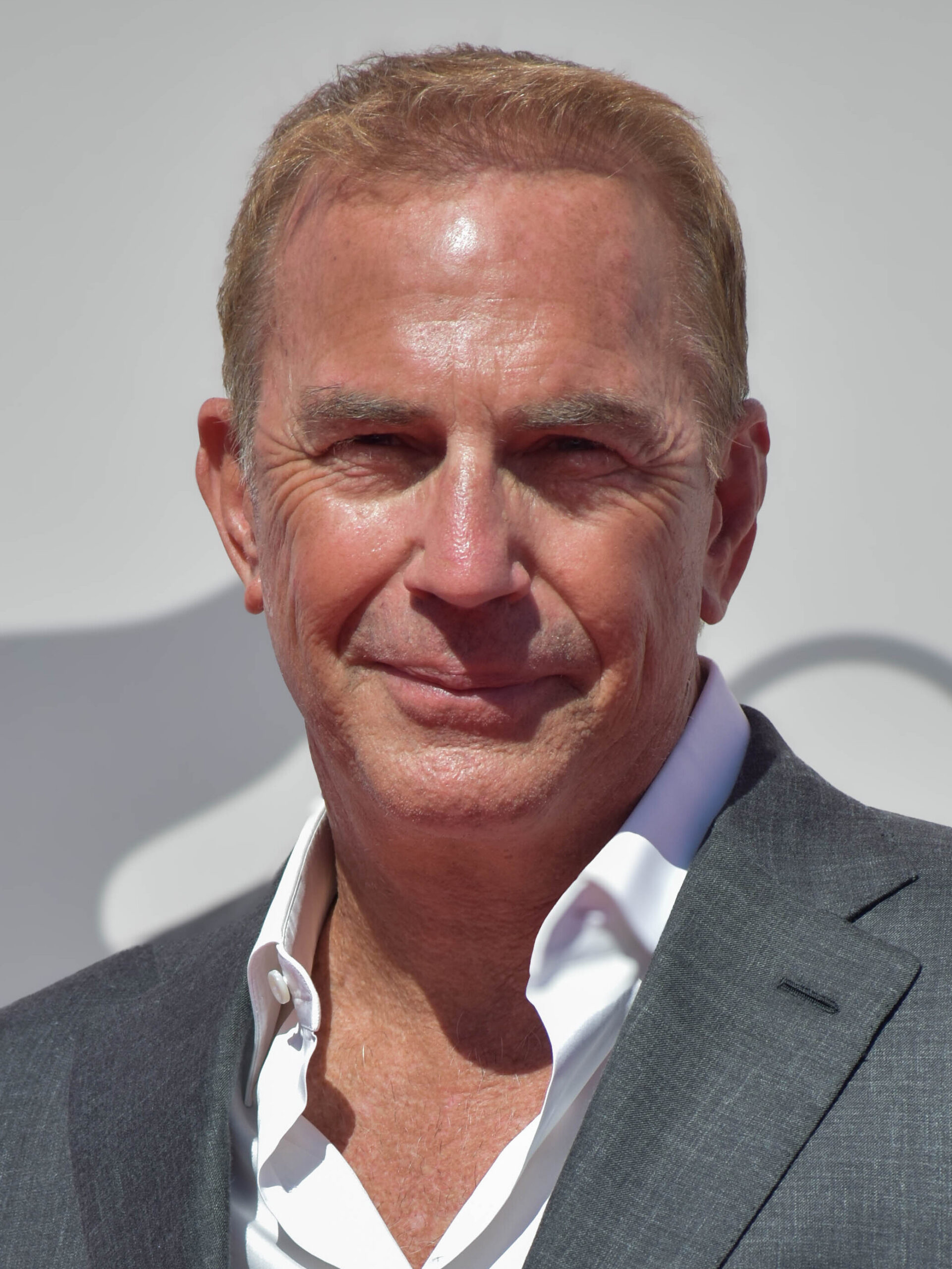
  • Kevin Costner’s ‘Dances With Wolves’ Extended Cut to Premiere at Locarno

    Kevin Costner’s ‘Dances With Wolves’ Extended Cut to Premiere at Locarno

    A restored extended director’s cut of Kevin Costner’s critically acclaimed Western, ‘Dances With Wolves,’ is scheduled to premiere at the Locarno Film Festival. This presentation will offer audiences a more expansive version of the film, which originally captivated viewers and critics upon its release in 1990. The screening at Locarno highlights the ongoing relevance and cinematic significance of Costner’s directorial debut.

    The announcement from the Locarno Film Festival places renewed focus on a film that achieved both commercial success and critical recognition. ‘Dances With Wolves’ became a cultural phenomenon, influencing subsequent Westerns and discussions about the portrayal of Native American cultures in cinema. The extended cut promises a deeper dive into its narrative and character development.

    The Original Cinematic Achievement

    ‘Dances With Wolves’ debuted in 1990, quickly establishing itself as a landmark film. Kevin Costner not only starred as Lieutenant John J. Dunbar but also directed and co-produced the epic. The film’s narrative centered on a Union Army lieutenant who travels to the American frontier and forms a connection with a Lakota community.

    The production was noted for its ambitious scope, featuring vast landscapes and a significant portion of dialogue in the Lakota language, subtitled for English-speaking audiences. This commitment to authenticity was a key factor in its critical reception. The film’s musical score, composed by John Barry, also received widespread acclaim.

    At the 63rd Academy Awards in 1991, ‘Dances With Wolves’ received 12 nominations. It ultimately secured seven Oscars, including Best Picture and Best Director for Kevin Costner. Other wins included Best Adapted Screenplay, Best Cinematography, Best Film Editing, Best Original Score, and Best Sound. These accolades cemented its place in cinematic history.

    The Locarno Film Festival

    The Locarno Film Festival, held annually in Locarno, Switzerland, is one of the oldest and most prestigious film festivals in the world. Established in 1946, it is known for its open-air screenings in the Piazza Grande, a central square that transforms into an enormous outdoor cinema. The festival is renowned for showcasing auteur cinema and discovering new talent.

    The selection of ‘Dances With Wolves’ for a premiere at Locarno underscores the festival’s commitment to celebrating significant cinematic works. The event attracts filmmakers, critics, and cinephiles from around the globe, providing a prominent platform for the restored extended cut. Its inclusion highlights the film’s international appeal and artistic merit.

    This year’s festival, taking place in 2026, will feature a diverse program of films from various genres and countries. The premiere of Costner’s extended cut is expected to be a highlight, drawing considerable attention to both the film and the festival itself. It provides a unique opportunity for a new generation of viewers to experience the film on a grand scale.

    The Extended Director’s Cut

    The extended director’s cut of ‘Dances With Wolves’ offers additional footage and expanded scenes not included in the original theatrical release. Director’s cuts often provide filmmakers with the opportunity to present a version of their work closer to their initial vision, free from the constraints of theatrical running times or studio mandates.

    In the case of ‘Dances With Wolves,’ the extended cut reportedly adds significant runtime, delving deeper into character motivations, cultural interactions, and the day-to-day life of the Lakota people. This additional material can enrich the viewing experience, providing more context and nuance to the story of Lieutenant Dunbar and his integration into the Native American community.

    While the theatrical version was highly successful, the extended cut allows for a more contemplative pacing and a fuller exploration of the film’s themes. It provides an alternative perspective on a story that has resonated with millions. Film enthusiasts often seek out director’s cuts to gain new insights into beloved movies and their creators’ artistic intentions.

    Kevin Costner’s Legacy and Enduring Impact

    Kevin Costner’s involvement in ‘Dances With Wolves’ was a pivotal moment in his career, showcasing his capabilities not only as an actor but also as a director and producer. The film’s success solidified his position as a major force in Hollywood. His dedication to bringing the story to the screen, including reportedly investing his own money, became part of the film’s lore.

    Beyond ‘Dances With Wolves,’ Costner has maintained a prominent career in Hollywood, starring in and directing numerous films and television series. His work often features themes of American history, the frontier, and environmentalism. The enduring appeal of ‘Dances With Wolves’ continues to be a cornerstone of his legacy.

    The film’s impact extended beyond box office numbers and awards. It sparked renewed interest in the Western genre and encouraged a more nuanced portrayal of Native American cultures in mainstream media. Its careful attention to historical detail and cultural sensitivity set a new standard for similar productions. The premiere of the extended cut serves as a testament to its lasting cultural significance.

    Restoration and Preservation

    The restoration process for the extended director’s cut involves meticulous work to enhance the film’s visual and audio quality. Film restoration is crucial for preserving cinematic heritage, ensuring that classic movies can be experienced by future generations in the best possible condition. Modern restoration techniques can address issues such as color fading, scratches, and audio degradation present in original film elements.

    A 4K restoration, as is often the case for significant re-releases, involves scanning the original negative or other high-quality film elements at a very high resolution. This process allows for detailed digital cleanup and color grading, bringing the film’s imagery to contemporary standards without altering its original artistic intent. The result is a sharper, more vibrant presentation that can capture the nuances of the original cinematography.

    This restoration effort ensures that the extended cut of ‘Dances With Wolves’ will be presented at Locarno with optimal clarity and fidelity. It allows audiences to appreciate the film’s visual grandeur, particularly its sweeping landscape shots and detailed period costumes, as intended by Costner and his creative team. The preservation of such works is vital for cinematic scholarship and appreciation.

    Historical Context and Cultural Significance

    ‘Dances With Wolves’ emerged at a time when the Western genre was undergoing a re-evaluation. Traditional Westerns often presented simplified narratives of cowboys versus Indians, frequently demonizing Native Americans. Costner’s film offered a different perspective, portraying the Lakota people with complexity and dignity, challenging established tropes.

    The film’s exploration of themes such as cultural assimilation, environmental stewardship, and the clash of civilizations resonated with audiences globally. It prompted discussions about American history, manifest destiny, and the treatment of Indigenous populations. Its success demonstrated a hunger for more complex and empathetic storytelling within the genre.

    The premiere of the extended cut in 2026 provides an opportunity to revisit these themes in a contemporary context. Discussions around historical representation and cultural sensitivity remain prominent, making the film’s narrative as relevant today as it was over three decades ago. Its continued presence in film discourse highlights its enduring cultural significance.

    <

    Anticipation for the Premiere

    The announcement of the extended cut’s premiere at Locarno has generated considerable anticipation among film critics, historians, and fans of ‘Dances With Wolves.’ This event is not merely a re-screening but a significant re-introduction of an expanded version of a cinematic classic. It allows for a fresh critical assessment and renewed public engagement with the film.

    Attendees of the Locarno Film Festival will be among the first to experience this restored and elongated version. The communal viewing experience in Piazza Grande, under the Swiss sky, will undoubtedly add to the event’s gravitas. It represents a celebration of filmmaking craft and storytelling.

    The premiere also serves as a reminder of the power of cinema to transcend time and continue to provoke thought and emotion. For Kevin Costner, it marks another milestone in the film’s storied history, reinforcing its status as a timeless piece of American cinema.

    Filmmakers gathered. Critics gathered. Audiences gathered. Locarno.

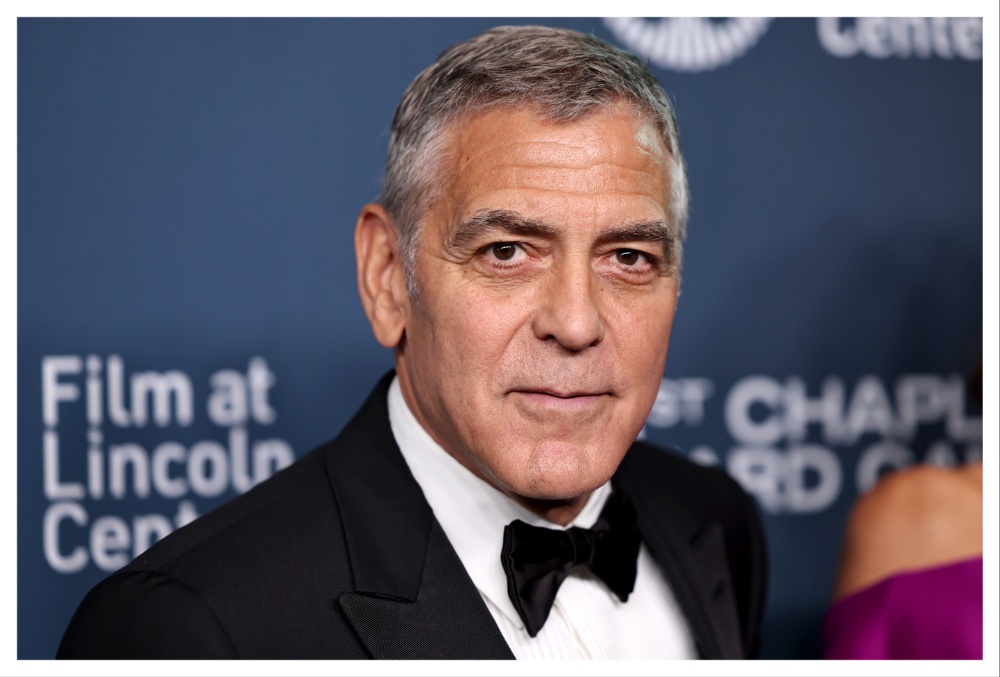
  • George Clooney to Receive Golden Lion for Career Achievement at Venice Film Festival

    George Clooney to Receive Golden Lion for Career Achievement at Venice Film Festival

    George Clooney is slated to receive the Golden Lion for Career Achievement at the upcoming Venice Film Festival. This top honor from one of the world’s most prestigious cinematic events acknowledges his profound and enduring contributions to film. The award encompasses his work as a distinguished actor and his significant achievements as a director.

    The Venice Film Festival, established in 1932, is the oldest film festival globally. It is renowned for its selection of groundbreaking films and its recognition of cinematic excellence. The Golden Lion is the highest prize awarded to a film in the main competition, while the Career Achievement award celebrates individuals who have left an indelible mark on cinema.

    A Distinguished Career in Film

    Clooney’s career spans several decades, marked by critical acclaim and commercial success. He first gained widespread recognition for his role as Dr. Doug Ross on the television series ER in the 1990s. His transition to film saw him star in numerous prominent productions.

    Notable acting credits include Ocean’s Eleven (2001), Syriana (2005), for which he won an Academy Award for Best Supporting Actor, and Michael Clayton (2007). He has collaborated with leading directors and actors throughout his career, cementing his status as a Hollywood icon.

    Achievements in Direction

    Beyond his acting prowess, Clooney has also established himself as a respected director. His directorial debut was Confessions of a Dangerous Mind (2002). He went on to direct films such as Good Night, and Good Luck. (2005), which earned him Academy Award nominations for Best Director and Best Original Screenplay. Other directorial works include The Ides of March (2011) and The Monuments Men (2014).

    His work behind the camera often explores themes of journalism, politics, and historical events, showcasing a commitment to substantive storytelling. This dual capacity as a performer and filmmaker underscores the breadth of his artistic influence.

    The Golden Lion Legacy

    The Golden Lion for Career Achievement has previously been bestowed upon many cinematic legends. Past recipients include celebrated actors, directors, and other film professionals whose work has significantly shaped the art form. This award places Clooney among an elite group of international cinema figures.

    The Venice Film Festival typically announces its full program and specific dates for the upcoming edition closer to the event. The presentation of the Golden Lion for Career Achievement is a highlight of the festival, drawing international attention. This is a developing story, and further details regarding the ceremony and Clooney’s attendance are expected to emerge as the festival approaches.

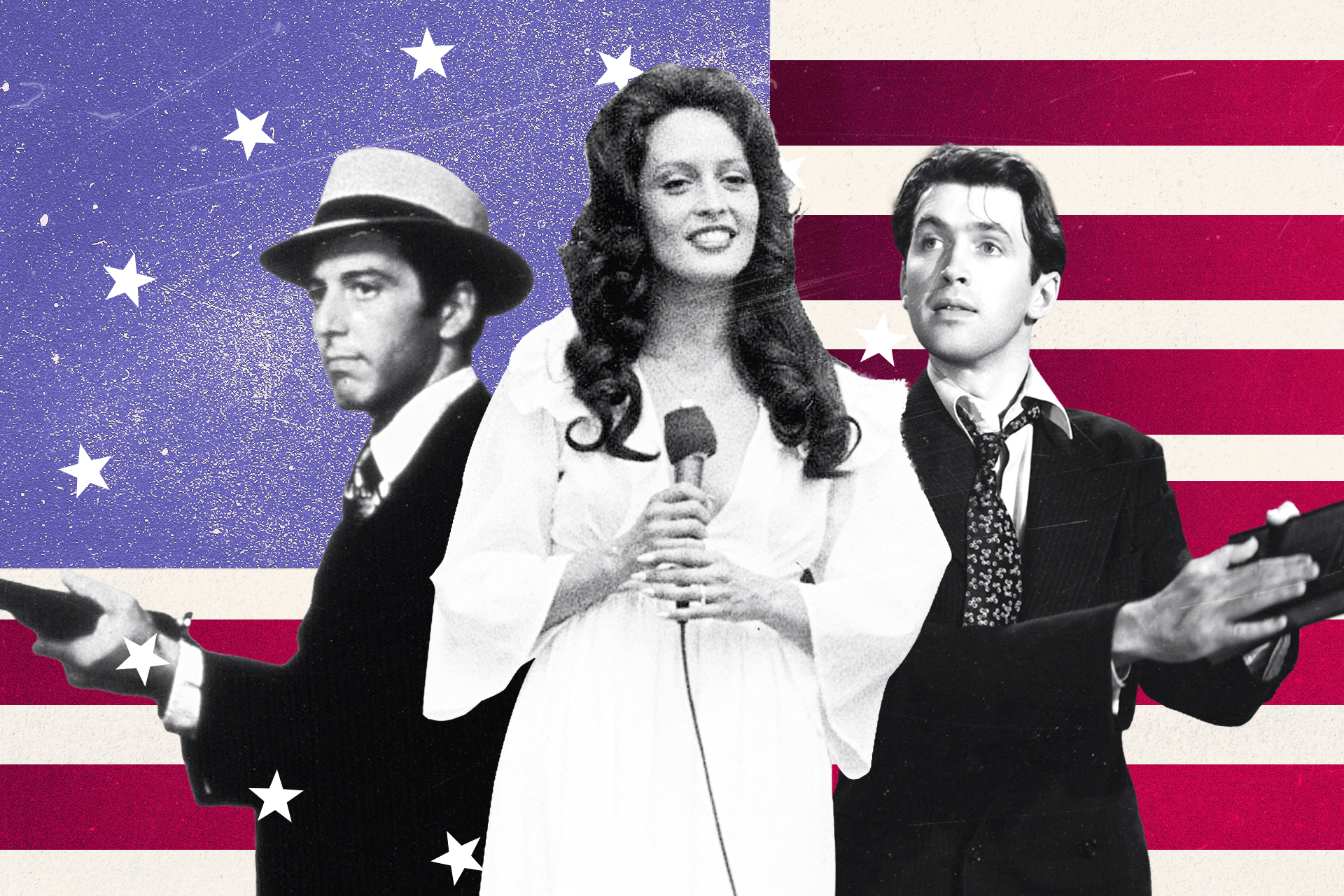
  • Hollywood & America: Is the Silver Screen Still Reflecting the Nation?

    Hollywood & America: Is the Silver Screen Still Reflecting the Nation?

    On July 4, 2026, as the United States celebrates its 250th anniversary, the question of whether Hollywood movies continue to embody and reflect American values has become a central point of cultural discussion. Historically, the American film industry has often depicted narratives that reinforce national identity, patriotism, and widely held societal principles, but recent trends suggest a potential shift in this long-standing tradition.

    This discussion emerges from a broader cultural conversation about the perceived erosion of traditional American values within mainstream media. The film industry, a powerful cultural force, frequently finds itself at the heart of these debates. Its productions reach global audiences, influencing perceptions of America both domestically and internationally.

    The Golden Age and National Identity

    From the early 20th century, Hollywood quickly established itself as a primary shaper of American mythology. Films like Mr. Smith Goes to Washington (1939) and Casablanca (1942) presented clear-cut heroes and villains. They often championed themes of democracy, freedom, and individual perseverance.

    During World War II, the film industry actively participated in the war effort. Movies like Sergeant York (1941) and Yankee Doodle Dandy (1942) boosted morale and solidified national unity. These films were not merely entertainment; they were instruments of national purpose.

    Post-war, the 1950s saw a continuation of this trend, albeit with emerging anxieties. Westerns, sci-fi, and family dramas often subtly or overtly explored American ideals. They depicted the promise of the American Dream and the challenges of a rapidly changing world.

    Cold War Narratives and Ideological Battlegrounds

    The Cold War era intensified Hollywood’s role in ideological warfare. Anti-communist films, sometimes produced under the shadow of McCarthyism, became prevalent. They served to define what America was by contrasting it with its perceived enemies.

    Even as the counter-culture movement began to question established norms in the late 1960s, many films retained a core American sensibility. They might critique the government or societal structures, but often from a perspective rooted in American ideals of justice and liberty.

    Shifting Sands: The Late 20th Century

    The 1970s marked a significant turning point. Films like Chinatown (1974) and Nashville (1975) offered more cynical, complex, and often critical portrayals of American institutions and history. This era reflected a national mood shaped by the Vietnam War and the Watergate scandal.

    However, blockbusters of the late 1970s and 1980s, such as Star Wars (1977) and Top Gun (1986), often returned to more traditional heroic narratives. These films resonated with audiences seeking escapism and a reaffirmation of American exceptionalism.

    The 1990s brought a mix of independent cinema’s introspection and mainstream Hollywood’s global expansion. While some films explored diverse American experiences, others focused on universal themes that transcended national boundaries.

    The 21st Century and Globalized Storytelling

    The events of September 11, 2001, led to a brief resurgence of overtly patriotic films. Movies like United 93 (2006) and American Sniper (2014) addressed national trauma and military heroism. Yet, this trend was not universal or long-lasting.

    The rise of streaming services and the increasing importance of international box office revenue have altered Hollywood’s calculus. Films are now often designed for global appeal, which can sometimes dilute specific American cultural references or themes.

    Diversity and Representation

    Contemporary Hollywood has also placed a greater emphasis on diversity and inclusion. This has led to a wider range of stories being told, reflecting a more complex and multicultural America. Films now explore experiences that were historically marginalized or ignored.

    This shift is seen by some as a necessary evolution, making Hollywood more representative of the actual American population. Others view it as a departure from a unified national narrative, potentially undermining traditional values.

    The 250th Anniversary: A Moment of Reflection

    As the nation observes its 250th birthday, the question of Hollywood’s reflection of America becomes particularly poignant. The film industry is a powerful cultural mirror, and its current reflections are subject to intense scrutiny.

    The debate is not whether Hollywood should only produce patriotic films. It is about the balance between critical examination, global appeal, and the portrayal of a shared national identity. The industry navigates a complex landscape of commercial pressures, artistic ambition, and societal expectations.

    “The erosion of traditional American values in Hollywood is a concern for many viewers,” noted a recent cultural analyst. “It prompts a feeling of cultural defense and defiance.”

    This sentiment highlights a tension between different visions of America. Hollywood’s role in this ongoing dialogue is undeniable. Its choices in storytelling, character development, and thematic focus contribute significantly to how America sees itself and how the world sees America.

    The Future of American Cinema

    The future of Hollywood’s relationship with American values remains uncertain. Will the industry gravitate towards narratives that reinforce traditional ideals, or will it continue to push boundaries and explore new interpretations of American identity?

    The economic realities of filmmaking, coupled with evolving social norms, will continue to shape these decisions. Audiences, through their viewership and engagement, also play a role in determining what kinds of stories get told and celebrated.

    The 250th July 4th serves as a critical juncture. It invites both celebration and introspection. It prompts a re-evaluation of the cultural institutions that define the nation.

    Filmmakers continue to tell stories. Audiences continue to watch. Critics continue to analyze. The dialogue about Hollywood and America continues.

    Defining American Values on Screen

    What constitutes “American values” is itself a dynamic and contested concept. For some, it refers to a set of foundational principles like liberty, individualism, and free-market capitalism. For others, it includes ideals of equality, social justice, and collective responsibility.

    Hollywood’s challenge lies in navigating these diverse interpretations. A film that resonates deeply with one segment of the American population might alienate another. This complexity is inherent in a large, diverse nation.

    The industry’s output often mirrors these internal national conversations. It can both initiate and respond to cultural shifts. The stories on screen are never entirely separate from the stories being lived across the country.

    The debate is as old as Hollywood itself. It will likely continue for another 250 years. The medium of film remains a powerful tool for cultural expression and national self-definition.

    Conclusion: A Continuous Dialogue

    The historical ties between Hollywood and American identity are deep. The industry has long served as a cultural ambassador. It has celebrated national triumphs. It has grappled with national failings.

    On this 250th anniversary, the conversation intensifies. The silver screen’s reflection of America is still evolving. The values portrayed are still being debated. The stories told are still being consumed.

    Audiences seek connection. Filmmakers seek expression. The nation seeks understanding.

    Hollywood.

  • Jesse Eisenberg Pursues Polish Citizenship Amidst U.S. Film Industry Shifts

    Jesse Eisenberg Pursues Polish Citizenship Amidst U.S. Film Industry Shifts

    Jesse Eisenberg’s European Pivot

    Actor Jesse Eisenberg has obtained Polish citizenship. This move reflects a strategic shift in his career focus. He intends to increase his work within the European film industry.

    Eisenberg has publicly stated his reasons for this decision. He perceives a growing difficulty in producing the types of films he favors within the United States. This sentiment resonates with other artists observing changes in the American cinematic landscape.

    Family Roots and Heritage

    Eisenberg’s connection to Poland is deeply personal. His family originates from Krasnystaw, a town in southeastern Poland. This ancestral link provides a foundational reason for his citizenship application.

    His family’s history includes a period in Poland before emigrating. This heritage has been a significant factor in his decision to formalize his ties to the country. The actor has explored his family’s past extensively.

    He has previously engaged with Polish culture and history. This engagement includes visits to the region where his ancestors lived. These experiences have strengthened his bond with Poland.

    The Shifting American Film Landscape

    Eisenberg’s comments on the U.S. film industry reflect a common concern. Many artists and filmmakers note a trend towards large-scale franchise productions. Independent and character-driven films often struggle to secure funding and distribution.

    The economic models for film production have evolved. Streaming services and studio mergers have reshaped the industry. This has created a challenging environment for certain artistic endeavors.

    He articulated that the kind of films he loves to make are increasingly difficult to make in the U.S. This difficulty points to issues of financing, audience interest, and creative freedom. The market dynamics favor blockbusters and established intellectual property.

    The Impact on Independent Cinema

    Independent cinema faces significant hurdles. Securing adequate budgets for non-commercial projects is problematic. Distribution channels are often dominated by major studios.

    Filmmakers like Eisenberg seek environments where creative control is more accessible. European film industries, often supported by public funding and cultural initiatives, can offer such spaces. This provides an alternative for artists prioritizing artistic vision over commercial viability.

    The shift is not unique to Eisenberg. Other actors and directors have also explored international collaborations. They seek opportunities that align with their artistic goals.

    European Opportunities and Future Projects

    Eisenberg envisions a future with more European-based projects. He plans to both act in and direct films on the continent. This includes specific projects already in development.

    One such project is a film set in Poland. This production would allow him to combine his artistic pursuits with his personal connection to the country. It represents a tangible outcome of his citizenship efforts.

    His work in Europe is not limited to Poland. He expresses an interest in collaborating with filmmakers across the continent. This broadens his artistic horizons significantly.

    Directing Aspirations in Europe

    Eisenberg has also ventured into directing. His directorial work aligns with the types of nuanced, character-driven stories he champions. Europe offers a fertile ground for such projects.

    European film festivals often celebrate independent and art-house cinema. This provides a supportive ecosystem for directors like Eisenberg. The critical reception for such films can be robust.

    His move could inspire other American artists. They might consider similar international collaborations. The global nature of film production continues to expand.

    The Broader Trend of Dual Citizenship

    Eisenberg’s pursuit of dual citizenship is part of a larger trend. Many individuals, including public figures, seek dual nationality. This can be for various reasons, including cultural, professional, or personal.

    Dual citizenship offers increased flexibility. It can facilitate easier travel, work, and residence in multiple countries. For artists, it opens up new creative and economic opportunities.

    The process of obtaining citizenship varies by country. It often involves demonstrating a connection to the nation. This can be through ancestry, residency, or other criteria.

    Benefits for Artists

    For artists, dual citizenship can be particularly beneficial. It removes many bureaucratic barriers to working internationally. This allows for greater freedom in choosing projects and locations.

    It also enables artists to tap into different funding structures. European film funds, for example, often require a certain level of local involvement. Citizenship can fulfill these requirements.

    The cultural exchange fostered by dual citizenship enriches artistic output. Artists bring diverse perspectives to their work. This can lead to more innovative and globally resonant storytelling.

    Eisenberg’s Career Trajectory

    Jesse Eisenberg has a distinguished acting career. He is known for roles in films such as The Social Network. His performances often feature complex, intelligent characters.

    His filmography includes both mainstream productions and independent features. This range demonstrates his versatility. It also highlights his consistent interest in diverse storytelling.

    Eisenberg has also written for the stage and screen. His creative output extends beyond acting. This multifaceted approach to his craft informs his current career choices.

    Critical Acclaim and Artistic Choices

    He has received critical acclaim for many of his roles. This recognition underscores his commitment to nuanced performances. His artistic choices often lean towards thought-provoking narratives.

    The actor’s decision to pursue Polish citizenship aligns with this artistic trajectory. It represents a deliberate choice to prioritize creative fulfillment. This pursuit often involves seeking out specific working environments.

    His career path illustrates an artist’s adaptation to industry changes. It showcases a proactive approach to maintaining creative integrity. The global film market offers these alternative avenues.

    A Statement on Artistic Freedom

    Eisenberg’s move is a statement about artistic freedom. It underscores the importance of environments that nurture specific types of creative expression. He seeks a place where his preferred films can thrive.

    His actions highlight the challenges faced by many in the U.S. film industry. The focus on commercial success can sometimes overshadow artistic merit. This creates a need for alternative spaces.

    The pursuit of Polish citizenship is a concrete step. It is an effort to secure a future where his artistic vision can be realized. This decision has implications for his career and for the broader conversation about global cinema.

    Actors adapt. Directors adapt. Artists adapt. Europe.

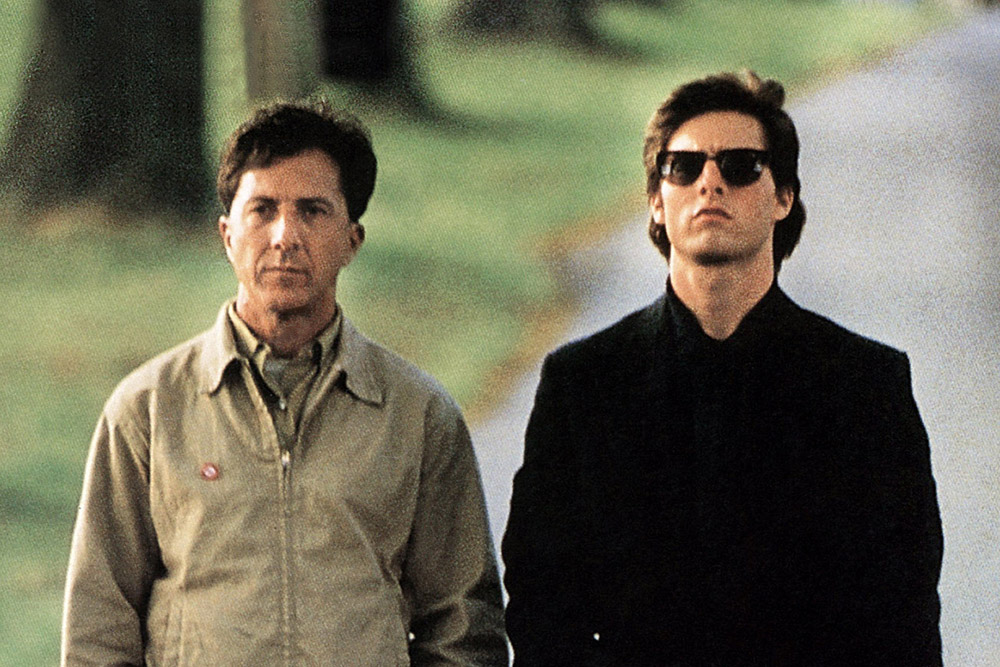
  • Dustin Hoffman’s Emotional Karlovy Vary Award Acceptance – ‘Feeling Alive’ Through Film

    Dustin Hoffman’s Emotional Karlovy Vary Award Acceptance – ‘Feeling Alive’ Through Film

    A Career Defined by Passion

    Dustin Hoffman accepted an award at the Karlovy Vary International Film Festival in 2026. His acceptance speech was marked by profound emotion. He conveyed a deep gratitude for his career in filmmaking, articulating how the craft makes him ‘feel alive.’

    This sentiment resonated with the audience. It highlighted the actor’s enduring passion for his work. His words offered a rare glimpse into the personal connection he holds with his extensive filmography.

    The Karlovy Vary International Film Festival

    The Karlovy Vary International Film Festival is a prominent event in the global cinema calendar. It takes place annually in Karlovy Vary, Czech Republic. The festival is known for showcasing both established and emerging talent.

    It attracts filmmakers, actors, and industry professionals from around the world. Awards presented at the festival recognize significant contributions to cinematic art. Hoffman’s presence underscored the festival’s prestige and its role in celebrating film legends.

    Hoffman’s Legacy in Cinema

    Dustin Hoffman’s career spans over six decades. He is recognized for his versatility and intense character portrayals. His filmography includes a wide range of genres and roles.

    Notable performances include his breakout role as Benjamin Braddock in the 1967 film The Graduate. This performance garnered him his first Academy Award nomination. His portrayal captured the zeitgeist of a generation.

    He won his first Academy Award for Best Actor for the 1979 drama Kramer vs. Kramer. In this film, he depicted a father fighting for custody of his son. The role showcased his ability to convey complex emotional depth.

    His second Academy Award for Best Actor came for the 1988 film Rain Man. He played Raymond Babbitt, an autistic savant. This performance earned widespread critical acclaim and box office success.

    Defining Roles and Critical Acclaim

    Beyond his Oscar-winning roles, Hoffman has delivered numerous other memorable performances. He starred as Ratso Rizzo in the 1969 drama Midnight Cowboy. This film explored themes of friendship and survival in New York City.

    In 1976, he played Carl Bernstein in All the President’s Men. The film chronicled the Watergate scandal. It highlighted his capacity for portraying real-life figures with conviction.

    He also took on the titular role in the 1982 comedy Tootsie. Here, he played an actor who disguises himself as a woman to land a role. The film was a critical and commercial success, demonstrating his comedic timing.

    His career is marked by a consistent dedication to his craft. He often immersed himself deeply in his characters. This method acting approach contributed to the authenticity of his performances.

    The ‘Feeling Alive’ Sentiment

    Hoffman’s statement that filmmaking makes him ‘feel alive’ offers insight into his enduring motivation. It transcends the accolades and public recognition. It speaks to a fundamental connection with the creative process.

    Many artists articulate similar sentiments. The act of creation, of embodying a character, provides a unique sense of purpose. For Hoffman, this appears to be a driving force even after decades in the industry.

    His words underscore the intrinsic rewards of artistic pursuit. They suggest that the passion for the work itself is paramount. This deep-seated love for acting has sustained his career through various industry changes.

    Gratitude and Opportunity

    Hoffman also expressed gratitude for having had the opportunity to do what he loves. This acknowledgment highlights the competitive nature of the film industry. It recognizes the privilege inherent in a long and successful career.

    Many aspiring actors and filmmakers face significant challenges. The path to sustained success is often arduous. Hoffman’s reflection serves as a reminder of the value of persistence and fortune in a creative field.

    His speech resonated as a moment of genuine humility. It came from an actor who has achieved the highest levels of success. The sentiment of being grateful for the opportunity itself speaks volumes.

    The Impact on Audiences and Peers

    An emotional speech from a respected figure like Dustin Hoffman carries significant weight. It can inspire younger generations of actors and filmmakers. It reaffirms the artistic value of their chosen profession.

    For audiences, it reinforces the human element behind the iconic performances. It connects the actor’s personal journey with the characters they bring to life. This connection often deepens the appreciation for their work.

    Industry peers also likely found resonance in his words. The shared experience of the demanding yet rewarding nature of filmmaking creates a bond. Hoffman’s candidness fostered a moment of collective understanding.

    Enduring Talent in a Changing Industry

    The film industry has undergone significant transformations over Hoffman’s career. From the New Hollywood era to the rise of streaming platforms, he has adapted and remained relevant. His continued presence at major festivals like Karlovy Vary attests to his enduring appeal.

    His commitment to complex roles has remained constant. This dedication has allowed him to transition through different cinematic landscapes. He represents a generation of actors who prioritized craft over fleeting trends.

    The emotional core of his speech emphasized this commitment. It showcased that for some, the essence of acting remains a profound and life-affirming endeavor. This personal connection is what allows talent to endure.

    Looking Forward

    Even in 2026, Dustin Hoffman continues to be an active presence in cinema. His acceptance of the award signals ongoing recognition of his contributions. It also suggests a continued engagement with the world of film.

    His reflections offer a timeless message about pursuing one’s passion. They speak to the profound satisfaction derived from a life dedicated to art. The Karlovy Vary festival provided a significant platform for this message to be heard.

    Actors gather. Filmmakers gather. Audiences gather. Inspiration.

    FAQ

    • What award did Dustin Hoffman receive at Karlovy Vary in 2026?
      Dustin Hoffman received an award at the Karlovy Vary International Film Festival in 2026, where he delivered an emotional acceptance speech acknowledging his love for filmmaking.
    • What was the main theme of Dustin Hoffman’s acceptance speech?
      The main theme of Dustin Hoffman’s acceptance speech was his deep emotional connection to filmmaking, stating that it makes him ‘feel alive’ and expressing gratitude for his career opportunities.
    • Which famous films has Dustin Hoffman starred in?
      Dustin Hoffman has starred in numerous iconic films, including The Graduate (1967), Midnight Cowboy (1969), All the President’s Men (1976), Kramer vs. Kramer (1979), Tootsie (1982), and Rain Man (1988).
    • Why is the Karlovy Vary International Film Festival important?
      The Karlovy Vary International Film Festival is a significant international event that celebrates cinematic art, showcases diverse talent, and attracts global film industry professionals and audiences to the Czech Republic.
    • How long has Dustin Hoffman’s acting career spanned?
      Dustin Hoffman’s acting career has spanned over six decades, during which he has consistently delivered acclaimed performances and earned numerous awards, including two Academy Awards for Best Actor.

  • Mel Gibson’s ‘Passion of the Christ’ Returns, ‘Resurrection’ Sneak Peek Included

    Mel Gibson’s ‘Passion of the Christ’ Returns, ‘Resurrection’ Sneak Peek Included

    The Return of ‘The Passion of the Christ’

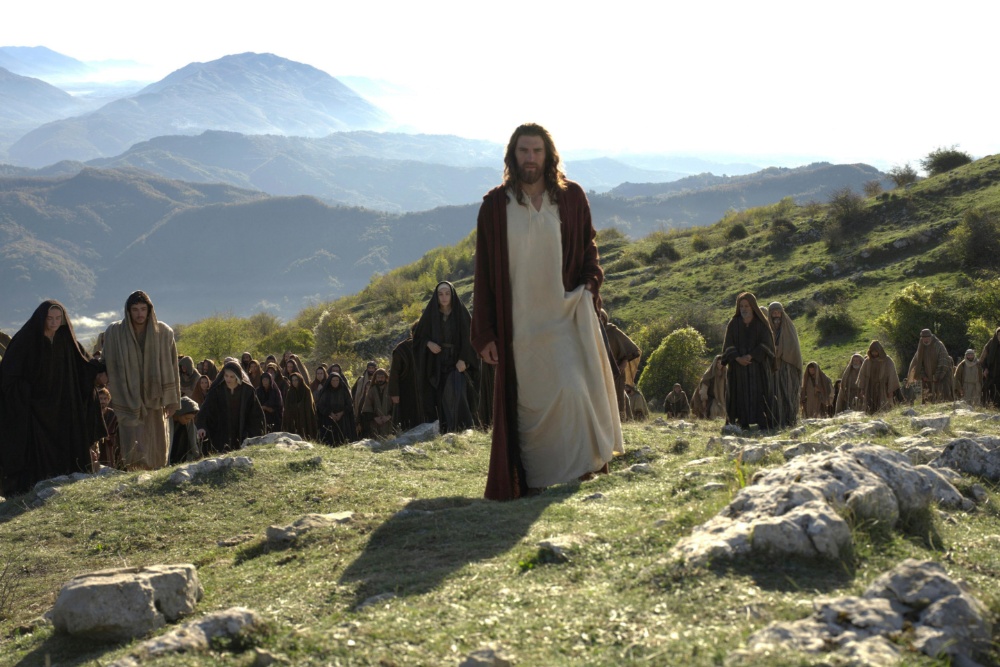
    Mel Gibson’s 2004 biblical epic, The Passion of the Christ, is slated for a theatrical re-release in 2026. This limited engagement will include an exclusive preview of its long-anticipated sequel, currently referred to as The Resurrection of the Christ. The re-release serves to re-engage the original film’s audience and generate momentum for the upcoming continuation of the narrative.

    The original film, released on February 25, 2004, depicted the final 12 hours of Jesus of Nazareth’s life. It was notable for its use of Aramaic, Latin, and Hebrew dialogue, with subtitles. The film garnered significant box office success and generated considerable discussion upon its initial release.

    A Legacy of Box Office Success and Controversy

    The Passion of the Christ achieved remarkable financial success. It earned over $612 million worldwide against a production budget of approximately $30 million. This made it one of the highest-grossing R-rated films of its time and the highest-grossing non-English language film in U.S. box office history.

    The film’s graphic depiction of the crucifixion and its portrayal of Jewish leaders sparked widespread debate. Critics and religious scholars offered varied perspectives on its historical accuracy and potential for anti-Semitic interpretations. Mel Gibson, who directed, produced, and co-wrote the film, defended its theological and historical basis.

    Despite the controversies, the film resonated deeply with a significant segment of the global audience. Its impact on religious cinema and independent filmmaking was undeniable. The film received three Academy Award nominations, including Best Cinematography, Best Original Score, and Best Makeup.

    The Long Road to ‘The Resurrection of the Christ’

    Discussions about a sequel to The Passion of the Christ have circulated for over a decade. Mel Gibson first confirmed plans for a follow-up in 2016. The sequel is intended to focus on the events surrounding the resurrection of Jesus, moving beyond the crucifixion depicted in the first film.

    Jim Caviezel, who portrayed Jesus in the original movie, has expressed his intention to reprise the role. He has spoken publicly about the script and the direction of the new project. Joe Eszterhas was initially involved in writing a screenplay, but Bill Mechanic and Randall Wallace have also been credited with script development over the years.

    Randall Wallace, who co-wrote Braveheart with Gibson, confirmed his involvement in the sequel’s scriptwriting process in 2016. He indicated that the story would delve into the three days between Jesus’ death and resurrection. The project has faced various delays, including script refinement and securing funding and distribution.

    Anticipation Builds for the Sequel

    The announcement of the theatrical re-release and the sneak peek has reignited interest in the long-awaited sequel. Audiences who found spiritual resonance in the original film are expected to anticipate the continuation of the story. The re-release provides a strategic platform to bridge the gap between the two films.

    The sneak peek is expected to offer early glimpses into the sequel’s production. It may feature concept art, behind-the-scenes footage, or early trailers. This marketing strategy aims to generate buzz and pre-release excitement for The Resurrection of the Christ.

    Impact on Religious Cinema

    The Passion of the Christ significantly influenced the landscape of religious-themed cinema. Its commercial success demonstrated a viable market for films directly addressing biblical narratives. This re-release and sequel further solidify Gibson’s commitment to this genre.

    Other biblical films and television series have emerged in the years since the original film’s release. Many have attempted to capture a similar audience. However, few have matched the cultural impact or financial performance of Gibson’s 2004 production.

    The sequel’s release will be closely watched by industry analysts and religious communities alike. Its reception could further shape future investments in faith-based entertainment. The original film’s legacy continues to be a point of reference for discussions on religious representation in media.

    The Road Ahead for ‘The Resurrection’

    Specific details regarding the production timeline and official release date for The Resurrection of the Christ remain fluid. The sneak peek in 2026 is the most concrete development in the film’s long production history. Fans and critics await further announcements from Gibson and his production team.

    The film’s narrative challenges are significant. Portraying the resurrection event in a cinematic context requires a delicate balance of theological interpretation and visual storytelling. The creative team faces the task of crafting a compelling and respectful depiction of a foundational event in Christian theology.

    The original film’s cast, including Maia Morgenstern as Mary and Monica Bellucci as Mary Magdalene, may also return. However, official casting confirmations for roles beyond Jesus have not been broadly publicized. The scale and scope of the sequel are expected to be substantial, mirroring the ambition of its predecessor.

    What the Re-Release Offers

    For many, the re-release is an opportunity to revisit a film that left a lasting impression. It allows for a communal viewing experience that may have been missed by younger audiences. The 2026 theatrical run brings The Passion of the Christ back to the big screen, where its visual intensity was originally intended to be experienced.

    The added value of the sneak peek acts as a direct incentive for attendance. It connects the past with the future, offering a continuous narrative arc for dedicated viewers. This strategy leverages nostalgia while building anticipation for new content.

    “It will be the biggest film in history. It’s that good.” – Jim Caviezel on ‘The Resurrection of the Christ’ in 2020.

    This statement from Caviezel reflects the high expectations surrounding the sequel. The re-release and sneak peek are critical steps in fulfilling those expectations. They aim to prepare the global audience for a cinematic event of similar magnitude to the original.

    The 2004 film broke ground in its unflinching portrayal and its financial model, largely funded independently. The sequel is expected to follow a similar independent production path. This approach grants Gibson greater creative control over the sensitive subject matter.

    Conversations about faith, film, and artistic interpretation will undoubtedly resurface. The re-release serves as a prelude to these discussions, setting the stage for The Resurrection of the Christ. It brings a powerful and polarizing work back into the public consciousness.

    Audiences will gather. Discussions will ignite. Anticipation will mount. The Resurrection.

  • Karlovy Vary: How Celebrity Trailers Redefine Film Festival Buzz

    Karlovy Vary: How Celebrity Trailers Redefine Film Festival Buzz

    The Karlovy Vary International Film Festival (KVIFF) leverages celebrity-driven, often irreverent trailers as a primary marketing tool. This strategy distinguishes the festival from its global counterparts. These short films feature major international film stars, generating significant interest and shaping KVIFF’s unique brand identity.

    Johnny Depp, Mel Gibson, and Helen Mirren are among the prominent actors who have participated in these distinctive campaigns. Their involvement transforms promotional material into engaging cinematic content. This approach ensures broader media coverage and public discussion, amplifying KVIFF’s reach beyond traditional film festival audiences.

    The Strategic Art of Celebrity-Led Promotion

    KVIFF’s consistent use of high-profile actors in its trailers is a deliberate and effective marketing strategy. The festival understands the power of celebrity to capture public imagination. These trailers are not merely advertisements; they are an integral part of KVIFF’s communication and brand-building efforts.

    The involvement of figures like Johnny Depp and Mel Gibson, both of whom have faced extensive public scrutiny, adds a layer of complexity and intrigue. Their participation draws attention not only to the festival itself but also to their ongoing public personas. Helen Mirren, conversely, brings an element of elegance and sharp wit, showcasing the festival’s ability to attract a diverse range of talent and public appeal.

    This method ensures KVIFF secures significant media coverage and stimulates public discourse. The festival effectively harnesses celebrity status to amplify its message, creating a buzz that extends far beyond the film industry’s inner circles. This strategic engagement helps to cultivate a vibrant and dynamic cultural event.

    Johnny Depp’s Impact at KVIFF

    Johnny Depp has maintained a notable presence at the Karlovy Vary International Film Festival. His participation in both promotional materials and in-person appearances consistently garners substantial media attention. In 2021, Depp attended the 55th Karlovy Vary International Film Festival as a special guest, where he received a warm reception from fans and attendees.

    Depp’s trailer contributions align with KVIFF’s ethos of unexpected and engaging storytelling. His appearances at the festival followed a period of significant public and legal challenges, making his presence particularly noteworthy. KVIFF provided a prominent platform for his continued engagement with the international film community, showcasing a willingness to embrace artists through their work.

    This engagement demonstrated KVIFF’s commitment to cinema and its creators, irrespective of external narratives. The festival’s embrace of Depp helped to reinforce its image as a bold and independent institution. His presence became a key talking point, further elevating the festival’s global profile during that period.

    Mel Gibson’s Memorable KVIFF Trailer

    Mel Gibson also featured prominently in a memorable KVIFF promotional trailer. His involvement underscored the festival’s willingness to include a wide spectrum of cinematic figures. Gibson’s participation often sparks discussion due to his well-documented public controversies and storied career.

    The trailer typically presented Gibson in a light-hearted, often self-deprecating manner. This approach allowed the festival to acknowledge his complex public image while simultaneously celebrating his significant contributions to cinema. His presence generated considerable discussion among both film critics and the general audience, effectively drawing more eyes to the festival.

    KVIFF skillfully leveraged this notoriety to enhance its visibility and foster a distinctive, often provocative, identity. The festival demonstrated an ability to navigate public perception, using the trailer format to recontextualize celebrity and focus on artistic merit. This creative risk-taking became a hallmark of KVIFF’s promotional style.

    Helen Mirren’s Distinctive Contributions

    Helen Mirren has lent her considerable talent, gravitas, and wit to KVIFF’s promotional endeavors. Her trailers often showcase a sophisticated blend of elegance and playful humor. Mirren’s involvement consistently garners respect and admiration from both the public and industry professionals.

    She represents a different facet of celebrity appeal compared to Depp or Gibson, embodying a more traditional, yet equally compelling, artistic presence. Her participation highlights the festival’s capacity to attract a diverse array of top-tier talent. Mirren’s segments are frequently praised for their clever scripts, strong performances, and underlying artistic integrity.

    Her involvement reinforces KVIFF’s commitment to high-quality cinematic expression. Mirren’s portrayal in these trailers often embodies the artistic depth and intellectual curiosity that the festival aims to project. She contributes to a balanced and multifaceted promotional strategy, appealing to a broad demographic of film enthusiasts.

    The Evolution of Film Festival Marketing

    The use of celebrity-driven, narrative-rich trailers by KVIFF represents a significant evolution in film festival marketing. Traditional festival promotion typically relies on announcing film lineups, hosting red-carpet events, and generating industry buzz. KVIFF’s approach adds a unique, creative, and explicitly cinematic layer to this established model.

    These trailers are meticulously designed to function as shareable content in their own right. They operate as engaging mini-films, directly reflecting the art form that the festival celebrates. This innovative strategy caters directly to a modern audience, accustomed to consuming and sharing digital content across various platforms.

    This approach allows KVIFF to cultivate a truly distinctive and memorable brand identity. It moves beyond mere announcements to create anticipation and excitement through artistic expression. The festival positions itself not just as a showcase for films, but as a creator of engaging, festival-specific cinematic content.

    Impact on Audience Engagement and Reach

    The irreverent and often unexpected nature of KVIFF’s trailers significantly boosts audience engagement. Viewers are frequently surprised, entertained, and intrigued by the unique scenarios presented. This leads directly to increased social media discussion, widespread media coverage, and heightened public interest.

    The trailers effectively become conversation starters, sparking debate and encouraging viral sharing. They draw in individuals who might not typically follow film festival news, expanding KVIFF’s reach far beyond its traditional cinephile base. This broadens the festival’s appeal and increases its overall cultural impact.

    KVIFF fosters a tangible sense of anticipation and excitement through these meticulously crafted campaigns. The festival transforms passive viewing into active participation, as audiences eagerly await each new trailer. This engagement strategy is a cornerstone of KVIFF’s success in a competitive global festival landscape.

    KVIFF’s Distinctive Brand Identity

    The Karlovy Vary International Film Festival has successfully forged a distinct and recognizable brand identity through these creative marketing efforts. It is widely perceived as an innovative, bold, and unconventional festival, unafraid to challenge established norms. This reputation attracts both emerging and established filmmakers, as well as a diverse international audience.

    The trailers consistently reinforce the festival’s commitment to artistic expression and creative freedom. They signal a playful yet deeply serious dedication to the world of cinema, positioning KVIFF as a leading cultural institution. This branding strategy contributes significantly to its continued international relevance and growing prestige.

    KVIFF’s brand identity is built on originality and a willingness to take risks. It communicates a message of accessibility and artistic adventurousness. This makes the festival an attractive destination for those seeking a unique and memorable cinematic experience, differentiating it from more traditional, formal events.

    Celebrity, Scrutiny, and the Festival Platform

    The inclusion of figures like Johnny Depp and Mel Gibson in KVIFF’s promotional materials touches upon the broader, complex relationship between celebrity status and public scrutiny. Both actors have faced intense public and media attention regarding their personal lives and professional conduct. Their participation in KVIFF trailers can be interpreted through multiple lenses, sparking further discussion.

    Their involvement can symbolize a form of industry rehabilitation, a continued acceptance within the artistic community, or simply a pragmatic marketing choice. It highlights the intricate interplay between public perception, individual artistic contribution, and the role of cultural institutions. The festival, by featuring these figures, implicitly acknowledges their enduring cultural impact and their place within cinematic history.

    This choice frequently sparks debate and commentary, which further amplifies the festival’s presence in public discourse. KVIFF demonstrates a strategic awareness of these dynamics, using them to create deeper engagement. The festival becomes a site where these broader cultural conversations about celebrity are implicitly, or explicitly, addressed.

    The Role of Film Festivals in Public Perception

    Film festivals often play a crucial, if sometimes subtle, role in shaping or reshaping public perception of artists. They can offer a vital platform for artists to reconnect with their craft, their peers, and their audience. KVIFF’s trailers, in this context, serve as more than just marketing tools; they become part of an ongoing narrative surrounding these celebrities.

    The festival provides a curated space where artistic merit can be foregrounded, potentially influencing public opinion and media narratives. This underscores the significant power of cultural institutions in mediating and re-evaluating celebrity status. Festivals can act as cultural arbiters, reintroducing figures to the public on new terms.

    KVIFF’s approach suggests a thoughtful engagement with the complexities of contemporary celebrity culture. It acknowledges that public figures exist within a multifaceted media landscape. The festival positions itself as a space for artistic appreciation, capable of transcending external controversies and focusing on the art itself.

    The Enduring Art of the Irreverent Trailer

    The irreverent trailer has become an enduring art form for the Karlovy Vary International Film Festival. It consistently delivers surprising, humorous, and memorable content. This unique promotional strategy has cemented KVIFF’s reputation as a creative powerhouse among global film festivals.

    These trailers are celebrated by audiences and critics alike for their originality. They contribute significantly to the festival’s distinct brand identity. KVIFF continues to innovate, ensuring its place at the forefront of cinematic promotion.

    Audiences anticipate these trailers annually. Critics analyze their subtext. The film world watches.

    Karlovy Vary.