Tag: Cancellation

  • Lionel Richie Falls Ill On Stage – Las Vegas Tour Opener Cut Short

    Lionel Richie Falls Ill On Stage – Las Vegas Tour Opener Cut Short

    Lionel Richie’s Unexpected Stage Illness Halts Tour Opener

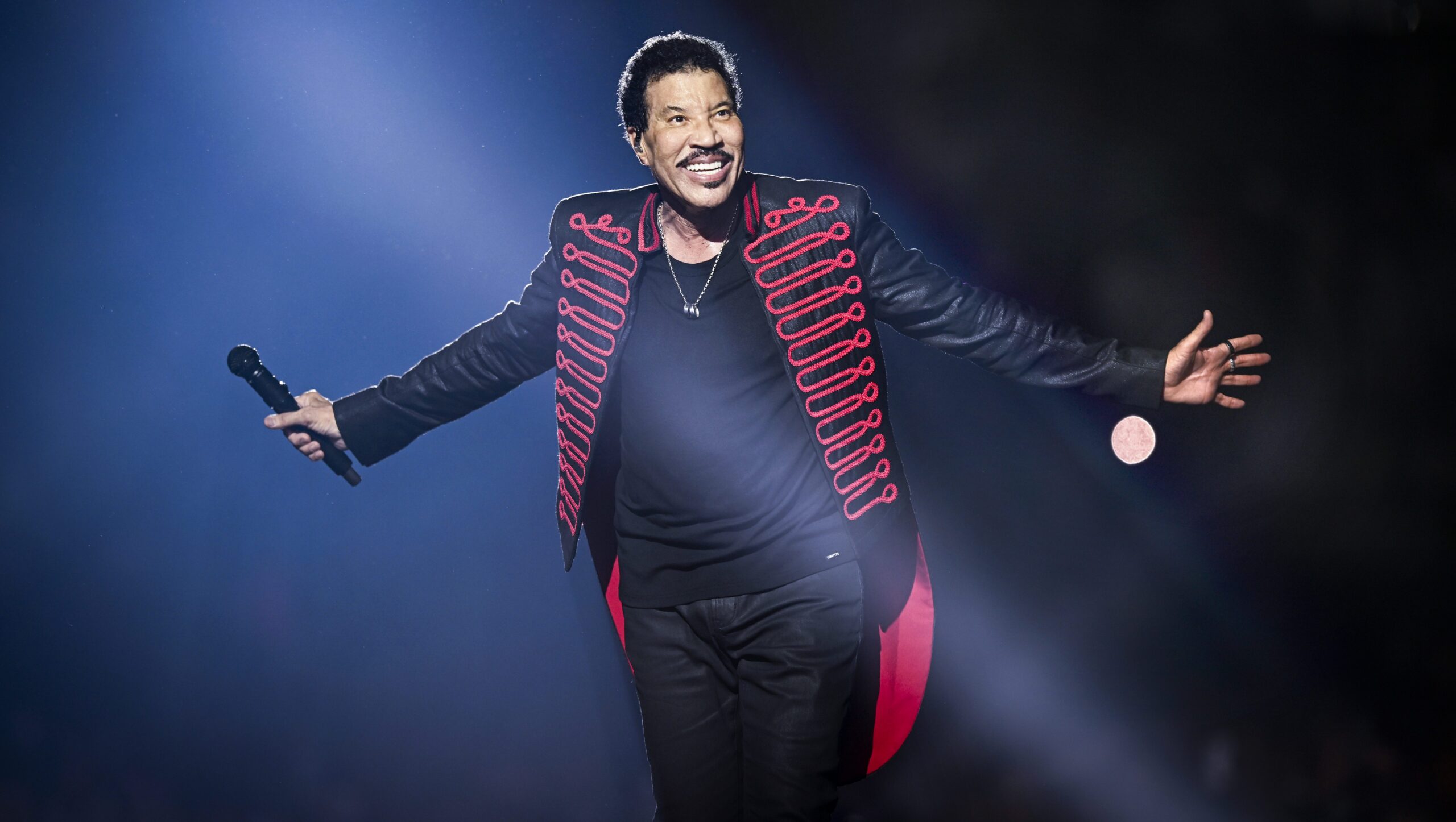
    Lionel Richie, the acclaimed American singer-songwriter, became visibly ill on stage during the opening night of his new tour, forcing the immediate conclusion of the performance. The incident occurred on June 24, 2026, at the Grand Arena in Las Vegas, Nevada. This abrupt end to the highly anticipated ‘Hello Again: The Hits Tour’ prompted significant concern among the thousands of fans in attendance and across social media.

    Richie’s representatives did not immediately disclose the specific nature of his illness. Eyewitness accounts reported that the artist appeared unwell before the show was halted, leading to speculation about his condition. The premature conclusion marked an unusual and concerning start to a tour planned to span multiple cities across North America throughout the summer of 2026.

    The ‘Hello Again: The Hits Tour’ Inaugural Performance

    The ‘Hello Again: The Hits Tour’ was scheduled to commence on June 24, 2026, at the Grand Arena in Las Vegas. This venue, known for hosting major musical acts, has been a frequent stop for high-profile residencies. Richie himself has performed extensively in Las Vegas throughout his career, establishing a strong connection with the city’s entertainment landscape and its audiences.

    Tickets for the opening night had sold out rapidly upon their release in late 2025, underscoring the high demand to see the legendary performer. Fans had traveled from various states, including California, Arizona, and Utah, to witness the launch of the new concert series. The atmosphere before the incident was described as electric, filled with high expectations for a night of classic hits spanning Richie’s extensive catalog.

    Richie’s expected setlist for the tour was designed to include a comprehensive selection of his most beloved songs. These would likely encompass his iconic solo work, such as ‘All Night Long (All Night),’ ‘Hello,’ and ‘Dancing on the Ceiling,’ alongside Commodores-era favorites like ‘Easy,’ ‘Three Times a Lady,’ and ‘Brick House.’ The tour was poised to celebrate his illustrious career, which has spanned over five decades in the music industry.

    High Expectations for a Night of Hits

    The tour’s title, ‘Hello Again: The Hits Tour,’ explicitly promised a journey through Richie’s greatest musical achievements. Promotional materials highlighted his status as a global superstar and his ability to captivate audiences with his soulful voice and engaging stage presence. The Grand Arena, with its state-of-the-art sound and lighting, was prepared to offer an immersive experience for the tour’s debut.

    Pre-Show Buzz and Fan Anticipation

    Social media platforms buzzed with excitement in the days leading up to the concert. Fans shared their travel plans, favorite Richie songs, and memories of past concerts. This collective anticipation underscored the deep connection Richie maintains with his fan base, many of whom have followed his career since his early days with the Commodores in the 1970s.

    Eyewitness Accounts from the Grand Arena Incident

    Attendees at the Grand Arena provided firsthand accounts of the incident that led to the show’s early conclusion. These reports offer insight into the moments leading up to Richie’s departure from the stage.

    Richie’s Performance Prior to Illness

    Sarah Jenkins, a fan from Los Angeles who traveled for the concert, stated that Richie performed several songs before the issue arose. “He seemed a little off during ‘Say You, Say Me,’” Jenkins recounted, “but we just thought it was part of the performance, maybe a vocal warm-up or something. It wasn’t immediately alarming.” Other fans echoed this sentiment, noting a subtle change in his energy.

    The Moment the Show Halted

    Mark Thompson, another concertgoer from Phoenix, Arizona, noted a visible and more pronounced change in Richie’s demeanor during a break between songs. “He paused for a long time between songs, longer than usual, and looked a bit disoriented,” Thompson explained. “Then he just stopped mid-sentence while addressing the crowd and walked off stage. The lights went up shortly after, and an announcement followed.” This sudden departure signaled to many that something was seriously amiss.

    Venue Response and Audience Reaction

    Security personnel and venue staff quickly moved to manage the unfolding situation. Announcements were made over the loudspeaker, informing the audience that the show could not continue due to unforeseen circumstances involving the artist’s health. Attendees were advised to retain their tickets for further information regarding rescheduling or refunds. The crowd dispersed in an orderly fashion, though a palpable sense of disappointment and worry lingered among those leaving the arena. Many fans could be seen checking their phones for news updates about Richie’s condition.

    Impact on Future ‘Hello Again’ Tour Dates

    The immediate consequence of Richie’s illness is the uncertainty surrounding the subsequent dates of the ‘Hello Again: The Hits Tour.’ The tour schedule had planned for performances in major cities such as Chicago, New York, and Atlanta in the coming weeks of July 2026, followed by additional dates into August. These dates are now subject to review and potential alteration pending updates on Richie’s health status and recovery timeline.

    Tour promoters and management teams typically have contingency plans for such unforeseen circumstances. These plans often include options for rescheduling shows, offering full refunds, or, in some cases, canceling entire legs of a tour if an artist’s health prevents them from performing for an extended period. The ultimate decision will likely depend on medical advice from Richie’s physicians and his personal recovery timeline.

    Fans holding tickets for upcoming shows are advised to monitor official channels for the most accurate and timely information. The tour’s official website and Lionel Richie’s social media accounts are expected to provide updates as they become available. Ticketing agencies, such as Ticketmaster and Live Nation, will also communicate any changes directly to ticket holders via email or app notifications.

    Financial and Logistical Considerations

    A tour stoppage carries significant financial and logistical implications. Postponements or cancellations affect not only the artist and their crew but also venue staff, local vendors, and associated travel and hospitality industries. Insurance policies are typically in place to mitigate some of these financial losses, but the disruption remains substantial.

    Artist Well-being Prioritized

    Industry experts emphasize that an artist’s well-being is always the paramount concern in such situations. While the financial impact is considerable, the focus shifts to ensuring the performer’s health and allowing for a full recovery before any return to the stage is considered. This approach protects both the artist and the long-term viability of their career.

    Lionel Richie’s Enduring Musical Legacy and Acclaim

    Lionel Richie’s career began in the late 1960s as a member of the Commodores, where his songwriting prowess and smooth vocal delivery quickly established the group as a major force in R&B and funk music. Hits like ‘Brick House,’ ‘Lady (You Bring Me Up),’ and ‘Easy’ cemented their status and showcased Richie’s evolving talent.

    He launched his solo career in 1982 with the self-titled album ‘Lionel Richie,’ which featured the chart-topping single ‘Truly.’ This marked a pivotal moment, transitioning him from a group frontman to a global solo superstar. His subsequent albums, ‘Can’t Slow Down’ (1983) and ‘Dancing on the Ceiling’ (1986), produced a string of international hits including ‘Hello,’ ‘All Night Long (All Night),’ and ‘Say You, Say Me.’

    Richie has sold over 100 million records worldwide, making him one of the best-selling music artists of all time. His accolades are extensive and include four Grammy Awards, a Golden Globe Award, and an Academy Award for Best Original Song (‘Say You, Say Me’ from the 1985 film White Nights). He was inducted into the Rock and Roll Hall of Fame in 2022, further solidifying his indelible place in music history and culture.

    Philanthropy and Humanitarian Efforts

    Beyond his musical achievements, Richie is widely known for his philanthropic efforts. He has supported numerous charities and causes throughout his career, often using his platform to advocate for social change and humanitarian aid. His participation in USA for Africa’s ‘We Are the World’ in 1985, which he famously co-wrote with Michael Jackson, remains one of the most iconic charity singles ever produced, raising millions for famine relief in Africa.

    Global Impact and Cultural Significance

    Richie’s music transcends generations and geographical boundaries. His songs are frequently covered by other artists, sampled in modern tracks, and remain staples on radio playlists worldwide. His ability to craft enduring melodies and heartfelt lyrics has ensured his continued relevance in a rapidly changing music landscape, making him a beloved figure across diverse demographics.

    The Physical Demands of Extensive Touring

    Touring extensively presents significant physical and mental challenges for artists, especially those with lengthy careers like Lionel Richie. The rigorous schedule often involves frequent travel across different time zones, late-night performances, and exposure to varying climates and environments. Maintaining vocal health, physical stamina, and overall well-being becomes paramount for performers on the road.

    Many artists employ dedicated teams to manage their health and well-being while touring. These teams can include personal trainers, nutritionists, vocal coaches, and medical professionals who travel with the artist to provide immediate support. Despite these comprehensive precautions, the inherent demands of live performance, the constant travel, and the pressure to deliver consistent, high-quality shows can sometimes lead to unexpected health issues.

    The incident with Lionel Richie in Las Vegas underscores the reality that even highly experienced and physically fit performers are susceptible to the stresses of touring. Fans and industry professionals often express admiration for artists who maintain demanding schedules for decades, showcasing incredible resilience. However, such events serve as a sobering reminder of the human element behind the spectacle and the limits of physical endurance, even for global icons.

    The Toll of Constant Performance

    The constant cycle of travel, soundchecks, performances, and media obligations can take a severe toll. Sleep patterns are often disrupted, and the immune system can be compromised, increasing vulnerability to illness. For artists who have been performing for fifty years, these factors are amplified, making recovery times longer and the need for rest more critical.

    Industry Support Systems

    The music industry has developed various support systems for touring artists, including mental health resources and specialized medical care. These systems aim to mitigate the risks associated with the demanding lifestyle, recognizing that the health of its performers is crucial for the industry’s sustained success.

    Fan Reactions and Outpouring of Support

    News of Lionel Richie’s illness quickly spread across social media platforms following the incident at the Grand Arena. Fans from around the world expressed an immediate outpouring of support and concern for the artist’s well-being. Hashtags related to Richie’s health began trending on platforms like X (formerly Twitter), Instagram, and Facebook, reflecting the global reach of his fanbase.

    Messages of well-wishes and prayers came from various parts of the globe, demonstrating the deep emotional connection many feel towards Richie and his music. Many fans shared personal anecdotes about how Richie’s songs had impacted their lives, soundtracking significant moments from first dances to celebratory gatherings. This collective response highlighted the profound bond artists like Richie forge with their audience over decades of performing and creating timeless music.

    Fellow musicians, celebrities, and industry figures also weighed in, sending messages of solidarity and wishing Richie a swift recovery. This widespread show of support underscored his respected position within the entertainment community. The concern was not just for the tour, but for the health of a beloved cultural icon.

    Fans expressed hope for a quick recovery. They also conveyed understanding regarding any necessary postponements, prioritizing Richie’s health over immediate concert plans. The sentiment was clear: get well soon, Lionel.

    A legendary career. A devoted fanbase. A sudden setback. Las Vegas.
  • Ponies Canceled: Cast Reactions from Haley Lu Richardson and Vic Michaelis

    Ponies Canceled: Cast Reactions from Haley Lu Richardson and Vic Michaelis

    The Sudden End of Ponies

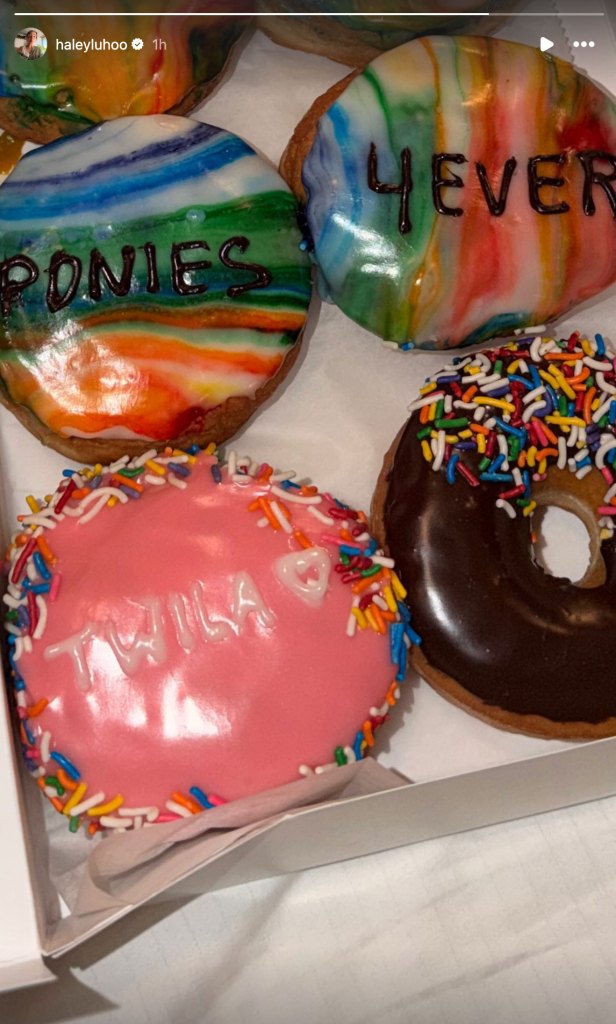
    The Peacock streaming service has canceled its original series, ‘Ponies’. This decision, announced in June 2026, has prompted significant reactions from the show’s cast, including prominent figures such as Haley Lu Richardson and Vic Michaelis. The cancellation marks an abrupt end for the series, which had garnered a dedicated following during its run.

    The news arrived without a prior warning, leaving both the production team and the audience surprised. Such cancellations have become a common occurrence in the competitive streaming market, but they rarely pass without public comment from those directly involved.

    Cast Members Share Disappointment

    Haley Lu Richardson, known for her roles in other popular productions, expressed her disappointment regarding the cancellation of ‘Ponies’. Her statement, released through social media, conveyed a sense of loss for the project and its narrative potential. Richardson had been a key component of the show’s ensemble, and her performance was frequently highlighted by critics.

    Vic Michaelis, another central figure in the ‘Ponies’ cast, also shared sentiments of frustration. Michaelis’s public comments focused on the effort and dedication invested by the entire crew. The abrupt nature of the cancellation means that many planned storylines will now remain unresolved, a point of contention for both the actors and the show’s fan base.

    The Impact on Creative Teams

    The cancellation of a series like ‘Ponies’ extends beyond the lead actors. It affects writers, directors, crew members, and supporting cast who dedicate months, sometimes years, to a production. For many, a show represents not just a job but a significant creative endeavor. The sudden termination can disrupt careers and creative momentum.

    Writing staff, in particular, face the challenge of unfinished narratives. Series often conclude with cliffhangers or open-ended plots designed to lead into future seasons. When a cancellation occurs, these threads are left dangling, frustrating both the creators who envisioned their continuation and the viewers who invested in the story.

    Audience Reactions and Streaming Trends

    The audience response to the ‘Ponies’ cancellation has been vocal. Social media platforms saw an influx of comments from fans expressing their sadness and anger. Many viewers highlighted the unique storytelling and character development they appreciated in the series, questioning the platform’s decision.

    This reaction is not isolated. The streaming industry, characterized by high production costs and intense competition for subscribers, frequently makes difficult programming decisions. Platforms like Peacock continually evaluate viewership numbers, subscriber acquisition, and retention rates to determine the viability of their original content.

    The Economics of Streaming Content

    The decision to cancel a show like ‘Ponies’ is often rooted in complex financial models. Streaming services invest heavily in content creation, hoping to attract and retain subscribers. However, not all shows achieve the necessary metrics to justify their continued production.

    Factors such as global reach, critical acclaim, and awards season performance also play a role. While ‘Ponies’ may have had a passionate fan base, it might not have met the broader strategic goals set by Peacock’s parent company, NBCUniversal. This economic reality often clashes with the artistic and emotional investment of creators and viewers.

    The Future for Cast and Crew

    For actors like Haley Lu Richardson and Vic Michaelis, a cancellation means moving on to new projects. While disappointing, it is a common part of an acting career. Both Richardson and Michaelis have established careers and will likely find new roles in other television series or films.

    The crew members, including camera operators, sound engineers, costume designers, and many others, also face the challenge of finding new employment. The television production industry is highly project-based, and the end of one show necessitates the search for the next. Industry professionals often move from one production to another, adapting to the transient nature of the work.

    Lessons from Ponies’ Cancellation

    The cancellation of ‘Ponies’ serves as a reminder of the unpredictable nature of the streaming content landscape. For creators, it emphasizes the importance of telling compelling stories within the constraints of evolving platform strategies. For viewers, it highlights the need to cherish and support shows while they are on the air, as their longevity is never guaranteed.

    The industry continues to evolve, with new platforms emerging and existing ones refining their content strategies. The experience of ‘Ponies’ contributes to a growing body of case studies illustrating the challenges and opportunities within this dynamic entertainment sector.

    The Broader Context of Streaming Cancellations

    The cancellation of ‘Ponies’ by Peacock is part of a larger trend in the streaming industry. Platforms are increasingly scrutinizing their content libraries, often making difficult decisions to cut shows that do not meet specific performance indicators. This environment has created a sense of uncertainty for both creators and audiences.

    In 2026, the streaming market is more saturated than ever. Services like Netflix, Max, Disney+, Hulu, Apple TV+, and Amazon Prime Video, alongside Peacock, are all vying for subscriber attention. This intense competition necessitates a constant evaluation of content portfolios.

    Factors Influencing Cancellation Decisions

    Several key factors contribute to a streaming service’s decision to cancel a series. These include:

    • Viewership Numbers: While specific metrics are rarely made public, platforms track how many subscribers watch a show, how many complete it, and how many new subscribers it attracts.
    • Production Costs: High production values, extensive location shoots, and large ensemble casts can drive up costs significantly. A show’s budget must be justified by its return on investment.
    • Critical Reception and Awards: While not always the deciding factor, critical acclaim and major awards can boost a show’s profile and attract new viewers, sometimes influencing renewal decisions.
    • Subscriber Acquisition and Retention: Ultimately, streaming services exist to grow and maintain their subscriber base. Shows that fail to contribute meaningfully to these goals are at risk.
    • Licensing and Distribution Rights: The complexities of intellectual property rights and international distribution can also play a role in a show’s financial viability.

    The Role of Fan Engagement

    Fan engagement, while powerful, does not always guarantee a show’s survival. Online campaigns, petitions, and social media trends can demonstrate passionate support, but they must translate into tangible business metrics for a platform to consider renewal. The ‘Ponies’ fan community, despite its dedication, ultimately could not sway the decision makers at Peacock.

    The Evolution of Content Strategies

    Streaming platforms are continually refining their content strategies. Some are moving towards more limited series or event programming, while others focus on building strong franchises with broad appeal. The era of blindly renewing shows for multiple seasons without clear performance indicators appears to be fading.

    Peacock, as a relatively newer entrant in the streaming wars compared to giants like Netflix, faces particular pressure to establish its identity and subscriber base. Its content strategy often involves a mix of NBCUniversal catalog titles, live sports, and original programming designed to differentiate it in a crowded market.

    The Impact on the Industry Ecosystem

    The frequent cancellation of shows has broader implications for the television industry ecosystem. It creates a more transient workforce, with creative talent constantly seeking new opportunities. It also encourages a greater focus on short-term success rather than long-term narrative development.

    For independent studios and production companies, securing a series order from a major streamer is a significant achievement. However, the risk of early cancellation means that even successful pitches do not guarantee sustained work or the full realization of a creative vision. This dynamic shapes how projects are developed and pitched in the current landscape.

    Looking Ahead for ‘Ponies’ Legacy

    Despite its cancellation, ‘Ponies’ will leave a legacy. It introduced audiences to compelling characters and unique storytelling. The performances by actors like Haley Lu Richardson and Vic Michaelis will be remembered by those who watched the series.

    The show’s abrupt ending will undoubtedly contribute to discussions about the fragility of original content in the streaming era. It serves as a case study for future analyses of platform strategies and audience expectations.

    The Enduring Power of Story

    Even with an unfinished narrative, the core story elements of ‘Ponies’ resonated with its viewers. The emotional investment from the audience highlights the enduring power of well-crafted characters and engaging plots. This connection is what makes cancellations so impactful.

    The frustration expressed by the cast and fans is a testament to the quality of the work produced. It underscores the human element in an industry often driven by data and algorithms. The shared experience of a story, however brief, creates lasting memories and discussions.

    What Comes Next for Peacock?

    Peacock will continue to invest in new original programming. The platform’s strategy is to offer a diverse range of content to attract various demographics. While ‘Ponies’ may be gone, new series and films will take its place, aiming to capture the attention of streaming subscribers.

    The lessons learned from ‘Ponies’ and other canceled shows will inform future commissioning decisions. The platform will seek to identify content that not only attracts initial viewership but also fosters long-term engagement and contributes positively to its overall business objectives.

    The cast reacted. The fans reacted. The industry reacted. Cancellation.

  • The Alamodome Ultimatum – Why San Antonio’s Mayor Wants Kanye West’s July 4 Concert Canceled

    The Alamodome Ultimatum – Why San Antonio’s Mayor Wants Kanye West’s July 4 Concert Canceled

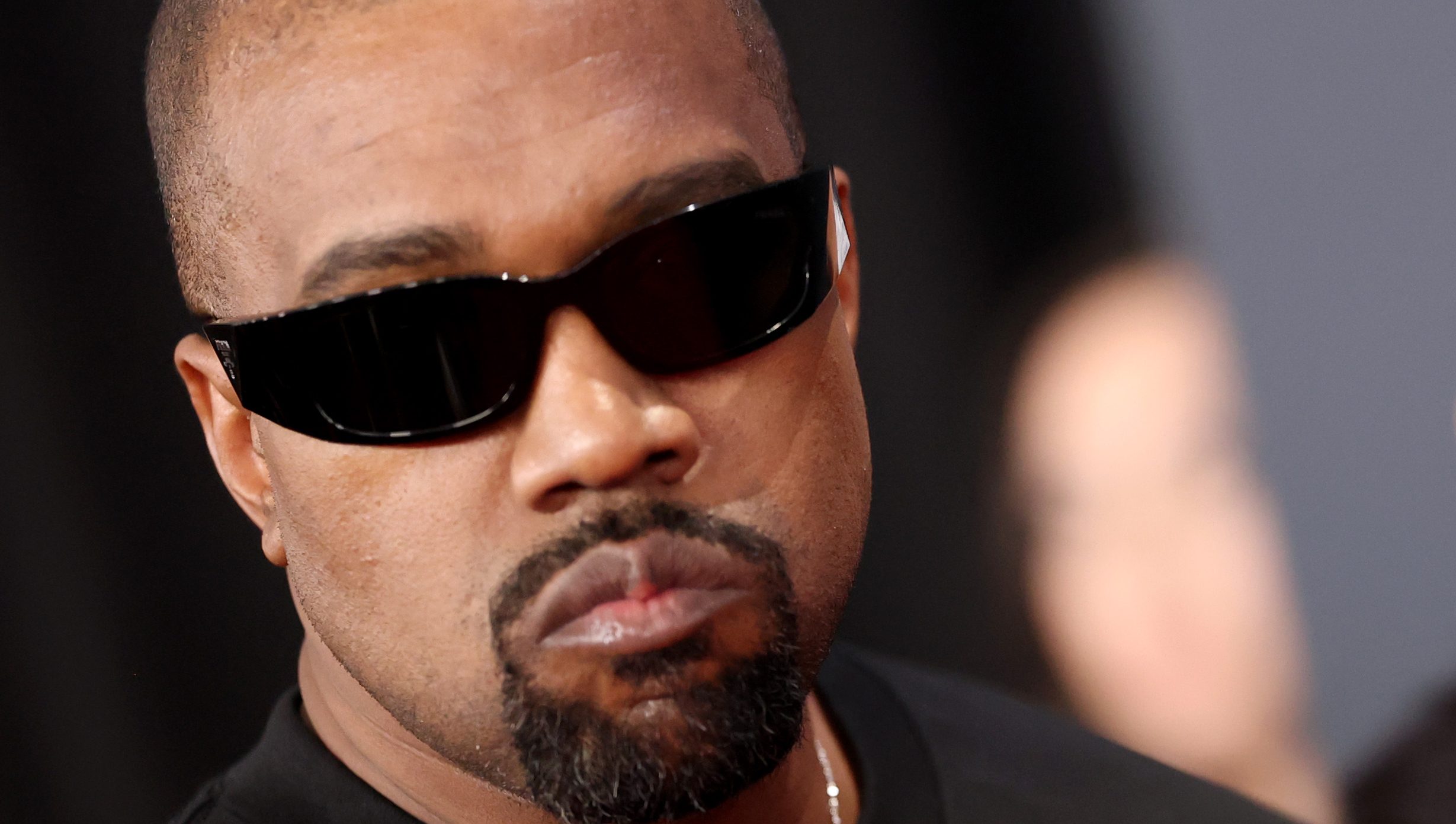
    On June 22, 2026, San Antonio Mayor Manny Pelaez formally called for the cancellation of Kanye West’s scheduled July 4th concert at the Alamodome. The mayor cited an unmanageable $400,000 security burden and deep cultural friction surrounding the artist’s recent public behavior. The announcement, made just twelve days before the event, sets up a high-stakes legal collision between municipal authority, Live Nation Entertainment, and First Amendment protections at a city-owned venue.

    The concert was supposed to be a massive economic driver for the holiday weekend. Instead, it has become a municipal crisis. The city now faces a choice between absorbing massive security costs or fighting a global entertainment conglomerate in federal court.

    The July 4th Flashpoint at the Alamodome

    The Alamodome sits on the eastern edge of downtown San Antonio. It is a massive, city-owned structure capable of holding 65,000 people. Since opening in 1993, it has hosted Final Fours, NBA championships, and global pop stars. It is the crown jewel of the city’s large-scale event infrastructure.

    Live Nation Entertainment booked the venue for July 4, 2026. The headliner was Kanye West, now legally known as Ye. The date was intentional. Independence Day draws massive crowds to the River Walk and downtown hospitality sectors. A stadium-level hip-hop show was projected to supercharge the weekend economy.

    Tickets went on sale in early May. They sold out in forty-eight hours. The demand was undeniable. But as the date approached, the logistical reality of hosting the controversial artist began to strain city resources.

    The Press Conference on Military Plaza

    The breaking point arrived on a Monday morning. Mayor Manny Pelaez stepped to the podium outside City Hall on Military Plaza. He did not mince words. He stated that the city could not guarantee the safety of the attendees, the protesters, or the surrounding neighborhoods.

    “Municipal resources are not infinite. We cannot ask the taxpayers of Bexar County to subsidize the security apparatus for an event that presents this level of operational risk,” the mayor stated.

    The mayor pointed directly to the cultural temperature. Ye’s recent public statements and erratic touring history in 2026 had generated intense backlash. Protest groups had already secured permits to demonstrate outside the Alamodome. Counter-protesters signaled their intent to arrive. The physical footprint of the event was expanding beyond the stadium walls.

    The mayor called on Live Nation to voluntarily cancel the show. He called on the Alamodome management to review the force majeure clauses in the contract. He drew a hard line in the South Texas sand.

    Security Costs and the Taxpayer Burden

    Large concerts always require police presence. The promoter typically pays for a baseline level of security. But when threat assessments escalate, the city must deploy additional resources. Those resources cost taxpayer money.

    The San Antonio Police Department (SAPD) conducted a threat assessment in mid-June. Chief William McManus reviewed the intelligence. The findings were stark. Securing the July 4th concert would require a massive deployment of off-duty and on-duty officers.

    The estimated cost for the enhanced security perimeter reached $400,000. This figure included overtime pay, tactical unit staging, and traffic control along I-35 and Commerce Street. Live Nation’s contract did not require the promoter to cover these peripheral municipal costs.

    The SAPD Deployment Strategy

    The police department’s plan was extensive. It required pulling resources from other Independence Day celebrations across Bexar County. The deployment strategy included specific operational mandates.

    • Perimeter Defense: The deployment of 150 SAPD officers for traffic control and crowd management along the primary arteries leading to the stadium.
    • Tactical Response: Staging mobile command units and rapid response teams near the Alamodome’s northern and southern entrances.
    • Crowd Management: Erecting secondary steel barricades to physically separate ticket holders from anticipated protest groups on the stadium plaza.

    The mayor argued this deployment was an unacceptable drain on public safety. The city needed those officers patrolling neighborhoods, not babysitting a volatile entertainment event.

    Live Nation and the Contractual Gridlock

    Calling for a cancellation is easy. Executing one is legally treacherous. Live Nation Entertainment holds a signed, binding contract with the City of San Antonio. The corporation operates out of Beverly Hills. It possesses a legal department designed to enforce venue agreements.

    Municipal contracts are rigid. A city cannot simply cancel an event because the political winds shift. To breach the contract, San Antonio would need to prove an imminent, unavoidable threat to public safety. A generic fear of protests does not meet the legal threshold for force majeure.

    If the city locks the doors to the Alamodome, Live Nation will sue. The damages would include lost ticket revenue, vendor guarantees, and artist fees. The financial penalty for a unilateral cancellation could dwarf the $400,000 security estimate. The city attorney’s office spent the weekend reviewing every comma in the venue agreement.

    The Legal Reality of City-Owned Venues

    The Alamodome is not a private club. It is a municipal building. Because it is owned by the government, it is subject to the constraints of the United States Constitution. This turns a contract dispute into a civil rights issue.

    The First Amendment severely limits a government’s ability to restrict speech based on viewpoint. When a city leases a venue to a performer, it creates a designated public forum. The government cannot cancel the lease simply because it finds the performer’s past speech offensive or culturally damaging.

    Legal precedent in Texas is clear. If a city attempts to silence a controversial figure by denying them a public stage, the courts will intervene. The mayor’s office knows this. That is why the official justification leans heavily on security costs and operational risks, rather than the content of Ye’s character or music.

    Ye’s 2026 Touring Controversies

    The context surrounding the artist cannot be ignored. Ye’s 2026 touring schedule has been marked by chaos. Earlier in the year, dates in Miami and Los Angeles faced similar municipal pushback. The friction is a feature, not a bug, of his current public persona.

    The cultural divide is sharp. Supporters argue that art should not be subject to municipal censorship. They view the mayor’s actions as political grandstanding. Detractors argue that platforming a figure with a history of inflammatory rhetoric normalizes toxic behavior. They view the mayor’s actions as a necessary defense of community values.

    The artist himself thrives on this exact type of conflict. The threat of cancellation operates as free marketing. It amplifies the narrative of an outsider battling the establishment. For Ye, the San Antonio standoff is just another chapter in a long history of institutional friction.

    The Economic Calculus for San Antonio

    While politicians debate constitutional law, local business owners are looking at their ledgers. The Alamodome does not exist in a vacuum. It feeds the entire downtown ecosystem.

    A sold-out stadium show brings 65,000 people into the urban core. Many of those attendees travel from Austin, Houston, and Dallas. They book hotel rooms. They eat at restaurants. They buy drinks on the River Walk.

    Downtown Businesses and the River Walk

    The San Antonio Chamber of Commerce projected the July 4th concert would generate roughly $2.5 million in localized economic impact. The hospitality sector was banking on that revenue. Summer is traditionally a slower season for downtown conventions. A mega-concert bridges the financial gap.

    Hotels like the Grand Hyatt San Antonio and the Marriott Rivercenter saw a massive spike in bookings the day tickets went on sale. Restaurant managers along Alamo Street staffed up for a holiday rush. If the concert is canceled, those reservations disappear. The economic ripple effect would be immediate and severe.

    Business leaders are caught in the middle. They want the revenue. They do not want the property damage that could accompany a massive, poorly secured protest. The financial calculus is a delicate balance of risk and reward.

    The Cultural Divide Over Celebrity Accountability

    The debate in San Antonio mirrors a broader national conversation. Municipalities are increasingly weaponizing venue contracts to enforce cultural standards. The line between public safety and ideological censorship is blurring.

    City council members are fielding thousands of calls. Some constituents demand the city hold the line and cancel the show. Others demand the city honor the contract and let the music play. The issue has fractured the local electorate along generational and ideological lines.

    The mayor’s ultimatum forced everyone to pick a side. There is no neutral ground when a stadium event becomes a referendum on celebrity accountability. The local news cycle is entirely consumed by the standoff. The national media is watching closely. The outcome in Texas will set a precedent for how other cities handle controversial arena tours.

    The Countdown to Independence Day

    The clock is ticking. July 4 is approaching rapidly. The logistical window to either secure the venue or dismantle the production is closing. Live Nation shows no signs of backing down. The mayor shows no signs of retracting his demand.

    The stage equipment is currently sitting in trucks on the interstate. The off-duty police officers are waiting for their final deployment orders. The ticket holders are refreshing their email inboxes, waiting for an update. The entire apparatus of a modern stadium tour is frozen in place.

    Lawyers drafted briefs. Police chiefs reviewed deployment maps. Promoters checked ticket algorithms. The city waited. San Antonio.

  • Denis O’Hare Reacts to Netflix’s Cancellation of ‘The Boroughs’

    Denis O’Hare Reacts to Netflix’s Cancellation of ‘The Boroughs’

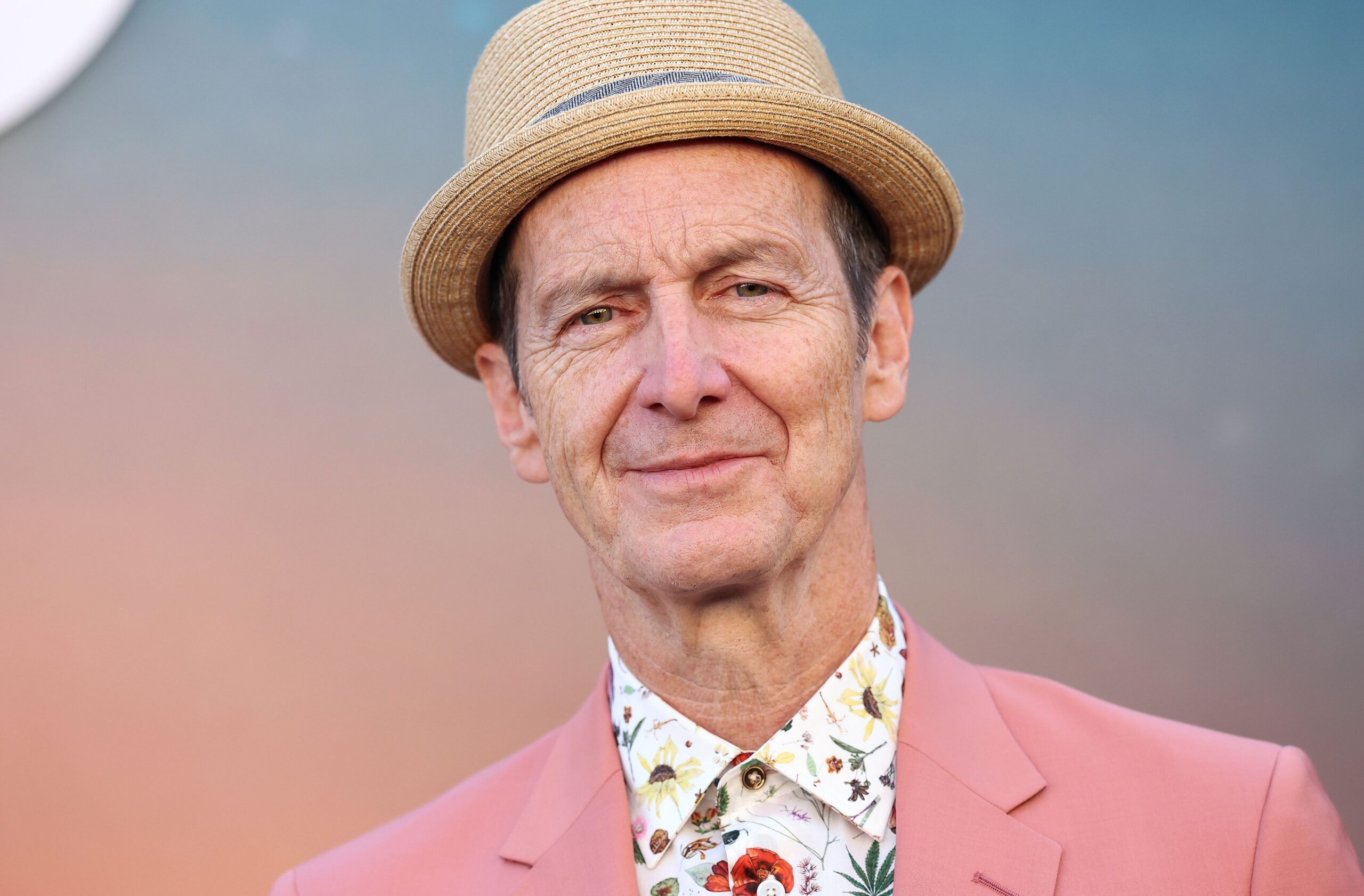
    Netflix’s sudden cancellation of the supernatural drama series The Boroughs has drawn a public reaction from actor Denis O’Hare, highlighting a growing trend of abrupt project terminations within the streaming industry. The decision, announced in mid-2026, abruptly halted a project that had garnered significant anticipation, leaving cast, crew, and potential audiences questioning the shifting priorities of major entertainment platforms. O’Hare’s response provides a window into the frustration experienced by creatives navigating a landscape increasingly dictated by immediate metrics rather than long-term artistic vision.

    The cancellation of The Boroughs is not an isolated incident. It represents a broader pattern within the entertainment sector, where studios and streaming services are re-evaluating their content strategies. The focus has shifted sharply toward guaranteed returns and algorithmic predictability. But the story doesn’t begin there. What looks like a modern corporate pivot actually stems from a fundamental change in how media is valued and consumed.

    The Promise of ‘The Boroughs’

    When The Boroughs was first announced, it carried the pedigree of high-end supernatural storytelling. Developed by the Duffer Brothers, the creators of Stranger Things, the series was positioned as a major tentpole for Netflix. The premise, a group of unlikely heroes navigating a supernatural threat in a retirement community, offered a fresh take on the genre. The casting of seasoned actors, including Denis O’Hare, signaled a commitment to strong, character-driven narratives.

    Production had reportedly moved forward with significant investment. Sets were built. Scripts were finalized. The anticipation within the industry was palpable. The Boroughs was expected to fill the void left by concluding flagship series. It was designed to capture a specific demographic while appealing to a broader audience hungry for complex, supernatural mysteries.

    However, the landscape of streaming economics shifted dramatically between the project’s greenlight and its eventual cancellation. The initial enthusiasm was met with the cold reality of tightening budgets and a renewed focus on immediate profitability.

    Denis O’Hare Breaks the Silence

    Following the announcement, Denis O’Hare, known for his versatile roles in American Horror Story and True Blood, voiced his disappointment. His reaction was measured but pointed. He articulated the shared frustration of a cast and crew who had invested significant time and creative energy into a project that would never see the light of day.

    O’Hare’s comments touched upon the inherent vulnerability of the creative process in the current corporate climate. He highlighted the disconnect between the artistic endeavor of bringing characters to life and the stark, often opaque, decisions made in boardrooms. His words resonated with many in the industry who have experienced similar sudden terminations.

    “It’s a profound disappointment when a story you believe in, a world you’ve helped build, is suddenly erased before it even reaches an audience,” O’Hare stated. “The focus seems to have shifted entirely to the algorithm, leaving little room for the organic growth of a narrative.”

    This sentiment is not unique to O’Hare. It reflects a growing unease among writers, directors, and actors. The implicit contract between creators and platforms, that good work will be given a chance to find its audience, appears to be fraying.

    The Algorithmic Guillotine

    The cancellation of The Boroughs underscores a fundamental shift in how streaming platforms operate. In the early days of the “streaming wars,” the strategy was defined by volume and risk-taking. Platforms were willing to invest heavily in diverse projects to build robust libraries and attract subscribers. That era has definitively ended.

    Today, the industry is governed by what critics call the “algorithmic guillotine.” Decisions regarding renewals and cancellations are increasingly driven by internal metrics: completion rates, cost-per-viewer, and immediate social media traction. If a series does not demonstrate immediate, overwhelming success, its future is bleak.

    • Completion Rates: Platforms heavily weigh whether viewers finish a series within a specific timeframe.
    • Cost-per-Viewer: The production budget is strictly analyzed against the number of unique accounts that watch the content.
    • Acquisition vs. Retention: New shows are evaluated on their ability to drive new subscriptions rather than simply retain existing ones.

    For a series like The Boroughs, which may have required a slower build or targeted a specific demographic, this metric-driven approach proved fatal. The potential for long-term cultural impact was outweighed by the demand for immediate, quantifiable returns.

    The Impact on Creative Storytelling

    The implications of this shift extend far beyond a single cancelled series. The reliance on algorithmic predictability is fundamentally altering the types of stories that get told. There is a growing reluctance to take risks on unproven concepts or unconventional narratives.

    Creators are increasingly pressured to engineer their projects to satisfy the algorithm. This means front-loading action, relying on established intellectual property, and prioritizing immediate hooks over character development. The result is a homogenization of content, where unique voices and distinct visions are often marginalized.

    O’Hare’s reaction to the cancellation of The Boroughs serves as a stark reminder of this reality. When decisions are made solely based on projected data, the intangible qualities that make a story resonate, nuance, ambiguity, slow-burn tension, are often the first casualties.

    The Audience Response

    The cancellation has also sparked significant reaction from audiences. Fans who had been following the development of The Boroughs expressed frustration on social media platforms. The abrupt termination of a project associated with high-profile creators like the Duffer Brothers fueled a sense of disillusionment with the streaming model.

    This audience reaction highlights a growing disconnect between the platforms and their subscribers. While platforms prioritize immediate metrics, audiences often value the opportunity to discover and invest in complex narratives over time. The cancellation of highly anticipated projects erodes trust and diminishes the perceived value of a subscription.

    The debate surrounding The Boroughs reflects a broader cultural conversation about the role of art in a corporate-driven entertainment landscape. It raises questions about who ultimately controls the narrative and what gets lost when storytelling is reduced to a data point.

    The Broader Industry Context

    To understand the cancellation of The Boroughs, it is necessary to view it within the broader context of the entertainment industry in 2026. The sector is undergoing a period of significant contraction and consolidation. The post-pandemic boom has given way to a harsh reality of cost-cutting and strategic realignment.

    Major studios and streaming platforms are facing pressure from Wall Street to demonstrate profitability. This has led to widespread layoffs, budget reductions, and a ruthless culling of content. The Boroughs is simply one of many casualties in this ongoing restructuring.

    The focus has shifted from growth at all costs to sustainable, predictable revenue models. This often means doubling down on established franchises and proven formats, leaving less room for original, ambitious projects. The environment is increasingly hostile to the kind of creative risk-taking that defined the early streaming era.

    The Future of Original Content

    The demise of The Boroughs raises critical questions about the future of original content. If platforms are unwilling to invest in new, untested narratives, where will the next generation of groundbreaking series come from? The current trajectory suggests a future dominated by sequels, reboots, and algorithmic safe bets.

    However, this shift also creates opportunities. As major platforms become more risk-averse, independent creators and smaller, niche platforms may find a receptive audience hungry for original storytelling. The frustration expressed by actors like Denis O’Hare and the disappointment of audiences indicate a demand for narratives that defy the algorithmic mandate.

    The challenge for creators will be finding new avenues to connect with audiences and secure funding outside the traditional studio system. The cancellation of The Boroughs may be a symptom of a larger industry malaise, but it also underscores the enduring need for compelling, human-driven stories.

    The sets were dismantled. The scripts were shelved. The actors moved on. The algorithm won.