Tag: Cancellation

  • Roxette’s North American Tour Canceled – A 40th Anniversary Interrupted

    Roxette’s North American Tour Canceled – A 40th Anniversary Interrupted

    The Swedish pop duo Roxette has canceled its planned 40th-anniversary North American tour, an announcement made on July 25, 2026, which has disappointed fans and prompted widespread reflection on the group’s enduring musical legacy.

    This cancellation affects all scheduled dates across the United States and Canada. The tour was intended to celebrate four decades since Roxette’s formation in 1986, marking a significant milestone in their career.

    The Anticipation of a Milestone Tour

    Roxette, comprising Per Gessle and the late Marie Fredriksson, had generated considerable excitement with the initial announcement of their 40th-anniversary tour. Fans globally, particularly in North America, had eagerly awaited the opportunity to experience the duo’s iconic sound live once more.

    The tour was slated to be a celebration of their extensive discography. It promised to revisit a career spanning from the mid-1980s through the early 2000s, showcasing their global hits and beloved album tracks.

    Ticket sales had reportedly been strong, indicating the sustained appeal of Roxette’s music. The cancellation leaves a void for those who had purchased tickets or made travel arrangements.

    A Legacy Forged in Pop

    Roxette’s journey began in 1986 in Halmstad, Sweden. Per Gessle and Marie Fredriksson quickly found a synergy that propelled them to international stardom.

    Their breakthrough came in the late 1980s with the release of their second album, Look Sharp!. This album featured global hits that solidified their presence on international charts.

    The duo’s music was characterized by its catchy melodies, powerful vocals, and emotionally resonant lyrics. They skillfully blended pop sensibilities with rock influences, creating a sound that appealed to a broad audience.

    Global Chart Dominance

    Roxette achieved remarkable chart success throughout their career. They secured four number-one singles on the U.S. Billboard Hot 100 chart.

    “The Look” was their first U.S. number one, reaching the top in 1989. This song introduced their distinct sound to American audiences.

    “Listen to Your Heart” followed, also reaching number one in 1989. Its power ballad structure became a signature element of their sound.

    1990 saw them achieve another chart-topper with “It Must Have Been Love.” This track gained immense popularity as part of the soundtrack for the film Pretty Woman.

    Their fourth and final U.S. number one was “Joyride” in 1991. The title track from their third studio album, it showcased their energetic pop-rock style.

    Beyond the U.S., Roxette enjoyed significant success in Europe, Australia, and South America. They sold over 80 million records worldwide, making them one of Sweden’s most successful musical exports.

    The Enduring Impact of Marie Fredriksson

    Marie Fredriksson, the lead vocalist of Roxette, passed away on December 9, 2019, at the age of 61. Her death profoundly impacted the band’s future and its fanbase.

    Fredriksson had battled brain cancer for many years, first diagnosed in 2002. Despite her health challenges, she continued to perform and record with Gessle for many years.

    Her powerful and emotive voice was central to Roxette’s sound. Her stage presence and vocal delivery captivated audiences around the world.

    The cancellation of the 40th-anniversary tour highlights the irreplaceable nature of Fredriksson’s contribution. While Gessle has continued to perform under various guises, the full Roxette experience is inextricably linked to her.

    Per Gessle’s Continued Musical Journey

    Per Gessle, the primary songwriter and co-founder of Roxette, has maintained an active musical career.

    He has released several solo albums in both Swedish and English. Gessle has also toured under the moniker “Per Gessle’s Roxette,” performing the duo’s classic hits.

    His songwriting prowess was a cornerstone of Roxette’s success. He penned many of their most famous songs, crafting lyrics and melodies that resonated globally.

    The decision to cancel the full Roxette 40th-anniversary tour suggests a recognition of the unique chemistry that defined the original duo. It underscores the difficulty of replicating that magic without Fredriksson.

    Fan Reactions and Nostalgia

    The news of the tour cancellation has elicited a strong emotional response from Roxette fans. Social media platforms are filled with messages of disappointment and fond remembrance.

    Many fans are sharing their favorite Roxette songs and memories of attending past concerts. The cancellation has become a catalyst for a collective moment of nostalgia.

    The band’s music often evokes memories of specific periods in listeners’ lives. For many, Roxette’s songs were the soundtrack to their youth, relationships, and significant life events.

    The 40th anniversary would have been a poignant occasion to celebrate these memories in person. The absence of a tour shifts this celebration to a more personal, reflective space.

    The Legacy Beyond Live Performances

    Despite the tour cancellation, Roxette’s musical legacy remains robust. Their songs continue to be streamed and played on radio stations worldwide.

    Their influence can be heard in subsequent generations of pop artists. Roxette’s ability to craft timeless pop hooks and deliver powerful ballads set a standard for the genre.

    The duo’s albums consistently sell, demonstrating their enduring appeal. Catalog sales remain strong, a testament to the timeless quality of their compositions.

    Documentaries, retrospectives, and fan communities keep the spirit of Roxette alive. Their story is a significant chapter in the history of global pop music.

    The Future of Roxette’s Commemorations

    While the North American tour is canceled, other forms of commemoration for the 40th anniversary may still emerge. This could include special re-releases, archival material, or tribute events.

    Per Gessle may explore alternative ways to connect with fans and celebrate the milestone. Digital releases or special broadcast events could be considered.

    The focus now shifts from live performance to the preservation and appreciation of their recorded works. The music itself remains the most potent form of remembrance.

    The band’s official channels and Gessle’s social media will likely be the primary sources for any future announcements regarding anniversary plans.

    The cancellation of Roxette’s 40th-anniversary North American tour marks an end to one form of celebration. It directs focus back to the core of their legacy.

    The music. The memories. The impact.

    Roxette.
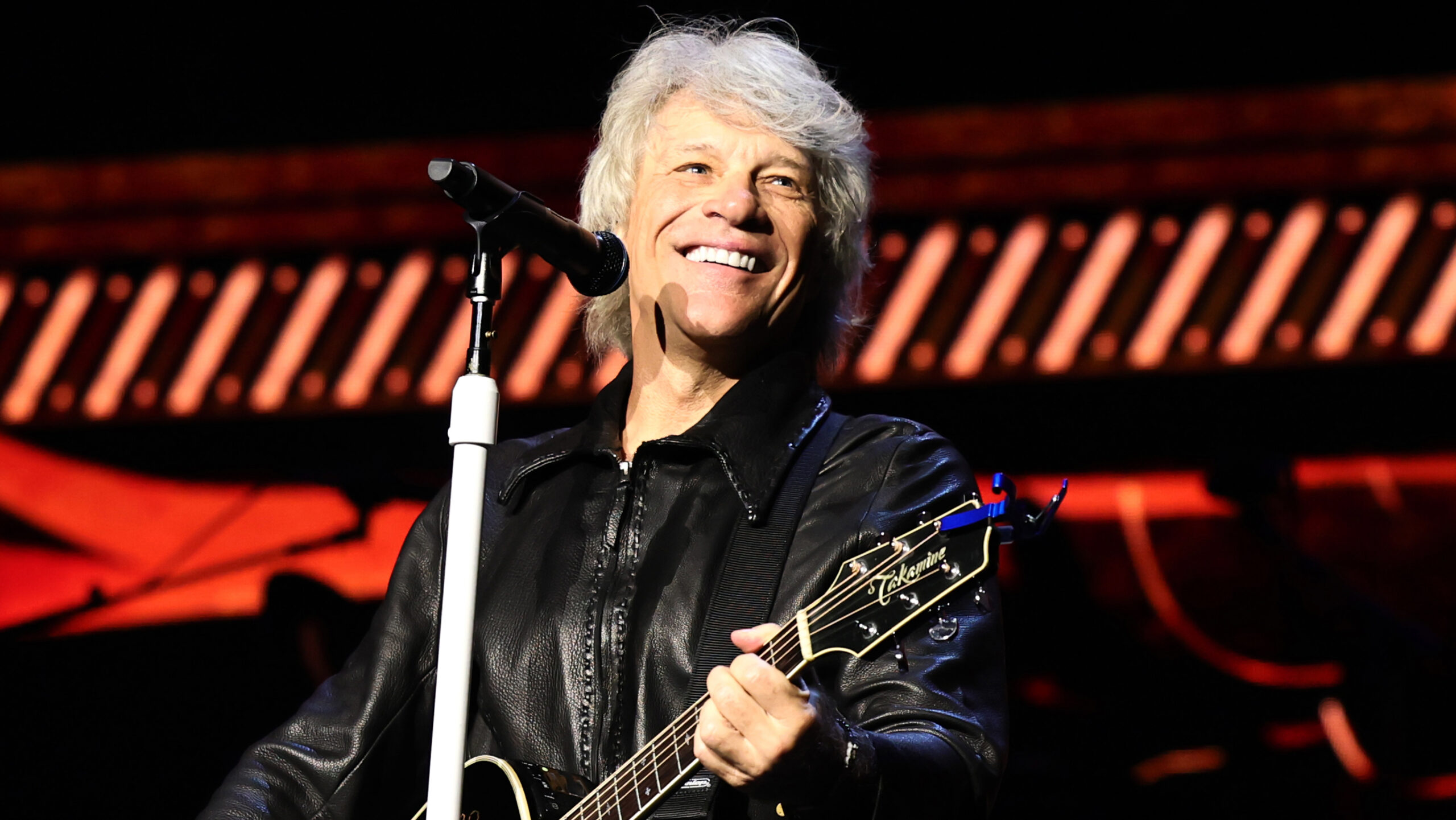

  • Jon Bon Jovi Ends MSG Show Abruptly Due to Vocal Issues – Rescheduled Concert Details

    Jon Bon Jovi Ends MSG Show Abruptly Due to Vocal Issues – Rescheduled Concert Details

    Jon Bon Jovi abruptly ended a recent concert at Madison Square Garden, citing significant vocal issues. The performance was cut short, with the iconic frontman addressing the audience directly to explain the situation and assure them of a rescheduled date. This event highlights the ongoing challenges artists face with vocal health and performance demands.

    The decision to halt the show was made mid-performance. Bon Jovi communicated his struggles to the thousands of fans gathered. His statement, “You’re not getting the best of me,” resonated with both disappointment and a sense of responsibility.

    This incident is not isolated within the music industry. Many artists have faced similar predicaments throughout their careers. The physical toll of touring and performing can be substantial.

    The Madison Square Garden Incident

    The concert took place at Madison Square Garden, a venue synonymous with legendary musical performances. Expectations were high for the veteran rock band. Fans had gathered from various locations, eager to experience Bon Jovi live.

    Reports from attendees indicated early signs of vocal strain. Bon Jovi’s voice reportedly showed signs of fatigue during the initial songs. The performance quality began to visibly decline as the set progressed.

    Mid-show, the music paused. Jon Bon Jovi stepped forward to address the crowd. His candid admission about his vocal state was met with a mix of understanding and palpable disappointment.

    The frontman’s words were clear. He acknowledged his inability to deliver the expected performance. He emphasized his commitment to his fans by not continuing a show that did not meet his own standards.

    Fan Reactions and Social Media

    Social media platforms quickly became a hub for fan reactions. Many expressed empathy for Bon Jovi’s struggles. Others voiced their disappointment, particularly those who had traveled significant distances.

    Tweets and posts highlighted the difficult situation. Fans recognized the honesty in Bon Jovi’s decision. They also shared their anticipation for the rescheduled event.

    Some fans noted the professionalism involved. The decision to stop rather than deliver a subpar performance was seen by many as a mark of respect for the audience. The band’s history of high-energy shows set a precedent for quality.

    Vocal Health in Music: A Career-Long Challenge

    Vocal health is a critical concern for singers, particularly those with extensive careers. Jon Bon Jovi’s career spans decades. His vocal style is known for its power and range.

    The demands of touring exacerbate vocal challenges. Frequent performances, varying climates, and rigorous schedules can strain vocal cords. Many artists employ vocal coaches and strict regimens to maintain their voices.

    Conditions like laryngitis, vocal nodules, and muscle fatigue are common ailments. These can lead to temporary or even long-term vocal damage if not managed properly. The decision to rest is often a medical necessity.

    Other prominent artists have also faced vocal issues. Adele, for example, underwent vocal cord surgery in 2011. Steven Tyler of Aerosmith has also dealt with vocal problems throughout his career. These instances underscore the fragility of a singer’s primary instrument.

    Preventative Measures and Recovery

    Singers often follow strict routines to protect their voices. These include:

    • Warm-up exercises before performances.
    • Adequate rest and sleep.
    • Hydration, often involving specific dietary choices.
    • Avoiding irritants like smoke and certain foods.
    • Regular check-ups with otolaryngologists, specialists in ear, nose, and throat conditions.

    When vocal issues arise, the primary recommendation is often rest. This can mean canceling or postponing shows. Medical interventions, including medication or even surgery, may be necessary in severe cases.

    The recovery process can be lengthy. It requires patience and adherence to medical advice. Artists must balance their commitment to fans with their long-term vocal health.

    The Legacy of Bon Jovi and Live Performance

    Bon Jovi has a long-standing reputation as a formidable live act. Their concerts are known for their energy, extensive setlists, and audience engagement. This reputation makes any cancellation particularly notable.

    The band formed in 1983. They achieved global stardom with albums like “Slippery When Wet” and “New Jersey.” Their anthemic rock style has garnered millions of fans worldwide.

    Live performances are central to Bon Jovi’s appeal. Songs like “Livin’ on a Prayer” and “Wanted Dead or Alive” are staples of their set. These tracks require significant vocal power and stamina from Jon Bon Jovi.

    The band has toured extensively throughout its history. They have played in countless venues across continents. Their dedication to live music has been a cornerstone of their success.

    The Economics of Concert Cancellation

    Concert cancellations carry significant financial implications. For promoters, venues, and the band itself, the costs can be substantial. These include:

    • Refunds for tickets, or the administrative burden of reissuing tickets for rescheduled dates.
    • Loss of revenue from concessions and merchandise sales.
    • Operational costs associated with the venue and touring crew.
    • Reputational impact, though often mitigated by transparent communication.

    Insurance policies often cover some of these losses. However, the logistical complexities remain. Rescheduling a major arena show like one at Madison Square Garden involves coordinating multiple schedules.

    Fans also incur costs. Travel expenses, accommodation, and lost wages for attending the original date are common. The promise of a rescheduled show helps alleviate some of this burden.

    Looking Ahead: Rescheduled Dates and Fan Expectations

    The tour promoter is tasked with announcing the new concert date. This process involves coordinating with Madison Square Garden’s availability. It also requires aligning with the band’s touring schedule.

    Fans will be closely monitoring official announcements. Information regarding ticket validity for the new date will be crucial. The band’s official website and social media channels will be primary sources for updates.

    The expectation remains that Jon Bon Jovi will return to Madison Square Garden. He will aim to deliver the full performance his fans anticipate. This commitment to quality has defined his career.

    The incident serves as a reminder of the human element in live music. Even the most seasoned performers are subject to physical limitations. The bond between artist and audience often hinges on such moments of vulnerability and honesty.

    Vocal issues are an occupational hazard for singers. The decision to halt a performance is never taken lightly. It reflects a difficult choice made to preserve both an artist’s health and their artistic integrity.

    The music industry continues to evolve. However, the fundamental challenges of live performance remain constant. Artists like Jon Bon Jovi navigate these pressures with decades of experience.

    The show will go on, eventually. Fans will gather again. The music will play.

    Madison Square Garden awaits.


  • Harry Styles Cancels Brazil Gig Amid Health Concerns, A Month After Wembley Collapse

    Harry Styles Cancels Brazil Gig Amid Health Concerns, A Month After Wembley Collapse

    Harry Styles’ Recent Health Incidents

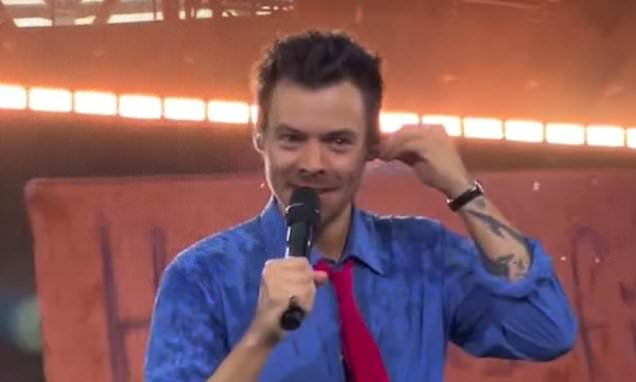
    Harry Styles canceled a scheduled concert in São Paulo, Brazil, in July 2026, citing ‘health issues.’ This cancellation followed an incident in June 2026 where Styles collapsed on stage during a performance at Wembley Stadium in London. The repeated health concerns have drawn attention to the demanding nature of his global tour schedule.

    The São Paulo concert was part of his ongoing international tour. Fans in Brazil received notification of the cancellation shortly before the event was scheduled to begin. Specific details regarding the nature of Styles’ health issues were not immediately released by his representatives.

    The Wembley Stadium Incident

    The June 2026 collapse at Wembley Stadium occurred during a performance that was part of a highly successful, multi-night engagement. Styles was performing to a sold-out crowd when the incident took place. He was reportedly attended to by medical staff backstage before the show resumed.

    The Wembley shows had been notable for their record-breaking attendance and critical acclaim. The incident, however, cast a shadow over the otherwise triumphant run. Footage of the collapse circulated on social media platforms, prompting concern from his global fanbase.

    Impact on Touring and Fan Expectations

    The back-to-back incidents have raised questions about the sustainability of extensive global touring schedules. Artists often face rigorous travel, performance demands, and limited recovery time. These pressures can significantly impact physical and mental well-being.

    Fans expressed a mix of disappointment over the canceled show and overwhelming support for Styles’ health. Social media platforms were flooded with messages wishing him a swift recovery. The incident in Brazil, coming so soon after Wembley, amplified these concerns.

    The Demands of a Global Superstar

    Styles’ career as a solo artist has seen him achieve significant success, including Grammy Awards and chart-topping albums. His tours are known for their high-energy performances and elaborate stage productions. Maintaining this level of output requires considerable physical stamina.

    The current global tour has been extensive, spanning multiple continents and numerous cities. Such a schedule often involves frequent time zone changes, varying climates, and a constant need for peak performance. These factors contribute to the cumulative stress on an artist’s body.

    Industry Response and Future Outlook

    The music industry has increasingly acknowledged the importance of artist well-being. Discussions surrounding mental health and physical health support for touring musicians have become more prominent in recent years. High-profile incidents like Styles’ contribute to these ongoing conversations.

    Promoters and management teams are often tasked with balancing artistic ambition with practical health considerations. The financial implications of canceled shows are significant, but the long-term health of an artist is paramount.

    Previous Tour Challenges

    Styles is not the first artist to face health challenges on tour. Numerous musicians have either canceled or postponed performances due to illness, injury, or exhaustion. These events highlight a systemic issue within the touring industry.

    The pressure to deliver for millions of fans, coupled with the financial commitments of large-scale productions, can create a difficult environment for artists to prioritize their health. The current situation with Harry Styles underscores these persistent challenges.

    The Broader Conversation on Performer Welfare

    The incidents involving Harry Styles contribute to a broader public discourse about the welfare of performers. This conversation extends beyond musicians to actors, athletes, and other public figures who operate under intense scrutiny and demanding schedules. The expectation of constant availability and peak performance can take a toll.

    The role of social media in these discussions is also significant. Fans and critics alike can quickly disseminate information and express opinions, creating an immediate and often overwhelming response to any public incident. This can add another layer of pressure for the individuals involved.

    Addressing the Root Causes

    Addressing the root causes of performer burnout and health issues involves multiple stakeholders. This includes artists themselves, their management, record labels, promoters, and even the audience. Establishing more sustainable touring models, incorporating mandatory rest periods, and providing accessible health resources are crucial steps.

    The financial models of the music industry also play a role. For many artists, touring is the primary source of income, especially with changes in music consumption patterns. This economic reality can incentivize longer and more strenuous tours, potentially at the expense of health.

    The Artist-Fan Relationship in Crisis

    When concerts are canceled, the artist-fan relationship often enters a delicate phase. While understanding and empathy are common reactions, disappointment and frustration can also arise, particularly for fans who have traveled or made significant financial investments to attend a show.

    Communication from the artist’s team becomes critical during these times. Transparent and timely updates, even if sparse on specific medical details, can help manage fan expectations and maintain goodwill. The lack of detailed information regarding Styles’ ‘health issues’ leaves room for speculation.

    Looking Ahead for Harry Styles

    The immediate future for Harry Styles will likely involve a period of rest and recovery. The decision to cancel a major international date suggests a need for significant attention to his health. His team will need to carefully assess his condition before making further commitments.

    The remainder of his tour schedule will be under scrutiny. Any further cancellations or postponements would only amplify concerns. His return to the stage will be highly anticipated, with fans hoping for a full recovery and a renewed focus on his well-being.

    Conclusion

    The cancellation of Harry Styles’ São Paulo concert due to ‘health issues,’ following his collapse at Wembley Stadium, highlights the intense pressures faced by global touring artists. The incidents underscore the critical need for robust support systems and sustainable practices within the entertainment industry.

    Artists push boundaries. Schedules expand. Health concerns emerge.

    Wembley. Brazil. Recovery.


  • Zach Bryan’s Alleged Hangover: The Canceled Noah Kahan Appearance and Brianna Chickenfry’s Cover-Up

    Zach Bryan’s Alleged Hangover: The Canceled Noah Kahan Appearance and Brianna Chickenfry’s Cover-Up

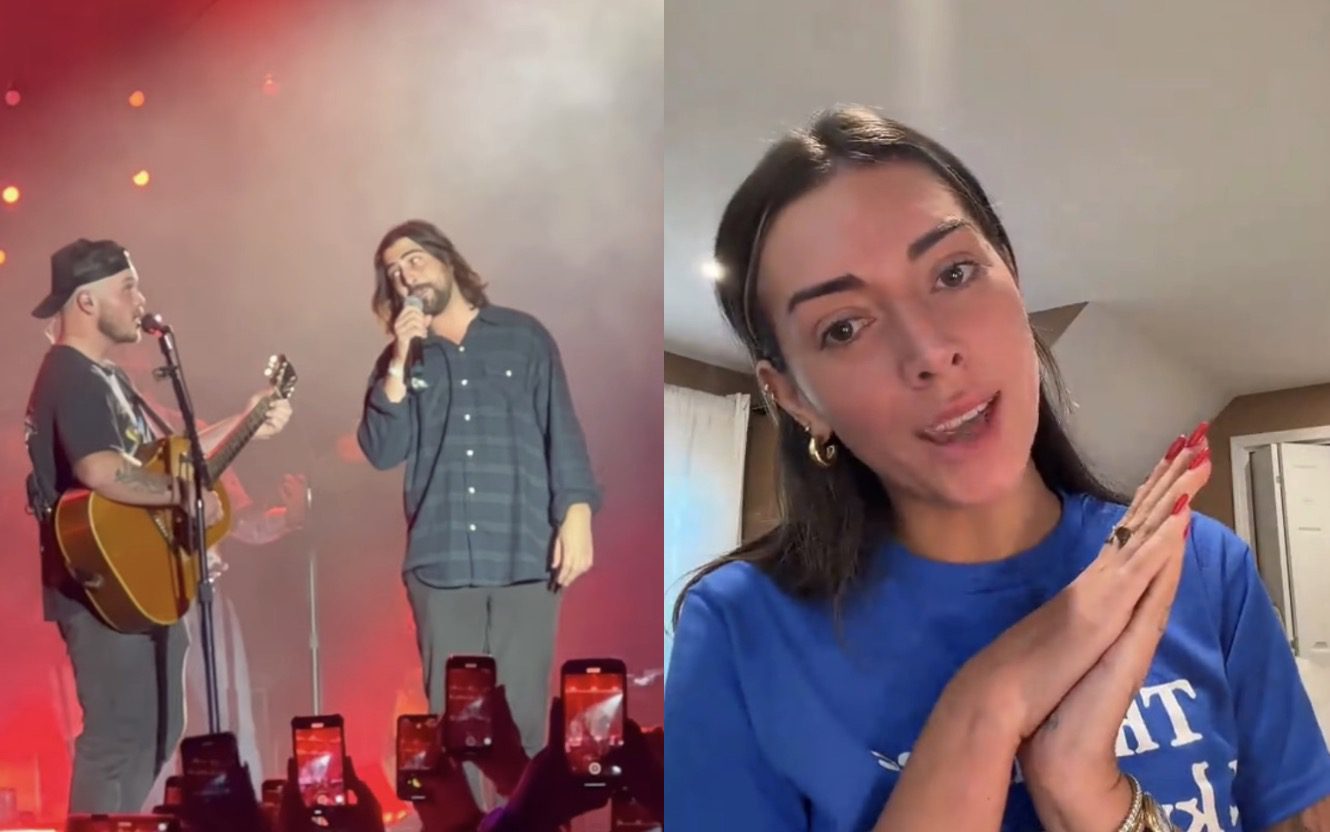
    Country music artist Zach Bryan reportedly failed to appear for a planned surprise performance alongside folk-pop singer Noah Kahan due to experiencing a significant hangover. This information was disclosed by influencer Brianna Chickenfry in November 2024, who also admitted to initially fabricating a different reason for Bryan’s absence to protect his reputation among fans.

    The Anticipated Collaboration That Wasn’t

    The music world often anticipates collaborations between popular artists. Such was the case when rumors circulated about Zach Bryan joining Noah Kahan on stage. Both artists command large and dedicated fan bases, making any joint appearance a significant event. The expectation for Bryan to perform with Kahan created considerable buzz.

    Fans were eager for a moment that would blend Bryan’s raw, heartfelt country sound with Kahan’s introspective, acoustic-driven melodies. These types of surprise cameos often become viral moments, amplifying the reach of both artists. The stage was set for a memorable night that ultimately did not materialize as expected.

    Brianna Chickenfry’s Initial Account

    Following Bryan’s non-appearance, Brianna Chickenfry, known for her candid social media presence, provided an explanation to her followers. Her initial statement suggested a reason for Bryan’s absence that differed from the truth. This initial account was designed to shield Bryan from potential criticism, presenting a more favorable narrative to the public.

    Chickenfry’s role as a public figure often places her in situations where she manages information related to other celebrities. Her decision to offer a protective narrative highlights the complexities of public relations in the age of immediate digital communication. The initial story served its purpose, temporarily deflecting questions and maintaining a positive image for Bryan.

    The Truth Revealed: A Hangover’s Impact

    In November 2024, Brianna Chickenfry publicly retracted her earlier statement. She confessed that Zach Bryan’s absence from the planned Noah Kahan performance was, in fact, due to a severe hangover. This candid admission altered the perception of the event, shifting from a vague, unspecified reason to a very human, if somewhat unprofessional, cause.

    The revelation underscores the challenges artists face in maintaining a rigorous schedule while navigating personal choices. Hangovers, a common human experience, become magnified when they affect public performances and professional commitments. Chickenfry’s honesty, while delayed, provided a clearer picture of the circumstances surrounding the canceled appearance.

    Fan Reactions and Public Discussion

    The disclosure of Zach Bryan’s alleged hangover as the reason for his missed performance ignited a wave of reactions across social media platforms. Fans expressed a spectrum of emotions, ranging from understanding and amusement to disappointment and criticism. Many followers appreciated Chickenfry’s eventual honesty, even if her initial statement was misleading.

    Discussions quickly emerged regarding the responsibilities of public figures and the expectations placed upon them. Some fans defended Bryan, citing the pressures of touring and the reality of human fallibility. Others voiced frustration, emphasizing the importance of professional commitments and the potential impact on fellow artists and event organizers. The incident became a focal point for broader conversations about celebrity transparency and accountability.

    The Interplay of Celebrity and Social Media

    This event highlights the intricate relationship between celebrity culture and social media. Platforms like Instagram, X (formerly Twitter), and TikTok allow for immediate dissemination of information, but also create an environment where narratives can be quickly shaped and reshaped. Brianna Chickenfry’s platform provided the initial, protective explanation, and then later served as the conduit for the truth.

    The incident demonstrates how personal lives of public figures can become immediate public discourse. Every action, or in this case, inaction, is subject to scrutiny and interpretation by a global audience. The speed at which such stories develop and evolve on social media underscores the constant pressure on celebrities to manage their public image and address controversies directly or through intermediaries.

    Noah Kahan’s Involvement and Impact

    Noah Kahan, the artist Bryan was slated to join, remained largely outside the direct controversy. His performance proceeded as scheduled, albeit without the anticipated guest. The impact on Kahan’s show was primarily the absence of a highly anticipated moment, rather than any direct disruption to his performance.

    The incident did, however, briefly shift attention to Kahan’s event as the backdrop for the Bryan-Chickenfry narrative. While Kahan’s own professional conduct was not in question, the situation inadvertently brought his name into a discussion about another artist’s personal choices. This illustrates how interconnected the music industry can be, with events surrounding one artist often casting a ripple effect on others.

    The Broader Implications for Artists

    The Zach Bryan incident serves as a case study in the challenges faced by contemporary musical artists. The demands of touring, recording, and maintaining a public persona can be immense. Artists often navigate grueling schedules, constant travel, and intense public scrutiny, which can take a toll on personal well-being.

    This situation also raises questions about the support systems in place for artists and how they manage personal struggles while upholding professional obligations. The transparency, or lack thereof, surrounding such events can significantly influence public perception and career trajectory. For artists, maintaining a balance between authenticity and professionalism remains a perpetual tightrope walk in the digital age.

    Looking Ahead: Lessons in Transparency

    The episode involving Zach Bryan, Noah Kahan, and Brianna Chickenfry offers lessons in the evolving landscape of public accountability for celebrities. While initial attempts to protect an artist’s image are understandable, the rapid flow of information on social media often makes full transparency an eventual necessity. Delayed honesty can sometimes be more damaging than an immediate, candid admission.

    For fans, the incident reinforces the idea that even beloved artists are human, subject to the same frailties as anyone else. For public figures, it underscores the importance of managing expectations and communicating truthfully, even when the truth is less than ideal. The public’s appetite for authenticity continues to grow, demanding a new level of candor from those in the spotlight.

    Rumors circulated. Expectations mounted. The stage waited. The truth emerged. The fans reacted. The lesson lingered.

    Transparency.

  • Prime Video Cancels ‘It’s Not Like That’ After One Season

    Prime Video Cancels ‘It’s Not Like That’ After One Season

    Prime Video has canceled the drama series It’s Not Like That after its first season. This decision was confirmed by Deadline on July 8, 2026. The series, which featured a notable cast including Scott Foley, will not return for a second season.

    The cancellation reflects the dynamic nature of streaming platform content strategies. Platforms like Prime Video continuously assess viewership data, production costs, and critical reception. These factors contribute to decisions regarding renewals or cancellations for their original programming.

    The Trajectory of a Streaming Series

    The journey of a streaming series from concept to cancellation is often complex. Initial greenlights are based on pilot episodes, script quality, and attached talent. Once a series launches, its fate hinges on performance metrics.

    Viewership numbers are paramount. Streaming services track how many subscribers watch a show. They also monitor completion rates and how a show drives new subscriptions or retains existing ones.

    Critical reviews and audience engagement also play significant roles. A show might garner critical acclaim but fail to attract a substantial audience. Conversely, a show with mixed reviews might find a dedicated fan base that justifies its continuation.

    For It’s Not Like That, its debut earlier in 2026 was met with anticipation. Scott Foley’s involvement drew attention, given his prior work in television dramas. However, the exact reasons for the cancellation were not immediately detailed by Prime Video.

    Prime Video’s Content Strategy

    Prime Video operates under Amazon, a global technology and retail giant. Its content strategy is multifaceted, aiming to attract a broad international audience. The platform invests billions annually in original programming and licensed content.

    This investment supports a diverse catalog, ranging from high-budget fantasy epics to niche dramas and comedies. The goal is to provide compelling reasons for Amazon Prime subscribers to engage with the video service.

    Recent years have seen Prime Video launch several successful series. Titles like The Lord of the Rings: The Rings of Power and The Boys have garnered significant viewership and critical attention. These tentpole productions often serve as anchors for the platform’s overall strategy.

    However, not all productions achieve the desired impact. Cancellations are a regular part of the streaming business model. They free up resources for new projects and allow platforms to pivot quickly based on market trends and audience preferences.

    Industry Context: The Era of Peak TV and Beyond

    The period from 2010 to 2020 was often referred to as ‘Peak TV,’ characterized by an unprecedented volume of scripted series across broadcast, cable, and streaming. This era saw an explosion of creative output and diverse storytelling.

    By 2026, the streaming landscape has evolved. While content production remains high, there is an increased emphasis on efficiency and return on investment. Major streaming services are scrutinizing budgets and performance more closely than ever before.

    Competition among platforms is fierce. Netflix, Max, Disney+, Apple TV+, and Peacock all vie for subscriber attention. Each cancellation by one platform often leads to speculation about what new projects will take its place.

    The economic climate also influences these decisions. Rising production costs, talent fees, and the need to maintain profitability drive platforms to make tough choices about their content portfolios. A single season for a drama series like It’s Not Like That is not uncommon in this environment.

    Impact on Cast and Crew

    The cancellation of a series has immediate consequences for its cast and crew. Actors, writers, directors, and production staff find their contracts concluded. This necessitates seeking new projects.

    Scott Foley, as a prominent actor, will likely transition to other roles. However, many behind-the-scenes professionals face periods of uncertainty. The entertainment industry is project-based, and employment can be intermittent.

    Development deals and overall talent relationships often continue even after a show’s cancellation. Studios and networks frequently aim to retain talent for future projects, especially if the collaboration was positive.

    The Fan Reaction and Streaming Ecosystem

    Fan communities often react strongly to cancellations. Dedicated viewers invest time and emotional energy into a series. The abrupt end of a story can lead to disappointment and frustration.

    Online petitions and social media campaigns sometimes emerge in attempts to save canceled shows. While these efforts occasionally succeed, particularly for shows with cult followings, they rarely reverse a platform’s financial decision.

    The streaming ecosystem itself is a complex network. Content creators, production companies, distributors, and audiences all interact within it. Cancellations are a natural, albeit often unwelcome, part of this dynamic system.

    For Prime Video, the decision to cancel It’s Not Like That is a business calculation. It is part of a larger strategy to curate a compelling and profitable content library. This ongoing process shapes what viewers see and what stories get told.

    Looking Ahead for Prime Video

    Prime Video continues to develop and acquire new content. The platform’s commitment to original programming remains strong. Upcoming projects often replace those that are canceled, maintaining a fresh pipeline of shows.

    The focus will likely remain on a mix of high-profile, globally appealing series and more targeted niche content. This diversification aims to cater to different segments of its vast subscriber base.

    Technological advancements also play a role. Prime Video invests in areas like virtual production and enhanced viewing experiences. These efforts aim to keep the platform competitive and engaging for its audience.

    The cancellation of It’s Not Like That closes one chapter for Prime Video. It opens the door for future projects. The constant evolution of content offerings is a hallmark of the modern streaming industry.

    Audiences watch. Platforms decide. New stories emerge. Old stories end. The cycle continues.

  • Washington D.C. Fourth of July Parade Canceled Due to Extreme Heat

    Washington D.C. Fourth of July Parade Canceled Due to Extreme Heat

    The annual Fourth of July parade in Washington D.C. was canceled on July 4, 2026. This decision was made in response to severe weather forecasts indicating extreme heat conditions for the day. Public safety concerns for participants, staff, and spectators were paramount in the cancellation.

    The cancellation represented a significant alteration to the nation’s capital’s Independence Day observances. The parade is a long-standing tradition, drawing thousands of attendees to the National Mall area.

    The Decision to Cancel

    Officials announced the cancellation of the Washington D.C. Fourth of July parade on July 3, 2026. The announcement came after consultations with meteorologists and public health experts. The National Weather Service had issued an excessive heat warning for the D.C. metropolitan area.

    Temperatures were projected to reach well over 100 degrees Fahrenheit, with heat index values potentially even higher. Such conditions present substantial risks, including heatstroke, dehydration, and other heat-related illnesses. Vulnerable populations, including the elderly and young children, were particularly at risk.

    The decision was not made lightly. The Fourth of July parade is a cornerstone of the city’s annual events. It typically features marching bands, military units, and patriotic floats.

    Public Safety as a Priority

    The primary justification for the cancellation was the protection of public health. Organizing a large-scale outdoor event in extreme heat conditions carries inherent dangers. Emergency services could be overwhelmed by heat-related incidents.

    Participants in the parade, many of whom wear heavy uniforms or costumes, face heightened risks. Marching for extended periods in direct sunlight under high temperatures can lead to rapid onset of severe symptoms. Spectators, often standing for hours without adequate shade or access to water, are also vulnerable.

    City officials emphasized that the safety of residents and visitors was their highest priority. They advised individuals to remain indoors, stay hydrated, and avoid strenuous outdoor activities during the heat wave.

    Impact on Independence Day Celebrations

    The cancellation of the parade altered the traditional Fourth of July experience in Washington D.C. Many visitors plan their trips specifically to witness the parade and other festivities. Local businesses, particularly those catering to tourists, experienced an impact.

    Despite the parade’s cancellation, other Independence Day events were still scheduled, albeit with modifications. The fireworks display over the National Mall was expected to proceed as planned, though organizers advised attendees to take extreme precautions against the heat.

    Museums and indoor attractions remained open, offering cooler alternatives for celebration. Various public and private organizations offered virtual events and online programming to commemorate the holiday safely.

    Economic and Cultural Repercussions

    The economic impact of the cancellation was felt by vendors, performers, and local businesses. Hotels, restaurants, and retail establishments often experience a surge in activity during the Fourth of July weekend. Reduced foot traffic from the parade area meant a decrease in anticipated revenue for some.

    Culturally, the absence of the parade was noted by many. The event serves as a symbol of national unity and celebration. Its cancellation, while necessary for safety, highlighted the disruptions that extreme weather events can cause to significant cultural traditions.

    Discussions emerged regarding future planning for large outdoor events in the face of increasingly unpredictable weather patterns. Event organizers across the country are grappling with similar challenges.

    Historical Context of Cancellations

    Cancellations of major events in Washington D.C. are infrequent but not unprecedented. Historically, events have been called off due to severe weather, national security concerns, or public health crises. Each instance typically generates considerable public discussion.

    For example, during significant snowstorms, government operations and public events have been curtailed. Security threats have also led to the postponement or cancellation of various gatherings. The COVID-19 pandemic, beginning in 2020, resulted in widespread cancellations of public events for an extended period.

    The 2026 Fourth of July parade cancellation due to heat adds to this history. It underscores the growing influence of environmental factors on public life and civic celebrations.

    Previous Weather-Related Interruptions

    Washington D.C. has experienced other weather-related interruptions to its major events. Thunderstorms and heavy rain have occasionally led to delays or shortenings of outdoor concerts and festivals. High winds have sometimes affected balloon displays or outdoor stage setups.

    However, a full cancellation of the Fourth of July parade specifically due to extreme heat is less common. This particular event, with its large scale and patriotic significance, draws particular attention when disrupted. The decision reflects a heightened awareness of climate-related health risks.

    Event planners globally are adapting strategies to mitigate risks associated with extreme weather. This includes developing contingency plans for heat waves, floods, and other natural phenomena. The 2026 cancellation serves as a case study for such adaptations.

    Community Response and Future Considerations

    The public response to the parade’s cancellation was mixed. Many residents and visitors expressed understanding and support for the safety-driven decision. Others voiced disappointment at the disruption of a cherished holiday tradition.

    Social media platforms saw discussions about the implications of climate change on public events. There were calls for increased infrastructure to support outdoor gatherings in extreme conditions, such as more shaded areas or cooling stations.

    For future Independence Day celebrations, organizers will likely review their protocols for extreme weather. This may involve earlier decision-making processes or alternative formats for portions of the celebration. The goal remains to balance tradition with public well-being.

    Looking Ahead: Adapting to New Realities

    The 2026 cancellation of the Fourth of July parade in Washington D.C. highlights a broader trend. Cities worldwide are confronting the challenges posed by a changing climate. Extreme weather events are becoming more frequent and intense.

    Adaptation strategies for urban environments are crucial. These include improvements in early warning systems, urban planning that incorporates green spaces for cooling, and public health campaigns to educate citizens about heat safety. Events, both large and small, must evolve.

    The experience of July 4, 2026, will inform future planning. It will contribute to a growing body of knowledge on how to maintain public life and cultural traditions in the face of environmental shifts. The goal is resilience.

    Officials planned. Citizens adjusted. Washington.

  • Clint Black Hospitalized with Serious Infection – July 3rd Concert Canceled

    Clint Black Hospitalized with Serious Infection – July 3rd Concert Canceled

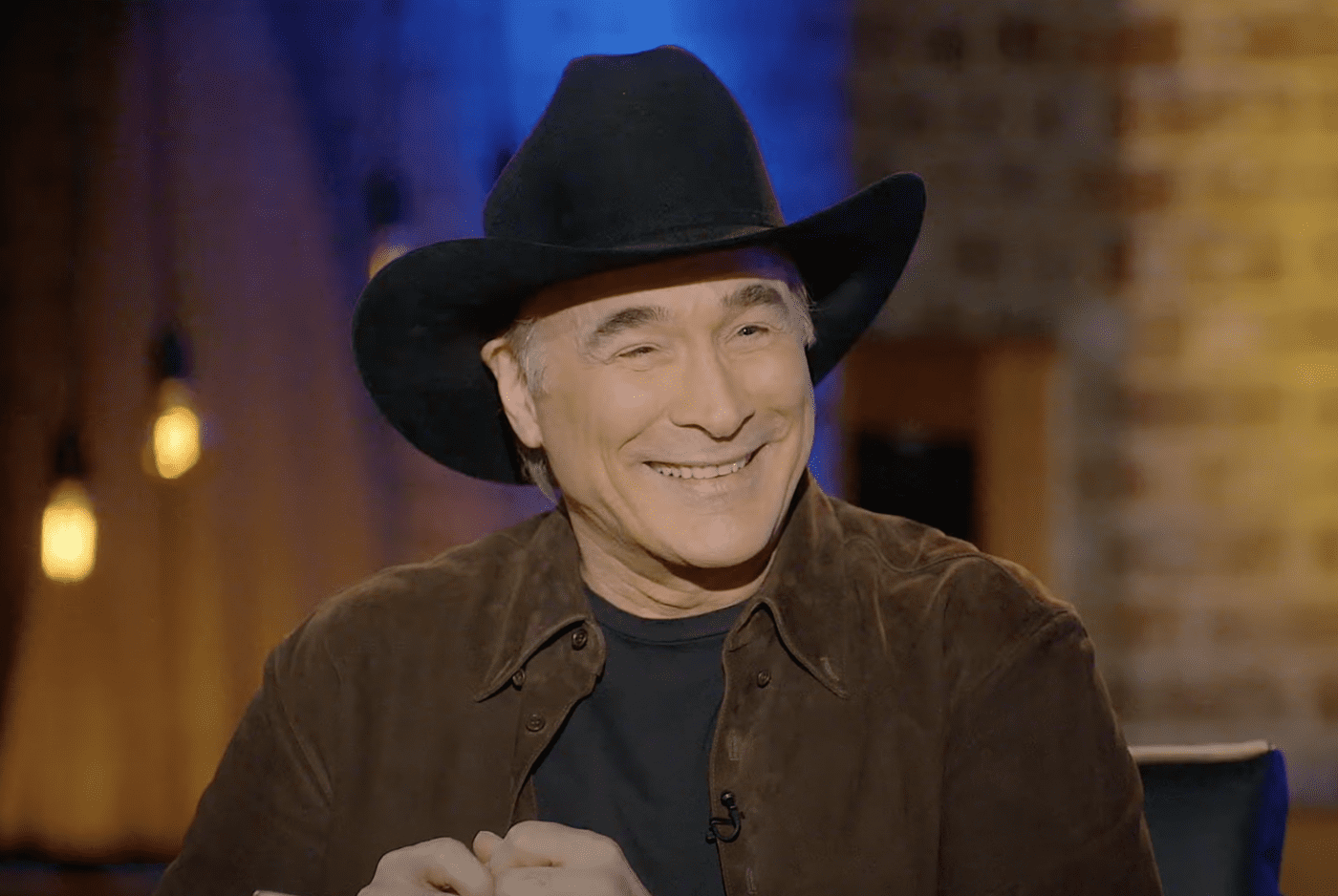
    Country music legend Clint Black was hospitalized with a serious infection, leading to the cancellation of his scheduled July 3, 2026, concert. The news, confirmed by his management, sparked immediate concern among his dedicated fanbase and the broader country music community. Details surrounding the nature of the infection and Black’s current prognosis remain private as of July 2, 2026.

    The announcement arrived on July 1, 2026, just two days before his anticipated performance. This unexpected health development has placed a spotlight on the fragility of even the most seasoned performers’ careers.

    The Immediate Impact: Concert Cancellation and Fan Reaction

    Clint Black’s July 3, 2026, concert was scheduled to take place at a prominent venue. The cancellation, communicated via official channels, cited his hospitalization as the direct cause. Ticketholders received notifications regarding refunds or rescheduling options.

    The news quickly disseminated across social media platforms. Fans expressed an outpouring of support for the singer. Many shared well wishes and prayers for his swift recovery.

    This sentiment reflects Black’s enduring appeal and the personal connection many listeners feel with his music. His career spans decades, marked by numerous chart-topping hits and a consistent touring schedule.

    A Career Defined by Consistency and Authenticity

    Clint Black rose to prominence in 1989 with the release of his debut album, Killin’ Time. This album produced four number-one singles on the Billboard Hot Country Singles & Tracks chart. These hits included the title track, “A Better Man,” “Nobody’s Home,” and “Walkin’ Away.”

    His sound was characterized by a blend of traditional country sensibilities with a contemporary edge. This approach helped define the new traditionalist movement of the late 1980s and early 1990s. He quickly became one of country music’s most bankable stars.

    Throughout the 1990s, Black continued to release successful albums and singles. His discography includes more than a dozen studio albums. He has sold over 20 million albums worldwide.

    Black’s songwriting often features introspective lyrics and memorable melodies. He has penned or co-penned the vast majority of his recorded material. This commitment to artistic control has earned him respect within the industry.

    Major Milestones in Black’s Career

    • 1989: Releases debut album Killin’ Time, achieving instant stardom.
    • 1990: Wins the Country Music Association’s Horizon Award (now New Artist of the Year).
    • 1991: Marries actress Lisa Hartman Black.
    • 1993: Releases No Time to Kill, featuring more chart-topping hits.
    • 1996: Inducted into the Grand Ole Opry.
    • 1999: Celebrates 10 years in country music with a greatest hits album.
    • 2001: Welcomes daughter Lily Pearl Black.
    • 2004: Stars in the film Flicka.
    • 2015: Releases On Purpose, his first album of new material in a decade.
    • 2020: Releases Out of Sane, continuing his prolific output.

    These milestones illustrate a career marked by sustained success and critical acclaim. Black has remained a relevant figure in country music for over three decades.

    The Nature of Infections: A General Overview

    The specific type of infection Clint Black is battling has not been disclosed. However, serious infections can manifest in various forms. They can range from bacterial to viral or fungal in origin.

    Bacterial infections, such as pneumonia or sepsis, often require aggressive antibiotic treatment. Viral infections, like severe influenza or certain gastrointestinal viruses, are typically managed with supportive care.

    Fungal infections are less common but can be severe, especially in immunocompromised individuals. Hospitalization is usually reserved for cases where an infection poses a significant threat to a patient’s vital functions or requires intensive medical intervention.

    Symptoms of serious infections can include high fever, severe pain, organ dysfunction, and general malaise. Rapid diagnosis and treatment are crucial for positive outcomes.

    The Demands of Touring and Performer Health

    The life of a touring musician is physically demanding. Long travel days, irregular sleep schedules, and constant exposure to new environments can take a toll on an artist’s immune system.

    Performing live requires immense stamina and vocal prowess. Even a minor illness can significantly impact a show. A serious infection can halt a tour entirely.

    Many artists maintain rigorous health routines to counteract these pressures. However, even the most disciplined individuals can fall victim to unforeseen health crises.

    Clint Black has maintained a consistent touring schedule for many years. His commitment to live performances is a hallmark of his career. This recent hospitalization underscores the inherent risks associated with such a lifestyle.

    The Broader Impact on the Country Music Community

    News of Clint Black’s hospitalization reverberated throughout the country music industry. Fellow artists, producers, and executives offered their well wishes. Many acknowledged Black’s significant contributions to the genre.

    The incident serves as a reminder of the human element behind the music. Artists, despite their public personas, are susceptible to health challenges like anyone else.

    Concert cancellations due to illness are not uncommon in the music world. However, they always carry a sense of disappointment for fans and financial implications for promoters and venues.

    The well-being of performers is a paramount concern for their teams and the industry at large. Ensuring adequate rest and medical care is an ongoing challenge in the fast-paced entertainment business.

    Looking Ahead: Black’s Road to Recovery

    As of July 2, 2026, no official timeline for Clint Black’s recovery has been released. The focus remains on his immediate health and treatment. His management team has requested privacy during this time.

    Fans will eagerly await updates regarding his condition. The hope is for a full and speedy recovery. His return to the stage will be a moment of celebration for many.

    The country music community stands united in support of one of its most respected figures. Black’s legacy is secure, and his health is currently the primary concern.

    Musicians often draw strength from their audience. In this instance, the flow of support is directed back to the artist. The outpouring of care for Clint Black is palpable.

    Hit songs echoed. Fans expressed concern. A legend faced a challenge. Recovery.

  • Vanilla Ice’s Freedom 250 Concert: The ‘Inclement Weather’ Cancellation

    Vanilla Ice’s Freedom 250 Concert: The ‘Inclement Weather’ Cancellation

    Vanilla Ice’s Freedom 250 concert, a highly anticipated event, was abruptly canceled in late June 2026. The official reason provided by organizers for this decision was ‘inclement weather.’ This explanation, however, faced scrutiny as local weather conditions at the time of the cancellation did not appear to support claims of severe weather.

    The sudden nature of the cancellation left many fans and observers questioning the true circumstances. The event was part of a broader cultural landscape where musical acts from different genres often cross over or appeal to diverse audiences.

    The Announced Cancellation

    The news of the Freedom 250 concert’s cancellation spread rapidly. Reports from various outlets confirmed the event would not proceed as planned. Attendees who had made travel arrangements and purchased tickets expressed immediate disappointment.

    Organizers issued a statement. This statement attributed the cancellation solely to adverse weather conditions. Specific details regarding the nature of the ‘inclement weather’ were not extensively provided in initial public announcements.

    Social media platforms became a hub for discussion. Fans shared their frustration and sought clarification regarding the refund process and future event possibilities.

    Weather Conditions at the Time

    Local weather forecasts and reports for the concert’s scheduled date and time were reviewed following the cancellation. These reviews indicated a disparity between the official reason and actual atmospheric conditions. Many local residents and meteorologists noted the absence of severe storms or hazardous weather warnings.

    Temperatures were reportedly mild. Precipitation was minimal or non-existent in the immediate vicinity of the venue. Wind speeds were also not reported at levels that would typically warrant such a drastic event cancellation.

    This discrepancy fueled speculation. It suggested that factors beyond weather might have contributed to the decision. The lack of transparent information from organizers only amplified public curiosity.

    The Implication of ‘Inclement Weather’

    The phrase ‘inclement weather’ serves as a common and often accepted reason for event cancellations. It provides a broad justification that can encompass various meteorological phenomena. These include heavy rain, strong winds, lightning, or extreme temperatures.

    However, when the reported weather does not align with the stated reason, it can lead to public distrust. It can also raise questions about contractual obligations, insurance policies, and underlying logistical challenges. Concert promoters often have complex agreements that factor in weather-related clauses.

    Vanilla Ice’s Enduring Appeal

    Robert Matthew Van Winkle, known professionally as Vanilla Ice, rose to prominence in the early 1990s. His hit single ‘Ice Ice Baby’ achieved global success. This song became the first hip-hop single to top the Billboard Hot 100 chart.

    His career trajectory has been eclectic. After his initial mainstream success, he ventured into various forms of entertainment. These included acting, reality television, and different musical genres.

    Vanilla Ice has maintained a loyal fanbase. He frequently performs at nostalgia-themed concerts and festivals. His performances often draw diverse crowds, including those who appreciate his blend of hip-hop and rock influences.

    Crossover Appeal and Audience Demographics

    Vanilla Ice’s appeal has extended beyond his original hip-hop audience. His presence at events like the Freedom 250 suggests a connection with audiences often associated with country music or rock festivals. This crossover appeal highlights the evolving nature of music consumption and fan bases.

    Artists like Vanilla Ice can bridge cultural divides. They bring together different segments of the population through shared nostalgic experiences or a broader appreciation for musical entertainment. His continued touring reflects a demand for his unique brand of performance.

    Logistical Challenges for Large Events

    Organizing large-scale concerts involves significant logistical planning. Permits, security, staging, sound, lighting, and vendor coordination are all critical components. Any one of these elements can present unforeseen challenges.

    Cancellations can occur due to a multitude of factors. These include low ticket sales, artist health issues, technical failures, or permitting problems. Organizers sometimes opt for a generic explanation to avoid disclosing more complex or potentially damaging reasons.

    The economic impact of a cancellation is substantial. Lost revenue for the venue, vendors, and local businesses can be significant. Refunds for tickets and associated travel expenses also contribute to financial losses.

    The Role of Insurance and Contracts

    Event insurance policies often cover cancellations due to specific circumstances. ‘Inclement weather’ is a common clause in these policies. However, the exact definition of ‘inclement’ can be subject to interpretation and contractual language.

    Promoters and artists enter into detailed contracts. These agreements outline responsibilities, force majeure clauses, and cancellation protocols. The specific terms of these contracts are typically confidential.

    A cancellation due to a reason like ‘inclement weather’ can simplify the legal and financial ramifications for organizers. It may align with insurance policy requirements more easily than other potential reasons.

    Public Reaction and Future Implications

    The public reaction to the Freedom 250 cancellation was mixed. While some fans expressed understanding, many felt a lack of transparency. The incident highlighted the importance of clear communication from event organizers.

    For Vanilla Ice, such cancellations can impact touring schedules and fan engagement. Artists rely on consistent performances to connect with their audience and sustain their careers. Unexplained cancellations can lead to questions about reliability.

    The event also served as a reminder of the complexities inherent in the live music industry. The coordination of large gatherings requires meticulous planning and the ability to adapt to unexpected circumstances. The official explanation of ‘inclement weather’ for the Vanilla Ice concert cancellation in late June 2026 continues to be a point of discussion.

    Fans anticipated. Organizers announced. Weather reports differed.

    Questions remained.

  • David Iserson Reacts to ‘Ponies’ Cancellation: “Goodbye For Now”

    David Iserson Reacts to ‘Ponies’ Cancellation: “Goodbye For Now”

    David Iserson, co-creator of the animated series Ponies, has publicly addressed the show’s cancellation, delivering a message of “goodbye for now” to its characters, Bea and Twila. His statement, released on June 27, 2026, conveyed a hopeful tone regarding the series’ potential future return. This sentiment is common among creators facing the discontinuation of their projects, often reflecting both personal attachment and the desire to reassure a dedicated fanbase.

    The announcement from Iserson follows the news of Ponies’ termination, marking another instance of a television series concluding its run. Such events frequently prompt discussions within the entertainment industry and among viewers about the factors influencing content decisions. These factors include viewership numbers, production costs, and strategic shifts by networks or streaming platforms.

    The Creator’s Perspective on Cancellation

    Iserson’s message was brief but poignant. He stated, “I hope we all get to visit them again,” referring to the characters Bea and Twila. This phrase suggests an openness to revisiting the series in a different format or on another platform at a later date. It is a common refrain from creators who believe their stories have more to tell, even when current circumstances dictate a pause.

    The creative process for an animated series like Ponies involves years of development, writing, voice acting, and animation. For creators, the cancellation of a show represents the end of a significant professional and personal investment. Public statements often balance professional courtesy with genuine emotional connection to the work.

    Navigating Industry Decisions

    Television and streaming services make cancellation decisions based on complex algorithms and business models. These models evaluate metrics such as subscriber engagement, advertising revenue, and critical reception. The landscape is constantly shifting, with new platforms emerging and established ones refining their content strategies.

    Industry trends in 2026 continue to emphasize original content production. However, they also prioritize cost-effectiveness and audience retention. Shows that do not meet specific performance benchmarks are often subject to cancellation, regardless of their critical acclaim or niche following. This commercial reality shapes the careers of many writers, directors, and animators.

    Fan Reaction and Community Impact

    The cancellation of a beloved series like Ponies often elicits strong reactions from its dedicated fanbase. Social media platforms become immediate venues for expressing disappointment, petitioning for renewals, and sharing fond memories of the show. These fan communities can exert pressure on networks and studios, though success in reversing cancellation decisions remains rare.

    Online campaigns, often using specific hashtags, aim to demonstrate audience demand. While these efforts occasionally lead to a series being picked up by another platform, they more frequently serve as a collective grieving process for the show’s ending. The passion of these communities underscores the cultural impact that television series can have.

    The Role of Streaming Services

    Streaming services have significantly altered the television industry’s dynamics. They have introduced new models for content consumption and production. While they offer more opportunities for diverse storytelling, they also operate with distinct financial pressures. Subscriber growth and churn rates are paramount, influencing decisions about which shows to renew or cancel.

    The competitive nature of the streaming market means that platforms are constantly evaluating their content libraries. They seek shows that can attract new subscribers and retain existing ones. This intense competition can lead to shorter lifespans for series that might have had longer runs on traditional broadcast television.

    Previous Cases of Show Cancellations and Revivals

    The history of television is replete with examples of shows that ended prematurely, only to find new life years later. Series like Arrested Development and Futurama were famously revived by new platforms or networks after initial cancellations. These instances offer a glimmer of hope for creators like David Iserson and fans of Ponies.

    These revivals often occur when a new platform sees an opportunity to capitalize on an existing fanbase and intellectual property. The gap between cancellation and revival can span several years, allowing for changes in audience tastes, technological advancements, and shifts in the media landscape. The potential for a future return remains a possibility, albeit often a distant one.

    Creator Statements and Future Prospects

    David Iserson’s statement is strategically worded to keep that possibility open. By saying “goodbye for now,” he avoids a definitive closure, maintaining a connection to the project and its characters. This approach is not uncommon in the industry, as creators often hope to leverage past successes or popular intellectual property for future endeavors.

    The entertainment industry often sees talent move between projects and platforms. Iserson, as a co-creator, will likely pursue new ventures. However, the legacy of Ponies and the potential for its return will remain a part of his professional narrative. This dynamic interplay between past projects and future opportunities is a constant in creative careers.

    The Business of Animation

    Producing animated series is an expensive and time-consuming undertaking. The costs associated with voice talent, animators, writers, and post-production can be substantial. Networks and streamers must weigh these costs against projected viewership and potential returns on investment.

    The animation industry has seen significant growth in recent years, fueled by demand from streaming services for family-friendly and adult animation. However, this growth also brings increased competition and scrutiny over budgets. Decisions about series renewals are often made with these financial realities at the forefront.

    Impact on Creative Teams

    A show’s cancellation affects not only the creators but also the entire production team. Animators, writers, voice actors, and production staff face job displacement. The stability of employment in the entertainment industry is often contingent on the success and longevity of individual projects.

    For many, working on a series like Ponies represents a significant portion of their professional lives. The end of such a project requires them to seek new opportunities, often in a highly competitive market. This human element of cancellations is a constant underlying factor in the industry.

    Looking Ahead for ‘Ponies’ and Its Creators

    David Iserson’s statement leaves the door ajar for future possibilities. While Ponies may have concluded its initial run, the sentiment expressed by its co-creator suggests an enduring hope for its world and characters. The animation industry is dynamic, with new platforms and production models continually emerging.

    The future of Ponies, like many canceled series, will depend on a confluence of factors: sustained fan interest, the availability of funding, and the strategic interests of potential new distributors. For now, Bea and Twila remain in a state of suspended animation.

    Creators reflect. Fans mourn. Platforms decide.

    The cycle continues.

    Hope persists.

    For now.

  • Country Music Festival Scrapped – Organizers Cite Infrastructure Issues

    Country Music Festival Scrapped – Organizers Cite Infrastructure Issues

    A highly anticipated country music festival, slated to draw thousands of attendees and prominent artists, has been officially cancelled. Organizers attributed the decision to insurmountable infrastructure issues, preventing the event from proceeding as planned. This cancellation underscores the complex logistical and financial hurdles involved in staging large-scale cultural events, particularly in locations requiring significant temporary or permanent upgrades.

    The festival’s cancellation represents a significant setback for both country music enthusiasts and the local economy. It also brings into focus broader discussions about the resources and planning required to support cultural gatherings that celebrate traditional American values.

    The Announcement and Initial Reactions

    The official announcement of the festival’s cancellation came on June 25, 2026. This decision followed months of planning and public anticipation. Organizers issued a statement detailing the various infrastructure deficiencies that led to their conclusion.

    These issues included inadequate road access, insufficient water and sanitation facilities, and unreliable power grids. The statement emphasized that these problems posed unacceptable risks to attendee safety and overall event quality.

    Initial reactions from ticket holders and artists expressed disappointment. Many had made travel arrangements and cleared schedules for the event. Social media platforms saw an immediate surge of comments lamenting the loss.

    Local businesses, particularly those in the hospitality and retail sectors, also voiced concerns. They had anticipated a significant economic boost from the festival’s projected attendance.

    Infrastructure Challenges in Rural Event Planning

    The challenges cited by the festival organizers are not unique. Many large-scale events, especially those held outside established urban centers, frequently encounter similar infrastructure hurdles. Rural areas often lack the robust public works systems found in cities.

    Road networks may be unpaved or inadequate for heavy traffic volumes. Water and wastewater systems might be designed for small residential populations, not thousands of temporary visitors. Electrical grids can be susceptible to outages or incapable of handling peak demand from stages, vendors, and camping areas.

    Securing temporary solutions often involves substantial costs. Portable toilets, water trucks, generators, and temporary road improvements require significant investment. Permitting processes for these temporary installations can also be lengthy and complex, involving multiple local and state agencies.

    For a festival of this scale, ensuring emergency services access is paramount. This includes routes for ambulances, fire trucks, and law enforcement. In remote locations, these services may already be stretched thin, requiring additional resources and planning.

    Case Studies of Infrastructure Impact

    Other festivals have faced similar, or even greater, infrastructure-related issues. The infamous Fyre Festival in 2017 serves as a stark example of catastrophic planning failures. While that event involved fraud, its operational collapse was rooted in a complete lack of basic infrastructure.

    Even well-intentioned festivals struggle. The Pemberton Music Festival in British Columbia, Canada, faced bankruptcy in 2017 partly due to high operational costs, including significant infrastructure development. The site required extensive work to accommodate attendees and services.

    Closer to home, smaller regional music festivals in the American South and Midwest frequently contend with challenges related to weather-damaged roads, limited public transport, and the need for self-contained waste management systems. These recurring issues highlight a systemic vulnerability for events in less developed areas.

    Economic and Cultural Ramifications

    The cancellation carries both economic and cultural ramifications. Economically, the anticipated influx of tourism dollars will not materialize. Hotels, restaurants, gas stations, and local shops had prepared for increased business.

    Vendors who planned to operate at the festival will lose revenue. Many small businesses rely on such events for a substantial portion of their annual income. The broader regional economy, including supply chains for food, beverages, and merchandise, will also feel the impact.

    Culturally, the cancellation represents a missed opportunity for the country music community. Festivals serve as vital platforms for artists, from established stars to emerging talents, to connect with fans. They foster a sense of community and shared experience.

    Traditional country music, in particular, often finds its most authentic expression in these communal gatherings. The loss of such an event can be perceived as a blow to the genre’s cultural vitality and its ability to reach new audiences. It also impacts the preservation and celebration of an important American art form.

    The Role of Country Music Festivals

    Country music festivals are more than just concerts. They are cultural touchstones. Events like CMA Fest in Nashville, Tennessee, and Stagecoach Festival in Indio, California, draw hundreds of thousands. They offer immersive experiences that go beyond musical performances.

    These festivals often include camping, line dancing, artisan markets, and food vendors specializing in regional cuisine. They cultivate an environment where fans can deeply engage with the culture surrounding country music. The cancellation deprives attendees of this immersive experience.

    For artists, festivals offer unparalleled exposure. They can reach a diverse audience, gain new fans, and network with industry professionals. The loss of a major festival slot can significantly impact an artist’s touring schedule and promotional efforts.

    Future Outlook and Lessons Learned

    The organizers have not yet indicated whether they plan to reschedule the festival for a future date or relocate it to a different venue. Any future plans would undoubtedly require a thorough re-evaluation of site selection and infrastructure capabilities.

    This incident serves as a critical lesson for event planners across the industry. It emphasizes the need for comprehensive due diligence regarding site infrastructure from the earliest stages of planning. Engaging with local government and utility providers early can identify potential roadblocks.

    Investment in pre-event infrastructure assessments, contingency planning, and robust financial backing for potential upgrades becomes paramount. Without these foundational elements, even the most anticipated cultural events remain vulnerable to unforeseen logistical failures.

    The country music community, organizers, and local stakeholders now face the task of assessing the damage. They must also consider how to prevent similar cancellations in the future. The incident highlights a broader need for sustainable event planning models.

    Fans wait. Artists wait. Organizers wait.

    Resolution.