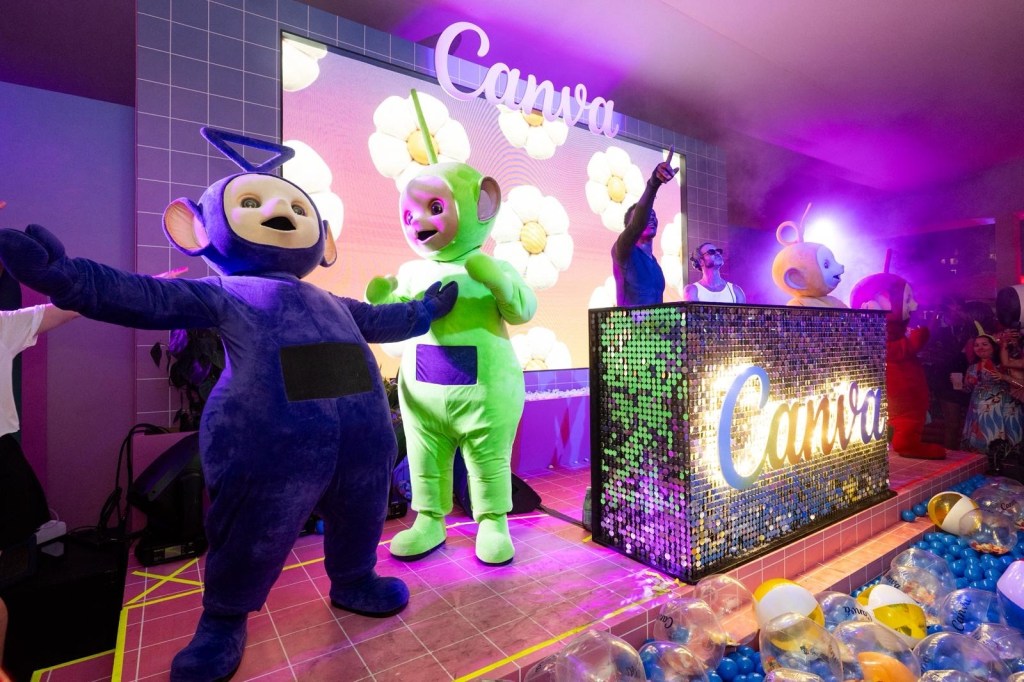
The Teletubbies, globally recognized children’s characters, appeared at the 2026 Cannes Lions International Festival of Creativity’s Canva Beach Pride Party. They danced in support of LGBTQ+ rights. This event, occurring on June 20, 2026, generated immediate and widespread discussion across social media, news outlets, and cultural commentary.
Their participation marked a notable moment in the ongoing intersection of popular culture, brand marketing, and social advocacy. The decision to feature the characters in this context was made by WildBrain, the company that owns and manages the Teletubbies franchise. WildBrain aimed to position the brand as inclusive and aligned with contemporary social values.
The Setting: Cannes Lions 2026
Cannes Lions is an annual event held in Cannes, France. It is renowned as the world’s largest gathering for the creative and marketing communications industry. The festival attracts advertising executives, brand managers, and media professionals from around the globe.
The 2026 iteration of the festival took place from June 17 to June 21, with various associated events and parties extending beyond the official dates. The Canva Beach Pride Party was one such ancillary event, hosted by the Australian graphic design platform Canva. These events often serve as networking opportunities and showcases for sponsoring brands.
Beach parties are a common feature of Cannes Lions. They frequently combine entertainment with brand promotion and, increasingly, social messaging. Brands leverage these platforms to communicate their values and connect with diverse audiences.
Canva’s Presence at Cannes
Canva, a graphic design platform, maintained a significant presence at the 2026 Cannes Lions festival. The company hosted multiple events, including the Beach Pride Party. This particular event was designed to highlight Canva’s commitment to diversity, equity, and inclusion.
Canva’s marketing team, led by Chief Marketing Officer Zach Kitschke, emphasized the importance of authentic brand representation. The company utilized its platform at Cannes to showcase its corporate values, aiming to resonate with a global creative audience. The Beach Pride Party served as a high-profile demonstration of these commitments.
The Teletubbies’ Evolving Role in Culture
The Teletubbies characters, Tinky Winky, Dipsy, Laa-Laa, and Po, first debuted in 1997. They were created by Anne Wood and Andrew Davenport for the BBC. The show quickly gained international popularity for its distinctive visual style and child-friendly content, broadcast in over 120 countries.
Over the decades, the franchise has been owned by various entities. WildBrain acquired the Teletubbies brand in 2019. The company has since sought to revitalize the property for new generations and expand its reach through various media, including a 2022 Netflix series. This expansion included exploring new avenues for brand engagement.
The characters have historically been associated with themes of inclusivity and acceptance, albeit often interpreted through a lens of childhood innocence. Their appearance at the Canva Beach Pride Party represents a more explicit alignment with a specific social movement. This move signals a deliberate strategy by WildBrain to broaden the brand’s cultural relevance beyond its traditional preschool audience.
WildBrain’s Strategic Direction
WildBrain, headquartered in Halifax, Nova Scotia, manages a vast portfolio of children’s content. Their strategy for the Teletubbies in 2026 involved repositioning the brand for a contemporary audience. This included leveraging the characters’ inherent association with joy and acceptance in new contexts.
The decision to participate in the Cannes Lions Pride event was part of a broader marketing push. WildBrain aimed to demonstrate the Teletubbies’ enduring appeal and their capacity to represent modern values. CEO Eric Ellenbogen previously articulated a vision for WildBrain properties to be ‘evergreen and ever-relevant.’ The Cannes appearance was a manifestation of this vision.
Canva’s Engagement with Pride
Canva, a company valued at over $26 billion as of 2023, has a history of supporting LGBTQ+ initiatives. The platform offers numerous templates and resources for Pride-related content creation. Its presence at Cannes Lions often includes events designed to promote its brand values and engage with the creative community.
The Canva Beach Pride Party was organized as part of the festival’s broader efforts to promote diversity and inclusion. Many companies at Cannes Lions leverage their platforms to engage with social causes, seeking to connect with audiences on a deeper, values-driven level. This approach is increasingly common among technology and creative brands.
Sponsorships and events like these are part of a larger corporate strategy known as purpose-driven marketing. Brands aim to demonstrate their commitment to social issues, often appealing to younger demographics who prioritize corporate social responsibility. Canva’s participation aligns with its publicly stated commitment to fostering an inclusive global community.
The Role of Purpose-Driven Marketing
Purpose-driven marketing has become a cornerstone of many corporate strategies in 2026. Consumers, particularly Gen Z and Millennials, increasingly expect brands to take stances on social issues. Companies like Canva invest in these initiatives not just for public relations, but to build deeper connections with their customer base and attract talent.
The Cannes Lions festival itself has evolved to reflect this trend. Sessions and awards increasingly focus on campaigns that demonstrate social impact alongside creative excellence. The Teletubbies’ appearance at the Canva event was a high-profile example of this convergence, drawing attention to both the brand’s message and the marketing strategy behind it.
The Performance and Public Reaction
During the party, performers dressed as the Teletubbies danced on stage and interacted with attendees. Visuals shared online showed the characters in a festive, celebratory atmosphere, consistent with a Pride event. The specific choreography and messaging were designed to be overtly supportive of LGBTQ+ rights, featuring rainbow colors and inclusive gestures.
Initial reactions were polarized. Supporters praised WildBrain and Canva for using a beloved children’s brand to promote messages of inclusion and acceptance. They viewed it as a positive step towards normalizing LGBTQ+ identities for a wider audience. Advocates like Sarah Kate Ellis, CEO of GLAAD, commended the brands for their visible allyship.
Critics, however, expressed concern about what they perceived as the politicization of children’s characters. Some argued that such explicit advocacy was inappropriate for a brand primarily associated with preschool entertainment. This perspective often centered on the idea that children’s content should remain neutral on social issues. Conservative commentators, such as Ben Shapiro, voiced strong opposition to the move, sparking widespread debate on social media platforms like X (formerly Twitter).
The Culture War Context of 2026
The event occurred amidst a broader cultural environment marked by ongoing debates about LGBTQ+ rights and representation. In 2026, discussions around gender identity, sexual orientation, and their portrayal in media remain prominent. These discussions often involve intense scrutiny of corporate involvement.
The Teletubbies’ involvement at Cannes Lions became a flashpoint in these discussions. It highlighted the tension between brands seeking to align with progressive values and segments of the public who resist such alignments, particularly when children’s media is involved. This tension is not new; other brands and public figures have faced similar backlashes and endorsements when engaging with LGBTQ+ themes. The Teletubbies’ established global recognition amplified the reach and intensity of this particular debate, making it a prominent example of brand activism in action.
Brand Strategy and Audience Engagement
From a brand strategy perspective, the Teletubbies’ appearance at Cannes Lions was a calculated move. It aimed to generate significant media attention and position the brand as forward-thinking and inclusive. WildBrain understood the potential for both positive and negative reactions, but prioritized visibility and alignment with progressive values.
For WildBrain, this could attract new audiences and reinforce existing connections with consumers who value social advocacy. The visibility gained at an event like Cannes Lions can translate into increased brand relevance and commercial success, despite potential controversy. The company’s internal analysis likely weighed these factors, concluding that the benefits of increased brand salience outweighed the risks of alienating a segment of the audience.
However, the strategy also carries risks. Alienating a segment of the audience, particularly parents, could have long-term consequences for a children’s brand. The balance between social messaging and broad appeal is a constant challenge for marketers in the current climate. This incident served as a reminder that brand activism, while potentially rewarding, requires careful navigation of public sentiment and cultural divides.
Measuring the Impact
Measuring the true impact of such an event involves analyzing various metrics. These include social media engagement, media mentions, brand sentiment analysis, and ultimately, consumer purchasing behavior. For WildBrain and Canva, the immediate goal was likely to generate buzz and reinforce their brand identities.
Long-term effects would involve tracking brand loyalty and market share among target demographics. The debate surrounding the Teletubbies’ appearance contributed to a broader conversation about corporate responsibility and the changing expectations of consumers. This ongoing discussion shapes future marketing strategies across industries.
The Broader Implications for Media and Culture
The incident at Cannes Lions contributes to a larger conversation about the role of media and entertainment in shaping cultural norms. It asks whether children’s characters should remain apolitical or actively participate in social movements. This question resonates deeply within educational and parenting communities.
The event also underscores the power of cultural icons to convey messages beyond their original intent. The Teletubbies, originally designed for early childhood development, now find themselves at the center of adult-driven cultural debates. Their presence at a global advertising festival signifies a shift in how beloved characters are utilized in modern marketing.
Ultimately, the 2026 Teletubbies appearance at the Canva Beach Pride Party at Cannes Lions serves as a case study. It illustrates the complexities of brand activism. It highlights the shifting landscape of corporate social responsibility. It demonstrates the enduring power of popular culture to spark dialogue. It reveals the ongoing tension between universal appeal and targeted messaging. It showcases the evolving role of children’s brands in a politically charged world.
Brands must navigate. Consumers must choose. Culture must adapt. Debate must continue.
The Teletubbies danced.