Tag: Activism

  • N3on and Ryan Garcia Support Families Affected by ICE at Car Wash Event

    N3on and Ryan Garcia Support Families Affected by ICE at Car Wash Event

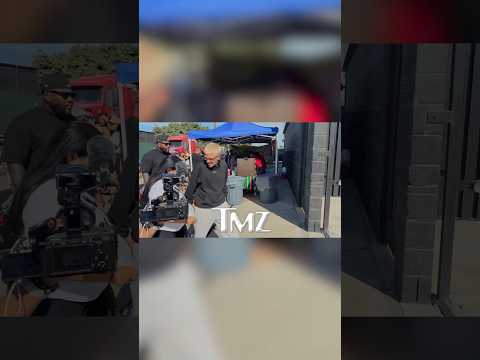
    Influencer N3on and professional boxer Ryan Garcia recently participated in a car wash event designed to support families affected by actions from U.S. Immigration and Customs Enforcement (ICE).

    This event brought together community members and public figures to provide assistance and raise awareness for those navigating the complexities of immigration policies and enforcement in the United States.

    The Intersection of Celebrity and Social Activism

    The involvement of figures like N3on and Ryan Garcia in community support initiatives underscores a trend of public personalities leveraging their influence for social causes. N3on, known for his online presence and streaming content, commands a significant following across various digital platforms.

    Ryan Garcia, a prominent figure in professional boxing, also possesses a substantial platform, particularly among younger demographics and sports enthusiasts. Their joint appearance at the car wash event amplified its reach and message beyond local communities.

    Such collaborations draw attention to issues that might otherwise receive less mainstream media coverage. By participating directly, these individuals offer tangible support and a visible endorsement for the cause.

    The car wash event itself serves multiple purposes. It functions as a fundraiser, with proceeds often directed towards legal aid, financial assistance, or humanitarian support for affected families.

    Beyond fundraising, these events also provide a space for community gathering and solidarity. They can help reduce feelings of isolation among those directly impacted by immigration enforcement.

    The Role of Immigration and Customs Enforcement (ICE)

    U.S. Immigration and Customs Enforcement (ICE) is a federal law enforcement agency under the Department of Homeland Security (DHS). Its primary mission involves enforcing immigration laws, investigating transnational crime, and ensuring public safety.

    ICE operations include arrests, detentions, and deportations of individuals found to be in violation of U.S. immigration statutes. These actions often have significant and immediate impacts on families, leading to separations and financial hardship.

    The agency’s activities frequently become subjects of public debate, with supporters emphasizing national security and legal compliance, while critics often highlight humanitarian concerns and civil liberties.

    The car wash event specifically aimed to support families who have experienced the direct consequences of ICE enforcement. This includes families where a primary wage earner has been detained or deported, leading to economic instability and emotional distress.

    Organizations dedicated to immigrant rights and support often collaborate with community leaders and public figures to raise funds and awareness. These partnerships are crucial for sustaining support networks for vulnerable populations.

    Community Support Initiatives and Their Impact

    Community support initiatives, like the car wash involving N3on and Ryan Garcia, play a vital role in addressing immediate needs and fostering long-term resilience within affected communities. These events are often grassroots efforts, organized by local volunteers and non-profit organizations.

    The funds raised at such events can be critical for families facing sudden financial burdens. This might include legal fees for immigration proceedings, housing assistance, or basic living expenses when a family member’s income is disrupted.

    Beyond financial aid, these gatherings provide emotional and psychological support. They send a message to affected families that they are not alone and that their struggles are recognized by a wider community.

    The visibility brought by public figures also helps to destigmatize discussions around immigration. It can encourage a more empathetic public discourse regarding the challenges faced by immigrant communities.

    The Power of Digital Platforms

    N3on’s presence, in particular, highlights the evolving role of digital platforms in social activism. Livestreaming, social media posts, and viral videos can disseminate information and calls to action to millions of people instantly.

    This digital reach allows for rapid mobilization of resources and volunteers. It also enables a broader audience to witness and engage with social issues that might otherwise remain localized.

    The content generated from such events, whether it be short video clips or longer form documentaries, serves as a powerful tool for advocacy. It can humanize complex issues and provide direct testimonies from those affected.

    Ryan Garcia’s involvement also taps into a different, yet equally influential, audience. His status as a professional athlete lends credibility and a sense of mainstream appeal to the cause.

    The combination of an internet personality and a sports star creates a unique cross-platform appeal, maximizing the event’s potential for impact and awareness.

    Broader Implications for Immigration Discourse

    The car wash event, while a localized effort, contributes to a larger national conversation about immigration and border policies. The actions of ICE and other federal agencies are subjects of ongoing debate in the United States.

    Advocates for immigrant rights frequently call for reforms to immigration laws, emphasizing pathways to citizenship, family reunification, and due process protections. Conversely, proponents of stricter enforcement prioritize border security and adherence to existing legal frameworks.

    Events like the one supported by N3on and Ryan Garcia bring these often abstract policy debates into a tangible, human context. They highlight the personal stories and family impacts that are central to the immigration discussion.

    The event also serves as a reminder of the diverse coalitions that form around immigration issues. These coalitions often include religious organizations, civil rights groups, legal aid societies, and community activists.

    The participation of public figures can galvanize new segments of the population to engage with these issues, moving them from the periphery of public consciousness to a more central position.

    The Role of Media in Shaping Perceptions

    The media’s portrayal of such events is crucial in shaping public perception. When outlets like TMZ cover these initiatives, it amplifies the message and informs a broad audience about the ongoing challenges faced by immigrant families.

    Positive coverage can encourage further donations, volunteerism, and advocacy. It can also counteract negative stereotypes often associated with immigrant communities.

    The short video clip format, as seen on platforms like YouTube Shorts, allows for quick, impactful dissemination of information. These snippets can capture the essence of an event and convey its emotional weight efficiently.

    Such media exposure is a strategic component of many advocacy efforts. It transforms a local event into a national talking point, even if for a brief period.

    The sustained efforts of various organizations, coupled with the periodic involvement of high-profile individuals, contribute to a continuous push for policy changes and increased humanitarian aid.

    Looking Forward: Continued Engagement

    The car wash event is one example in a continuum of efforts to support immigrant families. Many organizations operate year-round, providing essential services and advocacy.

    These services range from legal clinics offering free or low-cost representation to educational programs designed to inform immigrants of their rights and resources.

    The engagement of public figures is not a one-time solution but rather a catalyst that can inspire ongoing support and participation from their followers and the broader public.

    As immigration remains a complex and often contentious issue in the United States, the need for community support and advocacy will likely persist. Events like this car wash illustrate the human-centered approach many take to address the issue.

    The collective efforts of influencers, athletes, community organizers, and everyday citizens contribute to a network of support that aims to alleviate the challenges faced by families affected by immigration enforcement.

    Advocates continue to push for comprehensive immigration reform that balances national security concerns with humanitarian principles. The stories highlighted by these events often serve as powerful arguments in that ongoing debate.

    The car wash. The community. The families. The support. The solidarity.

    Hope.

  • Katy Perry Condemns Trump Administration’s Use of ‘Firework’ in Military Video

    Katy Perry Condemns Trump Administration’s Use of ‘Firework’ in Military Video

    Katy Perry publicly condemned the Trump administration on July 25, 2026, for using her song ‘Firework’ in a video that depicted military strikes. The pop artist released a statement clarifying that she ‘absolutely do not condone it,’ marking a significant public disagreement over intellectual property and artistic intent.

    This incident adds to a history of artists contesting the political use of their music. The unauthorized use of popular songs by political campaigns and governmental bodies frequently sparks controversy.

    The Incident: ‘Firework’ and Military Footage

    The controversy ignited when a video, reportedly produced by the Trump administration, surfaced online. This video featured footage of military strikes and operations.

    The soundtrack for this visual content was Katy Perry’s 2010 anthem, ‘Firework.’

    The song is widely recognized for its themes of self-empowerment and resilience. Its lyrics encourage individuals to recognize their inner strength and shine brightly.

    The juxtaposition of these uplifting lyrical themes with images of military action immediately drew criticism. Social media users and news outlets quickly highlighted the incongruity.

    Katy Perry’s Swift Response

    Katy Perry’s response was immediate and unambiguous. Her statement was released through her official channels on July 25, 2026.

    She unequivocally stated her disapproval of the song’s use. Perry emphasized that the song’s message was being misrepresented.

    ‘I absolutely do not condone it,’ Perry’s statement read. This phrase became central to the public discourse surrounding the event.

    The artist’s team also indicated that they were exploring legal avenues. They aimed to ensure the unauthorized use of the song would cease.

    A History of Musical Disputes in Politics

    The use of music in political contexts without an artist’s explicit permission is not a new phenomenon. Numerous musicians have previously challenged politicians and administrations.

    Artists often argue that such use implies an endorsement they do not support. This can damage their brand and alienate their fanbase.

    Previous Notable Conflicts

    • Bruce Springsteen has repeatedly objected to politicians using his songs. His music, often associated with working-class struggles, has been a frequent target for unauthorized use.
    • The Rolling Stones have also issued cease and desist letters. They have done so to political campaigns utilizing their iconic tracks.
    • Neil Young famously withdrew his music from platforms in protest. This was in response to what he deemed misinformation being spread.
    • Artists like Rihanna and Pharrell Williams have also taken legal action. They have challenged the use of their work in political rallies.

    These instances highlight a recurring tension. The conflict often centers on artistic control versus public domain assumptions.

    Intellectual Property and Public Perception

    The ‘Firework’ incident raises important questions about intellectual property rights. It also touches on the ethical implications of using creative works in political messaging.

    When a song is used in a political advertisement or governmental video, it can be perceived as an endorsement. This perception can be problematic for artists.

    Artists often maintain diverse fan bases. Aligning with a specific political stance through unauthorized song use can alienate significant portions of their audience.

    Legal frameworks exist to protect musical compositions and recordings. Copyright law generally grants creators exclusive rights to their work.

    However, enforcement can be complex. The rapid dissemination of content online complicates the process of preventing unauthorized use.

    The Trump Administration’s Track Record

    The Trump administration has a documented history of clashes with artists over music usage. Several musicians have publicly requested their songs not be used at rallies or in official communications.

    These requests have often been met with resistance or ignored. This has led to further escalation in some cases.

    The administration’s approach has often been to continue using the music. They sometimes argue fair use or challenge the artists’ legal standing.

    This pattern contributes to a narrative of disregard for artists’ wishes. It fuels ongoing debates about the respect for creative rights in the political sphere.

    Impact on Katy Perry’s Brand and Activism

    Katy Perry has a long-standing history of political engagement and activism. She has often used her platform to advocate for various social and political causes.

    Her public condemnation of the Trump administration’s use of ‘Firework’ aligns with her established persona. It reinforces her commitment to specific values.

    The incident could solidify her image among fans who share her political views. It might also draw new attention to her artistic integrity.

    Conversely, it could provoke backlash from supporters of the Trump administration. This is a common consequence for celebrities taking political stances.

    However, for Perry, the decision to speak out appears to be rooted in a defense of her artistic message. It also serves as a stand against what she perceives as an inappropriate appropriation of her work.

    The Broader Cultural Context of 2026

    The year 2026 continues to see heightened political polarization. Cultural figures often find themselves at the intersection of these divides.

    The use of popular culture artifacts, like songs, becomes symbolic. They represent broader ideological battles.

    Artists are increasingly expected to take stances on political issues. Silence can sometimes be interpreted as complicity.

    This expectation places significant pressure on public figures. They must navigate a complex landscape of public opinion and political loyalty.

    The ‘Firework’ controversy is a microcosm of these larger cultural tensions. It reflects the ongoing struggle for control over narrative and meaning.

    Legal Ramifications and Future Precedents

    The legal team representing Katy Perry is reportedly evaluating their options. These options likely include sending a formal cease and desist letter.

    Further steps could involve pursuing copyright infringement claims. Such actions can lead to significant financial penalties.

    These cases often depend on the specifics of licensing agreements. They also rely on whether the use falls under fair use doctrines.

    However, fair use typically applies to commentary, criticism, or parody. The use in a promotional governmental video is less likely to qualify.

    A successful legal challenge could set a strong precedent. It would reinforce artists’ rights against governmental unauthorized use.

    It could also deter future administrations from similar actions. This would empower creators to protect their work from political appropriation.

    Artists speak. Legal teams act. Public opinion forms. Condemnation follows.

    Dispute.


  • Pete Hegseth’s Iran War Testimony Interrupted by Protesters

    Pete Hegseth’s Iran War Testimony Interrupted by Protesters

    Pete Hegseth’s testimony regarding the Iran War faced an abrupt interruption from protesters. The incident, captured and disseminated widely, immediately sparked a public discourse concerning the boundaries of dissent and the conduct of official proceedings. This interruption serves as a stark illustration of the intense public sentiment surrounding the current conflict with Iran and the broader implications of U.S. foreign policy.

    The scene unfolded during a session designed to gather insights on the strategic and tactical aspects of the ongoing military engagement. Hegseth, known for his commentary on national security issues, was presenting his views when the disruption commenced. The protesters’ actions brought the proceedings to a temporary halt, forcing officials to address the security breach and restore order.

    The Context of the Iran War

    The Iran War, which commenced in recent years, has become a significant focal point in global geopolitics. It involves complex layers of historical grievances, regional power struggles, and international alliances. The conflict stems from escalating tensions over Iran’s nuclear program, its regional influence, and various geopolitical flashpoints in the Middle East.

    Military operations have involved a coalition of forces, with the United States playing a prominent role. The stated objectives include deterring Iranian aggression, safeguarding international shipping lanes, and preventing the proliferation of weapons of mass destruction. However, these objectives are often met with skepticism and opposition from various segments of the public, both domestically and internationally.

    Economic sanctions, diplomatic efforts, and military posturing have all been components of the international response to the situation. The war has generated considerable debate about its necessity, its ethical implications, and its potential for long-term destabilization of the region. Public figures like Pete Hegseth frequently participate in these discussions, offering perspectives that often align with a more interventionist foreign policy.

    Pete Hegseth’s Role and Public Profile

    Pete Hegseth maintains a prominent public profile, largely through his work as a commentator and analyst on national security and political affairs. He is known for his conservative viewpoints and his advocacy for a strong American military presence globally. His background includes service in the U.S. Army, providing him with firsthand experience in military operations.

    Hegseth has frequently appeared on national television and radio, offering commentary on a range of issues from domestic politics to international conflicts. His opinions on the Iran War have been consistent, generally supporting a robust and decisive approach to confronting perceived threats from the Iranian regime. This stance often places him at odds with anti-war activists and those who advocate for diplomatic solutions over military action.

    His participation in formal testimonies provides an official platform for his perspectives to be heard by policymakers and integrated into legislative discussions. These settings are often public, allowing for direct engagement, and sometimes confrontation, with differing viewpoints. The interruption of his testimony underscores the polarized nature of these debates.

    The Nature of the Protest

    The protest during Hegseth’s testimony was characterized by immediate and vocal opposition. Protesters reportedly used chants and banners to convey their message against the Iran War. Their actions were designed to draw maximum attention to their cause and to disrupt the official proceedings.

    Such protests are a recurring feature of public discourse surrounding military conflicts. Activist groups often employ direct action to express their discontent, aiming to pressure policymakers and influence public opinion. The tactics employed can range from peaceful demonstrations to more disruptive interventions like the one observed during Hegseth’s testimony.

    The motivations behind these protests are varied but often center on humanitarian concerns, the economic cost of war, and a rejection of military solutions to complex international problems. Many protesters believe that the Iran War is unjust, unnecessary, or counterproductive, and they seek to prevent further escalation or continued engagement.

    Immediate Aftermath and Reactions

    Following the interruption, security personnel swiftly intervened to remove the protesters from the hearing. The proceedings were then resumed, though the disruption inevitably impacted the flow and focus of the session. The incident quickly became a topic of discussion across various media platforms.

    Reactions to the protest were sharply divided. Supporters of Hegseth and proponents of the war generally condemned the interruption as an infringement on free speech and a disrespect for official government processes. They argued that such actions undermine democratic institutions and prevent constructive dialogue on critical national security matters.

    Conversely, many anti-war activists and civil liberties advocates praised the protesters for their courage and their commitment to expressing dissent. They viewed the interruption as a legitimate form of protest, drawing necessary attention to the human cost and moral implications of the Iran War. This divergence in opinion highlights the deep ideological chasm that exists within the nation regarding foreign policy.

    Historical Parallels in Protest and Dissent

    The interruption of a public official’s testimony is not an isolated event in American history. Protests and acts of civil disobedience have long been integral to the nation’s political landscape, particularly during times of war. The Vietnam War era, for instance, saw widespread and often disruptive anti-war demonstrations that significantly influenced public opinion and policy.

    During the 2003 invasion of Iraq, similar protests occurred, with activists attempting to disrupt political speeches, congressional hearings, and public events. These historical precedents illustrate a pattern of citizens using direct action to challenge governmental decisions, especially those pertaining to military conflicts.

    The current climate surrounding the Iran War evokes many of these historical echoes. The use of protest as a means of expressing profound disagreement with state policy remains a powerful, if controversial, tool for advocacy groups. Understanding these historical contexts provides a framework for analyzing contemporary acts of dissent.

    The Debate on Free Speech vs. Orderly Proceedings

    The incident involving Pete Hegseth’s testimony reignited the perennial debate concerning the balance between free speech rights and the need for orderly governmental proceedings. The First Amendment to the U.S. Constitution protects freedom of speech, assembly, and the right to petition the government for a redress of grievances.

    However, these rights are not absolute and can be subject to reasonable time, place, and manner restrictions. The question often arises whether disrupting official hearings constitutes a protected form of speech or an unlawful interference with government functions. Courts have historically grappled with defining these boundaries, often balancing the rights of protesters against the needs of public order and effective governance.

    Those who defend the protesters’ actions argue that disruptive acts are sometimes necessary to ensure that marginalized voices are heard and that powerful institutions are held accountable. Conversely, critics contend that such disruptions impede the legislative process, disrespect elected officials, and ultimately detract from the very causes they aim to promote by alienating potential allies.

    Impact on Public Opinion and Policy

    The interruption, while brief, likely had an impact on public awareness and opinion regarding the Iran War. Such incidents tend to galvanize existing viewpoints, strengthening the resolve of both war proponents and opponents. For those already against the war, it served as a visible representation of their shared grievances.

    For those who support military action, it may have reinforced their perception of anti-war activists as disruptive and unpatriotic. The event also provided additional media coverage for the Iran War, ensuring that the conflict remained a topic of public discussion, even if through the lens of controversy.

    Whether such protests directly influence policy decisions is a more complex question. While direct action can raise awareness and create pressure, policy changes often result from a confluence of factors, including sustained public pressure, legislative efforts, and evolving geopolitical realities. The incident contributes to the broader narrative surrounding the war, adding another layer to its ongoing public perception.

    The Future of Dissent in a Polarized Nation

    The United States in 2026 continues to navigate a deeply polarized political landscape. Issues like the Iran War serve as flashpoints for this division, bringing fundamental disagreements about national values and priorities to the forefront. The incident during Pete Hegseth’s testimony is indicative of this broader trend.

    As technology allows for faster dissemination of information and the organization of movements, the nature of protest continues to evolve. Social media platforms play a critical role in mobilizing activists and amplifying their messages, often before official news outlets can report on events.

    The future will likely see continued tension between the desire for orderly democratic processes and the imperative for citizens to express their dissent, especially on matters of war and peace. The balance struck in these moments will continue to define the health and character of American democracy. The voices will continue to rise.

    The arguments will continue.

    The world will watch.

    The nation remains divided.

    The war continues.

    The debate.


  • Michael Johnston Seeks “Intentional, Meaningful Queer Role” – The Evolving Landscape of Representation

    Michael Johnston Seeks “Intentional, Meaningful Queer Role” – The Evolving Landscape of Representation

    The Call for Authentic Representation

    Actor Michael Johnston, known for his role in ‘Obsession,’ has publicly articulated his desire to secure an “intentional, meaningful queer role” within the entertainment industry. This statement, reported by Deadline on July 25, 2026, reflects a broader ongoing conversation about the necessity of authentic and substantive LGBTQ+ representation in film and television productions.

    Johnston’s comments highlight a trend where performers actively seek roles that resonate with their personal experiences or advocate for underrepresented communities. The pursuit of such a role by a visible actor like Johnston signals a shift in industry expectations and actor agency.

    Johnston’s Vision for a Queer Role

    Michael Johnston’s specific phrasing, “intentional, meaningful queer role,” suggests a nuanced understanding of representation. This is not merely about playing a character who happens to be queer. Instead, it emphasizes a role where the character’s queer identity is central to their narrative, development, and impact on the story.

    The actor’s remarks indicate a desire to move beyond tokenism or superficial portrayals. He seeks a character whose queer identity is explored with depth and significance, contributing genuinely to the story’s themes and audience connection.

    Johnston also expressed a proactive stance on this ambition. He stated, “Maybe I’ll write it myself,” if suitable opportunities do not arise organically. This suggests a commitment to shaping his career and contributing to the representation landscape directly.

    The Industry’s Evolving Landscape

    The entertainment industry has witnessed a significant evolution in its approach to LGBTQ+ characters over the last decade. Early representations often relied on stereotypes or relegated queer characters to minor, often tragic, subplots. Contemporary demands call for complex, multi-dimensional characters.

    Production companies, streaming platforms, and major studios are increasingly recognizing the commercial and cultural value of diverse storytelling. This includes narratives that authentically portray the lives and experiences of LGBTQ+ individuals.

    Organizations like GLAAD regularly publish reports on LGBTQ+ representation in media, tracking progress and highlighting areas needing improvement. These reports often influence industry discussions and production decisions.

    The Impact of ‘Obsession’ and Previous Work

    Michael Johnston gained recognition for his work on the series ‘Obsession.’ While the specifics of his role in that production are distinct from his current aspirations, his visibility from such projects provides a platform for these discussions.

    Actors often leverage their established profiles to advocate for causes or types of roles they believe are important. Johnston’s public statement is a clear example of this dynamic.

    Previous roles and public perception of an actor can influence how their calls for specific types of representation are received. Johnston’s career trajectory informs the context of his current ambition.

    Why “Meaningful” Representation Matters

    The concept of “meaningful” representation extends beyond mere visibility. It encompasses several critical aspects:

    • Authenticity: Portraying characters in ways that resonate with real-life experiences of the LGBTQ+ community.
    • Complexity: Developing queer characters with full emotional arcs, flaws, and strengths, avoiding one-dimensional stereotypes.
    • Centrality: Integrating queer characters into primary storylines, rather than as peripheral figures.
    • Positive Impact: Contributing to a more inclusive societal understanding and acceptance of LGBTQ+ individuals.

    For many audiences, seeing themselves reflected accurately on screen can foster a sense of belonging and validation. For broader society, it can build empathy and challenge prejudice.

    The Cultural Conversation Around Media Roles

    Johnston’s desire to play an “intentional, meaningful queer role” occurs within a vibrant and sometimes contentious cultural landscape. Discussions around media representation often become focal points for broader debates about cultural values.

    Some segments of the audience and cultural commentators view such calls for specific types of representation as a positive step towards diversity and inclusion. They see it as essential for media to reflect the varied demographics of society.

    Conversely, other perspectives, often rooted in traditional values, may view these developments with skepticism or concern. They might argue for a focus on universal themes over identity-specific narratives, or express apprehension about the perceived direction of cultural shifts in media.

    This divergence of opinion underscores the significant role media plays in shaping and reflecting societal norms. The choices made by actors, writers, and producers often become part of larger cultural dialogues.

    The Role of Actors in Shaping Narratives

    Actors are increasingly becoming active participants in shaping the narratives presented on screen. This goes beyond simply performing a role; it includes advocating for certain types of stories, characters, and thematic explorations.

    The rise of actor-producers and actor-writers demonstrates a growing trend of performers taking creative control. Johnston’s comment about potentially writing his own role aligns with this movement.

    This increased agency allows actors to champion projects that align with their personal values or professional goals, contributing to a more diverse range of stories being told.

    The Future of Queer Storytelling

    The ambition articulated by Michael Johnston is indicative of the future trajectory of queer storytelling in media. The demand is moving towards stories that are not only present but are also deeply considered, authentic, and integral to the narrative fabric.

    This includes exploring a wider spectrum of queer experiences, moving beyond a singular, often white, male perspective. Intersectional identities, including queer people of color, trans individuals, and those with disabilities, are increasingly seeking representation.

    The industry’s response to these demands will continue to shape the landscape of popular culture. It influences what stories are funded, produced, and ultimately consumed by global audiences.

    Writers are developing. Directors are conceptualizing. Audiences are demanding. The conversation continues.

    Representation.

    FAQ Section


  • Whoopi Goldberg Defends Elliot Page’s ‘Odyssey’ Casting Amidst Criticism

    Whoopi Goldberg Defends Elliot Page’s ‘Odyssey’ Casting Amidst Criticism

    Whoopi Goldberg Addresses ‘Odyssey’ Casting Controversy

    Whoopi Goldberg, the acclaimed actress and television personality, recently made headlines for her staunch defense of actor Elliot Page. Page has been cast in a role for the upcoming film adaptation of Homer’s epic poem, ‘The Odyssey.’ Goldberg’s comments specifically targeted critics who voiced what she described as ‘transphobic’ sentiments regarding Page’s casting.

    Her message to these critics was direct and unambiguous: ‘Don’t go see the damn movie.’ This statement quickly circulated across social media platforms and news outlets, sparking further discussion on the intersection of celebrity, representation, and audience reception in contemporary cinema.

    Elliot Page’s Role in ‘The Odyssey’

    Elliot Page, known for his roles in films such as ‘Juno’ and ‘Inception,’ publicly came out as transgender in December 2020. Since then, he has become a visible advocate for transgender rights and representation. His casting in ‘The Odyssey’ marks another significant step in his career.

    Details about Page’s specific role in ‘The Odyssey’ remain largely under wraps. The production team has not yet disclosed whether his character will be a reinterpretation of a traditionally male or female figure from the ancient Greek epic, or an entirely new creation for the adaptation. This ambiguity has fueled much of the public speculation and subsequent criticism.

    The announcement of Page’s involvement was met with a spectrum of reactions. Many supporters celebrated the casting as a progressive move towards greater inclusivity in major film productions. They viewed it as an opportunity to see diverse talent in prominent roles, challenging traditional casting norms.

    Conversely, a segment of the audience expressed discontent. Some critics cited concerns about historical accuracy or faithfulness to the source material. Others, identified by Goldberg as ‘transphobic,’ focused their objections on Page’s gender identity, arguing that his casting was inappropriate or politically motivated.

    Goldberg’s Public Stance and Its Context

    Whoopi Goldberg’s remarks underscore a continuing cultural debate. This debate often centers on how classic stories and characters are adapted for modern audiences. It also touches upon the role of identity in artistic expression and public perception.

    Goldberg has a history of speaking out on social and political issues. Her career spans decades, marked by her work as an actress, comedian, and co-host of the daytime talk show ‘The View.’ Her platform provides her with significant reach, making her statements impactful within the entertainment industry and beyond.

    Her defense of Page aligns with broader movements within Hollywood advocating for increased diversity and inclusion. These movements seek to ensure that film and television productions reflect the varied demographics and experiences of the global audience.

    The phrase ‘Don’t go see the damn movie’ functions as both a challenge and a dismissal. It challenges critics to put their convictions into practice by boycotting the film. It also dismisses their complaints as irrelevant to the artistic process and the production’s goals.

    The Broader Conversation on Representation

    The controversy surrounding Elliot Page’s casting is not an isolated incident. It reflects a larger societal conversation about gender identity and its portrayal in media. This conversation has intensified in recent years, particularly concerning transgender individuals.

    Film and television have historically struggled with authentic and respectful representation of LGBTQ+ characters and actors. Many advocates argue that casting transgender actors in transgender roles, and increasingly in roles not explicitly defined by gender identity, is crucial for progress.

    Opponents of such casting decisions often cite concerns about ‘wokeness’ or ‘political correctness’ influencing creative choices. They may argue for traditional interpretations of characters or express discomfort with evolving societal norms. These viewpoints frequently clash, leading to public disagreements like the one Goldberg addressed.

    The economic implications of such debates are also significant. Film studios often weigh potential box office success against public relations challenges. A vocal minority, even if small, can sometimes generate enough negative attention to influence audience perception and, potentially, revenue.

    Historical Adaptations and Modern Sensibilities

    ‘The Odyssey,’ an epic poem attributed to Homer, is a foundational text of Western literature. It tells the story of the Greek hero Odysseus’s long journey home after the Trojan War. Its characters, including Odysseus, Penelope, and Telemachus, are deeply ingrained in cultural consciousness.

    Adaptations of classic works have always involved interpretation and modernization. Throughout history, filmmakers and playwrights have taken liberties with source material to make it relevant to their contemporary audiences. This practice often leads to debates about fidelity versus artistic license.

    The current adaptation featuring Elliot Page is part of a long tradition of reinterpreting ancient narratives. Modern adaptations often explore themes of identity, power, and belonging through a contemporary lens. The casting of diverse actors can be seen as a way to broaden the appeal and relevance of these timeless stories.

    For example, recent adaptations of Shakespearean plays have frequently featured color-blind casting or gender-swapped roles. These choices are made to reflect modern societal values and to open the works to new interpretations and audiences. The reaction to Page’s casting fits within this larger pattern of engagement with classic texts.

    The Impact of Celebrity Endorsement

    Whoopi Goldberg’s public endorsement of Elliot Page and her rebuke of his critics carries considerable weight. Celebrities often use their platforms to champion causes and influence public opinion. Goldberg’s status as an EGOT winner (Emmy, Grammy, Oscar, Tony) and her role on ‘The View’ amplify her voice.

    Her comments provide a sense of validation for Page and his supporters. They also signal to the industry that prominent figures are willing to defend inclusive casting decisions. This can encourage other actors and filmmakers to pursue similar paths without fear of unmitigated backlash.

    The incident also serves as a reminder of the power of social media in shaping public discourse. News of Goldberg’s statements spread rapidly, prompting both praise and criticism online. This immediate feedback loop contributes to the intensity and reach of such cultural debates.

    Ultimately, the exchange between Goldberg and the critics of Elliot Page’s casting highlights a dynamic tension. This tension exists between traditional artistic conventions and evolving social expectations. It speaks to the ongoing effort to define what ‘representation’ truly means in the 21st century’s cultural landscape.

    Conclusion

    The casting of Elliot Page in ‘The Odyssey’ ignited a spirited debate. Whoopi Goldberg’s intervention intensified this discussion. Her defense of Page, and her direct challenge to critics, underscored the ongoing cultural shifts within the entertainment industry. It highlighted the push for greater inclusivity. It also showcased the resistance to these changes. Celebrities, filmmakers, and audiences continue to navigate these evolving norms. The conversation persists. The dialogue continues. The industry adapts.

    Hollywood.


  • Congressman Maxwell Frost’s Musical Ambitions – From Mosh Pits to Policy

    Congressman Maxwell Frost’s Musical Ambitions – From Mosh Pits to Policy

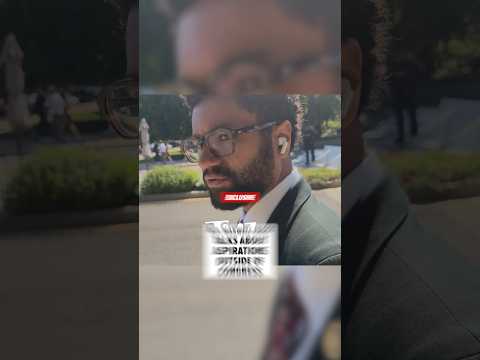
    Representative Maxwell Frost, a Democratic Congressman from Florida, recently disclosed his musical ambitions during an interaction with TMZ. This moment captured by the celebrity news outlet illustrates the evolving landscape where political figures increasingly engage with entertainment media, showcasing personal interests beyond their legislative duties. Frost’s public comments reveal a facet of his personality that connects him to the arts, particularly music, and signal a potential path for future artistic endeavors.

    The encounter with TMZ occurred in Washington D.C., a common location for the outlet to capture candid moments with politicians and other public figures. Frost’s willingness to discuss such personal aspirations on a platform typically associated with celebrity gossip marks a departure from conventional political communication strategies. It suggests a deliberate or organic effort to present a more multifaceted image to the public, blending the roles of legislator and artist.

    The Intersection of Politics and Pop Culture

    The convergence of politics and popular culture is not a new phenomenon, but its manifestation through platforms like TMZ represents a contemporary evolution. Historically, politicians have used various media to connect with constituents, from radio addresses to television appearances. The digital age, however, has amplified the reach and immediacy of these interactions, making personal revelations more accessible.

    Maxwell Frost’s engagement with TMZ is noteworthy because it bypasses traditional political press in favor of an outlet focused on celebrity. This choice or circumstance allows for a more informal and perhaps more authentic portrayal of the individual behind the political office. It also taps into a different audience demographic, potentially reaching voters who might not regularly consume political news through conventional channels.

    This strategy aligns with a broader trend of politicians leveraging social media and entertainment platforms to cultivate a relatable personal brand. By sharing aspects of their lives that extend beyond policy debates, elected officials can foster a deeper connection with the electorate, humanizing their roles in government. Frost’s musical aspirations serve as a prime example of this evolving dynamic.

    Maxwell Frost’s Background in Music

    Maxwell Frost’s connection to music predates his political career. He is known to have a history as a drummer, participating in various bands and exploring different musical genres. This background provides context for his recent comments to TMZ, indicating that his musical interests are not a sudden development but rather a long-standing passion.

    His musical tastes are reportedly diverse, encompassing genres from hardcore punk to jazz. This breadth of appreciation suggests a deep engagement with the art form, beyond a casual hobby. Such a background offers a unique perspective for a member of Congress, potentially influencing his approach to cultural policy or simply adding another dimension to his public persona.

    During his younger years, Frost was involved in the local music scene in Florida. This immersion allowed him to develop skills as a musician and to understand the cultural significance of music within communities. His experience in bands also cultivated a sense of collaboration and performance, traits that can be surprisingly relevant in the political arena.

    Early Activism and Musical Expression

    Before his election to Congress, Frost was a prominent activist. He worked with organizations such as the American Civil Liberties Union (ACLU) and March for Our Lives. His activism often involved organizing and public speaking, skills that resonate with the performative aspects of music.

    The energy and passion often associated with musical performance, particularly in genres like punk, can also be observed in political activism. Frost’s ability to engage crowds and articulate a message, honed through his activist work, may draw parallels to his experiences as a musician. Both fields demand conviction, presence, and the ability to connect with an audience.

    His journey from grassroots organizing to the halls of Congress reflects a dedicated commitment to public service. However, his continued interest in music demonstrates that these two spheres, politics and art, are not mutually exclusive. For Frost, they appear to be complementary expressions of his engagement with the world.

    The Role of TMZ in Political Discourse

    TMZ, originally an acronym for Thirty Mile Zone, is an entertainment news website and syndicated daily television show. It gained prominence for its coverage of celebrity gossip and breaking news in the entertainment industry. Its foray into political figures, while not its primary focus, has become increasingly common.

    The platform’s candid, often ambush-style interviews provide an unfiltered glimpse into the lives of public figures. For politicians, this can be a double-edged sword. It offers an opportunity for direct communication without the mediation of traditional political journalists, but it also carries the risk of unforeseen or off-message comments.

    In Maxwell Frost’s case, the TMZ interaction was seemingly benign, focusing on a personal interest rather than a political controversy. This type of engagement can humanize politicians, making them more approachable and relatable to a broader audience. It presents them as individuals with hobbies and passions, not just policy platforms.

    Shifting Media Landscapes

    The media landscape has undergone significant transformations in the 21st century. The rise of digital platforms, social media, and 24/7 news cycles has fragmented traditional media consumption. This fragmentation has created new avenues for public figures to disseminate information and connect with the public.

    For politicians, adapting to this new landscape means engaging with diverse media outlets, including those traditionally outside the political beat. TMZ, with its vast reach and informal style, offers a unique channel for this engagement. It represents a departure from the formal press conferences and Sunday morning talk shows that once dominated political communication.

    The willingness of a sitting Congressman to share personal aspirations on TMZ signifies an acceptance of this evolving media environment. It suggests that politicians recognize the importance of meeting audiences where they are, even if that means stepping into the realm of celebrity news.

    The Broader Implications for Political Figures

    Maxwell Frost’s open discussion of his musical aspirations carries broader implications for how political figures are perceived and how they interact with the public. It challenges the traditional image of a politician as solely focused on legislative matters, presenting a more holistic view of their lives.

    This approach can contribute to a more authentic and transparent political discourse. When politicians share their personal interests and passions, it can break down barriers between elected officials and their constituents. It allows the public to see them as individuals with diverse interests, similar to themselves.

    Furthermore, such revelations can inspire younger generations to consider careers in public service. By demonstrating that one can pursue both political leadership and artistic expression, Frost offers a model that expands the perception of what a politician can be. This could encourage a more diverse array of individuals to enter politics.

    Connecting with the Electorate

    In an era of increasing political polarization, finding common ground between politicians and the electorate is crucial. Shared interests, such as a love for music, can serve as a bridge, fostering connections that transcend partisan divides. When a politician reveals a personal passion, it can resonate with individuals who share that interest, regardless of their political affiliations.

    Maxwell Frost’s musical background, particularly his involvement in genres like hardcore punk, could appeal to a demographic that might feel disenfranchised by mainstream politics. It demonstrates an understanding of subcultures and an openness to diverse forms of expression, potentially broadening his appeal.

    This strategy of personal revelation is not without its risks. Politicians must carefully navigate the line between authenticity and oversharing. However, when executed genuinely, as appears to be the case with Frost, it can significantly enhance a public figure’s relatability and appeal. It allows for a more human connection in an often-impersonal political landscape.

    Future Endeavors: Music and Policy?

    The question remains whether Maxwell Frost’s musical aspirations will manifest in public performances, recordings, or some other form of artistic endeavor while he serves in Congress. The demands of legislative work are substantial, but many politicians maintain hobbies and interests outside their official duties.

    It is conceivable that Frost could find ways to integrate his passion for music into his public life, perhaps through charity events, cultural initiatives, or even as a means of personal expression to balance the rigors of political life. The history of American politics includes examples of figures who also pursued artistic or athletic careers, demonstrating that these paths are not always mutually exclusive.

    Regardless of how his musical ambitions unfold, Frost’s openness about them signals a potential shift in how politicians engage with their personal lives in the public eye. It suggests a future where authenticity and relatability are increasingly valued, and where the lines between professional and personal identities become more fluid for elected officials.

    The drums still call. The voters still watch. The cameras still roll. TMZ.


  • Nolan Wells Death Investigation: Al Sharpton and Tyler Perry Offer $100,000 Reward

    Nolan Wells Death Investigation: Al Sharpton and Tyler Perry Offer $100,000 Reward

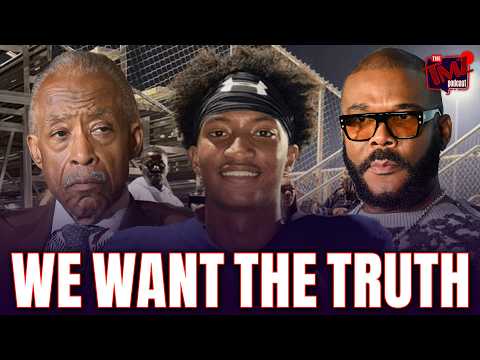
    Reverend Al Sharpton and entertainment mogul Tyler Perry have jointly announced a $100,000 reward for information that leads to the arrest and conviction of those responsible for the death of Nolan Wells. This substantial offer aims to galvanize public assistance in a case that has drawn significant community concern and calls for justice. The collaboration between Sharpton, a prominent civil rights activist, and Perry, a celebrated filmmaker and philanthropist, underscores a shared commitment to accountability and highlights the ongoing need for public engagement in complex investigations.

    The Call for Justice in the Nolan Wells Case

    The death of Nolan Wells has become a focal point for advocacy groups and concerned citizens. Details surrounding the incident remain under active investigation by law enforcement agencies. However, the lack of immediate arrests and the perceived slow pace of the inquiry have prompted community leaders to take direct action.

    The reward initiative represents a strategic effort to overcome potential barriers to information. It acknowledges that witnesses or individuals with knowledge may be hesitant to come forward without a compelling incentive. The $100,000 sum is designed to be such an incentive, signaling the seriousness with which this case is being pursued by figures outside of official channels.

    Al Sharpton’s Longstanding Advocacy

    Reverend Al Sharpton, founder and president of the National Action Network (NAN), has a decades-long history of engaging in civil rights cases and advocating for justice for victims of violence. His involvement in the Nolan Wells investigation aligns with his established pattern of supporting families and communities seeking answers in unexplained or controversial deaths.

    Sharpton’s presence often brings national media attention to local cases, amplifying calls for transparency and thorough investigation. His organization, NAN, frequently mobilizes resources and provides legal and logistical support to families navigating the criminal justice system. The announcement of the reward was made through channels that typically carry Sharpton’s public statements, ensuring broad dissemination.

    Tyler Perry’s Philanthropic Contributions

    Tyler Perry is widely recognized not only for his prolific work in film and television but also for his extensive philanthropic endeavors. Perry has a history of contributing to various causes, often anonymously or with minimal public fanfare, but has stepped forward publicly in specific instances where he feels his involvement can make a significant difference. His participation in this reward effort signals the gravity of the Nolan Wells case and the potential for his influence to accelerate its resolution.

    Perry’s financial backing provides a powerful complement to Sharpton’s organizational and advocacy strengths. Together, their combined resources and public platforms create a formidable force dedicated to finding answers. This collaboration exemplifies how individuals with significant public profiles can leverage their influence for social good, particularly in cases where justice appears elusive.

    The Mechanism of Reward Programs

    Reward programs, such as the one established for information on Nolan Wells’s death, serve as critical tools in criminal investigations. They are designed to encourage individuals to provide information that they might otherwise withhold due to fear of retaliation, perceived lack of consequence, or general reluctance to engage with law enforcement. The effectiveness of such programs often hinges on the amount offered and the credibility of the individuals or organizations offering it.

    The $100,000 figure is substantial, placing it among the higher rewards offered in similar cases. This amount can be a powerful motivator, particularly in communities where economic pressures might make such a sum life-changing. The involvement of Sharpton and Perry lends significant credibility and public trust to the offer, assuring potential informants that the reward is legitimate and will be disbursed upon fulfillment of the conditions.

    Information Dissemination and Public Trust

    For a reward program to be effective, information about it must reach the widest possible audience. The announcement through media outlets, including platforms like TMZ, ensures that the message permeates various segments of the public. Social media campaigns and community outreach efforts are likely to further amplify the call for information.

    Public trust is another critical component. When figures like Sharpton and Perry are involved, it can foster a sense of confidence among potential witnesses that their information will be taken seriously and that the process will be fair. This trust is particularly important in communities that may have historical reservations about engaging with law enforcement or official investigative bodies.

    Community Response and Broader Implications

    The joint reward announcement has generated considerable discussion within the community and across social media platforms. Many view it as a positive step towards ensuring justice and preventing similar incidents. It also serves as a powerful reminder of the role that community advocacy plays when official investigations face challenges.

    The case of Nolan Wells, amplified by the involvement of Sharpton and Perry, may set a precedent for future instances where public figures use their platforms and resources to support justice initiatives. This model of private citizens or groups offering rewards supplements, rather than replaces, official law enforcement efforts, providing an additional layer of incentive and public pressure.

    The Intersection of Celebrity, Activism, and Justice

    The collaboration between Al Sharpton and Tyler Perry exemplifies a growing trend where celebrities and public figures utilize their influence for social and political causes. This intersection often brings increased visibility to issues that might otherwise remain localized or receive limited attention. Their involvement can galvanize public opinion, raise funds, and pressure authorities to act swiftly and decisively.

    In the context of justice, this means that cases like Nolan Wells’s death are elevated from local tragedies to national conversations. The resources brought to bear by such figures can significantly alter the trajectory of an investigation, offering hope to families and communities seeking closure and accountability.

    The Role of Media in Amplifying Calls for Justice

    Media outlets, including entertainment news platforms like TMZ, play a crucial role in disseminating information about reward offerings and calls for justice. By covering the joint effort of Sharpton and Perry, these platforms ensure that the message reaches a diverse audience, potentially including individuals who possess vital information but might not actively follow traditional news channels.

    The reach of digital media and social platforms allows for rapid and widespread distribution of critical details, including contact information for tip lines and specific requests for information. This amplification is essential for the success of any reward program that relies on public participation.

    What Happens Next?

    The focus now shifts to the public’s response to the reward offer. Law enforcement agencies will likely be working closely with the National Action Network and other involved parties to manage any incoming tips and information. The effectiveness of the reward will be measured by the quality and quantity of leads generated, ultimately leading to an arrest and conviction.

    The case of Nolan Wells continues to unfold. The dedication of Al Sharpton and Tyler Perry, combined with the power of a significant financial incentive, represents a concerted effort to ensure that justice is served. The community watches. The investigation continues. The search for answers intensifies.

    Families wait. Communities demand. Justice seeks. Nolan Wells.


  • Bruce Springsteen Defines ‘Critical Patriotism’ in Response to President Trump

    Bruce Springsteen Defines ‘Critical Patriotism’ in Response to President Trump

    Defining Patriotism in the Modern Era

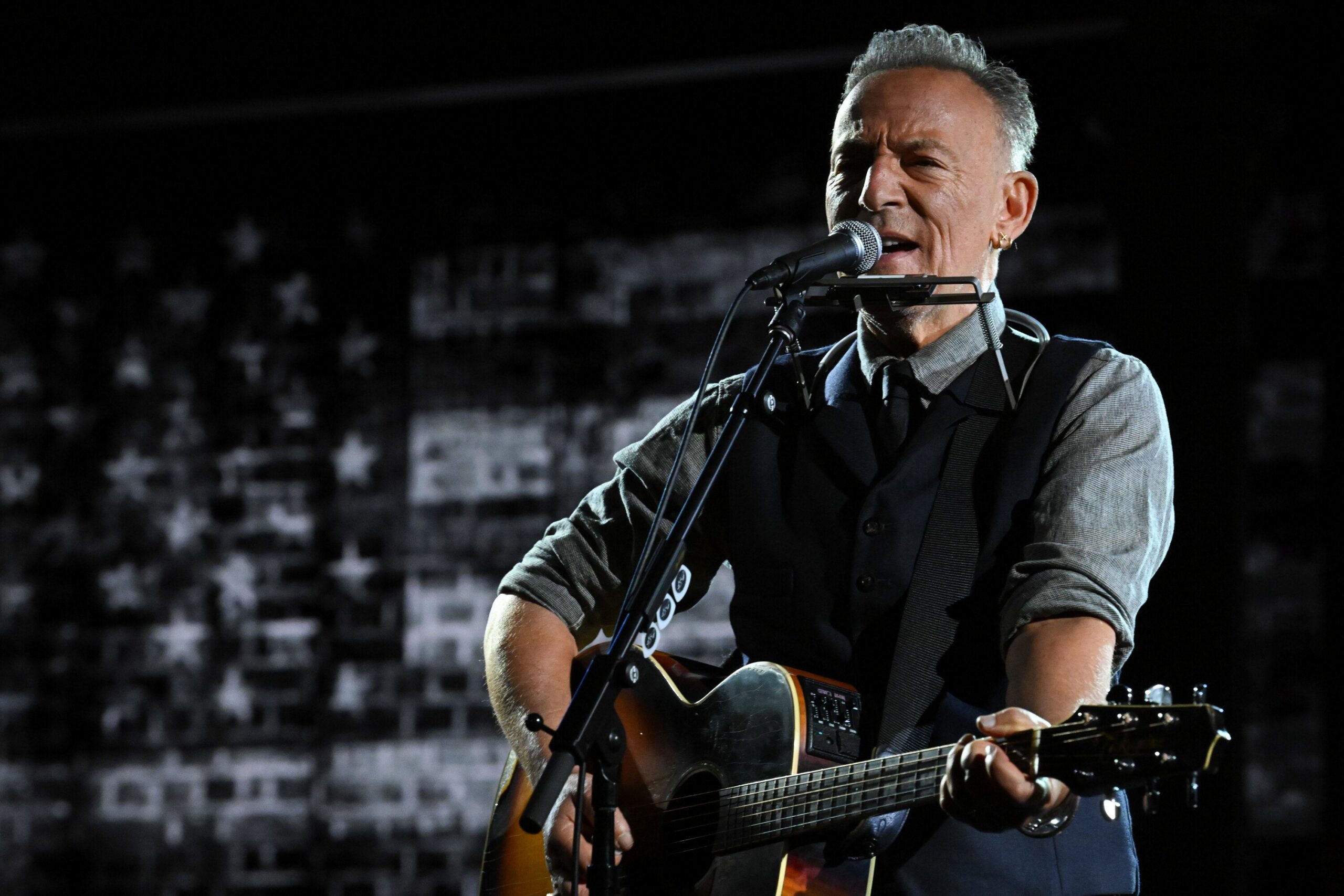
    Bruce Springsteen recently articulated his perspective on patriotism, defining himself as a ‘patriot’ who practices ‘critical patriotism’. This concept, as expressed by Springsteen, involves a commitment to one’s country coupled with the willingness to challenge its leadership and policies when necessary. He specifically mentioned his stance regarding President Donald Trump as an example of this critical engagement.

    Springsteen’s comments emerged from an interview reported by Variety. The remarks contribute to ongoing public discourse about national identity and civic responsibility in the current political climate. His words resonate with varying interpretations of what it means to be a patriot in the 21st century.

    The Evolution of a Public Figure’s Stance

    Bruce Springsteen has maintained a visible public profile for decades. His career spans from the 1970s through 2026, encompassing numerous albums, tours, and public statements. Throughout this time, Springsteen has often addressed social and political themes in his music and interviews.

    His early work often explored the struggles of the American working class. Songs like ‘Born in the U.S.A.’ (1984) became anthems, though their meanings were sometimes misinterpreted. This particular song, for instance, is often seen as a celebration of American exceptionalism, but it also contains verses detailing the plight of Vietnam War veterans.

    Over time, Springsteen’s political engagement became more explicit. He has publicly supported various political candidates and causes. His involvement has often aligned with progressive viewpoints, advocating for social justice and economic equality.

    ‘Critical Patriotism’ as a Concept

    The term ‘critical patriotism’ suggests a nuanced form of national loyalty. It implies that genuine love for one’s country does not equate to unquestioning support of its government or its leaders. Instead, it posits that a patriot has a duty to hold their nation and its representatives accountable.

    This perspective contrasts with definitions of patriotism that emphasize unconditional allegiance. Proponents of critical patriotism argue that constructive criticism and dissent are essential for a healthy democracy. They believe that addressing national shortcomings is a fundamental aspect of working towards a ‘more perfect union’.

    Historically, figures throughout American history have embodied elements of critical patriotism. Abolitionists, civil rights leaders, and social reformers often critiqued the existing systems of their time while simultaneously expressing a deep commitment to the nation’s founding ideals. Their actions were often driven by a belief that the country could and should live up to its stated principles.

    Springsteen’s Relationship with President Trump

    Bruce Springsteen has been an outspoken critic of President Donald Trump’s policies and rhetoric. His opposition has been consistent since President Trump’s first election in 2016 and continued through his second term, which began on January 20, 2025.

    Springsteen has used various platforms to voice his concerns. These have included interviews, public appearances, and sometimes subtle allusions within his musical performances. He has expressed worries about the direction of the country under President Trump’s leadership.

    His recent comments, as reported by Variety, directly link his ‘critical patriotism’ to his willingness to ‘stand up to Trump’. This indicates a direct application of his philosophical stance to current political realities. It frames his criticism not as opposition to the nation, but as a commitment to its betterment.

    Public Reaction and Broader Discourse

    Springsteen’s remarks have generated significant public discussion. Supporters of his viewpoint often commend his courage and consistency. They view his stance as an example of an artist using their platform to advocate for their beliefs.

    Conversely, some individuals disagree with his interpretation of patriotism. Critics sometimes argue that public figures should refrain from political commentary. Others may interpret his criticism of President Trump as unpatriotic or divisive.

    The conversation surrounding Springsteen’s statements reflects broader societal debates. These debates often center on the role of celebrities in politics, the boundaries of free speech, and the evolving definition of national identity in a polarized society. The discourse highlights the differing ways Americans perceive their country and its leadership.

    The Artist’s Role in Political Commentary

    The role of artists in political commentary has long been a subject of debate. Throughout history, musicians, writers, and visual artists have used their work to reflect on, critique, and influence societal norms and political actions.

    From protest songs of the civil rights era to contemporary political satire, artistic expression often serves as a mirror or a megaphone for public sentiment. Artists like Springsteen, with established careers and dedicated fan bases, possess a unique ability to reach and influence a wide audience.

    Their statements, whether direct or indirect, often spark conversations that might not otherwise occur. This capacity can be seen as both a privilege and a responsibility. Springsteen’s recent comments exemplify an artist embracing this role, directly engaging with a contentious political figure and a complex national ideal.

    The discussion around his comments underscores the enduring power of cultural figures to shape public thought. It demonstrates how art and artists remain integral to the ongoing dialogue about national values and political direction.

    Legacy of Political Engagement

    Bruce Springsteen’s political engagement is not an isolated event. It is part of a long tradition of artists using their platforms for social and political commentary. His legacy includes not only his music but also his consistent willingness to speak out on issues he deems important.

    His actions align with a lineage of musicians who have challenged authority and advocated for change. Figures such as Woody Guthrie, Joan Baez, and Bob Dylan used their art to articulate political dissent and inspire social movements. Springsteen continues this tradition, adapting it to the contemporary political landscape.

    His definition of ‘critical patriotism’ provides a framework for understanding his past and present actions. It suggests a deeply held belief that true loyalty to one’s country involves a commitment to its ideals, even when those ideals appear to be undermined by current leadership.

    This perspective solidifies his position not just as a musician, but as a public intellectual engaged with the fundamental questions of American identity and governance. His voice adds to the chorus of those who believe that patriotism requires vigilance and an unwavering commitment to justice.

    Artists spoke. Musicians spoke. Citizens spoke.

    Springsteen.

  • Dem Defector’s Dire Warning: A ‘Really Big Deal’ – Unpacking Political Shifts

    Dem Defector’s Dire Warning: A ‘Really Big Deal’ – Unpacking Political Shifts

    A recent segment on Fox News featured an individual identified as a ‘Dem defector,’ who delivered a ‘dire warning’ regarding the current state of political affairs. This warning was characterized as a ‘really big deal,’ emphasizing the perceived gravity of ongoing political shifts and their potential impact on the national discourse.

    This particular phrasing is designed to resonate with an audience primed for political activation. It appeals to a sense of cultural defense and defiance, framing specific political developments as critical threats or opportunities that demand immediate attention.

    The Language of Political Defection

    The term ‘Dem defector’ itself carries significant weight. It describes an individual who has formally or ideologically departed from the Democratic Party. Such figures are often presented as credible internal critics, offering insights from a previously aligned perspective.

    Their narratives frequently highlight disillusionment with their former party’s direction. This can involve policy stances, ideological shifts, or perceived failures in leadership. The act of defection is presented as a principled stand.

    For media outlets like Fox News, featuring a ‘defector’ serves multiple purposes. It validates existing criticisms of the Democratic Party from an unexpected source. It also provides a narrative of political courage and conviction.

    The ‘Dire Warning’ Framework

    The concept of a ‘dire warning’ is a rhetorical device used to elevate the perceived stakes of a situation. It suggests impending negative consequences if current trajectories are not altered. This framework aims to instill a sense of urgency among the audience.

    Warnings of this nature often touch upon core values, national security, economic stability, or cultural identity. They are crafted to provoke a strong emotional response and encourage active engagement from the audience.

    When combined with the credibility of a ‘defector,’ the ‘dire warning’ becomes a powerful tool. It suggests that even those who once stood with the opposition now recognize the severity of the situation. This can be particularly effective in swaying undecided individuals or reinforcing the convictions of the already aligned.

    ‘A Really Big Deal’: Escalating Significance

    The phrase ‘a really big deal’ functions as an intensifier. It takes the general alarm of a ‘dire warning’ and grounds it in a relatable, emphatic statement. This colloquialism makes the complex political issue feel more immediate and personally relevant.

    It implies that the issues being discussed are not merely academic or partisan squabbles. Instead, they are fundamental shifts with far-reaching consequences. This framing encourages the audience to view the situation with heightened concern.

    This kind of language is a hallmark of political communication designed for impact. It simplifies complex issues into easily digestible, emotionally resonant phrases. The goal is to cut through the noise and capture attention.

    Political Activators and Cultural Defense

    The report explicitly states that the warning appeals to ‘political activators’ and a ‘sense of defiance.’ Political activators are individuals or groups highly engaged in political processes. They are often opinion leaders within their communities.

    A ‘sense of defiance’ refers to a readiness to resist perceived threats or opposition. This sentiment is often cultivated in political messaging to mobilize a base. It encourages a proactive stance against perceived adversaries or undesirable outcomes.

    In the context of the ‘Dem defector,’ this defiance is directed towards the policies or ideologies of the former party. It positions the audience as defenders of a particular set of values or a way of life. This creates a strong in-group/out-group dynamic.

    Historical Parallels of Political Defection

    Political defections are not new to American history. Throughout various eras, individuals have switched party allegiances, often signaling significant political realignments or ideological shifts. Figures like Ronald Reagan, who began his political career as a Democrat before becoming a Republican icon, exemplify this phenomenon.

    Reagan’s journey from New Deal Democrat to conservative standard-bearer was marked by his vocal critiques of the Democratic Party’s evolving direction. His ‘A Time for Choosing’ speech in 1964 is a classic example of a ‘defector’s warning,’ articulating a stark choice for the nation.

    More recently, figures like Tulsi Gabbard, a former Democratic Congresswoman, have garnered attention for their critiques of the Democratic Party and their subsequent departure. These individuals often become prominent voices in conservative media, amplifying their warnings and perspectives.

    The Role of Media in Amplifying Defector Narratives

    News organizations play a crucial role in amplifying the narratives of political defectors. For outlets like Fox News, featuring a ‘Dem defector’ provides a powerful testimonial. It suggests that even members of the opposing camp recognize the validity of their criticisms.

    This amplification serves to legitimize certain viewpoints and can influence public opinion. The defector’s story is often framed as a journey of enlightenment or a courageous stand against prevailing orthodoxy. This narrative can be highly persuasive.

    The media platform provides a megaphone for these warnings, ensuring they reach a broad audience. The choice of language and framing by the media outlet further shapes how these messages are received and interpreted by the public.

    Implications for the 2026 Political Landscape

    As of 2026, such ‘dire warnings’ from ‘defectors’ contribute to an already polarized political environment. They reinforce existing divisions and can exacerbate partisan tensions. The focus on ‘cultural defense’ suggests a battle over fundamental societal values.

    These narratives can influence voter behavior, particularly among those who feel disenfranchised by traditional party politics. They offer an alternative perspective, often portraying the ‘defector’ as a truth-teller unafraid to challenge established norms.

    The effectiveness of such warnings will be measured by their ability to mobilize voters, shift public opinion, and contribute to broader political realignments. The 2026 midterm elections and beyond will test the resonance of these messages.

    The Broader Context of Political Polarization

    The phenomenon of a ‘Dem defector’ issuing a ‘dire warning’ is situated within a broader context of increasing political polarization in the United States. This polarization is characterized by widening ideological gaps between the two major parties and a growing intolerance for opposing viewpoints.

    Such warnings often capitalize on this environment, presenting stark choices and clear adversaries. They contribute to a narrative where compromise is difficult and fundamental differences are highlighted. This can make political reconciliation more challenging.

    The emphasis on ‘defiance’ further underscores this polarization. It suggests that the appropriate response to perceived threats is not negotiation but steadfast opposition. This dynamic shapes both political rhetoric and policy debates.

    Measuring the Impact of Defector Statements

    Assessing the true impact of a ‘defector’s warning’ requires careful analysis. While such statements generate media attention, their long-term effect on voter behavior or party platforms can vary. The individual’s prominence, the timing of their defection, and the specific issues they highlight all play a role.

    Sometimes, defector statements can spark internal debates within parties, forcing them to re-evaluate their positions. Other times, they may simply reinforce existing partisan divides without significantly altering the political landscape.

    The ongoing media coverage and public reception will ultimately determine the lasting legacy of this particular ‘dire warning.’ Its resonance will be tested against the backdrop of current events and evolving political narratives.

    Defectors speak. Warnings are issued. Audiences are called to action. The political landscape shifts.

    A ‘really big deal.’