Tag: Abc

  • Jimmy Kimmel’s Epstein-Themed Birthday Card to Donald Trump – A Late-Night Escalation

    Jimmy Kimmel’s Epstein-Themed Birthday Card to Donald Trump – A Late-Night Escalation

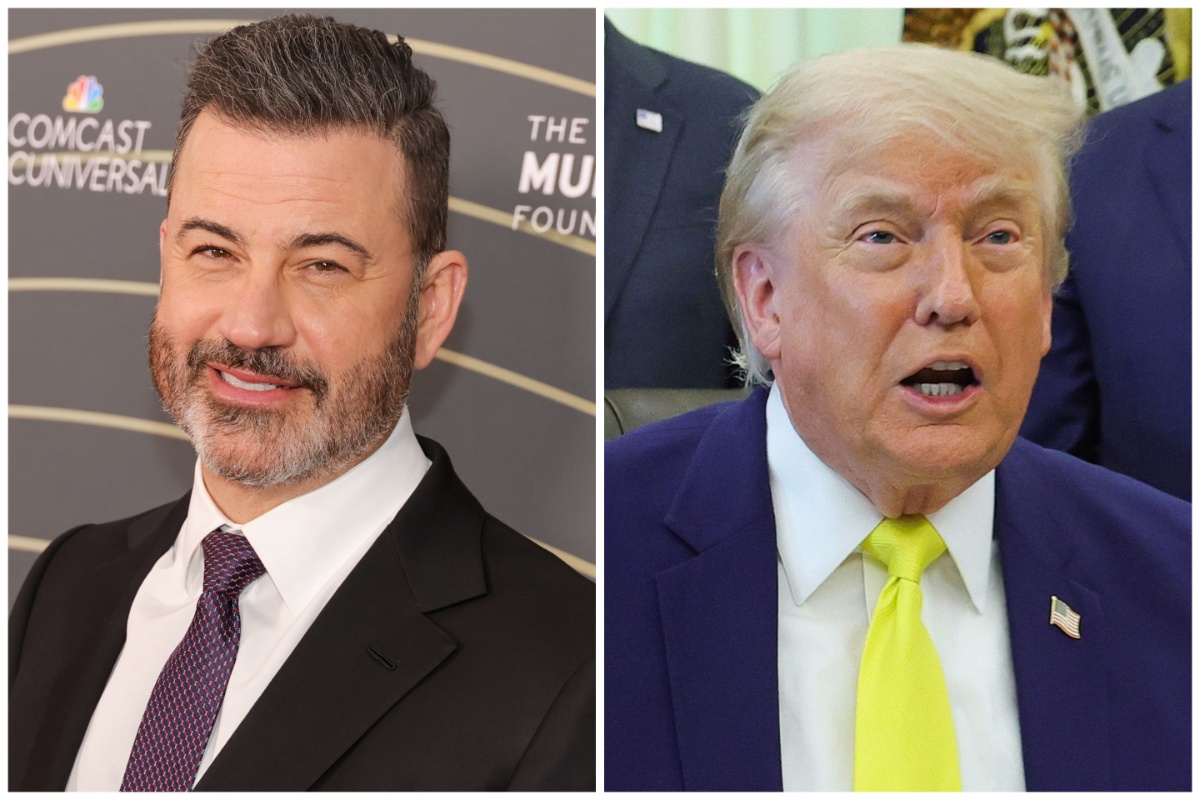
    On June 14, 2026, ABC late-night host Jimmy Kimmel marked Donald Trump’s 80th birthday by broadcasting a custom-designed, Jeffrey Epstein-inspired birthday card during his opening monologue on Jimmy Kimmel Live!. The segment immediately triggered a polarized cultural response, blending late-night comedy with the dark legacy of the convicted sex offender. The broadcast utilized historical photographs of Trump and Epstein from the 1990s, weaponizing the past social association between the two men for political satire.

    The visual landed exactly as intended. The studio audience at the El Capitan Entertainment Centre in Hollywood erupted. Social media platforms fractured along predictable partisan lines. Variety reported on the segment within hours, cementing its status as a viral media event.

    But the story does not begin with a single monologue in 2026. What looks like a spontaneous late-night joke is actually the culmination of a decade-long media war. It is a story about the changing mechanics of television, the weaponization of scandal, and the total collapse of the neutral American broadcaster.

    The Broadcast from Hollywood

    The mechanics of the modern late-night monologue are highly engineered. The writing staff of Jimmy Kimmel Live! works hours before the 11:35 PM EST broadcast to isolate the day’s most flammable political topics. On June 14, the target was obvious.

    Donald Trump’s birthday has long served as a focal point for both his supporters and his political detractors. Kimmel chose to bypass traditional political critiques regarding policy or legal battles. Instead, he reached for the most radioactive cultural figure of the 21st century.

    Jeffrey Epstein died at the Metropolitan Correctional Center in Manhattan on August 10, 2019. His legacy as a financier and convicted sex offender continues to cast a long shadow over global elites. By linking Trump’s milestone birthday to Epstein, Kimmel bypassed standard comedy. He deployed a deliberate, associative attack.

    The card displayed during the broadcast featured well-documented imagery. It relied on photographs taken at Mar-a-Lago and various Manhattan social events during the late 1990s and early 2000s. These images show Trump and Epstein in close proximity, often accompanied by Ghislaine Maxwell.

    Kimmel delivered the punchline with practiced precision. The camera cut to the custom graphic. The joke was brief. The cultural fallout was immediate.

    A Decade of Hostility

    Jimmy Kimmel and Donald Trump were not always adversaries. During the early 2000s, Trump was a frequent guest on late-night television. He promoted The Apprentice, discussed real estate deals, and participated in lighthearted banter. The relationship was transactional and mutually beneficial.

    The dynamic fractured permanently in 2015. When Trump descended the escalator at Trump Tower to announce his presidential campaign, the late-night ecosystem shifted. By the time Trump assumed the presidency in January 2017, hosts like Kimmel, Stephen Colbert, and Seth Meyers had transformed their programs into nightly opposition broadcasts.

    The feud between Kimmel and Trump became deeply personal. It transcended standard political satire. Trump frequently targeted Kimmel on Twitter, and later on Truth Social. He mocked Kimmel’s ratings. He criticized his hosting abilities. He labeled the comedian a partisan hack.

    Kimmel returned fire consistently. He dedicated vast portions of his nightly monologues to dissecting Trump’s administration. The conflict reached a historic peak on March 10, 2024.

    “Has there ever been a worse host than Jimmy Kimmel at the Oscars?”

    Trump posted that question on Truth Social during the 96th Academy Awards. Kimmel, hosting the live broadcast on ABC, read the post to a global audience of nearly 20 million viewers. He followed it with a direct jab at Trump’s legal troubles. The exchange proved that the feud had become a permanent fixture of American pop culture.

    The 2026 birthday card was simply the latest ammunition in an ongoing war. It was designed to provoke. It succeeded.

    The Epstein Association as Political Weapon

    The use of Jeffrey Epstein as a comedic weapon requires specific context. Epstein was a fixture of high society. His contact book, often referred to as the “black book,” contained the names of politicians, scientists, actors, and billionaires.

    Both Bill Clinton and Donald Trump had documented social interactions with Epstein. This bipartisan proximity made Epstein a unique figure in modern political warfare. Opposing political camps frequently use Epstein’s memory to attack their rivals.

    For Kimmel, the strategy was clear. The visual evidence of Trump and Epstein socializing in Palm Beach provides undeniable fodder. Trump’s defenders routinely point out that Trump banned Epstein from Mar-a-Lago after a dispute over real estate, long before Epstein’s 2008 conviction in Florida.

    Late-night comedy does not concern itself with nuanced timelines. It concerns itself with impact. The image of the two men laughing together in the 1990s is a potent visual. Kimmel’s writing team understood the algorithm. They knew the image would generate millions of impressions across X, TikTok, and YouTube.

    The birthday card was not just a prop. It was a calculated piece of viral engineering.

    The Economics of Outrage

    Late-night television is an expensive enterprise. Producing five hours of original content a week requires massive capital. In 2026, linear television ratings continue to decline. Networks like ABC, owned by The Walt Disney Company, rely heavily on digital distribution to justify the costs.

    A standard monologue joke might generate a few hundred thousand views on YouTube. A highly polarized, controversial attack generates millions. It drives engagement. It forces media outlets like Variety to write aggregation pieces. It creates a self-sustaining news cycle.

    The Epstein birthday card was engineered for this ecosystem. The moment it aired, it was clipped and distributed. Conservative commentators shared the clip to express outrage, accusing Kimmel of crossing a line of decency. Progressive commentators shared the clip to applaud Kimmel’s willingness to attack the former president aggressively.

    Both reactions serve the same master. Both reactions generate ad revenue. Both reactions keep Jimmy Kimmel relevant in a fractured media landscape.

    • The Linear Broadcast: Captured the older, traditional television demographic.
    • The YouTube Upload: Captured the morning-after office crowd and international viewers.
    • The TikTok Cut: Captured Gen Z users through aggressive algorithmic pushing.
    • The News Cycle: Captured the political media class, ensuring the joke lived for 48 hours instead of 10 minutes.

    The Walt Disney Company maintains a delicate balance. They operate theme parks built on family-friendly intellectual property. They also operate a television network that relies on highly partisan, aggressive political comedy to maintain cultural relevance. The Epstein card tested the limits of that balance.

    The Death of the Neutral Monologue

    To understand the gravity of the broadcast, one must look at the history of the medium. Johnny Carson hosted The Tonight Show for 30 years. He was the undisputed king of late night. His political jokes were mild. He mocked the president, regardless of party, for basic incompetence or physical stumbles. He never alienated half his audience.

    Jay Leno followed the same playbook. He was a populist. He wanted everyone in the tent.

    Jon Stewart changed the paradigm. With The Daily Show, Stewart proved that an audience craved sharp, ideologically driven satire. He proved that you did not need everyone in the tent. You only needed a fiercely loyal demographic.

    Jimmy Kimmel adopted this model out of necessity. When he launched his show in 2003, he was a former co-host of The Man Show. He was known for frat-boy humor. Over two decades, he reinvented himself. He became an emotional, highly political voice for the American center-left.

    The transition was complete by the time Trump entered politics. Kimmel’s tearful monologues about healthcare policy in 2017 established his new brand. The 2026 Epstein birthday card solidified it. There is no longer any attempt to appeal to the broad American public. The goal is to rally the base.

    The Cultural Fallout

    The aftermath of the broadcast followed a predictable script. Political action committees drafted fundraising emails referencing the joke. Cable news panels spent hours debating the ethics of using a convicted sex offender as a punchline. The Federal Communications Commission received a minor spike in routine complaints.

    None of it changed the trajectory of the culture. The outrage cycle is baked into the business model. The controversy is not a byproduct of the broadcast. The controversy is the product.

    Jimmy Kimmel understood the assignment. The writers understood the assignment. The network executives understood the assignment. They delivered exactly what the 2026 media environment demands. They provided friction.

    They took a birthday. They added a scandal. They pressed broadcast. The machine did the rest.

    Writers drafted the script. Hosts delivered the lines. Audiences picked their sides. Television.
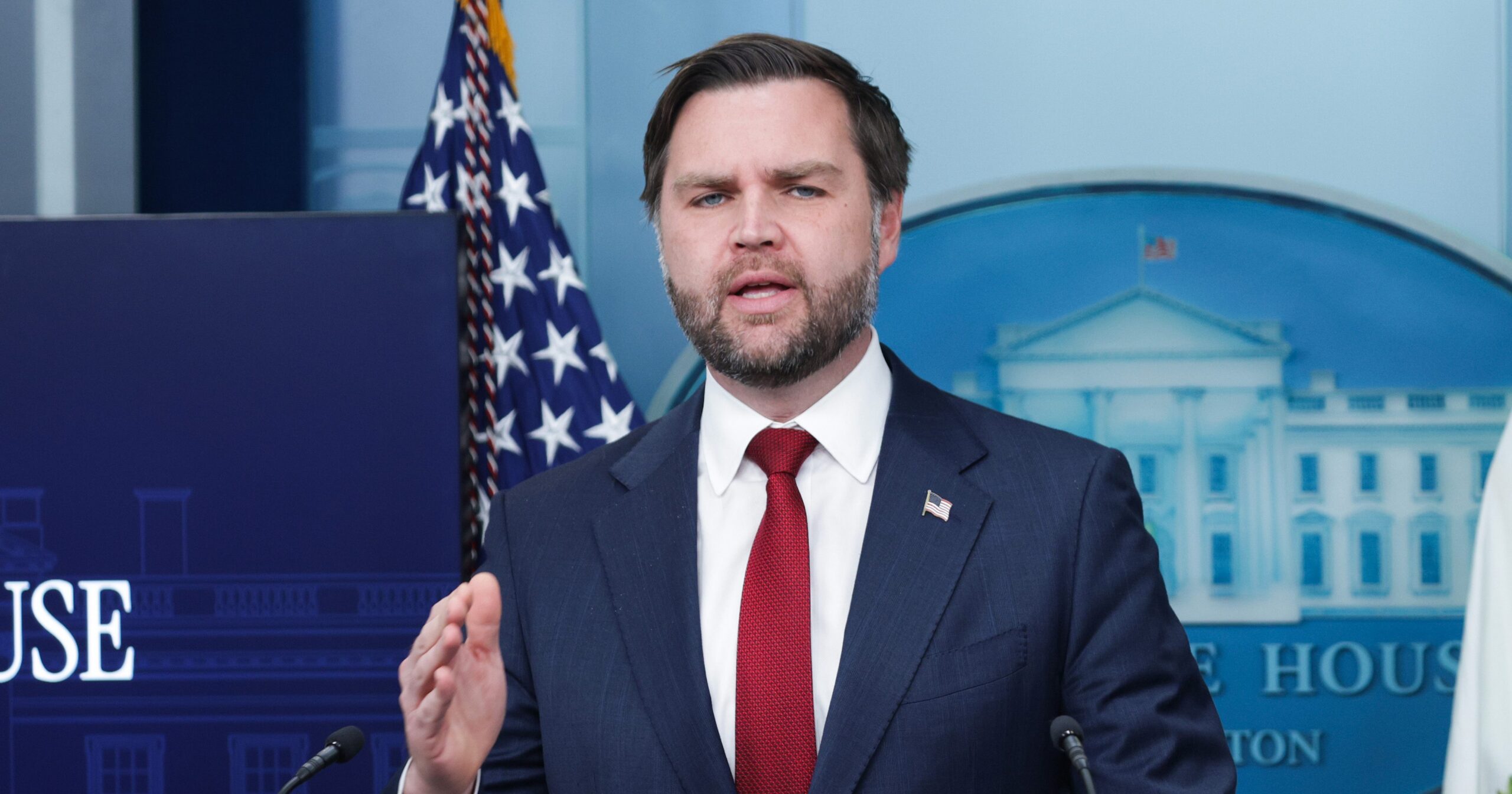
  • Into the Gauntlet: Why VP JD Vance is Going on ABC’s ‘The View’

    Into the Gauntlet: Why VP JD Vance is Going on ABC’s ‘The View’

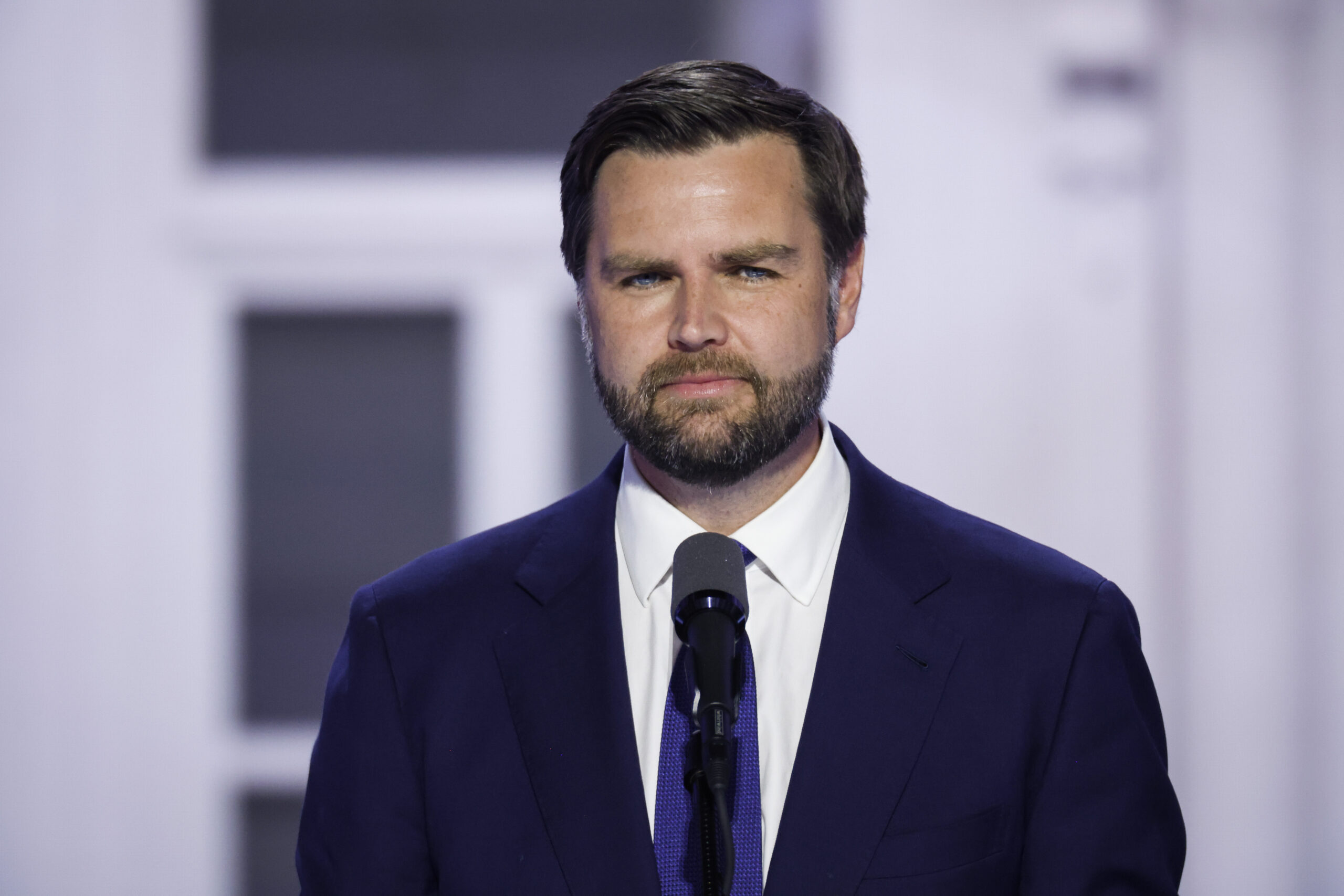
    In June 2026, Vice President JD Vance will make his first official appearance on ABC’s daytime talk show, The View. The booking places a leading conservative voice directly into a predominantly liberal media forum. It is a calculated strategy. The vice president’s office is stepping outside the traditional conservative media ecosystem. They are targeting a daytime audience of roughly 2.4 million daily viewers. The announcement arrived via ABC News. It immediately sparked anticipation across political and entertainment circles. The View is not a standard policy interview. It is a cultural gauntlet. Politicians do not sit at the circular desk to explain the nuances of tax policy. They sit there to survive a televised collision of ideologies.

    The Origins of the Daytime Political Gauntlet

    The modern iteration of The View bears little resemblance to its original blueprint. Barbara Walters and Bill Geddie launched the program on August 11, 1997. The premise was simple. Women of different generations and backgrounds would gather to discuss the events of the day. For the first decade, the show leaned heavily into lifestyle, celebrity interviews, and light current events. Politics was present, but it was not the lifeblood of the broadcast.

    That changed in the late 2000s. The culture fractured. The media landscape polarized. The View adapted to survive. By the time Barack Obama became the first sitting president to appear on the show in 2010, the program had transformed. It was no longer just a morning chat show. It was a required stop for anyone seeking national office. The producers realized that political friction generated higher ratings than celebrity anecdotes. The daytime television model relies on advertising revenue from pharmaceutical companies, automotive manufacturers, and consumer packaged goods. Controversy drives viewership. Viewership drives ad rates. The financial imperative aligned perfectly with the political spectacle.

    The Geography of Studio TV1

    The physical space of the broadcast dictates the psychological dynamic of the interview. The View is filmed in Studio TV1 at the ABC News headquarters in the Upper West Side of Manhattan. The set is brightly lit. The desk is circular. The guest is positioned in the center, flanked by the hosts. This is not the standard one-on-one setup of a Sunday morning political show like Meet the Press or Face the Nation.

    The physical layout creates a five-on-one dynamic. The guest must constantly pivot. They must address questions from the left, the right, and across the table. Beyond the cameras sits the live studio audience. The audience in Manhattan leans heavily liberal. They are primed to applaud the hosts. They are primed to groan at conservative talking points. When JD Vance walks onto the set, he is not just facing five interrogators. He is facing a room designed to amplify his opposition. The geography of the studio is a weapon. The guest must navigate the space without appearing defensive.

    The Modern Panel Dynamics at the Circular Desk

    To understand the challenge facing the vice president, one must understand the specific architecture of the panel. As of 2026, the primary cast features a distinct blend of backgrounds and ideological leanings. Whoopi Goldberg serves as the moderator. She controls the flow of the conversation. She dictates when the broadcast cuts to commercial. Her reactions often set the tone for the studio audience.

    Joy Behar operates as the comedic but sharp liberal anchor. Her attacks are often laced with humor, making them difficult to counter with pure policy arguments. Sunny Hostin brings a background as a federal prosecutor. She relies on legal framing and historical context, often pressing guests on civil rights and constitutional issues. Ana Navarro provides the perspective of a disaffected former Republican, frequently criticizing the populist wing of the party. Alyssa Farah Griffin sits in the conservative chair. As a former Trump administration official who broke with the movement, her dynamic with populist Republicans is uniquely fraught. Vance will have to calibrate his responses to five very different styles of interrogation in real-time.

    The Strategic Value of the Hostile Environment

    Why does a conservative vice president volunteer for a hostile interview? The answer lies in the mechanics of modern political media. Safe interviews in friendly studios do not generate momentum. Fox News offers safety. Newsmax offers agreement. ABC’s Studio TV1 offers friction. Friction creates heat. Heat creates attention.

    The vice president’s office understands the dual-audience strategy. There is the audience watching live on ABC at 11:00 AM Eastern. Then there is the audience that will watch the interview on their phones for the next three weeks. By stepping into a liberal stronghold, Vance signals strength to his base. He demonstrates a willingness to fight. The conservative ecosystem rewards politicians who take the fight directly to mainstream media figures.

    The Mechanics of the Viral Clip Economy

    Television is no longer consumed purely as a linear broadcast. It is consumed in pieces. It is consumed in vertical video formats. It is consumed on X, TikTok, Instagram Reels, and YouTube Shorts. A ten-minute segment on The View will be sliced into dozens of micro-clips. Each clip will be optimized for a specific algorithm.

    • The Liberal Framing: Left-leaning media accounts will clip the moments where Joy Behar or Sunny Hostin interrupt Vance. The headline will read that the hosts dismantled the vice president’s arguments.
    • The Conservative Framing: Right-leaning media accounts will clip the exact same exchange. They will focus on Vance’s calm demeanor while being yelled at. The headline will read that Vance destroyed the liberal panel.
    • The Algorithmic Boost: Both sets of clips will generate massive engagement. Outrage drives shares. The algorithm does not care if the user is cheering or booing. It only cares that the user is watching.

    By appearing on the show, Vance guarantees himself a week of dominant social media presence. The campaign does not need to win over the studio audience. They only need three minutes of compelling video to feed the digital machine.

    The Demographics of the Daytime Audience

    Beyond the viral clips, there is a tangible electoral prize. The View dominates the women 25-54 demographic. This is not a fringe audience. This is the suburban voter bloc. This is the demographic that decides swing states like Pennsylvania, Michigan, Wisconsin, and Arizona. Suburban women have historically been a challenging demographic for the populist wing of the Republican party.

    Vance’s appearance in June 2026 aligns with the relentless cycle of permanent campaigning. He cannot reach these voters on conservative talk radio. He cannot reach them at a rally in rural Ohio. He must go to where their televisions are already tuned. Even if the interview is contentious, simply showing up serves a purpose. It softens the edges of the political caricature. It proves that the candidate is willing to engage in a conversation, however strained, with mainstream America.

    Historical Precedents of Conservative Guests

    Vance is not the first conservative to walk into this specific arena. The history of The View is littered with high-profile clashes. John McCain appeared in 2008 during his presidential run, resulting in a famously tense exchange about the Iraq War. Donald Trump appeared multiple times before his presidency, though his relationship with the program fractured entirely once he entered the political arena.

    More recently, politicians like Ted Cruz and Tim Scott have tested the waters. Cruz’s appearance in 2022 was interrupted by climate activists in the studio, creating a chaotic scene that went viral instantly. Tim Scott’s appearance in 2023 featured a dense, heated debate with Sunny Hostin over the concept of systemic racism. In every instance, the pattern remained the same. The polite introduction. The rapid escalation of tension. The cross-talk. The abrupt cut to a commercial break. The campaign war rooms expect this exact sequence of events.

    JD Vance and the Populist Message

    JD Vance brings a specific brand of politics to the table. He is not a country-club Republican. He is a populist. His rise to national prominence began with his 2016 memoir, Hillbilly Elegy, which detailed the economic and cultural struggles of the white working class in Appalachia and the Rust Belt. He parlayed that cultural cachet into a successful 2022 Senate run in Ohio, backed heavily by the America First movement.

    His political identity is built on a critique of coastal elites, corporate consolidation, and mainstream media narratives. The View represents everything his political brand opposes. It is headquartered in Manhattan. It is hosted by wealthy media personalities. It is broadcast by a massive multinational conglomerate, the Walt Disney Company. The clash is not just about tax rates or foreign policy. It is a fundamental collision of two entirely different Americas.

    Preparing for the Broadcast

    The preparation for a daytime talk show appearance is as rigorous as preparation for a primary debate. In Washington D.C., the vice president’s team will assemble briefing books. They will conduct mock interviews. Staffers will play the roles of Whoopi Goldberg and Joy Behar. They will anticipate the most aggressive questions.

    “You do not go on daytime television to deliver a white paper. You go on daytime television to survive a knife fight in a phone booth.”

    Vance will be briefed on abortion policy, economic inflation, border security, and his own past statements. The goal is not to convince the hosts to change their minds. The goal is to remain unflappable. The hosts, meanwhile, will have their own preparation. ABC News researchers will provide dossiers on Vance’s voting record and public speeches. The producers will script the introductory segments to maximize dramatic tension. Every participant knows their role in the theater.

    The Intersection of Entertainment and Policy

    The blurring of lines between entertainment and governance is complete. The appearance of a sitting vice president on a show originally designed to discuss celebrity gossip and lifestyle trends highlights the reality of the modern attention economy. Policy cannot survive without a platform. A platform cannot survive without conflict.

    When the broadcast begins, the standard rules of political engagement will apply. The pleasantries will be brief. The questions will be pointed. The cross-talk will be inevitable. The studio audience will react exactly as programmed. The clips will be cut, uploaded, and distributed before the broadcast even finishes airing on the West Coast. The media cycle will consume the event, digest it, and demand the next spectacle.

    The Aftermath and the Spin Room

    Once the cameras cut, the real work begins. The campaign’s rapid response team will immediately push their preferred clips to friendly media outlets. The network will issue press releases highlighting the ratings spike. Opinion columnists will write thousands of words analyzing the body language, the tone, and the unsaid implications of the ten-minute segment.

    The viewers will return to their day. The politicians will return to Washington. The media will return to the hunt for the next viral collision. The machine requires constant fuel. The booking serves the network. The booking serves the politician. The booking serves the algorithm. The cycle continues without interruption. The network promotes. The audience watches. The internet reacts. Confrontation.

  • Vice President J.D. Vance’s Appearance on ‘The View’ – A Political Television Event

    Vice President J.D. Vance’s Appearance on ‘The View’ – A Political Television Event

    Vice President J.D. Vance is scheduled to appear on ABC’s popular daytime talk show, ‘The View.’ This engagement marks a significant moment for political discourse, bringing a high-ranking conservative official into direct conversation with the show’s panel, known for its liberal perspectives. The broadcast is anticipated to provide a platform for Vance to articulate administration policies and conservative ideologies to a broad national audience.

    The announcement of Vance’s upcoming appearance has generated considerable discussion across media outlets and social platforms. Political commentators and public interest groups are closely monitoring the event. The show’s format often leads to spirited debates, and Vance’s presence is expected to continue this tradition.

    This particular booking highlights an ongoing trend. Public figures from across the political spectrum engage with programs that challenge their established narratives. Such appearances aim to bridge communication gaps or to solidify existing support bases.

    The specific date and time for Vice President Vance’s interview have been confirmed by ABC. Promotional materials have begun to circulate, emphasizing the significance of this high-profile guest. Viewers are preparing for a candid and potentially contentious exchange.

    Historical Context of Political Appearances on ‘The View’

    ‘The View’ has a long history of hosting prominent political figures. Since its inception in 1997, the show has served as a unique forum for politicians. Candidates for president, sitting vice presidents, and first ladies have all graced its stage.

    Hillary Clinton, then First Lady, appeared on the show in 2000. Her interview covered policy, personal life, and public perception. This set a precedent for high-level political engagement.

    President Barack Obama made history in 2010 as the first sitting U.S. President to appear on a daytime talk show. His visit to ‘The View’ broke traditional media molds. It demonstrated a willingness to connect with voters outside conventional news programs.

    Vice President Dick Cheney also appeared on the program during his tenure. His interviews were often characterized by firm defenses of the Bush administration’s policies. These appearances frequently led to viral moments and extensive media analysis.

    The show’s format, featuring a panel of diverse women, offers a different interview dynamic. This contrasts with more formal news programs. Guests often face questions that combine policy with personal conviction.

    The Role of Daytime Television in Political Communication

    Daytime television, historically perceived as less serious than evening news, has evolved. It now serves as a critical battleground for political messaging. Shows like ‘The View’ reach millions of viewers who may not tune into traditional political news channels.

    The demographic reach of ‘The View’ is particularly valuable. It often includes women, a crucial voting bloc in national elections. Political strategists recognize the power of this direct access.

    Campaigns frequently leverage these platforms. They aim to humanize candidates or to clarify policy positions. The informal setting can sometimes allow for a different kind of connection with the electorate.

    The show’s hosts often represent a spectrum of opinions. This dynamic can lead to challenging questions for guests. It also allows for a robust discussion that reflects broader public debates.

    Anticipated Topics for Discussion

    Vice President Vance’s appearance will likely cover a range of pressing national and international issues. The current political climate dictates many of these conversation points. Economic policy, foreign relations, and domestic social issues are almost certainly on the agenda.

    The administration’s stance on inflation and economic growth will be a key topic. Vance will likely be asked to defend current fiscal strategies. He may also present future economic outlooks.

    Foreign policy challenges are another probable area of focus. Discussions could involve ongoing international conflicts or diplomatic relations with key global partners. Vance’s role in the administration’s foreign policy initiatives will be scrutinized.

    Domestic issues such as healthcare reform, immigration, and cultural debates will also command attention. These topics often resonate deeply with ‘The View’s’ audience. Vance’s conservative viewpoints on these matters will be central to the discussion.

    The Impact of ‘Hillbilly Elegy’ on Public Perception

    J.D. Vance first gained national prominence with his 2016 memoir, ‘Hillbilly Elegy: A Memoir of a Family and Culture in Crisis.’ The book provided an intimate look into the struggles of the white working class in Appalachia. It became a bestseller and a significant cultural touchstone.

    The memoir offered insights into the economic and social anxieties prevalent in certain American communities. It also explored themes of poverty, education, and social mobility. The book’s success catapulted Vance into the national spotlight as a voice for a specific demographic.

    His subsequent political career has been heavily influenced by the book’s themes. Vance’s political platform often emphasizes issues related to economic nationalism and cultural conservatism. His background as described in ‘Hillbilly Elegy’ shapes public perception of his policies.

    Critics and supporters alike often reference the memoir when discussing Vance’s political evolution. His appearance on ‘The View’ offers an opportunity to connect his personal narrative with his current role as Vice President. This connection can be powerful for viewers.

    The ‘View’ Panel and Their Interview Style

    The panel of ‘The View’ is known for its diverse perspectives and direct questioning. The show typically features a moderator, a conservative voice, and several liberal co-hosts. This composition often leads to dynamic and sometimes confrontational interviews.

    Whoopi Goldberg, a long-standing co-host, often serves as a moderating force. Her questions can be incisive, but she also maintains a degree of theatrical impartiality. Her presence helps to guide the conversation.

    Joy Behar and Sunny Hostin are typically vocal in their liberal viewpoints. They often challenge conservative guests on policy and ideology. Their questioning style is direct and often passionate.

    The conservative seat on the panel provides a counterpoint. This co-host often defends conservative positions. They also work to find common ground or to highlight areas of disagreement. This internal dynamic is key to the show’s appeal.

    The collective interview style is characterized by rapid-fire questions and follow-ups. Guests must be prepared for a rigorous exchange. Vance’s political experience will be tested in this environment.

    Previous Controversial Interviews on ‘The View’

    ‘The View’ has a history of interviews that have sparked national debate. These moments often involve high-profile political figures. They can highlight deep divisions within American society.

    One notable instance involved then-candidate Donald Trump in 2015. His appearance generated significant media attention. The interview foreshadowed the contentious nature of his presidential campaign.

    Former Vice President Mike Pence also had a memorable appearance. His discussions with the panel often focused on social issues. These interviews frequently led to heated exchanges and strong reactions from viewers.

    The show’s ability to create such moments is part of its enduring appeal. It provides unscripted television. It also offers a raw look at political discourse. Vance’s upcoming interview is expected to continue this trend of high-stakes television.

    Media and Public Reaction Expectations

    The anticipation surrounding Vice President Vance’s appearance is high. Media outlets, political analysts, and the general public are all preparing for the broadcast. Reactions are expected to be polarized, reflecting the current political climate.

    Conservative media will likely praise Vance’s performance. They will emphasize his ability to articulate conservative principles. They may also highlight any perceived victories in the debate.

    Liberal media will likely focus on perceived inconsistencies or controversial statements. They will scrutinize his responses. They will also analyze his interactions with the panel.

    Social media platforms will undoubtedly be abuzz during and after the broadcast. Hashtags related to Vance, ‘The View,’ and specific policy topics will trend. Online commentary will range from fervent support to strong criticism.

    The interview will likely be dissected for days, if not weeks, following its airing. Political pundits will offer their interpretations. The discussion will contribute to the ongoing national conversation about the administration’s policies and future.

    Long-Term Implications for Political Engagement

    Vice President Vance’s decision to appear on ‘The View’ carries long-term implications. It demonstrates a strategy of direct engagement with audiences outside traditional political echo chambers. This approach can be both risky and rewarding.

    For the administration, it offers an opportunity to reach undecided voters. It also allows for the direct rebuttal of criticisms. The goal is often to shape public opinion by going directly to the source of potential opposition.

    For ‘The View,’ it reinforces its status as a relevant political forum. High-profile guests boost ratings and maintain cultural relevance. The show continues to be a destination for significant political events.

    The success or failure of such an appearance is subjective. It depends on the goals of the guest and the expectations of the audience. However, the act of engaging itself signals a certain political courage or strategic calculation.

    This appearance contributes to the broader narrative of how politicians communicate in the 21st century. It underscores the importance of diverse media platforms. It also highlights the evolving nature of political discourse in America.

    The cameras rolled. The hosts questioned. The Vice President responded. The nation watched.

    Television.

  • Jimmy Kimmel Mocks Donald Trump’s $12,000 UFC Commemorative Coin

    Jimmy Kimmel Mocks Donald Trump’s $12,000 UFC Commemorative Coin

    The Late-Night Verdict on Political Currency

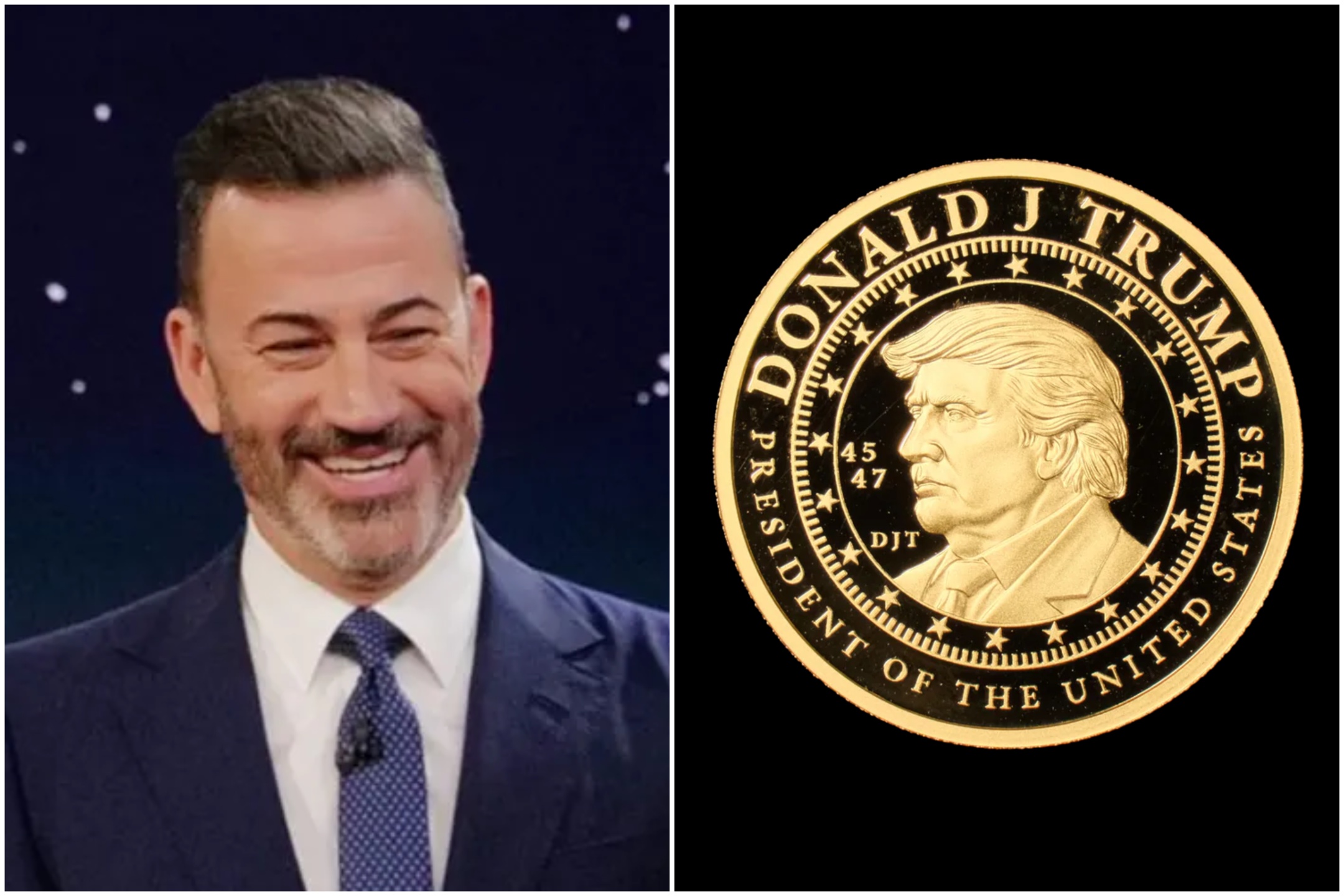
    Jimmy Kimmel used his ABC late-night monologue to mock former President Donald Trump for selling a $12,000 commemorative UFC fight coin that holds absolutely no legal face value. The television host addressed his studio audience directly, breaking down the mechanics of the merchandise drop. He labeled the venture the work of a “special kind of con man” who intentionally sells his political supporters “money they cannot spend.”

    The critique arrived during a crowded season of political merchandising. Presidential campaigns have historically relied on bumper stickers, yard signs, and lapel pins to generate grassroots revenue. The modern era operates on a different scale.

    Trump has transformed the traditional campaign store into a high-ticket luxury boutique. The introduction of a five-figure commemorative coin tied to a mixed martial arts organization represents a new frontier in political fundraising and personal brand monetization.

    Kimmel seized on the inherent contradiction of the product. It is marketed as a coin. It is priced like a rare precious metal. Yet, it possesses zero purchasing power at a traditional retail register.

    The Mechanics of a $12,000 Token

    The product in question is not legal tender. It is a commemorative token. The United States Mint produces official currency, which carries a designated face value backed by the federal government. Commemorative campaign coins carry no such backing.

    Pricing a commemorative item at $12,000 places it in the realm of high-end numismatics or luxury jewelry. Buyers are not acquiring currency. They are acquiring a physical artifact of a political movement.

    Kimmel highlighted this exact distinction on Jimmy Kimmel Live!.

    “It takes a special kind of con man to sell people money they cannot spend,” Kimmel stated during his broadcast.

    The host dismantled the value proposition of the coin. He questioned the financial wisdom of the target demographic. He framed the transaction not as a political donation, but as a direct transfer of wealth from working-class voters to a billionaire’s merchandising operation.

    The lack of a face value is standard for private mint runs. Challenge coins, commemorative medallions, and novelty tokens rarely carry a legal denomination. The $12,000 price tag, however, shatters the traditional ceiling for novelty political memorabilia.

    The UFC Alliance

    The coin explicitly ties the Trump brand to the Ultimate Fighting Championship (UFC). This is not an accidental pairing. The relationship between Donald Trump and the premier mixed martial arts promotion spans decades.

    In the early 2000s, when the UFC was struggling to secure athletic commission approvals and arena bookings, Trump hosted their events at the Trump Taj Mahal in Atlantic City. UFC CEO Dana White has repeatedly credited Trump with saving the company during its darkest financial period.

    That business relationship evolved into a potent political alliance. White spoke at the Republican National Convention in 2016, 2020, and 2024. He formally introduced Trump to the stage in Milwaukee.

    Trump frequently attends major UFC pay-per-view events. He sits courtside with White, often accompanied by cultural figures like Joe Rogan, Kid Rock, and Tucker Carlson. His arena walkouts are highly produced spectacles, designed to project strength and cultural dominance.

    Minting a UFC-themed coin monetizes this exact demographic. It targets young, male combat sports fans who overlap with the MAGA political base. It bridges the gap between sports entertainment and political allegiance.

    A History of High-Ticket Merchandising

    Jimmy Kimmel’s monologue did not treat the UFC coin as an isolated incident. The late-night host framed it as the latest chapter in a long history of aggressive monetization.

    Since leaving the White House in 2021, and throughout his 2024 campaign, Trump has consistently launched unconventional consumer products. Each drop targets a specific subset of his base.

    • Digital Trading Cards (NFTs): Launched in December 2022 at $99 each, featuring artwork of Trump as a superhero, astronaut, and cowboy.
    • The “Never Surrender” Gold Sneakers: Released in February 2024 at $399 a pair, introduced at Sneaker Con in Philadelphia.
    • The “God Bless the USA” Bible: Promoted in March 2024 for $59.99, featuring the King James Version text alongside the U.S. Constitution and the lyrics to Lee Greenwood’s signature song.
    • The Trump Victory Tourbillon Watch: Announced in late 2024 with a staggering price tag of $100,000, limited to 147 pieces and made of 18-karat gold.

    The $12,000 UFC coin fits seamlessly into this portfolio. It operates on the same economic principle: leverage a highly devoted political following to move premium-priced consumer goods.

    Critics like Kimmel view this as predatory. Supporters view it as savvy capitalism. The items frequently sell out, creating secondary markets on platforms like eBay where the products trade at massive markups.

    The Late-Night Comedy War

    The friction between Jimmy Kimmel and Donald Trump is a defining feature of modern late-night television. Kimmel has anchored the 11:35 p.m. time slot on ABC since 2003. His early career was defined by apolitical, frat-house humor on The Man Show.

    The 2016 election altered his trajectory. Kimmel transitioned into one of the most vocal and persistent critics of the 45th president. His monologues routinely dissect Trump’s legal battles, campaign rallies, and business ventures.

    The animosity is mutual. Trump frequently attacks Kimmel on his Truth Social platform. He has mocked Kimmel’s ratings. He famously criticized Kimmel’s performance as the host of the Academy Awards, prompting Kimmel to read the criticism live on stage during the Oscars broadcast.

    The UFC coin provided Kimmel with ideal comedic material. It combined high finance, political devotion, and perceived absurdity. It allowed Kimmel to deploy his preferred narrative: framing Trump not just as a political opponent, but as a salesman operating a continuous grift.

    The Economics of Political Memorabilia

    The traditional political memorabilia market is driven by low-cost, high-volume items. A $30 t-shirt generates a small margin. A $15 coffee mug keeps the campaign logo visible in a voter’s home.

    A $12,000 coin fundamentally alters the math. It requires a buyer with significant disposable income. It shifts the transaction from a casual show of support to a major financial investment.

    Numismatists, experts in coin collecting, often warn against purchasing modern commemorative tokens as financial investments. The intrinsic value of a coin is tied to its precious metal weight. The numismatic value is tied to historical rarity and condition.

    A newly minted political token relies entirely on the brand value of the politician. If the political movement wanes, the secondary market value of the token often collapses. The buyer is left with a piece of metal that cost $12,000 but holds no legal face value.

    This was the core of Kimmel’s “money they cannot spend” argument. A consumer cannot take the UFC coin to a grocery store. They cannot deposit it into a standard checking account. Its value exists strictly within the ecosystem of Trump supporters and political collectors.

    The Cultural Divide

    The reaction to the UFC coin perfectly illustrates the current American cultural divide. The audiences consuming Kimmel’s monologue on ABC and the audiences purchasing the coin online exist in entirely separate realities.

    For Kimmel’s viewers, the coin is a punchline. It is evidence of a political movement that has lost its moorings, willing to exchange real wealth for symbolic trinkets. The $12,000 price tag is viewed as an offensive cash grab during a time of widespread economic anxiety.

    For the buyers, the coin is a status symbol. It is a tangible connection to a political leader they revere. It is a way to bypass traditional campaign finance structures and directly support the Trump brand. The mockery from late-night hosts like Kimmel only validates their purchase. It proves the item triggers the establishment.

    This dynamic ensures that the merchandising will continue. Every joke on late-night television acts as earned media for the product. Every monologue generates headlines, which in turn generate awareness among the target demographic.

    The cycle is self-sustaining. The politician releases the product. The comedian mocks the product. The supporters buy the product to spite the comedian. The ecosystem feeds itself.

    The Legacy of the Grift Narrative

    Kimmel’s use of the term “con man” taps into a specific, long-standing Democratic narrative regarding Donald Trump. Since his days in New York real estate, critics have accused Trump of prioritizing promotion over substance.

    They point to Trump University. They point to Trump Steaks. They point to Trump Vodka. The narrative suggests that the political campaign is simply the latest, most lucrative iteration of a lifelong branding exercise.

    The $12,000 UFC coin fits perfectly into this established framework. It allows critics to bypass complex policy debates and focus on consumer protection. It frames the political base not as ideological opponents, but as victims of a sophisticated sales funnel.

    Whether this narrative actually changes voting behavior remains unproven. Decades of similar attacks have done little to erode Trump’s core support. The buyers of the gold sneakers, the Bibles, and the digital trading cards remain fiercely loyal.

    They do not view themselves as marks. They view themselves as investors in a movement. The lack of a face value on the coin is irrelevant to them. The face on the coin is the only value that matters.

    A Market Without Limits

    As the campaign cycle progresses, the boundaries of political merchandising continue to expand. The success of high-ticket items guarantees that more will follow. The infrastructure is already in place. The audience is primed.

    Late-night television will continue to document the phenomenon. Hosts like Jimmy Kimmel will continue to serve as the opposition research wing of the cultural elite, translating the latest merchandise drops into nightly punchlines.

    The $12,000 UFC coin will eventually be replaced by a newer, potentially more expensive item. The outrage will reset. The monologues will be rewritten. The credit cards will be charged.

    The cameras cut. The audience laughed. The late-night monologue ended. The merchandise continued to sell.

    Retail politics.

  • The Stalled Return of Tool Time – Why the Home Improvement Reboot is Stuck

    The Stalled Return of Tool Time – Why the Home Improvement Reboot is Stuck

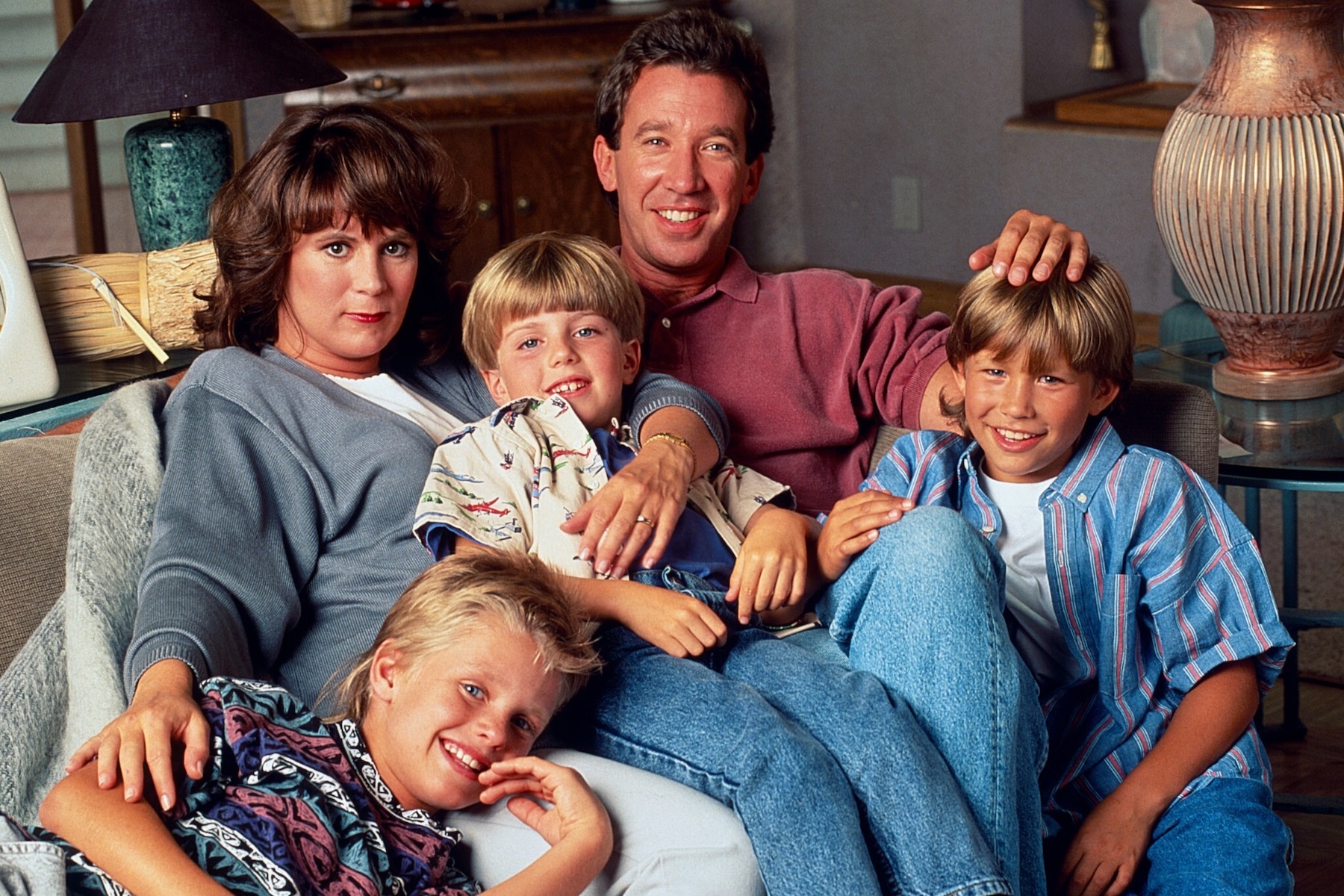
    A planned reboot of the 1990s ABC sitcom Home Improvement remains officially stalled because series star Tim Allen says his former on-screen sons, Zachery Ty Bryan, Jonathan Taylor Thomas, and Taran Noah Smith, are struggling with real-life personal issues. The 73-year-old actor and comedian confirmed to Variety that the project cannot move forward. The idealized family dynamic that anchored the show for eight seasons no longer aligns with the complex realities of the former child stars.

    Television networks rely on nostalgia. Reboots of classic sitcoms represent safe investments for streaming platforms looking for guaranteed audiences. Executives at The Walt Disney Company successfully revived Allen’s holiday franchise with The Santa Clauses on Disney+. A return to the Taylor household seemed inevitable.

    But the mechanics of a sitcom revival require a willing and available cast. The Taylor family is fractured. The actors who portrayed the three boys have navigated drastically different paths since the series concluded on May 25, 1999. Their current circumstances make a traditional family reunion impossible to film.

    The Weight of a 1990s Juggernaut

    To understand the demand for a reboot, one must measure the massive footprint of the original series. Home Improvement premiered on September 17, 1991. It anchored ABC’s Tuesday night lineup. It became a cultural touchstone.

    Created by Matt Williams, Carmen Finestra, and David McFadzean under Wind Dancer Productions, the show ran for 204 episodes. It dominated the Nielsen ratings. During its peak in the 1993-1994 season, it was the second most-watched program on American television, trailing only 60 Minutes.

    The premise was simple. Tim “The Toolman” Taylor hosted a fictional cable show called Tool Time, sponsored by the fictional Binford Tools. He was flanked by his mild-mannered assistant, Al Borland, played by Richard Karn. At home, Tim navigated suburban family life in Detroit, Michigan, alongside his wife Jill, played by Patricia Richardson, and their three sons. He received philosophical advice from his partially obscured neighbor, Wilson, played by Earl Hindman.

    The show generated billions in syndication revenue. It spawned a line of real-world tools and video games. By the final season, Allen was earning an unprecedented $1.25 million per episode. The three child actors grew up in front of a weekly audience of 30 million viewers. That level of exposure carries a cost.

    The Reality of the Taylor Boys Today

    Child stardom rarely transitions smoothly into adult stability. The three actors who played the Taylor boys serve as distinct case studies in post-sitcom life. Their current trajectories represent the “personality problems” Allen referenced.

    Zachery Ty Bryan and the Legal Labyrinth

    Zachery Ty Bryan played Brad, the athletic and often impulsive eldest son. Bryan’s post-show life has been marked by severe legal and personal turmoil.

    In October 2020, Bryan was arrested in Eugene, Oregon. He was charged with felony strangulation, fourth-degree assault, and interfering with making a report. He eventually pleaded guilty to two misdemeanor counts in a plea deal.

    The legal issues continued. In July 2023, Bryan was arrested again in Eugene on charges of felony assault in violation of the Abuse Prevention Act. Furthermore, multiple reports surfaced in 2023 detailing allegations of financial misconduct. Bryan was accused of running a cryptocurrency scheme connected to an agricultural startup called Producers Market, allegedly defrauding investors out of thousands of dollars.

    A family-friendly Disney reboot cannot absorb headlines involving domestic violence and financial fraud. Bryan’s involvement in any television project is currently a non-starter for network risk management.

    Jonathan Taylor Thomas and the Quiet Life

    Jonathan Taylor Thomas played Randy, the sarcastic middle child. Thomas was the breakout star of the series. He became a fixture on the covers of teen magazines like Tiger Beat and BOP. He voiced young Simba in Disney’s 1994 animated blockbuster The Lion King.

    Then, he walked away.

    Thomas left Home Improvement early in its eighth and final season. He cited a desire to focus on his education. He attended Harvard University, spent a year abroad at St. Andrews in Scotland, and eventually graduated from Columbia University in 2010.

    Unlike Bryan, Thomas has no legal troubles. His “issue” regarding a reboot is simply a profound disinterest in the Hollywood machine. He values his privacy. While he did make brief guest appearances on Allen’s later sitcom, Last Man Standing, and directed a few episodes, Thomas has shown zero inclination to return to a full-time acting schedule. He recently ran for a seat on the SAG-AFTRA national board, signaling an interest in the administrative side of the industry rather than the spotlight.

    Taran Noah Smith and the Escape from Hollywood

    Taran Noah Smith played Mark, the sensitive youngest son. Smith was just seven years old when the pilot was filmed. When the show wrapped in 1999, Smith was 17. He publicly declared he did not want to act anymore.

    His immediate post-show years were turbulent. At 17, he sued his parents for control of his $1.5 million trust fund, alleging they were mismanaging his earnings. He married a woman 16 years his senior when he was 18.

    Smith eventually found stability outside of entertainment. He founded a vegan cheese company called Playfood in California. He later learned to pilot submersibles and worked as an installation mechanic. Most recently, he worked as a technical manager for the Community Submersibles Project. Like Thomas, Smith has successfully extracted himself from the entertainment industry. Asking him to return to a soundstage to reprise a role he abandoned a quarter-century ago is a massive logistical leap.

    The Missing Matriarch and the Empty Fence

    The complications extend beyond the three sons. The adult cast members have their own reservations about returning to the Taylor household.

    Patricia Richardson earned four Emmy nominations for her portrayal of Jill Taylor. She was the emotional anchor of the series. In early 2024, rumors of a Home Improvement spinoff began circulating online. Richardson quickly shut them down on the “Back to the Best” podcast.

    She stated unequivocally that she had never been approached about a reboot. Furthermore, she expressed deep skepticism about the concept. Richardson noted that the show’s dynamic relied heavily on the entire ensemble.

    More importantly, she pointed to a glaring absence. Earl Hindman, who played the wise neighbor Wilson, died of lung cancer on December 29, 2003. Wilson was the philosophical counterweight to Tim Taylor’s impulsive masculinity. Richardson suggested that doing the show without Hindman would feel hollow.

    Richard Karn, who played Al Borland, remains close with Allen. The two recently co-hosted a reality competition series called Assembly Required on the History Channel. While Karn would likely participate in a revival, a show featuring only Tim and Al is not Home Improvement. It is simply a new project with old characters.

    The Nostalgia Economy Meets Reality

    The entertainment industry is currently fueled by intellectual property. Audiences crave the familiar. Networks crave the built-in marketing advantage of recognizable titles.

    This strategy has yielded massive successes. Fuller House ran for five successful seasons on Netflix. The Conners successfully spun out of the ashes of the canceled Roseanne revival. NBC brought back Night Court with Melissa Rauch and John Larroquette. Paramount+ resurrected Frasier with Kelsey Grammer.

    These shows worked because a critical mass of the original cast was willing and able to return. They worked because the actors’ real lives did not overshadow the fictional narratives.

    Home Improvement fails this test. The gap between the wholesome, problem-solving Taylor family and the messy reality of the actors’ lives is simply too wide to bridge. A reboot would require explaining why Brad is absent, why Randy is never around, and why Mark disappeared. It would require recasting or writing out the core family unit that made the show successful in the first place.

    The Evolution of Tim Allen

    Tim Allen has not struggled to find television work since 1999. He successfully launched a second long-running sitcom, Last Man Standing. That show ran for nine seasons across two networks, ABC and Fox, concluding in 2021.

    In Last Man Standing, Allen played Mike Baxter, a character heavily inspired by Tim Taylor but updated for the 21st century. Instead of a local cable show, Baxter ran a sporting goods store and recorded vlogs. Instead of three sons, he had three daughters. The show allowed Allen to explore similar themes of masculinity, family dynamics, and conservative-leaning comedy without the baggage of the Home Improvement legacy.

    With The Santa Clauses keeping him employed at Disney, Allen does not need a Home Improvement reboot for financial or career reasons. His comments to Variety suggest a man who would enjoy the nostalgia of a reunion but understands the practical impossibility of executing it.

    What Happens to the Tool Time Set Now?

    The demand for a revival will likely persist. Fan pages will continue to generate rumors. Clickbait articles will continue to tease impending announcements. But the logistics remain insurmountable.

    Television is a business of alignment. Schedules must align. Budgets must align. Public relations profiles must align.

    The legacy of Home Improvement is secure. It remains a defining artifact of 1990s television. It captured a specific moment in American culture, blending slapstick physical comedy with genuine family warmth. The 204 episodes exist in syndication and on streaming platforms. They serve as a time capsule.

    Attempting to pry that capsule open in 2026 reveals too much rust. The actors have moved on. The world has moved on. The idea of the Taylor family is far cleaner than the reality of the people who played them.

    Audiences wanted nostalgia. Executives wanted ratings. Allen wanted closure.

    Reality intervened.

  • The Midnight Assassination – Why Jimmy Kimmel Says Late-Night TV Is Being Poisoned

    The Midnight Assassination – Why Jimmy Kimmel Says Late-Night TV Is Being Poisoned

    Jimmy Kimmel stated that late-night television is “being poisoned” rather than “dying of natural causes” following the 2026 cancellation of Stephen Colbert’s program on CBS. The ABC host attributes the collapse of the decades-old late-night format to algorithmic media consumption, corporate streaming pivots, and the fragmentation of the American viewing audience. The sudden end of Colbert’s tenure at the Ed Sullivan Theater marks a definitive fracture in a broadcasting tradition that began in the 1950s. Kimmel views the shift not as an evolution, but as an assassination.

    For decades, the midnight hour belonged to the networks. It was the cultural watercooler. It was where the American public processed the news of the day. Now, the desk is empty. The band has packed up. The audience has moved on to a personalized feed.

    The End of the Ed Sullivan Era

    Stephen Colbert took over the Ed Sullivan Theater in September 2015. He inherited the space from David Letterman. He brought a sharp, political edge to a format that had traditionally favored broad, apolitical entertainment. For a time, it worked. During the Trump administration, Colbert’s monologues dominated the ratings. He provided a nightly catharsis for millions of viewers. But the landscape was already shifting under his feet.

    By 2026, the economics of linear television had deteriorated. Paramount Global, the parent company of CBS, faced mounting debt and dwindling broadcast revenues. The cost of producing a daily, hour-long variety show in the heart of New York City became difficult to justify. The cancellation was not a reflection of Colbert’s talent. It was a reflection of a broken business model.

    When the news broke, the reaction across the industry was swift. But it was Jimmy Kimmel who articulated the grim reality most clearly. Speaking to Variety, Kimmel refused to accept the narrative that late-night was simply aging out of relevance. He rejected the idea of a natural death.

    “We’re being poisoned. It’s not dying of natural causes. The ecosystem is being intentionally drained.”

    Kimmel’s words struck a nerve. He did not point fingers at the audience. He pointed fingers at the infrastructure. He pointed to the algorithms, the corporate mandates, and the digital platforms that extract value from late-night television without contributing to its survival.

    Anatomy of a Poisoning

    To understand Kimmel’s metaphor, one must understand how late-night television makes money. Historically, it was a simple transaction. Networks broadcast a show at 11:30 PM. Millions of people tuned in. Advertisers paid a premium to reach those viewers. The cost per mille (CPM) was high because the audience was captive and engaged.

    That transaction no longer exists. The poison Kimmel refers to is a multi-layered toxin. It began with the DVR. It accelerated with YouTube. It became fatal with TikTok. The audience did not stop watching late-night content. They stopped watching it at night. They stopped watching it on television. They stopped watching the commercials that funded the production.

    The Economics of the Midnight Slot

    A modern late-night show is an expensive operation. It requires a host, a live band, a team of union writers, producers, celebrity bookers, and a massive studio in either Los Angeles or New York City. Annual production budgets routinely exceed $80 million. In the era of Johnny Carson, that investment yielded massive returns. In 2026, the math no longer works.

    Advertisers have migrated to digital platforms where they can target consumers with surgical precision. A 30-second spot on a broadcast network cannot compete with the granular data offered by Alphabet and Meta. As ad revenues shrank, networks attempted to cut costs. They reduced the number of original episodes. They trimmed writing staffs. They relied heavier on sponsored integrations. But these were temporary bandages on a fatal wound.

    A Century of Monologues

    The late-night format is a uniquely American invention. It was pioneered by Steve Allen in 1954. It was perfected by Johnny Carson in 1962. For thirty years, Carson ruled the 11:30 PM slot. He was a cultural monolith. When he retired in 1992, nearly 40 million people tuned in to watch his final broadcast. The battle to succeed him, between Jay Leno and David Letterman, was front-page news. It was a clash of titans.

    Today, a late-night host is lucky to pull 1.5 million live viewers. The monolith has been shattered into a million algorithmic pieces.

    The decline was gradual, then sudden. When Jimmy Fallon took over The Tonight Show in 2014, he brought a hyper-kinetic, viral-friendly energy to the desk. He played games with celebrities. He sang lip-sync battles. He created moments designed specifically to be shared on the internet the next morning. For a brief period, it seemed like late-night had successfully adapted to the digital age. The shows were generating billions of views online.

    The Algorithm vs. The Anecdote

    But those billions of views contained a hidden poison. By optimizing their content for the morning-after viral clip, late-night shows inadvertently trained their audience to ignore the live broadcast. Why stay up until midnight to watch a 60-minute show filled with commercials when you can watch the best three minutes on your phone while waiting for your morning coffee?

    This is the YouTube Paradox. Late-night television built the viral web. Carpool Karaoke, Mean Tweets, and Lip Sync Battle were the engines of early social media engagement. But the networks never figured out how to monetize those digital views at the same rate as a linear broadcast. They traded dollars for digital pennies. They fed the algorithm, and the algorithm grew massive. Then, the algorithm ate them.

    The Rise of the Vertical Feed

    The final blow came in the form of the vertical video feed. TikTok, YouTube Shorts, and Instagram Reels fundamentally altered the way the public consumes entertainment. The traditional late-night interview, a slow, meandering seven-minute conversation between a host and a celebrity, cannot compete with a hyper-edited, dopamine-inducing 15-second clip.

    Celebrities realized they no longer needed the late-night couch to promote a movie. They could reach a larger, younger demographic by collaborating with a digital creator or posting directly to their own followers. The symbiotic relationship between Hollywood studios and late-night television broke down. The couch became obsolete.

    The Corporate Pivot

    Kimmel’s frustration is also directed at the corporate suites. The major media conglomerates, Disney, Comcast, Paramount, have spent the last decade pivoting their resources toward streaming platforms. Disney+, Peacock, and Paramount+ became the primary focus. Linear television was treated as a legacy asset. It was managed for cash flow, not for growth.

    When a network views a time slot as a declining asset, it stops investing in innovation. It stops taking risks. The late-night format became rigid. The monologues became predictable. The interviews became overly managed PR exercises. The poison was not just external. It was administered from within.

    George Cheeks, Bob Iger, and other network executives face an impossible task. They must manage the decline of linear television while attempting to build profitable streaming businesses. In that equation, a $80 million late-night show is a prime target for the chopping block. Colbert was simply the first major domino to fall in this new era of austerity.

    The Last Men at the Desk

    Jimmy Kimmel is now one of the last men standing at the traditional late-night desk. He has anchored Jimmy Kimmel Live! on ABC since 2003. He has outlasted Leno, Letterman, Conan O’Brien, and now Colbert. But his comments reflect a deep existential dread about the future of his profession.

    He recognizes that the format he loves is being dismantled. The communal experience of late-night television is gone. The nation no longer goes to sleep watching the same program. We go to sleep staring at our own personalized, algorithmic feeds. We are isolated in our own digital silos.

    The loss of late-night is not just a loss of entertainment. It is a loss of a shared cultural baseline. Even when the nation was divided, the late-night monologue provided a common text. It was a nightly temperature check on the American psyche. When that temperature check is replaced by an algorithm designed only to maximize engagement, the culture loses its anchor.

    Kimmel’s warning is not just about television. It is about the broader media ecosystem. When institutions are drained of their resources to feed digital platforms, the resulting landscape is barren. The poison works slowly. It degrades the quality. It fragments the audience. It bankrupts the producers. And then, one day, the lights go out at the Ed Sullivan Theater.

    The cameras were powered down. The marquee went dark. The audience looked down at their phones.