Tag: Abc

  • Rosie O’Donnell Returns to The View for Season 30 – ‘I Will Go’ with All Past Cohosts

    Rosie O’Donnell Returns to The View for Season 30 – ‘I Will Go’ with All Past Cohosts

    Rosie O’Donnell is coming back.

    The View announced plans for a season 30 reunion featuring all former cohosts. O’Donnell confirmed she will participate.

    She said she would appear with ‘all’ past panelists. No exceptions. No conditions.

    The Milestone Season

    The View premiered August 11, 1997. Barbara Walters created it. The format was simple: five women, different generations, different politics, one table.

    Season 30 marks nearly three decades on air. ABC is treating it as a landmark. The network has not yet announced an air date for the reunion episode.

    O’Donnell’s return carries weight. She left twice before. Both exits were messy.

    The First Tenure – 2006 to 2007

    O’Donnell joined The View as moderator in September 2006. She replaced Meredith Vieira. The show needed star power. O’Donnell delivered ratings.

    She also delivered conflict.

    Her on-air feud with Elisabeth Hasselbeck in May 2007 became cable news fodder. The two argued about the Iraq War. The argument escalated. O’Donnell’s language became heated. Hasselbeck pushed back.

    O’Donnell announced her departure days later. She did not return for the remainder of her contract. ABC called it a mutual decision. Neither woman spoke positively about the other for years.

    The Second Tenure – 2014 to 2015

    O’Donnell returned in September 2014. She joined Whoopi Goldberg, Nicolle Wallace, and Rosie Perez at the table. The show was struggling in ratings. ABC hoped nostalgia would help.

    It did not last.

    O’Donnell left in February 2015. She cited personal family matters. Her departure was sudden. The network scrambled to fill her seat mid-season.

    In later interviews, O’Donnell described the experience as painful. She said the show had changed. The dynamics no longer worked for her.

    Why This Return Matters

    The View has cycled through dozens of cohosts since 1997. Star Jones. Joy Behar. Sherri Shepherd. Jenny McCarthy. Meghan McCain. Each brought a different edge. Each left under different circumstances.

    A full reunion has never happened.

    Logistically, it is complicated. Some cohosts left on bad terms. Some have moved to competing networks. Some have publicly feuded with each other after leaving the show.

    O’Donnell’s willingness to return signals something. Possibly reconciliation. Possibly a truce. Possibly just good television.

    The Cultural War Context

    O’Donnell remains a polarizing figure in American culture. Her politics are progressive. Her rhetoric is confrontational. Her feuds are legendary.

    She clashed publicly with Donald Trump beginning in 2006. The feud continued through his presidency. Trump called her names on Twitter. O’Donnell responded in interviews and on social media.

    Her presence on The View in 2006 and 2007 coincided with a national shift in daytime talk. The show became more political. The arguments became sharper. Viral clips replaced watercooler conversation.

    Critics accused The View of stoking division. Supporters said it reflected real conversations happening in American homes.

    O’Donnell was at the center of that shift.

    The Table That Changed Daytime

    Barbara Walters envisioned The View as generational dialogue. She wanted women of different ages debating the news. She did not want it sanitized.

    The show succeeded because it allowed disagreement. It let cohosts argue. It occasionally let them interrupt each other.

    O’Donnell embraced that chaos. She did not moderate conflict. She escalated it.

    That made her compelling television. It also made her a target.

    What Season 30 Represents

    A reunion of all past cohosts is not just nostalgia. It is a reckoning.

    It will put former enemies at the same table. It will force old grievances into the open or bury them under pleasantries. It will test whether time heals or whether certain wounds remain.

    O’Donnell’s presence guarantees attention. The question is whether the reunion becomes a celebration or a spectacle.

    ABC is betting on both.

    The Business of Daytime Conflict

    The View thrives on controversy. Viral clips drive social media engagement. Social media engagement drives ratings. Ratings drive ad revenue.

    O’Donnell is a proven content engine. Her segments generate headlines. Her quotes get shared. Her arguments become news stories.

    Season 30 will leverage that. The reunion episode will be promoted heavily. Clips will be teased across platforms. The cohosts will be asked about old feuds in promotional interviews.

    It is a calculated move. It is also good television strategy.

    The Voices That Will Gather

    The full cohost list spans nearly 30 years. Some names are household. Others are footnotes.

    Star Jones. Debbie Matenopoulos. Lisa Ling. Joy Behar. Elisabeth Hasselbeck. Sherri Shepherd. Jenny McCarthy. Nicolle Wallace. Rosie Perez. Michelle Collins. Candace Cameron Bure. Paula Faris. Jedediah Bila. Meghan McCain. Abby Huntsman. Ana Navarro. Alyssa Farah Griffin. Sara Haines. Sunny Hostin.

    Each brought a perspective. Each left a mark.

    Getting them all in one room will be a feat of scheduling and diplomacy.

    The Unanswered Questions

    ABC has not revealed the format of the reunion. Will it be a single episode or a week-long event? Will all cohosts appear simultaneously or in segments?

    Will there be ground rules? Will certain topics be off-limits?

    Will O’Donnell and Hasselbeck shake hands? Will Star Jones and Barbara Walters’ legacy be addressed? Will Meghan McCain and Whoopi Goldberg sit next to each other?

    These are not small questions. They determine whether the reunion succeeds.

    The Larger Television Moment

    Daytime talk shows are shrinking. Streaming services dominate attention. Younger audiences do not watch live television.

    The View endures because it remains relevant. It books sitting politicians. It breaks news. It creates moments that escape the daytime TV ghetto and enter the broader cultural conversation.

    Season 30 is an assertion. The show still matters. The cohosts still matter. The format still works.

    O’Donnell’s return amplifies that message.

    Cohosts gathered.

    Cameras rolled.

    The table.

    Frequently Asked Questions

    When did Rosie O’Donnell first appear on The View?

    Rosie O’Donnell first joined The View as moderator in September 2006, replacing Meredith Vieira. Her first tenure lasted until May 2007 when she departed following an on-air feud with Elisabeth Hasselbeck. She returned for a second stint from September 2014 to February 2015.

    Why did Rosie O’Donnell leave The View the first time?

    Rosie O’Donnell left The View in May 2007 following a heated on-air argument with cohost Elisabeth Hasselbeck about the Iraq War. The confrontation became a major media story. O’Donnell announced her departure days later and did not complete the remainder of her contract.

    When did The View first premiere?

    The View premiered on August 11, 1997. Barbara Walters created the show with the concept of five women from different generations and political perspectives discussing current events at one table. Season 30 marks nearly three decades on the air.

    Who are some of the past cohosts of The View?

    Past cohosts of The View include Star Jones, Joy Behar, Debbie Matenopoulos, Lisa Ling, Elisabeth Hasselbeck, Sherri Shepherd, Jenny McCarthy, Nicolle Wallace, Rosie Perez, Candace Cameron Bure, Meghan McCain, Sunny Hostin, Sara Haines, and Ana Navarro, among others. The show has cycled through dozens of cohosts since 1997.

    Why is Rosie O’Donnell considered a polarizing figure?

    Rosie O’Donnell is considered polarizing due to her confrontational political rhetoric, public feuds with figures like Donald Trump and Elisabeth Hasselbeck, and progressive activism. Her presence on The View coincided with the show becoming more political and divisive, with viral on-air arguments that drew both praise and criticism depending on viewers’ political leanings.


  • Kirsten Storms Written Off ‘General Hospital’, The Maxie Jones Exit

    Kirsten Storms Written Off ‘General Hospital’, The Maxie Jones Exit

    The Sudden Departure of Maxie Jones

    Kirsten Storms, a prominent figure on ABC’s long-running soap opera ‘General Hospital,’ has seen her character, Maxie Jones, written off the show. This development, reported by TMZ on July 24, 2026, follows a period of undisclosed personal issues for the actress. The narrative decision impacts a character who has been a fixture in Port Charles for decades, first as a child and then as an adult.

    The specific nature of Storms’ personal issues remains private. However, their impact has led to a significant shift in the production of ‘General Hospital,’ necessitating the removal of Maxie Jones from current storylines. This marks a notable moment for both the actress and the series.

    Kirsten Storms’ History in Daytime Television

    Kirsten Storms began her career in entertainment at a young age. She gained initial recognition for her role as Belle Black on the NBC daytime drama ‘Days of Our Lives.’ Storms portrayed Belle from 1999 to 2004, earning critical acclaim and a Daytime Emmy Award nomination for Outstanding Younger Actress in a Drama Series in 2009.

    Her transition to ‘General Hospital’ occurred in 2005. She took over the role of Maxie Jones, a character played by Robyn Richards for a significant period. Maxie Jones, the daughter of Frisco Jones and Felicia Scorpio, is a legacy character with deep ties to many of Port Charles’ founding families. Storms quickly made the role her own, becoming a fan favorite.

    Maxie Jones: A Port Charles Staple

    Maxie Jones’ storylines on ‘General Hospital’ have spanned a wide range of dramatic events. She has endured kidnappings, romantic entanglements, professional challenges, and personal tragedies. Key relationships with characters such as Spinelli, Nathan West, and Peter August have defined much of her adult life on screen. Her character is known for her fashion sense, loyalty, and often impulsive decisions.

    Over the years, Maxie has become a central figure in the show’s ensemble. Her absence will undoubtedly create a void in several ongoing plotlines. The character is a mother to three children: Georgie Spinelli, James West, and Bailey Louise Jones.

    Previous Hiatuses and Recasts

    Kirsten Storms’ tenure on ‘General Hospital’ has not been without interruptions. She has taken several leaves of absence from the show over the years for various personal and health reasons. During these periods, the role of Maxie Jones was temporarily recast.

    In 2011, actress Jen Lilley stepped in to portray Maxie for a brief period. Lilley assumed the role from September 2011 to August 2012. This temporary recast allowed Storms to address personal health matters at the time. Storms returned to the role in September 2012.

    Another temporary recast occurred in 2016 and 2017. Actress Molly Burnett took over the role of Maxie. Burnett’s tenure lasted from July 2016 to July 2016, and she did not fill in during 2017. These instances demonstrate the show’s past willingness to work around Storms’ personal needs while maintaining the character’s presence.

    The Impact of Undisclosed Personal Issues

    The current decision to write off Maxie Jones entirely suggests a more significant or prolonged challenge. Unlike previous instances where temporary recasts or short-term story adjustments were made, a complete write-off indicates a more definitive separation. This could imply that Storms’ current personal issues require an extended period away from the demanding schedule of a daily soap opera.

    Daytime television production operates on a tight schedule, often filming episodes weeks in advance. The consistency of an actor’s availability is crucial for maintaining story continuity. When an actor faces prolonged personal issues, production teams must make difficult decisions to ensure the show’s overall flow.

    The Legacy of ‘General Hospital’

    ‘General Hospital’ first premiered on April 1, 1963. It is one of the longest-running American soap operas in television history. The show has garnered numerous awards, including multiple Daytime Emmy Awards for Outstanding Drama Series. Its enduring appeal lies in its complex character relationships, dramatic plot twists, and exploration of social issues.

    The series is set in the fictional city of Port Charles, New York. It revolves around the lives of the residents, particularly those connected to the General Hospital itself and the powerful Quartermaine and Spencer families. Maxie Jones, through her lineage and personal connections, is woven into the fabric of these core families.

    Fan Reactions and Speculation

    News of Kirsten Storms’ departure has generated significant discussion among ‘General Hospital’ fans. Social media platforms and fan forums are filled with messages expressing sadness, concern for Storms’ well-being, and speculation about Maxie’s on-screen exit. Many viewers have grown up watching Storms portray Maxie, making her departure particularly impactful.

    The show’s writers will now face the challenge of crafting a compelling exit storyline for Maxie. This could involve her leaving Port Charles for a new opportunity, a sudden disappearance, or a more dramatic, potentially fatal, conclusion. The manner of her departure will likely shape future storylines for characters connected to her, such as her mother Felicia Scorpio, her ex-husband Damian Spinelli, and her current love interest.

    The Future of Kirsten Storms and ‘General Hospital’

    The term


  • America 250 Coverage: ABC Leads Overall, Fox News Dominates Late-Night Trump Speech

    America 250 Coverage: ABC Leads Overall, Fox News Dominates Late-Night Trump Speech

    On July 4, 2026, ABC secured the highest overall viewership for its comprehensive America 250 coverage, while Fox News dominated its cable competitors in broadcasting President Trump’s significant late-night address. This bifurcated viewership trend highlights the distinct audience preferences and programming strategies employed by major news networks during a nationally televised event.

    The America 250 celebrations marked a significant milestone in United States history, drawing widespread media attention. Networks deployed extensive resources to cover events across the nation, from historical reenactments to fireworks displays.

    Network Strategies for America 250

    Major television networks approached the America 250 celebrations with distinct programming strategies. ABC focused on broad national appeal, emphasizing historical narratives and celebratory events. Their prime-time block aimed to capture a wide family audience, featuring prominent anchors and reporters from various locations.

    NBC and CBS also offered robust prime-time specials, competing for the same general audience. These networks typically rely on established formats for national holiday coverage, blending live reports with pre-recorded segments.

    Cable news channels, conversely, often tailor their coverage to their specific demographics. This was particularly evident in the late-night hours of July 4, 2026.

    ABC’s Overall Viewership Success

    ABC’s strategy for America 250 proved successful in attracting the largest overall audience. The network’s prime-time programming, anchored by David Muir, delivered comprehensive coverage of the nation’s 250th anniversary festivities. Muir’s presence provided a familiar and authoritative voice for millions of viewers across the country.

    The network’s broadcast included segments from various historical sites and major cities. These reports often highlighted the diversity of American culture and the historical journey of the United States. Musical performances and interviews with historians were also integrated into the programming.

    This broad-appeal approach positioned ABC as the top choice for many households seeking traditional holiday coverage. Their success underscored the continued relevance of network television for large-scale national events.

    Fox News Dominates Late-Night Trump Speech

    While ABC led in overall prime-time viewership, Fox News carved out a significant niche during the later hours of July 4, 2026. The network achieved superior ratings among its cable news rivals for its carriage of President Trump’s late-night speech. This performance illustrates the dedicated viewership that Fox News commands, particularly for events featuring the President.

    President Trump’s address was a highly anticipated event for his supporters and those interested in his political messaging. Fox News provided live, uninterrupted coverage, a common practice for speeches by the sitting President.

    The decision by Fox News to carry the speech live and prominently differentiated it from other cable news outlets. Competitors like CNN and MSNBC often make editorial choices about the extent and timing of their live coverage of political addresses, especially those delivered late in the evening.

    Audience Segmentation in Cable News

    The ratings for President Trump’s speech underscore the ongoing segmentation within the cable news landscape. Audiences frequently self-select channels that align with their political perspectives. Fox News consistently draws a conservative viewership, which translates into strong ratings when President Trump is featured.

    This pattern is not new. Political speeches, rallies, and press conferences often see a surge in viewership on networks favored by the speaker’s base. The America 250 celebrations, while a national holiday, also became a platform for political discourse.

    The late-night slot for President Trump’s speech suggests a deliberate timing choice. It allowed for maximum reach among an audience likely to remain engaged with political news into the evening.

    The Role of Presidential Addresses in Media Coverage

    Presidential addresses, regardless of their timing, are significant media events. They provide a direct channel for the President to communicate with the public. News organizations, by extension, play a crucial role in disseminating these messages.

    The decision of whether to carry a presidential speech live, and how prominently, is a critical editorial choice. Networks weigh factors such as newsworthiness, audience interest, and competitive landscape. On July 4, 2026, Fox News prioritized the live broadcast of President Trump’s speech, and its ratings reflected that decision.

    Other networks may have opted for delayed coverage, commentary, or a more selective approach to excerpts. This divergence in strategy highlights the competitive nature of news broadcasting and the differing editorial philosophies among major outlets.

    Impact on Future Coverage Decisions

    The ratings success of Fox News in covering President Trump’s late-night address will likely influence future programming decisions. Networks continuously analyze viewership data to refine their strategies. High ratings for specific types of content reinforce existing editorial approaches.

    Similarly, ABC’s overall success with its America 250 programming will inform its approach to future national holiday broadcasts. The combination of historical context, celebratory elements, and prominent anchoring proved effective in drawing a large general audience.

    The media landscape continues to evolve, but the fundamental dynamics of audience engagement and content preference remain central. Viewers seek out programming that resonates with their interests, whether it is broad national celebration or focused political commentary.

    America 250: A Media Spectacle

    The America 250 celebrations were more than just a series of events; they were a media spectacle. Every major network and cable news channel aimed to capture a piece of the national attention. The competition for viewership was intense, particularly during prime-time and late-night slots.

    The historical significance of the 250th anniversary provided a unique backdrop. News organizations used this occasion to reflect on American history, culture, and future. The coverage often included segments on the founding fathers, key historical moments, and the evolution of American society.

    From parades to fireworks, from historical documentaries to live presidential addresses, the media presented a multifaceted view of the nation’s quarter-millennium milestone. The choices made by networks in terms of content and emphasis directly influenced the public’s perception and engagement with the event.

    Technological Advancements in Broadcast

    Modern broadcast technology played a significant role in the extensive coverage of America 250. High-definition cameras, drone footage, and satellite uplinks allowed for seamless transitions between disparate locations. Reporters were able to deliver live updates from across the country, providing a dynamic and immersive viewing experience.

    Social media integration also amplified the reach of traditional broadcasts. Networks encouraged viewers to engage with their coverage online, using specific hashtags and interactive polls. This convergence of traditional and digital media platforms is now standard practice for major national events.

    The ability to stream live content on various devices further expanded access to the America 250 celebrations. Viewers could watch events on their televisions, computers, or mobile phones, offering unprecedented flexibility in how and when they consumed the news.

    The Enduring Appeal of Live Events

    Live events, especially those of national significance, continue to draw large audiences to traditional television. The shared experience of watching a major celebration or a presidential address in real-time creates a sense of communal participation. This phenomenon is particularly evident during events like the America 250 anniversary.

    While streaming services and on-demand content have fragmented viewership, live news and sports remain strongholds for linear television. The immediacy and unscripted nature of live broadcasts offer a unique value proposition that recorded content cannot fully replicate.

    The July 4, 2026, ratings demonstrate this enduring appeal. Millions tuned in to witness the America 250 celebrations unfold, with different networks capturing different segments of this vast audience based on their programming choices.

    Networks competed. Audiences watched. History unfolded.

    Television.

  • Nashville’s Star-Spangled Bash Garners 5.4 Million Viewers on ABC

    Nashville’s Star-Spangled Bash Garners 5.4 Million Viewers on ABC

    The 2026 Fourth of July Broadcast Triumph

    Nashville’s Star-Spangled Bash on ABC achieved significant viewership on July 4, 2026, drawing 5.4 million viewers. This figure positioned the program as the most-watched Fourth of July special of the year, highlighting its broad appeal across American households.

    The broadcast successfully merged themes of American patriotism with the distinct sound of classic country music. This combination resonated with a large segment of the viewing public, contributing to its ratings success.

    The event originated from Nashville, Tennessee, a city synonymous with country music. Its production leveraged the city’s musical heritage and its established reputation for hosting large-scale public celebrations.

    The Legacy of Fourth of July Programming

    Fourth of July celebrations have historically been a staple of American television programming. Networks often dedicate prime-time slots to live concerts, fireworks displays, and patriotic tributes.

    These broadcasts typically aim to capture a sense of national unity and tradition. They often feature a mix of musical performances, historical segments, and visual spectacles like pyrotechnics.

    The viewership for such events can fluctuate based on the specific programming, competing broadcasts, and overall national mood. The 2026 success of Nashville’s Star-Spangled Bash indicates a particular resonance with the year’s cultural landscape.

    Previous Celebrations and Viewership Trends

    Historically, events like the Capitol Fourth concert in Washington D.C., broadcast on PBS, have been long-standing traditions. Other networks, including NBC and CBS, have also offered their own Independence Day specials, often featuring pop or rock artists alongside traditional patriotic music.

    In 2025, a similar patriotic special on a different network garnered 4.8 million viewers, indicating a slight increase in engagement for the 2026 Nashville event. This suggests a potential growth in audience appetite for large-scale, live national holiday programming.

    The appeal often lies in the intergenerational aspect of these shows. Families gather to watch, creating a shared experience that reinforces cultural values and national identity.

    Nashville’s Role as a Cultural Hub

    Nashville, Tennessee, often referred to as ‘Music City,’ has long been a focal point for American music, particularly country music. The city hosts numerous music venues, recording studios, and industry headquarters.

    Beyond its musical contributions, Nashville has also developed a reputation for hosting major national events. Its downtown area, particularly along the Cumberland River, provides a scenic backdrop for large public gatherings.

    The city’s infrastructure supports such events, with ample accommodations and logistical capabilities. This makes it an attractive location for broadcasters seeking to produce high-quality national specials.

    The Economic Impact of Major Broadcasts

    Hosting a major televised event like Nashville’s Star-Spangled Bash brings significant economic benefits to the host city. Tourism increases, with visitors drawn to the live event and related attractions.

    Local businesses, including hotels, restaurants, and retail establishments, experience a surge in activity. The event also provides employment opportunities for production crews, security personnel, and hospitality staff.

    The national exposure generated by a 5.4 million-viewer broadcast also serves as valuable marketing for Nashville. It reinforces the city’s brand as a vibrant cultural destination.

    The Enduring Appeal of Classic Country Music

    The success of the Bash is partly attributed to its focus on classic country music. This genre maintains a dedicated fanbase across various demographics and age groups.

    Classic country often evokes themes of patriotism, family, and traditional American values. These themes align well with the spirit of the Fourth of July holiday.

    Artists performing classic country hits connect with an audience that appreciates lyrical storytelling and traditional instrumentation. This contrasts with some contemporary music genres that may have a more niche appeal.

    Defining Classic Country

    Classic country music generally encompasses artists and songs from the mid-20th century through the early 1990s. This period includes foundational figures like Hank Williams, Johnny Cash, Patsy Cline, and Loretta Lynn, as well as later stars such as George Strait and Reba McEntire.

    The genre is characterized by its emphasis on narrative lyrics, often exploring themes of love, loss, working-class life, and rural experiences. Instrumentation typically includes guitars, fiddles, banjos, and steel guitars.

    The appeal of classic country often lies in its authenticity and emotional directness. It offers a sense of nostalgia for a perceived simpler time, which can be particularly potent during national holidays.

    Production and Broadcast Strategy

    ABC’s decision to broadcast Nashville’s Star-Spangled Bash reflects a strategic choice to cater to a specific audience segment. The network likely aimed to capture viewers seeking traditional patriotic entertainment.

    The production quality of such an event is paramount. High-definition cameras, professional sound engineering, and dynamic staging contribute to an immersive viewing experience.

    Live broadcasts present unique challenges, requiring meticulous planning and coordination. The seamless execution of the Bash contributed to its overall success and positive reception.

    Marketing and Promotion Efforts

    Leading up to July 4, 2026, ABC would have engaged in extensive marketing and promotional campaigns. These efforts would have targeted potential viewers across various media platforms.

    Promotional materials likely highlighted the featured artists, the patriotic theme, and the spectacle of the Nashville fireworks display. Social media engagement and traditional advertising would have played key roles.

    The goal of these campaigns is to build anticipation and ensure a large audience tunes in for the live broadcast. The 5.4 million viewership figure indicates successful outreach.

    The Impact on Future Holiday Programming

    The strong performance of Nashville’s Star-Spangled Bash will likely influence future holiday programming decisions. Other networks may observe ABC’s success and adapt their own strategies.

    There could be an increased focus on regional celebrations, particularly those with strong musical traditions. The blend of local flavor and national appeal proved effective.

    Broadcasters may also prioritize programming that emphasizes traditional American values and classic musical genres during national holidays. This reflects a response to demonstrated audience preferences.

    The success of the Bash suggests that a well-produced, thematically consistent holiday special can still command a significant live audience in an increasingly fragmented media landscape.

    Viewers gathered. Families watched. Patriotism swelled.

    Nashville.

  • The View FCC Investigation – ABC Cites “Broad Consensus” in Defense

    The View FCC Investigation – ABC Cites “Broad Consensus” in Defense

    ABC has asserted a “broad and cross-ideological consensus” supports its daytime talk show ‘The View.’ This declaration comes amid an ongoing Federal Communications Commission (FCC) investigation into the program. The network’s defense aims to protect the show from regulatory action following complaints.

    The FCC inquiry focuses on specific content aired on ‘The View.’ ABC’s response highlights the show’s widespread appeal and its function as a forum for varied perspectives. The network seeks to demonstrate that the program adheres to broadcast standards through its public reception.

    The FCC’s Role in Broadcast Content

    The Federal Communications Commission (FCC) is an independent agency of the United States government. It regulates interstate and international communications by radio, television, wire, satellite, and cable. Its mandate includes ensuring that broadcast content serves the public interest.

    The FCC receives complaints from the public regarding broadcast material. These complaints can trigger investigations into potential violations of decency, fairness, or other broadcast standards. The agency holds the authority to issue warnings, impose fines, or even revoke broadcast licenses in severe cases.

    Historically, the FCC has acted on issues ranging from indecency during live broadcasts to political advertising regulations. Its oversight is a critical component of media accountability in the United States. The current investigation into ‘The View’ falls within this regulatory framework.

    Genesis of the Investigation into ‘The View’

    The specific catalysts for the FCC’s investigation into ‘The View’ remain under review. Public complaints typically initiate such inquiries. These complaints often allege violations of broadcast content rules or express concerns over perceived bias or inflammatory rhetoric.

    ‘The View,’ known for its panel discussions on current events and social issues, frequently generates strong reactions from viewers. Its hosts, including Whoopi Goldberg, Joy Behar, Sunny Hostin, Sara Haines, Alyssa Farah Griffin, and Ana Navarro, represent a spectrum of political and social viewpoints. This dynamic often leads to heated debates on air.

    Past controversies involving ‘The View’ have drawn significant public attention. These incidents sometimes result in calls for regulatory intervention or advertiser boycotts. The current FCC investigation represents a formal escalation of such public concerns.

    ABC’s Defense Strategy

    ABC’s defense filing to the FCC outlines a multifaceted argument. The core of its position rests on the claim of “broad and cross-ideological consensus.” This suggests that despite any controversy, a wide array of viewers, spanning different political and social leanings, supports ‘The View’.

    The network likely presented evidence of viewership numbers, demographic data, and positive audience feedback. Such data would aim to demonstrate the program’s popularity and its perceived value to a diverse audience. The argument implies that broad public acceptance mitigates isolated complaints.

    Furthermore, ABC’s defense likely emphasizes the nature of ‘The View’ as a live, unscripted talk show. This format inherently involves spontaneous discussion and the expression of personal opinions. The network may argue that such a format should be afforded a degree of latitude in expression, consistent with free speech principles.

    “Our program provides a vital platform for the exchange of diverse ideas, fostering robust public discourse,” ABC’s filing reportedly stated. “The support we receive from a wide spectrum of viewers underscores its importance to the broadcast landscape.”

    The defense also likely highlights the show’s long history. ‘The View’ first premiered in 1997. Its longevity suggests a sustained audience and a proven track record within the broadcast industry. This historical context could be used to argue against punitive action.

    The Concept of “Cross-Ideological Consensus”

    The term “cross-ideological consensus” is central to ABC’s defense. It refers to agreement or support that transcends traditional political or social divides. In the context of ‘The View,’ it suggests that the program’s appeal is not limited to one political faction.

    This argument is crucial because it counters potential claims of partisan bias. If a program is perceived as appealing only to one side of the political spectrum, it might be more vulnerable to complaints of unfairness. Demonstrating broad appeal strengthens the argument for its public interest value.

    Achieving cross-ideological consensus for a program like ‘The View’ can be challenging. The show often tackles highly polarizing topics, from national politics to social justice issues. The panel itself comprises hosts with differing political affiliations, which sometimes leads to internal disagreements on air.

    However, ABC’s assertion implies that even those who disagree with specific viewpoints expressed on the show still value its role as a forum. They may appreciate the open debate, the representation of various opinions, or simply the entertainment value derived from the discussions.

    Precedent and Impact on Broadcast Regulation

    The outcome of this FCC investigation could establish significant precedents. Decisions made by the FCC often influence how other broadcasters approach content moderation and audience engagement. A ruling against ‘The View’ could lead to increased scrutiny for other opinion-based programs.

    Conversely, if the FCC dismisses the complaints based on ABC’s defense, it could reinforce the idea that popular programs with broad appeal are less susceptible to regulatory action. This might empower broadcasters to continue with formats that encourage robust, sometimes controversial, discussions.

    The current media landscape is characterized by deep political polarization. Programs that navigate this environment often face intense public and political pressure. The FCC’s role in balancing free speech with public interest standards becomes increasingly complex in this context.

    Previous FCC rulings have set benchmarks for what constitutes ‘indecent’ or ‘obscene’ content. However, ‘The View’ investigation appears to center more on issues of perceived bias, fairness, or the general tone of political discourse. These areas are often more subjective and thus harder to regulate definitively.

    Public and Political Reactions

    The FCC investigation and ABC’s defense have generated public and political reactions. Advocates for media accountability often welcome FCC inquiries as a mechanism to ensure responsible broadcasting. Others view such investigations as potential threats to free speech and journalistic independence.

    Political figures and media watchdogs frequently weigh in on controversies surrounding programs like ‘The View.’ Their comments can influence public perception and pressure the FCC to take specific actions. The visibility of ‘The View’ ensures that any regulatory action will be closely watched.

    Social media platforms amplify these discussions, allowing for rapid dissemination of opinions and criticisms. Online campaigns, both for and against ‘The View,’ can quickly gain traction, adding another layer of complexity to the regulatory process.

    The debate often extends beyond the specific content of ‘The View’ to broader questions about the role of opinion in news and talk programming. Questions arise about whether such shows have a responsibility to present all sides equally or if they are primarily platforms for specific viewpoints.

    The Future of ‘The View’ and Broadcast Standards

    The FCC’s final decision will undoubtedly impact ‘The View.’ It could lead to directives for changes in content, format, or editorial policies. Alternatively, a favorable ruling for ABC would allow the show to continue its current approach without significant alterations.

    Beyond ‘The View’ itself, the investigation holds implications for broadcast standards across the industry. It could influence how other networks manage their talk shows and news commentary programs. The balance between entertaining and informing, while adhering to regulatory guidelines, is a constant challenge for broadcasters.

    The evolving nature of media consumption also plays a role. As more viewers turn to digital platforms and streaming services, the traditional role of the FCC in regulating linear television broadcasts faces new challenges. However, the principles of public interest and content responsibility remain relevant.

    The outcome will reflect the FCC’s interpretation of current broadcast laws in the context of contemporary media. It will indicate the agency’s willingness to intervene in content that sparks public debate, even when supported by a significant audience segment.

    Conclusion

    ABC’s defense of ‘The View’ against the FCC investigation rests on the assertion of a broad and cross-ideological consensus. The network argues that the program’s widespread support and its function as a platform for diverse discussion should shield it from regulatory action. This case highlights the ongoing tension between media freedom and public interest regulations.

    The FCC’s decision will shape future broadcast standards.

    Broadcasters await the verdict.

    Regulators weigh the evidence.

    The public observes.

    Consensus.

  • ABC News’ July 4 Plan: The Longest Commercial Broadcast in TV History

    ABC News’ July 4 Plan: The Longest Commercial Broadcast in TV History

    A New Chapter in Broadcast History

    ABC News is embarking on a monumental project for the July 4th celebrations, designating its planned coverage as “The Longest Commercial Broadcast in the History of TV.” This ambitious undertaking aims to set a new benchmark in broadcast endurance and scope.

    The initiative is conceived to capture the spirit of American independence. It sought to deliver a continuous, expansive narrative across the national holiday.

    The Scope of the July 4th Broadcast

    The concept behind this broadcast was not merely to extend airtime. It aimed to create an immersive, continuous experience for viewers. This approach allowed for a deeper exploration of American traditions and contemporary celebrations.

    The broadcast is designed to be a comprehensive tapestry of events. It incorporated live feeds from various locations across the United States. This multi-site coordination presented a substantial logistical challenge for the network.

    Connecting with National Identity

    The core motivation for ABC News centered on patriotism and the celebration of American independence. The network aimed to resonate deeply with its audience’s values.

    This strategic alignment with national sentiment was a key driver. It positioned the broadcast as a unifying event across different communities and demographics.

    The Logistics Behind the Record Attempt

    Achieving the title of “The Longest Commercial Broadcast in the History of TV” requires meticulous planning. Every aspect of the production, from technical infrastructure to human resources, needed careful consideration.

    The operational scale involved hundreds of personnel. These teams were deployed across multiple time zones and geographical locations. Coordination was paramount for seamless execution.

    Technical Infrastructure and Innovation

    The broadcast demanded advanced technical solutions. Satellite links, fiber optic networks, and state-of-the-art digital production facilities were essential.

    ABC News likely invested in new technologies or adapted existing ones. This ensured uninterrupted signal transmission and high-quality visuals throughout the extended broadcast period.

    Personnel and Production Teams

    A vast array of talent and crew members were mobilized. Producers, directors, camera operators, sound engineers, and on-air correspondents worked in shifts.

    Their collective effort aimed to maintain consistent content quality and production standards. The extended duration necessitated robust scheduling and redundancy plans for all key roles.

    The Evolution of Broadcast Milestones

    The concept of a “longest broadcast” is not new to television history. Networks have often sought to push boundaries, especially during significant national events or for philanthropic causes.

    However, a commercial broadcast of this stated magnitude for a national holiday represents a distinct category. It blends public service with advertising revenue models.

    Previous Broadcast Records

    Historical precedents for extended broadcasts exist in various forms. Telethons, for instance, have famously run for 24 hours or more, often for charitable fundraising.

    News channels also engage in continuous coverage during major breaking events. These often operate without the explicit commercial designation of ABC News’ planned July 4th event.

    Defining “Commercial Broadcast”

    The specific phrasing “Longest Commercial Broadcast” differentiates this attempt. It implies a sustained integration of advertising breaks and sponsored content within the record-setting duration.

    This definition sets it apart from non-commercial or public broadcasting efforts. It also distinguishes it from news events where commercial interruptions are secondary to breaking information.

    The Role of Patriotism in Programming

    National holidays like July 4th consistently draw high viewership. They provide networks with opportunities to craft programming that celebrates national identity and history.

    ABC News’ strategy leveraged this inherent audience engagement. It aimed to provide a definitive viewing experience for Independence Day.

    Cultural Resonance and Audience Engagement

    The broadcast was designed to tap into a collective sense of pride and tradition. It offered a shared viewing experience for families and communities across the nation.

    This communal aspect is a powerful draw for holiday programming. It reinforces the network’s connection with its audience during culturally significant moments.

    Advertising and Sponsorship Opportunities

    An extended commercial broadcast naturally opens up extensive opportunities for advertisers. Brands seeking to align with patriotic themes and a large national audience would find this platform appealing.

    The duration allowed for diverse advertising strategies. This could include long-form sponsored segments or traditional commercial breaks interspersed throughout the programming.

    Challenges and Anticipated Impact

    Executing a broadcast of this scale presents numerous challenges. Maintaining viewer engagement over many hours is a primary concern.

    Content fatigue and the need for diverse programming segments are critical factors. ABC News needed a dynamic schedule to keep audiences tuned in.

    Maintaining Viewer Interest

    The programming schedule likely incorporated a variety of segments. These would include live reports, historical features, musical performances, and interviews.

    The goal was to offer a compelling mix that prevented monotony. This variety would cater to different interests within the broad viewing audience.

    Operational Demands and Contingency Planning

    The technical and human demands of such a broadcast are immense. Contingency plans for technical failures, adverse weather, or unforeseen events were essential.

    ABC News likely developed robust backup systems and alternative content streams. This ensured that the broadcast could continue without significant interruption, regardless of external factors.

    The Legacy of a Record-Breaking Broadcast

    The attempt by ABC News to create “The Longest Commercial Broadcast in the History of TV” aimed to leave a lasting mark. It sought to be remembered as both a technical achievement and a cultural event.

    Such endeavors contribute to the ongoing narrative of television’s evolution. They demonstrate the medium’s capacity for innovation and its role in national celebrations.

    Shaping Future Broadcast Strategies

    The success or lessons learned from this broadcast could influence future programming decisions. Other networks might explore similar extended formats for major events.

    It could also redefine audience expectations for holiday coverage. This push towards immersive, continuous content might become a new standard.

    A Moment of National Unity

    Ultimately, the broadcast aimed to foster a sense of national unity. By showcasing diverse celebrations and stories from across the United States, it sought to reinforce shared values.

    Broadcasting. Patriotism. Celebration. History.

  • Wilford Lloyd Baumes, ‘Wonder Woman’ and ‘Love Boat’ Producer, Dies

    Wilford Lloyd Baumes, ‘Wonder Woman’ and ‘Love Boat’ Producer, Dies

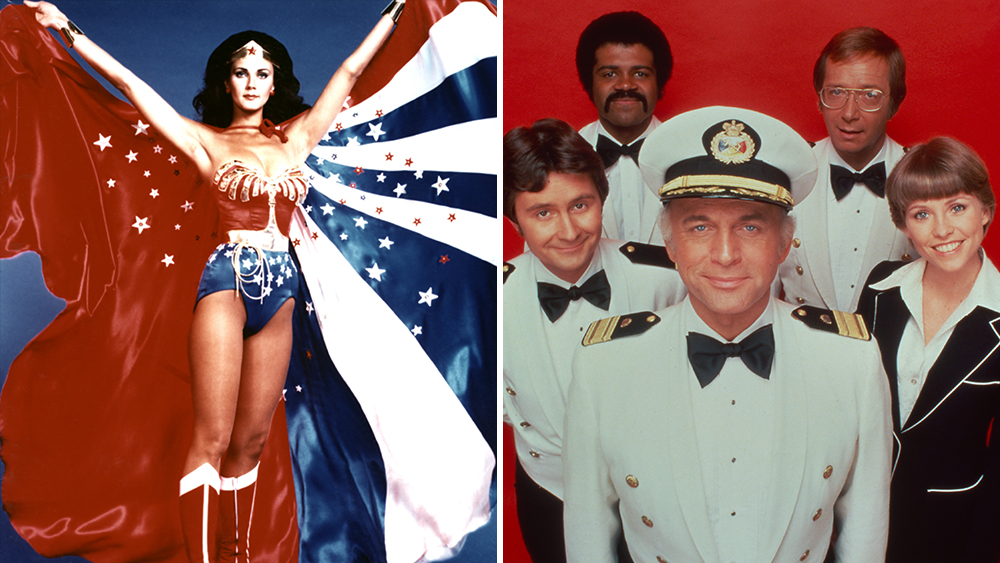
    Wilford Lloyd Baumes, a television producer recognized for his contributions to seminal 1970s and 1980s series including Wonder Woman and The Love Boat, died on July 1, 2026, at the age of 86. His passing marks the end of an era for a figure who helped define the golden age of episodic television through his production work.

    Baumes’s career spanned several decades, influencing the creation and execution of programs that became household names. His involvement with these shows ensured their quality and cultural resonance for millions of viewers.

    Early Life and Career Beginnings

    Wilford Lloyd Baumes began his journey in the television industry during a period of significant growth and innovation. Details of his early life and initial forays into media production are foundational to understanding his later successes.

    The burgeoning television landscape of the mid-20th century provided fertile ground for new talent. Baumes navigated this environment, learning the intricacies of production from the ground up.

    His early roles likely involved various aspects of television creation, building a comprehensive understanding of the craft. This foundational experience would prove crucial for his later executive responsibilities.

    The era demanded versatility and a keen eye for engaging content. Baumes developed these skills, positioning himself for more prominent roles as the industry matured.

    He established a reputation for dedication and an understanding of audience appeal. These qualities would become hallmarks of his work on some of television’s most memorable shows.

    Producing Wonder Woman (1975-1979)

    Wilford Lloyd Baumes served as a producer for the iconic Wonder Woman television series, which aired from 1975 to 1979. This show, starring Lynda Carter as the Amazonian princess Diana Prince, became a cultural phenomenon.

    The series initially debuted on ABC for its first season before moving to CBS for its subsequent two seasons. Baumes’s role was critical in managing the complex production of a superhero narrative for a primetime audience.

    Wonder Woman required intricate stunt work, special effects for its time, and a careful balance of action and character development. Baumes helped ensure these elements coalesced into a cohesive and entertaining program.

    His efforts contributed to the show’s lasting legacy, making Lynda Carter’s portrayal of Wonder Woman a definitive interpretation for generations. The series remains a touchstone of 1970s television.

    The production team, including Baumes, navigated the challenges of adapting a beloved comic book character for a mainstream audience. Their success laid groundwork for future superhero adaptations.

    The Phenomenon of The Love Boat (1977-1987)

    Another significant credit in Wilford Lloyd Baumes’s career was his role as a producer for The Love Boat. This romantic comedy-drama series premiered in 1977 and became a staple of ABC’s Saturday night lineup, running for ten seasons until 1987.

    The Love Boat depicted the comedic and romantic adventures of passengers and crew aboard a luxury cruise ship, the Pacific Princess. Baumes was instrumental in bringing this anthology-style show to air each week.

    The series was known for its rotating cast of guest stars, often prominent actors from film and television. Managing this extensive ensemble and multiple storylines presented a unique production challenge.

    Baumes’s work on The Love Boat contributed to its status as a ratings success and a cultural touchstone. The show’s theme song and format are instantly recognizable to millions.

    His production oversight helped maintain the show’s lighthearted tone and consistent quality over its long run. The Love Boat became synonymous with escapist television entertainment.

    Impact on 1970s and 1980s Television

    Wilford Lloyd Baumes’s work on Wonder Woman and The Love Boat placed him at the heart of popular television production during the 1970s and 1980s. These decades were transformative for the medium.

    He contributed to shows that captivated diverse audiences, from superhero enthusiasts to viewers seeking romantic comedy. His ability to work across genres demonstrated his versatility as a producer.

    The success of these programs helped solidify the episodic format that dominated network television. Baumes’s production skills were vital in delivering consistent content to demanding broadcast schedules.

    His influence extended to the practical aspects of television making, from budgeting and scheduling to creative decisions that shaped the final product. Producers like Baumes were the unsung heroes behind the scenes.

    The cultural footprint of shows like Wonder Woman and The Love Boat endures, largely due to the dedicated efforts of individuals like Wilford Lloyd Baumes. They crafted entertainment that resonated deeply with the viewing public.

    The Role of a Television Producer

    The role of a television producer, as exemplified by Wilford Lloyd Baumes, is multifaceted and crucial. Producers are responsible for overseeing all aspects of a show’s creation, from concept to final broadcast.

    This includes financial management, ensuring the project stays within budget. It also involves logistical coordination, such as scheduling filming and managing crew and cast.

    Creatively, producers often work closely with writers, directors, and actors to shape the narrative and artistic vision of a series. They act as a central hub, ensuring all departments work in harmony.

    Baumes’s longevity in the industry suggests a mastery of these various responsibilities. His success on high-profile shows underscores his effectiveness in this demanding role.

    A producer’s impact can often be seen in the overall quality and consistency of a television series. Baumes’s credits reflect a career dedicated to delivering engaging and memorable content.

    Legacy in Classic Television

    Wilford Lloyd Baumes leaves behind a significant legacy within the realm of classic American television. His contributions are etched into the history of programs that continue to be celebrated and rewatched.

    The enduring popularity of Wonder Woman, with its themes of empowerment and justice, speaks to the quality of its original production. Baumes played a key role in bringing this vision to life.

    Similarly, The Love Boat remains a beloved series, synonymous with feel-good entertainment and the glamour of cruise travel. Its unique format and guest star roster were expertly managed under his oversight.

    His work helped establish the benchmarks for episodic storytelling and character development in primetime television. These shows provided comfort and escape for millions of viewers across the globe.

    Baumes’s career serves as a testament to the dedication and skill required to produce successful and impactful television. His influence helped shape an entire generation’s viewing habits.

    The Enduring Appeal of Nostalgia

    The passing of figures like Wilford Lloyd Baumes often triggers a wave of nostalgia for the eras they helped define. His work is deeply embedded in the collective memory of those who grew up watching 1970s and 1980s television.

    Shows like Wonder Woman and The Love Boat offered a particular brand of entertainment. They provided escapism and often explored themes of heroism, romance, and human connection in accessible ways.

    This nostalgic appeal ensures that Baumes’s work continues to be relevant. Reruns, streaming services, and fan communities keep these classic series alive for new and old audiences alike.

    The ability of these shows to transport viewers back to a simpler time is a powerful aspect of their enduring charm. Baumes was a key architect of this televised comfort.

    His passing reminds audiences of the creators behind the magic. It prompts reflection on the impact these programs had on their lives and the broader cultural landscape.

    The Evolution of Television Production

    Wilford Lloyd Baumes’s career spanned a period of significant evolution in television production. From the network-dominated era to the early days of cable, he witnessed and adapted to changes.

    The methods and technologies used in television production have transformed dramatically since his early days. Yet, the core principles of storytelling and audience engagement remain constant.

    Producers like Baumes were foundational in developing the practices that still influence modern television. Their experience laid the groundwork for today’s complex productions.

    His ability to consistently deliver high-quality content across different series speaks to his adaptability and understanding of the medium’s demands. Television production is a constantly moving target.

    The legacy of producers from this era, including Baumes, continues to inform contemporary approaches to episodic storytelling and show management. Their contributions are fundamental.

    Wilford Lloyd Baumes was a craftsman. A storyteller. A manager. A producer. An architect of televised dreams.

  • John Oliver Joins ‘General Hospital’ – A Surprising Daytime Drama Crossover

    John Oliver Joins ‘General Hospital’ – A Surprising Daytime Drama Crossover

    John Oliver, the sharp-witted host of HBO’s Emmy-winning series “Last Week Tonight with John Oliver,” is confirmed to make a guest appearance on the ABC daytime drama ‘General Hospital.’ This announcement, reported by Variety on June 29, 2026, signals an unexpected cross-genre role for the British comedian, known primarily for his investigative comedy and political commentary.

    While the exact nature of his role remains a closely guarded secret, industry speculation suggests Oliver’s involvement could range from a brief, impactful cameo to a more extended, multi-episode arc. This casting decision places Oliver within the fictional Port Charles, a setting long famous for its intricate storylines and dramatic narratives since 1963.

    The Unlikeliest of Crossovers: Satire Meets Soap

    The report from Variety confirmed Oliver’s participation, sending ripples through both late-night and daytime television fan bases. ‘General Hospital’ has a storied history of celebrity guest appearances, often leveraging star power for special events or brief, memorable roles. Oliver’s presence, however, represents a particularly unique blend of comedic intellect and serialized drama.

    Oliver’s Departure from Political Commentary

    Oliver’s “Last Week Tonight” is recognized for its in-depth comedic analysis of current events, politics, and social issues. His transition to a scripted dramatic role on ‘General Hospital’ represents a significant departure from his usual satirical format. This move has generated considerable discussion regarding the potential for humor, drama, or even a meta-commentary within the soap opera’s established universe.

    As of June 29, 2026, details regarding Oliver’s character, his storyline integration, and specific air dates remain publicly undisclosed. This information is expected to emerge as production progresses and ABC finalizes broadcast schedules.

    ‘General Hospital’ and its History of Star Power

    ‘General Hospital’ is currently in its 63rd season, making it the longest-running American soap opera in production. Over its decades on air, the series has hosted numerous notable personalities. These appearances often generate significant buzz, drawing new viewers to the long-running program and delighting existing fans.

    Past celebrity cameos have included figures from music, film, and other television genres. Oliver’s appearance continues this tradition, yet his distinct persona as a political satirist adds an unprecedented layer of intrigue to the show’s upcoming narratives. This unexpected casting choice underscores the show’s continued cultural relevance and its willingness to embrace unconventional collaborations.

    Anticipation Builds for Oliver’s Port Charles Debut

    The announcement has generated considerable interest across social media platforms and entertainment news outlets. Fans of both “Last Week Tonight” and ‘General Hospital’ are awaiting further updates on this surprising collaboration. The production team at ‘General Hospital’ and representatives for John Oliver have not yet released further statements beyond the initial confirmation.

    Industry observers suggest that the role could provide a moment of comedic relief, a dramatic twist, or even a subtle nod to Oliver’s real-world persona. The lack of specific details only fuels further speculation about how the host of a critically acclaimed news satire program will integrate into the melodrama of Port Charles.

    Comedy. Drama. Unexpected.

  • Jennifer Bassey of ‘All My Children’ Faces Health Crisis, Seeks Aid

    Jennifer Bassey of ‘All My Children’ Faces Health Crisis, Seeks Aid

    Jennifer Bassey’s Health Battle and Public Appeal

    Jennifer Bassey, a veteran actress widely recognized for her role as Marian Colby on the long-running ABC soap opera ‘All My Children’, has publicly revealed a serious health issue. Bassey, 81, has initiated an appeal for financial assistance to help manage the substantial costs associated with her undisclosed medical condition and ongoing living expenses. The call for support underscores the financial precarity that can affect even established actors, particularly after decades in the demanding entertainment industry.

    The announcement of Bassey’s health struggles circulated on June 23, 2026, drawing immediate attention from her loyal fanbase and the wider daytime television community. Bassey’s career spans over five decades, with her most iconic role being the socialite Marian Colby, a character she portrayed intermittently from 1983 until the show’s cancellation in 2011, and briefly in its 2013 online revival.

    Who is Jennifer Bassey? A Career in Daytime Drama

    Jennifer Bassey was born in Chicago, Illinois, on July 22, 1942. Her acting career began in the late 1960s, with early roles in television series such as ‘Love Is a Many Splendored Thing’ and ‘The Doctors’. She also appeared in various stage productions before finding her signature role in daytime television.

    Bassey joined the cast of ‘All My Children’ in 1983 as Marian Colby, the snobbish, often comedic, and always dramatic mother of Liza Colby. Her character was known for her sharp wit, complicated relationships, and frequent escapades. Bassey’s performance earned her a Daytime Emmy Award nomination for Outstanding Supporting Actress in a Drama Series in 1999.

    Beyond ‘All My Children’, Bassey has made guest appearances on numerous primetime television shows, including ‘L.A. Law’, ‘Grey’s Anatomy’, and ‘Law & Order’. She has also appeared in films such as ‘The Anniversary Party’ (2001) and ’27 Dresses’ (2008). Her extensive career highlights her dedication to acting across multiple genres and platforms.

    The Role of Marian Colby and ‘All My Children’s’ Legacy

    ‘All My Children’ premiered on January 5, 1970, on ABC, created by Agnes Nixon. The series was set in the fictional suburban town of Pine Valley, Pennsylvania, and explored complex social issues alongside traditional soap opera narratives. It became a cultural touchstone, known for its progressive storylines and enduring characters.

    Marian Colby, as portrayed by Bassey, was integral to many key storylines. Her character’s tumultuous relationships, including her on-again, off-again romance with Tad Martin, provided both comedic relief and dramatic tension. Bassey’s ability to imbue Marian with both vulnerability and strength made her a fan favorite, even when her character was at her most conniving.

    The show’s final broadcast on ABC was on September 23, 2011, after 41 years on the air. A brief online revival produced by Prospect Park aired in 2013, with Bassey reprising her role. The cancellation of ‘All My Children’, like other long-running daytime dramas, marked a significant shift in the television landscape, impacting the careers and financial stability of many actors who had found long-term employment on the series.

    The Financial Realities for Veteran Actors

    The entertainment industry, particularly for actors, can be characterized by periods of high income interspersed with significant gaps in employment. Even for established performers like Jennifer Bassey, a steady income stream is not guaranteed after a long-running show concludes. Residuals from past work can diminish over time, and securing new, consistent roles becomes more challenging with age.

    Health insurance and retirement planning are often complex for actors. Many rely on union-sponsored plans, which require a certain number of workdays or earnings to maintain eligibility. A reduction in acting roles can lead to lapses in coverage or increased out-of-pocket expenses for premiums and medical care.

    The costs of living in major entertainment hubs like Los Angeles or New York City are substantial. For older actors, maintaining a comfortable standard of living while facing reduced income and potentially rising healthcare costs can become a significant financial burden. Bassey’s public appeal highlights these underlying economic realities that often go unseen by the public.

    Details of the Undisclosed Health Issue

    Jennifer Bassey has chosen to keep the specific details of her medical condition private. This decision is common among public figures who wish to maintain a degree of dignity and control over their personal narrative during a vulnerable time. The term “health issue” is broad, encompassing a spectrum of conditions from chronic illnesses requiring long-term management to acute, life-threatening diagnoses.

    The urgency of her financial appeal suggests a condition that is either severely debilitating, requires expensive treatments not fully covered by insurance, or has led to a significant loss of income due to inability to work. Medical expenses in the United States are among the highest globally. Even with insurance, deductibles, co-pays, and out-of-network costs can rapidly accumulate, leading to financial hardship for many individuals and families.

    The privacy surrounding the diagnosis should not diminish the gravity of the situation. Instead, it emphasizes the personal nature of health struggles and the actress’s right to control the dissemination of her private medical information, even as she seeks public support for its financial ramifications.

    The Mechanism of the Financial Appeal

    Jennifer Bassey’s appeal for financial assistance has been disseminated through various channels, including social media and reports from entertainment news outlets. While specific details on the platform, such as a GoFundMe page, have not been widely publicized, the public nature of the request indicates a need to reach a broad audience.

    Crowdfunding platforms have become a prevalent method for individuals to raise funds for medical emergencies, living expenses, and other critical needs. These campaigns often rely on personal testimonials, updates from trusted sources, and widespread sharing within social networks to gain traction. The emotional connection fans have with actors often translates into direct financial contributions in such situations.

    Additionally, organizations like The Actors Fund (now Entertainment Community Fund) provide a crucial safety net for performing arts and entertainment professionals. These organizations offer a range of services, including emergency financial assistance, health insurance counseling, and support for housing and career development. It is common for actors facing health crises to seek assistance from both public appeals and industry-specific benevolent funds.

    Fan Response and Industry Support

    The news of Jennifer Bassey’s health crisis has elicited a significant outpouring of support from her dedicated fanbase and former colleagues. ‘All My Children’ maintained a highly loyal viewership throughout its decades-long run, and many fans continue to follow the careers and personal lives of its stars. Social media platforms, particularly X (formerly Twitter) and Facebook, have become central to this community response.

    Messages of encouragement, prayers, and pledges of financial support have been shared widely. This collective goodwill demonstrates the deep emotional connection viewers form with characters and the actors who bring them to life. The longevity of ‘All My Children’ fostered a sense of extended family among its cast and audience, leading to a strong desire to assist one of their own in a time of need.

    Former cast members and industry peers have also voiced their support, amplifying Bassey’s appeal and encouraging their own followers to contribute. This network of solidarity within the entertainment industry often mobilizes quickly when a member faces hardship, showcasing the tight-knit nature of the community despite its competitive facade.

    Life After Pine Valley: Challenges and Transitions

    For many actors, leaving a long-running soap opera like ‘All My Children’ presents unique challenges. While it can open doors to new opportunities, it also means stepping away from a stable, albeit demanding, work environment. The transition often involves navigating a less predictable income stream, adapting to new audition processes, and sometimes battling typecasting from a signature role.

    Actors like Bassey, who spent decades embodying a single character, can find it difficult to secure roles that showcase their versatility outside of the soap opera genre. The financial security provided by a steady contract on a hit show can evaporate, making long-term financial planning and unexpected crises, such as a serious health issue, particularly challenging to manage.

    The public’s perception of actors often does not reflect their financial realities. While some achieve immense wealth, many working actors, even those with long and distinguished careers, operate without the extensive financial cushions that might be assumed. Bassey’s situation serves as a stark reminder of these realities within the entertainment profession.

    Fans gathered. Colleagues rallied. Support flowed.

    Hope.

  • Marcy Walker, ‘All My Children’ Alum, Faces Health Battle – Fundraiser Launched

    Marcy Walker, ‘All My Children’ Alum, Faces Health Battle – Fundraiser Launched

    Marcy Walker, the actress widely recognized for her portrayal of Liza Colby on the long-running ABC soap opera ‘All My Children,’ is currently facing an undisclosed ongoing health issue. This development has led to the establishment of a public fundraiser designed to provide financial support as she navigates her health challenges.

    The news has prompted an outpouring of concern from fans and the entertainment community. Walker’s career spans decades, making her a familiar face to millions of daytime television viewers. The fundraiser aims to alleviate the financial burden associated with her medical care and living expenses during this difficult time.

    Marcy Walker’s Career: A Legacy in Daytime Television

    Marcy Walker established a prominent career in daytime drama, becoming a household name through her iconic roles. Her most notable part was Liza Colby on ‘All My Children.’ She first joined the cast in 1981.

    Walker’s portrayal of Liza Colby earned her critical acclaim. The character was known for her complex storylines, often involving intricate relationships and dramatic confrontations. Walker departed the series in 1984 but returned for multiple stints.

    Key Roles and Accolades

    Beyond ‘All My Children,’ Walker also starred as Eden Capwell on NBC’s ‘Santa Barbara.’ She originated the role in 1984, remaining with the show until 1991. This role further solidified her status as a leading actress in daytime television.

    Her work on ‘Santa Barbara’ was also highly regarded. She received a Daytime Emmy Award for Outstanding Lead Actress in a Drama Series in 1989 for her performance as Eden Capwell. This award recognized her significant contributions to the genre.

    Walker later returned to ‘All My Children’ in 1995. She continued with the series until 2005. Her final appearance on the show was in 2005, concluding a long tenure with the production.

    Other notable roles included appearances on ‘Guiding Light’ and ‘The Young and the Restless.’ These roles further demonstrated her versatility and enduring presence in the soap opera landscape. Her career showcased a consistent ability to engage audiences with compelling performances.

    The Nature of the Ongoing Health Issue

    The specific details surrounding Marcy Walker’s current health issue have not been publicly disclosed. The announcement of the fundraiser cited an “ongoing health issue.” This phrasing suggests a condition requiring sustained attention and resources.

    Privacy surrounding health matters is common for public figures. The decision to keep the specifics private allows Walker and her family to focus on her well-being. The public appeal for support indicates the seriousness of the situation.

    The Impact on Her Life

    An “ongoing health issue” can encompass a wide range of conditions. These often require extensive medical treatment, rehabilitation, or long-term care. Such circumstances can lead to substantial financial strain, even with insurance coverage.

    The need for a fundraiser points to significant expenses. These could include medical bills, specialized treatments, necessary modifications to living arrangements, or income replacement. The entertainment industry often presents unique challenges regarding consistent income and benefits, particularly for actors no longer actively working.

    Support from fans and colleagues can provide not only financial relief but also emotional encouragement. The collective effort demonstrates community solidarity during a challenging personal time.

    The Fundraiser: A Community Response

    The fundraiser for Marcy Walker was initiated to address the financial needs arising from her health situation. Details regarding the platform and specific goals of the fundraiser have been disseminated through various channels. This includes social media and entertainment news outlets.

    The initiative reflects a common response within the entertainment community. When a beloved figure faces hardship, fans and peers often mobilize to offer assistance. This collective action highlights the strong bonds formed between performers and their audiences over decades.

    How the Fundraiser Works

    Fundraisers for medical expenses typically operate through online crowdfunding platforms. These platforms allow individuals to contribute varying amounts. All contributions directly support the stated cause.

    Organizers often provide updates on the progress of the fundraiser. They may also share general information about the recipient’s condition, with respect for privacy. The goal is to reach a specific financial target to cover anticipated costs.

    The funds raised are intended to cover a range of expenses. These include medical treatments, prescription medications, specialist consultations, and daily living costs. Such support can significantly alleviate stress during a health crisis.

    Daytime Stars and Health Battles

    Marcy Walker’s situation is not unique among figures in the entertainment industry. Many actors, particularly those from long-running daytime series, have faced significant health challenges. These challenges often lead to public appeals for support.

    The demanding schedules of daily television production can take a toll over time. The nature of the work often requires intense commitment. This can sometimes impact long-term health.

    Past Instances of Support

    Other soap opera veterans have also been the beneficiaries of similar community efforts. These instances underscore the close-knit nature of the daytime television world. They also highlight the loyalty of its fan base.

    For example, actors like Jerry Douglas from ‘The Young and the Restless’ and John Reilly from ‘General Hospital’ have received public support during health struggles. These campaigns often bring together colleagues who have worked together for years.

    The collective memory of these actors’ performances creates a strong incentive for fans to contribute. Their characters became part of daily life for many viewers. This fosters a sense of personal connection and empathy.

    The Enduring Legacy of ‘All My Children’

    ‘All My Children’ remains one of the most iconic soap operas in television history. It debuted in 1970 and ran for over 40 years, concluding its network run in 2011. The series was known for its groundbreaking storylines and memorable characters.

    Marcy Walker’s character, Liza Colby, was central to many of these narratives. Liza’s journey from a rebellious teenager to a complex adult resonated with audiences. Her relationships with characters like Tad Martin and Adam Chandler were cornerstones of the show.

    Impact on Viewers

    The longevity of ‘All My Children’ created a dedicated fan base. Viewers followed the lives of Pine Valley residents for decades. The show explored social issues alongside its dramatic plots.

    Actors like Walker became integral to the fabric of daytime television. Their performances helped shape the genre. The emotional investment viewers made in these characters often translates into real-world support when actors face personal hardships.

    The show’s influence extended beyond its broadcast run. Repeats and streaming services continue to introduce new generations to its stories. The legacy of ‘All My Children’ and its stars persists.

    The Importance of Community Support

    The fundraiser for Marcy Walker underscores the critical role of community support during health crises. For public figures, this support often comes from both professional colleagues and a broad fan base. The collective effort can make a substantial difference in an individual’s ability to manage their condition.

    Financial contributions are often paramount. They cover immediate and long-term medical costs. Emotional support also plays a vital role in recovery and well-being. Messages of encouragement and solidarity provide comfort during difficult times.

    Beyond Financial Aid

    Community support extends beyond monetary donations. It includes raising awareness, sharing information, and coordinating non-financial assistance. This can involve organizing care, providing meals, or offering companionship.

    For actors who have given years to their craft, this reciprocal support can be particularly meaningful. It demonstrates that their work and their presence are valued. It reaffirms the connection between performer and audience.

    The entertainment industry has a history of rallying around its members. This reflects a shared understanding of the unique challenges faced by those in the profession. The current effort for Marcy Walker continues this tradition of care.

    Friends gathered. Colleagues gathered. Fans gathered. Support.