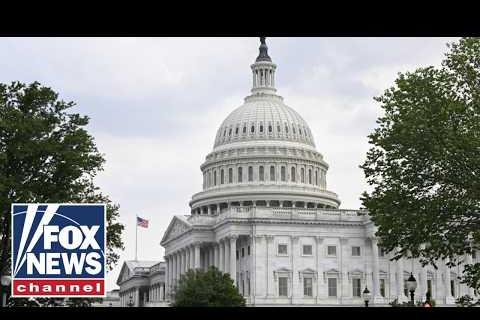
A press conference regarding the protection of women’s sports convened today, Wednesday, September 23, 2026, at the U.S. Capitol Building. The event, held at the Senate Swamp, featured prominent senators, athletes, and advocates. It followed a Senate Judiciary Committee hearing titled “Standing Up for Women in Sports: Ensuring Opportunity, Fairness and Safety for Female Athletes.”
The press conference addressed concerns about competitive equity and safety in female athletic competitions. Speakers articulated positions supporting policies that maintain biological distinctions in sports categories. The gathering aimed to amplify voices advocating for what they describe as traditional women’s sports.
Key Voices at the Capitol
Senator Marsha Blackburn (R-Tenn.) and Florida Attorney General Ashley Moody (R-Fla.) led the press conference. Both senators have been vocal on issues related to gender and sports. Their participation underscored the political dimension of the ongoing debate.
Other notable participants included a range of athletes and advocates. Riley Gaines, a former collegiate swimmer, was among those present. Marshi Smith and Kim Jones also spoke, sharing perspectives from their experiences in sports. Carly Smolak, Briley Lechner, and Lainey Armistead contributed to the discussion.
Advocates such as Jeff Moravec, Matt Sharp, Kendall Kotzmacher, and Angie Griffin also participated. Their presence highlighted the broad coalition involved in the movement. The event was livestreamed across social media platforms, including X and Facebook, making it accessible to a wider audience.
The Senate Judiciary Committee Hearing
The press conference directly followed a Senate Judiciary Committee hearing. This hearing, titled “Standing Up for Women in Sports: Ensuring Opportunity, Fairness and Safety for Female Athletes,” provided a formal platform for discussion. The committee examined various aspects of the issue, including legal frameworks and athletic policies.
The Senate Judiciary Committee is a standing committee of the U.S. Senate. It has jurisdiction over matters relating to federal courts, judicial nominations, and constitutional amendments. Its involvement signals the legal and constitutional implications being considered in this debate.
Legislative Landscape in the 119th Congress
The current political climate in the 119th United States Congress shapes these discussions. As of July 2026, the Senate comprises 53 Republican senators, 45 Democratic senators, and two independent senators. This composition influences the legislative priorities and the potential for bills related to sports policy.
Senator Shelley Moore Capito (R-W.Va.) serves as the chairman of the Senate Republican Policy Committee (RPC). This committee plays a role in shaping the legislative agenda for Republican senators. Senator Maria Cantwell (D-WA) is the ranking member of the Senate Committee on Commerce, Science, and Transportation, which also has oversight over sports-related matters.
Related: Trump’s White House Ban on CNN, MS NOW, Politico Faces First Amendment Challenge
The press conference and the preceding hearing reflect an ongoing national conversation. This conversation involves balancing athletic inclusion with competitive fairness. Policy proposals often seek to define eligibility criteria for sports participation, particularly in categories designated for women.
Broader Implications for Sports and Society
The debate over women’s sports extends beyond legislative chambers. It impacts athletic organizations, educational institutions, and individual athletes. The outcomes of these discussions could influence future sports policies at both state and national levels.
Advocates for protecting women’s sports often cite Title IX, a federal civil rights law. Title IX prohibits sex-based discrimination in any education program or activity receiving federal financial assistance. Interpretations of Title IX are central to many arguments in this debate.
The press conference served as a public declaration of intent from a segment of lawmakers and activists. It aimed to galvanize support for specific legislative actions. The event underscored the cultural and political significance of defining categories in competitive sports.
Senators spoke. Athletes spoke. Advocates spoke. The Capitol listened.
Sources
Brands that want to grow their audience can work with 1889 Advertising.