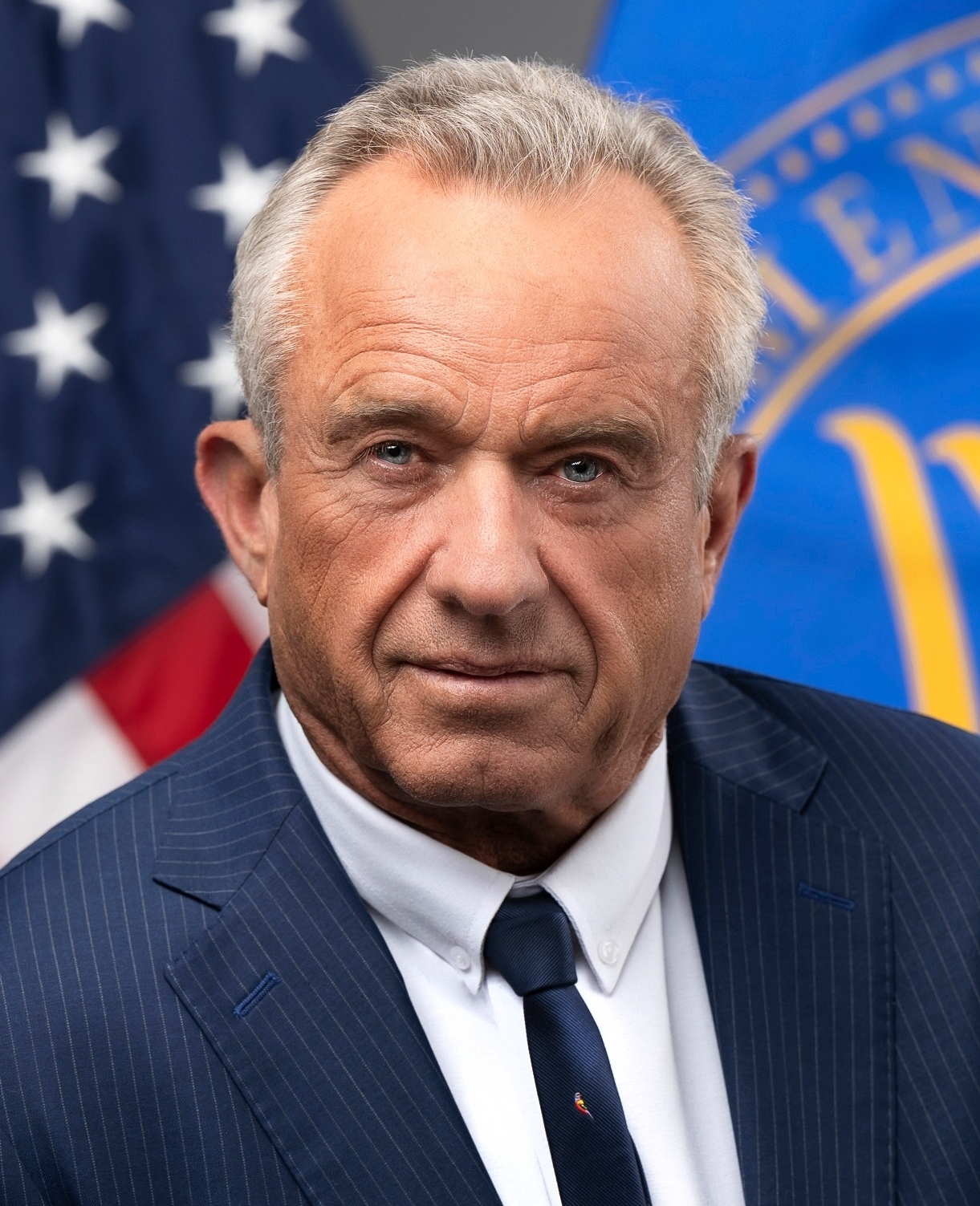
Robert F. Kennedy Jr. sat across from CNN anchor Dana Bash on August 1, 2026.
The result was exactly what observers expected.
A heated, confrontational exchange over vaccines, COVID-19 policy, and autism.
The Questions Dana Bash Asked
Bash opened with Kennedy’s most controversial claim: that childhood vaccines cause autism.
She cited the 1998 Andrew Wakefield study, later retracted by The Lancet, and the decades of follow-up research finding no causal link.
Kennedy did not back down.
He argued that government agencies and pharmaceutical companies suppressed data showing vaccine injury patterns. He pointed to the Vaccine Injury Compensation Program as evidence the government acknowledges harm. He cited studies he claims show correlations between vaccine schedules and neurodevelopmental disorders.
Bash pressed him on the scientific consensus.
Kennedy dismissed consensus as industry capture.
The COVID Vaccine Segment
The second half of the interview turned to COVID-19 vaccines.
Bash asked Kennedy whether he regretted his public opposition to the mRNA vaccines developed by Pfizer and Moderna in 2020 and 2021.
Kennedy said no.
He argued the vaccines were rushed through approval without long-term safety data. He claimed myocarditis and pericarditis cases among young men were underreported. He questioned the necessity of vaccinating children and adolescents given their low COVID mortality risk.
Bash countered with CDC data showing the vaccines prevented millions of hospitalizations and deaths.
Kennedy called the CDC data incomplete and accused the agency of ignoring adverse event reports filed with the Vaccine Adverse Event Reporting System.
The exchange became visibly tense.
Why Conservatives Shared the Interview
Within hours of the interview airing, conservative social media accounts began circulating clips.
The framing was consistent: RFK Jr. stood his ground against a hostile mainstream media anchor trying to discredit him.
For audiences skeptical of pharmaceutical industry influence, Kennedy’s refusal to concede represented courage.
For audiences frustrated by pandemic-era mandates, Kennedy’s COVID vaccine critique validated their own experiences and concerns.
The interview became a cultural artifact.
Not a debate about scientific evidence.
A symbolic confrontation between institutional authority and populist dissent.
Kennedy’s History on Vaccines
Robert F. Kennedy Jr. has been a vocal vaccine critic since at least 2005, when he published an article in Rolling Stone and Salon alleging a government cover-up linking thimerosal (a mercury-based preservative) to autism.
Both publications later retracted or amended the piece.
Kennedy founded Children’s Health Defense, an organization focused on vaccine safety advocacy, in 2016.
The group has funded legal challenges to vaccine mandates and published reports questioning vaccine efficacy and safety.
During the COVID-19 pandemic, Kennedy became one of the most prominent voices opposing vaccine mandates, mask requirements, and lockdown policies.
His book The Real Anthony Fauci, published in November 2021, became a bestseller among audiences distrustful of public health institutions.
The book accused Dr. Anthony Fauci and the National Institutes of Health of corruption, suppression of early treatment options, and collusion with pharmaceutical companies.
The Science Kennedy Disputes
Multiple large-scale studies have examined the vaccine-autism hypothesis.
A 2019 Danish study published in the Annals of Internal Medicine tracked 657,461 children and found no association between the MMR vaccine and autism.
A 2014 meta-analysis in Vaccine reviewed 1.2 million children across five cohort studies and five case-control studies. No link.
The CDC, the American Academy of Pediatrics, and the World Health Organization all state that vaccines do not cause autism.
Kennedy disputes these conclusions.
He argues that studies are designed to obscure signals, that conflicts of interest taint peer review, and that vaccine-injured children are ignored by the medical establishment.
His critics call this conspiracy thinking.
His supporters call it independent research.
The Partisan Realignment
Robert F. Kennedy Jr. is a Democrat.
His father, Robert F. Kennedy, served as U.S. Attorney General and ran for president in 1968.
His uncle, John F. Kennedy, was the 35th president of the United States.
Yet by August 2026, Kennedy’s most enthusiastic defenders are conservative.
The realignment is not accidental.
Vaccine skepticism, once a politically diverse phenomenon including both crunchy left-wing parents and libertarian homeschoolers, became heavily partisan during COVID-19.
Resistance to mandates became coded right-wing.
Support for public health authority became coded left-wing.
Kennedy found himself on the conservative side of that divide, even as his environmental record and opposition to corporate power remain traditionally progressive.
What Bash Represented
To Kennedy’s conservative audience, Dana Bash represented legacy media gatekeeping.
CNN. Cable news. The establishment.
Her questions were framed as attempts to trap, discredit, and silence.
Her reliance on expert consensus was framed as deference to authority rather than critical inquiry.
This framing is strategic.
It positions Kennedy as the underdog.
It positions Bash as the enforcer.
It transforms a fact-based debate into a moral narrative.
The August 1 Context
The interview aired on August 1, 2026, a date that matters.
Summer 2026 is a midterm election year.
Kennedy has not declared a presidential run for 2028, but speculation is constant.
His name recognition is high. His donor base is energized. His crossover appeal among anti-establishment voters is real.
An appearance on CNN, with a confrontational anchor, gives Kennedy the exact optics his base craves.
He is not convincing Dana Bash.
He is performing for the audience that already believes him.
The interview is not persuasion.
It is confirmation.
The Autism Question That Will Not Die
The vaccine-autism hypothesis has been investigated more thoroughly than almost any other public health question.
It has been tested in cohort studies, case-control studies, sibling studies, and ecological analyses.
It has been tested across countries, across decades, across vaccine formulations.
Every credible study has found the same result: no causal link.
Yet the question persists.
Parents see their children regress around the time of routine vaccinations and conclude causation.
Advocates like Kennedy amplify those stories and question the integrity of the science that disagrees.
The debate has become unfalsifiable.
To Kennedy’s critics, no amount of evidence will satisfy him.
To Kennedy’s supporters, no amount of industry-funded research will be trusted.
The gap is epistemological.
What Happens Next
The interview will circulate for weeks.
Clips will appear on Facebook, YouTube Shorts, Instagram Reels, TikTok.
Each share will carry a caption framing Kennedy as brave, Bash as biased, and the media as corrupt.
Mainstream health organizations will continue to issue statements reaffirming vaccine safety.
Kennedy will continue to speak at conferences, write books, and build his platform.
The partisan divide over vaccines will deepen.
Because in August 2026, the debate is no longer about the science.
It is about who gets to decide what counts as truth.
Who gets to speak.
Who gets silenced.
CNN studios. Dana Bash. Robert F. Kennedy Jr.
August 1.
Frequently Asked Questions
What did RFK Jr. say about vaccines and autism in the Dana Bash interview?
Robert F. Kennedy Jr. defended his claim that vaccines cause autism during his August 1, 2026, interview with CNN’s Dana Bash. He argued that government agencies and pharmaceutical companies suppress data showing vaccine injury patterns and pointed to studies he believes show correlations between vaccine schedules and neurodevelopmental disorders, despite the scientific consensus rejecting any causal link.
Why are conservatives sharing the RFK Jr. and Dana Bash interview?
Conservative audiences view the interview as an example of mainstream media hostility toward vaccine skepticism and health freedom advocates. They frame Kennedy as standing his ground against a hostile CNN anchor, positioning the exchange as a symbolic confrontation between institutional authority and populist dissent rather than a scientific debate.
What is the scientific consensus on vaccines and autism?
Multiple large-scale studies, including a 2019 Danish study of 657,461 children and a 2014 meta-analysis covering 1.2 million children, have found no association between vaccines and autism. The CDC, American Academy of Pediatrics, and World Health Organization all state that vaccines do not cause autism. The original 1998 Wakefield study claiming a link was retracted by The Lancet.
What is Robert F. Kennedy Jr.’s background on vaccine criticism?
Kennedy has been a vocal vaccine critic since at least 2005, when he published an article alleging a government cover-up linking thimerosal to autism. He founded Children’s Health Defense in 2016 and became a prominent voice opposing COVID-19 vaccine mandates. His 2021 book The Real Anthony Fauci became a bestseller among audiences distrustful of public health institutions.
When did the RFK Jr. and Dana Bash interview take place?
The interview aired on CNN on August 1, 2026, during a midterm election year and amid ongoing speculation about Kennedy’s potential presidential run in 2028. The timing gave Kennedy a high-profile platform to perform for his anti-establishment base while appearing to challenge mainstream media narratives.
Leave a Reply