
America‘s long-standing faith in innovation is undergoing a significant reevaluation. Recent data indicates a growing skepticism among the public regarding whether technological and creative advancements genuinely improve daily life or address pressing societal concerns. This shift challenges the traditional narrative of progress and highlights a disconnect between the pace of innovation and its perceived benefits for the average citizen.
In many ways, this reexamination reflects a broader cultural defense against the rapid, sometimes disruptive, changes brought about by new technologies. The focus is moving from simply celebrating new inventions to scrutinizing their tangible impact on communities, job markets, and social equity.
Public Sentiment: A Disconnect in Perceived Progress
A recent PMI U.S./Harris Poll revealed that nearly eight in ten Americans believe the nation innovates in the wrong areas. This sentiment suggests a significant disconnect between the types of innovation being pursued and the public’s desire for solutions to everyday problems. The research indicates a strong preference for innovation that creates jobs, offers tangible community benefits, and directly improves quality of life, rather than focusing solely on abstract technological breakthroughs.
This skepticism extends to the perceived benefits of innovation. Many Americans do not feel that current innovations are making their daily lives better. This challenges the long-held assumption that more innovation automatically equates to societal improvement, prompting a deeper look into the qualitative aspects of progress.
The Argument Against Unchecked Creativity
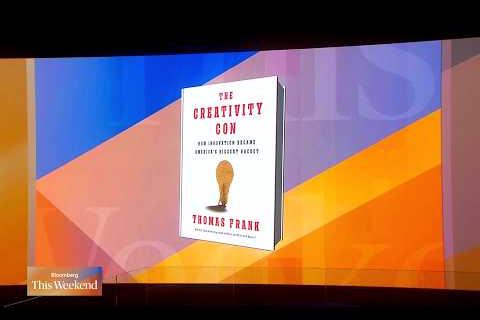
Author Thomas Frank, in his forthcoming book “The Creativity Con,” argues that America’s fervent celebration of creativity and innovation has inadvertently contributed to rising inequality and the decline of the manufacturing sector. Frank’s thesis suggests that an overemphasis on abstract innovation can divert resources and attention from foundational industries and the working class, leading to economic disparities.
This perspective posits that the narrative of innovation as a universal good may mask underlying economic and social costs. It encourages a critical examination of who benefits most from current innovation trends and who might be left behind.
Cultural Integration and Technological Change
The interaction between technological development and cultural evolution is becoming increasingly complex. A policy brief by KT4D emphasizes the importance of examining culture to understand societal responses to advancements like Artificial Intelligence (AI). This approach advocates for integrating cultural considerations directly into regulatory frameworks for new technologies, ensuring that development aligns with societal values and norms.
Further research by RAND Europe and Frazer Nash Consulting for UK Defence explored how technological developments might shape culture between 2035 and 2050. The study highlighted that the rapid pace of innovation and technology adoption can lead to significant cultural shifts, making it challenging for social institutions to absorb and adapt to these changes effectively. This can result in cultural friction and resistance as societies grapple with new paradigms.
Optimism Amidst Skepticism: The Role of Government
Despite the growing skepticism about innovation’s immediate benefits, a significant portion of the American public remains optimistic about American-led innovation in specific sectors. A Ronald Reagan Institute’s Reagan National Economic Survey found that 65% of registered voters are optimistic about advancements in medicine, energy, and artificial intelligence. This suggests that while there is concern about the direction of innovation, there is still hope for its potential in critical fields.
However, the same survey also revealed public skepticism regarding the government’s ability to solve national issues. There is a prevailing belief that it should be easier to build things in America, indicating a desire for more streamlined processes and less bureaucratic hindrance to practical, impactful development. This points to a public yearning for tangible progress and efficient implementation, rather than just abstract technological breakthroughs.
Related: Zelenskyy Confirms US Intelligence Sharing Restored After Suspension
The public is questioning. The public is evaluating. The public is demanding. A new direction.
Sources
Frequently asked questions
Are Americans still optimistic about innovation?
While many Americans are skeptical about innovation's current impact on daily life, a Ronald Reagan Institute survey found 65% remain optimistic about American-led innovation in specific fields like medicine, energy, and AI. This suggests a nuanced view where the public sees potential but desires more relevant applications.
Why do some people believe innovation is causing inequality?
Author Thomas Frank argues in "The Creativity Con" that America's intense focus on creativity and innovation has contributed to economic inequality and the decline of manufacturing. This perspective suggests that prioritizing abstract innovation can divert resources from foundational industries and exacerbate economic disparities among different segments of the population.
How does culture influence the adoption of new technologies?
Culture plays a significant role in how societies respond to and integrate new technologies. Studies by KT4D and RAND Europe indicate that rapid technological change can lead to cultural shifts and friction, as social institutions struggle to adapt. A culture-centric approach is advocated for regulatory frameworks to ensure technological development aligns with societal values.
What areas of innovation do Americans want to see more focus on?
According to a PMI U.S./Harris Poll, Americans desire innovation that solves everyday problems, creates jobs, and offers tangible community benefits. There is a strong preference for practical applications that directly improve quality of life, rather than innovations perceived as disconnected from daily needs.
Sponsored · Put your business in front of ByteSize Network's readers, with every click measured. See advertising packages · Advertise on ByteSize Network