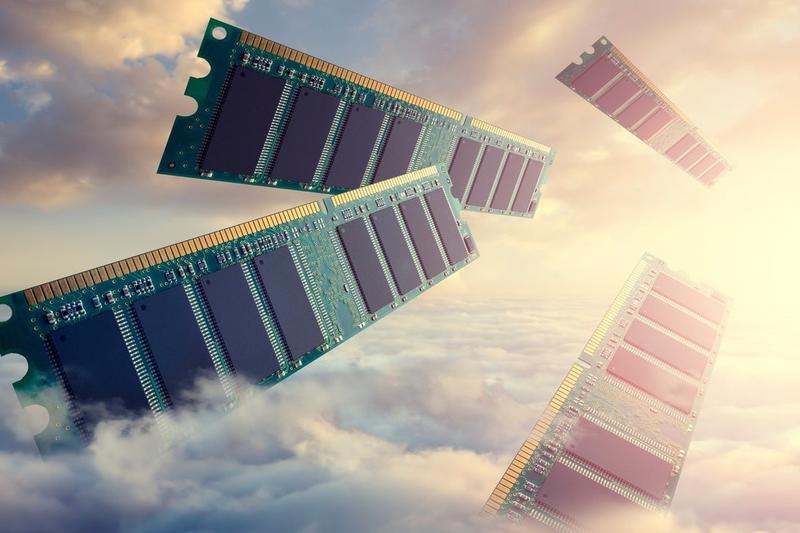
The cost of computer memory, specifically DDR5 RAM, has experienced a dramatic increase throughout 2025 and 2026. This surge is primarily driven by major memory manufacturers reallocating production capacity towards high-bandwidth memory (HBM) for artificial intelligence (AI) accelerators, which offer higher profit margins. The shift has created a significant supply shortage for consumer-grade DRAM, leading to substantial price hikes across the market.
A 2x16GB DDR5-4800 kit, which cost approximately $90 in August 2025, rose to about $425 by August 2026. This represents a 372% increase within a single year. Similarly, some 32GB DDR5-6000 kits that were priced under $90 in early 2025 were selling for around $529 by late 2025 into 2026. As of October 2026, a 32GB (2x16GB) DDR5 memory kit starts at $350, if available, compared to $100-$200 just a year prior in October 2025.
The AI Boom’s Impact on Memory Production
The burgeoning demand for AI accelerators has fundamentally reshaped the memory market. Companies like Samsung, SK Hynix, and Micron, key players in DRAM manufacturing, have prioritized the production of HBM. HBM is crucial for powering advanced AI models and data centers, where performance and efficiency are paramount. This strategic pivot, while lucrative for manufacturers, has directly impacted the availability and pricing of conventional consumer RAM.
The reallocation of resources means fewer production lines are dedicated to standard DDR5 and DDR4 modules. This reduction in supply comes at a time when demand for gaming PCs, laptops, and other consumer electronics remains robust. The imbalance between reduced supply and steady demand is the primary driver behind the current ‘RAMageddon’.
Strategies for Consumers and Businesses
Navigating the current memory market requires careful consideration and strategic planning. Both individual consumers and large enterprises must adapt to the new pricing realities.
Assess Current Needs and Future Upgrades
Before making any purchase, evaluate the actual memory requirements. For many users, existing DDR4 systems may still offer sufficient performance. Upgrading to DDR5, while offering performance benefits, comes at a significantly higher cost. Consider if the performance gain justifies the investment, especially given the current market conditions. For businesses, a thorough audit of server and workstation memory needs can prevent overspending on unnecessary upgrades. More information on memory types can be found on Wikipedia’s DDR5 SDRAM page.
Consider DDR4 Alternatives
While DDR5 prices have seen the most drastic increases, DDR4 memory has also become more expensive. However, the price hikes for DDR4 have been less severe. A 32GB DDR4 kit that cost $60-$90 in October 2025 rose to $150-$180 by January 2026. For systems that support DDR4, opting for this older standard can provide substantial cost savings. This is particularly relevant for budget-conscious builds or upgrades where the absolute latest performance is not critical.
Monitor Market Trends and Purchase Strategically
The memory market is highly dynamic. Prices can fluctuate based on supply chain developments, manufacturer announcements, and global economic factors. Staying informed about market trends can help in making timely purchasing decisions. Some analysts predict the global memory shortage and rising prices will continue for at least another three years, potentially extending until the end of the decade. This suggests that waiting for significant price drops may not be a viable strategy in the short to medium term. Resources like Tom’s Hardware often provide up-to-date market analysis.
Related: Volkswagen Unveils ID. Tiguan: The ID.4’s Electric Successor Arrives
Long-Term Outlook for Memory Pricing
The shift towards HBM production is a long-term strategic move by memory manufacturers. The profitability of HBM for AI applications far exceeds that of consumer DRAM. This fundamental change in manufacturing priorities suggests that consumer memory prices may not return to pre-2025 levels anytime soon. The ongoing expansion of AI infrastructure will likely continue to drive demand for HBM, maintaining pressure on the supply of other memory types.
Consumers and businesses should prepare for a sustained period of higher memory costs. This may necessitate adjustments in budgeting for new computer systems, upgrades, and IT infrastructure. The era of inexpensive, readily available RAM appears to be drawing to a close, at least for the foreseeable future.
Manufacturers adapted. Consumers adapted. Businesses adapted. The market adapted.
Technology.
Sources
Sponsored · Want AI without handing over client files? Oriam AI installs private, on-premise AI for CPA firms, law firms, and insurance and title agencies. oriamai.online · Advertise on ByteSize Network