
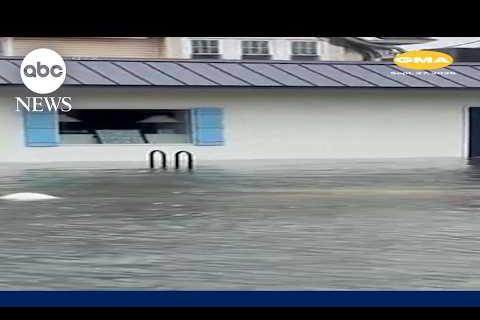
Nor’easter Causes Widespread Flooding and Power Outages Across East Coast
A powerful nor’easter began impacting the United States East Coast on September 23, 2026, bringing severe flooding and fierce winds from Virginia to New England. As of September 27, 2026, the storm continues to cause significant disruption, with tens of thousands of people experiencing power outages. Nearly 150,000 households have lost electricity across the affected regions. A 56-year-old man died in Brooklyn, New York, on September 26, 2026, after a tree fell on him during the storm. The National Weather Service has warned of potential intensification through Sunday, with more flooding anticipated.
Official Responses and Attributed Statements Regarding Nor’easter Impact
New York Governor Kathy Hochul and New Jersey Governor Mikie Sherrill have declared states of emergency for certain regions affected by the nor’easter. These declarations enable emergency services to respond more effectively and allocate resources where most needed. The National Weather Service issued warnings regarding the storm’s intensity, indicating that coastal flooding, dangerous surf, and beach erosion are significant concerns, particularly in New Jersey. Over 400 flights have been canceled due to the severe weather conditions, according to reports from ABC News.
Nor’easter Historical Context and Regional Vulnerability
Nor’easters are powerful extratropical cyclones that typically form along the East Coast of North America. They are characterized by strong northeast winds, which can bring heavy rain or snow, high waves, and coastal flooding. These storms often develop when a low-pressure system moves northeastward along the coast, drawing moisture from the Atlantic Ocean. The interaction of cold air from Canada and warmer ocean air fuels their intensity. Historically, the East Coast, particularly regions like New Jersey and New York, has been vulnerable to the impacts of such weather events, experiencing significant infrastructure damage and power disruptions. The current storm’s impact on coastal areas, including dangerous surf and erosion, mirrors patterns seen in previous severe nor’easters. The ongoing nature of the storm, which began on September 23, 2026, and is expected to intensify again, highlights the prolonged challenges these weather systems can pose. For more information on weather phenomena and their impact, the National Weather Service provides detailed forecasts and warnings.
Sponsored · Put your business in front of ByteSize Network's readers, with every click measured. See advertising packages · Advertise on ByteSize Network