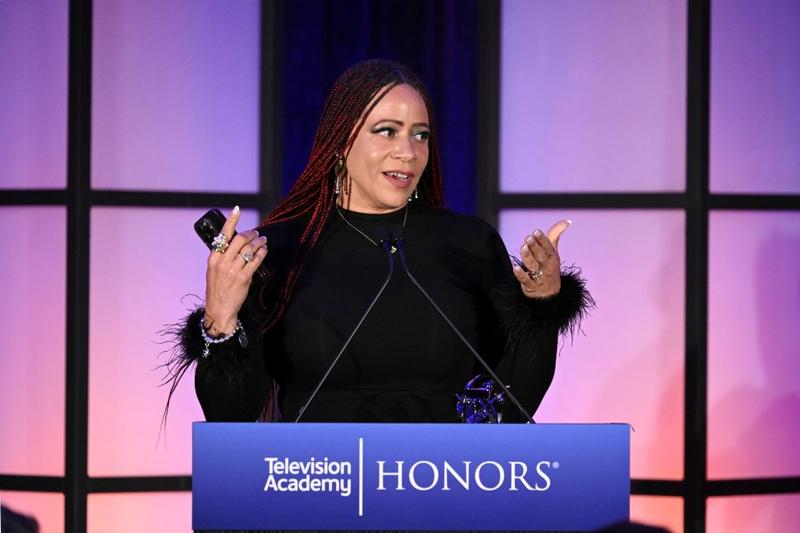
The landscape of public intellectual engagement has undergone significant transformation. This shift impacts how complex ideas are presented, received, and debated within the broader society. Nikole Hannah-Jones, a Pulitzer Prize-winning journalist and academic, has become a central figure in these ongoing discussions.
Her work, notably The 1619 Project, has generated considerable attention and controversy since its inception. This project, published by The New York Times Magazine, reframes American history by placing the consequences of slavery and the contributions of Black Americans at its center.
The 1619 Project and its Impact
The 1619 Project launched in August 2019, marking the 400th anniversary of the first enslaved Africans arriving in colonial Virginia. It aimed to re-examine the legacy of slavery in the United States and its enduring impact on contemporary American society. The initiative included essays, poems, and short fiction.
Hannah-Jones is a staff writer for The New York Times Magazine, where her focus remains on racial injustice. The project quickly became a subject of intense debate among historians, educators, and political commentators. Supporters lauded its efforts to bring a more comprehensive understanding of American history, while critics raised concerns about its historical interpretations and factual accuracy.
Academic Roles and Institutional Affiliations
Beyond her journalistic endeavors, Hannah-Jones holds significant academic positions. She is the Knight Chair in Race and Journalism at Howard University, a historically Black university in Washington, D.C. This role involves teaching and shaping future journalists.
At Howard University, she also founded the Center for Journalism & Democracy. This center aims to train aspiring journalists in investigative reporting and to foster a deeper understanding of democratic principles and racial justice. Her academic work complements her public-facing projects, bridging journalism and scholarly inquiry.
Broader Contributions to Journalism
Hannah-Jones has also contributed to the field of investigative reporting through other initiatives. She co-founded the Ida B. Wells Society for Investigative Reporting. This organization is dedicated to increasing the number of investigative journalists of color.
The society provides training, mentorship, and networking opportunities for journalists. Its mission aligns with Hannah-Jones’s broader commitment to diversifying media landscapes and ensuring a wider range of perspectives in news coverage. This work underscores her dedication to the craft of journalism itself.
Engaging with Educational Initiatives
In 2021, Hannah-Jones launched the 1619 Freedom School in her hometown. This literacy program aims to improve reading outcomes for elementary school children. The initiative reflects a practical application of her commitment to education and community development.
The school’s focus on literacy connects to broader discussions about educational equity and access. It represents a direct effort to address disparities in educational attainment, particularly within marginalized communities. Such initiatives often face scrutiny and debate regarding their pedagogical approaches and potential impact.
The Nature of Public Intellectual Debate
Public intellectuals often navigate a complex environment where their ideas are subjected to intense public and academic scrutiny. The current climate, characterized by rapid information dissemination and polarized discourse, amplifies these challenges. Debates surrounding figures like Hannah-Jones frequently extend beyond academic circles into political and cultural arenas.
The discussion around The 1619 Project highlights the ongoing tension between historical interpretation, national identity, and educational curricula. These conversations reflect deeper societal questions about how history is taught and understood, and who controls the narrative. The intensity of these debates often reflects broader cultural anxieties.
Related: Penn Badgley’s Sex Scene Stance: Wife Clarifies Mental Health Focus
Navigating Scrutiny and Criticism
Public figures engaging in controversial topics inevitably encounter criticism. Hannah-Jones has faced significant pushback regarding the historical claims made in The 1619 Project. These criticisms often come from historians who argue for different interpretations of historical events.
The nature of academic and public debate requires robust engagement with differing viewpoints. The process of intellectual exchange, even when contentious, is a fundamental aspect of democratic societies. It shapes public understanding and influences policy discussions.
The Evolving Role of Media and Academia
The intersection of media and academia has become increasingly prominent. Journalists with academic affiliations, like Hannah-Jones, bridge these two worlds. This dual role allows for the dissemination of scholarly work to a broader audience but also exposes academic ideas to the rapid-fire scrutiny of public opinion.
The digital age further accelerates this process, with social media platforms becoming primary venues for both discussion and critique. This environment demands resilience and clarity from public intellectuals as they navigate complex issues in the public eye. The ongoing dialogue around The 1619 Project exemplifies this dynamic.
Journalists gathered. Historians gathered. Educators gathered.
Discourse.
Sources
Sponsored · Buying, selling or investing in property? JL Group works with owners and investors in Springfield, Missouri and beyond. jlgroup.online · Advertise on ByteSize Network